Where To Stay In Ho Chi Minh City
Ho Chi Minh City doesn’t ease you in gently. From the moment you land, the roar of motorbikes, the scent of iced milk coffee, and the hum of a city that never quite switches off will have you completely hooked.
Picking the right neighbourhood is everything here. Get it right and your whole trip clicks into place. Get it wrong and you’ll spend half your days in the back of a Grab, watching the good stuff roll by.
The Quick Summary:
- Best For First-Timers: District 1 puts you right in the middle of everything. Landmarks, restaurants, rooftop bars, and the famous walking street are all on your doorstep.
- Best For Budget Travellers: The backpacker pocket of Pham Ngu Lao and Bui Vien in District 1 is still one of Southeast Asia’s most affordable and social places to base yourself.
- Best For A Local Feel: District 3 is where Saigonese actually live. Tree-lined streets, proper coffee shops, and real neighbourhood energy without the tourist markup.
- Best For Expats and Long Stays: Thao Dien in District 2 is the go-to for international schools, riverside apartments, craft coffee, and a noticeably more relaxed pace of life.
- Nightly Budgets: Dorm beds from around 150,000 VND ($6 USD). Mid-range hotels sit between 800,000 and 2,500,000 VND ($33 to $103 USD). Luxury options run from 3,500,000 VND ($144 USD) and well beyond.
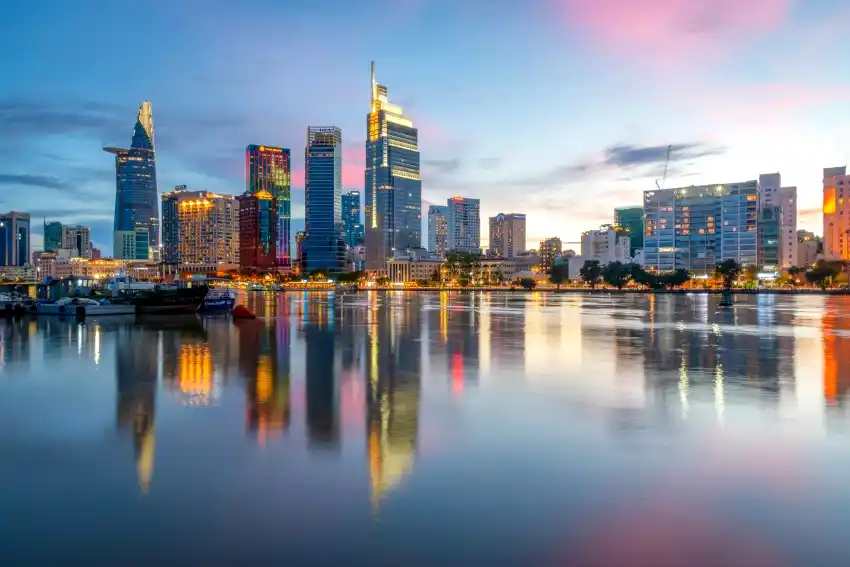
Which District Should You Choose?
Your ideal base depends on what kind of trip this is. Are you here for a whirlwind few days of sightseeing? Planning a slow month of remote work and good coffee? Moving with kids? Each district genuinely serves a different traveller, and picking the wrong one can quietly undermine your whole experience. Here’s how they stack up.
| District | Primary Vibe | Best For | Average Nightly Cost |
|---|---|---|---|
| District 1 (Ben Nghe / Da Kao) | Central, Historic, Buzzing | First-timers, sightseers, luxury travellers | 1,210,000 to 6,050,000 VND ($50 to $250 USD) |
| District 3 (Vo Thi Sau) | Leafy, Authentic, Culinary | Mid-range travellers, food lovers, repeat visitors | 800,000 to 3,500,000 VND ($33 to $144 USD) |
| District 2 (Thao Dien) | Riverside, Relaxed, International | Expats, families, digital nomads, long stays | 970,000 to 4,360,000 VND ($40 to $180 USD) |
A Closer Look At Each Area:
District 1: The Heartbeat of Saigon
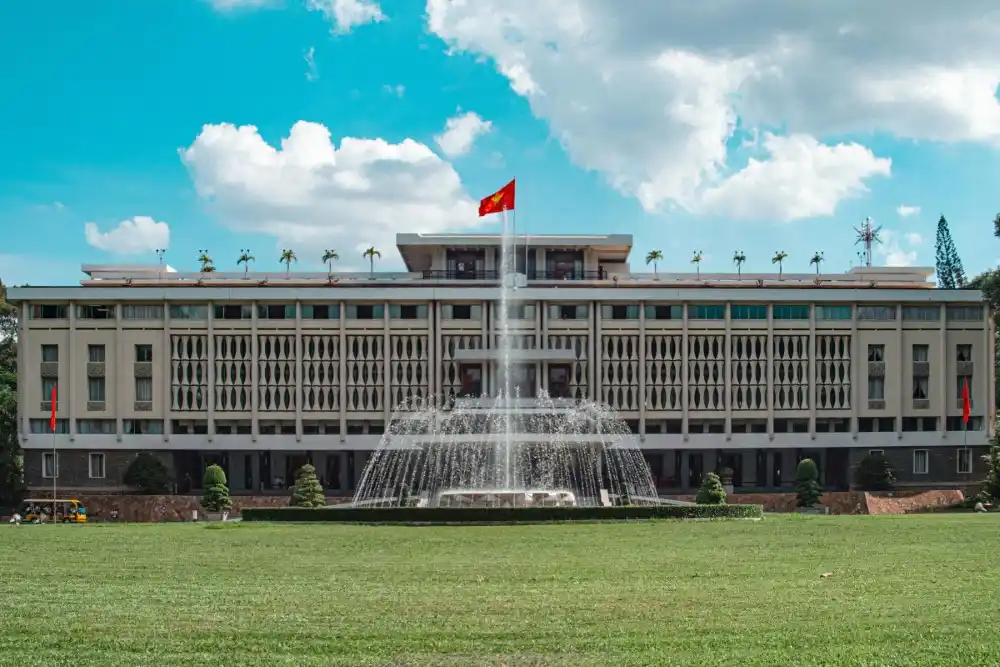
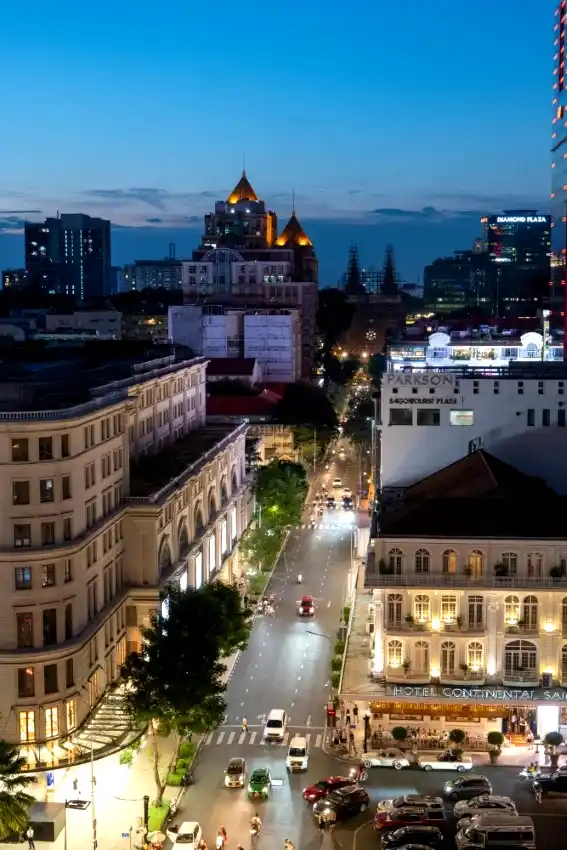
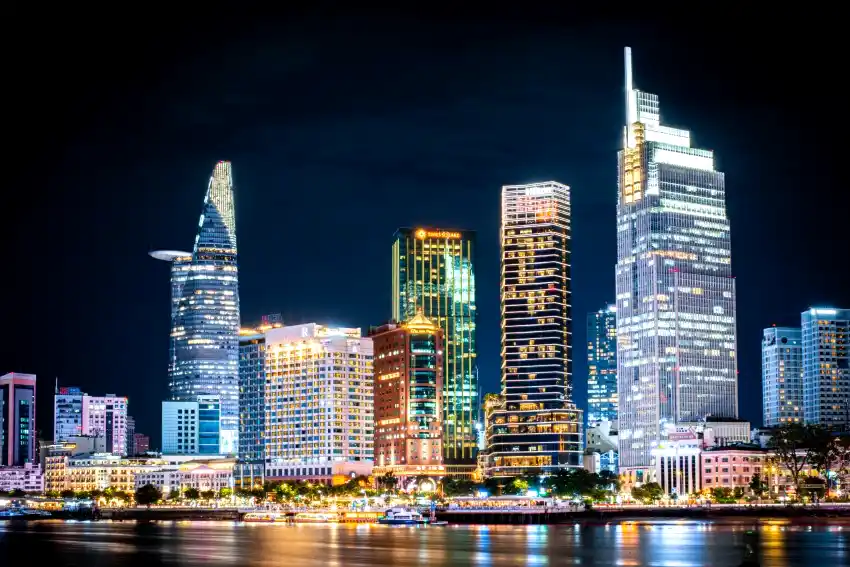
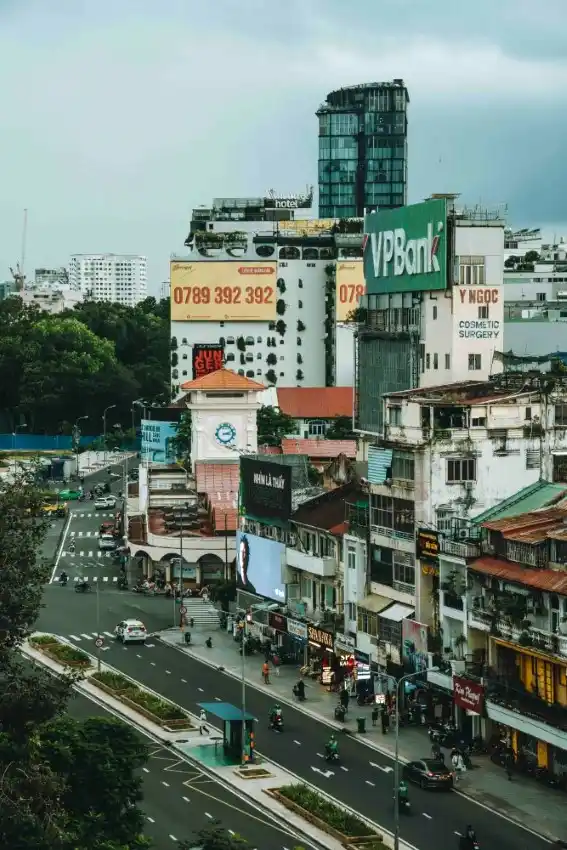
If this is your first time in Ho Chi Minh City, District 1 is where you want to land. The Notre Dame Cathedral, the gorgeous Saigon Central Post Office, and the Independence Palace are all walkable from most hotels here. Nguyen Hue Walking Street turns into one long open-air social event every evening, and if you haven’t yet checked out the rooftop bars overlooking the Saigon River, put them near the top of your list. They really are something.
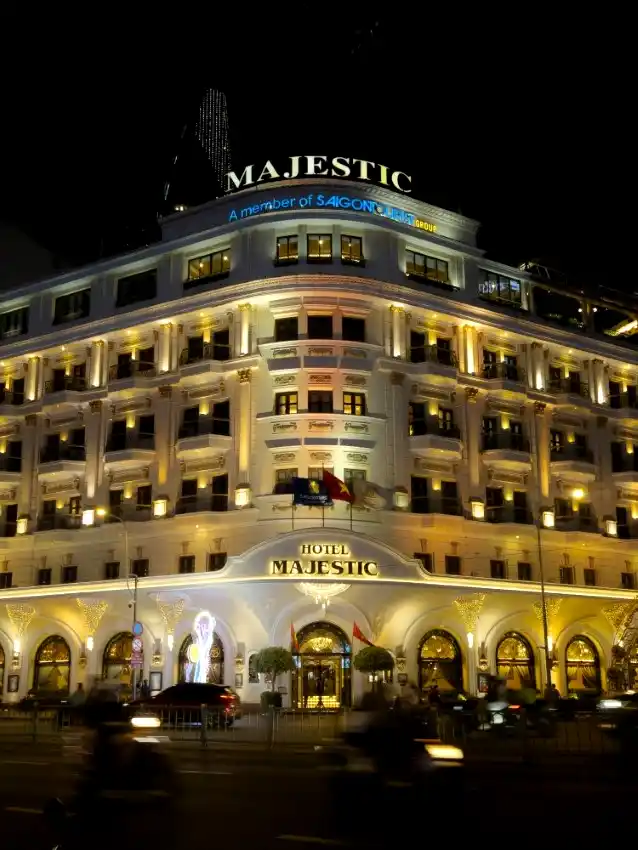
At the luxury end, book through Agoda for the best rates on iconic addresses like the Hotel Continental Saigon alongside sharp modern towers. At the backpacker end, Pham Ngu Lao delivers cheap dorms, sociable common areas, and an easy-going crowd. Just be aware that Bui Vien Street, which runs right through the middle, parties until the early hours and is not the place for light sleepers.
For everyone in between, the blocks surrounding Ben Thanh Market hit a sweet spot of convenience, decent value, and quieter side streets without losing any of the central location benefits. It’s also the best jumping-off point for day trips out to the Mekong Delta or the Cu Chi Tunnels, both of which are a lot easier to organise when you’re already based in the thick of things.

Find your perfect base in Vietnam’s most energetic
metropolis. Compare top-rated properties across
central District 1, historic District 3, and the riverside
expat hub of Thao Dien to lock in the best rates
before you travel.
District 3: Local Life At Its Best
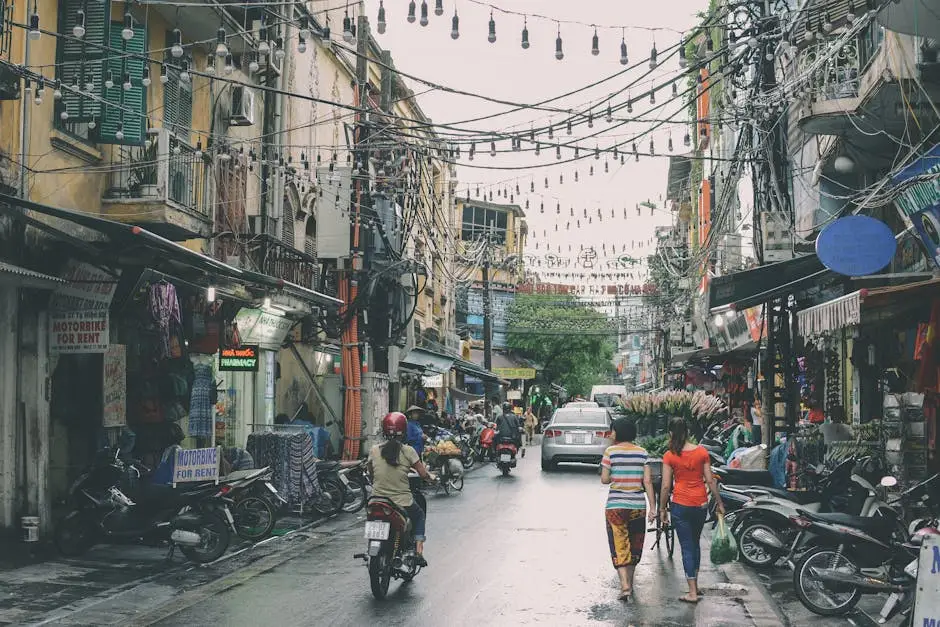
District 3 is the version of Saigon that most tourists never quite reach, and that is exactly why it is worth staying here. Wide avenues shaded by tall trees, French colonial architecture peeking out between coffee shops, and a neighbourhood rhythm that feels lived-in rather than put on for visitors. If you want to understand Vietnamese coffee culture at its most genuine, this is where you sit down with a drip filter and watch the neighbourhood wake up.
Accommodation prices drop noticeably compared to District 1, which makes this a smart pick for mid-range travellers who want a real city experience without the tourist premium. Use Booking.com here for its strong free cancellation options. The area around Turtle Lake is a favourite local gathering spot in the evenings, packed with vendors selling rice paper salad and other street snacks. Nguyen Thien Thuat Street is a must for noodle soup fans. And if the HCMC street food scene is new to you, District 3 is one of the best places to start exploring it properly.
The War Remnants Museum and the striking pink Tan Dinh Church are both within easy reach, adding genuine cultural depth to a stay here. The history of the Vietnam War hits differently when you can walk to its most confronting exhibits in ten minutes. Long-term travellers keep coming back to District 3 for good reason.
Thao Dien and District 2: For Those Settling In
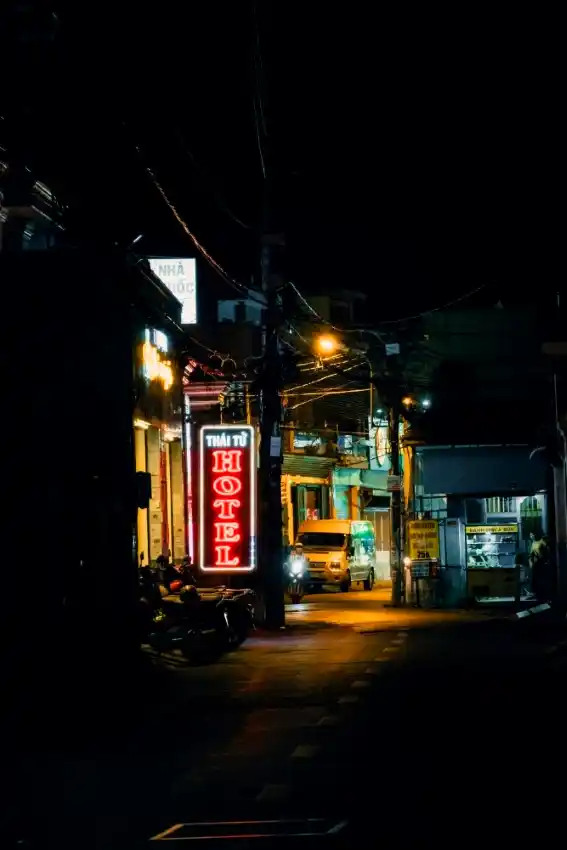
Cross the Saigon River and the city changes personality entirely. Thao Dien is quieter, greener, and built around a lifestyle rather than sightseeing. International restaurants, boutique clothing shops, craft beer taprooms, yoga studios, and independent coffee roasters line the main strips. Modern apartment towers with infinity pools and gyms dominate the skyline.
Families relocating to Vietnam gravitate here because of the concentration of international schools and proper green spaces where children can actually play. Digital nomads love it for the fast internet, reliable cafe seating, and a community of fellow remote workers who have been here long enough to know all the good spots. For anything longer than a month, Agoda is worth checking for serviced apartment deals before you commit to a local agent.
The trade-off is distance. Getting into District 1 for a museum visit or a night out takes 20 to 30 minutes on a normal day and longer during peak hours. Thao Dien can also flood during heavy monsoon downpours, something worth factoring in if you’re arriving between May and October. For short trips centred on history and street food, it’s probably too far out. For anyone settling into Ho Chi Minh City long term, it’s hard to beat.
Find Your Perfect Stay:
Use the map below to explore hotels, guesthouses, serviced apartments, and hostels across all three districts. Filter by budget and neighbourhood to find options that fit your travel style, whether that’s a heritage boutique hotel in District 1, a quiet guesthouse in District 3, or a long-stay apartment in Thao Dien.
Getting Around Once You’re There:
Download Grab, Xanh SM, or Be before you touch down. All three show you a fixed price before you confirm the ride, which completely removes the guesswork and any risk of meter scams. Use the motorbike option for short hops and car mode when you have luggage or are heading out with kids. For a detailed breakdown of which app wins on price and reliability, the Grab vs Xanh SM comparison is worth a read before you land.
Walking within District 1 or District 3 is completely doable and one of the genuine joys of being here. Getting between District 1 and District 2 requires crossing major bridges, so a ride-hailing app is the practical option for that journey. Our full guide to getting around Ho Chi Minh City covers everything from buses to ferries if you want the deeper dive.
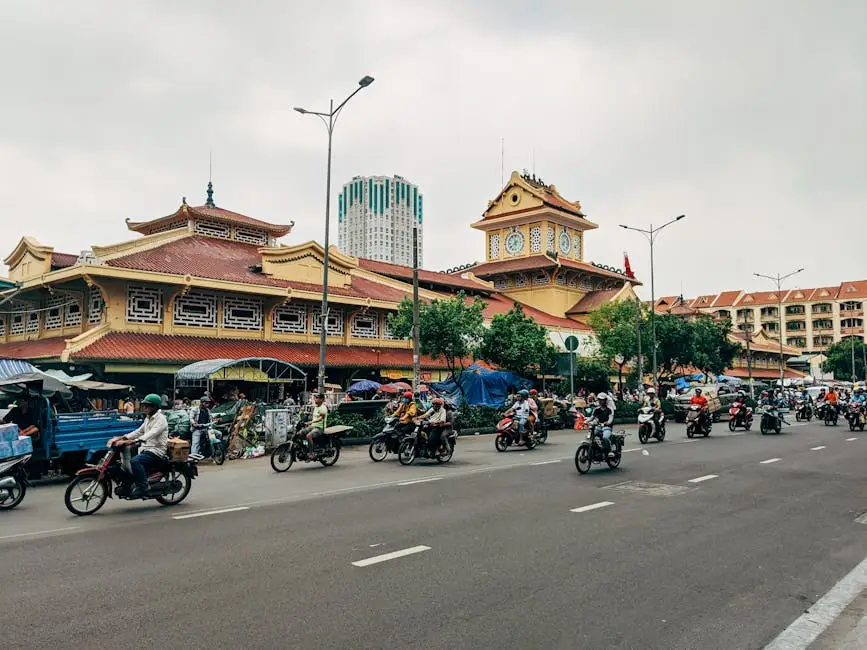
Crossing the road in Saigon is not the chaos it looks like from the pavement. Walk at a slow, steady, predictable pace and the motorbikes will flow around you. Stop suddenly or panic and that’s when things get tricky. Trust the system. It works.
Your Practical Travel Toolkit:
- Getting There From The Airport: Tan Son Nhat sits around 8 kilometres north of District 1. A Grab or Xanh SM ride typically takes 30 to 45 minutes in normal traffic. If you want a stress-free, meet-and-greet arrival with your name on a board, Welcome Pickups is worth booking in advance, especially if you’re arriving late or with luggage.
- Stay Connected: Pick up an eSIM through Yesim before departure and you’ll have data working the moment you land. Local physical SIMs are also available at the airport arrivals hall if you prefer. Either way, use a VPN like NordVPN if you plan to access public Wi-Fi networks in cafes or hotel lobbies. Our full guide to SIM cards and internet in Vietnam covers your options in detail.
- Travel Insurance: Don’t skip this. SafetyWing offers flexible monthly coverage that suits both short-trippers and long-stay nomads, and it’s one of the best-value options for Vietnam travel. Our travel insurance guide runs through what to look for in your policy.


Forget the daily data limits of standard tourist SIMs.
Get a Yesim eSIM for unlimited 5G data from ~$10.
Work, stream, and be connected the second you land.
- Cash Is Still King: Street food vendors, local markets, and most small businesses run on cash. Always keep Vietnamese Dong in smaller bills: 20,000, 50,000, and 100,000 VND notes. Worth noting that the 20,000 VND and 500,000 VND notes share a similar blue-green colour, so double-check before handing anything over. Our Vietnam currency guide covers ATMs, cards, and exchange tips.
- Book Activities In Advance: Use Klook or Get Your Guide to secure spots on day trips to the Cu Chi Tunnels or the Mekong Delta. These fill up fast during high season and online prices are almost always better than what’s offered at hotel desks.
- Finding Accommodation: Agoda carries the largest inventory of regional hotels and guesthouses and tends to have the sharpest prices for smaller properties. Booking.com is a solid alternative, particularly if free cancellation matters to your planning.
Etiquette Every Visitor Should Know:
When visiting religious sites like the Jade Emperor Pagoda, cover your shoulders and knees. Remove shoes at temple entrances when indicated. For a proper rundown of what to do and what not to do across different settings, our guide to Vietnamese culture and etiquette covers all the bases. Tipping is not customary in local street stalls or neighbourhood restaurants, but a small gesture of 20,000 to 50,000 VND ($0.80 to $2.00 USD) is warmly received at upscale venues or for tour guides who have gone above and beyond.
Vietnam’s temples and pagodas are some of the most atmospheric places in the country. If you plan to visit a few, the temples and pagodas guide is a handy companion for knowing what to expect and how to behave at each type of site.
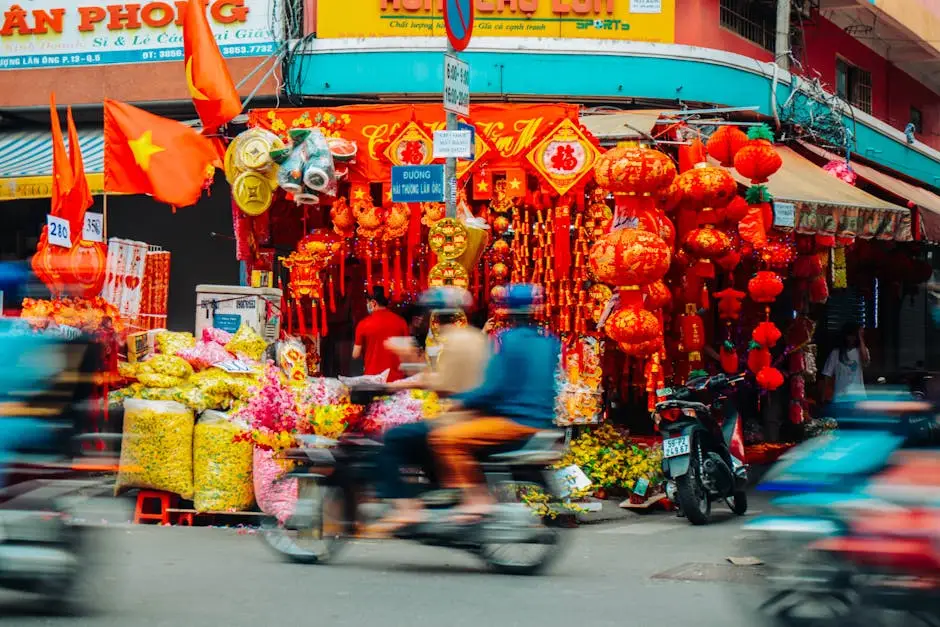
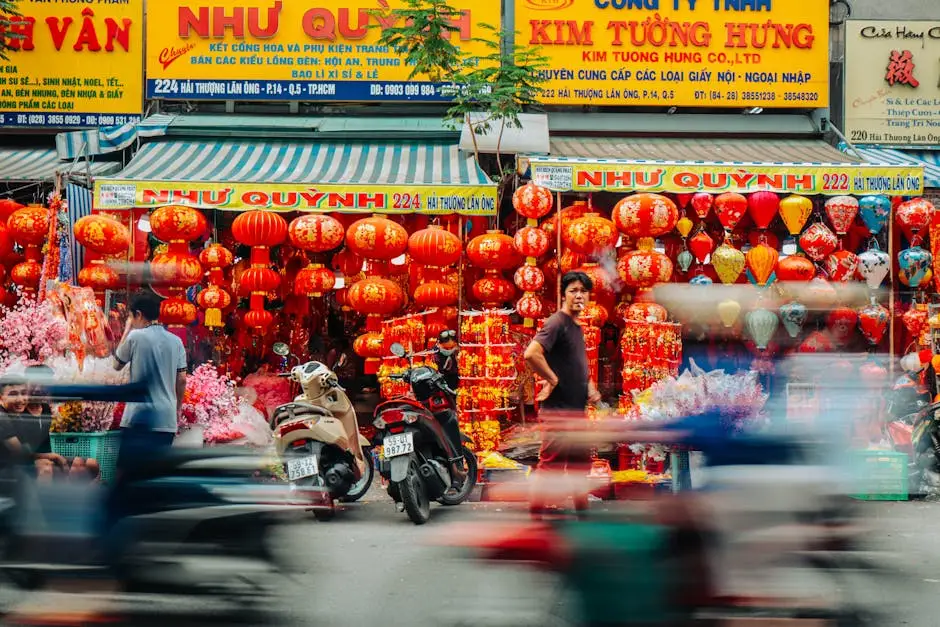
Bargaining Tip: Haggling is expected at Ben Thanh Market and many street souvenir stalls. Start around 30% below the asking price, keep the exchange light and friendly, and never push aggressively. A smile goes further than any negotiation tactic. Food and drink stalls have fixed prices and are not up for negotiation.
Staying Safe and Eating Well:
Ho Chi Minh City is a safe city for travellers. Violent crime is rare. The main thing to watch for is opportunistic petty theft: phone snatching from the back of a passing motorbike happens occasionally, so keep your phone in your pocket when you’re standing near the kerb and carry bags on the side away from traffic. For a more detailed breakdown of what to watch for across the country, our Vietnam safety guide is worth a read before you arrive.
Street food is not the risk some people imagine it to be. The stalls packed with local families during breakfast and dinner service are almost always your safest and most delicious bet. High turnover means fresh ingredients. Everything is cooked in front of you at high heat. Drink bottled water, and when ordering iced drinks, look for ice that comes in tubes or cylinders with holes through the middle. That shape indicates commercially produced ice rather than tap water ice. The HCMC street food guide points you to the best stalls by district.
For solo travellers and families alike, the street food culture here is one of the genuine joys of visiting Vietnam. Lean into it with confidence. And if you want a more guided introduction to the food scene, booking a street food tour through Get Your Guide or Klook is a fantastic way to start.
Planning a Longer Stay or Relocation:
Vietnam’s e-visa allows stays of up to 90 days, giving you plenty of time to get a feel for the city before deciding whether to extend. Ho Chi Minh City remains the economic engine of the country: the strongest job market, the best infrastructure for remote workers, and the widest international community outside of Hanoi. For a full breakdown of what life actually costs here month to month, the cost of living in Vietnam guide lays it all out clearly.
Monthly apartment rentals in Thao Dien for a furnished one-bedroom typically start around 12,150,000 to 18,220,000 VND ($500 to $750 USD) and go up significantly for riverfront towers. Our guide to renting apartments in Vietnam is a good starting point for understanding what to expect from the process. For longer-term visa options beyond the standard 90-day e-visa, the long-term visas guide covers what’s available and how to apply.
If you are relocating with pets, allow extra lead time. Vietnam requires detailed vaccination records and titer test documentation cleared through customs at Tan Son Nhat International Airport. Start that paperwork earlier than you think you need to. Check the pet relocation guide for the full checklist. Apartments are most easily found through local real estate agents or expat community groups once you are on the ground and can view properties in person.
Find your perfect base in Vietnam’s most energetic
metropolis. Compare top-rated properties across
central District 1, historic District 3, and the riverside
expat hub of Thao Dien to lock in the best rates
before you travel.
Frequently Asked Questions:
Which part of Ho Chi Minh City is safest for solo travellers?
District 1, particularly the Ben Nghe and Da Kao areas, is well-lit, busy throughout the evening, and has a strong security presence. Solo travellers consistently find it one of the most comfortable urban environments in Southeast Asia, day or night. Keep your phone pocketed near the kerb and your bag on the traffic-free side and you’ll be fine.
How far is the airport from the city centre?
Tan Son Nhat International Airport sits around 8 kilometres north of District 1. A Grab or Xanh SM ride typically takes 30 to 45 minutes in normal traffic, but can stretch to 60 or 90 minutes during the morning and evening rush. Factor that in if you have an early flight. Welcome Pickups is worth considering if you want a fixed-price, pre-booked transfer with no negotiation on arrival.
Can I walk between the major districts?
Walking within District 1 or District 3 is completely doable and genuinely enjoyable. Getting between District 1 and District 2 requires crossing major bridges, so a ride-hailing app is the practical option for that journey. The walk from District 1 into parts of District 3 is very manageable if you’re happy to cross a few busy intersections.
Is Ho Chi Minh City a good base for families?
Absolutely, particularly if you base yourself in Thao Dien in District 2. The neighbourhood has a strong international school scene, green spaces, family-friendly restaurants, and a calmer pace than the city centre. For shorter trips, District 1 hotels near the riverfront also work well for families. Grab makes getting around with kids easy and affordable.
What is the best time of year to visit?
December through April is the dry season and widely considered the most comfortable time to visit, with lower humidity and minimal rain. The wet season runs roughly from May to November and brings heavy afternoon downpours, though mornings are usually clear and prices and crowds are notably lower. Thao Dien is worth flagging: it can flood badly during the wettest months, so factor that in when choosing your base.
Do I need a visa to visit Vietnam?
Most nationalities need a visa, though Vietnam has expanded its visa-free list significantly in recent years. The 90-day e-visa is the easiest option for most travellers and can be applied for online before departure. Check the Vietnam visa exemptions guide on this site to see whether your passport qualifies for visa-free entry, and the e-visa guide for the step-by-step application process.
Is street food safe to eat in Ho Chi Minh City?
Yes, with a bit of common sense. Busy stalls with high turnover and food cooked fresh in front of you at high heat are your safest bet. Avoid anything that looks like it’s been sitting out in the heat for a long time. Drink bottled water and look for tubular or cylindrical ice with a hole through the middle, which indicates commercially produced ice rather than tap water ice. The street food here is genuinely one of the best things about visiting.
What currency should I bring and can I use cards?
Vietnamese Dong (VND) is what you’ll need for street food, local markets, and smaller businesses. Cards are accepted at most mid-range and upmarket hotels, restaurants, and shopping centres. ATMs are widely available across District 1. Carry smaller denomination notes (20,000, 50,000, 100,000 VND) for day-to-day purchases and watch the colours carefully as the 20,000 and 500,000 VND notes look similar.
How do I get a SIM card or eSIM for Vietnam?
The easiest option is to buy an eSIM through Yesim before you leave home. You’ll have data working the moment you land without needing to queue at an airport counter. Alternatively, local physical SIM cards from Viettel, Mobifone, or Vietnamobile are available at booths in the arrivals hall and are excellent value. Both options give you fast 4G data across the city.
Is Ho Chi Minh City worth visiting if I only have a few days?
It absolutely is, and two or three days is enough to get a proper feel for it. Base yourself in District 1 for maximum convenience, spend one morning on the historical sights around the Independence Palace and the Post Office, take an afternoon to wander through District 3, and get out on at least one evening rooftop. If you can fit in a day trip to the Cu Chi Tunnels or the Mekong Delta, do it. Both are unforgettable and easy to book in advance through Klook or Get Your Guide.