Hanoi Night Markets
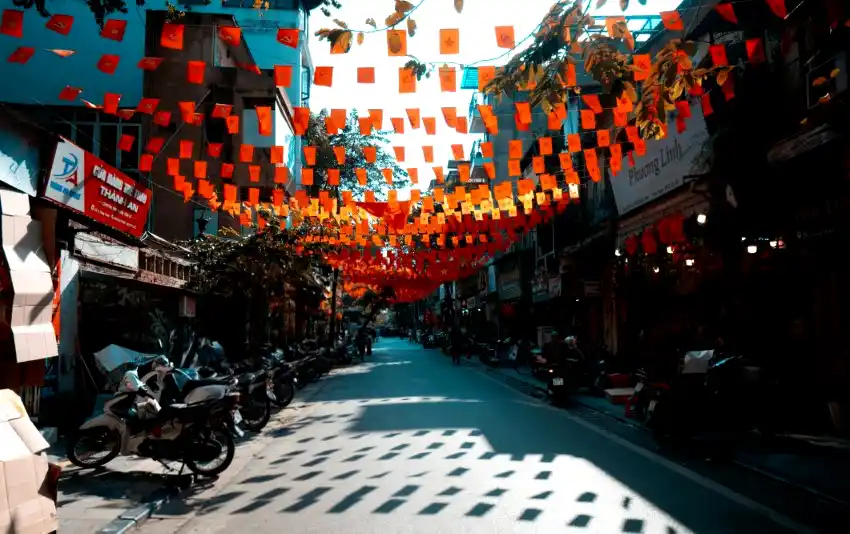
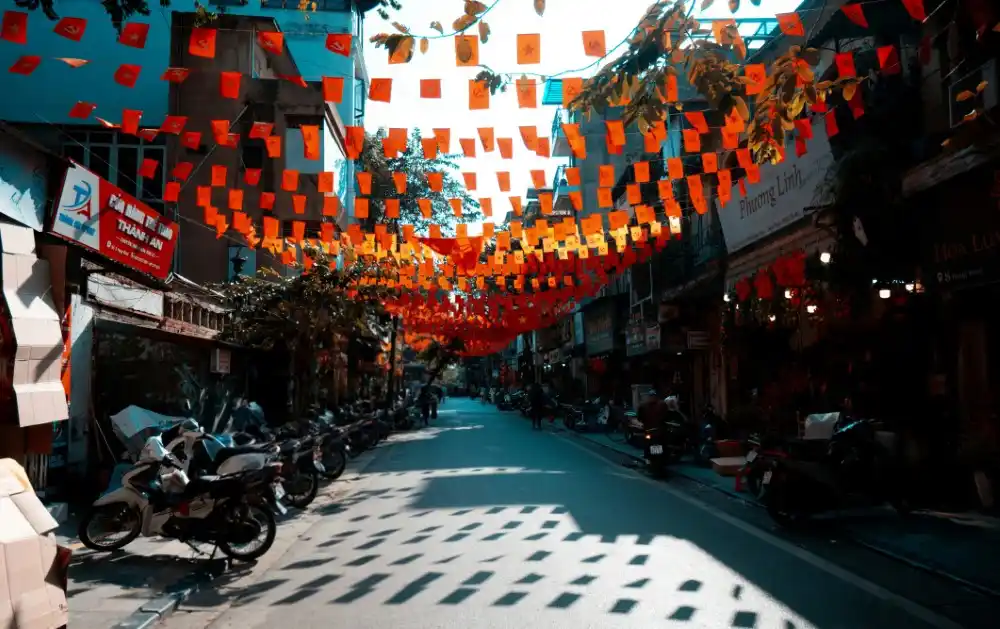
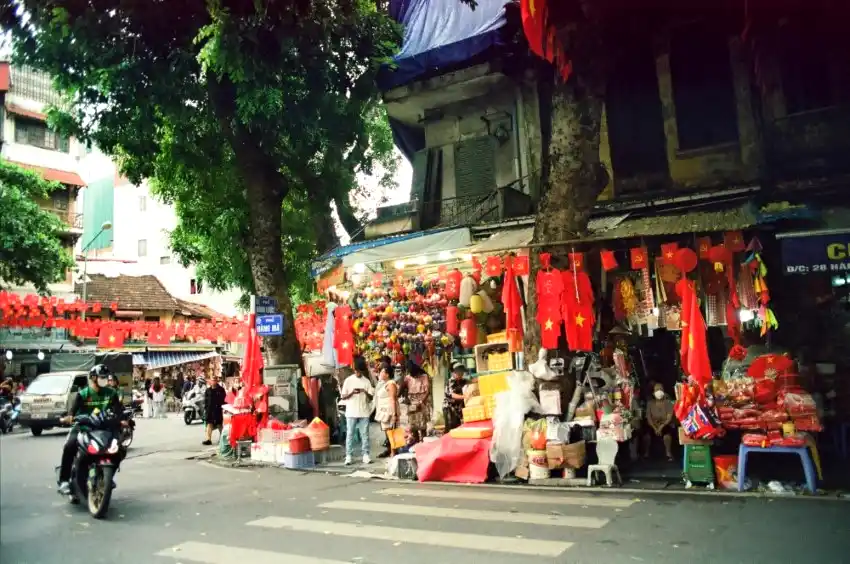
When the sun dips behind the Old Quarter rooftops and the city shifts gears, Hanoi truly comes alive. Motorbikes thin out, string lights flicker on, and the smell of charcoal grills drifts down narrow lanes. The night markets here aren’t a tourist attraction bolted onto the city.
They’re the beating heart of how Hanoians actually socialise, eat, and unwind. Whether you’re a backpacker on a tight budget, a family hunting for something genuinely memorable, or an expat finally ticking off the neighbourhood food stall you’ve walked past a hundred times, these markets have something real to offer you.
The Quick Summary:
- Primary Locations: Hoan Kiem District (Old Quarter), Tay Ho District, and Cau Giay District.
- Operating Hours: The big weekend market runs Friday to Sunday, 6:00 PM to midnight. Smaller food-focused markets run daily.
- Budgets: Street food runs 20,000–60,000 VND ($0.80–$2.50 USD). Souvenirs and clothing sit between 50,000–250,000 VND ($2.00–$10.30 USD).
- Entry Fees: Every single night market in Hanoi is completely free to enter.
- Best Time to Arrive: Hit the market between 7:30 PM and 9:00 PM. All stalls are set up, the energy is electric, and the crowds haven’t yet become overwhelming.
- Payment: Cash in Vietnamese Dong (VND) is king. A handful of permanent stalls accept QR bank transfers, but don’t count on it.
Which Night Markets Should You Actually Visit?
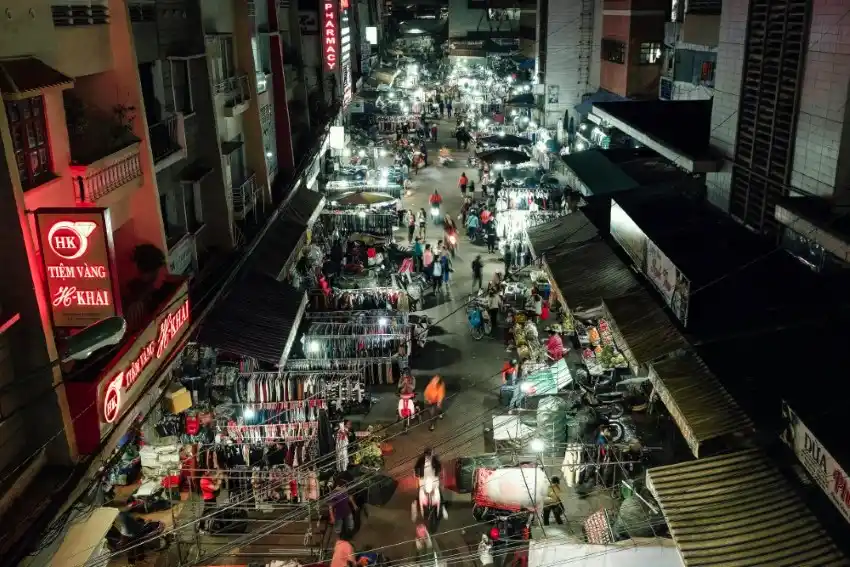
Hanoi’s night markets aren’t all the same. The famous Old Quarter weekend market draws enormous tourist crowds but has an undeniable buzz. Step a few kilometres west, and you’re in proper neighbourhood territory, local prices, local faces, and none of the tourist markup. Here’s how the three main options stack up, so you can pick the one that actually fits your evening.
| Market Name | Location | Best Known For | Avg. Cost Per Meal |
|---|---|---|---|
| Hanoi Weekend Night Market | Hang Dao St to Dong Xuan Market, Hoan Kiem | Souvenirs, casual apparel, massive street atmosphere, live heritage music | 40,000 VND ($1.65 USD) |
| Tong Duy Tan Food Street | Tong Duy Tan St, Hang Bong, Hoan Kiem | Late-night northern dishes, herbal soups, charcoal grills, open nightly | 50,000 VND ($2.05 USD) |
| Nghia Tan Night Market | Nghia Tan St, Cau Giay District | Authentic local prices, student crowd, zero tourist markup, regional snacks | 30,000 VND ($1.25 USD) |
Getting to Know Each Market:
Hanoi Weekend Night Market
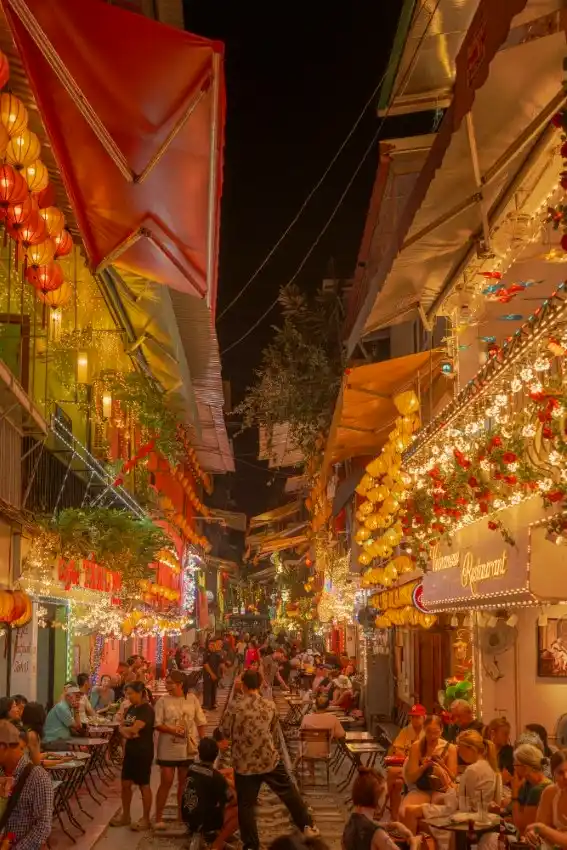
This is the one everyone talks about, and for good reason. Running from the southern tip of Hoan Kiem Lake at Hang Dao Street all the way north to the grand gates of Dong Xuan Market, the route is closed to traffic on Friday, Saturday, and Sunday evenings. One of Asia’s most atmospheric historic corridors transforms into a buzzing pedestrian street, and it does so with real confidence.
Canvas-topped stalls pack the centre of the road selling embroidered textiles, hand-painted ceramics, souvenir t-shirts, lacquerware, and accessories. Wander toward the main intersections and you’ll find traditional musicians performing Hat Xam and Hat Chau Van, haunting northern folk styles that stop people mid-stride.
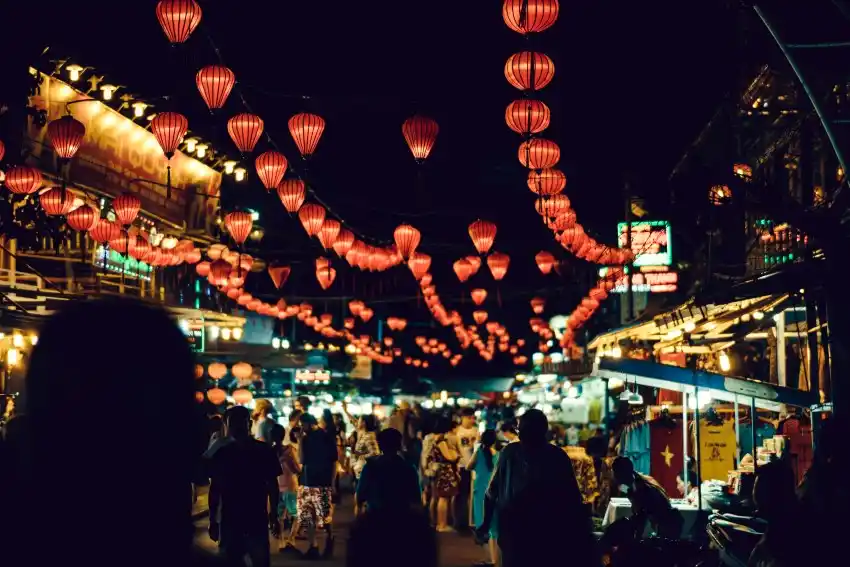
The illuminated shop-house facades and the sheer energy of thousands of people enjoying their evening make this one of those rare experiences that actually lives up to the hype. Pair it with a wander through the broader things to do in Hanoi and you’ve got a genuinely full evening.
Perfect for: First-timers, families, anyone wanting the full Old Quarter experience, souvenir shopping.
Tong Duy Tan Food Street
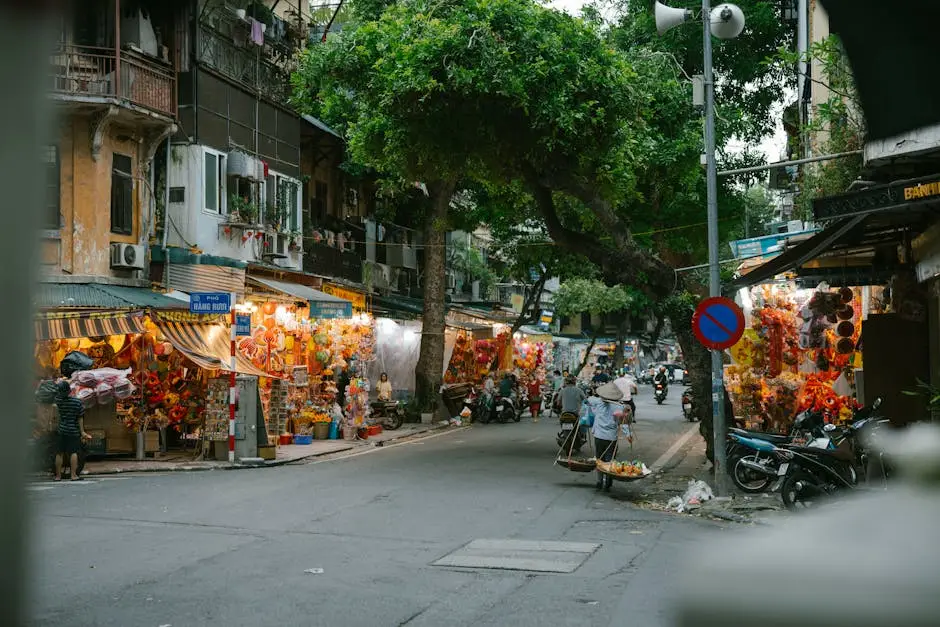
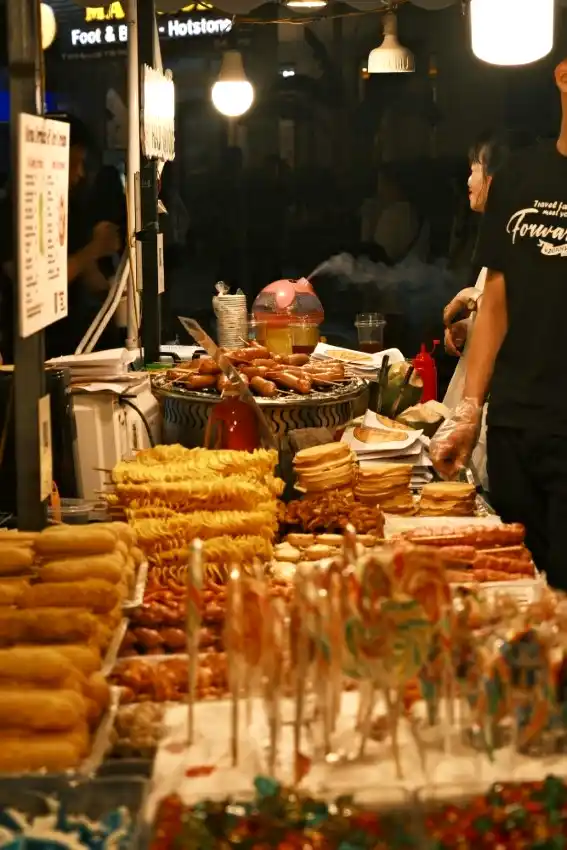
If the Weekend Market is the showpiece, Tong Duy Tan is the soul. This narrow alley off Hang Bong operates every single night of the week and shuts the souvenirs out entirely. It’s food, all food, and nothing but food. The air is thick with charcoal smoke and steam from enormous broth cauldrons. Low plastic stools spill directly onto the pavement. Nobody here is performing for tourists; they’re just cooking and eating.
Must-try dishes on Tong Duy Tan include Ga Tan, herbal chicken soup slow-simmered in a can over coals, deeply medicinal and wonderfully warming, alongside Chao Suon (silky rice porridge with pork ribs) and Com Dao Ga Chien (crispy fried rice with golden chicken thighs). This is where locals come when they want proper comfort food after midnight. If you’re serious about Hanoi’s food scene, our full Hanoi street food guide will keep you fed well beyond market hours.
Perfect for: Food obsessives, solo travellers, couples, expats, anyone who’d rather eat than shop.
Nghia Tan Night Market
Seven kilometres west of the Old Quarter, Nghia Tan is where Hanoi’s student population and local families do their evening shopping and eating, and where prices reflect actual Vietnamese life rather than tourist-zone economics. If you want to see how the city genuinely works after dark, this is the market to seek out.
The food stalls here are brilliant for regional snacks you won’t easily find elsewhere: Banh Mi Chao (skillet-fried bread loaded with pâté and eggs), Tao Pho (silken tofu pudding drizzled with jasmine syrup), and Nem Lui (pork skewers wrapped in lemongrass and grilled over coals). The crowd is almost entirely local, making it an especially rewarding spot for expats or longer-stay travellers tired of the tourist trail. It’s also far enough from the Old Quarter that you’ll want to plan how to get around Hanoi before heading over.
Perfect for: Repeat visitors, expats, budget travellers, anyone wanting an authentic slice of real Hanoi.

Check the latest hotel prices across Hanoi’s best
neighborhoods. From the bustling Old Quarter
and elegant French Quarter to scenic West
Lake. Compare your options and secure the
best deals before you book.
What You Should Eat:
Savory Staples and Northern Classics
Hanoi’s night market food leans northern, meaning rich broths, fragrant herbs, and deeply seasoned grilled meats rather than the sweet, tropical flavours you’ll find further south. Grilled pork skewers seasoned with lemongrass run 15,000–25,000 VND ($0.60–$1.00 USD) a skewer and are impossible to walk past. Bun Cha, smoky grilled pork patties served in a light dipping broth with rice vermicelli and herbs, is arguably Hanoi’s most iconic dish, and you’ll find decent versions at stalls clustered around the market intersections.
Keep an eye out for Banh Xeo, a sizzling rice flour pancake stuffed with pork, shrimp, and bean sprouts. And for Banh Trang Nuong, grilled rice paper loaded with egg, minced pork, and spring onion, which street food fans have nicknamed “Vietnamese pizza.” It’s one of those bites you’ll find yourself talking about for years. Our broader Vietnamese street food guide has more on both dishes and the stories behind them.
Noodle Bowls and Late-Night Soups
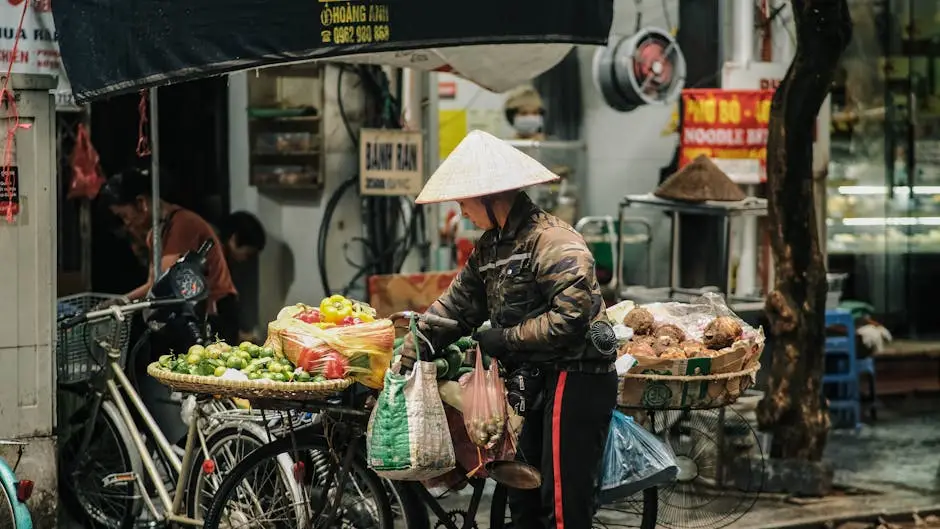
Hanoi’s love affair with broth runs deep. Night markets are an excellent place to explore specialist noodle dishes that sit-down restaurants rarely bother with. Look for Mi Quang if you’re passing through the central stalls, yellow turmeric noodles tossed with pork, shrimp, quail eggs, and a deeply savoury broth, all crowned with crunchy rice crackers. Hu Tieu, a cleaner, clear pork bone broth with fresh herbs and seafood, is the southern cousin that’s crept north and earned a following.
Late at night, Chao (rice porridge) is the great equaliser, cheap, deeply comforting, and eaten by everyone from teenagers to grandparents at 1:00 AM on low plastic stools. The Vietnamese coffee culture page is worth a read too, because finishing a market night with a glass of egg coffee on a Old Quarter balcony is one of Hanoi’s great rituals.
Desserts and Sweet Treats
Che is the dessert you’ll see everyone carrying, a gorgeous layered sweet soup of coloured beans, jelly cubes, coconut milk, and shaved ice, usually no more than 20,000 VND ($0.80 USD) a cup. Tao Pho, the silken tofu pudding drizzled with jasmine sugar syrup and served warm or cold, is one of those things you’ll be craving for years after you leave. Rolled ice cream, fruit and toppings churned and frozen on a -30°C metal plate right in front of you, is the crowd-pleaser for children and adults equally.
If you’re planning a bigger night out in the area, the Old Quarter guide maps out the best streets to wander between bites.
Bargaining, Etiquette, and Local Customs:
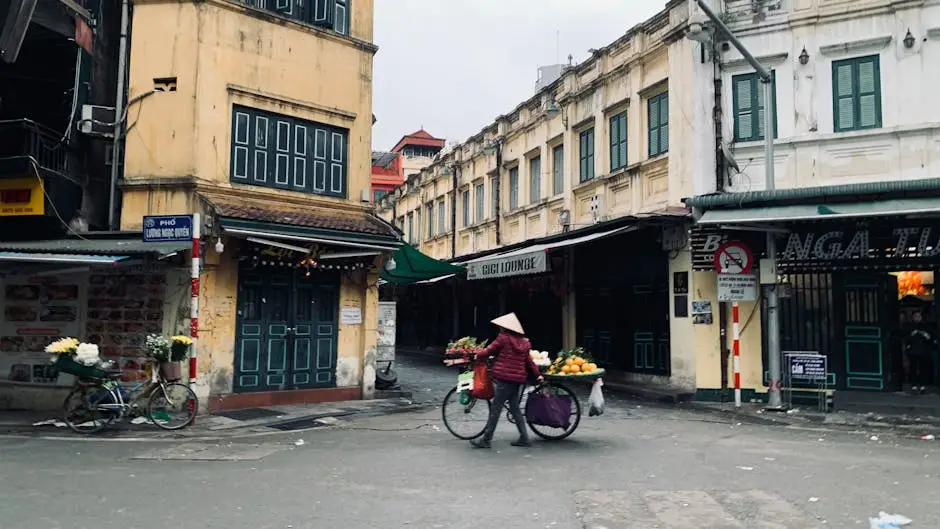
Bargaining is expected and welcomed at the Weekend Night Market for non-perishable goods, clothing, bags, ceramics, and souvenirs. Keep it a friendly conversation rather than a battle. Start around 20–30% below the asking price, stay smiling, and if a vendor won’t budge and you genuinely want the item, meet somewhere in the middle. Walking away slowly and politely very often results in a better offer being called after you.
Cultural Note, Mo Hang: The very first sale of a vendor’s evening is known as Mo Hang and is believed to set the financial tone for their whole night. If you browse stalls right as they’re setting up around 6:00 PM, avoid heavy bargaining unless you’re committed to buying. Demanding a steep discount and walking away during Mo Hang is genuinely distressing for the seller. It’s a real cultural belief, not superstition for tourists.
Food prices are always fixed. Never try to negotiate a bowl of noodles or a skewer, it’s not done, and vendors find it baffling. Tipping isn’t a Vietnamese custom at street stalls, but leaving small change after a genuinely lovely interaction is always appreciated. If the market sits near a temple or pagoda, cover your shoulders and knees out of respect. There’s more on this in our Vietnamese culture and etiquette guide if you want to go in prepared.
Safety and Food Confidence:
Hanoi’s night markets are safe, and violent crime is exceptionally rare. Your only real concern is opportunistic pickpocketing in the densest parts of the Hoan Kiem Weekend Market. Leave your passport at the hotel, wear your bag across your body or on your front, and keep your phone out of loose back pockets. That’s essentially it.
On food safety: follow the locals. The stalls with the longest queues and the fastest turnover are the safest, it means ingredients are fresh, not sitting out. Choose things cooked at high heat in front of you: boiling soups, charcoal-grilled meats, freshly fried pancakes. Avoid raw vegetables and unpeeled fruit from stalls unless you know the water quality is reliable. Stick to sealed factory-bottled water.
For the streets around the market perimeter, crossing the road is an art form. Walk at a slow, steady, predictable pace, motorbike riders are expert at steering around pedestrians as long as you don’t suddenly stop or change direction. Don’t wait for a gap that never comes; just move calmly and consistently. Our full Is Vietnam Safe guide covers everything from traffic to scams in more detail.
Where to Stay Near the Night Markets:

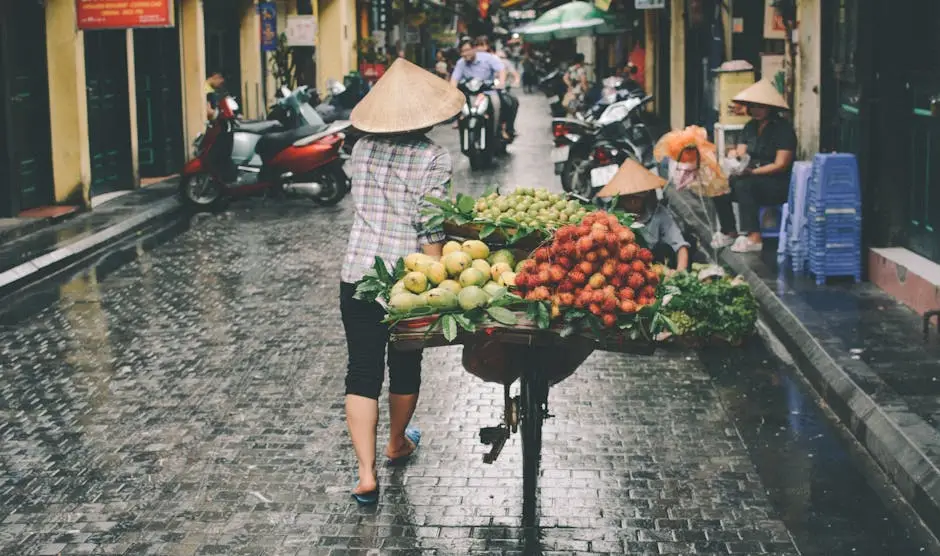
The Old Quarter puts you walking distance from both the Weekend Night Market and Tong Duy Tan Food Street. Budget travellers will find excellent hostels and guesthouses tucked down the narrow lanes off Hang Bong and Ma May streets. Mid-range hotels cluster around the western shore of Hoan Kiem Lake.
For a luxurious base with a view over the water and the Turtle Tower, the five-star hotels along Dinh Tien Hoang Street are hard to top, and the walk to the market entrance is under ten minutes. Search the full range on Agoda for the best rates and inventory, it’s particularly good for smaller Old Quarter properties you won’t easily find elsewhere. Booking.com is a solid alternative if free cancellation is a priority for you.
Families and longer-stay visitors often prefer the Tay Ho (West Lake) area, which is quieter, more spacious, and home to a large expat community, with easy taxi or Grab access into the Old Quarter for evening market visits. Our where to stay in Hanoi guide breaks down every neighbourhood in detail, from budget hostels to Hanoi’s best luxury hotels.
Pro Tips for a Stress-Free Evening:
- Getting There and Home: Download Xanh SM before you arrive. It runs a fully electric fleet with transparent, fixed upfront pricing, no meter arguments, no haggling with tuk-tuk drivers outside the market. Book your ride home before you want to leave; demand spikes sharply after 10:00 PM. Grab and Be are solid alternatives if Xanh SM is unavailable in your area.
- Cash Is Non-Negotiable: Carry small denominations, 20,000, 50,000, and 100,000 VND notes. Paying for a 30,000 VND snack with a 500,000 VND note drains a small vendor’s change supply and creates genuine awkwardness. Withdraw from an ATM before heading out. Our Vietnam currency guide has tips on the best ATMs and avoiding bad exchange rates.
- Stay Connected: Pick up a local eSIM via Yesim before you fly, it activates the moment you land and you’re on data before you’ve cleared customs. Airalo is a popular alternative with good Vietnam coverage. You’ll need data for Google Maps navigation through the Old Quarter’s maze of lanes, translation apps, and calling your ride home. Use a VPN like NordVPN on any public Wi-Fi around Hoan Kiem Lake. Check out our Vietnam SIM cards and internet guide for a full breakdown.


Forget the daily data limits of standard tourist SIMs.
Get a Yesim eSIM for unlimited 5G data from ~$10.
Work, stream, and be connected the second you land.
- Guided Food Tours: If you’d rather have an expert do the navigation and ordering for you, book a guided evening street food tour through Get Your Guide or Klook. Local guides know exactly which vendors are worth stopping at, handle any language barriers, and often take you down side streets you’d never find alone, great for families and first-time visitors.
- Travel Insurance: It’s easy to overlook but worth sorting before you go. SafetyWing offers flexible cover starting from around $42 USD per month, solid for short trips and digital nomads alike. A spilled bowl of hot broth at 1:00 AM is a reminder that minor mishaps happen even in the safest cities.
- Timing Your Visit: Arrive at 7:30 PM for a fully set-up market with great energy and manageable crowds. After 9:30 PM the food quality is identical but the throngs thicken, still brilliant, but keep a closer hold of your belongings.
Beyond Hanoi: Night Markets Across Vietnam
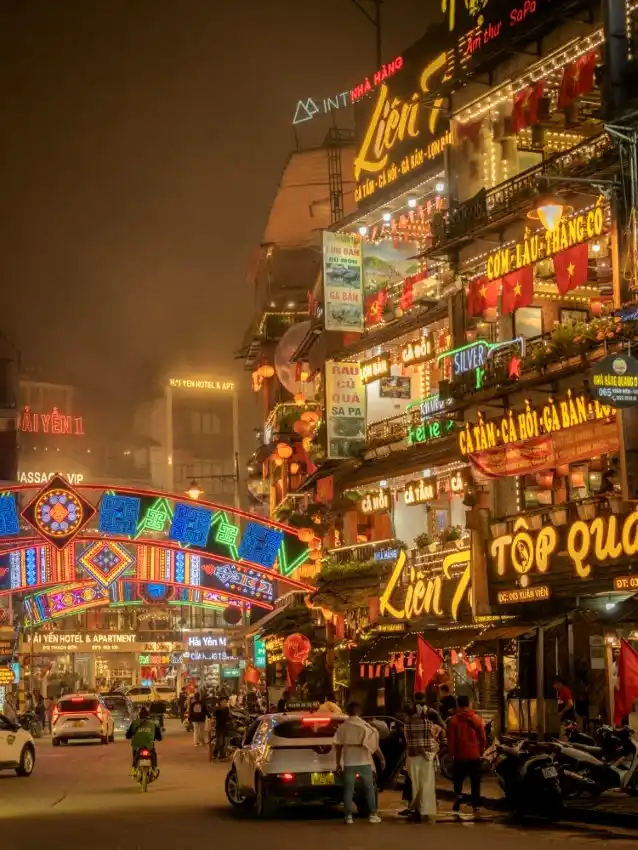
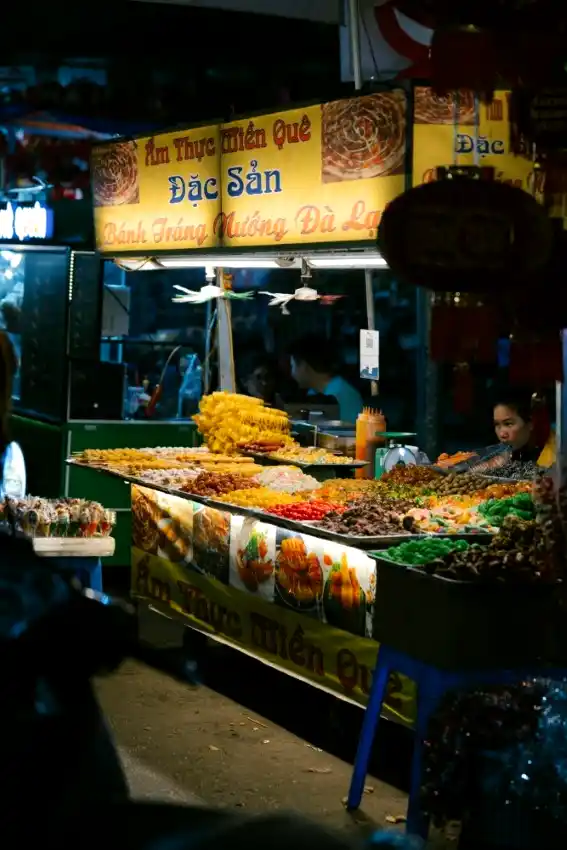
Once you’ve caught the night market bug in Hanoi, it’s worth knowing that the country delivers this experience at almost every stop along the way. Da Lat’s night market is one of the most charming in the country, a high-altitude hill town with cool evenings, strawberry wine, and grilled corn on every corner. Hoi An’s Ancient Town turns into a lantern-lit dreamscape after dark, and its Thursday night market along the riverside is a highlight of central Vietnam. Down in the Mekong Delta, Chau Doc’s floating market is technically a dawn affair, but the night stalls around the waterfront run late and feel genuinely untouched by mass tourism.
Our full Vietnam night markets guide covers the best markets in every region, with tips on timing, what to eat, and how to get there.
Day Trips Worth Pairing With Your Hanoi Stay:
A night market evening pairs beautifully with a big day trip out of the city, and Hanoi is one of the best bases in Southeast Asia for doing exactly that. Ninh Binh, the so-called “Ha Long Bay on land”, is just 90 minutes south by train, and a Trang An boat tour through limestone karsts and cave passages is unlike anything else in the country. Book through Get Your Guide or Klook and you’ll have a guide, transport, and a boat included, come back to Hanoi in the early evening, freshen up, and head straight to the market.
Ha Long Bay is the other classic: an overnight or two-day cruise through the UNESCO-listed bay followed by an evening back in the Old Quarter is one of Vietnam’s most satisfying one-two punches. Our Hanoi day trips guide covers both, plus a handful of less-visited options that reward the extra effort. Use 12GO to sort trains and buses to Ninh Binh in advance, seats on the popular morning departures sell out fast.

Forget the hassle of planning your own transport
and itineraries. Get a Klook day tour to Ha Long
Bay or Ninh Binh from ~$25. Book, check reviews,
and get instant confirmation right on the go.
Thinking About Staying Longer?
It happens more than you’d think: someone arrives for a two-week holiday, stumbles into a night market on their first evening, and starts quietly researching Vietnamese visa extensions by day three. Hanoi has that effect on people.
Vietnam’s e-visa allows stays of up to 90 days, which is plenty of time to use Hanoi as a base and make weekend trips north to Sapa or Ha Long Bay, while still having a proper home neighbourhood to return to. If you think you might want to extend beyond 90 days, our Vietnam visa extensions guide walks through the options. Many digital nomads split their time between Hanoi’s heritage scene and Da Nang’s laid-back beach lifestyle further south, both cities have excellent co-working infrastructure, fast internet, and affordable long-term apartment rentals. The living in Hanoi guide is the best starting point if you’re seriously considering a longer stay.
Families relocating permanently should factor in international schools (Hanoi has several well-regarded options), expat health insurance, and, if you’re bringing pets, professional pet relocation services that handle the rabies titre testing and import permits required for entry into Vietnam. Our moving pets to Vietnam guide covers the whole process.
Frequently Asked Questions:
What days are Hanoi night markets open?
The main Hanoi Weekend Night Market runs exclusively on Friday, Saturday, and Sunday from 6:00 PM until midnight. However, dedicated food markets like Tong Duy Tan Food Street are open seven nights a week, so you won’t go hungry regardless of which night you arrive.
Do the markets stay open in the rain?
Yes. Most vendors deploy overhead canvas tarps and plastic sheeting at the first sign of rain and keep trading through light showers. A full tropical downpour may cause some open-air stalls to pack up early, but permanent food stalls stay open regardless. Hanoi‘s wet season runs May to October, so a lightweight packable rain jacket is a smart addition to your bag.
Can I use a credit card at the night markets?
No. Cash in Vietnamese Dong (VND) is the absolute standard for all street food, drinks, and stall shopping. A small number of permanent souvenir shops accept local bank transfers via QR code, but international credit cards are essentially useless in the market itself. Withdraw VND from an ATM before you head out.
Is the street food safe for young children?
Yes, with a little common sense. Stick to fully cooked food served piping hot, grilled, fried, or boiled right in front of you. Skip raw vegetables and unpeeled fruit unless you’re confident about the washing water. Che (sweet soup), rolled ice cream, and rice crackers are universally safe and massively popular with kids.
What are the best souvenirs to buy?
Skip the mass-produced plastic miniatures and look for things with genuine regional character: premium Vietnamese robusta or arabica coffee beans, hand-woven textiles from northern hill tribe cooperatives, lacquerware bowls, and silk accessories. In the Old Quarter you’ll also find excellent embroidered linen and custom-printed canvas tote bags at very reasonable prices.
Is Hanoi safe for solo female travellers at the night markets?
Very much so. Vietnam consistently ranks among Asia’s safest destinations for solo female travellers, and the night markets are public, well-lit, and crowded. Standard awareness applies, keep your bag in front of you, don’t flash expensive jewellery, and use Grab or Xanh SM rather than flagging an unmetered taxi home.
How do I get to the Old Quarter Weekend Night Market?
If you’re already staying in the Old Quarter, it’s almost certainly walkable from your hotel. If you’re coming from further out, grab a Xanh SM or Grab ride to Hang Dao Street and you’ll land right at the southern entrance. Avoid trying to take a taxi into the Old Quarter on market nights, the road closures make it nearly impossible to get close, and you’ll end up walking most of the way anyway.
What should I wear to the night markets?
Comfortable walking shoes are non-negotiable, cobblestones and uneven kerbs are everywhere. Light, breathable clothing works for most of the year, but bring a layer if you’re visiting between November and February when Hanoi evenings can get genuinely cool. If you’re planning to visit any nearby temples or pagodas the same evening, a light scarf or shawl to cover your shoulders is useful.
Are there guided food tours of the Hanoi night markets?
Yes, and they’re worth considering for first-time visitors or anyone who doesn’t want the hassle of navigating alone. Evening street food tours bookable through Get Your Guide and Klook typically run two to three hours, cover multiple stalls across the Old Quarter and surrounding streets, and include a guide who handles ordering and explains each dish. They’re particularly good for families.
Is there anything happening beyond the markets on weekend nights?
Plenty. The pedestrian zone around Hoan Kiem Lake is animated all weekend with street performers, traditional musicians, and food vendors operating independently of the market stalls. The lake itself is lit beautifully after dark, and the Ngoc Son Temple on its small island makes for a lovely detour. Beer Street (Ta Hien) is a five-minute walk away for those wanting to continue the evening with a bia hoi (draught beer) for about 10,000 VND ($0.40 USD) a glass.
,