
Vietnam Visa on Arrival: Everything You Need to Know Before You Fly
Vietnam’s e-visa has taken over as the go-to entry method for most travellers these days, and honestly, it’s pretty painless. But the Visa on Arrival is still very much alive, and for the right situations it’s genuinely the better call. Emergency travel, specific multiple-entry needs, itineraries that don’t fit the standard e-visa parameters. All of those have a home here. The catch is that this system needs a bit more preparation before you fly, and there’s zero room for missing documents at the airport counter. Get it sorted in advance and you’ll sail through. Get it wrong and the airline won’t let you board. Here’s everything you need.
The Quick Summary
- What It Is: A process where you collect your physical visa stamp on arrival at a Vietnamese airport, but you must obtain an official approval letter from a licensed agency before you fly. Not available at land borders.
- Entry Methods: Choose between the Visa on Arrival (agency letter plus airport cash payment), the e-visa (direct government portal), or a visa exemption if your nationality qualifies.
- Stamping Fees: Paid in cash only at the airport counter. No cards accepted. Single-entry costs 625,000 VND ($25 USD). Multiple-entry costs 1,250,000 VND ($50 USD).
- Phu Quoc Exception: Direct international arrivals to Phu Quoc Island qualify for a specific 30-day visa exemption. No letter or application needed.
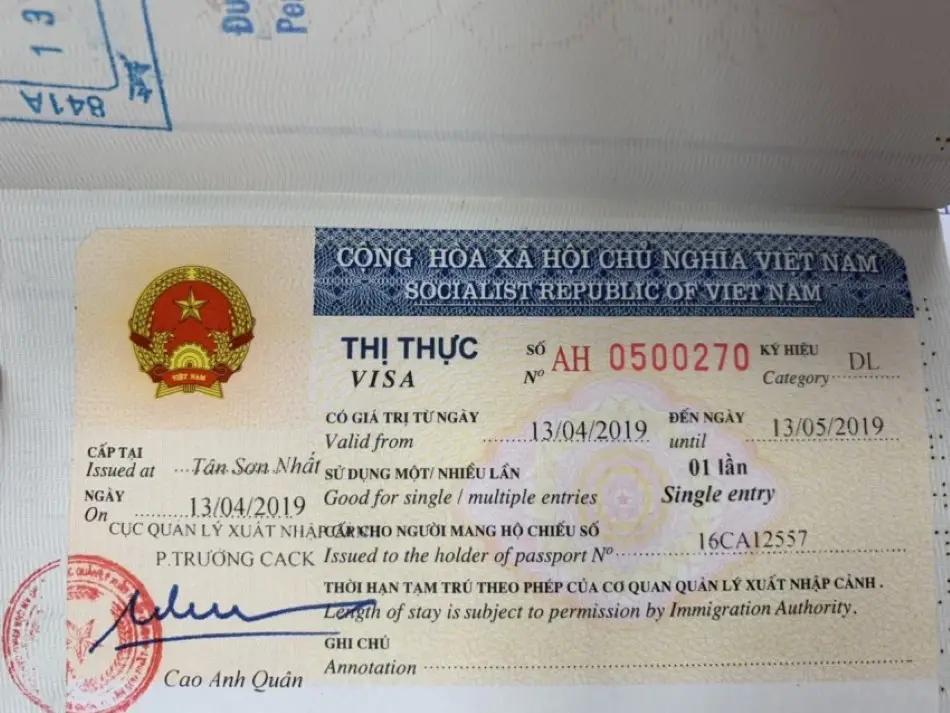
How Do the Entry Methods Compare?
Not sure which entry route fits your trip? Here’s a quick side-by-side to make it easy.
| Entry Method | How It Works | Where It Works | Best For |
|---|---|---|---|
| Visa on Arrival | Online agency approval letter plus airport cash payment | Major international airports only | Last-minute travel, specific multiple-entry needs |
| Electronic Visa (e-visa) | Direct government portal application, fully online | Selected airports, land borders and seaports | Most travellers, most trips |
| Visa Exemption | Entry stamp on arrival, no prior application needed | All official international checkpoints | Eligible nationalities on shorter stays |
What You Need Before You Fly
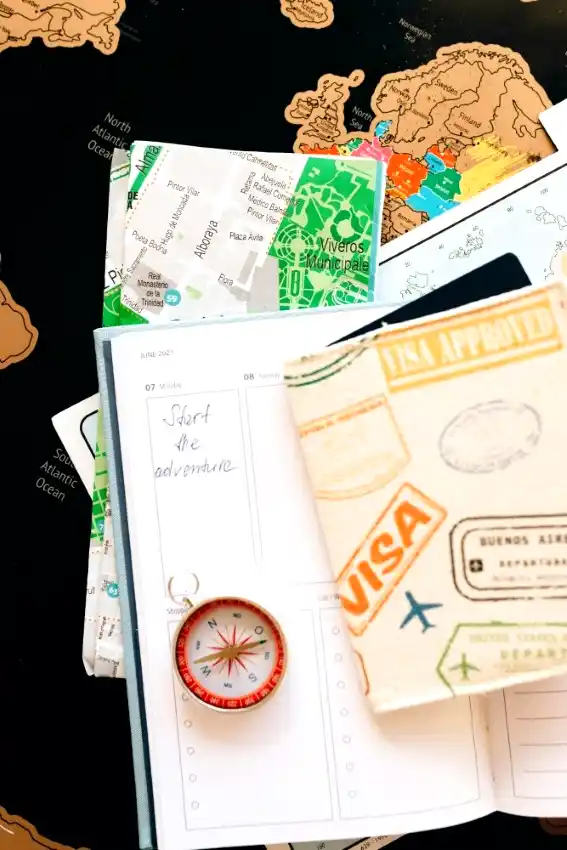
This is where most people come unstuck. Not at the airport, but at check-in. Airlines are required to verify your documentation before boarding, and if anything is missing they will not let you on the flight. Give yourself a proper runway to get this sorted well before departure day, not the night before.
- Official Approval Letter: Obtained through a licensed Vietnamese agency online. This is the formal instruction to immigration officers to issue your visa. Print the full document. Digital copies on phones or tablets are rejected at the border, full stop.
- Valid Passport: At least six months of remaining validity from your entry date, plus a minimum of two blank pages for the visa sticker and stamps.
- Two Passport Photos: 4cm x 6cm, plain white background, facing directly forward. No headwear, no heavy-framed glasses.
- Completed Form NA1: The Vietnamese Entry and Exit Form. Usually distributed on the flight or available at the arrival hall. Fill it out on the plane so you’re not scrambling on the ground while half-asleep.
- Cash Stamping Fee: Exact or near-exact amount in crisp, clean USD or VND. Single-entry: 625,000 VND or $25 USD. Multiple-entry: 1,250,000 VND or $50 USD. No cards, no exceptions.
Which Airports Accept Visa on Arrival?
Not every airport in Vietnam handles Visa on Arrival, so it’s worth knowing before you book your flights. The system runs at the major international gateways only.
- Noi Bai International Airport in Hanoi
- Tan Son Nhat International Airport in Ho Chi Minh City
- Da Nang International Airport
- Cam Ranh International Airport in Nha Trang
- Phu Bai International Airport in Hue
If you’re flying into a smaller regional airport, check in advance. The Visa on Arrival counter may not be available, which would mean sorting your e-visa through the government portal before you travel.
Pro Tips For Stress-Free Travel

- Stay Connected from Landing: Set up an eSIM with Yesim before you leave home. You’ll have data the moment you step off the plane, which means maps, translation apps, and Grab working instantly. No queueing for a local SIM card, no fumbling with a new number. Just connected.
- Ride-Hailing Apps: Download Grab, Xanh SM, or Be before you land. Book your airport transfer through the app the moment you clear baggage claim. Fixed prices, named driver, zero negotiation with touts outside the terminal.
- Where to Stay: Agoda and Booking.com consistently offer the most competitive hotel rates for Vietnam. Whether you’re after a budget guesthouse in the Old Quarter or a boutique resort on the coast, both platforms have strong Vietnam coverage with flexible cancellation options.
- Tours and Day Trips: Klook and GetYourGuide are both excellent for booking guided tours, train tickets, and local experiences in advance. Ha Long Bay cruises, Hoi An cooking classes, Mekong Delta boat trips. Lock them in before you arrive, especially in high season.
- Protect Your Data: Use NordVPN on public Wi-Fi in cafés and airport lounges, particularly when accessing banking apps or making payments online. Vietnam has great connectivity everywhere, but public networks are public networks.

Forget swapping physical SIMs in Vietnam.
Yesim’s eSIM works on most newer phones,
activates remotely, and keeps your home
number reachable for WhatsApp too.
How to Navigate the Airport Counters
Once you’re off the plane, follow the overhead signage toward the immigration hall. Before joining the main passport control queue, look for the desk marked “Visa on Arrival” or “Landing Visa”. This comes first. Hand over your printed approval letter, completed Form NA1, passport, and both photos to the officer.
You’ll be directed to a waiting area while your documents are processed. Officers call names out loud when passports are ready. Regional accents can make this tricky to catch, so keep an eye on the counter display screens as well. When called, pay the cash stamping fee and check the new visa sticker carefully before you walk away. Confirm the dates, the visa type, and your name all match your approval letter exactly. Then join the main immigration queue and you’re through.
On timing: Processing time varies enormously depending on how many international flights have landed at the same time. During quiet periods it can be done in fifteen minutes. During peak arrival windows, budget for over an hour. If you have onward connections or a pre-booked transfer, factor this in properly.

Stay closer to the action in Vietnam.
Agoda lists everything from local
guesthouses to riverside resorts, with
verified reviews and instant booking.
Where Are You Heading? A Quick Look at the Main Arrivals
Vietnam is long and wonderfully varied, and where you land shapes the entire first chapter of your trip. Here’s a quick flavour of the three main international entry points to help you picture what’s waiting on the other side of immigration.
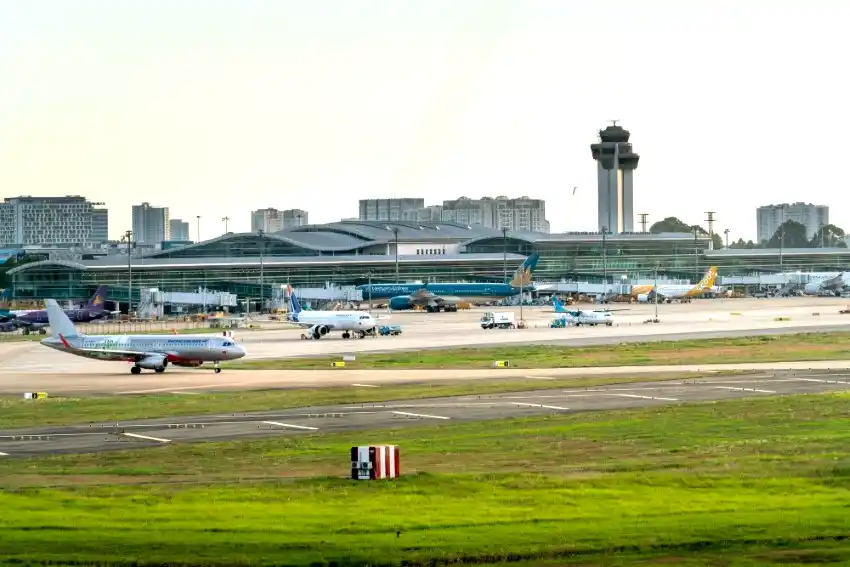
Flying into Hanoi
Noi Bai Airport sits around 45 minutes north of the city centre, and Hanoi itself is one of those places that hits you immediately. The Old Quarter is all narrow lanes, street food smoke, bia hoi corners, and centuries of layered history pushing up against French colonial architecture.
It’s chaotic in the best way. From Hanoi you’re also well-placed for day trips and longer escapes north, whether that’s Ha Long Bay, Ninh Binh, or Sapa in the highlands. Give it more time than you think you need.
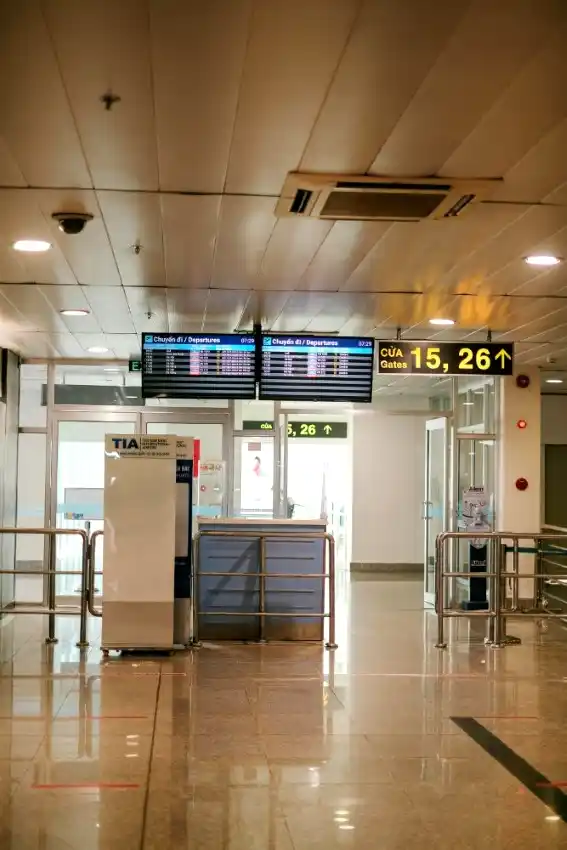
Flying into Ho Chi Minh City
Tan Son Nhat is one of the busiest airports in Southeast Asia and the Visa on Arrival queue here can be the longest in the country during peak times. The city itself, still called Saigon by almost everyone who lives there, is relentless energy.
Rooftop bars, incredible street food, war history you’ll carry with you long after you leave, and a nightlife scene that doesn’t apologise for itself. It’s also your gateway south to the Mekong Delta and east toward the coast.
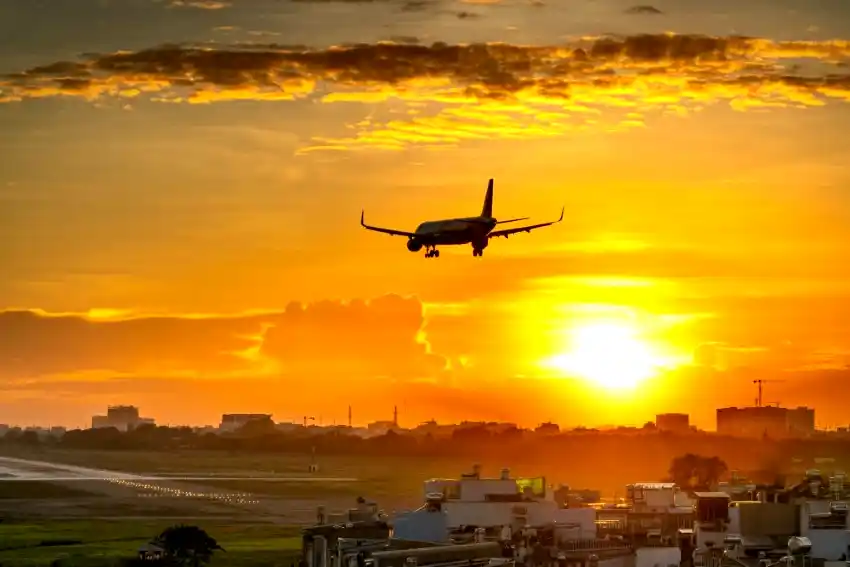
Flying into Da Nang
Da Nang Airport drops you right into the middle of Vietnam’s most liveable city, sitting between a long stretch of beach and the Marble Mountains. It’s also the most convenient arrival point if Hoi An is on your list.
The ancient town is just 30 minutes south by road and absolutely deserves a few days of your time. The lantern-lit streets, the tailors, the riverside restaurants, the day trips out to My Son Sanctuary. Fly into Da Nang and use it as your central base for the central coast.

Skip the planning headache for Vietnam.
Klook offers day tours, tickets, and
experiences from around $25, with
instant confirmation to your phone.
Thinking About Staying Longer?
Vietnam has a genuinely thriving long-term expat and digital nomad community, centred largely around Da Nang’s coastal neighbourhoods. Beachside apartments, fast fibre-optic internet, and a social scene that makes it very easy to put down temporary roots. It’s the kind of place people arrive planning to stay a month and end up staying six. You’ve been warned.
When your tourist allowance runs out, the standard approach is a quick border run. A short flight to Bangkok, or a land crossing at Lao Bao into Laos, followed by a fresh visa application for re-entry. Long-term residency requires a specific investment, labour, or family visa, and a local immigration agent can walk you through the options in person.
If you’re planning to relocate with pets, get the veterinary documentation started early. International health certificates, rabies vaccination records, and microchip paperwork all take time to process correctly.
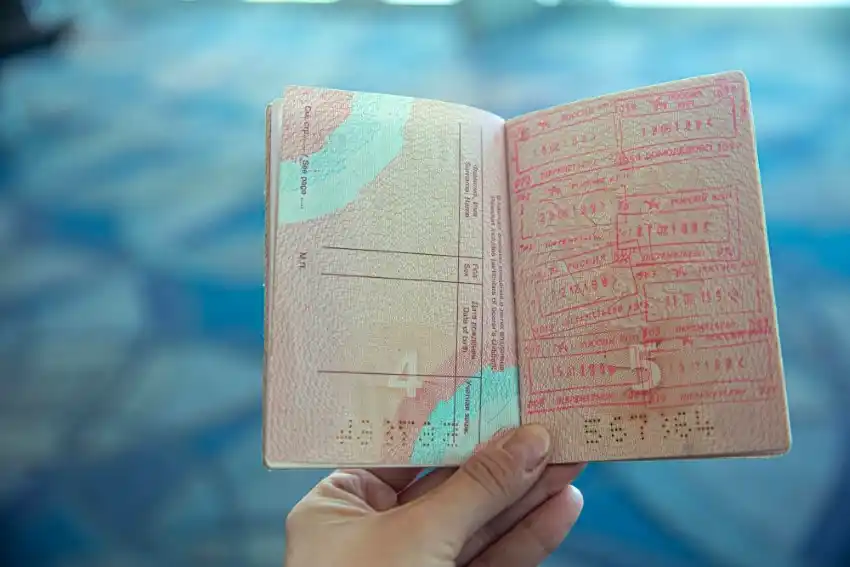
Staying Safe and Settling In
Vietnam is one of the safest countries in Southeast Asia for international visitors. Violent crime is genuinely rare. The real-world things to keep an eye on are much more manageable. Hectic street traffic, the occasional overcharging attempt at tourist spots, and making sensible food choices on the road.
For traffic, the trick is simple. Cross at a slow, steady pace and let the motorbikes flow around you. They are watching you and adjusting constantly. Just don’t stop suddenly or dart backwards. For food, stick to busy stalls with fast ingredient turnover and keep to bottled water.
Use ride-hailing apps like Grab or Be for all transport to sidestep fare disputes entirely. When visiting temples or pagodas, cover your shoulders and knees, remove shoes where indicated, and approach everything quietly. You’ll be welcomed warmly everywhere you go.
Frequently Asked Questions
Can I get a Visa on Arrival at a land border crossing?
No. The Visa on Arrival system works exclusively at major international airports. If you’re entering Vietnam by land from Laos, Cambodia, or China, you must arrange a valid e-visa or a traditional embassy visa before you travel. Don’t show up at a land border expecting to sort it on the spot — it won’t work and you will be turned away.
What currency should I use to pay the stamping fee?
The immigration counters accept both US Dollars (USD) and Vietnamese Dong (VND). Bring crisp, clean, undamaged banknotes in exact or near-exact denominations. Worn, torn, or heavily creased notes are frequently rejected. Having the right amount ready makes the whole process faster for everyone.
How long does airport processing actually take?
It varies a lot depending on how many international flights have landed at around the same time. During quieter periods you could be through in fifteen minutes. During peak arrival windows, particularly at Tan Son Nhat in Ho Chi Minh City, it can exceed an hour. If you have an onward connection or a pre-booked transfer, build in a proper buffer.
Is the Visa on Arrival still worth using now that the e-visa exists?
For most travellers, the e-visa is simpler and cheaper overall since there’s no agency fee stacked on top of the stamping cost. But the Visa on Arrival is still a real option for last-minute travel, travellers who need specific multiple-entry arrangements, or anyone who missed the e-visa processing window. It’s good to know both routes exist.
Do I need to print my approval letter or can I show it on my phone?
You must print it. Full stop. Digital copies displayed on phones or tablets are not accepted at the airport counter or at check-in. Print the full document before you leave home, and keep it somewhere you can access easily during the journey.
How far in advance should I apply for the approval letter?
Most licensed agencies process approval letters within two to four working days, but applying at least a week before you fly gives you room to fix any issues without stress. For peak travel periods around Tet (Vietnamese New Year) or major holidays, apply earlier than that.
Can I extend my Visa on Arrival while I’m in Vietnam?
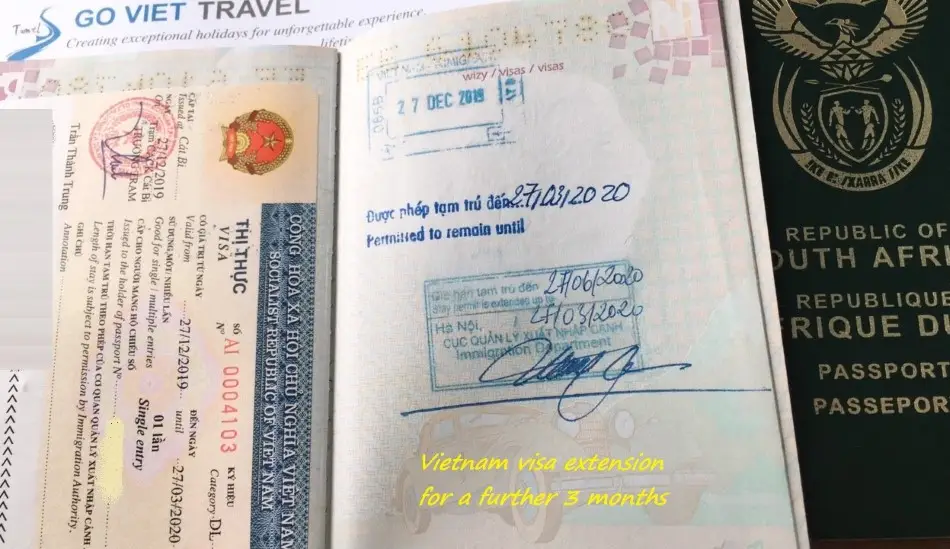
Yes, extensions are possible through the Department of Immigration in Vietnam, or through a local immigration agent or travel agency. Single-entry visas cannot be converted to multiple-entry after the fact, so if you think you’ll need to leave and return, sort the correct visa type before you travel.
What happens if my name on the approval letter doesn’t match my passport exactly?
This can cause serious problems at the counter. Even minor discrepancies in spelling or name order can lead to delays or refusal. Check the approval letter carefully when you receive it from the agency and contact them immediately if anything doesn’t match your passport exactly.
Is it safe to use a third-party agency for the approval letter?
Yes, as long as you use a reputable licensed agency. Stick to established providers with clear contact details, genuine reviews, and transparent fee structures. Avoid any agency that asks for unusual personal information beyond what’s needed for the letter, or that charges suspiciously high fees for standard processing.
What’s the Phu Quoc visa exemption and how does it work?
If you fly directly to Phu Quoc Island from an international airport, you qualify for a 30-day visa-free stay without any prior application or approval letter needed. This applies regardless of nationality. The catch is that if you then travel to the Vietnamese mainland from Phu Quoc, you will need a valid visa for that portion of your trip, so plan accordingly.