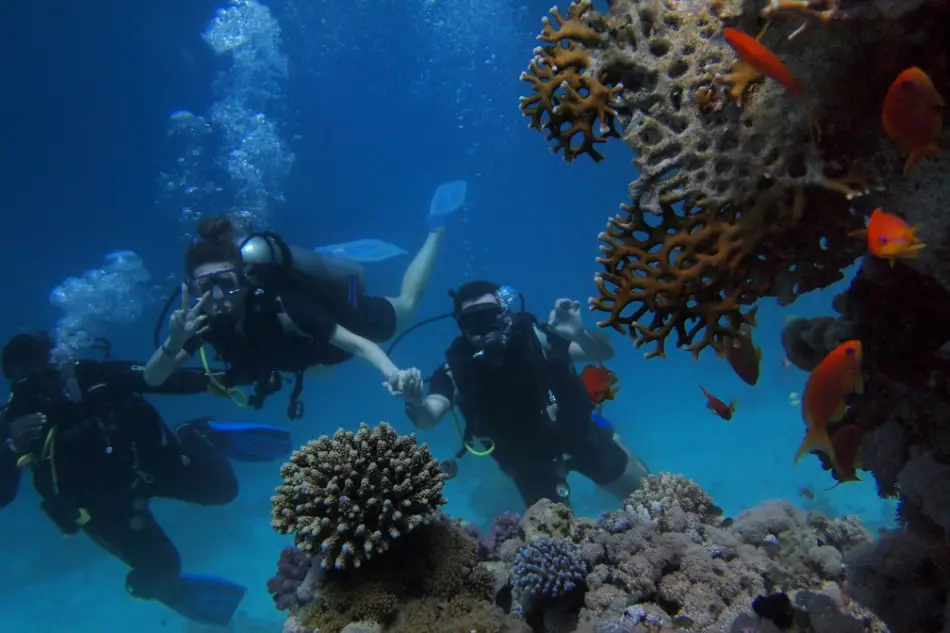
PADI Vs SSI: Choosing Your Dive Agency in Vietnam
Vietnam’s coastline, stretching from the northern bays to the southern archipelagos, offers world-class waters for diving. If you’re looking to get certified or just want to book some fun dives, you’ll quickly notice two names dominating the scene: PADI (Professional Association of Diving Instructors) and SSI (Scuba Schools International).
Both agencies are globally recognized, adhere to the same international safety standards, and provide certifications that are fully valid anywhere in the world. The best choice really depends on your budget, how you prefer to learn, and where exactly you plan to be in Vietnam.
The Quick Summary:
- Budgets: SSI courses are usually 10%–15% cheaper than PADI courses, largely because PADI charges higher mandatory registration fees for students.
- Learning Style: PADI follows a very strict, structured sequence of skills. SSI is more flexible, allowing instructors to adapt the order of lessons to suit local conditions or your comfort level.
- Digital Access: PADI requires you to purchase your training materials for lifetime access. SSI offers free basic digital access via the MySSI app, including digital logbooks and dive tables, with physical materials sold separately.
- Portability: Your certification card is just a badge. Whether it says PADI or SSI, you can walk into any dive center worldwide and be treated exactly the same.

Stay closer to the action in Vietnam.
Agoda lists everything from local
guesthouses to riverside resorts, with
verified reviews and instant booking.
Comparing the Agencies in Vietnam:
When choosing where to dive, the instructor and the specific dive center’s culture matter far more than the agency logo. Vietnam hosts excellent operators from both camps, in busy training hubs like Nha Trang, you’ll find top-tier PADI Five-Star resorts sitting right next to highly professional SSI facilities. Look at the center’s safety record, boat quality, and whether their teaching style feels right for you.
| Feature | PADI Vietnam | SSI Vietnam |
|---|---|---|
| Open Water Cost | $380 – $460 USD | $320 – $390 USD |
| Digital App | PADI Training App (Paid) | MySSI App (Free basic access) |
| Flexibility | Rigid, structured sequence | Adaptable skill sequencing |
| Cross-Agency | Fully recognized by SSI | Fully recognized by PADI |
| Vietnam Presence | Dominant in Con Dao/Phu Quoc | Very strong in Nha Trang/Hoi An |
What Does Certification Cost?

Pricing in Vietnam is heavily influenced by location. In high-competition areas like Nha Trang, prices for both agencies stay relatively stable because shops are actively competing for your business.
Head to remote luxury outposts like Con Dao, however, and prices jump significantly, you’re paying for the operational overhead of high-speed boat fuel, protected marine park fees, and the cost of running boutique island resorts.
Pro Tip: If you are budget-conscious, complete your academic “theory” portion online before you fly into Vietnam. This saves you hours of sitting in a classroom and can sometimes net you a discount on your local practical training costs.
Where to Dive in Vietnam:
- Nha Trang (Hon Mun Marine Park): The historic epicenter of Vietnamese diving and the best place to compare shops in person. The calm waters around Hon Mun are perfect for learning to control your buoyancy as a new diver.
- Phu Quoc (An Thoi Archipelago): Ideal for nervous beginners. The water is shallow, the currents are mild, and the sites are packed with macro life. It’s a very low-pressure environment for your first few open-water dives.
- Con Dao Islands: The destination for experienced divers. Dramatic walls, swim-throughs, and a higher chance of seeing turtles and reef sharks. Because conditions can be more challenging, shops here tend to skew toward PADI Advanced training.

From caves and cruises to cooking
classes, Klook covers Vietnam’s best
experiences. Hotel pickup is often
included and prices are usually lower.
Local Cultural Customs for Divers:
The dive industry in Vietnam operates differently from mainland restaurants when it comes to tipping. It is standard and highly appreciated to tip your boat crew and divemasters, roughly 100,000 to 200,000 VND ($4–$8 USD) per day, as they handle all the heavy lifting and logistics behind the scenes.
Pro Tip: Many dive sites are located near coastal shrines or fishing villages. When you’re back on land, keep your behavior respectful, and never try to haggle over the price of a dive course, it’s considered disrespectful to the professionalism of the instructor. Coffee prices and dive courses both have fixed rates.
Pro Tips For Stress Free Travel:
- Ride-Hailing: Download Grab or Xanh SM before you arrive. They provide transparent, fixed prices for getting to the piers, saving you from having to negotiate with street taxis at 6:00 AM before a dive.
- Connectivity: Use a Yesim eSIM or a local Viettel SIM. You’ll want stable data to check marine weather forecasts on apps like Windy before heading to the harbor each morning.
- Security: Run Nord VPN when logging into your training modules on public coffee shop Wi-Fi to keep your login credentials and personal data safe.
- Cash is King: Carry physical Vietnamese Dong (VND) in smaller bills, 20,000, 50,000, and 100,000 VND. Even if a dive shop takes cards, the boat crew and street food stalls at the pier will only accept cash.

Stay online across Vietnam without the
daily-data limits of standard tourist
SIMs. Yesim’s eSIM offers unlimited 5G
from around $10 for the whole trip.
Frequently Asked Questions:
Can I do a PADI course if my last cert was SSI?
Yes, absolutely. PADI and SSI are cross-compatible. A PADI center will recognize your SSI Open Water card as a valid prerequisite for your Advanced course, and vice versa.
Which agency is more popular in Vietnam?
It’s a balanced mix. Nha Trang is an even split between the two, while luxury resorts on remote islands like Con Dao tend to favor PADI. If you’ve heard great things about a specific instructor, go with them regardless of their agency badge.
Do I need dive insurance to dive in Vietnam?
While not a legal requirement for entry into the country, any reputable dive center in Vietnam will require you to show proof of dive-specific insurance, such as DAN or DiveAssure, before letting you on the boat. Make sure your policy covers emergency medical evacuation, as remote islands can be far from a hyperbaric chamber.
Is it cheaper to get certified in Vietnam than back home?
Generally, yes, especially in Nha Trang, where competition between dive centers keeps prices very competitive. The combination of lower operational costs and a high concentration of qualified instructors makes Vietnam one of the most affordable places in the world to complete your Open Water certification.