
North To South Vietnam
Vietnam transforms completely across its 1,650-kilometer length. Making the journey from the mist-shrouded limestone peaks of the North down to the sun-drenched, fast-paced commercial hubs of the South reveals wild shifts in climate, local dialects, food, and daily lifestyle. Traveling from Hanoi to Ho Chi Minh City gives you a front-row seat to one of the most dynamic geographic and cultural evolutions in Southeast Asia.
The Quick Summary:
- Budgets: Plan for 700,000 to 1,200,000 VND ($28 to $49 USD) per day for a comfortable, mid-range solo trip.
- Entry Requirements: Most nationalities need a 90-day tourist e-visa, which you should grab exclusively through the official government portal. Check the full rules in our Vietnam e-visa guide.
- Regional Vibes: The North features distinct seasons and subtle, savory flavors; the Center offers tropical beaches and complex spice; and the South serves up year-round heat with sweeter, richer food.
- Best Transit: Pair the historic Reunification Express train for scenic coastal stretches with quick domestic flights for the bigger distances. Our Vietnam train guide has everything you need to book smart.


Lock in your Vietnam accommodation early
and beat peak-season price hikes.
Agoda’s filters let you compare options
side by side before you commit.
What is the best North to South Vietnam itinerary?
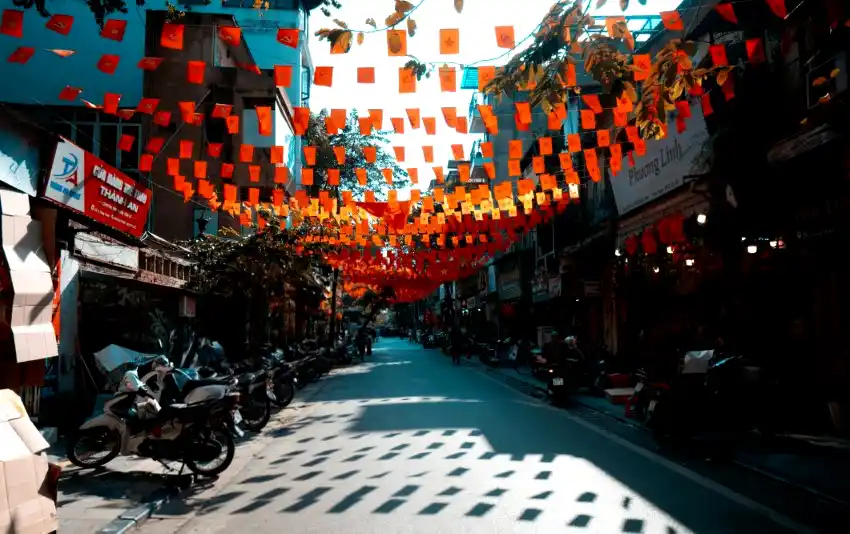
The ultimate North-to-South trip needs at least 14 to 21 days to properly balance soaking up the culture with the actual travel time between regional hubs. The classic route kicks off in the historic capital of Hanoi, heads out to the waters of Ha Long Bay, cuts through Hue and Hoi An, and finishes with a bang in Ho Chi Minh City.
Hanoi ──> Ha Long Bay ──> Hue ──> Hoi An ──> Ho Chi Minh City
The Recommended Two-Week Breakdown
- Days 1–3: Hanoi (Dive into the Old Quarter and local street food culture)
- Days 4–5: Ha Long Bay or Lan Ha Bay (Book an overnight cruise)
- Days 6–7: Hue (Check out the Imperial Citadel and royal tombs)
- Days 8–10: Hoi An and Da Nang (Wander the Ancient Town and hit the beach)
- Days 11–14: Ho Chi Minh City (Explore the urban buzz and the Mekong Delta)
If you’re tight on time or after alternative routes, take a look at our dedicated guides for 2 weeks in Vietnam or our faster 10 days in Vietnam breakdown. Got longer? The 1 month in Vietnam itinerary opens up the slower, more rewarding route options.

12Go takes the guesswork out of
Vietnam transport. See real-time
availability, compare classes, and
book in your own language and currency.
How do North, Central, and South Vietnam compare?
The fundamental differences across Vietnam stem from distinct historical roots and completely separate climate zones. This creates three entirely unique travel environments within one country. Wrapping your head around these regional identities helps set the right expectations for food, weather, and local interactions before you head out.
Getting to Know the Regional Personalities
North Vietnam deeply values tradition and subtle refinement. In the streets of Hanoi, local life revolves around quiet cafes, steaming bowls of pho at dawn, and historic alleyways that reward wanderers. Central Vietnam carries a proud imperial legacy mixed with an incredibly laid-back coastal attitude. Hue is where the emperors ate, and you can taste it in every dish. South Vietnam operates at full throttle: driven by commerce, trendy modern cafes, and a fast-paced, open lifestyle that feels almost intoxicating after the quiet of the North.
Not sure which region suits you best? Our North vs South Vietnam comparison breaks it down side by side, and the best time to visit Vietnam guide will help you time your trip around the weather.
| Region | Weather Profile | Signature Food Style |
|---|---|---|
| North Vietnam | Four distinct seasons, chilly winters | Balanced, savory, and black pepper-focused |
| Central Vietnam | Tropical, heavy autumn rains | Intense, spicy, and heavy on the lemongrass |
| South Vietnam | Two seasons (wet and dry), hot all year | Sweet, herb-forward, and rich coconut bases |
Where to stay along the route:
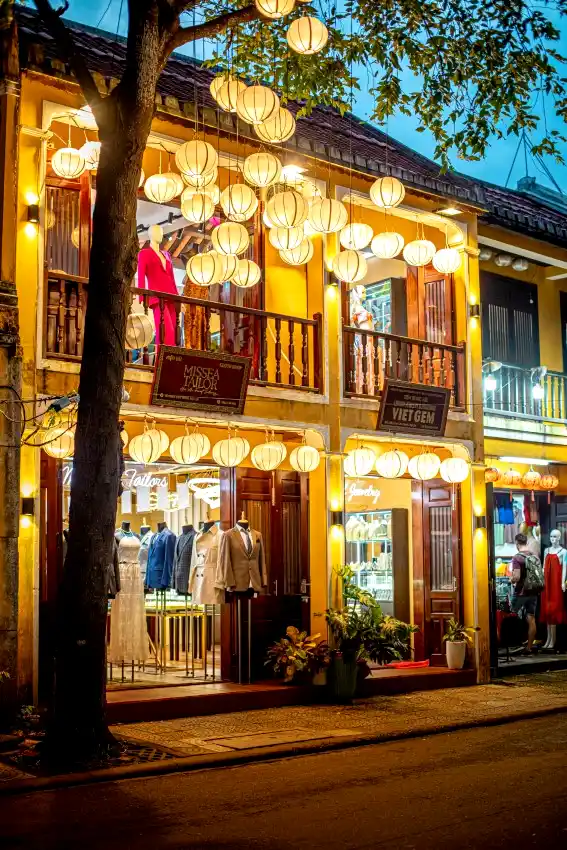
Accommodation in Vietnam is brilliant value once you know where to look. Agoda is the go-to for deep inventory, particularly for smaller towns like Hue and Hoi An where international booking sites can be patchy. Booking.com is worth checking alongside it if free cancellation is a priority for you.
For Hanoi, the Old Quarter is the obvious base: short walking distance to most sights, buzzing street food at every corner, and plenty of boutique options across every budget. Check where to stay in Hanoi for a proper neighborhood breakdown. In Ho Chi Minh City, District 1 puts you within reach of the War Remnants Museum, Ben Thanh Market, and the rooftop bar scene. Where to stay in Ho Chi Minh City covers the full picture.
Hoi An is a little different. The Ancient Town itself has strict overnight capacity rules, so most hotels sit just outside the core. Our where to stay in Hoi An guide explains the tradeoffs clearly. Da Nang, just 30 minutes away, makes an excellent base if you want beach access alongside day trips into the Ancient Town. See our full where to stay in Da Nang guide for neighborhood options.
How to get around safely and efficiently:
Choosing Your Long-Distance Rides
Domestic air travel via carriers like Vietnam Airlines, VietJet Air, and Bamboo Airways connects major hubs like Hanoi (Noi Bai) and Ho Chi Minh City (Tan Son Nhat) in under two hours. For the big jumps, a flight is usually the right call. You can compare all your domestic transport options in our how to get around Vietnam guide.
For a more immersive experience, the Reunification Express train runs right along the coastline. Booking a soft-berth sleeper cabin for the overnight leg between Hanoi and Hue, or taking the day train through the spectacular Hai Van Pass between Hue and Da Nang, gives you views no plane window can match. Use 12GO to compare train, bus, and transfer options and book in one place. The full details are in our Reunification Express guide and our broader Vietnam train guide.
If budget is the priority, Vietnam’s sleeper buses are a solid option for shorter hops like Hue to Hoi An or Ho Chi Minh City to Mui Ne. They’re cheap, surprisingly comfortable, and go everywhere trains don’t.
City Travel Without the Scams
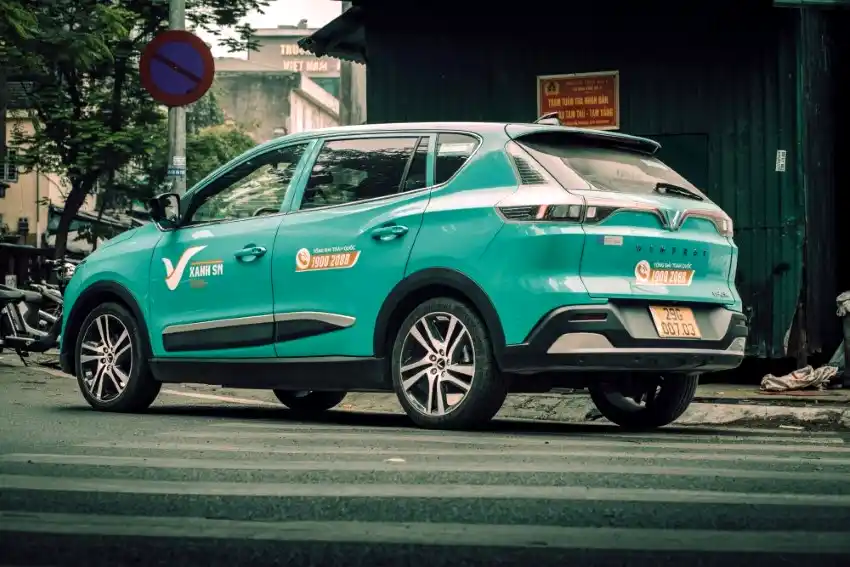
Skip hailing unmetered taxis on the street. Download Grab, Xanh SM (a great all-electric car fleet), or Be the second you get internet. These apps lock in your price before the journey starts, completely eliminating language barriers and fare manipulation. Our Grab vs Xanh SM comparison will tell you which is better in which city.

What cultural etiquette rules should you follow?
Temple and Pagoda Manners
When visiting religious sites, like Hanoi’s Tran Quoc Pagoda or Hue’s Thien Mu Pagoda, dress conservatively. Knees and shoulders should be covered. Take your shoes off where indicated, speak softly, and never point the bottoms of your feet directly at altars or Buddha statues. Also avoid touching sacred items or the shoulders of monks. Our full Vietnam temples and pagodas guide covers all the etiquette you’ll need.
Motorbike Culture and Crossing the Street
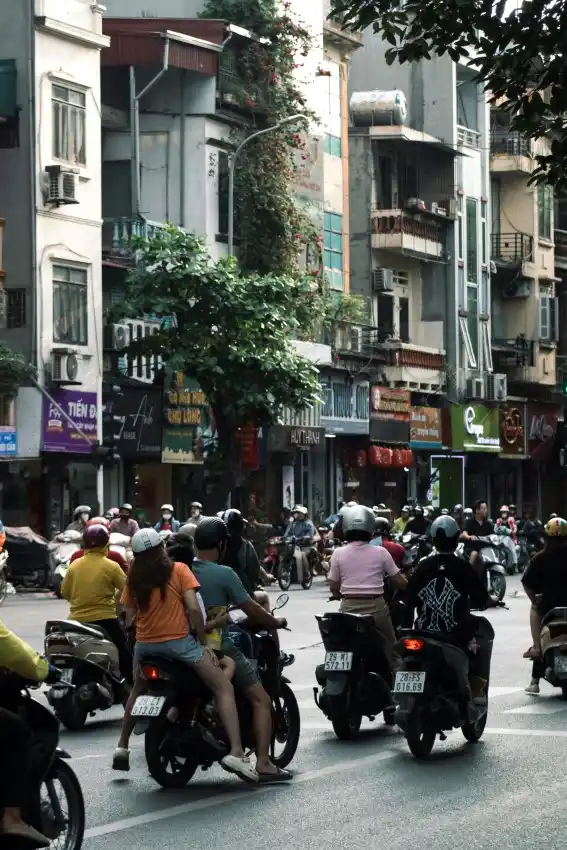
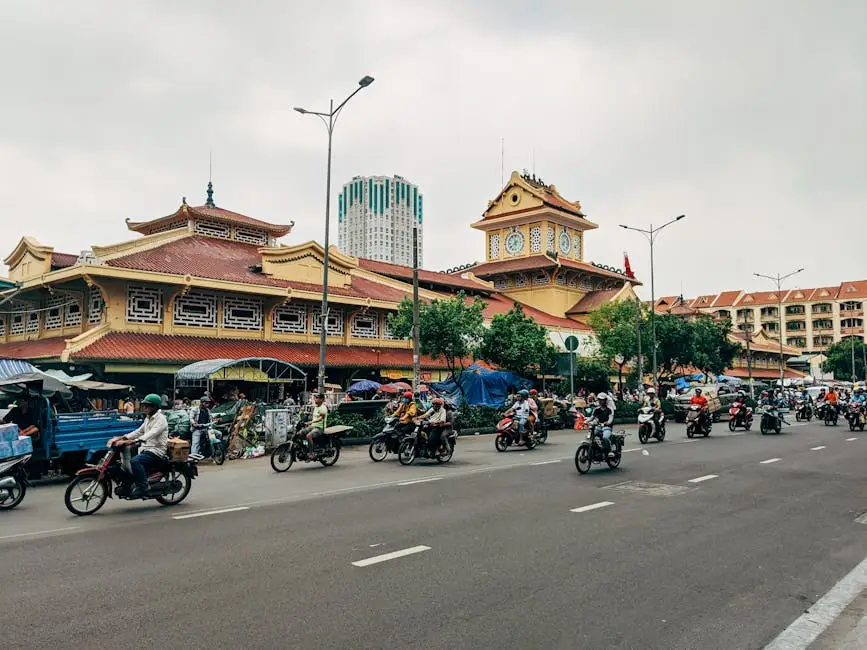
Motorbikes rule the road here. Crossing a street in Hanoi or Saigon requires steady, predictable movement. Step off the curb when there’s a small gap, maintain eye contact with oncoming riders, and walk forward at a slow, continuous pace. Do not run, stop suddenly, or look down at your phone. For a full overview of what to expect on the roads, our Vietnamese culture and etiquette guide is essential reading before you arrive.
Market Bargaining and Tipping
Haggling is standard practice in tourist markets like Ben Thanh in Ho Chi Minh City or Dong Xuan in Hanoi. Keep it lighthearted and fun. Start your negotiation at roughly 40 to 50% off the first price they quote and work your way to a happy middle ground. Tipping isn’t expected, but it’s always warmly received in restaurants and for tour guides who’ve gone the extra mile.

From caves and cruises to cooking
classes, Klook covers Vietnam’s best
experiences. Hotel pickup is often
included and prices are usually lower.
A reassuring note for the nervous:
Vietnam is consistently rated as one of the safest destinations in Southeast Asia for solo adventurers and families alike. Violent crime against tourists is exceptionally rare, meaning your main priorities are basic street awareness and navigating traffic. Our dedicated Is Vietnam safe guide and the fuller Vietnam safety guide both cover this in depth if you want proper reassurance before you book.
Keep your smartphone and camera secure when standing near busy curbsides. Snatch-and-grab thefts from passing motorbikes do happen in busy tourist quarters. Use a crossbody bag and step away from the street edge before pulling out your phone to check maps.
When it comes to food safety, follow the crowds. Choose street food stalls packed with local families turning over ingredients quickly. Drink bottled water, make sure your ice chunks have a hole through the center (a reliable sign of factory-purified production), and pack basic rehydration salts as outlined in our Vietnam pharmacy guide. Getting SafetyWing travel insurance sorted before you fly also gives you solid peace of mind if a dodgy bowl of bun bo catches up with you.


No taxi haggling at Vietnam airport.
Welcome Pickups dispatch a vetted
local driver who knows the city, with
the fare confirmed before you even fly.
The best day trips and experiences along the route:
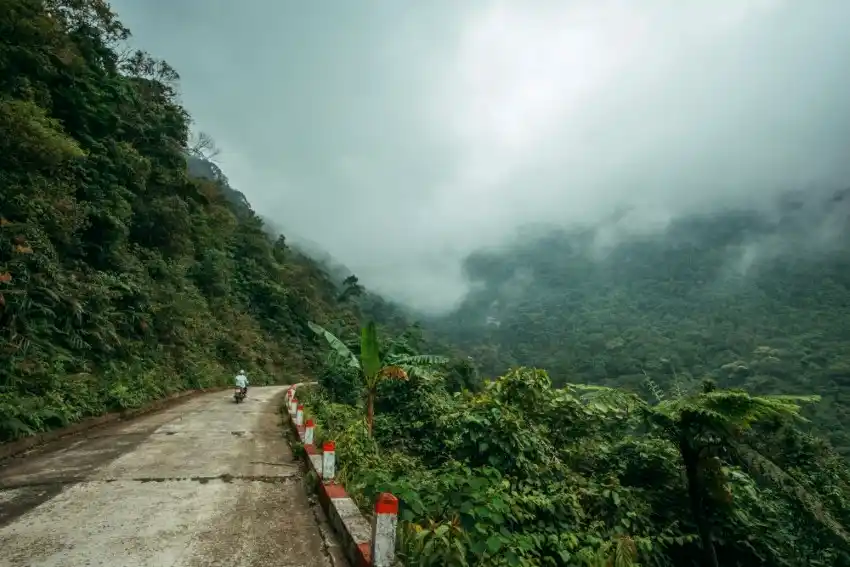
The North-to-South route is as much about what you do between cities as the cities themselves. From Hanoi, the single best day trip is to Ninh Binh, which trades Ha Long Bay’s cruise boats for slow wooden rowboats gliding through flooded rice paddies and limestone caves. It’s quieter, cheaper, and completely stunning. Browse Trang An boat tours in advance and book through Get Your Guide or Klook to lock in your spot.
From Hue, the Hue day trips page covers the DMZ battlefields and the incredible Hai Van Pass motorbike run. From Da Nang and Hoi An, the Da Nang day trips and Hoi An day trips pages lay out the best options. And from Ho Chi Minh City, the Cu Chi Tunnels and the Mekong Delta are non-negotiables: find the best-rated tours on Get Your Guide or check our HCMC day trips guide for a full rundown.
If you’ve got an adventurous streak, Vietnam motorbike adventures are genuinely some of the best riding in the world. The Vietnam motorbike route guide is a proper deep dive if you’re thinking of tackling the whole country on two wheels.
Staying a While Longer?
For travelers wanting to experience the country at a slower pace, the 90-day e-visa gives you plenty of breathing room to set up a temporary base and actually feel what daily life here is like. Da Nang has become the go-to hub for remote workers, thanks to clean beaches, reliable fiber-optic internet, and a solid spread of co-working spaces. Our Vietnam digital nomad guide is a great starting point, and the Da Nang coworking guide gets very specific about where to set up.
If the idea of a longer stay takes hold, check out the cost of living in Vietnam guide to see what your money actually stretches to. And if you’re thinking about relocating with pets, look into the specific veterinary rules early. The process involves health certificates, microchipping timelines, and specialized transport steps, all covered in our guide on moving pets to Vietnam.
Pro tips for stress-free travel:

Get Connected Before You Land
The easiest way to hit the ground running is grabbing a Vietnam eSIM before you board. Yesim gives you instant activation and solid 4G coverage across all three regions, with no physical SIM swapping needed. Airalo and Saily are solid alternatives if you want to compare. Full breakdown in our Vietnam SIM cards and internet guide. Also install NordVPN before you travel: public Wi-Fi in cafes and hostels is convenient but not secure, and it takes 30 seconds to set up.
Book Transport Smart
Use 12GO to compare and book trains, sleeper buses, and ferries all from one dashboard. It’s genuinely the cleanest way to plan multi-leg journeys without bouncing between a dozen websites. For airport transfers in a new city, Welcome Pickups pre-books a fixed-price driver so your first hour in-country isn’t spent getting ripped off at the taxi rank.
Sort Your Insurance Early
Don’t leave this one until the last minute. SafetyWing is the travel insurance we recommend for Vietnam: it covers medical emergencies, motorbike accidents (a real consideration here), and trip disruptions at a price that doesn’t sting. Read more in our travel insurance Vietnam guide.
Money and Currency
The local currency is the Vietnamese Dong (VND). Cash is essential for street food stalls, traditional markets, and small cafes. ATMs are everywhere in the cities, and major banks like Vietcombank, Techcombank, and BIDV easily accept international Visa and Mastercard. Always keep smaller denominations like 20,000 VND and 50,000 VND notes handy, as small street vendors won’t easily break a 500,000 VND note. Our Vietnam currency and money guide covers ATM fees, card tips, and the best ways to carry cash safely.

Airalo covers Vietnam with a range of
data plans from a few days to a month.
No physical SIM swap, no roaming bill
shock when you check back in at home.
Frequently Asked Questions:
Which month is best to travel from North to South?
March and April offer the most reliable weather nationwide. During these spring months, the North is transitioning out of its chilly winter, the Center enjoys dry, sunny beach weather, and the South is beautifully warm before the summer monsoon rains arrive.
Is it better to travel North to South or South to North?
Traveling from North to South is the crowd favorite. It follows a natural chronological arc, moving from the ancient, traditional capital of Hanoi down to the modern, ultra-fast metropolis of Ho Chi Minh City. That said, South to North works perfectly well if your flights dictate it.
How much money do I need for 2 weeks?
A mid-range budget of 15,000,000 to 25,000,000 VND ($617 to $1,029 USD) per person easily covers comfortable boutique hotels, domestic flights, daily street food, great sit-down dinners, and organized day tours across a two-week stretch.
Do I need a visa for Vietnam?
Most nationalities require a 90-day tourist e-visa, applied for through the official Vietnamese government portal. Some nationalities qualify for visa-free entry for shorter stays. Check our Vietnam visa exemptions guide to see if you qualify, or head to the full Vietnam e-visa guide to apply. Avoid any third-party visa agencies — the official portal is simple and charges a single flat fee.
How long does the full North to South route take?
14 days is the practical minimum to hit the key stops without feeling rushed. 21 days lets you slow down and properly explore each place. If you have a full month, you can add side trips to places like Phu Quoc, Ninh Binh, and the Mekong Delta without feeling like you’re on a sprint.
Is it worth taking the train instead of flying?
Absolutely, for specific legs. The overnight sleeper train from Hanoi to Hue saves a hotel night and gives you a great experience. The day train over the Hai Van Pass between Da Nang and Hue is one of the most scenic rail journeys in Southeast Asia. For the long haul between Hanoi and Ho Chi Minh City, flying is the more practical choice. See our Reunification Express guide for booking tips.
What is the best way to get a SIM card or eSIM for Vietnam?
Yesim is our top pick: you activate it digitally before you land, get solid 4G coverage nationwide, and never have to queue at an airport kiosk. Airalo and Saily are strong alternatives. If you prefer a physical SIM, Viettel and Vietnamobile are available at the airport on arrival for a small fee. Full details in our Vietnam SIM cards guide.
Is Vietnam safe for solo travelers?
Yes, very. Vietnam consistently ranks as one of the safest destinations in Southeast Asia for solo travelers, including solo female travelers. The main things to stay aware of are motorbike bag snatching in busy tourist areas and unlicensed taxis. Using Grab or Xanh SM for all rides and keeping your bag on your lap or inside the vehicle rather than on your shoulder near traffic solves both problems. Read our full Is Vietnam safe guide for the full picture.
Can I do the North to South route on a motorbike?
You can, and many people do. The classic route takes around 2 to 3 weeks at a relaxed pace. The highlights are the Hai Van Pass and the coastal road between Da Nang and Hoi An. You’ll want to rent a semi-automatic 110cc bike for city riding and something bigger for mountain sections. Our Vietnam motorbike route guide and renting motorbikes in Vietnam guide cover everything you need.
What are the must-eat foods on the North to South route?
Each region has its signature dishes and you’d be doing yourself a disservice to skip them. In Hanoi, it’s pho bo (beef pho) and bun cha. In Hue, bun bo Hue is the spicy, punchy broth that the rest of Vietnam can’t quite replicate. In Hoi An, cao lau is the dish you eat once and think about for the rest of the trip. In Ho Chi Minh City, banh mi and com tam (broken rice with grilled pork) are the daily staples. Our Vietnamese street food guide covers all of them in detail.