
Living in Hanoi
Hanoi doesn’t ease you in gently. By 6am the streets are already alive, motorbikes weaving between steaming pots of pho, elderly locals doing tai chi by the lake, shopkeepers stacking produce on the pavement. It’s loud, layered, and completely addictive.
For expats who choose to put down roots here, the city rewards the effort with an extraordinarily rich daily life, a genuinely warm community, and a cost of living that makes most other capitals look faintly ridiculous.
The Quick Summary:
- Monthly Budget: A comfortable single-person lifestyle, rent, food, transport, and entertainment, costs between 18,000,000 VND ($735) and 35,000,000 VND ($1,430) per month depending on the neighbourhood and how often you eat out.
- Visa Requirements: Most long-term residents use the 90-day multiple-entry e-visa and renew it via border runs. Those in corporate or teaching roles often secure a Temporary Residence Card (TRC) for a more permanent arrangement.
- Top Neighbourhoods: Tay Ho (West Lake) is the expat hub with western amenities and lakeside living. Ba Dinh is the diplomatic district, clean, central, and calm. Truc Bach sits between both worlds and is perfect if you want a more local feel.
- Cultural Shift: Motorbike culture defines city life here. It takes a week or two to stop finding the traffic alarming and start finding it fascinating, and then you’ll wonder how you ever lived anywhere else.


Lock in your Hanoi accommodation early
and beat peak-season price hikes.
Agoda’s filters let you compare options
side by side before you commit.
What Does It Cost to Live in Hanoi?
Hanoi is genuinely affordable without feeling austere. Here’s a realistic breakdown of what a comfortable month looks like across two different spending levels.
| Expense | Local Lifestyle | Premium Lifestyle |
|---|---|---|
| One-Bedroom Apartment | 7,500,000 VND ($305) | 15,000,000 VND ($610) |
| Utilities & Internet | 1,500,000 VND ($60) | 3,000,000 VND ($120) |
| Dining & Groceries | 5,000,000 VND ($205) | 10,000,000 VND ($410) |
| Transport | 1,000,000 VND ($40) | 2,500,000 VND ($100) |
| Entertainment & Wellness | 3,000,000 VND ($125) | 4,500,000 VND ($185) |
Which Neighbourhood Is Right for You?
Hanoi’s districts each have their own personality, pace, and price point. Where you land shapes everything about your daily life, so it’s worth getting this decision right from the start.
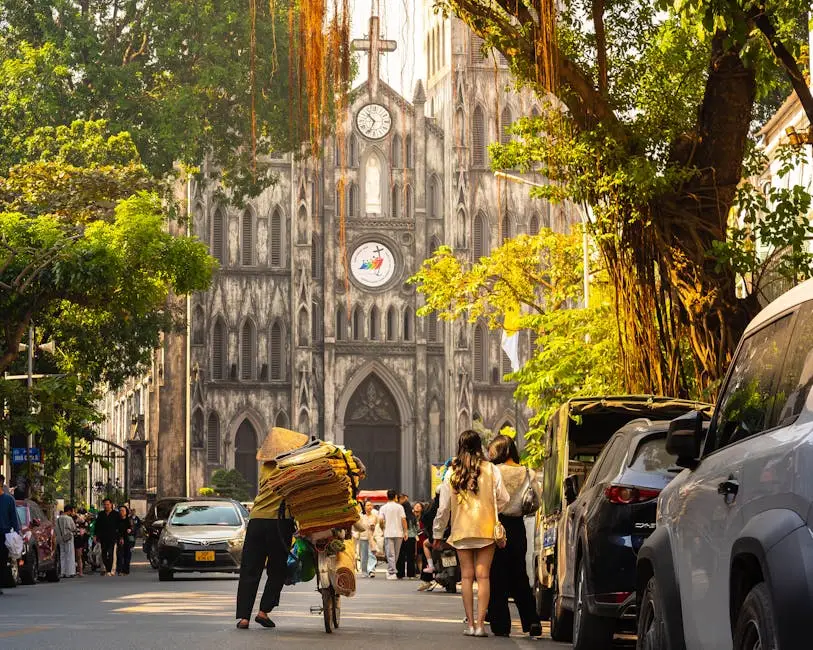
Tay Ho, The Expat Heartland
Wrapped around the wide, calm waters of West Lake, Tay Ho is where most international residents eventually end up. Streets like Xuan Dieu and To Ngoc Van are lined with specialty grocery stores, international schools, yoga studios, and pet-friendly cafes. It has all the familiar comforts of a cosmopolitan neighbourhood while being unmistakably Vietnamese, and the lakeside sunsets are something else entirely.
The trade-off is distance. Tay Ho sits further from the Old Quarter and the city centre than other expat-friendly areas, so budget for the extra ride-hailing costs if you’re regularly heading downtown.
Truc Bach, The Best of Both Worlds
Sandwiched between West Lake and the Old Quarter, Truc Bach is genuinely one of the most pleasant spots in the city. It’s quieter and more local-feeling than Tay Ho, without being so off the beaten track that everyday conveniences are a hassle.
Walking along the lake at dusk, stopping for a bowl of fresh Pho Cuon at a neighbourhood stall that’s been there for decades, this is the Hanoi that people fall in love with and never quite manage to leave.


Ba Dinh, The Diplomatic District
Home to government ministries, foreign embassies, and some of the city’s most beautiful colonial-era architecture, Ba Dinh has a calm, unhurried quality that sets it apart from the bustle elsewhere.
Tree-lined avenues, well-maintained streets, and easy access to the business districts make it particularly popular with working professionals who want central convenience without the chaos of Hoan Kiem. Security here is notably high, and the neighbourhood has a reliable, settled energy that long-term residents genuinely appreciate.

From caves and cruises to cooking
classes, Klook covers Hanoi’s best
experiences. Hotel pickup is often
included and prices are usually lower.
Finding an Apartment in Hanoi:
Good apartments in popular areas move fast. The most reliable approach is a combination of local Facebook housing groups, independent real estate agents based in Tay Ho, and simply walking through the neighbourhood you’ve decided on and looking for signs. Properties are rarely listed far in advance, and most landlords prefer to meet in person.
- Browse active rental groups on social media or visit local agencies in your target district.
- Schedule viewings and check the basics, water pressure, air conditioning, natural light, and street noise levels at different times of day.
- Negotiate what’s included: drinking water delivery, housekeeping, and internet are often flexible.
- Sign a bilingual lease and make sure your landlord registers your stay with the local police, this is a legal requirement and protects you as much as them.
Expect to pay a deposit equal to one month’s rent, plus at least one month’s advance payment upfront. Leases of six to twelve months typically give you more negotiating room on the monthly rate.


Lock in top-rated Hanoi tours with
GetYourGuide’s free cancellation up to
24 hours before. Reserve now and pay
later if your dates aren’t locked in.
Pro Tips for Settling In:

- Ride-Hailing Apps: Download Grab, Xanh SM, and Be on day one. Use them instead of renting a scooter immediately, give yourself time to watch how traffic actually flows before jumping into it yourself. Xanh SM’s electric vehicles are a particularly comfortable option for longer journeys across the city.
- Connectivity: Get a Yesim eSIM before you land so you have data the moment you step off the plane at Noi Bai. Pair it with Nord VPN for secure browsing on public Wi-Fi, cafe working is a Hanoi staple, and your connection security shouldn’t be an afterthought.
- Food Safety: Street food here is extraordinary, and safe, as long as you pick the busy stalls where locals are already queuing. High turnover means fresh ingredients. Always drink filtered or bottled water; tap water is not potable anywhere in the city.
- Weekend Trips: Klook and Get Your Guide are great for booking day trips and regional excursions, Ha Long Bay, Ninh Binh, and Sapa are all reachable from Hanoi and worth every minute of the journey.
- Cash Tip: Keep smaller denomination bills on you at all times, 20,000 and 50,000 VND notes are your daily workhorses. Street vendors and local stalls often can’t break a 500,000 VND note, and it holds up the whole queue.

Pick a Hanoi eSIM plan that matches
your trip length on Airalo’s global
marketplace. Install before departure
and you’re online the moment you land.
Local Etiquette Worth Knowing:
Hanoi has its own social rhythm, and the longer you stay, the more it reveals itself. A few things that go a long way from day one:
At temples and pagodas: Dress modestly, shoulders and knees covered, and keep your voice down. Never point your feet toward an altar or Buddhist statue; it’s considered deeply disrespectful. Sites like the Tran Quoc Pagoda and the Temple of Literature are living places of worship, not just photo backdrops.
On the streets: The pavement belongs to everyone here, motorbikes, market stalls, plastic stools, and pedestrians all share the same space. When crossing roads, walk at a slow, steady pace without stopping or darting backwards. The traffic reads your path and moves around you. It sounds alarming. It works.
Tipping and bargaining: Tipping isn’t customary at local restaurants, though rounding up or leaving small change at independent cafes is a nice gesture. At markets like Dong Xuan, light bargaining is expected, smile, stay relaxed, and try a few words of Vietnamese. Even a butchered xin chào will get you a warmer price than stony silence.

Frequently Asked Questions:
Can you live in Hanoi without speaking Vietnamese?
Absolutely, especially in areas like Tay Ho where English is widely spoken and the expat community is well established. That said, learning even a handful of basic phrases makes an enormous difference. Locals genuinely appreciate the effort, and a simple xin chào (hello) or cảm ơn (thank you) opens more doors than you’d expect.
How is healthcare for expats in Hanoi?
Hanoi has excellent international medical facilities. Vinmec International Hospital and Family Medical Practice both offer English-speaking staff, Western standards of care, and direct billing for most international insurance plans. Routine consultations typically cost between 1,250,000 and 2,500,000 VND ($50 – $100). Comprehensive expat health insurance is strongly recommended regardless of how healthy you feel on arrival.
What is the best time of year to move to Hanoi?
Autumn, September through November, is the sweet spot. The weather is genuinely lovely: cool breezes, clear skies, and low humidity. Summer (May to August) is hot and sticky, and Hanoi winters can be surprisingly cold and grey, particularly in January and February. If you have flexibility on timing, aim for an autumn arrival to ease into the city at its most pleasant.
What visa do most long-term expats use in Hanoi?
Most long-term residents start with the 90-day multiple-entry e-visa, renewing it with periodic border runs into Cambodia or Laos. Those who secure formal employment, typically in teaching, tech, or corporate roles, apply for a Temporary Residence Card (TRC) through their employer, which provides a more stable two-year residency arrangement without the need for border runs.