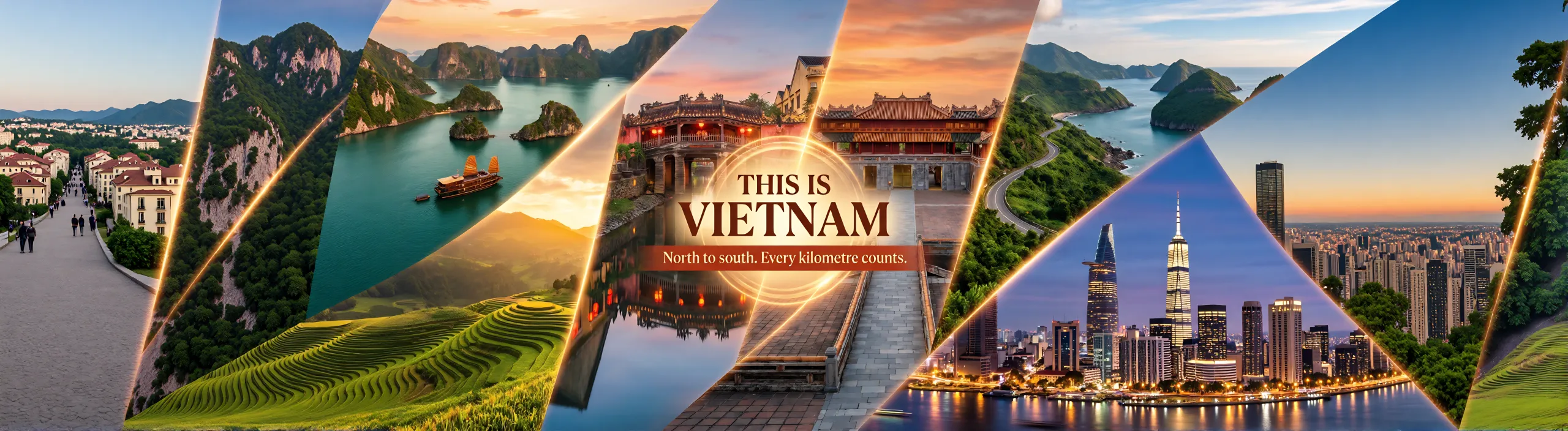
Is Vietnam Safe?
The short answer is a resounding yes. Vietnam is one of the safest, most welcoming, and politically stable destinations in Southeast Asia. Violent crime against tourists is genuinely rare. You will need to watch out for pickpockets and learn how to cross the road through rivers of motorbikes, but a little common sense is all it takes to have a smooth, unforgettable trip. If you are still in the early stages of planning, our first time visiting Vietnam guide pulls all the basics together in one place.
The Quick Summary:
- Violent Crime: Practically non-existent against travellers. Physical assaults or muggings are extremely rare.
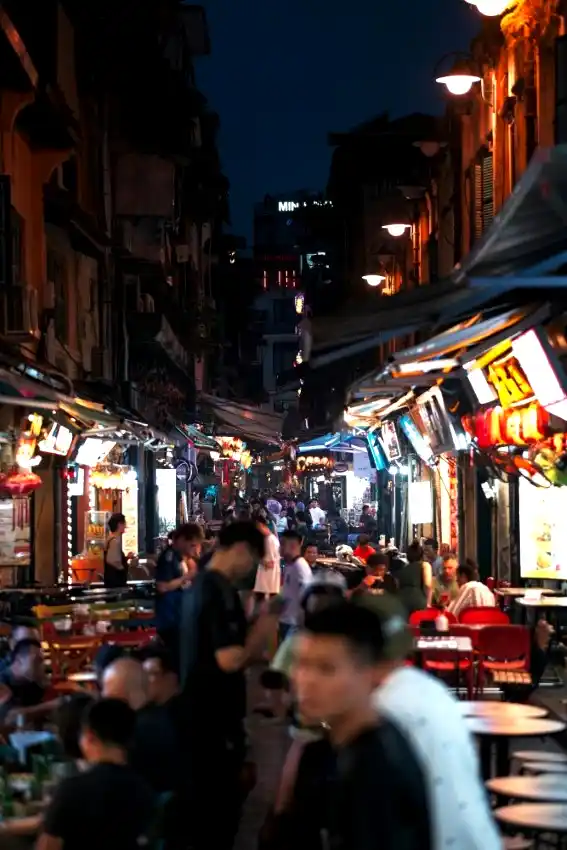
- Petty Theft: Keep an eye on your phone. Snatch-and-grabs and pickpocketing do happen in crowded tourist spots like District 1 in Ho Chi Minh City and Hanoi’s Old Quarter.
- Solo Travel: Highly safe for solo adventurers and women travelling alone. The local culture is deeply respectful.
- Scam Risk: A real concern if you hail random taxis off the street. Very easy to avoid by using ride-hailing apps like Grab, Xanh SM, or Be.
- Emergency Numbers: Bookmark these just in case: 113 for police, 114 for fire, and 115 for an ambulance.
Is Vietnam Safe to Visit Right Now?
Absolutely. Vietnam is wide open and safe to visit, with low crime rates and a stable political climate from north to south. The government takes tourism safety seriously, and there are no significant travel advisories in effect for the country as a whole. Your biggest concern will simply be watching your belongings in busy areas, something our Vietnam travel tips guide covers in practical detail.
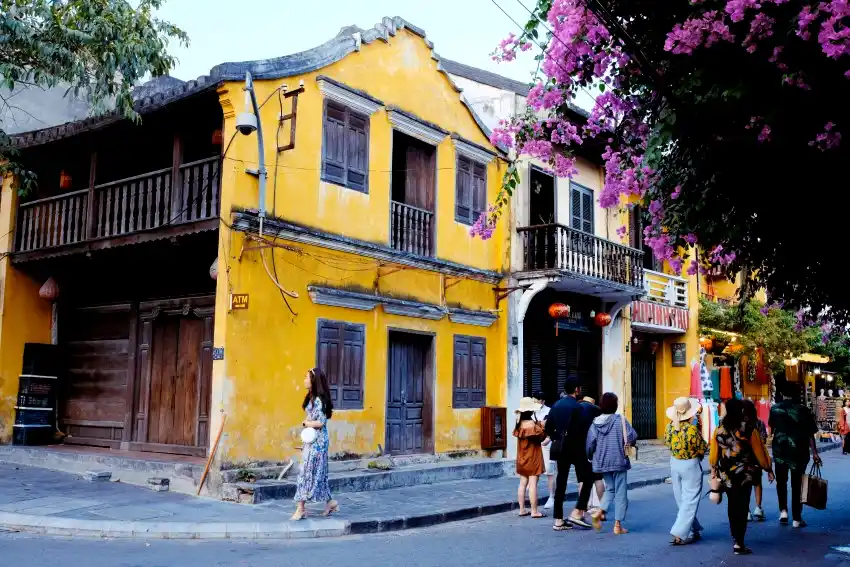
There is a strong community feel here, shaped in large part by Buddhist traditions. Whether you are wandering the lantern-lit streets of Hoi An at midnight or trekking through the misty rice terraces of the north, you will feel completely at ease. You might encounter the odd minor annoyance, but rarely anything that puts you in real danger. If you are weighing up when to come, our best time to visit Vietnam guide breaks the seasons down region by region.
Planning your arrival? Welcome Pickups offers pre-booked airport transfers so you step off the plane and straight into a confirmed, trusted ride, no taxi negotiations required. It is worth checking which gateway you are flying into first with our best airports in Vietnam rundown.
How Vietnam Compares to the Rest of Southeast Asia:
| Safety Concern | Vietnam’s Profile | The Regional Picture |
|---|---|---|
| Violent Crime | Under 1.5 incidents per 100,000 people per year. | Generally low across the region, but Vietnam consistently stands out as one of the safest. |
| Scams | Fairly common with unlicensed street vendors and unofficial taxis. | A standard hurdle across most major Southeast Asian tourist hubs. |
| Solo Female Safety | Top-tier. Street harassment and catcalling are rare. | Rated highly by solo women travellers; often feels safer than many Western cities. |
| Traffic Danger | The biggest physical risk. Motorbike culture is intense. | Similar to Thailand and Cambodia, but manageable once you learn the rhythm. |
| Natural Hazards | Typhoon season runs roughly September to November on the central coast. | All of Southeast Asia has a wet season. Check forecasts and travel with good cover. |
If you are choosing between regions before you book anything, our north vs south Vietnam comparison weighs up the climate, pace and feel of each end of the country, and for a broader cost picture our Vietnam travel costs guide sets sensible daily budgets.
Pro Tips for Stress-Free Travel:
- Cash Management: Keep smaller bills (20,000, 50,000, and 100,000 VND) in an easy-to-reach pocket for street food and market shopping. Stash your larger notes separately so you are never flashing your full wallet at a stall.
- Ride-Hailing Apps: Download Grab, Xanh SM (electric vehicles, very smooth), or Be before you land. Fixed prices, no meter games, and a record of your journey for safety.
- Connectivity: Pick up an eSIM through Airalo before departure so you have maps, translation, and messaging the moment you land. No hunting for a SIM kiosk with heavy luggage in tow. See our SIM cards and internet guide for the full rundown.
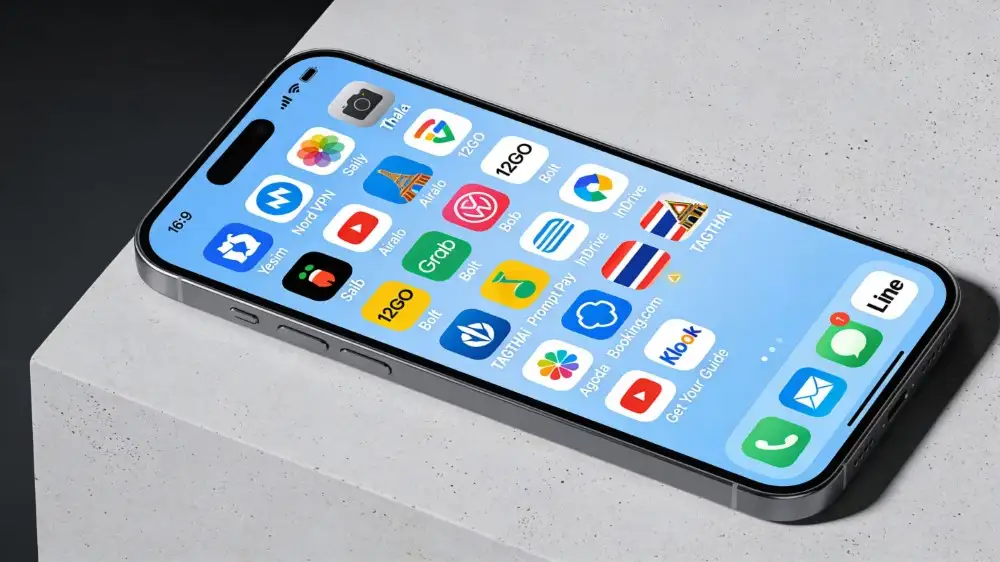
- Online Security: Use NordVPN whenever you connect to public Wi-Fi in cafes, guesthouses, or co-working spaces. It takes seconds to set up and keeps your banking and personal data safe.
- Booking Trips and Tours: Use Get Your Guide to book food tours, day trips, and experiences in advance. Many popular activities do sell out, especially in Hoi An and Ha Long Bay.
- Travel Insurance: Do not skip it. Medical costs for anything serious can climb quickly, so SafetyWing is a sensible shout for flexible cover. Our travel insurance for Vietnam guide explains what to look for, and if a flight gets delayed or cancelled, AirHelp can help you claim compensation.
What Are the Main Safety Concerns in Vietnam?
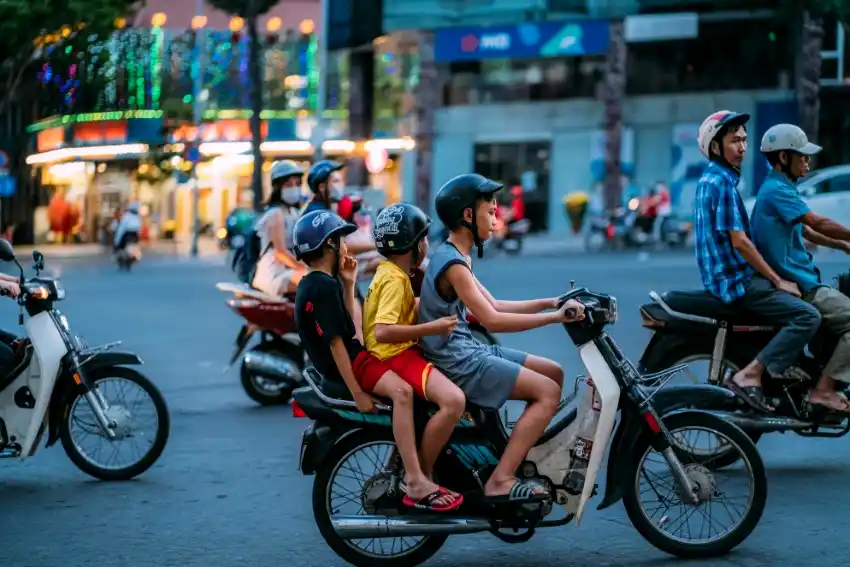
Instead of violent crime, the main things to be aware of in Vietnam are chaotic traffic, opportunistic pickpockets, and occasional financial scams. The sheer volume of motorbikes can look terrifying to first-time visitors, and crowded night markets are prime spots for quick-fingered bag snatchers. For the full picture, our dedicated Vietnam safety guide digs into each risk in more detail.
Navigating the Traffic
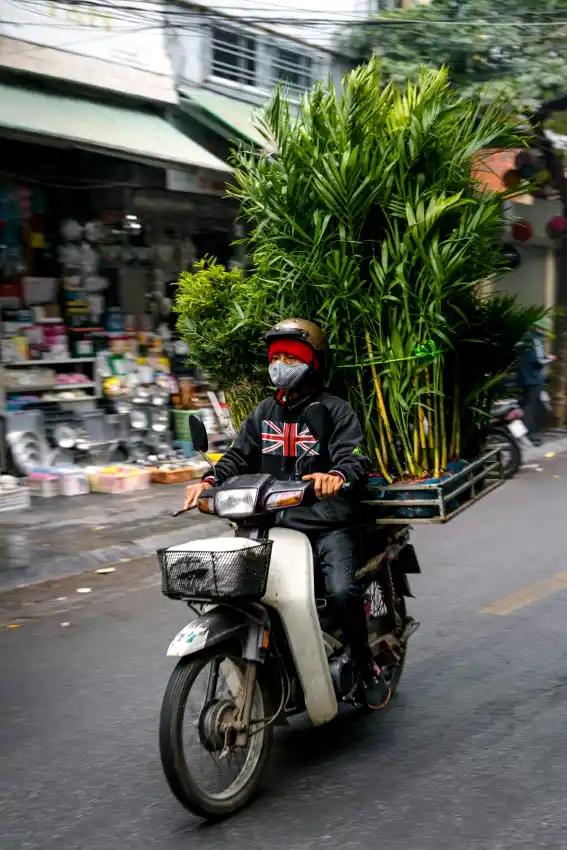
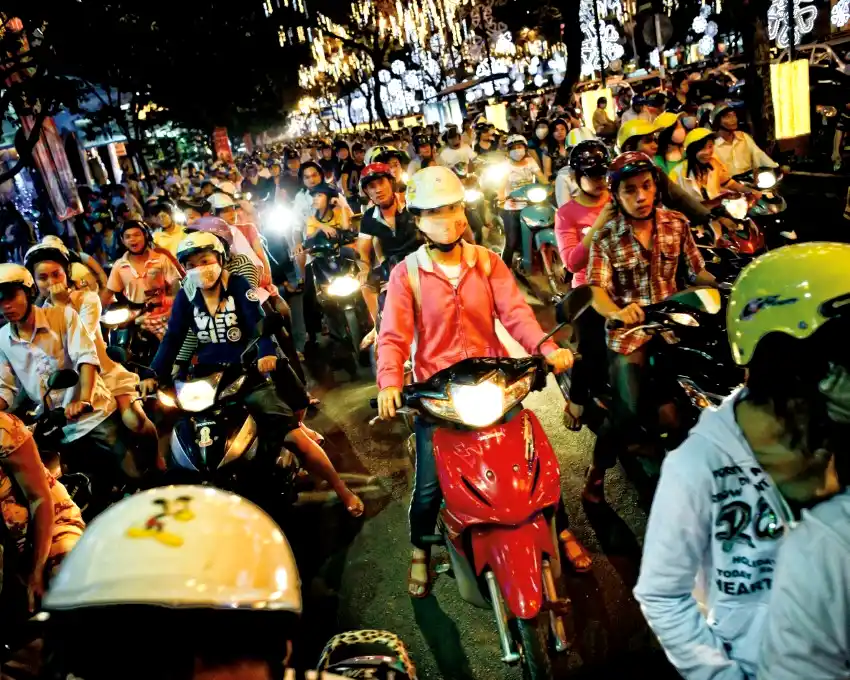
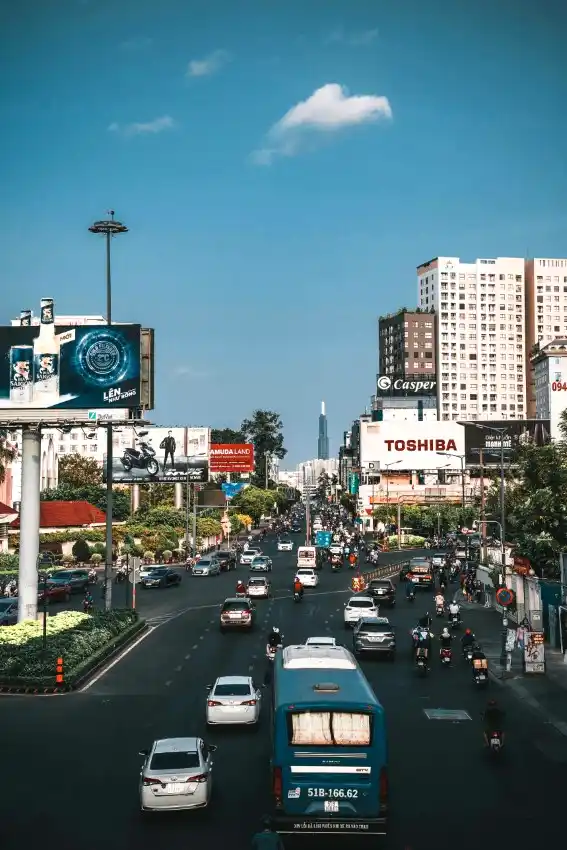
The ocean of motorbikes flowing down streets like Hanoi‘s Trang Tien or Saigon’s Nguyen Hue Boulevard can feel overwhelming on day one. The key to crossing the road is to be predictable. Step off the kerb slowly, maintain a steady pace, and let the traffic flow around you. Whatever you do, don’t stop suddenly or break into a run, that is when accidents happen. Our how to get around Vietnam guide explains the wider transport picture once you are ready to move between cities.
Thinking of renting a scooter and riding the legendary Hai Van Pass? Make sure you hold an International Driving Permit (IDP) and carry local insurance. Riding without proper documentation is a significant financial and physical risk if things go wrong, so it is worth reading our guide to renting a motorbike in Vietnam first. If you would rather leave the driving to someone else, 12GO is a solid platform for booking inter-city buses, trains, and transfers, and our Vietnam train guide is handy if you prefer the rails.
Pickpockets and Street Scams
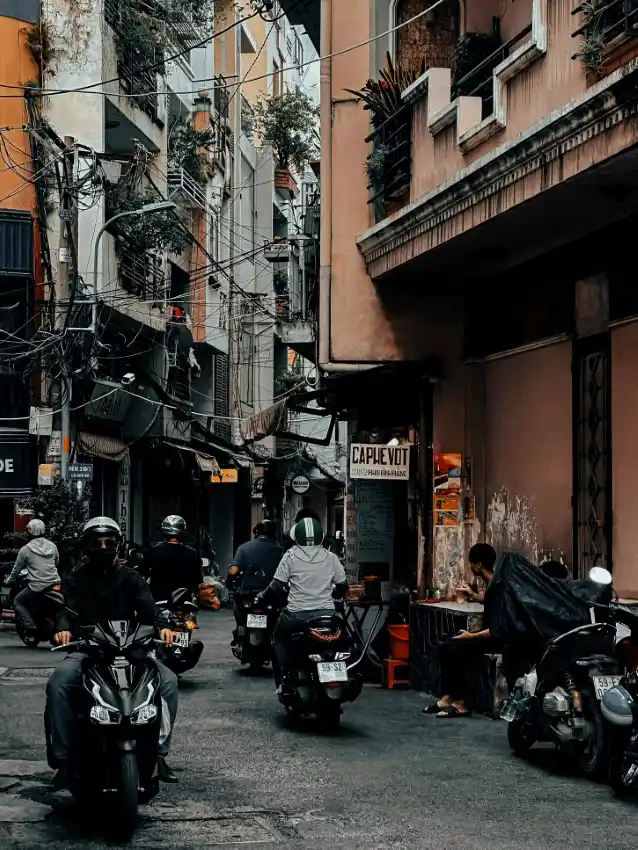
Distraction is a thief’s best friend. Phone-snatching by passing motorbike riders does happen, particularly on busy pavements in the backpacker areas of Ho Chi Minh City like Pham Ngu Lao or Bui Vien Walking Street. Keep your phone away from the road edge and use a crossbody bag worn in front of you.
Heads Up: If a street vendor aggressively drapes their fruit baskets over your shoulder for a “free” photo, expect an immediate demand for money. Just smile, shake your head firmly, and say “Khong, cam on” (No, thank you) before the whole thing gets going.
The same quick-fingered crowds gather wherever stalls and people bunch together after dark, so stay especially aware at the busy stalls covered in our Vietnam night markets guide.
How to Avoid Common Travel Scams:
Most scams in Vietnam are minor and easily sidestepped with a smartphone and a polite but firm “no.” The usual suspects are rigged taxi meters, inflated tourist-market prices, and aggressive shoe repair men who appear near popular landmarks and refuse to name a price upfront. Knowing the typical traps in advance is half the battle, and our Vietnam travel mistakes guide rounds up the slip-ups that catch first-timers out.
Taxi Traps and Airport Scams
The moment you step outside arrivals in Hanoi or Ho Chi Minh City, unofficial drivers will appear offering cheap rides. Skip them entirely; these almost always end in a demand for an inflated fare once you reach your destination.
Stick to reputable, metered taxi companies like Mai Linh (the green cars) or Vinasun (the white cars), and check that the meter is running before the car moves. Better still, use a ride-hailing app and lock in your price before you open the door; our Grab vs Xanh SM comparison breaks down which one to choose, and our how to get around Ho Chi Minh City guide covers local routes once you have landed. If you want a confirmed, stress-free pickup from the airport, Welcome Pickups is worth a look for pre-booked private transfers.
The Multi-Zero Currency Problem
The Vietnamese Dong (VND) has a lot of zeros, and it is easy to mix up the notes when you have just landed. The 20,000 VND note (around $0.80 USD) looks remarkably similar to the 500,000 VND note (around $20 USD) because both are a similar shade of blue-green. If you want to get to grips with the notes before you arrive, our Vietnam currency and money guide is a good primer.
Take your time when handling cash. Count your notes carefully before handing them over, and never let a vendor reach into your wallet to pull out the payment themselves. It is always worth separating your small bills from your larger ones so market stalls never need to see your full float. Travellers watching the pennies should also skim our Vietnam budget travel guide for ways to keep daily spending in check.
A Few Tips for Peace of Mind:
Food Safety and Water Rules
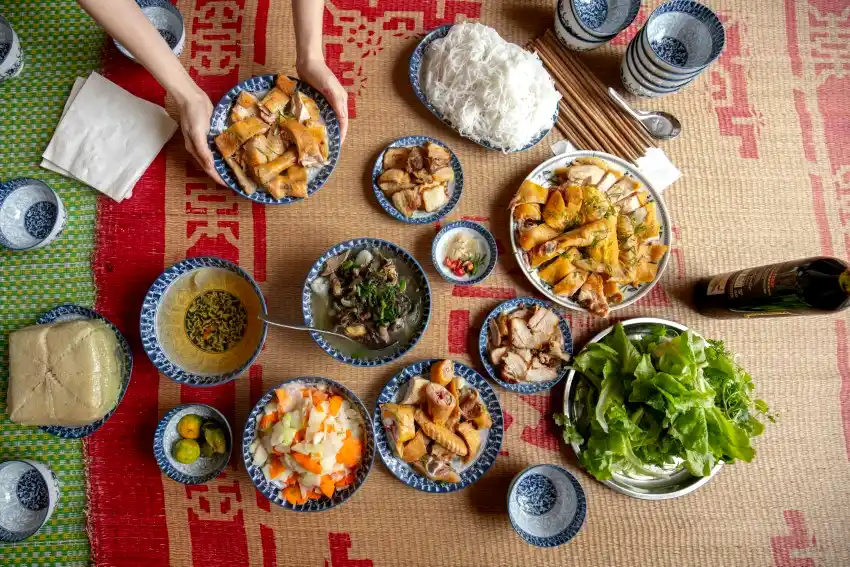
Vietnamese street food is legendary, and eating it is half the joy of being here. To keep your stomach happy, eat where the locals eat. Look for stalls packed with local families during peak hours; high turnover means the ingredients are fresh and the cooking is consistent. Our Vietnamese street food guide covers what to order and how to eat it safely.
Do not drink the tap water. Bottled water is cheap and available everywhere. You do not need to worry about ice in urban cafes and restaurants, though; it is almost always produced in commercial factories using purified water and delivered in sealed bags. It is also worth packing a small medical kit, and our Vietnam pharmacy guide explains what you can pick up easily once you arrive.
Is Vietnam Safe for Solo Female Travellers?
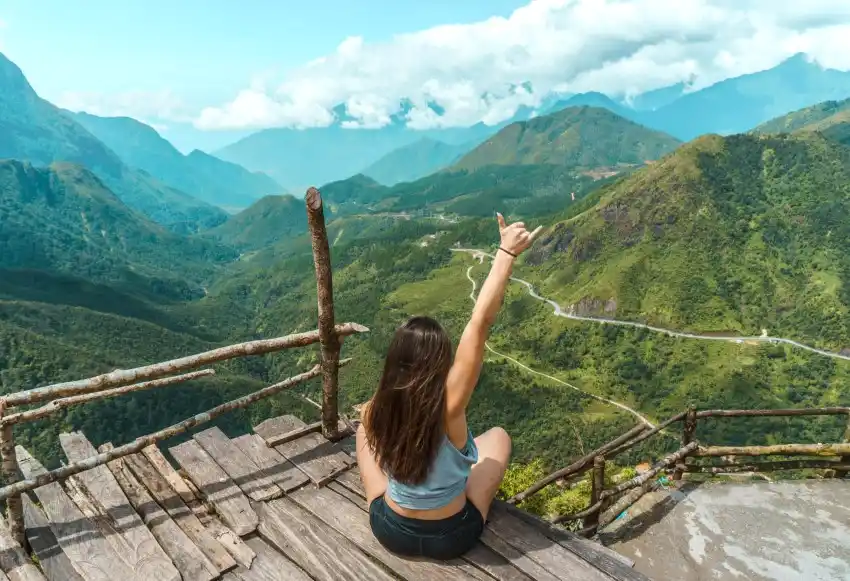
Yes, and this is one of the things Vietnam genuinely gets right. Street harassment and catcalling are rare, which means you can stroll through a night market, grab a bowl of pho at a pavement stall, or explore a new city at your own pace without constantly looking over your shoulder. A relaxed first stop like Hanoi is a gentle place to find your feet.
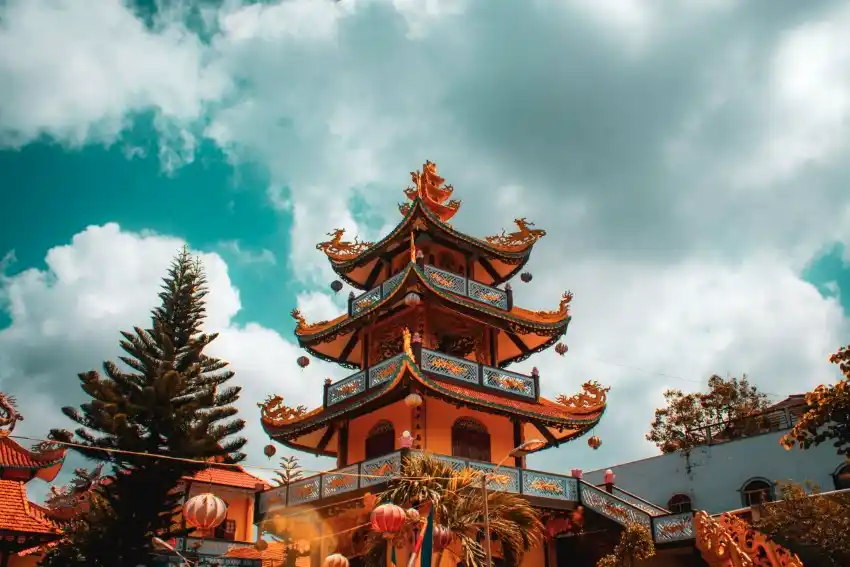
Show local culture the same respect you would want in return. Dressing modestly when visiting temples and pagodas is always appreciated and goes a long way; our temples and pagodas guide sets out the simple dress rules. Solo travellers also tend to feel especially settled in Da Nang, with its laid-back beach-city pace.
Local Etiquette Worth Knowing:
A little cultural awareness prevents awkward misunderstandings and makes a real difference to how locals receive you. Vietnamese culture values modesty, harmony, and keeping calm in difficult moments. Our Vietnamese culture and etiquette guide goes deeper if you want to arrive well prepared.
Tipping: Not traditionally expected, but it is becoming more common in tourist-facing restaurants and with private guides. Leaving around 10%, or simply rounding up the bill, is a warm and appreciated gesture.
Temple Dress Code: Cover your shoulders and knees before entering pagodas. If you see a pile of shoes at the entrance, take yours off too.
Bargaining: Perfectly acceptable at places like Ben Thanh Market or Dong Xuan. Keep it lighthearted, smile through it, and never take it too seriously. Fixed-price shops and all food stalls are not for haggling.
“Face” and confrontation: Losing your temper in public causes significant discomfort for everyone involved. If a situation goes wrong, stay calm, speak quietly, and look for a quiet resolution. It will almost always work out better. The same calm, curious spirit makes the celebrations in our Vietnam festivals guide a real highlight.
Thinking of Staying Longer?
With its low cost of living, high safety ratings, and improving digital infrastructure, it is no surprise that many visitors end up staying in Vietnam far longer than they originally planned. If that sounds like you, our living in Vietnam hub is the place to start, and our cost of living in Vietnam breakdown shows how far your money goes.
The Nomad Scene in Da Nang
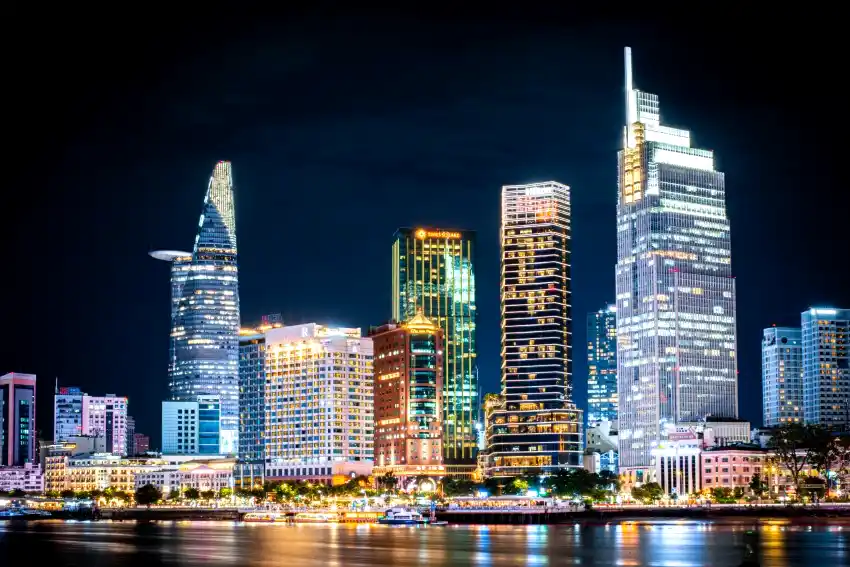
Da Nang has quietly become one of Southeast Asia’s favourite cities for digital nomads and long-stay expats. Cleaner air than the mega-cities, reliable fibre internet, a thriving cafe culture, and a gorgeous stretch of beach along My Khe are the main draws.
The 90-day e-visa gives you a solid window to slow down and really settle in, and you will find co-working spaces, expat-friendly apartment rentals, and solid private healthcare options throughout the city. To picture daily life there, have a read of our living in Da Nang guide, while our Vietnam digital nomad guide covers visas and remote-work logistics. For accommodation, Agoda has the deepest inventory across every budget, from simple guesthouses to serviced apartments with monthly rates, with Booking.com a strong alternative if you want free cancellation.
Frequently Asked Questions:
Can you drink tap water in Vietnam?
No. Use bottled water for drinking and brushing your teeth throughout the country. The ice served in city restaurants and cafes is fine though; it is made from commercially purified ice blocks, not tap water.
Is it safe to walk around Hanoi or Saigon at night?
Yes, both cities are very safe after dark. Hanoi‘s Hoan Kiem Lake walking street is lively and well-lit late into the night. In Ho Chi Minh City, Districts 1 and 3 are the most tourist-friendly after dark. Stick to busier streets, keep your phone secure, and you will be absolutely fine.
What should I do if I get scammed or overcharged?
Stay calm and keep your voice level. In Vietnamese culture, a public argument causes everyone involved to lose face and usually makes things worse, not better. Pay a reasonable amount, walk away, and if it is a genuine issue, report it to your hotel or the local tourist police. Do not let one frustrating moment overshadow what is almost certainly a brilliant trip.
Is Vietnam safe for families with young children?
Very much so. Vietnamese culture is warm and genuinely welcoming to families. Children are adored here. The main practical concern is traffic, so hold hands when crossing roads and always use a car seat for younger children in taxis. Stick to well-cooked, freshly prepared street food and bottled water to keep young stomachs happy.
Do I need travel insurance for Vietnam?
Yes, and do not skip it. While Vietnam is safe, medical care costs for anything serious can add up quickly, particularly if you need private hospital treatment or medical evacuation. Make sure your policy covers adventure activities like motorbike riding or trekking if you plan on doing either.
What is the safest way to get from the airport to my hotel?
Use a ride-hailing app like Grab or Xanh SM where the price is confirmed before you get in. Alternatively, pre-book a private airport transfer through a service like Welcome Pickups so a named driver is waiting for you when you land. Avoid walking up to strangers offering rides outside the terminal.
Is Vietnam safe for LGBTQ+ travellers?
Vietnam is one of the more relaxed countries in Southeast Asia on this front. Same-sex relationships are not criminalised, and attitudes in major cities like Hanoi, Ho Chi Minh City, and Da Nang are generally open. Public displays of affection are not common in Vietnamese culture for anyone, so the same low-key approach that locals take applies equally here.
Are there any areas of Vietnam I should avoid?
Vietnam as a whole is safe for travel. There are no significant no-go zones for tourists. Border regions near certain parts of Laos and Cambodia can involve complicated terrain, so stick to established crossings. Always check your own government’s current travel advice before departure, as conditions can change.