North vs South Vietnam: Which Region Is Right for You?
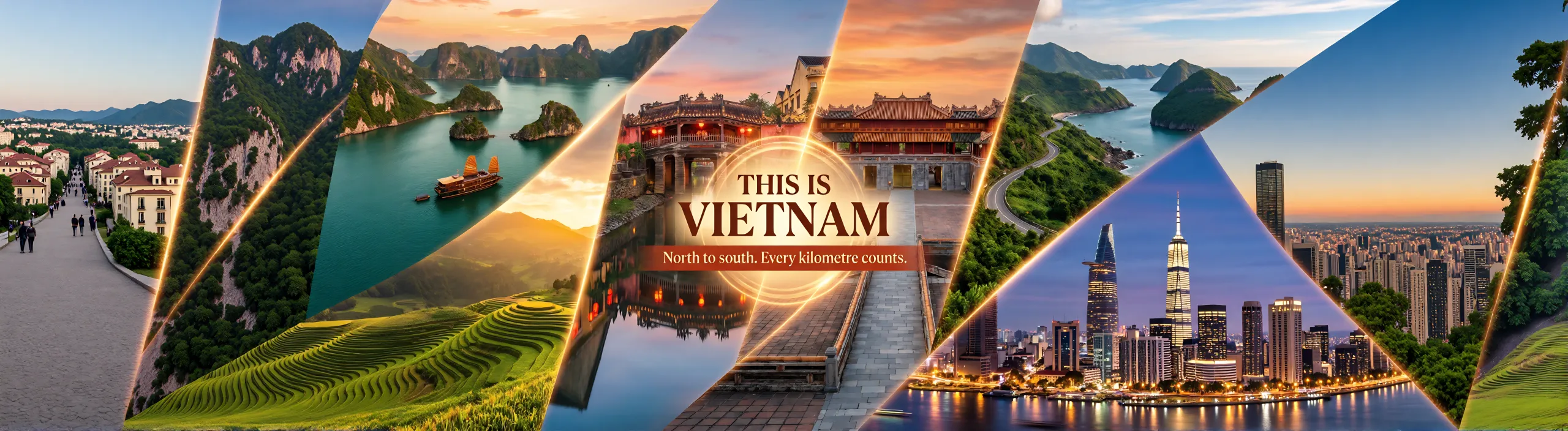
Vietnam stretches over 1,600 kilometres from top to tail, and the two ends of the country feel like entirely different worlds. The North gives you misty karst mountains, ancient temples, and four proper seasons. The South fires back with year-round tropical heat, a buzzing commercial energy, and the vast waterways of the Mekong Delta. Choosing between them shapes everything, your packing list, your food, your pace, and the stories you come home with.
The Quick Summary:
- Regional Variance: The North features alpine peaks and four distinct seasons. The South offers year-round tropical heat and a fast-paced urban lifestyle.
- Budgets: Mid-range travel runs around 750,000 to 1,250,000 VND ($30 to $50 USD) per day across both regions, though luxury options peak in the southern cities.
- Entry Requirements: Most international travelers need a pre-approved electronic visa, easily arranged through the official government portal before you fly.
- Food Nuance: Northern cuisine leans subtle, savory, and black-pepper-driven. Southern dishes go bold with sweetness, fresh herbs, coconut milk, and chili heat.

Reserve your Vietnam hotel with no
upfront payment on most rooms. Free
cancellation up to a day before check-in
keeps your trip flexible if plans shift.
Which Region Fits Your Travel Style?
The North and South aren’t just different places, they’re different moods entirely. Here’s a quick side-by-side to help you figure out where you belong.
| Feature | North Vietnam | South Vietnam |
|---|---|---|
| Primary Hub | Hanoi (Old Quarter) | Ho Chi Minh City (District 1) |
| Top Landscape | Karst mountains, terraced rice fields | Flat river deltas, sandy coastlines |
| Best Weather Window | October to April (cool and dry) | December to April (dry tropical season) |
| Signature Dish | Pho Bo (savory beef noodle soup) | Hu Tieu Nam Vang (sweet pork noodle soup) |
| Daily Mid-Range Cost | 800,000 VND ($32 USD) | 900,000 VND ($36 USD) |
What Is the Weather Like Across Vietnam?

This is probably the most important practical difference between the two regions, and it genuinely affects what you pack, where you go, and when you go there.
The North has four real seasons. Winter in Sa Pa or along the Ha Giang loop can drop below 10°C (50°F), which catches a lot of tropical-minded travelers off guard. Pack thermal layers if you’re heading up there between November and February. Summer (May to September) brings heavy downpours and thick humidity across the north.
The South stays hot year-round, typically sitting between 28°C and 35°C (82°F to 95°F). The southern monsoon runs from May to November, but the rain usually arrives as short, predictable afternoon bursts that clear quickly and rarely derail a full day out. If you want guaranteed sunshine and zero need for layers, the South between December and April is as close to perfect as it gets.
How Does the Food Compare?
Vietnamese food is regional in a way that genuinely surprises people. The same dish ordered in Hanoi and Ho Chi Minh City can taste like two completely different meals, and locals on both sides feel strongly about which version is better.
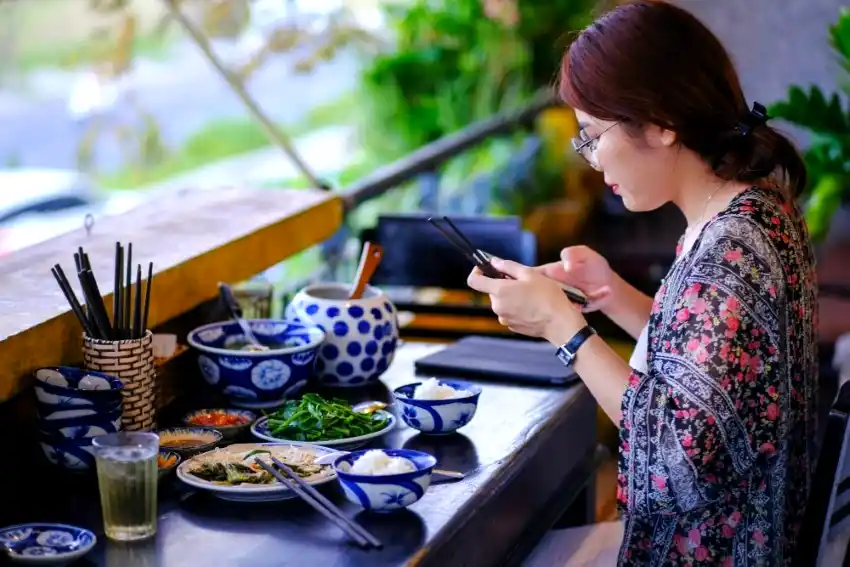
In the North, flavors are clean, balanced, and restrained. The broth of a proper Hanoi Pho Bo gets its depth from charred ginger and onion, not sugar. Bun Cha uses a light, delicate dipping sauce. The food is comforting rather than punchy.
Head south and everything gets louder. Rock sugar goes into the fish sauce, heaps of fresh Thai basil land on the plate, and chili paste sits on every table. Com Tam, the South’s beloved broken rice dish served with a caramelized grilled pork chop, is a perfect example of the Southern approach: bold, sweet, and unapologetically rich. Do yourself a favour and try both regions’ versions of the same dish. The debate is half the fun.

From caves and cruises to cooking
classes, Klook covers Vietnam’s best
experiences. Hotel pickup is often
included and prices are usually lower.
The Landscapes and Highlights:
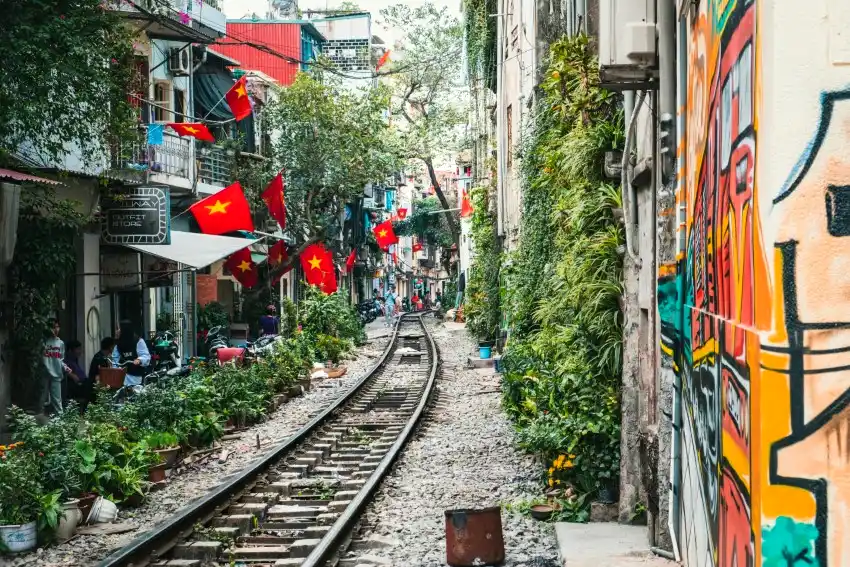
The Historic Northern Highlights
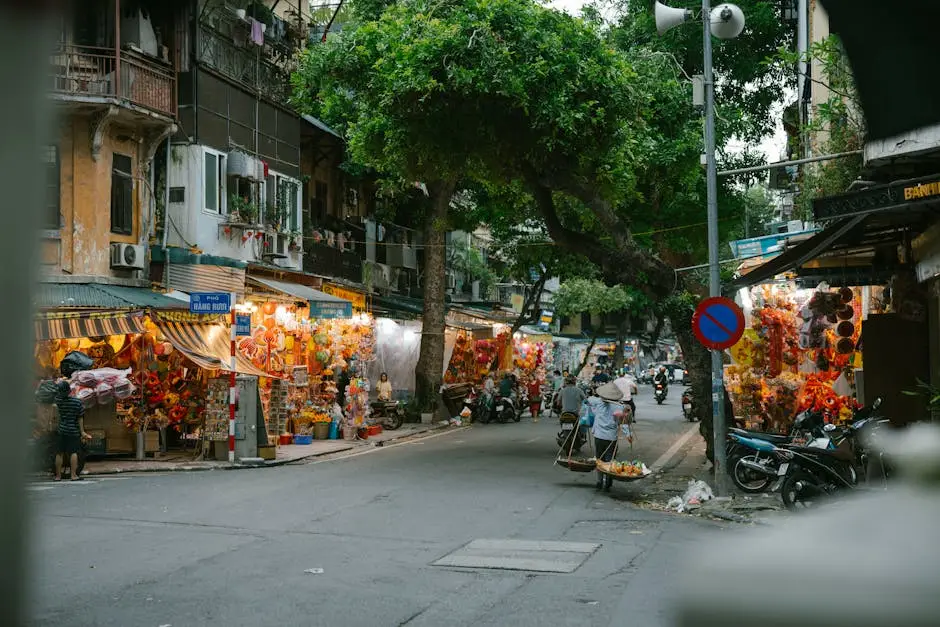
Hanoi is the cultural anchor of the nation, and the Old Quarter rewards slow exploration. Wander the labyrinth of silver shops, traditional medicine stalls, and hidden courtyard cafes, and you’ll keep finding new corners for days. A short drive south, the limestone cliffs of Ninh Binh rise straight out of flooded green rice paddies, it’s often called the inland Ha Long Bay, and the comparison is well-earned.
Further north, the Ma Pi Leng Pass delivers some of the most dramatic motorbike riding in all of Southeast Asia, winding along steep hairpins above deep river canyons near the Chinese border. Ha Giang, Sapa, and Mu Cang Chai round out a northern highlands circuit that genuinely competes with anything in the region for raw, untouched beauty.
The Energetic Southern Hotspots
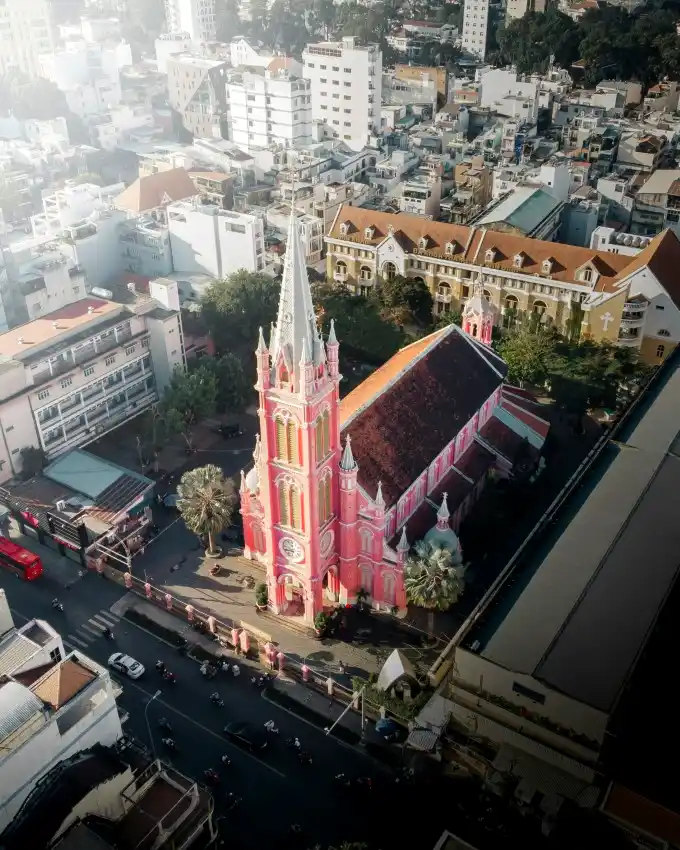
Ho Chi Minh City moves fast and it doesn’t apologize for it. District 1 puts iconic landmarks like the Saigon Central Post Office and the Independence Palace alongside gleaming corporate towers and some of the best rooftop bars in Southeast Asia. The energy here is addictive, and the street food scene runs 24 hours.
When you need to slow down, the Mekong Delta is waiting just outside the city. The Ben Tre province introduces you to a completely different pace: wooden sampans skimming beneath coconut canopies along narrow brown canals, floating markets, riverside fruit orchards, and communities that have been living this way for generations. It’s one of the most rewarding half-day or full-day trips in the whole country.
Local Customs, Etiquette, and Motorbike Culture:
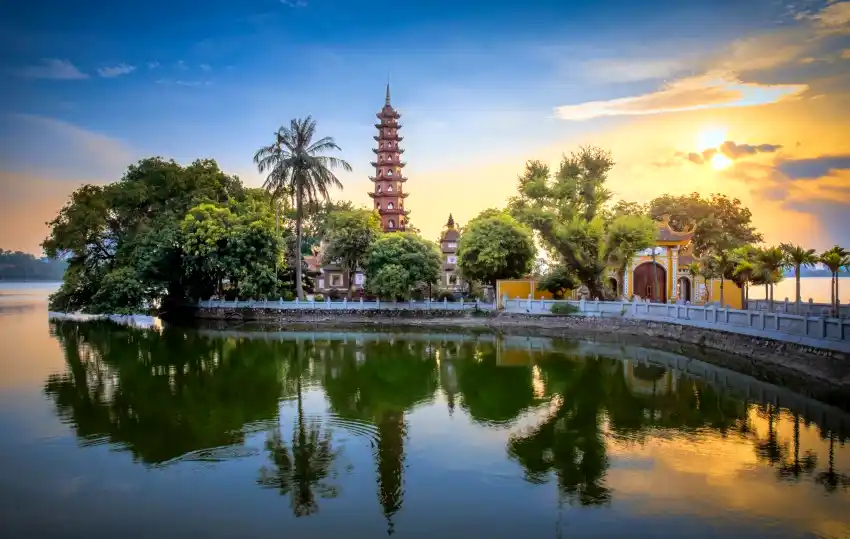
Vietnamese hospitality is genuinely warm and welcoming, and a little cultural awareness goes a long way toward making every interaction feel easy and enjoyable.
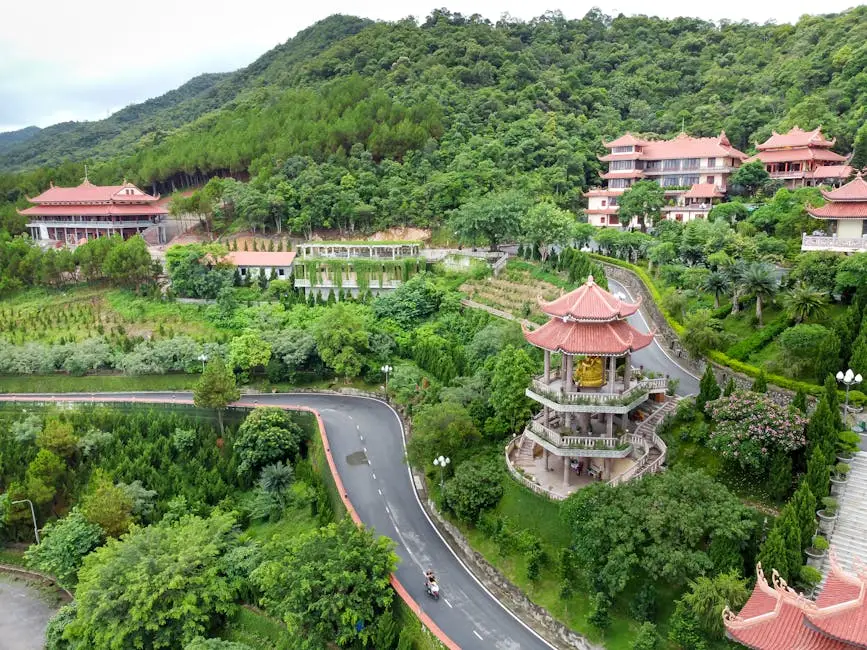
At sacred sites like Hanoi’s Tran Quoc Pagoda or the Jade Emperor Pagoda in Ho Chi Minh City, cover your shoulders and knees, this is non-negotiable and easily managed with a light scarf in your bag. Tipping is not expected at street food stalls, but leaving a small amount at higher-end restaurants or spas is a warm gesture. Bargaining is perfectly normal in markets like Ben Thanh, but keep it lighthearted and smiling rather than heavy-handed.
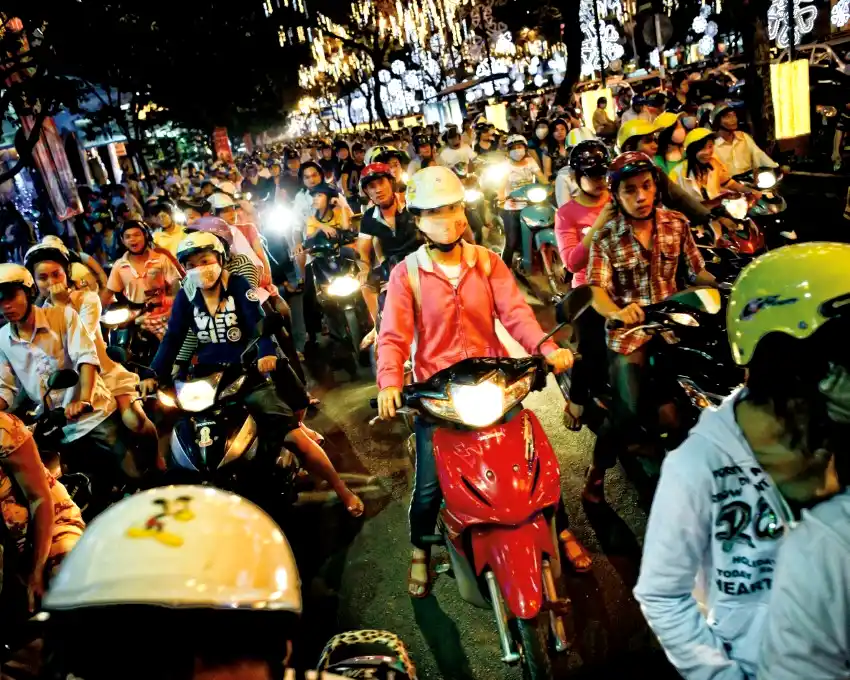
Crossing the street is the thing that unnerves first-timers most. The trick is to walk slowly and predictably, letting the motorbike riders calculate their path around you. Don’t run, don’t freeze, and don’t wait for a gap that isn’t coming. Just move steadily and you’ll be fine, everyone else is.
A Note for Nervous Travelers:
Vietnam is one of the safest destinations in Southeast Asia for solo travelers, couples, families, and expats alike. Violent crime is genuinely rare. The real hazards are chaotic traffic and the occasional street scam, both of which are easy to manage once you know what to expect.
For transport, always book through Grab, Xanh SM, or Be rather than flagging down unmetered taxis. The apps show you the price upfront and eliminate any awkward haggling at the end of a ride.
For food safety, pick the stalls that are heaving with locals, high turnover means fresh ingredients cooked right in front of you. And for pickpocketing in crowded markets, keep bags zipped and close to your body, carry smaller bills rather than large notes, and hold your phone securely in busy pedestrian areas.

Skip the airport rank queue in Vietnam.
Welcome Pickups confirm your transfer
in advance, track your flight, and
meet you at arrivals with a name sign.
Staying Longer: Slow Travel and Expat Life:
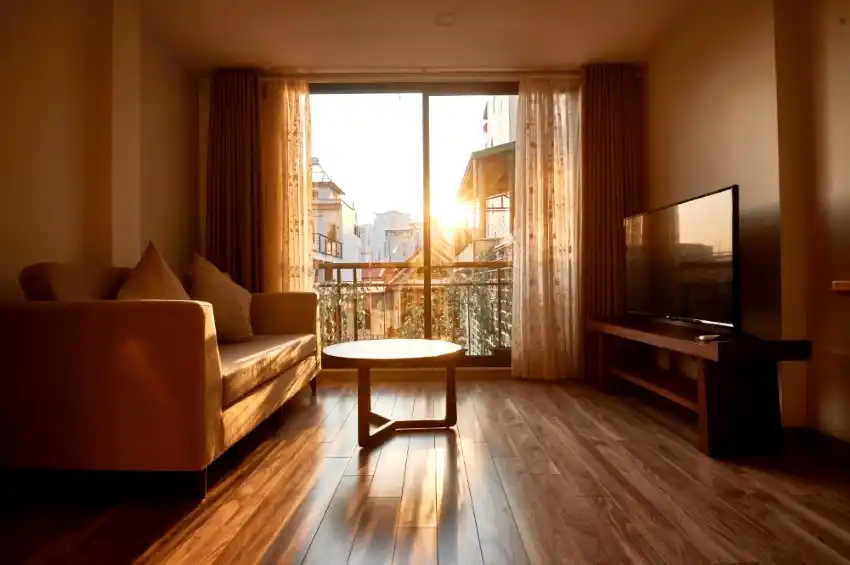
Vietnam’s official 90-day electronic visa allows multiple entries, making it one of the most flexible long-stay destinations in the region for digital nomads, remote workers, and slow travelers. Many people arrive for two weeks and end up staying for three months.
Da Nang has become the central hub for the expat and remote-working community, striking a balance between beach access, reliable fiber-optic internet, and a relaxed coastal pace. The An Thuong neighborhood has excellent coworking spaces, affordable apartment rentals, and a genuinely friendly international community.
Hanoi suits those who want regular weekend escapes to Sapa, Ninh Binh, or the northern bays. Ho Chi Minh City is for those who thrive on pace, connectivity, and an endlessly evolving food and culture scene. For families or anyone relocating with pets, professional relocation agencies in both Hanoi and Ho Chi Minh City handle the veterinary health certificates and international rabies titre tests required at major entry airports.
Pro Tips for Stress-Free Travel:
- Transport Apps: Download Grab, Xanh SM, and Be before you land. All three offer upfront-priced car and motorbike rides, making city navigation transparent and hassle-free.
- Accommodation: Agoda and Booking.com offer the widest range of options, from budget guesthouses and boutique homestays to full luxury resorts. Read recent reviews carefully for honest ground-level feedback.
- Activity Bookings: Use Klook or Get Your Guide for reliable day trip vouchers, Cu Chi Tunnels, Ha Long Bay cruises, Mekong Delta tours, and more. Booking in advance secures your spot and usually gets you a better price.
- Connectivity: Pick up a local SIM at the airport or activate an eSIM via Yesim for instant data on arrival. Use NordVPN to keep your connection secure on public cafe and hotel Wi-Fi networks.
- Cash is King: Keep smaller Vietnamese Dong denominations on you, 20,000, 50,000, and 100,000 VND notes are ideal for street vendors and market stalls. Large 500,000 VND notes can be genuinely difficult for small sellers to break.


Stay online across Vietnam without the
daily-data limits of standard tourist
SIMs. Yesim’s eSIM offers unlimited 5G
from around $10 for the whole trip.
Frequently Asked Questions:
Which part of Vietnam is best for a first-time visitor?
The North is often recommended for first-timers who want deep cultural history, dramatic natural scenery, and iconic landmarks like Ha Long Bay. That said, if you prefer hot weather, a buzzing nightlife, and modern city comforts right from the start, the South makes an equally strong case. Neither is a wrong answer.
Is it cheaper to travel in North or South Vietnam?
The North tends to be slightly more affordable for street food and budget accommodation, particularly in rural mountain provinces. Ho Chi Minh City has higher prices for upscale dining and accommodation in central districts, though excellent budget options exist across both regions.
How many days do you need to see both regions?
A minimum of 14 days gives you a solid taste of both North and South, enough time to cover Hanoi, Ha Long Bay, Ho Chi Minh City, and a Mekong Delta excursion. Three weeks is better if you want to add the highlands, a beach stop, or Central Vietnam in between.
What is the best time of year to visit Vietnam?
For the North, October through April offers cool, dry conditions ideal for trekking and sightseeing. For the South, December through April is the dry tropical season with reliable sunshine. If you’re doing a full north-to-south trip, February through April generally gives the most consistent weather across the whole country.
Do I need a visa to visit Vietnam?
Most international travelers require a pre-approved electronic visa (e-visa), available through the official Vietnamese government portal. The standard e-visa allows a 90-day stay with multiple entries, making it highly flexible for longer trips or those planning to cross into neighboring countries and return.
Is Vietnam safe for solo female travelers?
Yes, Vietnam is considered one of the safer destinations in Southeast Asia for solo female travelers. Violent crime is rare. The main things to be mindful of are bag snatching on motorbikes in busy city centers, overcharging scams at tourist spots, and keeping drinks covered in nightlife areas, standard precautions that apply anywhere in the world.
Can I get around Vietnam without speaking Vietnamese?
Absolutely. English is widely spoken in hotels, restaurants, and tourist areas across both regions. In more rural areas, translation apps like Google Translate with the camera function work brilliantly for menus, signs, and general communication. Vietnamese people are patient and genuinely helpful with language barriers.
Is Vietnam a good destination for families with children?
It’s a fantastic family destination. The food is adaptable, the people are warm toward children, and there are experiences suited to every age, from beach resorts in the South to cooler mountain villages in the North. Families tend to find the South easier to navigate with young children thanks to the stable warm weather and well-developed resort infrastructure.
What should I know about tipping in Vietnam?
Tipping is not a traditional custom in Vietnam and is never expected at street food stalls or local markets. At higher-end restaurants, spas, or on guided tours, a small tip of 50,000 to 100,000 VND ($2 to $4 USD) is a warm and appreciated gesture. For overnight cruise crews, a collective tip placed in the communal box at the end of the journey is genuinely meaningful.