
Vietnam Scuba Diving
Vietnam’s 3,000-kilometer coastline is a hidden gem for underwater exploration, offering a mix of vibrant coral gardens, dramatic volcanic drop-offs, and thriving macro life. Whether you are looking to earn your first certification or you are an experienced diver hunting for nudibranchs, Vietnam provides a world-class marine experience that is becoming increasingly protected and accessible.
The Quick Summary:
- Primary Dive Regions: Nha Trang, Phu Quoc Island, Con Dao Archipelago, and the Cham Islands.
- Budget Requirements: Expect to pay 1,400,000 VND to 3,600,000 VND ($55 to $142 USD) for a standard two-tank boat dive, gear included.
- Best Time to Visit: March to September for the central coast (Nha Trang/Cham Islands) and Con Dao; October to April for Phu Quoc.
- Certification Standards: PADI and SSI centers are the industry standard, operating out of every major dive hub.
- Conservation Status: Vietnam is actively expanding its Marine Protected Area (MPA) system, targeting 6% of coastal waters by 2030, with significant restoration success in places like Hon Mun in Nha Trang.

Skip the planning headache for Vietnam.
Klook offers day tours, tickets, and
experiences from around $25, with
instant confirmation to your phone.
Where to Dive: Regional Highlights
Vietnam’s diving is split between the central coast and the southern archipelagos, each offering different conditions and marine highlights. Here’s what to expect at each of the four main dive destinations.

Nha Trang, Central Coast
As the epicenter of Vietnam’s diving industry, Nha Trang offers the most infrastructure and multi-lingual support. The Hon Mun Marine Protected Area is the crown jewel here, recent conservation efforts have seen a vibrant recovery in reef health, making it an excellent spot to hunt for macro life like frogfish, ghost pipefish, and nudibranchs.
Sites like Madonna Rock offer exciting swim-throughs and caverns at 25 meters, while Moray Beach is perfect for novices.
Con Dao Archipelago, Southern Remote
For the most pristine conditions in the country, Con Dao is unmatched. With visibility often hitting 20–30 meters, this remote 16-island chain is a sanctuary for larger pelagic life, massive table corals, reef sharks, and giant barracuda.
It is also a critical nesting site for green sea turtles; visit between June and September for a high chance of spotting them nesting on the beaches or gliding through the water.
Phu Quoc Island, Gulf of Thailand
Phu Quoc offers the most relaxed, beginner-friendly diving in the country. The waters are shallow, typically 10–18 meters, with very mild currents.
The An Thoi Archipelago in the south is the place to be, with sites like Nudibranch Gardens and Turtle Island offering excellent macro photography, blue-spotted rays, and bamboo sharks resting on the sandy bottom.
Cham Islands, Hoi An
A short boat ride from the historic town of Hoi An, this UNESCO Biosphere Reserve is a fantastic seasonal destination. Hon Nhon and Hon Mo feature steep coral walls and boulder formations packed with sea fans and soft corals, making them a favourite for divers interested in schooling reef fish and invertebrate diversity.

Skip-the-line tickets, guided walks,
and Vietnam day trips with English
guides. Read reviews from real travellers
before committing to a single one.
Diving Costs: A Quick Reference
Prices below cover a standard two-tank boat dive with gear included. Con Dao commands a premium due to its remote location and liveaboard logistics, but the payoff in pristine conditions is well worth it.
| Dive Destination | 2-Tank Boat Dive Cost | Key Highlights |
|---|---|---|
| Nha Trang | $59 – $79 USD | Macro life, recovering reefs, easy accessibility |
| Phu Quoc | $71 – $95 USD | Shallow reefs, bamboo sharks, beginner-friendly |
| Con Dao | $122 – $142 USD | Green sea turtles, pelagic life, best visibility |

Lock in your Vietnam accommodation early
and beat peak-season price hikes.
Agoda’s filters let you compare options
side by side before you commit.
Pro Tips For Stress Free Travel:

- Transport: Use Grab or Xanh SM to get from airports to coastal piers reliably, without having to negotiate fares with unmetered taxis.
- Connectivity: Grab a Yesim eSIM before you arrive so you can check live weather and sea conditions via the Windy or SeaConditions apps in real-time.
- Cash is King: Keep physical Vietnamese Dong (VND) on you. While most dive shops take credit cards (often with a 3% surcharge), local piers and fish markets operate strictly in cash.
- Conservation: Support the marine environment by using reef-safe sunscreen and never touching the coral or wildlife. Check out the Marine Life of Vietnam project to learn more about local biodiversity efforts.

Stay online across Vietnam without the
daily-data limits of standard tourist
SIMs. Yesim’s eSIM offers unlimited 5G
from around $10 for the whole trip.
Seasonal Planning: When to Go
- Central Coast (Nha Trang, Cham Islands): Best from March to September when seas are calm and visibility is high. Avoid October to February due to the Northeast Monsoon, which brings rough seas and poor visibility.
- Southern Archipelago (Con Dao): Peak season is March to September. Diving operations are typically closed from October to February for safety reasons due to hazardous swells.
- Gulf of Thailand (Phu Quoc): The season runs the inverse of the rest of the country. Plan your trip for October to April to catch the calmest, clearest waters.

From a scooter scratch to a trip to
a Vietnam clinic, SafetyWing’s plans
cover the unexpected. Subscription
model means no awkward renewal forms.
Essential Tips for the Nervous Traveler:
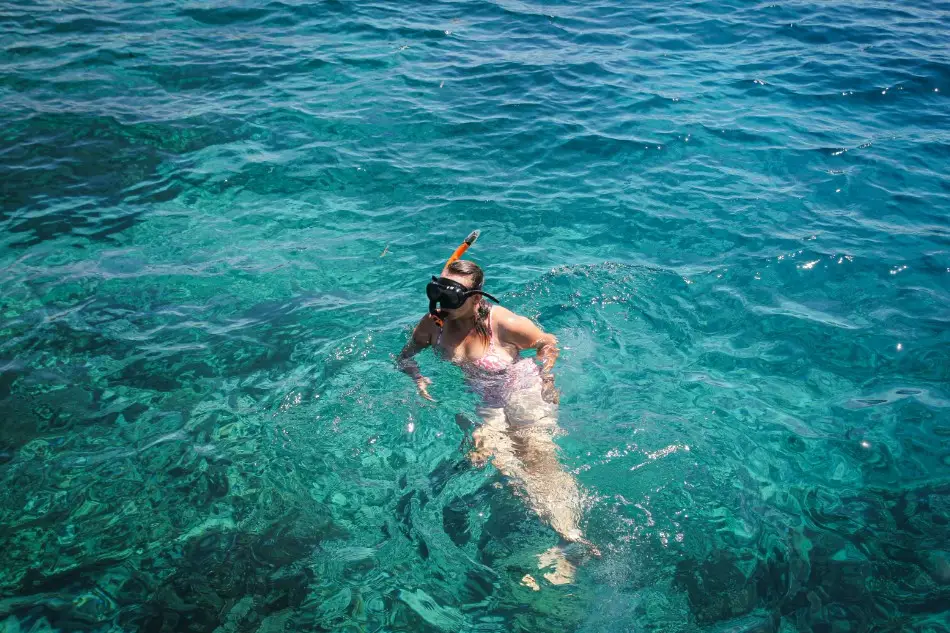
Vietnam is very safe, but always vet your operator before booking. Ensure they are a recognized PADI or SSI center, carry emergency oxygen on board, and keep their rental gear well-maintained. Reputable dive centers will require you to show proof of dive-specific insurance, such as DAN or DiveAssure, before letting you on the boat. Make sure your policy covers your maximum certified depth and emergency hyperbaric evacuation.
Pro Tip: If you are visiting coastal temples near any dive hub, like the Po Nagar Cham Towers in Nha Trang, remember to cover your shoulders and knees. A polite tip of 50,000–100,000 VND ($2–$4 USD) for your dive crew at the end of the day is a kind gesture that is always warmly appreciated.
Frequently Asked Questions:
Can beginners dive in Vietnam?
Are there sharks in Vietnam?
You will frequently encounter small, harmless species like bamboo sharks and juvenile blacktip reef sharks in protected areas. Large, dangerous sharks are exceptionally rare in Vietnamese waters.
Should I book dive trips in advance?
During peak months, March to April for the south and center, and December to February for Phu Quoc, it is wise to book your dive spots at least a few weeks ahead, especially if you have a specific PADI or SSI course you are hoping to complete.
Do I need dive insurance to dive in Vietnam?
While it is not a legal requirement for entering the country, reputable dive centers will require you to show proof of dive-specific insurance such as DAN or DiveAssure before letting you on the boat. Make sure your policy covers your maximum certified depth and emergency hyperbaric evacuation.