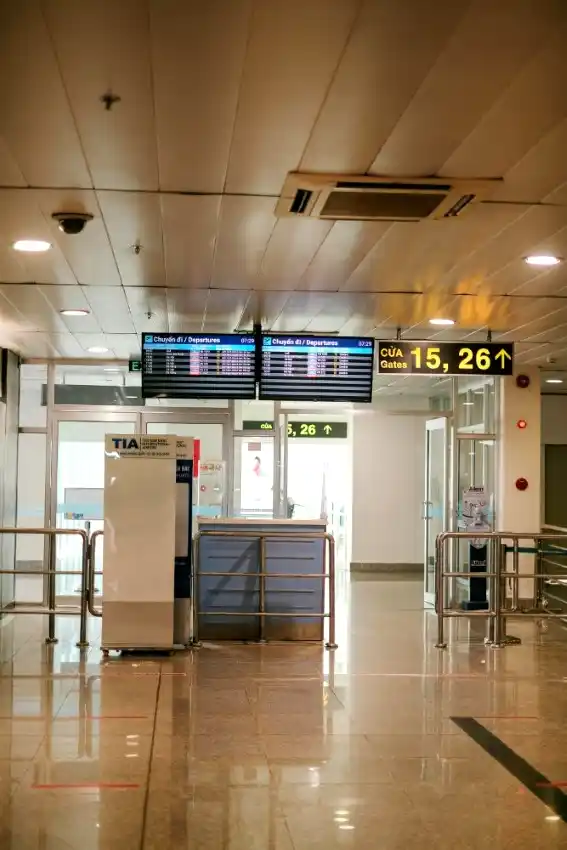
Vietnam Visa Exemptions
Good news! Getting into Vietnam is far less complicated than you might think. For travellers from dozens of countries, there’s no visa to apply for, no embassy appointment to book, and no stack of paperwork to stress over. You simply show up, get your stamp, and you’re free to dive headfirst into one of the most exciting countries in Southeast Asia.
The Quick Summary:
- Visa-Free Access: Depending on your passport, you can enter Vietnam for up to 14, 30, 45, or 90 days, completely visa-free, no application required.
- Passport Requirements: Your passport must be valid for at least 6 months beyond your arrival date and have a minimum of two blank pages. Check this before you pack.
- Proof of Onward Travel: Border officials will frequently ask to see a printed return ticket or confirmed flight out of Vietnam within your permitted stay window. Have it ready.
- Phu Quoc Special Zone: Flying directly to Phu Quoc Island? Every international traveller gets a free 30-day exemption, no matter what passport you hold.
- Want More Time? A 90-day multiple-entry e-visa is affordable, straightforward to apply for online, and gives you the run of the country without any clock-watching.
Which Countries Don’t Need a Visa?
Vietnam currently grants visa-free entry to passport holders from 26 countries, with stays ranging from 14 to 90 days. The list covers most of the European Union, the United Kingdom, and all ASEAN member states, so if you’re from Western Europe or anywhere in Southeast Asia, there’s a very good chance you’re already good to go. If you’re still not sure whether your nationality qualifies, the Visa Hub breaks it all down cleanly.
| Nationality / Region | Maximum Stay | Key Entry Requirements |
|---|---|---|
| UK, Germany, France, Italy, Spain, South Korea, Japan | 45 Days | 6-month passport validity, 2 blank pages, printed onward flight ticket |
| Thailand, Singapore, Malaysia, Indonesia, Cambodia, Laos | 30 Days | 6-month passport validity, 2 blank pages, printed onward flight ticket |
| Philippines | 21 Days | 6-month passport validity, 2 blank pages, printed onward flight ticket |
| Myanmar, Brunei | 14 Days | 6-month passport validity, 2 blank pages, printed onward flight ticket |
Forty-five days is actually a decent chunk of time if you plan well. You could spend a week exploring Hanoi and the surrounding north, another week on a cruise around Ha Long Bay or rattling south on the Reunification Express, and still have time left to laze on a beach in Nha Trang before catching your flight home. That said, Vietnam has a way of making you want to stay longer. Consider yourself warned.
How Long Can You Actually Stay?
Your exemption period depends on your passport, but there are some clever ways to make the most of your time in the country, and one very generous loophole if Phu Quoc is on your itinerary.
The Phu Quoc Island Loophole
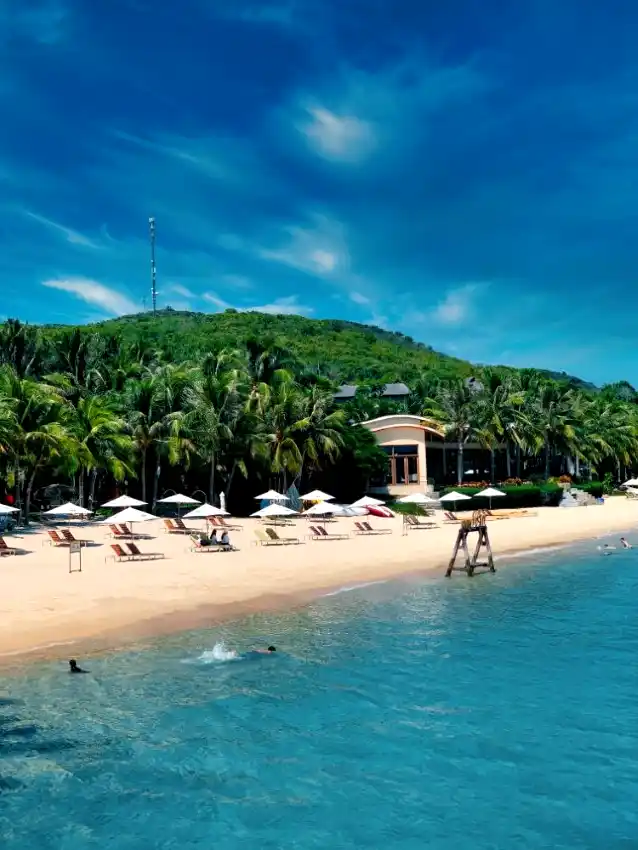
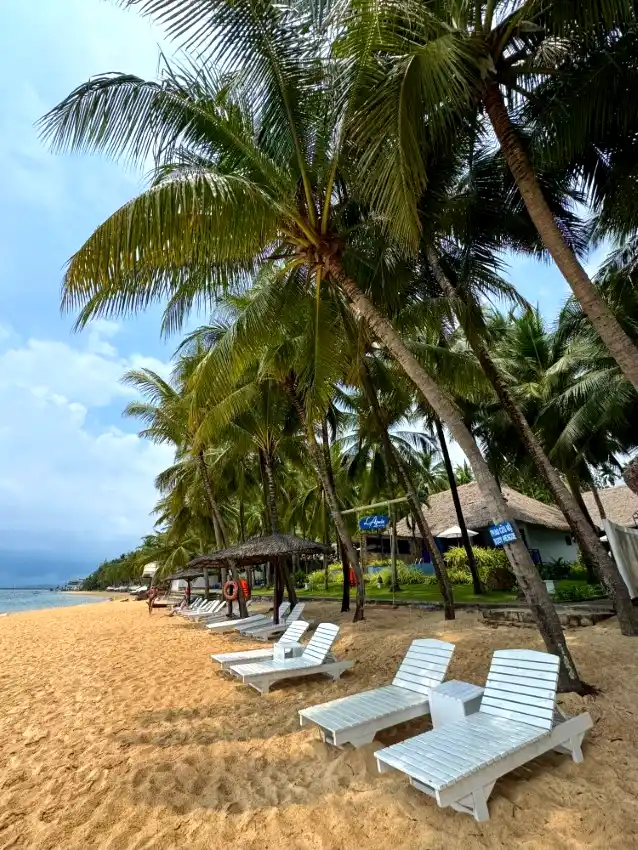
Phu Quoc operates as a special economic zone, and it comes with one of the best perks in Southeast Asian travel: every international visitor who flies directly onto the island gets a free 30-day stay, regardless of nationality. That means even passport holders who wouldn’t normally qualify for a Vietnamese visa exemption can walk off the plane and spend a full month island-hopping, diving, and eating seafood on the beach. Check out Things To Do In Phu Quoc to start filling those 30 days.
There is one important catch: the moment you take a ferry to the mainland or board a domestic flight to Da Nang or Hanoi, standard mainland immigration rules kick in immediately. If you plan to explore beyond the island, you’ll need a proper visa sorted before you go.
Want to Stay Longer? Get an E-Visa
If you’re planning a proper extended trip, think slow-traveling from the northern highlands of Sapa down through the ancient lantern-lit streets of Hoi An to the buzzing energy of Ho Chi Minh City, a 45-day visa-free stamp can start to feel tight.
The smartest move is to apply for a 90-day multiple-entry e-visa online before you leave home. Our full Vietnam E-Visa Guide walks you through the whole process step by step. It’s straightforward, affordable, and gives you the freedom to cross land borders or hop between cities without any administrative headaches.
If you’re already thinking about a longer stint, it’s also worth reading up on long-term visa options, particularly if you’re remote working or considering a slow relocation.
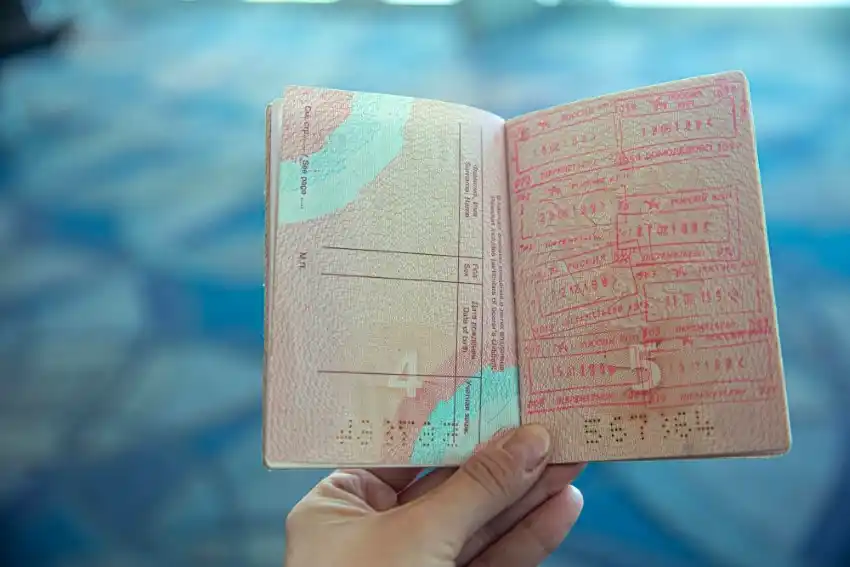
Border Runs: The Unofficial Reset Button
Already inside Vietnam and realised you need more time? A border run, hopping across into Cambodia or Laos and re-entering Vietnam, can effectively reset your exemption clock.
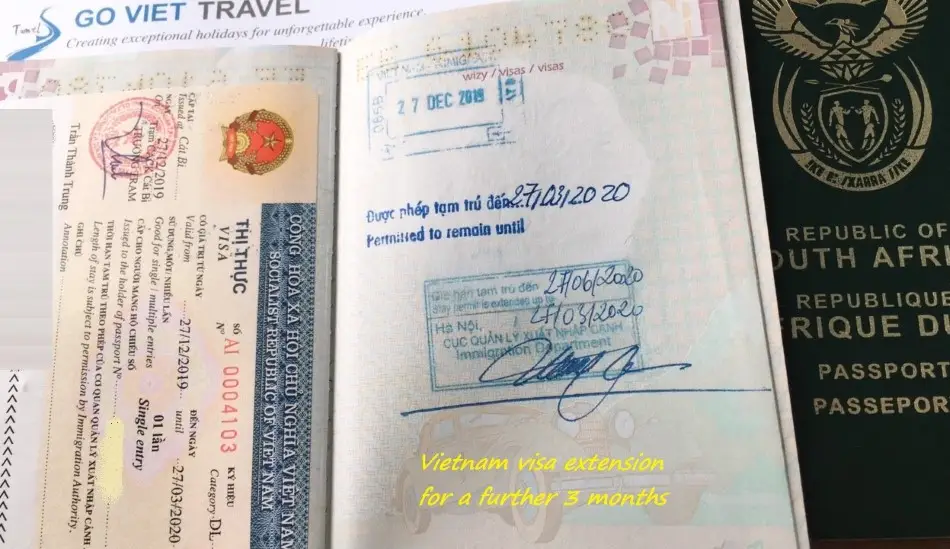
It’s a well-worn traveller’s trick, though note that immigration officials do sometimes question travellers who do this repeatedly. Vietnam also has a visa extension process worth looking at if you’d rather not leave the country at all. If you’re planning a longer stint, it’s always cleaner to sort a proper e-visa from the start rather than relying on border runs.

Lock in your Vietnam accommodation early
and beat peak-season price hikes.
Agoda’s filters let you compare options
side by side before you commit.
Breezing Through Border Control
Vietnamese immigration is efficient and professional. The whole process is usually over in minutes if you’ve got your documents sorted. The key is walking up to the desk fully prepared so you’re not scrambling through your bag while a queue builds up behind you. For a full picture of what to expect on arrival, the guide to Vietnam’s airports covers the main entry points in detail.
Pro Tip: Always carry a printed paper copy of your onward or return flight, not just a screenshot on your phone. Officials at Vietnamese checkpoints regularly decline digital versions. One sheet of A4 paper could save you a very stressful conversation at the immigration desk. The destination on the ticket doesn’t matter, as long as it shows a clear exit from Vietnam before your exemption period ends.
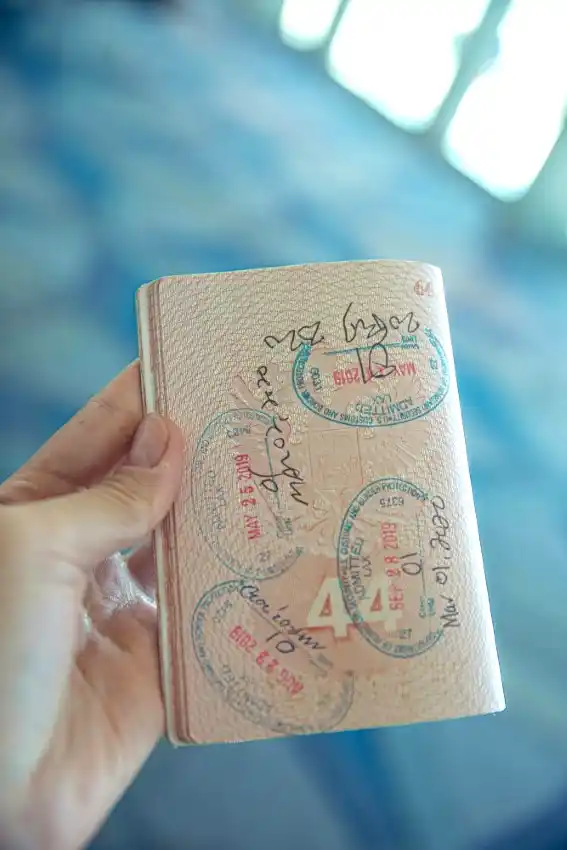
Hand your passport over open to the photo page, without its leather cover. Be calm, be polite, and keep a friendly smile handy. There are no tips or fees expected at official government border desks. Just patience and preparedness. If you’re nervous about any part of the process, Is Vietnam Safe is a good read before you fly.

Skip-the-line tickets, guided walks,
and Vietnam day trips with English
guides. Read reviews from real travellers
before committing to a single one.
A Note for First-Time Visitors
Vietnam is one of the safest countries in Southeast Asia for travellers, and the immigration process is nothing to worry about. Violent crime is rare. The people are warm, curious, and welcoming, especially once you step outside the big airport corridors and into the actual city streets. If it’s your first visit, the First Time Visiting Vietnam guide is the best place to start.
The one thing that tends to throw first-timers isn’t paperwork. It’s the traffic. Crossing the street in Hanoi or Ho Chi Minh City can feel a little chaotic at first glance, but there’s a simple trick: walk slowly and steadily, don’t stop, and don’t dart backwards. The motorbikes will read your path and flow right around you. Once you’ve done it twice, you’ll wonder what all the fuss was about.
Keep your bags zipped in busy areas, use Grab or Xanh SM instead of unmetered taxis, and you’ll have a brilliant, hassle-free trip from start to finish. Our Vietnam Travel Tips page has a solid rundown of the common first-timer traps to sidestep.
Pro Tips For Stress-Free Travel
Stay Connected From the Moment You Land
Get your eSIM sorted before you fly so you land with a working connection, not a frantic hunt for a SIM card counter at the airport. Yesim is our top pick, it’s fast, flexible, and you can activate it in minutes from your phone. Airalo and Saily are solid backup options with good Vietnam data plans too. For full details on what to buy and what to expect, the Vietnam SIM Cards and Internet guide has you covered.
And if you’re connecting to public Wi-Fi in cafes or hotels, grab NordVPN before you go. It takes two minutes to set up and keeps your banking and personal data safely encrypted.

Get Around Without the Stress
Download Grab, Xanh SM, or Be before you land. These give you fixed, transparent pricing for both cars and motorbike taxis, no haggling with unmetered cabs at the airport. For inter-city travel, book trains, sleeper buses, and transfers through 12GO, which has everything in one place and lets you compare options easily. We’ve compared Grab vs Xanh SM if you’re not sure which app to trust with your airport run.
If you’re arriving into Hanoi or Ho Chi Minh City and want a guaranteed, stress-free transfer rather than diving into the app circus straight off the plane, Welcome Pickups offers fixed-rate private airport transfers with a meet-and-greet driver.
Book Accommodation and Activities Early
Agoda is our go-to for hotels, especially in smaller towns where it has deeper inventory than most platforms. Booking.com is a strong alternative, particularly if you want free cancellation flexibility. For day tours, cooking classes, Ha Long Bay cruises, and local experiences, Get Your Guide and Klook both have well-vetted operators with proper booking vouchers that work seamlessly on arrival.
And please, sort your travel insurance before you fly. SafetyWing is affordable, covers medical emergencies and trip disruption, and takes about five minutes to set up. It’s not the glamorous part of planning a trip, but you’ll be very glad you did it if something goes sideways.
Cash, Cards, and the Vietnamese Dong
Vietnam is still heavily cash-based, particularly at street stalls, local eateries, and markets. The Vietnamese Dong (VND) exchanges at roughly 24,300 VND to 1 USD. Always have smaller bills on you: 20,000, 50,000, and 100,000 VND notes are your friends. Large 500,000 VND notes are often impossible for small vendors to break. Our Vietnam Currency and Money guide covers ATMs, exchange rates, and avoiding the tourist traps that will shortchange you at the border.

Forget swapping physical SIMs in Vietnam.
Yesim’s eSIM works on most newer phones,
activates remotely, and keeps your home
number reachable for WhatsApp too.
Frequently Asked Questions
Can a visa exemption stamp be extended while I’m inside Vietnam?
Unfortunately, no. Standard visa exemption stamps cannot be extended from within the country. Your options are either to do a border run, exiting into Cambodia or Laos and re-entering, or to apply for a 90-day multiple-entry e-visa online before your current exemption expires. Planning this in advance is far less stressful than scrambling at the last minute.
What actually happens if I overstay my visa exemption?
Overstaying results in financial penalties calculated per day, payable directly to the Immigration Department before you can leave. Significant overstays can cause lengthy delays at your departure gate, potential deportation proceedings, and in serious cases, a ban from re-entering Vietnam in the future. It’s absolutely not worth the risk. Set a phone reminder a week before your exemption ends.
Does the visa exemption work at land border crossings, not just airports?
Yes. Official visa exemptions apply at designated international land border gates as well as airports. Travellers crossing overland from Moc Bai on the Cambodian side or Lao Bao on the Laotian border receive the same exemption stamps, as long as their nationality qualifies. Just make sure it’s a designated international crossing point, not a local one.
Do I really need to print my return flight ticket, or is my phone fine?
Print it. It takes 30 seconds and could save you a very awkward conversation at immigration. Vietnamese border officials frequently decline digital screenshots or phone screens as proof of onward travel. A single printed A4 page with your confirmed flight details is all you need. It doesn’t matter where you’re flying to, as long as it shows a departure from Vietnam within your exemption period.
Can US passport holders enter Vietnam visa-free?
No. US citizens are not currently on Vietnam’s visa-free list and need to apply for an e-visa or visa on arrival before travelling. The good news is that the Vietnam e-visa is straightforward to apply for online, costs around 25 USD, and allows stays of up to 90 days with multiple entries.
Can I exit and re-enter Vietnam on the same visa exemption trip?
No. Once you exit Vietnam, your exemption period ends. Re-entering resets the clock, which is the whole point of a border run. If you plan to visit a neighbouring country mid-trip and come back, factor in that re-entry will start a fresh exemption window, not continue the original one.
Does the Phu Quoc exemption work if I arrive by ferry rather than plane?
No. The Phu Quoc special exemption only applies to travellers flying directly into Phu Quoc International Airport. If you arrive by sea, standard mainland immigration rules apply, and you’ll need to qualify for a regular visa exemption or have a valid e-visa.
What documents do I need to enter Vietnam on a visa exemption?
You’ll need a valid passport with at least 6 months remaining before expiry, a minimum of two blank visa pages, a printed copy of your onward or return flight, and ideally some proof of accommodation for the first night or two. Some officials ask for this; most don’t. Being prepared for the question is never a bad thing.
Is there a limit to how many times I can use a border run to reset my exemption?
There’s no official legal limit, but immigration officials do take notice of travellers who make repeated border runs in quick succession. If you’re clearly trying to live in Vietnam on rolling 30- or 45-day exemptions indefinitely, you may face questioning or even refusal of entry. If you need long-term access to the country, a proper long-term visa is the cleaner route.
Do children need the same documents as adults for visa-free entry?
Yes. Children travelling on their own passport need the same documentation as adults: 6 months of validity, blank pages, and an onward ticket. Very young children added to a parent’s passport (in countries where this is still practised) should be fine, but always check with the airline and the Vietnamese embassy for your nationality, as this varies.