Renting a Motorbike in Vietnam
If your renting a motorbike in Vietnam, there’s no better way to feel truly free than from the saddle. The wind in your face, the endless stream of scooters flowing around you like water, the smell of street food drifting past as you weave through ancient alleyways, two wheels unlock a version of this country that tour buses simply cannot reach. Whether you’re after a relaxed afternoon spin around Hoi An or a full mountain-pass adventure in the north, here’s everything you need to rent smart, ride safe, and have the time of your life.
The Quick Summary:
- Daily Rental Cost: Standard city scooters run between 120,000 VND and 250,000 VND ($4.75 to $10.00 USD) per day, outstanding value for the freedom you get.
- License Requirements: A valid International Driving Permit (IDP) with a motorcycle endorsement is mandatory for any engine over 50cc. Without it, your travel insurance is void.
- Choose Your Bike Wisely: Automatic scooters are perfect for flat coastal cities. Heading into the northern mountains? You’ll want a semi-automatic or manual bike with real grunt.
- Deposits: Any reputable shop will ask for a passport photocopy and a cash deposit, never hand over your actual passport as collateral.
What License Do You Actually Need?
This is the part most travellers skip over, and it matters. Riding legally in Vietnam requires a 1968 Convention International Driving Permit (IDP) paired with a valid motorcycle license from your home country, for any bike over 50cc. Standard foreign licenses alone, or the older 1949 Convention IDP, are not recognised by Vietnamese authorities. If you’re pulled over without the correct paperwork, your travel insurance is immediately voided, no exceptions.
Only have a car licence with no motorcycle endorsement?
You’re limited to 50cc scooters, which require no licence at all under Vietnamese law. Just be warned, those little machines really struggle on anything steep, and police checkpoints are common along popular tourist routes around Ha Giang and Da Nang.
Officers check the specific vehicle categories stamped in your IDP, so make sure yours matches what you’re riding.
How Much Does It Cost?
Rental rates depend on engine size, how long you’re renting for, and whether you need a one-way trip between cities. The good news? Even the more capable bikes are extraordinarily affordable by any global standard.
| Bike Type | Daily Rate | Best For |
|---|---|---|
| Honda Vision 110cc (Automatic) | 120,000 – 180,000 VND ($4.75 – $7.15 USD) | City exploring in Da Nang or Hanoi |
| Honda Future 125cc (Semi-Auto) | 150,000 – 220,000 VND ($5.95 – $8.75 USD) | Coastal highways and light mountain roads |
| Honda XR 150cc (Manual Dual-Sport) | 350,000 – 500,000 VND ($13.90 – $19.85 USD) | Northern mountain loops and remote tracks |
Weekly and monthly discounts are standard, always ask. Expect to leave a cash deposit of 1,000,000 to 3,000,000 VND ($39.70 – $119.10 USD) depending on the bike.
How to Find a Rental Shop You Can Actually Trust
Skip the Hotel Desk
It’s tempting to rent through your hotel, but reception desks typically source older machines from third-party brokers with minimal maintenance. Seek out dedicated specialists instead.
In Hanoi, vendors operating near Hoan Kiem Lake are a solid bet for quality urban bikes. If you’re planning a longer journey, look specifically for agencies that offer one-way rentals, pick up in Hue, drop off in Hoi An, and never backtrack.
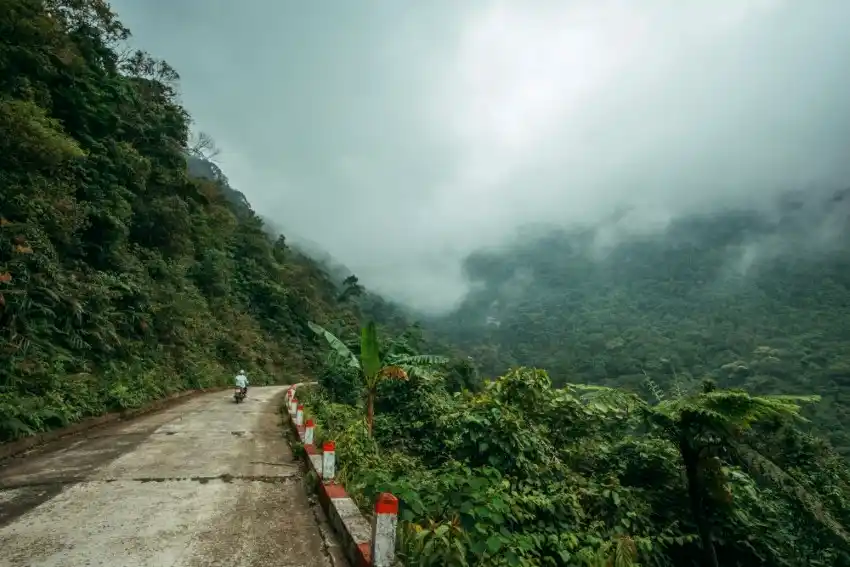
Always Do a Full Inspection First
Before you hand over a single dong or sign anything, get hands-on with the bike. This takes five minutes and can save you from being charged for damage you didn’t cause.
- Brakes: Squeeze both levers, they should feel firm and bite immediately.
- Tires: Check the tread depth and run your hand along the sidewalls for cracks.
- Lights and Horn: Test the headlight, brake light, turn signals, and horn, all of them.
- Suspension: Push down hard on the handlebars and watch for leaking fork oil or a soft, dead feeling in the shocks.
Pro Tips for the Road:
- Backup Transport: Download Grab, Xanh SM, or Be before you arrive. When a monsoon rolls in or you don’t want to ride at night, you’ll be glad they’re already on your phone.
- Cash is Non-Negotiable: Roadside mechanics and rural petrol stations don’t take cards. Always carry physical Vietnamese Dong, smaller notes preferred.
- Stay Connected: Grab a Viettel SIM at the airport or set up a Yesim eSIM before you fly. Offline Google Maps is your best friend in the mountains where signal drops out.
- Book Ahead on Long Routes: Use Agoda or Booking.com to secure guesthouses along remote northern passes, accommodation gets thin the further off the beaten track you ride.

Understanding Vietnamese Traffic
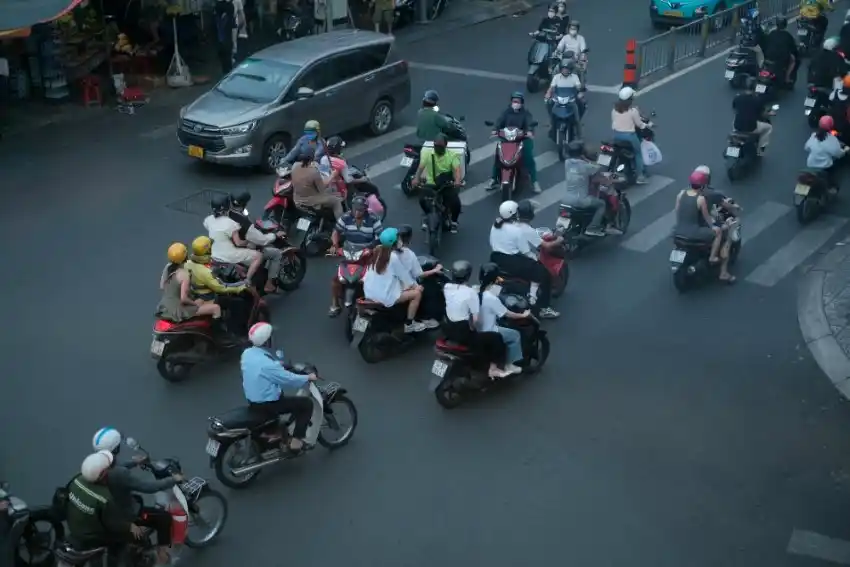
Vietnamese traffic looks chaotic from the pavement, but once you’re in it, it makes perfect sense. The entire system runs on visual awareness, riders react to whatever is directly in front of them.
Horns are used constantly, but not out of anger; they’re a polite heads-up that someone is overtaking or approaching a blind corner. Join the flow, maintain a steady and predictable speed, and let everything move around you.
One unwritten law: buses and trucks always have right of way. Always. Yield to anything bigger than you without hesitation. When visiting temples or pagodas, park in the designated Gửi Xe areas (5,000 – 10,000 VND), collect your ticket from the attendant, and cover your shoulders and knees before heading inside.
Staying Longer? Monthly Rentals and Buying
Digital nomads and long-term travellers based in Da Nang’s An Thuong quarter have turned monthly rentals into a genuine lifestyle choice. Monthly rates drop dramatically with longer commitments, a reliable automatic scooter can cost as little as 1,200,000 VND ($47.60 USD) per month, with the rental agency covering all routine maintenance and breakdowns. No fuss, no unexpected repair bills.
For those committing to a much longer stay, buying a used bike with a legitimate blue registration card (Cà Vẹt) is also a viable path, but for most expats, monthly rental still wins on pure convenience.
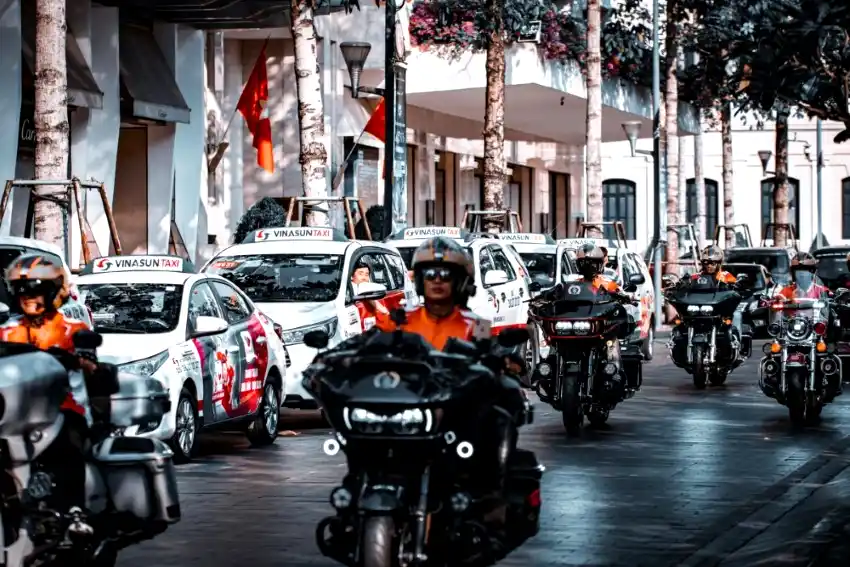
A Note for Nervous Riders:
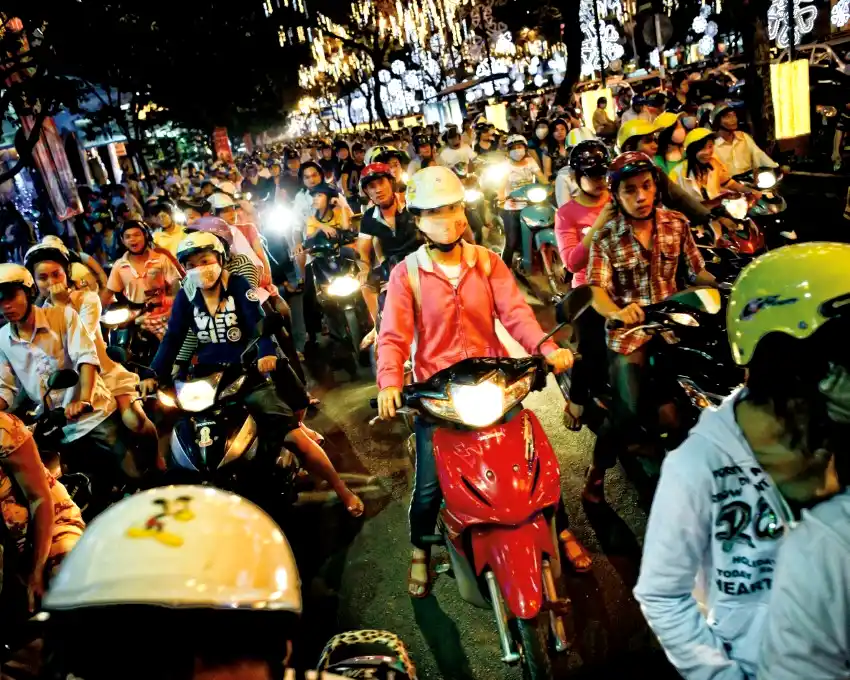
Feeling nervous about jumping straight into city traffic is completely normal, and completely sensible. If you’re not ready to self-ride in a dense urban area like Ho Chi Minh City or Hanoi right away, that’s fine. Start as a passenger on a Grab or Xanh SM ride-hail, watch how the traffic flows, and build your confidence before you’re in the driver’s seat.
On long rides, food safety and hydration matter too. Stick to high-turnover street food stalls serving hot noodle dishes, carry water, and take regular breaks. Vietnam’s roads reward patience far more than speed.
Frequently Asked Questions:
Can I ride a motorbike in Vietnam without a licence?
Bikes under 50cc require no licence at all under Vietnamese law. For anything 51cc and above, you need a valid International Driving Permit with a specific motorcycle category endorsement, paired with your home motorcycle licence. No shortcuts here; getting it wrong voids your insurance instantly.
What happens if the police pull me over?
Stay calm, switch off the ignition, and present your IDP, your original home motorcycle licence, and the vehicle registration copy from the rental shop. Be polite throughout, it goes a long way. Officers at checkpoints near Ha Giang and Da Nang check documents carefully, particularly the vehicle categories stamped in the IDP.
Is insurance included in the rental price?
Rarely. Standard rental rates almost never include comprehensive medical or third-party liability cover. Check your personal international travel insurance policy before you ride, and confirm it covers motorcycle use in Vietnam, and that you have the correct IDP to keep it valid.
Should I rent a manual or automatic bike?
For flat cities and coastal roads, an automatic scooter is easier, more comfortable, and perfectly capable. If you’re planning mountain passes in the north, particularly Ha Giang or the road to Sapa, a semi-automatic or fully manual bike with more torque will handle the climbs far more confidently.