Long Term Visas in Vietnam
Fallen for Vietnam and not quite ready to leave? You’re not alone. The good news is that staying longer is absolutely doable, you just need to pick the right visa pathway for your situation. Whether you’re working remotely, employed locally, investing in a business, or married to a Vietnamese national, there’s a legal route for you. Here’s everything you need to know.
The Quick Summary:
- Starting Point: The 90-day multi-entry e-visa is the go-to baseline for most digital nomads and first-time long-stayers.
- True Long-Term Stays: Require corporate sponsorship, a registered investment, an approved work permit, or a family relationship with a Vietnamese national.
- Costs: Government processing fees range from 625,000 VND ($25 USD) upward, depending on visa class and duration.
- Regional Differences: Immigration offices in Hanoi, Da Nang, and Ho Chi Minh City each have their own documentation quirks, what one office accepts easily, another may want notarised and translated.
Which Visa Type Fits Your Situation?
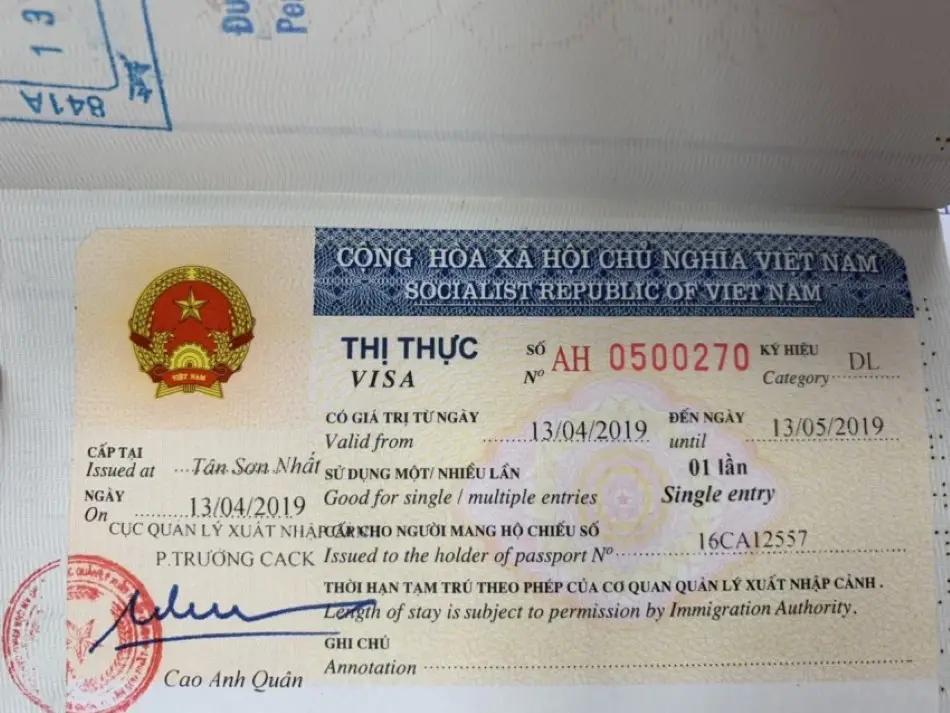
Your visa pathway depends entirely on why you’re staying, and for how long. Here’s how the main categories break down, and which type of life they suit best.

- Digital Nomads (E-Visa): The 90-day multi-entry e-visa is ideal for remote workers hopping between Da Nang co-working spaces and Hanoi café culture. You’ll need to do a border run every 90 days, a quick trip to Cambodia, Laos, or Thailand resets the clock.
- Employed Workers (LD1 / LD2): Foreign professionals in managerial, expert, or technical roles need a work permit approved by the Ministry of Labour before applying. Valid for up to two years.
- Business Owners (DN1 / DN2): Sponsored by a registered local company, these visas suit corporate activities and run up to 12 months.
- Investors (DT1–DT4): Duration is tied directly to capital contribution, the more you invest in a registered Vietnamese company, the longer your visa validity. DT3 requires a minimum of 3 billion VND (~$120,000 USD) and grants three years.
- Married to a Vietnamese National (TT Visa): Arguably the most flexible long-term option. Qualifies you for a TT visa or a five-year exemption certificate, with far less need for border runs or renewals.

Lock in top-rated Vietnam tours with
GetYourGuide’s free cancellation up to
24 hours before. Reserve now and pay
later if your dates aren’t locked in.
Visa Types at a Glance:
| Visa Type | Max Duration | Key Requirement |
|---|---|---|
| Tourist E-Visa (EV) | 90 Days | Valid passport and online application fee |
| Business Visa (DN1) | 12 Months | Local corporate sponsorship |
| Investor Visa (DT3) | 3 Years | Minimum capital deposit of 3 billion VND (~$120,000 USD) |
| Work Visa (LD2) | 2 Years | Approved work permit and labour contract |
| Family / Spouse (TT) | Up to 5 Years | Marriage to a Vietnamese national |
Temporary Residence Cards, The Long-Stay Upgrade
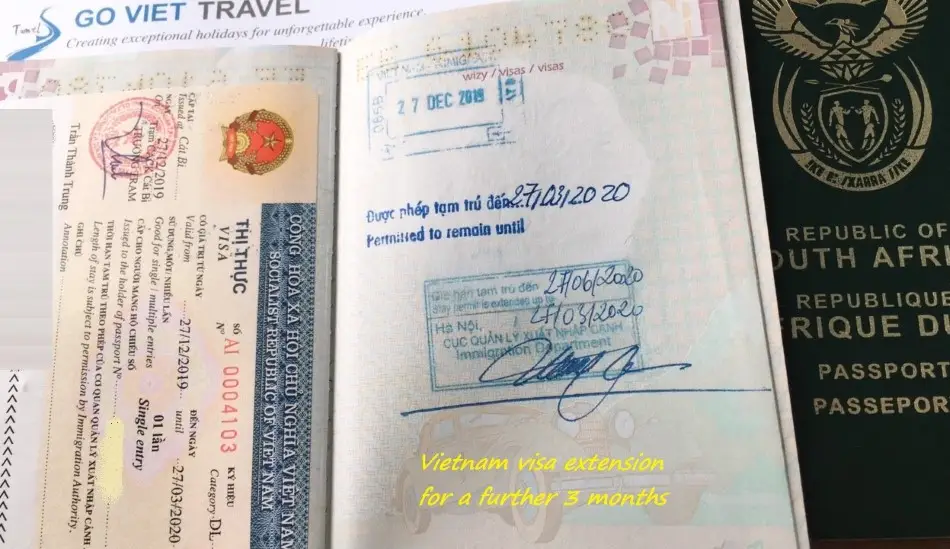
If you’re settling in for two years or more, a Temporary Residence Card (TRC) is worth pursuing. It’s a physical identity document, similar to a residency card, that lets you live and work in Vietnam without going through repeated visa renewals. Cards are issued for between two and ten years depending on your employment contract, investment tier, or family status.
Day-to-day, a TRC is genuinely life-simplifying. It acts as your primary ID document, smooths out administrative tasks like opening bank accounts and signing leases, and lets you cross international borders without scrambling for visa paperwork each time.
Pro Tip: Corporate HR departments at established companies handle TRC applications routinely and submit directly to the Immigration Department. If your employer has done this before, lean on them, navigating it solo for the first time is possible but significantly more time-consuming.

From boutique guesthouses to five-star
resorts, Agoda has Vietnam’s best stays
covered. Strong Asia inventory means
deeper discounts than you’d expect.
The Application Process, Step by Step
Don’t underestimate the paperwork side, Vietnam’s immigration system is thorough, and missing a stamp or an incorrect translation can set you back weeks. Get organised early and work through it methodically.
- Legalise Your Documents at Home First: Diplomas, criminal background checks, and marriage certificates all need a formal apostille or consular legalisation from your home country’s relevant authority before Vietnam will accept them.
- Get Everything Translated: Legalised documents then need certified Vietnamese translation by an authorised state notary office inside Vietnam.
- Submit to the Immigration Department: Applications go through the Ministry of Public Security offices in Hanoi, Da Nang, or Ho Chi Minh City, either in person or via your sponsoring employer.
- Wait for Processing: Once your complete file is accepted, processing typically takes five to ten business days. Incomplete submissions restart the clock, so double-check everything before you hand it over.

Skip the planning headache for Vietnam.
Klook offers day tours, tickets, and
experiences from around $25, with
instant confirmation to your phone.
Pro Tips for Settling In Long Term:
- Getting Around: Download Grab, Xanh SM, or Be for day-to-day transport, transparent pricing, no haggling, and they link directly to your local bank account once you have one set up.
- Finding Accommodation: Agoda and Booking.com are perfect for short-term rentals while you find your feet. For longer leases, local real estate agencies will get you much better deals than anything listed online.
- Connectivity: Grab a Yesim eSIM or airport SIM card for instant data. Run Nord VPN on café and co-working Wi-Fi, especially important if you’re doing banking or handling sensitive work documents.
- Watch the Zeros on Your Cash: The Vietnamese Dong has a lot of them. The 20,000 VND and 500,000 VND notes share a similar blue hue and it’s an easy mistake, especially when you’re tired and new. Keep different denominations in separate pockets until the amounts feel natural.


Stay online across Vietnam without the
daily-data limits of standard tourist
SIMs. Yesim’s eSIM offers unlimited 5G
from around $10 for the whole trip.
Frequently Asked Questions:
Can I stay in Vietnam long term purely on a tourist visa?
Yes, but it takes some planning. The 90-day multi-entry e-visa requires you to leave the country every 90 days to reset your stay, a quick trip to Cambodia, Laos, or Thailand does the job. It works well for digital nomads and seasonal visitors, but it doesn’t give you the stability or administrative rights that a proper long-term visa does.
What happens if I overstay my visa?
Overstays are taken seriously. The Immigration Department issues fines scaled to the number of days over your permitted stay, and in more serious cases, overstays can lead to deportation or a temporary entry ban. Always track your visa expiry date carefully, it’s not worth the stress or the cost.
Is there a retirement visa for Vietnam?
Not officially. Vietnam doesn’t have a dedicated retirement visa category. Most long-term retirees either cycle 90-day e-visas with regular border runs, or secure long-term status through a Vietnamese spouse or family connection. It’s a gap in the system that many expats navigate creatively, but there’s no single clean solution yet.