Vietnam Travel Mistakes
Vietnam is a total sensory symphony. From the roar of motorbike engines in Hanoi’s historic alleys to the emerald waters of Lan Ha Bay, the country grabs you the second you land. But because things move fast here and local customs are wonderfully unique, even seasoned travellers can slip up. A misstep with your visa, a surprise typhoon, or a dodgy taxi meter can easily turn a dream trip into a stressful ordeal. Here’s how to sidestep the classic blunders and keep your trip smooth, fun, and full of the good stuff.
The Quick Summary:
- Visas: Secure an official e-visa through the actual government portal before you fly. Typos or scam sites will get you turned away at the airport.
- Weather: Don’t assume the whole country is tropical. Northern winters get shockingly cold, while the Central coast faces heavy autumn rains and the occasional typhoon.
- Transport: Stick to ride-hailing apps like Grab or Xanh SM. Flagging down random street taxis is an easy way to get hit with a rigged meter.
- Cash Flow: Cash is king. Always carry physical Vietnamese Dong (VND) for street food and markets. Cards won’t get you far outside major hotels or shopping centres.
- Connectivity: Sort your data before you arrive. A local eSIM or SIM card means you have maps, translation, and Grab working the moment you clear customs.
- Health: Tap water is never safe to drink. Book travel insurance before anything else, and make sure it covers motorbike accidents if you plan to ride.

Lock in your Vietnam accommodation early
and beat peak-season price hikes.
Agoda’s filters let you compare options
side by side before you commit.
What Are the Most Common Visa Mistakes?
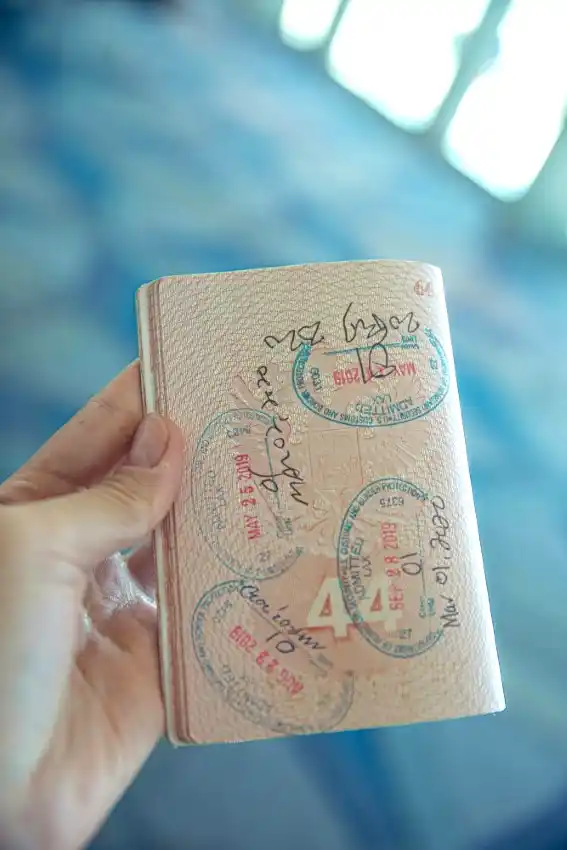
Vietnam’s visa rules are strict. Travellers constantly make the mistake of using unauthorised third-party websites, or rushing through the form and entering incorrect passport data, which leads to being denied boarding at the departure gate. It’s a gut-wrenching situation that’s entirely avoidable.
Falling for Lookalike E-Visa Sites
The official government immigration portal is the only legitimate channel for your entry. The internet is saturated with copycat websites that charge steep processing fees for zero added value. When filling out the form, double-check your passport number, name spelling, and date format. Even a tiny typo will render the visa invalid when you land at Hanoi (Noi Bai) or Saigon (Tan Son Nhat). Give yourself at least three to five business days before your departure, just in case.
Overestimating Visa Exemptions
While some nationalities enjoy visa-free entry for short stays, these periods are non-extendable once you are inside the country. Overstaying your exemption results in heavy fines and delays at the departure gate. Check the current regulations on the visa exemptions page before you even think about booking flights. And if you’re planning a long stay, take a look at the visa extensions guide so you know your options before you land.
Not Checking Entry Requirements for Your Nationality
Visa rules in Vietnam change more frequently than many travellers expect. What was true when your friend visited eighteen months ago may not be true now. Citizens of certain countries can enter visa-free for 45 days; others need to apply in advance. The e-visa guide walks you through the current process step by step, and checking it takes less time than re-booking a missed flight.

Skip-the-line tickets, guided walks,
and Vietnam day trips with English
guides. Read reviews from real travellers
before committing to a single one.
How Do Regional Weather Variations Wreck Travel Plans?
Vietnam has three completely distinct climate zones that each do their own thing throughout the year. Assuming the whole country shares the same tropical sunshine is a widespread oversight that leaves travellers either freezing in the North or stuck in flooding downpours in the Central region. A quick scan of the best time to visit Vietnam guide before you book can save you a lot of soggy socks.
Freezing in the Northern Winter
Hanoi and the mountainous regions of Sapa experience genuine winters from November to February. Temperatures can drop below 10°C, and the intense humidity makes the air feel far colder than the number suggests. Arriving with only shorts and t-shirts means an immediate shopping trip to the stalls of the Old Quarter before you can do anything else.
Ignoring the Central Coast Typhoon Season
The beaches of Da Nang and the historic lanes of Hoi An face heavy rainfall and potential typhoons between September and December. Streets in the Ancient Town regularly flood during these months, forcing local businesses to temporarily close. It’s beautiful chaos in its own way, but probably not what you had in mind for your honeymoon.
Timing the South Wrong
The south, including Ho Chi Minh City and the beaches of Phu Quoc, hits its wet season from May to October. Afternoon deluges are almost guaranteed in peak monsoon months. Travel in the south is perfectly possible during this period if you build flexibility into your days, but arriving in June expecting wall-to-wall beach weather is setting yourself up for disappointment.
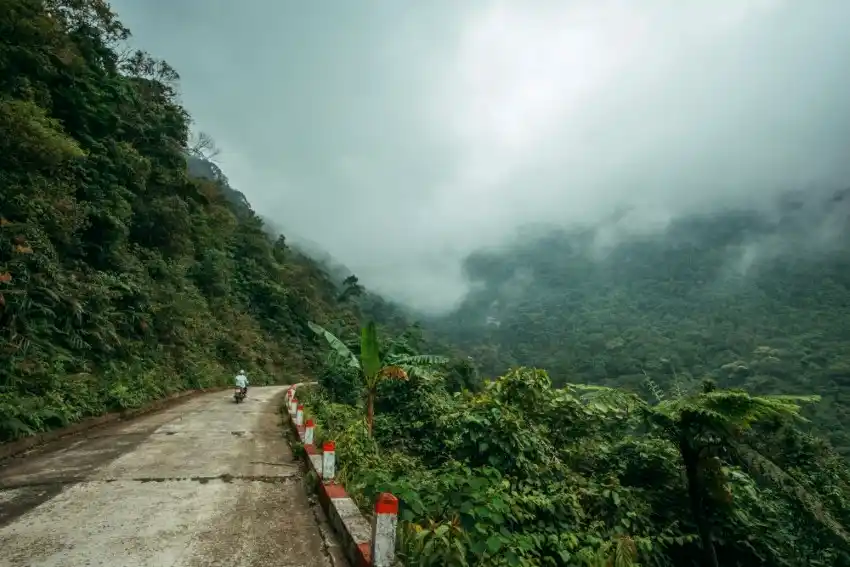
| Region | Peak Dry Season | Wet / Monsoon Season | Best Travel Windows |
|---|---|---|---|
| North (Hanoi, Ha Long Bay, Sapa) | October to April | May to September | September to November |
| Central (Da Nang, Hoi An, Hue) | February to August | September to January | February to May |
| South (Ho Chi Minh City, Phu Quoc, Mekong Delta) | November to April | May to October | December to March |
What Are the Biggest Money and Currency Blunders?
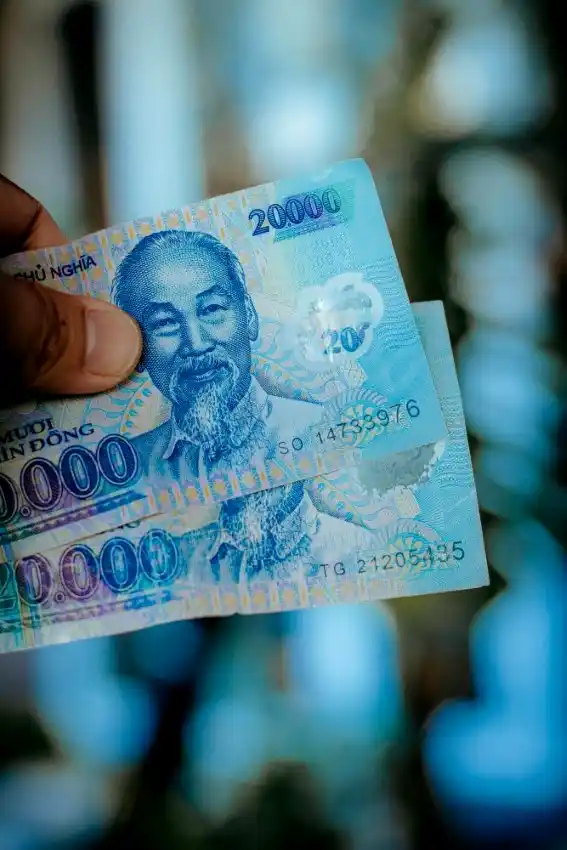
Cash drives the Vietnamese street food economy, the night markets, and most local transport. You need to get comfortable with the local currency quickly. Relying entirely on cards, or confusing your notes, will cause immediate headaches at the worst possible moments. The full breakdown of rates, ATMs, and what to watch out for is in the Vietnam currency guide.
The Notorious Blue Bill Confusion
Vietnamese Dong notes are made of polymer and easily stick together when fresh from an ATM. To make matters worse, the 20,000 VND note (roughly $0.80 USD) and the 500,000 VND note (roughly $20.00 USD) share a strikingly similar shade of blue. Accidentally handing over a 500,000 VND note for a short motorbike ride or a bowl of pho is one of the most common rookie mistakes, and it drains your budget instantly.
ATM Fees and Bad Conversion Rates
Using independent or airport ATMs often hits you with steep transaction fees and poor conversion rates. Look for reputable local banks such as Vietcombank, Techcombank, or BIDV in major city centres. When withdrawing, always choose to be charged in the local currency (VND) rather than your home currency to dodge sneaky dynamic conversion markups. Services like Wise or Revolut let you load money at near mid-market rates before you travel, which is worth doing if you want to skip ATM fees altogether.
Not Knowing What Things Actually Cost
Without a rough sense of local pricing, you become an easy target for overcharging. A bowl of bun bo Hue from a street stall costs around 40,000 to 60,000 VND ($1.65 to $2.50 USD). A Grab ride across central Hanoi runs 50,000 to 80,000 VND ($2.00 to $3.30 USD). If a vendor quotes you ten times that for something basic, you’ll know to walk away. The Vietnam travel costs guide gives you the full picture before you arrive.

Airalo covers Vietnam with a range of
data plans from a few days to a month.
No physical SIM swap, no roaming bill
shock when you check back in at home.
What Are the Top Transport Mistakes?
Getting around Vietnam is exhilarating, but flagging down random taxis or jumping on a scooter without the correct paperwork can create big financial and safety problems. A few minutes of preparation prevents a lot of grief. The how to get around Vietnam guide covers every option in detail.
Falling for Street Taxi Scams
Hailing unmetered taxis outside major tourist areas like Saigon’s Ben Thanh Market regularly results in altered meters or wildly inflated flat rates. Download Grab, Xanh SM, or Be the moment you get internet access. These apps provide fixed, transparent pricing, trackable routes, and digital receipts. It takes two minutes and saves you hours of stress. If you want to understand which app suits you best, the Grab vs Xanh SM comparison is a quick read. For families or groups, Welcome Pickups also offers pre-booked private airport transfers with fixed pricing, which is a particularly smooth way to start a trip.
Riding Motorbikes Without a Legal Licence
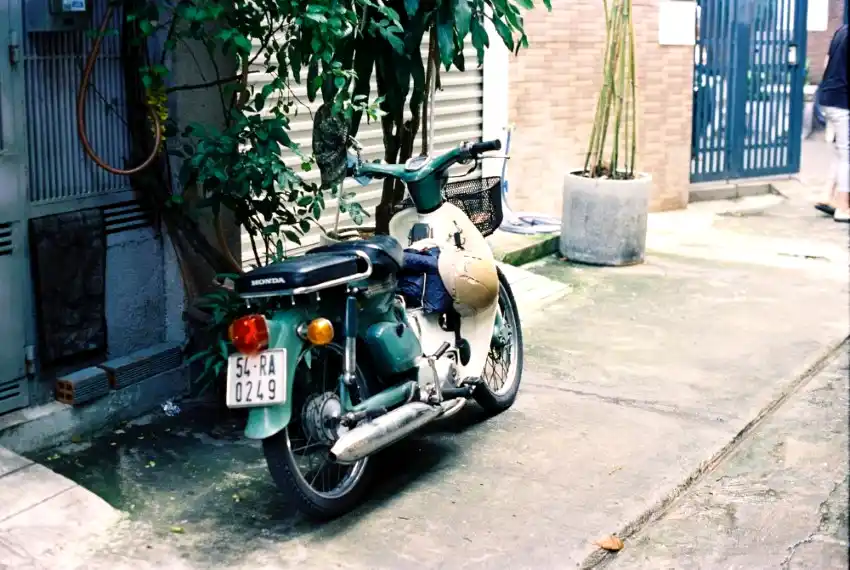
Renting a scooter for a scenic run along the Hai Van Pass without an International Driving Permit (IDP) valid for motorcycles is illegal. Local police regularly set up checkpoints in Da Nang and Nha Trang specifically targeting unlicensed tourists. More importantly, your travel insurance will be completely void if you have an accident while driving without the correct licence. Read the full motorbike rental guide before you hire anything. If you plan to ride, sort out your IDP before you leave home.
Missing Trains and Buses Due to Poor Booking
Vietnam’s train network is wonderful, but popular routes between Hanoi, Da Nang, and Ho Chi Minh City sell out weeks in advance during peak season and public holidays. Don’t assume you can just rock up on the day. Book trains and long-distance buses ahead of time through 12GO, which covers rail, bus, and ferry routes across the country in one clean interface. The Reunification Express guide is worth a read if you’re planning the classic north-to-south train journey.

Skip the planning headache for Vietnam.
Klook offers day tours, tickets, and
experiences from around $25, with
instant confirmation to your phone.
What Cultural Etiquette Mistakes Should Be Avoided?
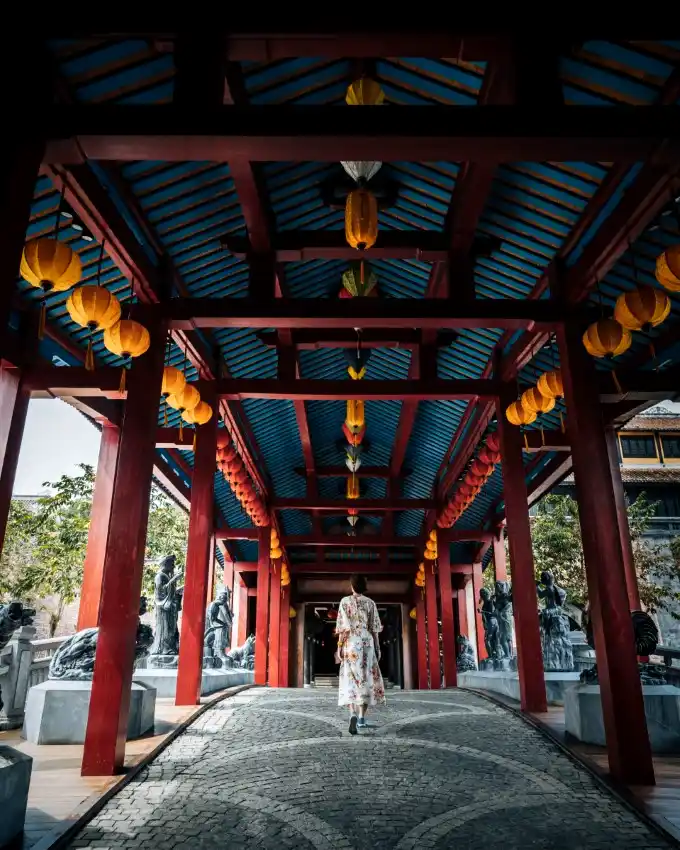
Vietnamese culture places a high value on modesty, warmth, and keeping composure in public. Locals are incredibly welcoming, and a little cultural awareness goes a long way towards creating some of the most memorable moments of your trip. The Vietnamese culture and etiquette guide covers everything in more depth if you want to go in well-prepared.
Dressing Inappropriately at Temples and Pagodas
Entering sacred structures like Hanoi’s Tran Quoc Pagoda or Da Nang’s Linh Ung Pagoda with bare shoulders or exposed knees is considered disrespectful. Always keep a light sarong, scarf, or jacket in your daypack to cover up before stepping onto temple grounds. It takes up almost no space and opens up an enormous number of doors, both literally and figuratively. For a deeper look at what to expect, the Vietnam temples and pagodas guide is full of useful context.
Getting Aggressive While Bargaining
Haggling is completely expected at local markets like Hanoi’s Dong Xuan Market, but getting aggressive or confrontational kills the mood instantly. Keep negotiations lighthearted, polite, and full of smiles. A sensible opening counter is around 40% below the asking price, then work towards a happy middle ground. One extra tip: avoid intense bargaining with the very first vendor of the morning if you don’t genuinely intend to buy. Local shopkeepers believe a failed first sale brings bad luck for the rest of the day, and this is a courtesy worth respecting.
Pointing Feet at Altars or Elders
When sitting in a Vietnamese home, at a temple, or near a household altar, avoid pointing your feet towards it. Feet are considered the lowest and least sacred part of the body. Sitting cross-legged or with your feet tucked to the side is always the respectful choice, and it’s noticed and appreciated by your hosts more than you’d think.
What Health Mistakes Do Travellers Commonly Make?
Vietnam is not a dangerous destination by any stretch, but a few common health oversights can knock you flat for two or three days right in the middle of your trip. None of this needs to happen if you go in with the basics covered. The Vietnam pharmacy guide is handy reading for what to pack and what’s easy to buy locally.
Drinking Tap Water
Tap water is not safe to drink anywhere in the country, full stop. This catches people out more than you’d expect, often through things like brushing teeth with tap water or accepting ice in a roadside drink. The ice served in city restaurants and cafes is generally fine, as it comes from purified factory blocks, but anywhere rural or very local, it’s worth a second thought. Bottled water is cheap and available everywhere, from Circle K convenience stores to the smallest village kiosks.
Skipping Travel Insurance
This one is non-negotiable. Medical care at Vietnam’s private hospitals can be expensive for foreigners, and evacuation costs in remote areas like Sapa or Ha Giang are significant. Plenty of standard policies also exclude motorbike accidents, so read the small print carefully before you buy. SafetyWing is a solid option for longer trips and is popular with the slow-travel crowd. Sort your travel insurance before you book anything else.
Ignoring Street Food Safety Basics
Street food in Vietnam is extraordinary and perfectly safe when you follow a few simple rules. Look for stalls packed with local residents and with a high turnover of customers. A busy stall means the ingredients are fresh and haven’t been sitting out in the heat. Stick to food cooked directly in front of you at high heat, like freshly grilled skewers or a bubbling bowl of pho, and you will almost certainly be fine. The Vietnamese street food guide will have you eating like a local from day one.
A Reassuring Note for Nervous Travellers:
Vietnam is one of the safest countries in Southeast Asia for solo travellers, couples, and families. Violent crime is exceptionally rare, and the country ranks among the most welcoming in the region. Your main priorities are simply keeping an eye on your belongings and learning the gentle art of crossing the street.
Keep your phone and bag held close when standing near busy curbsides in Ho Chi Minh City to prevent drive-by motorbike snatching. When crossing what looks like impossible traffic, walk at a slow, steady, predictable pace. Do not stop, run, or hesitate. The sea of motorbikes will calculate your movement and flow around you. It feels terrifying for about thirty seconds, and then it becomes second nature.
For extra peace of mind, consider AirHelp for flight disruption protection, which steps in when delays, cancellations, or denied boarding situations arise. Knowing you have support in place makes the whole journey feel considerably more relaxed. The Is Vietnam Safe guide is worth a read if you want an honest, thorough overview before you go.
Pro Tips for Stress-Free Travel:
Ride-Hailing: Download Grab, Xanh SM (slick electric vehicles), or Be before you land. Fixed prices, trackable routes, and no negotiating required.
Accommodation: Use Agoda or Booking.com for hotels and guesthouses. Both have excellent coverage across Vietnam from budget hostels right up to five-star resorts, and offer flexible cancellation options worth having.
Tours and Activities: Klook and Get Your Guide are the go-to platforms for booking day tours, cooking classes, kayaking trips, and city experiences. Booking ahead secures your spot and often gets you a better price than buying on arrival.
Data and Connectivity: Pick up a local eSIM through Yesim before you fly, or grab a Viettel physical SIM at the airport on arrival. Having instant data the moment you land makes a world of difference for navigation and communication.
Security: Use NordVPN to keep your banking and personal apps protected when connecting to public cafe or hotel Wi-Fi networks. Vietnam has excellent internet coverage, but public networks carry the same risks they do anywhere in the world.
Airport Transfers: Welcome Pickups offers pre-booked private transfers from major airports at fixed rates, which is especially useful if you are arriving late at night or travelling with young children and a full set of luggage.


Forget swapping physical SIMs in Vietnam.
Yesim’s eSIM works on most newer phones,
activates remotely, and keeps your home
number reachable for WhatsApp too.
Frequently Asked Questions:
Can I drink the tap water in Vietnam?
No, tap water is not safe to drink anywhere in the country. Always stick to bottled or filtered water, available at every convenience store including Circle K and WinMart. The ice served in city restaurants and cafes is generally safe, as it comes from purified factory blocks rather than tap water.
Is tipping expected in Vietnam?
Tipping is not a traditional custom and is not expected at casual local eateries or street food stalls. In upscale international restaurants in Saigon’s District 1 or Hanoi’s West Lake area, a 5% to 10% service charge may already be included on the bill. Small tips are always warmly appreciated by tour guides, drivers, and spa staff.
How do I avoid getting sick from street food?
Look for stalls packed with local residents and with a high turnover of customers. A busy stall means the ingredients are fresh and haven’t been sitting out. Stick to food cooked directly in front of you at high heat, like freshly grilled skewers or bubbling bowls of pho, and you will almost certainly be fine.
Do I need travel insurance for Vietnam?
Absolutely yes. Medical care in Vietnam’s private hospitals can be expensive for foreigners, and evacuation costs in remote areas like Sapa or Ha Giang are significant. Ensure your policy covers motorbike accidents if you plan to ride, as many standard policies exclude this. Sort your insurance before you book anything else.
Is it safe to travel Vietnam alone as a woman?
Yes, Vietnam is considered one of the safer countries in Southeast Asia for solo female travellers. The main precautions are the same as anywhere: keep your bag close in crowded markets, use ride-hailing apps rather than flagging down taxis at night, and trust your instincts. Plenty of solo women travel the length of the country every year without incident.
What is the best way to get between cities?
For longer distances, the overnight train between Hanoi and Da Nang or Ho Chi Minh City is comfortable, scenic, and saves you a night’s accommodation. Budget flights on VietJet or Bamboo Airways are inexpensive if booked in advance. For shorter hops, sleeper buses are a popular and affordable option. Book trains and buses in advance through 12GO to avoid selling out during peak periods.
Can I extend my visa while inside Vietnam?
Visa-free entry periods cannot be extended once you are already in the country. If you entered on an e-visa, extensions are theoretically possible but the process is slow and not guaranteed. The cleanest option is to plan your trip duration carefully before you arrive, and check the current rules on the visa exemptions page as regulations do change.
What should I absolutely not do at a Vietnamese temple?
Do not enter with bare shoulders or exposed knees. Remove your shoes before stepping inside any inner sanctuary when asked. Avoid loud conversations or taking flash photography near worshippers. Do not touch or move religious offerings. A little mindfulness here is always appreciated and makes for a far richer visit.
Is bargaining appropriate everywhere?
Bargaining is expected and welcomed at local markets, street stalls selling clothing, souvenirs, and handicrafts, and with some independent guesthouses. It is not appropriate at restaurants, cafes, or any stall with a price clearly displayed on a menu board. The golden rule: if a price is written down, it is fixed.
Do I need a VPN in Vietnam?
It is strongly recommended. Vietnam restricts access to certain websites and social platforms, and public Wi-Fi in cafes, hotels, and airports carries the usual security risks. A VPN like NordVPN keeps your connection private and gives you unrestricted access to your usual apps and services, which is particularly useful if you are working remotely or staying for an extended period.