
Vietnam Island Hopping
Vietnam’s massive coastline holds thousands of islands scattered across the Gulf of Tonkin, the East Sea, and the Gulf of Thailand. While the towering limestone peaks of the north get all the global spotlight, the southern archipelagos are hiding clear waters, vibrant coral reefs, and sleepy fishing villages.
Island hopping here gives you a bit of everything: rugged granite cliffs, thick tropical rainforests, and remote, history-rich outposts.
The Quick Summary:
Budgets: Expect to spend anywhere from 750,000 VND ($30 USD) a day for classic backpacker style, up to over 7,500,000 VND ($300 USD) if you’re checking into luxury beach resorts.
Entry Requirements: Most travelers grab a 90-day e-visa, though plenty of countries get a 45-day visa exemption. Bonus: Phu Quoc gives you a special 30-day visa exemption if you fly directly into the island internationally.
Regional Differences: Northern islands are famous for limestone karsts and dramatic seasonal weather changes. The southern islands are where you go for classic tropical beaches and warm, year-round water.
Getting Around: Island transfers are a fun mix of high-speed hydrofoils, local wooden supply boats, car ferries, and quick domestic flights from major city hubs.


Skip the planning headache for Vietnam.
Klook offers day tours, tickets, and
experiences from around $25, with
instant confirmation to your phone.
Which Vietnam Islands Should You Visit?
The trick to island hopping in Vietnam is picking the right archipelago for your travel style, the weather, and what you want to do. The main island groups are split between the far north, the central coast, and the deep south—each requiring a different route and offering a completely unique vibe.
| Archipelago Group | Primary Access Port | Best Travel Months | Marine Highlights |
|---|---|---|---|
| Cat Ba & Lan Ha Bay | Got Pier (Hai Phong) / Tuan Chau | March to May / September to November | Limestone karsts, hidden lagoons, sea kayaking |
| Cham Islands | Cua Dai Pier (Hoi An) | April to August | Shallow coral gardens, biosphere reserve snorkeling |
| Con Dao Islands | Vung Tau Port / Sóc Trăng / SGN Flight | October to April | Sea turtle nesting, pristine reefs, historic sites |
| An Thoi (Phu Quoc) | An Thoi Pier (Phu Quoc) | November to April | Deep-sea fishing, coral reef diving, white sand beaches |
How to Island Hop in Northern Vietnam:

Island hopping in the north is all about the massive limestone formations cutting through the Gulf of Tonkin. Your best basecamp for independent exploring is Cat Ba Island, the biggest landmass in the area. This place stands out because of its towering karst geology, emerald-green waters, and unique floating fishing communities.
You can actually skip the standard, rigid tour packages. Just hop on a public bus from Hanoi to Hai Phong, and then catch a quick ferry over to Cat Ba Town. The real magic happens when you charter a traditional wooden junk boat from Ben Beo Pier to explore Lan Ha Bay—it’s just as beautiful as Ha Long Bay but way less crowded. To see what local life looks like on the water, cruise past the ancient floating village of Cai Beo, where families have lived on rafts for generations.
Staying Safe and Respectful in the North
Scooters are everywhere on Cat Ba Island, and the winding coastal roads are no joke. If you rent a motorbike, wearing a helmet is non-negotiable, and local police will check for international driving permits.
When you’re out hiring boats around the floating villages, keep your haggling friendly: smile, pitch a fair price for the boat hire, and don’t go aggressively low. Tipping on boats is pretty relaxed, but leaving a little extra—around 100,000 VND ($4.00 USD)—for your captain is a fantastic way to show some love for their local knowledge.
Exploring the Southern Archipelagos:
Southern Vietnam is where you’ll find the country’s most beautiful tropical water. The big highlight here is the An Thoi Archipelago, a cluster of 15 small islands just south of Phu Quoc. While Phu Quoc itself is packed with massive luxury resorts, these smaller southern islets still feel wild and untouched.
Your best bet is to charter a speedboat from An Thoi Pier and head to places like Hon Xuong or Hon May Rut. These tiny islands have powdery white sand and incredibly clear water for snorkeling. For a killer birds-eye view of the whole island chain, ride the over-sea cable car from Sunset Town on Phu Quoc across to Hon Thom Island. If you’re a diver, local shops run daily trips out to spots like the Nudibranch Gardens, which are teeming with marine life.
The Remote Appeal of the Con Dao Archipelago
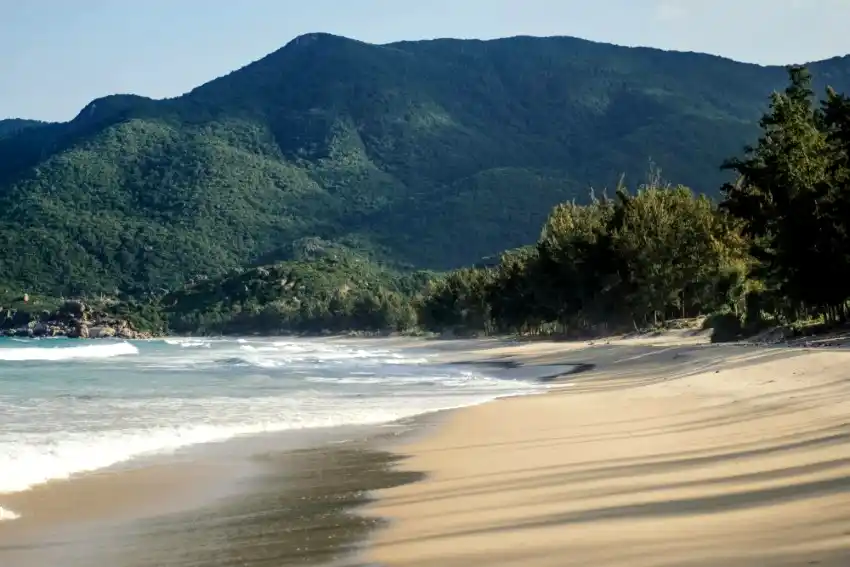
If you want pristine, untouched nature, the Con Dao Islands are on a whole different level. Located off the coast of Ba Ria-Vung Tau province, this 16-island chain is just a short flight from Ho Chi Minh City (or a three-hour high-speed ferry ride from Vung Tau). Con Son, the main island, has this wonderfully quiet vibe with streets lined with French colonial buildings and the historic Con Dao Prison. The surrounding waters are a protected marine park where green sea turtles come to nest on beaches like Hon Bay Canh between May and October.

Stay closer to the action in Vietnam.
Agoda lists everything from local
guesthouses to riverside resorts, with
verified reviews and instant booking.
Pro Tips For Stress Free Travel:
Transport Apps: Use Grab or Xanh SM for hassle-free car and motorbike rides around Phu Quoc and the main port cities. The Be app is another excellent local ride-hailing choice to keep on your phone.
Booking Platforms: Stick to Agoda and Booking.com to find local beach guesthouses and island resorts. For booking day trips, ferry tickets, and snorkeling tours, Klook and Get Your Guide work incredibly well.
Connectivity & Tech: Grab an eSIM via Yesim or pick up a local Viettel SIM card so you don’t lose signal on the more remote islands. It’s also smart to use Nord VPN to keep your data safe when using public resort Wi-Fi.
Cash Nuances: Cash is absolutely essential on smaller spots like the Con Dao or Cham Islands—ATMs can be hard to find and card readers love to lose connection. Keep smaller bills like 20,000 VND and 50,000 VND handy for local markets and ferry piers.


Forget swapping physical SIMs in Vietnam.
Yesim’s eSIM works on most newer phones,
activates remotely, and keeps your home
number reachable for WhatsApp too.
A Quick Note for Nervous Travelers:

Island travel in Vietnam is incredibly safe, welcoming, and easy as long as you keep a few local realities in mind. Your main safety focus on the islands should be the roads—the motorbike culture can feel pretty chaotic. If you aren’t an experienced rider, skip the scooter rental entirely and just rely on local taxi apps or drivers.
Food safety on the islands is top-notch because the seafood turnover is so fast. Stick to busy local joints where you can see the catch of the day swimming around in tanks. To keep your stomach happy, completely avoid tap water and stick to bottled or filtered water. Scams aren’t really a major issue out on the islands, but it’s always good practice to confirm the total price in VND before you jump into an unmetered boat or an unofficial taxi.
Frequently Asked Questions:
Can you rent motorbikes on the smaller islands?
You can easily rent motorbikes on the larger islands like Cat Ba, Phu Quoc, and Con Son for around 120,000 VND to 200,000 VND ($5.00 to $8.00 USD) a day. However, the tiny islets in the An Thoi or Cham archipelagos don’t even have car roads, so you’ll be exploring them entirely on foot or by boat.
What should you wear when visiting island pagodas?
When you visit temples and pagodas on islands like Con Son or Cat Ba, you need to dress conservatively. Your shoulders and knees must be covered. Avoid showing up in swimwear, short shorts, or tank tops, and remember to slip your shoes off before walking into the main temple halls.
Is it necessary to book ferry tickets in advance?
During the peak travel season from November to April, and especially during major national holidays like Tet, you definitely want to book your ferry tickets a few days ahead. If you’re traveling on a random weekday during the low season, you can usually just show up and buy tickets right at the pier an hour before departure.