
Digital Nomad Gear Guide
For remote workers, Vietnam is easily one of the most vibrant and inspiring offices in the world. Working out of a backpack here requires a bit of strategy though. The tropical weather, occasional power blips, and fast-paced café culture mean you need a tough, minimalist gear kit to keep things running smoothly. Get it right, and you’ll be sipping an egg coffee in Hanoi’s Old Quarter while smashing your deadlines. Get it wrong, and you’re at a repair shop in the rain wondering why you didn’t pack a surge protector.
The Quick Summary:
- Daily Budget: 600,000 VND to 1,500,000 VND ($25 to $63 USD) easily covers great café work sessions, delicious street food, and a nice mid-range place to stay. Check out the full Vietnam travel costs breakdown if you’re planning a longer stint.
- Visas: The standard 90-day e-visa gives you plenty of time to set up shop and co-work across the country’s main hubs. See the full e-visa guide for the current application steps.
- Internet: High-speed fibre Wi-Fi is standard in city cafés, but you’ll definitely want a local 4G/5G eSIM as a backup for important video calls. Yesim is our go-to for instant setup before you even land.
- Protect Your Tech: High humidity and sudden tropical downpours are no joke. Water-resistant bags and a few silica gel packs are non-negotiable. So is SafetyWing travel insurance, since replacing a fried laptop overseas is not cheap.
- Pack Light: Fit everything into a 7kg carry-on and you’ll move through Vietnam at a completely different speed. Grab our 7kg carry-on challenge guide for the exact system.
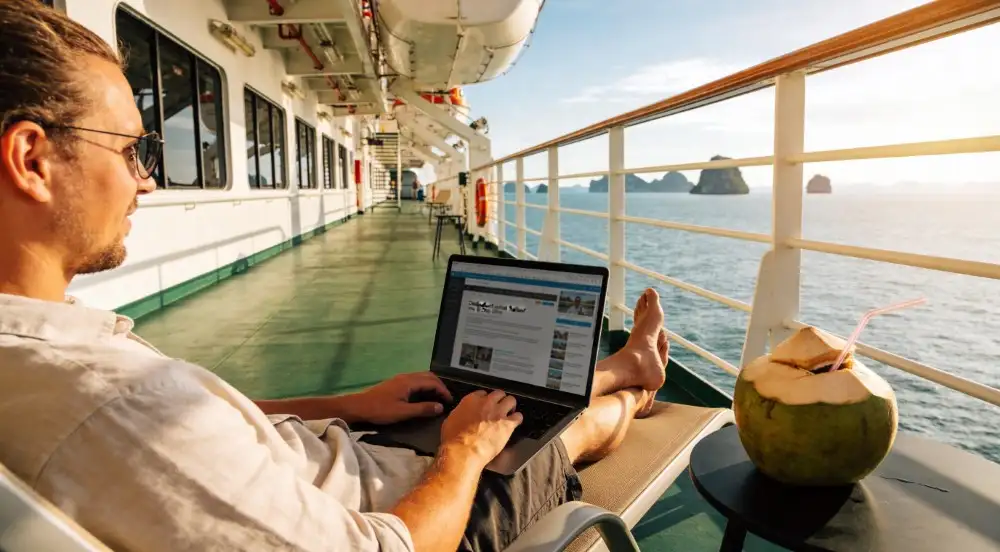

From boutique guesthouses to five-star
resorts, Agoda has Hanoi’s best stays
covered. Strong Asia inventory means
deeper discounts than you’d expect.
The Best Hardware Setup for Remote Work:
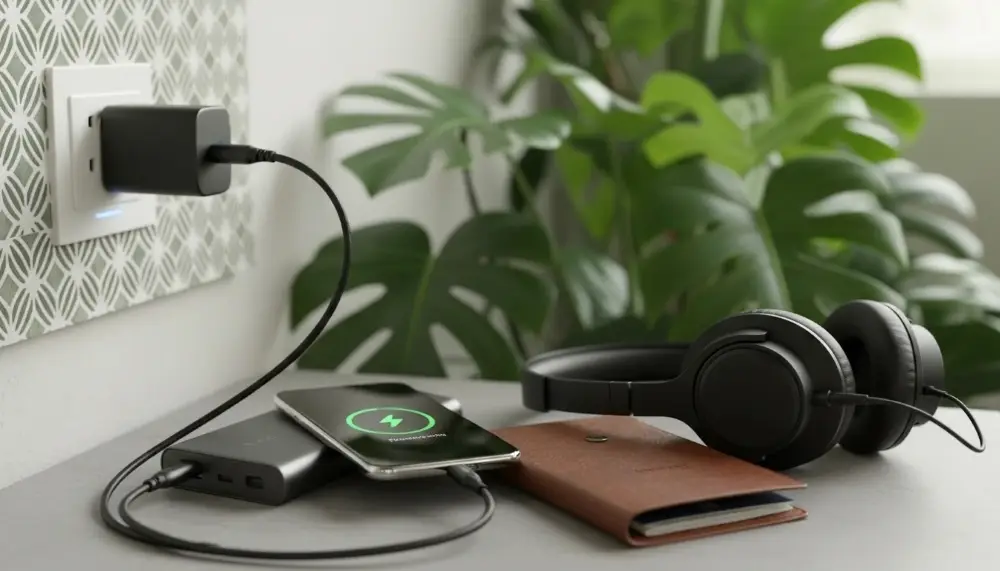
Nomad gear for Vietnam needs to be compact enough to fit on small café tables, tough enough to handle dust and moisture, and happy with dual-voltage outlets. Keeping your setup lightweight and durable means you can switch from a beachside café in Da Nang to a buzzing co-working space in Saigon without skipping a beat. Whether you’re doing the classic north-to-south route or planting yourself somewhere for a month, the kit stays the same.
Investing in the right gear ahead of time saves you from stressful downtime later. Tropical humidity, dust, and the occasional local power surge can be tough on sensitive electronics. If you’re still deciding what to bring overall, start with our ultimate Vietnam packing list first, then come back here for the nomad-specific tech layer on top.
Essential Electronics and Protection
A reliable laptop is obviously the core of your setup. Keep it in a water-resistant sleeve at all times. Pack a universal travel adapter with built-in surge protection too, since power grids in smaller towns can have minor fluctuations that you really don’t want frying your battery or your USB-C port.
A portable power bank is an absolute lifesaver. Pick up a unit with at least 65W Power Delivery (PD) so it can actually charge your laptop if a café loses power or simply lacks enough outlets. Finally, toss a couple of silica gel packets into your tech organiser to soak up everyday moisture before it can do any damage.
If you’re the type who moves between cities a lot, consider a lightweight portable monitor. A good 15-inch USB-C display folds flat, doubles your screen real estate, and fits neatly alongside your laptop in most carry-on backpacks. Paired with a compact wireless keyboard and mouse, it turns any café table into a proper workstation. Check out the Da Nang coworking guide for a taste of just how good the setups can get once you’re on the ground.
Must-Have Remote Work Gear:
| Gear Item | What to Look For | Estimated Cost |
|---|---|---|
| Primary Power Bank | 20,000mAh with 65W Power Delivery | 1,200,000 VND ($50 USD) |
| Waterproof Backpack | IPX6 rated or with a built-in rain cover | 2,400,000 VND ($100 USD) |
| Travel Surge Protector | Type A/G compatible with USB-C ports | 500,000 VND ($21 USD) |
| Laptop Sleeve | Water-resistant neoprene or hardshell | 300,000 VND ($13 USD) |
| Portable Monitor | 15-inch USB-C, under 700g | 2,900,000 VND ($120 USD) |
| Compact Wireless Keyboard | Bluetooth, foldable or slim-profile | 600,000 VND ($25 USD) |
| Silica Gel Packs (10-pack) | Reusable, for your tech organiser | 50,000 VND ($2 USD) |
How to Stay Constantly Connected:
To guarantee uninterrupted internet, your best bet is a dual-provider strategy: high-speed café Wi-Fi paired with a personal mobile data backup, plus a reliable VPN running on top. Relying solely on public Wi-Fi can expose your data and lead to painfully slow speeds during peak afternoon hours when every other nomad in the building is on a video call. For the full breakdown of which SIM cards and data plans work best, see our Vietnam SIM cards and internet guide.
Picking Carriers and Backups
Cellular networks in Vietnam are genuinely impressive, with solid coverage even out in the countryside. For the best connection, stick with major local carriers like Viettel or Vinaphone. You can buy a physical SIM card when you land at the airport, or set up a Yesim eSIM before you leave home for instant data the second you touch down. Yesim is great because you can pre-load it, manage your data from the app, and top it up on the go without hunting for a carrier store. If you want a physical SIM alternative, Airalo is a solid second option worth keeping in mind.
Pro Tip: Avoid unbranded SIM cards sold at tiny tourist stalls. These are often pre-registered data packs that can cut off early. Buy directly from an official carrier store or a verified digital eSIM platform to make sure it’s legally registered to your passport.
A good VPN is non-negotiable. Local internet service providers occasionally block random international sites and services, and an encrypted connection keeps your client data completely secure on shared networks. NordVPN is the one we use and recommend. Get it set up on your devices before you leave home, since downloading and configuring it on local Wi-Fi is sometimes awkward due to the same restrictions you’re trying to bypass.
If you’re planning on staying for a while, the Vietnam digital nomad guide has a full section on the best cities for connectivity and co-working infrastructure, which is worth reading alongside this gear guide.
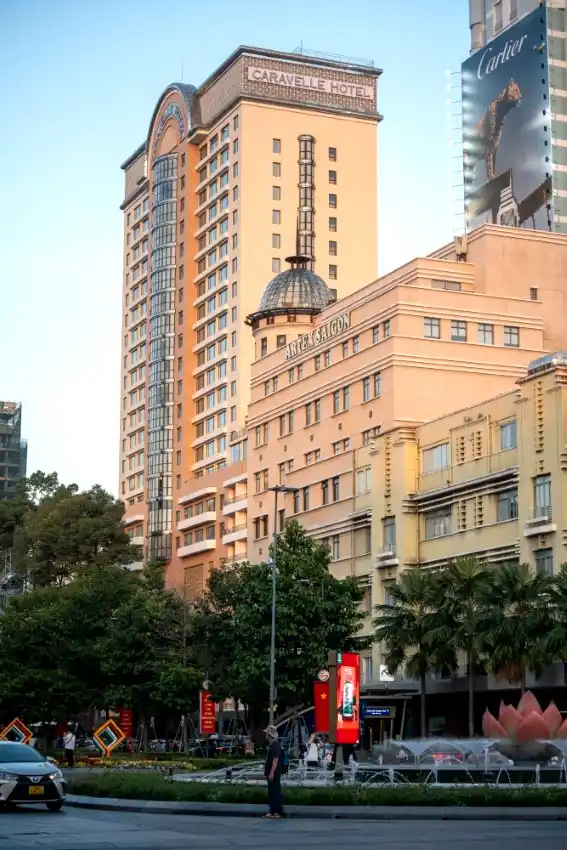

Book Hanoi day trips, attractions,
and activities in one place. Read real
reviews, check availability, and lock in
your spot before the popular slots go.
Packing Light for Local Transport:

If you want to move easily around Vietnam, aim to fit your entire setup into a single 7kg carry-on backpack. Staying light gives you real agility whether you’re hopping on a sleeper bus, catching a segment of the Reunification Express, or sliding onto the back of a motorbike taxi. The freedom to just go when you want to is one of the best parts of remote work in Vietnam. Don’t let an oversized bag take that away from you.
Streamlining Your Mobile Setup
Local budget airlines are strict about the 7kg cabin bag limit, and gate fees for overweight bags are steep. A great minimalist setup includes a lightweight, foldable laptop stand, a compact wireless keyboard, and a travel-sized ergonomic mouse. These three items add almost no weight but transform any flat surface into a comfortable workstation. We’ve mapped out the exact system in the 7kg carry-on challenge guide if you want to go all-in on the approach.
Look for a backpack with a “suspended” laptop compartment, where the laptop pocket stops a couple of inches above the bottom of the bag. This stops your computer from smacking the ground when you drop your bag onto a train floor or a motorbike rack. Choose tough, technical fabrics that repel water and can handle rough-and-tumble wear. When you’re moving between cities, use 12GO to book trains and buses in advance so you’re not scrambling at the station with a bag full of delicate electronics.

From classic Hanoi highlights to
hidden-gem private tours, GetYourGuide
makes booking painless. Cancel free
up to a day before your start time.
Pro Tips For Stress-Free Travel:
Rides and Getting Around: Grab, Xanh SM, and Be are essential for fixed-price car and motorbike rides. Xanh SM is particularly great because they run a huge fleet of quiet, clean electric vehicles. No haggling, no surprises, just tap and go. Read our full Grab vs Xanh SM comparison to see which one suits your travel style best.
Accommodation: Agoda is our top pick for Vietnam, especially for smaller towns where the inventory is unbeatable. Booking.com is the alternative if free cancellation flexibility matters to you. Use a Stay22 map to compare options visually when you’re scoping out a new neighbourhood.
Tours and Day Trips: Use Get Your Guide or Klook to book weekend excursions, cooking classes, or day trips. Both have strong Vietnam inventory and instant confirmation, which is ideal when your schedule shifts around client calls.
eSIM and Data: Yesim is our primary recommendation for instant eSIM data with app-based top-ups. Airalo is a strong backup. Both work before you land. And get NordVPN active on your devices before departure for secure browsing on public networks.
Transfers: For a smooth arrival with all your gear intact, Welcome Pickups offers fixed-price airport transfers with no meter surprises. Worth it after a long-haul flight when you just want to get to your desk.
Money Tips: The official currency is the Vietnamese Dong (VND). Cash is still king at traditional markets and street food stalls. Quick heads-up: the 20,000 VND note and the 500,000 VND note are a very similar shade of blue, which catches out a lot of first-timers. Check our Vietnam currency guide for the full breakdown of ATMs, cards, and how to avoid getting short-changed.
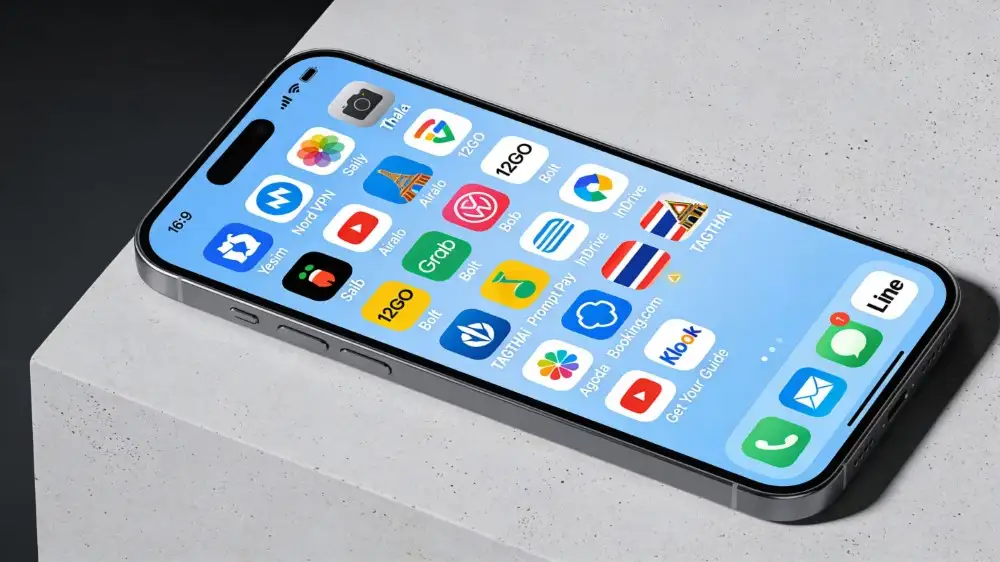

From short trips to long stays in Hanoi,
Airalo has flexible eSIM data plans
you can install in minutes. Top up
remotely if you need more data later.
Café Etiquette and Local Culture:
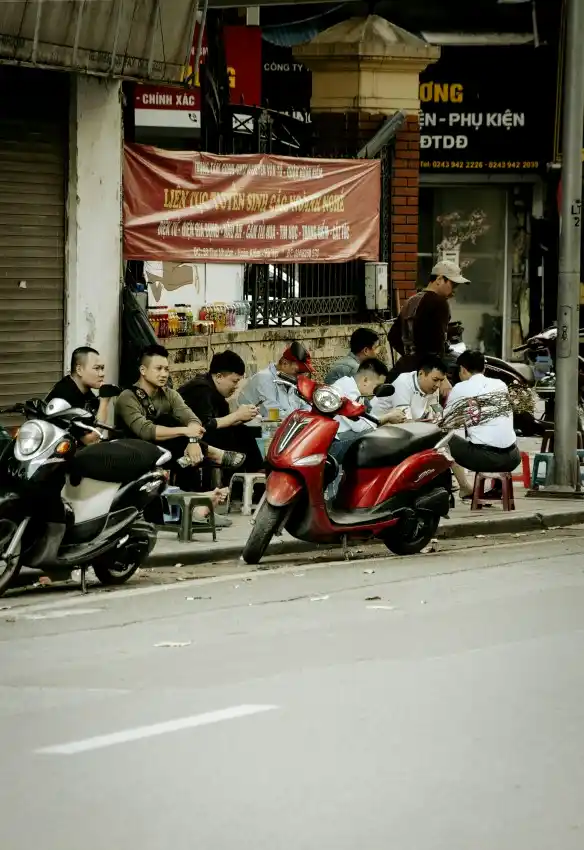
Motorbike Parking and Café Rules
Life in Vietnam revolves around the motorbike. When you pull up to a café to work, always look for the security guard (bảo vệ). They’ll show you where to park, wheel your bike into position, and hand you a small parking ticket. Take care of that ticket. Losing it means paying a flat fine and having an awkward conversation on the way out.
Be mindful of the vibe in public spaces. Café culture here is incredibly welcoming to remote workers, but setting up a dual-screen mobile office in a tiny, traditional roadside tea stall (trà đá) is bad form. Keep your voice down during video calls, always use headphones, and respect the people around you. A brief look at our Vietnamese culture and etiquette guide before you arrive is genuinely useful, especially if this is your first time in the country.
Haggling is completely normal in traditional markets, but never try it in modern retail shops or established cafés. Tipping isn’t part of the local culture, though leaving a little extra cash for great service at small, independent spots is always appreciated. If you plan to explore local temples during your work breaks, make sure your shoulders and knees are covered. There’s more on this in the temples and pagodas guide.
Vietnam’s coffee culture is one of its real joys. The egg coffee in Hanoi, the iced milk coffee everywhere else, the little plastic stools on the pavement at 7am. Read up on Vietnam’s coffee culture before you arrive and you’ll have a head start on finding the best spots in every city.
Slow Travel and Extended Stays:
Vietnam has a brilliant ecosystem for slow travel. The coastal city of Da Nang has become the country’s biggest nomad hub, packed with beachfront co-working spaces, excellent cafés, and fast internet infrastructure. The Da Nang coworking guide has everything you need to find your spot there. Hoi An, just 30 minutes down the road, offers a slower, more atmospheric alternative if you want ancient-town charm alongside your standing desk.
Most long-term travellers use the 90-day e-visa, then take quick visa runs to a neighbouring country to reset it. It’s a well-worn routine. If you’re thinking about making the move more permanent, the full long-term visas guide covers all the options including business visas and investor routes. For a real sense of what monthly life costs look like, the cost of living in Vietnam guide breaks it all down by city.
Relocating with pets has also become much more manageable lately, as long as you sort your international health certificates early and work with a specialist. We have a whole section on moving pets to Vietnam if that’s relevant to you.
A Note for Nervous Travelers:

Safety is rarely a serious concern here. Vietnam is an incredibly welcoming country, and violent crime targeting foreigners is extremely rare. The main things you’ll need to adapt to are the city traffic, minor street scams, and basic food safety. Our full Vietnam safety guide goes deep on all of these, and is worth a read if this is your first time.
When crossing busy streets in Saigon or Hanoi, the golden rule is to walk at a slow, steady, and completely predictable pace. Don’t stop, don’t run, don’t lunge suddenly. The oncoming wall of motorbikes will naturally calculate your speed and flow right around you like water. It feels terrifying for about five minutes and then completely intuitive. Trust the process.
To protect your gear, avoid holding your phone or camera out near the kerb. Opportunistic drive-by snatching is the most common tech incident and it’s very easy to prevent. For food safety, stick to busy street stalls with high turnover. If a stall is packed with locals, the food is fresh and the risk is minimal. Check out our street food guide for exactly where and what to eat safely.
Protecting Yourself: Health and Insurance:
This is the section most nomad gear guides skip, and it’s the one that matters most when something actually goes wrong. A fried laptop, a motorbike scrape, or a bout of food poisoning that sends you to a private hospital can easily cost more than your entire month’s budget. Getting proper coverage before you arrive is not optional, it’s part of your gear kit.
Travel Insurance and Healthcare
SafetyWing is the go-to for nomads because it works on a rolling monthly subscription rather than a fixed-trip policy. That means you’re covered whether you’re here for six weeks or six months, and you can cancel when you leave. It covers emergency medical treatment, hospital stays, and evacuation, which is what really matters. For a full breakdown of your options, the travel insurance Vietnam guide compares policies in detail.
Vietnam’s healthcare infrastructure in major cities is genuinely good. International hospitals in Hanoi, Ho Chi Minh City, and Da Nang are well-equipped and staffed by English-speaking doctors. Smaller towns are a different story, which is another reason evacuation coverage matters. Our Vietnam healthcare guide has a full rundown of the best hospitals by city and what to expect if you need to use one.
On the pharmacy front, Vietnam has excellent over-the-counter availability for most common medications. The Vietnam pharmacy guide covers exactly what to buy locally and what to pack in your medical kit from home.

Frequently Asked Questions:
Can I buy high-quality replacement tech inside Vietnam?
Absolutely. Major cities have massive, reliable retail chains like FPT Shop and Thế Giới Di Động. They stock authentic chargers, cables, and major laptop brands, so you can easily replace broken gear without missing a deadline.
Are power outages common in nomad hubs?
Power is very stable in major cities. However, smaller beach towns or rural areas can sometimes experience scheduled maintenance cuts during the peak dry season. Having a 65W power bank on hand ensures your laptop stays alive through any temporary blips.
Is public Wi-Fi safe for banking and client work?
Public café Wi-Fi networks don’t have advanced encryption. Always turn on a premium VPN like NordVPN before logging into your bank accounts, handling client databases, or typing in sensitive passwords. This applies everywhere, not just Vietnam.
What’s the best way to protect my gear from tropical rain?
Always keep a high-visibility rain cover wrapped around your backpack when you’re on the move. Inside the bag, store your most sensitive tech, like tablets and portable drives, in heavy-duty zip-top bags or small dry sacks just in case. A waterproof laptop sleeve is a non-negotiable baseline.
Do I need a VPN in Vietnam?
Yes, and not just for security. Local ISPs occasionally block certain international sites and services. A VPN like NordVPN bypasses these restrictions and keeps your connection encrypted on shared networks. Set it up before you arrive, since downloading and configuring it on restricted local Wi-Fi can be frustrating.
What’s the best eSIM for Vietnam?
Yesim is our primary recommendation. You can set it up before you leave home, manage your data from the app, and top it up on the go. It activates instantly when you land, which is a real advantage if you need to message an airport pickup or check your accommodation booking the moment you step off the plane. Airalo is a solid alternative if you want to compare plans.
Which cities are best for digital nomads in Vietnam?
Da Nang is the clear front-runner for most nomads. It has a beach, fast internet, a growing co-working scene, and a lower cost of living than Saigon. Ho Chi Minh City is the best choice if you want a big-city buzz and a huge expat community. Hanoi is great for culture and café working but slightly slower-paced. Hoi An works beautifully for slow travel stints. Check the Da Nang coworking guide and the Vietnam digital nomad guide for city-specific detail.
Do I need travel insurance as a digital nomad in Vietnam?
Yes. A single visit to a private international hospital can cost 5,000,000 to 15,000,000 VND ($206 to $617 USD) or more. SafetyWing is the most popular option for nomads because it runs on a rolling monthly subscription rather than a fixed-trip policy, so it fits the way nomads actually travel. Don’t skip it.
Can I get a motorbike in Vietnam as a nomad?
Absolutely, and many long-term nomads do. Renting a semi-automatic or automatic scooter is straightforward in most cities and costs around 800,000 to 1,500,000 VND ($33 to $62 USD) per month. Just make sure you have a valid international driving permit (or the correct Vietnamese licence category), wear a helmet always, and check our renting motorbikes guide before you hit the road.
How do I handle flights between cities as a nomad?
Vietnam’s domestic airline network is excellent and cheap. Budget carriers like VietJet and Bamboo Airways run frequent routes between Hanoi, Da Nang, Ho Chi Minh City, and Phu Quoc. Book in advance for the best fares. For ground travel, 12GO is the easiest way to compare and book trains and sleeper buses online without going through a local agent.