Vietnam Budget Travel Guide
Vietnam is one of those rare places that genuinely delivers more than it promises. The scent of star anise drifting from a roadside pho stall, a million motorbikes weaving through sunrise streets, cool mist rolling off limestone karsts in the north, and remarkably, all of it is within reach on a budget that won’t leave you stressed. This isn’t about cutting corners. It’s about travelling the way locals do, eating where they eat, and moving how they move. Do that, and Vietnam rewards you endlessly.
The Quick Summary:
- Daily Budget: A comfortable, authentic experience runs between 625,000 VND and 1,125,000 VND ($25 to $45 USD) per day, covering a guesthouse bed, street food, local transport, and entry fees.
- Best Value Food: Roadside street stalls and local wet markets beat tourist restaurants on both taste and freshness, and they cost a fraction of the price.
- Smartest Transport: Overnight trains between cities save you a night’s accommodation. For city hops, ride-hailing apps like Grab or Be cut out taxi premiums entirely.
- Best Value Region: Central Vietnam wins hands down, accommodation and food are cheaper here than in Hanoi or Ho Chi Minh City, and the scenery is spectacular.

From boutique guesthouses to five-star
resorts, Agoda has Vietnam’s best stays
covered. Strong Asia inventory means
deeper discounts than you’d expect.
How Much Does Vietnam Cost Per Day?
A realistic daily budget for independent travellers sits between $25 and $45 USD, and that covers a clean guesthouse bed, three satisfying street food meals, local transport, and the odd entrance fee. Once you get into the rhythm of travelling Vietnamese-style, you’ll likely come in well under the top end of that range.
| Expense Category | Daily Budget (VND) | Daily Budget (USD) |
|---|---|---|
| Accommodation (Dorm Bed / Local Homestay) | 150,000 – 300,000 VND | $6 – $12 USD |
| Food & Drink (Street Food & Filter Coffee) | 150,000 – 250,000 VND | $6 – $10 USD |
| Transport (Ride-Hailing & Public Buses) | 75,000 – 125,000 VND | $3 – $5 USD |
| Activities (Temples, Museums, National Parks) | 100,000 – 200,000 VND | $4 – $8 USD |
| Miscellaneous (SIM Cards, Water, Laundry) | 50,000 – 100,000 VND | $2 – $4 USD |
Where to Stay Without Overpaying:
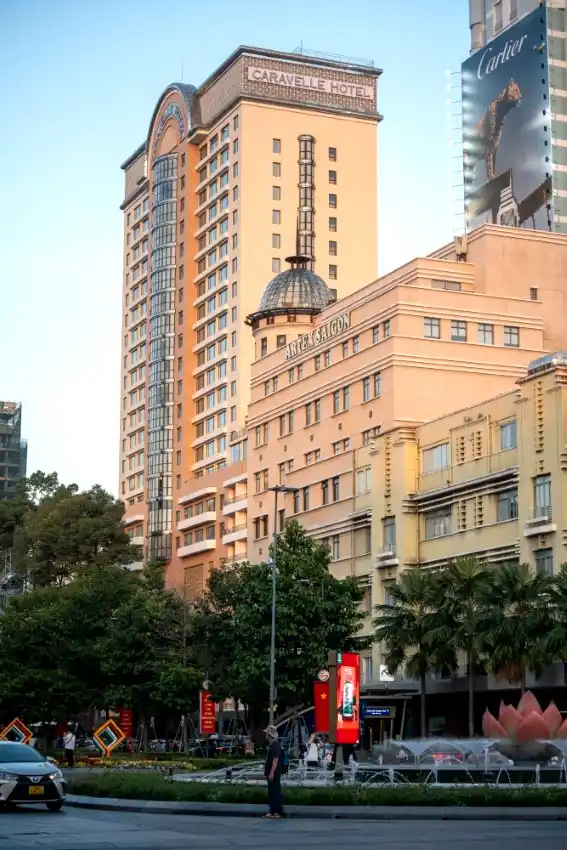
Skip the Boutique Hotels, Find a Nhà Nghỉ
The best budget accommodation in Vietnam isn’t on the big booking platforms, it’s in the family-run nhà nghỉ (local guesthouses) tucked down side streets in every town and city. You’ll get a clean private room, air-con, and warm hospitality for a fraction of what the westernised boutique hotels charge.
In Hanoi’s Old Quarter or Ho Chi Minh City‘s District 1, budget dorm beds are plentiful and sociable. But if you’re heading to Central Vietnam, around Hoi An Ancient Town or near My Khe Beach, prices drop even further while the quality of guesthouses actually goes up. This is the region where your accommodation budget stretches furthest, and the slower pace makes it worth lingering.

GetYourGuide has Vietnam’s best
excursions covered: museums, tours,
and unique experiences with verified
operators and instant mobile vouchers.
Getting Around Cheaply and Comfortably:
Ride-Hailing Apps Are Your Best Friend
Download Grab, Be, or Xanh SM before you land. Booking a motorbike taxi through these apps costs a fraction of a standard car ride, gives you a fixed price upfront, and cuts straight through city traffic in minutes. No haggling, no dodgy meters, just tap and go.
The Overnight Train Trick
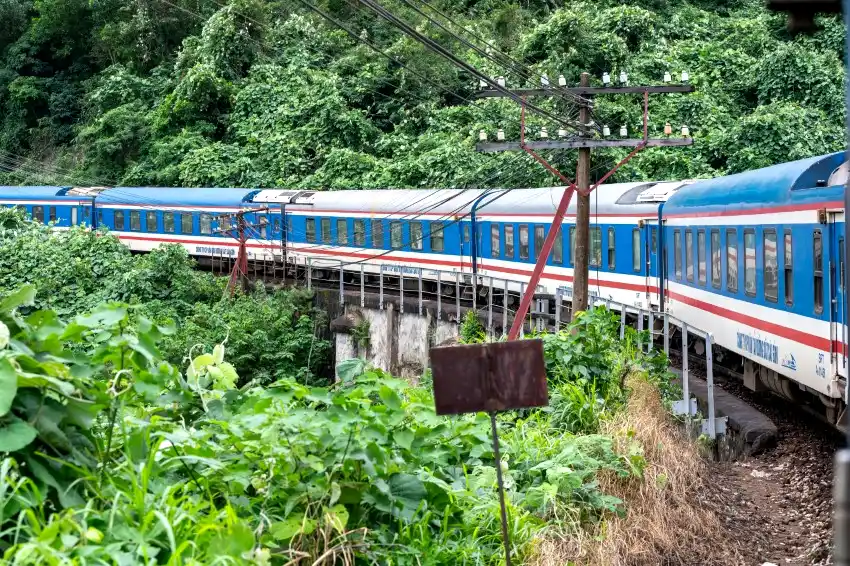
For long distances between cities, say, Hue to Da Nang, or Hanoi to Hoi An, the overnight sleeper train is one of travel’s great deals. You sleep, you arrive, and you’ve saved a night’s accommodation cost in the process. The route hugging the coastline over the Hai Van Pass is genuinely one of the most beautiful train journeys in Southeast Asia. Book it for the scenery alone.
Pro Tip: Renting a scooter gives you total freedom on coastal routes and through places like Ninh Binh. Always wear a proper helmet, keep your headlights on in overcast weather, and remember, Vietnamese traffic runs on mutual anticipation, not right-of-way rules. Move steadily and predictably, and you’ll be absolutely fine.
Eating Like a Local (and Loving Every Bite):
Follow the Plastic Stools
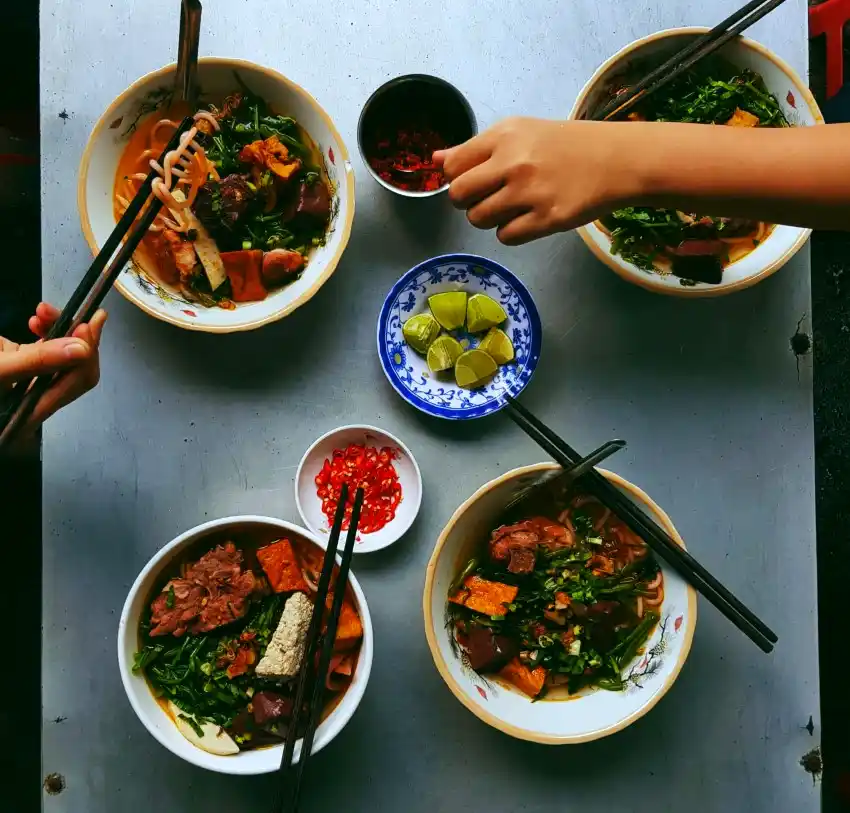
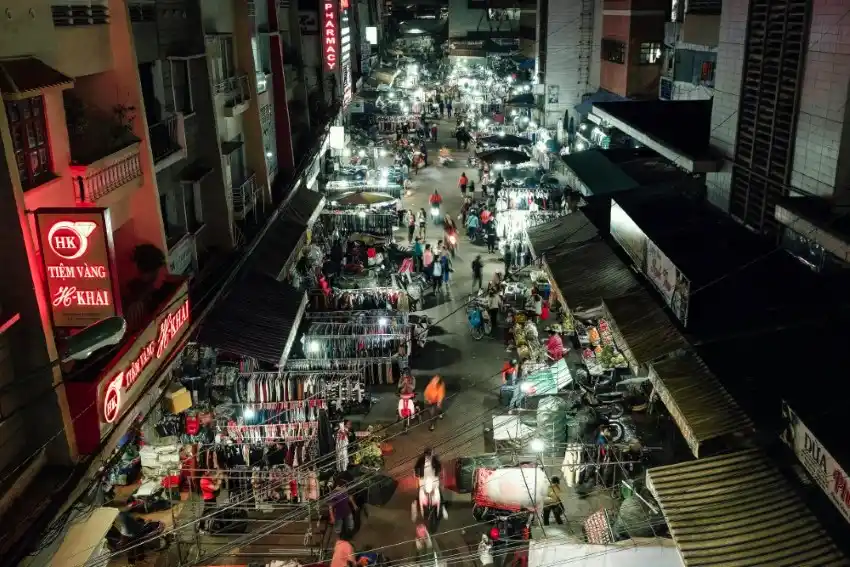
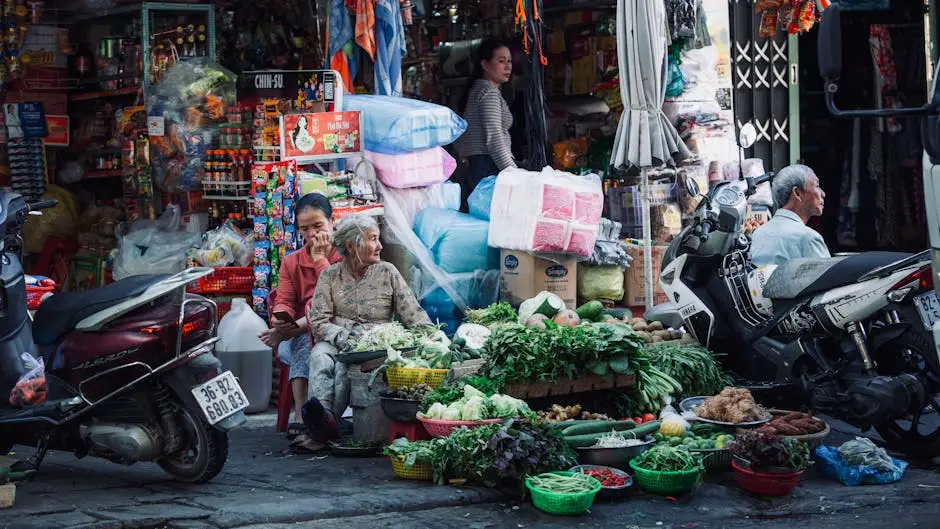
The best food in Vietnam is not inside a restaurant. It’s on the pavement, at a stall that’s been perfecting one dish for thirty years. Pull up a tiny plastic stool at 7:00 AM where local families are eating, point at whatever’s in the pot, and get ready for one of the best meals of your trip. A filling bowl of Phở Bò on Phung Hung Street in Hanoi or a plate of Cơm Tấm (broken rice with grilled pork) in a District 3 alleyway in Ho Chi Minh City will rarely cost more than 40,000 VND, that’s about £1.30.
Drinks Worth Seeking Out
Step away from the international coffee chains. A glass of cà phê sữa đá, strong iced robusta coffee with sweetened condensed milk, from a pavement shop is one of life’s simple joys, and it costs almost nothing. In Hanoi, head to Ta Hien Street for bia hơi, a fresh daily-brewed draught beer served ice-cold for around 11,000 VND (£0.35) a glass. It’s the most affordable social ritual you’ll find anywhere on earth, and the atmosphere around those tables at dusk is worth the trip alone.

Compare tours and tickets across Vietnam
and book instantly on your phone.
Klook’s mobile vouchers mean no
printing, no fuss, just turn up and go.
Respecting Local Customs:
Temples, Pagodas, and Sacred Sites
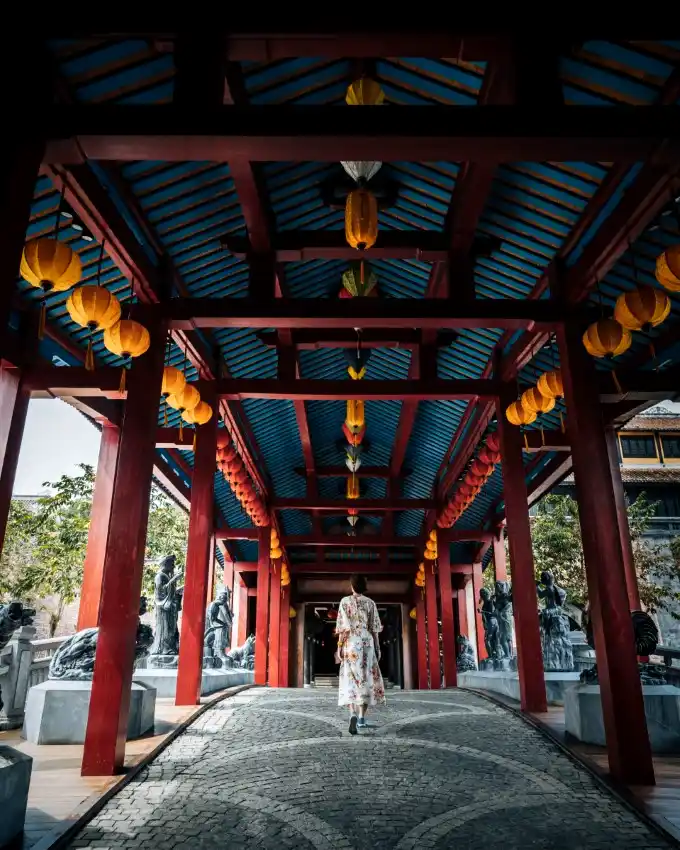
Vietnam’s temples and pagodas are genuinely beautiful places, and they deserve a little respect. Cover your shoulders and knees before entering, many sites have sarongs available if you forget. Remove your shoes where signs indicate, and avoid pointing your feet towards altars or religious statues. A quiet, respectful presence goes a long way, and you’ll be welcomed warmly in return.
Bargaining at Markets
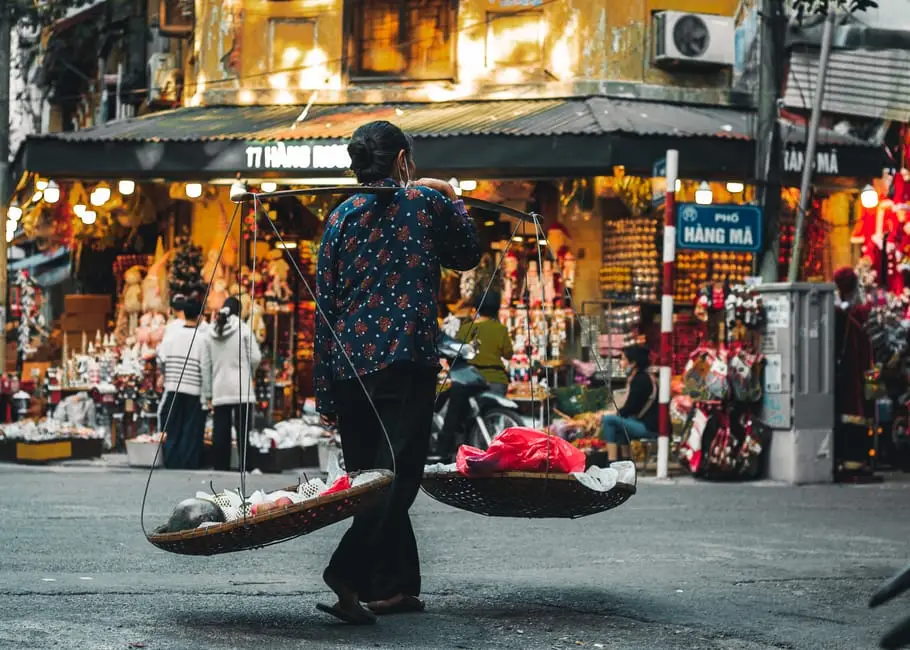
Haggling at spots like Ben Thanh Market or Dong Xuan Market is completely expected and can be genuinely fun. Start at around 60% of the asking price, keep it light-hearted and smiley, and enjoy the back-and-forth. Never get heated over small amounts, it’s not worth it, and social harmony matters enormously in Vietnamese culture. One important rule: food and drink stalls have fixed prices. Never try to bargain for your pho. Just eat it.
Tipping isn’t a traditional custom here. Rounding up small change for excellent service is appreciated, but nobody expects it.

Airalo covers Vietnam with a range of
data plans from a few days to a month.
No physical SIM swap, no roaming bill
shock when you check back in at home.
Staying Longer? Here’s How to Do It Right:
Da Nang: The Digital Nomad Sweet Spot
If you’re thinking about slowing right down and basing yourself somewhere for a month or more, Da Nang deserves serious consideration. Clean beaches, fast internet, modern co-working spaces, and a genuinely relaxed pace of life, apartments in the An Thuong neighbourhood start at around 6,250,000 VND ($250 USD) per month. That’s a full apartment, not a hostel bunk.
Slowing down also dramatically cuts your transport costs. Once you’re based somewhere, you stop haemorrhaging money on intercity buses and overnight trains, and you start to genuinely feel what it’s like to live here rather than just pass through. Vietnam rewards the slow traveller enormously.
Staying Safe as an Independent Traveller:
It’s Genuinely Very Safe
Vietnam is one of the safest countries in Southeast Asia for solo travellers. Violent crime is rare. Your main concerns are the sensible basics: keep bags zipped in crowded areas, use ride-hailing apps instead of unmarked taxis, and don’t flash expensive gear around busy markets.
Crossing the Street and Drinking Water
Two things that trip up first-timers: crossing the road and drinking the water. For the road, step off the curb, walk slowly and steadily, and let the motorbikes flow around you. Don’t freeze, don’t dash, just move predictably. It works, and it quickly becomes second nature.
Drink bottled or filtered water only, tap water isn’t safe for travellers. Ice in cities is factory-produced and fine, but always carry a bottle with you in the heat.
Pro Tips For Stress-Free Travel:

- Ride-Hailing Apps: Download Grab, Be, or Xanh SM before you land. Fixed prices, no meter drama, and motorbike taxis that slice through traffic in minutes.
- Cash is King: Street stalls, market vendors, and bus drivers all work in Vietnamese Dong (VND) only. Keep smaller bills handy, 20,000, 50,000, and 100,000 VND notes. A 500,000 VND note is hard for small vendors to break.
- Get a Local SIM: Pick up a physical SIM at the airport or grab an eSIM via Yesim before you travel. You’ll want data for maps, translation, and booking apps from the moment you land.
- Book Activities in Advance: For popular experiences, cooking classes, boat trips, guided tours, platforms like Klook or GetYourGuide often have better prices than booking on the street, and you avoid the last-minute scramble.

Forget swapping physical SIMs in Vietnam.
Yesim’s eSIM works on most newer phones,
activates remotely, and keeps your home
number reachable for WhatsApp too.
Frequently Asked Questions:
What is the cheapest month to fly to Vietnam?
September through November is your best window for cheap flights. These months fall in the low season due to the rainy weather, and both airlines and accommodation providers drop their prices significantly to maintain bookings. If you don’t mind occasional showers, the savings are very real.
Can you actually travel Vietnam on under $30 a day?
Absolutely, and comfortably. Eat at street stalls, use overnight trains between cities, stay in homestays or social hostels, and get around on ride-hailing apps. Do those four things consistently and $30 USD per day is very achievable without feeling like you’re missing out on anything.
Do I need to carry cash in Vietnam?
Yes, cash is essential for daily travel. Street food vendors, local market stalls, bus drivers, and guesthouse owners almost all work exclusively in Vietnamese Dong (VND). Major hotels and upscale restaurants accept cards, but for anything local, keep small denomination notes in your pocket at all times.
Is tipping expected in Vietnam?
Tipping is not a traditional custom in Vietnam and nobody expects it at street stalls, local restaurants, or in taxis. In tourist-facing businesses like spas or for private tour guides, a small tip for genuinely great service is always warmly appreciated, but it’s a gesture, never an obligation.