Vietnam War History Guide
Vietnam is a place where deep history meets a vibrant, forward-looking present. When you travel here, you quickly realize the past is written right into the landscape. Visiting the sites of what is locally known as the American War gives you an extraordinary, sobering look at the events that shaped the modern nation.
The Quick Summary:
- Budgets: Standard entry fees at major state-run museums and historical sites are incredibly affordable, usually running between 40,000 VND and 50,000 VND ($1.60 to $2.00 USD).
- Entry Requirements: Most international travelers just need to grab a 90-day e-visa through the official government portal before arriving.
- Regional Focus: Northern sites lean heavily into administrative defense and tactical leadership. Central locations highlight the fierce, raw border conflicts. Down south, you’ll find extensive underground guerrilla networks and sites marking the final strategic shifts of the war.
- Etiquette: Keep your shoulders and knees covered when visiting historical monuments. If you step into a sacred memorial space, take off your shoes and keep your voice down.

From caves and cruises to cooking
classes, Klook covers Vietnam’s best
experiences. Hotel pickup is often
included and prices are usually lower.
Where Are the Best Vietnam War History Sites?
The most significant historical sites are split across three distinct geographic zones. You’ll find strategic command hubs and prison networks up North, legendary frontline combat sectors along the old Demilitarized Zone in Central Vietnam, and massive underground guerrilla complexes down South.
| Location | Primary Historical Focus | Essential Landmark to Visit |
|---|---|---|
| Hanoi (North) | Strategic leadership, air defense history, and prisoner of war camps. | Hoa Lo Prison (The Hanoi Hilton) |
| Quang Tri (Central) | Border line skirmishes, demilitarized zone defenses, and tactical bases. | Vinh Moc Tunnels |
| Ho Chi Minh City (South) | Guerrilla strongholds, tactical intelligence operations, and political shifts. | Independence Palace |
Exploring the Key Sites in Each Region:
From Hanoi’s prison networks and wartime bunkers down to the subterranean guerrilla labyrinths outside Ho Chi Minh City, each region tells a completely different chapter of the conflict. Here’s what to expect at the most essential stops.
Hoa Lo Prison, Hanoi
Ironically nicknamed the “Hanoi Hilton” by American POWs, this complex sits right in the Hoan Kiem District. Originally built by French colonists to hold Vietnamese political prisoners, it was later used to detain captured American pilots, including John McCain.
The remaining gatehouse now functions as a museum, offering a stark, heavy look at the realities of wartime confinement from multiple eras.
The Imperial Citadel of Thang Long, Hanoi
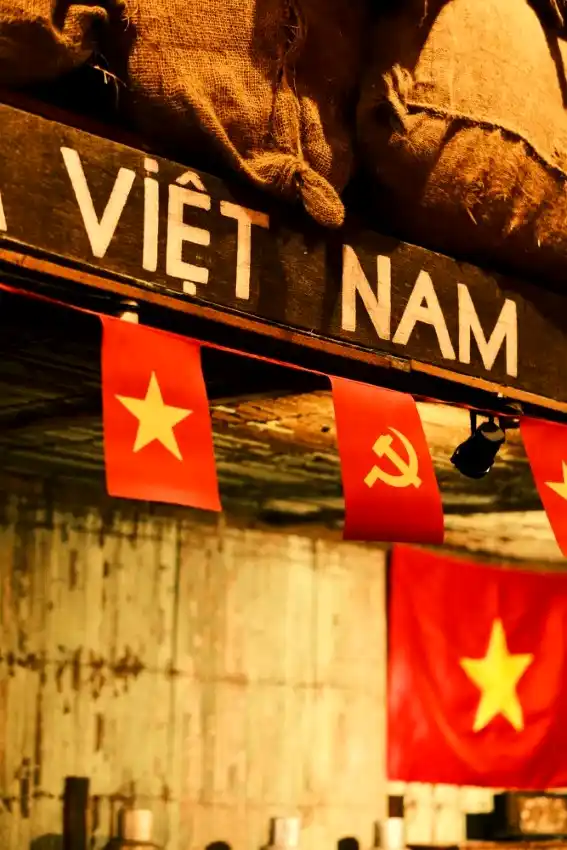
Located in the Ba Dinh District, this ancient citadel hides a fascinating piece of modern history: a reinforced underground bunker known as House D67.
Military commanders orchestrated crucial defense campaigns from this very spot. You can walk down the concrete steps and see the original maps, communication devices, and desks exactly as they were left.
Vinh Moc Tunnels, Quang Tri
Unlike the tactical combat passages you’ll find down south, the Vinh Moc Tunnels in Quang Tri Province were built to function as an entire underground village.
Local families dug this massive three-tiered network deep into the earth to survive relentless aerial bombardments. Walking through, you’ll see the old kitchens, tiny living quarters, and even a subterranean clinic where children were born.
War Remnants Museum, Ho Chi Minh City
Located in District 3, this museum provides a stark, unflinching look at the consequences of the conflict.
The outdoor courtyard is packed with heavy military hardware, but the real impact is inside. The exhibits feature powerful documentary photography and detailed studies on the long-term impact of chemical agents like Agent Orange. It is a deeply emotional visit, but absolutely essential.
Cu Chi Tunnels, Ho Chi Minh City
This massive underground labyrinth sits about 60 kilometers outside the city center. Guerrilla fighters utilized these impossibly tight passages for communication, supply routes, and surprise tactical operations.
You can explore the Ben Dinh or Ben Duoc sections to experience the claustrophobic conditions firsthand—though even the widened tourist tunnels are a very tight squeeze.
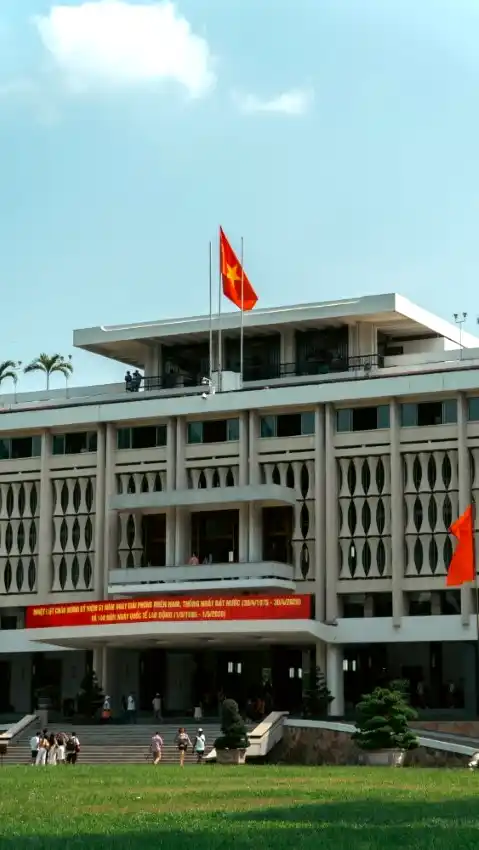
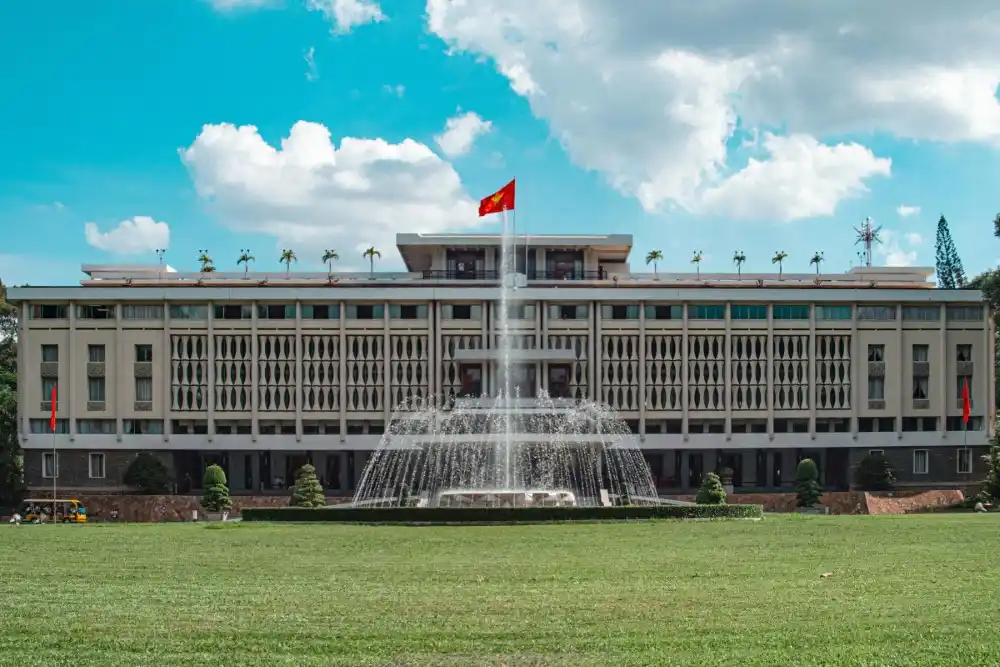
Independence Palace, Ho Chi Minh City
Also known as Reunification Palace, this landmark stands right in District 1. The exact moment a North Vietnamese tank crashed through these wrought-iron gates on April 30, 1975, signaled the official conclusion of the war.
Stepping inside is like walking into a time capsule, the interior is perfectly frozen in time with 1970s decor, state rooms, and the original basement command bunkers.

Lock in your Vietnam accommodation early
and beat peak-season price hikes.
Agoda’s filters let you compare options
side by side before you commit.
Pro Tips For Stress Free Travel:

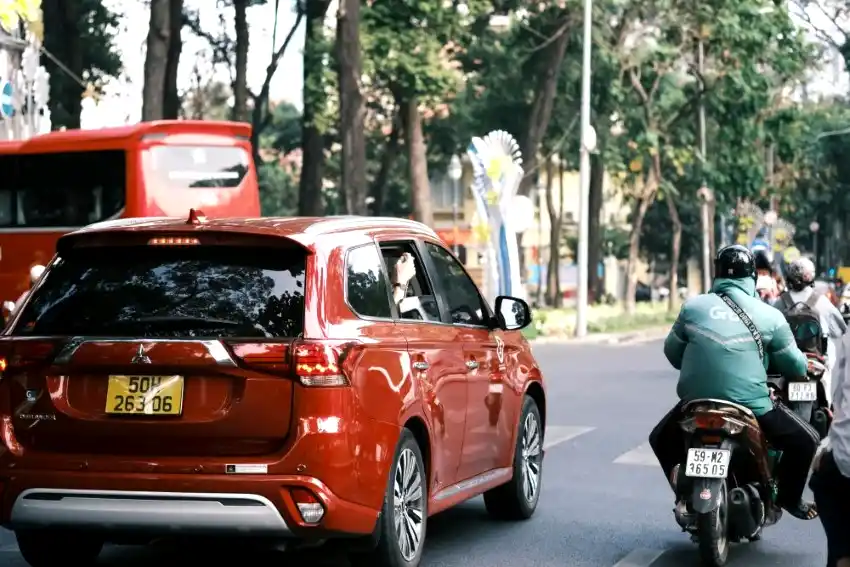
- Ride-Hailing Apps: Download Grab, Xanh SM, or Be to secure fair, metered rides directly to historical landmarks. It completely saves you from having to negotiate fares with independent street drivers.
- Cash is King: Always carry small denominations of Vietnamese Dong (VND). Entry fees like the standard 40,000 VND ($1.60 USD) ticket are best paid in exact cash, museum ticket booths won’t love breaking a large 500,000 VND bill.
- Connectivity: Keep your maps active by grabbing an eSIM from Yesim before you land, and run a VPN like Nord VPN to secure your personal data when logging onto public networks.
- Booking Day Trips: Turn to platforms like Klook or Get Your Guide to secure museum tours and historical day trips led by verified local historians.

Need budget data in Vietnam? Saily’s
eSIM plans start cheap and install in
a couple of minutes. Built by the team
behind NordVPN, so security is solid.
Local Etiquette at Historic Memorials:
Vietnamese culture treats historical sites with deep reverence and quiet respect. If your tour brings you to a shrine, pagoda, or official memorial site, make sure your shoulders and knees are covered. While bargaining is totally expected at souvenir stalls out on the street, never try to haggle inside official museum grounds.
Pro Tip: Tipping museum staff isn’t required or expected, but leaving a small contribution in a donation box or tipping your private local history guide is always highly appreciated. Motorbike culture dominates transportation here, if you’re riding, use the organized parking areas near museum entrances, usually costing a tiny fee of about 5,000 VND ($0.20 USD).
If you’re interested in deep historical research, consider basing yourself in a central location like Da Nang to explore the nearby DMZ sites over a few weeks. The standard 90-day e-visa allows for plenty of extended time, and the city provides excellent cafes and workspaces between your field trips.

Skip-the-line tickets, guided walks,
and Vietnam day trips with English
guides. Read reviews from real travellers
before committing to a single one.
A Note for Nervous Travelers:
Vietnam ranks as one of the safest travel destinations in the world. Street scams are easily avoided by relying on official transport apps rather than unmetered street taxis. The traffic patterns look completely chaotic at first glance, but crossing the street just requires walking slowly and predictably so the sea of motorbikes can easily flow right around you.
Food safety is excellent as long as you choose busy street stalls where you can see a high turnover of local customers. And if you’re worried about how you’ll be received as an international visitor, Vietnamese people view the war as a closed historical chapter rather than a source of modern animosity. They welcome visitors from all nations with genuine warmth.
Frequently Asked Questions:
What is the Vietnam War called inside Vietnam?
Locally, the conflict is widely referred to as the “American War” or the “Resistance War Against America.” This reflects the local perspective of fighting to defend national sovereignty rather than an ideological proxy conflict.
Are the war museums suitable for young children?
You might want to exercise caution. Some locations, particularly the War Remnants Museum in Ho Chi Minh City, feature highly graphic imagery detailing weapon effects and wartime atrocities that can be very upsetting for young children.
How much time do you need to see the Cu Chi Tunnels?
Plan for roughly half a day. It takes about an hour and a half to two hours to drive there from District 1 in Ho Chi Minh City, plus another hour or two to explore the tunnel system itself.
Do I need to dress differently when visiting war memorials?
Yes. Keep your shoulders and knees covered at all historical monuments and memorial sites. If you step into a sacred memorial space or military grave site, take off your shoes and keep your voice low as a sign of respect.