
Moving Pets To Vietnam
Good news, bringing your pet to Vietnam is absolutely doable, and thousands of expats have done it successfully. Yes, there’s paperwork. Yes, the timeline matters. But once you’re settled into a beachside apartment in Da Nang or a leafy neighbourhood in Hanoi with your dog or cat beside you, every form you filled out will have been worth it. Here’s exactly what you need to know.
The Quick Summary:
- Core Requirements: ISO-compliant microchip, rabies vaccination given at least 30 days before travel, and a government-endorsed international health certificate.
- Quarantine: Vietnam does not impose mandatory quarantine, as long as your paperwork is complete and correct. Get this wrong and it becomes a very different story.
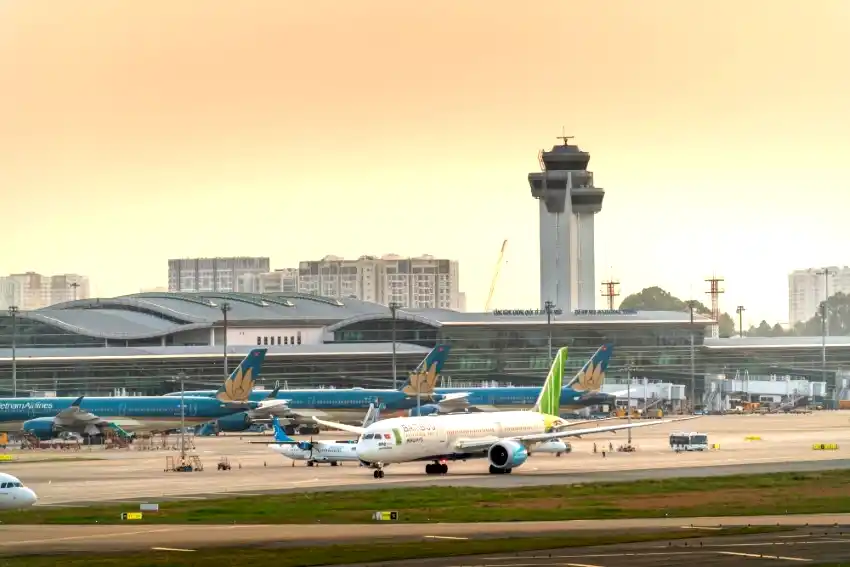
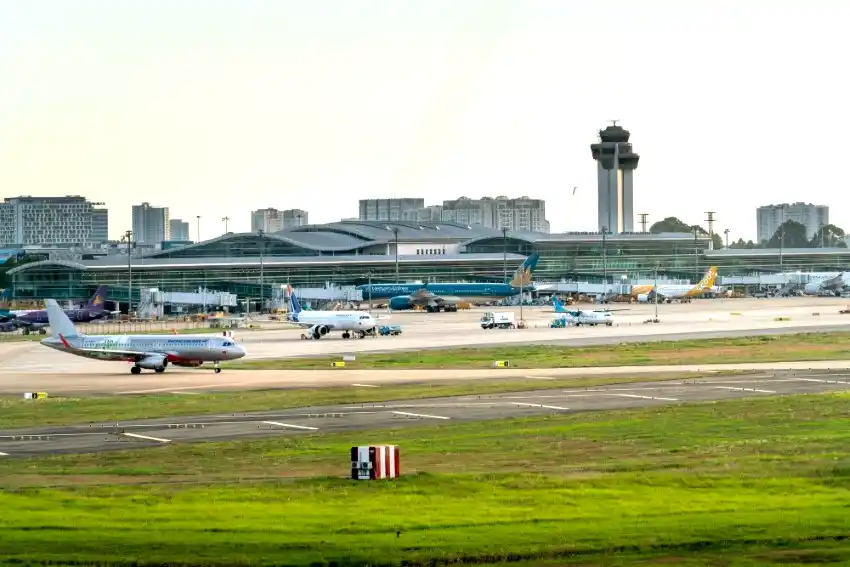
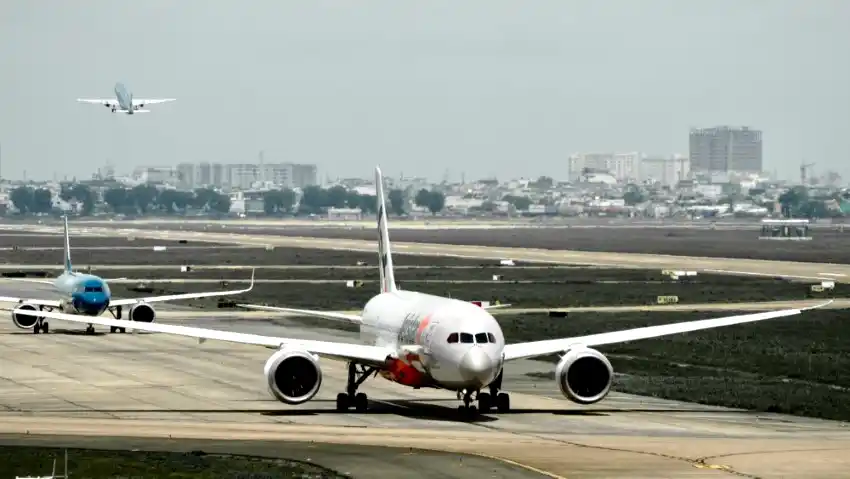
- Entry Airports: Pets must arrive through Noi Bai International Airport (Hanoi) or Tan Son Nhat International Airport (Ho Chi Minh City), no exceptions.
- Getting Around: Standard ride-hailing and public transport won’t take pets, you’ll need to plan ahead with private or specialist services for any longer journeys.

Lock in your Vietnam accommodation early
and beat peak-season price hikes.
Agoda’s filters let you compare options
side by side before you commit.
What Documents Does Your Pet Need?
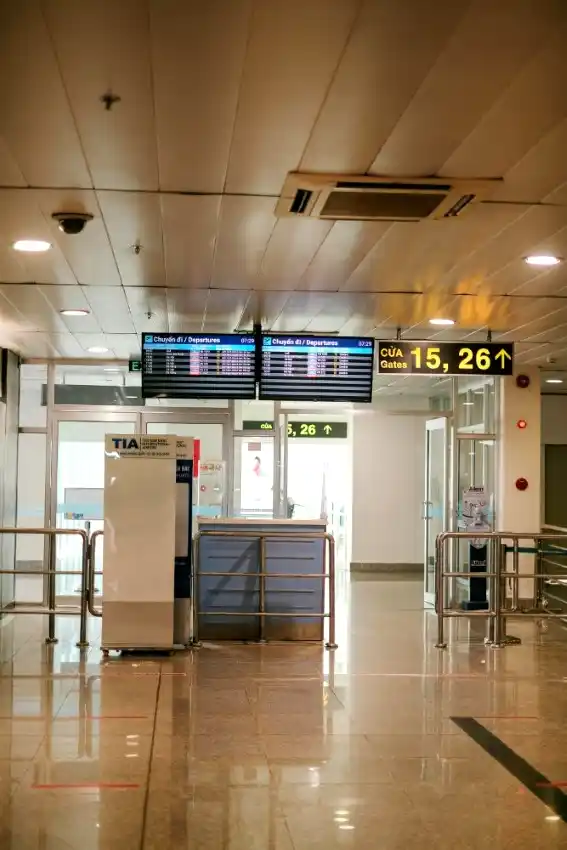
The paperwork is manageable, but the timing is everything. Start the process at least two months before your travel date to avoid any last-minute scrambles.
The microchip must be implanted before or on the same day as the rabies vaccination, not after. Get this order wrong and the vaccination may not be considered valid. The health certificate itself must be completed by a licensed vet no more than ten days before you fly, then officially endorsed by your country’s government authority (USDA APHIS in the US, DEFRA in the UK, or the equivalent). One more tip: even though Vietnam doesn’t always require a Rabies Blood Titre Test, get one done anyway, if you ever plan to return to the UK, EU, or US with your pet, you’ll need it and it takes time.
| Document | Validity Window | Government Endorsement? |
|---|---|---|
| ISO 11784/11785 Microchip | Permanent | Yes, recorded on all forms |
| Rabies Vaccination Certificate | 30 days to 1 year old at entry | Yes, signed by licensed vet |
| International Health Certificate | Max 10 days old at entry | Yes, USDA, DEFRA, or equivalent |

Skip-the-line tickets, guided walks,
and Vietnam day trips with English
guides. Read reviews from real travellers
before committing to a single one.
Flying Your Pet to Vietnam
Direct flights to Vietnam with pets on board are rare depending on your origin, so your choice of airline and transit hub matters more than most people expect. Qatar Airways, Emirates, and Singapore Airlines all have strong animal welfare reputations at their transfer hubs, Hamad International and Changi Airport are both well set up for animal transits.
You’ll fly your pet either as excess baggage (travelling in the temperature-controlled hold on your same flight) or as manifest cargo (booked separately through a registered pet shipper). Excess baggage is the simpler and usually cheaper option, with fees typically running between $200 and $500 USD, and you collect your pet straight from the luggage terminal on arrival. Manifest cargo involves cargo warehouses and specialist handling fees that can exceed $1,500 USD, but is sometimes the only option for larger animals or certain airline policies.
Pro Tip: Book your pet’s space on the flight at the same time as your own ticket, cargo and hold space for animals is limited and fills up fast, especially on popular routes during peak travel seasons.

Saily’s Vietnam eSIM keeps you online
for less than most tourist SIMs charge.
Easy install, transparent pricing, and
trusted infrastructure behind it.
Getting Around Vietnam With Your Pet
This is the part that catches most expat pet owners off guard. Vietnam’s public transport and mainstream ride-hailing apps are almost uniformly off-limits for animals, so you’ll need to think ahead for anything beyond a short stroll.
- Within Cities: Grab, Xanh SM, and Be all technically prohibit pets, but the in-app chat feature is your friend, message the driver before they arrive, explain you have a small animal in a carrier, and offer a small cleaning fee bonus. Many drivers are happy to accommodate with a bit of notice and goodwill.
- Between Cities: Vietnam Railways bans animals from passenger cabins entirely. For intercity moves, book a private pet transport service, local expat Facebook groups are the best place to find trusted recommendations.
- Domestic Flights: Vietnam Airlines occasionally allows small pets in cabin under strict weight limits, but larger animals face restricted cargo options during hot summer months due to tarmac temperature rules. Always call ahead rather than assuming.

Book Vietnam day trips, attractions,
and activities in one place. Read real
reviews, check availability, and lock in
your spot before the popular slots go.
Pet Life in Vietnam, What to Expect
Urban Vietnam has quietly become a genuinely pet-friendly place, especially in the expat-heavy neighbourhoods. Thao Dien in Ho Chi Minh City and the West Lake area in Hanoi are both full of dog-friendly cafes, grooming salons, and pet supply shops stocking international brands. Da Nang’s An Thuong area is particularly popular with pet-owning digital nomads for its beachside apartments and relaxed pace.
A few things to keep in mind on the streets: always use a short, secure leash, the motorbike traffic is fluid but fast, and a sudden bolt could be dangerous. Stick to quieter residential alleys and green spaces like Central Park in Binh Thanh District for proper walks. Keep your pet away from street water and food stall scraps, and always confirm that your rental contract explicitly permits animals before you sign anything.
One lovely cultural note: near temples and pagodas, keep dogs outside the sacred gates out of respect. It’s a small gesture that goes a long way with local neighbours.


Airalo covers Vietnam with a range of
data plans from a few days to a month.
No physical SIM swap, no roaming bill
shock when you check back in at home.
Frequently Asked Questions:
Does Vietnam require pet quarantine on arrival?
No, and this is one of Vietnam’s biggest advantages for pet relocation. As long as your microchip, rabies vaccination, and health certificate are all in order and verified by the airport quarantine officer, your pet comes straight home with you. Get the paperwork wrong, however, and that changes fast, so double-check everything before you fly.
Can I bring my dog into Vietnamese restaurants and cafes?
It depends on the venue. Tight indoor restaurants and street food stalls will almost always say no. But open-air cafes, garden restaurants, and beachfront spots, especially in Da Nang, Hoi An, and the expat neighbourhoods of Hanoi and Ho Chi Minh City, are often very welcoming to well-behaved dogs. When in doubt, just ask before you sit down.
How much does it cost to clear pet customs at the airport?
The official government vet inspection fee at the airport is minimal, usually under 500,000 VND (around $20 USD). If you hire a local customs clearing agent to handle the paperwork at Noi Bai or Tan Son Nhat on your behalf, expect to pay an additional 2,500,000 to 6,250,000 VND ($100 to $250 USD) for their service. For a first-time arrival, many expats find the agent fee well worth the peace of mind.