
Hanoi Neighbourhoods for Digital Nomads
Hanoi is one of those rare cities that genuinely works as a base. Ancient temples, lakeside sunsets, extraordinary street food at every corner, and fibre optic internet fast enough to run a video call from a converted colonial villa. Whether you are here for a few weeks or setting down proper roots, picking the right neighbourhood makes all the difference to how productive and happy your days actually feel.
Get it right and Hanoi becomes one of the best places to work remotely anywhere in Southeast Asia. Get it wrong and you are paying tourist premiums to be woken up by motorbike horns at 6am. Let’s look at the best Hanoi neighborhoods for nomads.
The Quick Summary:
- Monthly Budget: A comfortable life in Hanoi runs between 18,000,000 VND and 30,000,000 VND ($740 to $1,235 USD) per month, covering a modern apartment, daily meals, café work sessions, and a coworking membership.
- Visa: The standard 90-day e-visa covers most long-term remote workers and allows multiple entries. Apply online before you fly. Check our Vietnam e-visa guide for the current process and fees.
- Internet: Fibre optic is standard in apartments and coworking spaces. Expect speeds between 50 Mbps and 150 Mbps. Cafes are reliably fast too.
- Getting Around: Grab, Xanh SM, and Be cover the whole city. You do not need to rent a motorbike to get by here, though plenty of longer-term residents do.
- Coffee Culture: Northern Vietnam runs on strong robusta. Egg coffee, ca phe trung, is a Hanoi invention and an essential experience. Dedicated laptop-friendly cafes are everywhere.


Reserve your Hanoi hotel with no
upfront payment on most rooms. Free
cancellation up to a day before check-in
keeps your trip flexible if plans shift.
Which Hanoi Neighborhood Suits Your Work Style?
Each district in Hanoi has its own rhythm, and the one you choose shapes your daily routine more than almost any other decision. Here is a quick breakdown before we go deeper into each area. If you want a full picture of accommodation options and prices, our where to stay in Hanoi guide covers every neighbourhood in detail.
| Neighborhood | Monthly Rent Range | Best For | Vibe |
|---|---|---|---|
| Hoan Kiem | 12,000,000 to 22,000,000 VND ($495 to $905 USD) | Short stays, cultural immersion, first-timers | Intense, historic, hyper-local |
| Tay Ho (West Lake) | 15,000,000 to 35,000,000 VND ($620 to $1,440 USD) | Long stays, families, expat community | Lakeside calm, Western amenities |
| Ba Dinh | 10,000,000 to 18,000,000 VND ($410 to $740 USD) | Budget-conscious stays, quiet streets, authenticity | Residential, diplomatic, local |
| Cau Giay | 8,000,000 to 15,000,000 VND ($330 to $620 USD) | Maximum value, tech infrastructure, university crowd | Corporate, modern, local-facing |
A Closer Look at Each Area:
Here is what living and working in each neighborhood actually feels like day to day. Not the brochure version. The real one.
Hoan Kiem: History, Energy, and Endless Street Food
This is Hanoi at full volume. The Old Quarter spills out in every direction from Hoan Kiem Lake, all narrow alleys, French facades, incense smoke drifting from temple doorways, and scooters weaving through it all with alarming confidence. It is exciting to wake up here every morning, and it never quite gets old.
For remote work, you will find fast Wi-Fi in almost every cafe and a handful of excellent coworking spaces tucked into restored colonial buildings. The trade-off is noise and space: apartments are smaller and pricier relative to what you get, and deep focus requires finding your quiet corners deliberately. Best suited to short-term stays of a few weeks, or longer if you thrive on urban energy. The street food scene here is extraordinary too, which counts for a lot when you are working through lunch at your laptop.
If you want to stay here, search on Agoda first. They have the deepest inventory of serviced apartments and short-stay studios in the Old Quarter, including some genuinely lovely converted colonial properties that do not appear anywhere else.
Top Workspaces: Toong Trang Thi (heritage building, reliable power backup, proper meeting rooms) and Hanoi Hub Coworking (silent zones, ergonomic seating, free local tea and coffee).


Book Hanoi day trips, attractions,
and activities in one place. Read real
reviews, check availability, and lock in
your spot before the popular slots go.
Tay Ho (West Lake): The Expat and Family Favourite
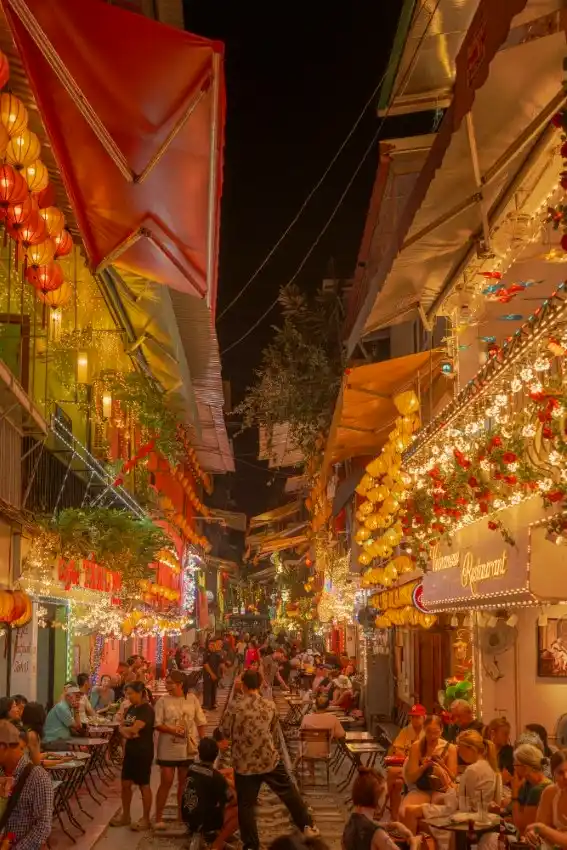
Tay Ho is where most long-term residents eventually land, and it is easy to see why. Wide lakeside paths for morning runs, international grocery stores, rooftop yoga studios, excellent brunch spots, and a genuine community of remote workers, families, and long-haul expats who have figured out the city and settled in properly.
Apartments here are significantly more spacious than anything in central Hanoi, and many come with lake views and full-size kitchens. The sub-districts of Quang An and Xuan Dieu are the social hubs, with English widely spoken and cafes built explicitly for laptop workers: big tables, power outlets at every seat, fast fibre. This is the area to choose if you are bringing a family, staying more than a month, or simply want your evenings to feel relaxed rather than relentless. Our Hanoi accommodation guide breaks down the best streets and buildings in each sub-district.
For apartment hunting in Tay Ho, Agoda is the place to start for furnished short and medium-term rentals. For longer stays of two months or more, Booking.com occasionally has better rates on monthly deals with free cancellation built in.
Top Workspaces: Click Space Coworking (quiet villa setting, community events, great coffee on-site) and The Hive West Lake (multi-story, corporate-grade, rooftop terrace with lake views).
Ba Dinh: Quiet Streets and Authentic Local Life
Ba Dinh sits between the Old Quarter and West Lake without fully belonging to either, and that is precisely its appeal. Tree-lined avenues, embassies, and grand civic monuments like the Ho Chi Minh Mausoleum and the Temple of Literature give the area a calm, purposeful feel. The Truc Bach lake area within the district is a genuine hidden gem, offering a taste of the Tay Ho lifestyle at significantly lower prices.
Rent drops noticeably here while the quality of serviced apartments stays high. Local wet markets, small pho stalls, and neighbourhood cafes fill the side streets. The district goes quiet after 10pm, which is either a blessing or a drawback depending on how you work. A brilliant choice for anyone who wants authentic Hanoian daily life without paying tourist-area premiums. If you are planning a longer stay and want to understand the full cost picture, our cost of living in Vietnam guide is worth reading before you commit to a neighbourhood.
Top Workspaces: COGO Coworking at the Lotte Center (enterprise-grade internet, panoramic views from the tower) and Up Coworking Space Kim Ma (large, affordable, 24/7 access, popular with local startups).

Cau Giay: Maximum Value and Modern Infrastructure
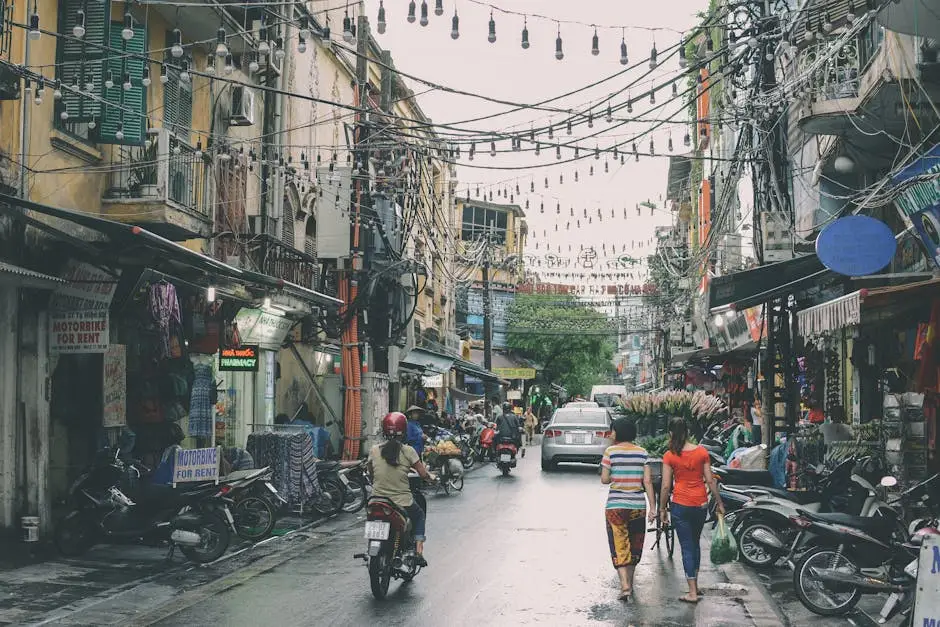
Cau Giay is the one most travel guides skip, and that is a shame. It is Hanoi‘s university and tech district, driven by Vietnamese National University, a cluster of IT companies, and a young local population that keeps the area fast-moving and affordable. You will not find colonial architecture or lakeside sunsets here, but you will find fast internet, modern apartment blocks, and rents that undercut every other district on this list.
If your priority is getting the most comfortable, well-connected base for the lowest monthly outlay, and you are happy to be slightly further from the tourist trail, Cau Giay is seriously worth considering. It is particularly popular with longer-stay remote workers who have already done the cultural immersion phase and now just want a smooth, efficient daily routine. Pair it with a good understanding of how to get around Hanoi and you will barely notice the extra distance into the centre.
Best for: Budget-maximisers, tech workers, anyone planning a stay of two months or more who wants space and speed without spending extra on location prestige.

Compare hotel prices across Hanoi’s best
neighbourhoods and book with confidence.
Filter by budget, location, or guest score
to find the right stay for your trip.
Find Your Apartment in Hanoi:
Use the map below to browse short and long-stay accommodation across all four districts, compare real-time pricing, and find the area that clicks with your budget and work style. From serviced studio apartments in the Old Quarter to spacious lakeside villas in Tay Ho, this is the fastest way to see what is actually available right now.
Café Culture, Etiquette, and Working Like a Local:
Hanoi’s café scene is world-class, and the city has embraced laptop workers with open arms. That said, a few things are worth knowing before you set up camp with your second monitor and noise-cancelling headphones.
Sidewalks in Hanoi function primarily as motorbike parking. When you arrive at a cafe or workspace, look for the bảo vệ (security guard) near the entrance who manages parking and can issue a ticket for your bike if you have one. It is standard practice and the whole system runs remarkably smoothly once you understand it.
The tiny plastic-stool street cafes are wonderful for a quick ca phe da (iced coffee) and watching the world go by, but they are social spaces rather than work spaces. Save those for your breaks. For proper focus sessions, stick to the multi-story specialty cafes or coworking spaces listed above. Tipping is not traditional in Vietnam, but rounding up the bill or leaving small change at an independent café is a friendly gesture that gets noticed.
Pro Tip: Order egg coffee, ca phe trung, at least once. It is a Hanoian original: a thick, sweet foam of whipped egg yolk and condensed milk resting on top of strong robusta. Best experienced warm, inside one of the Old Quarter’s older cafes. It sounds odd and tastes extraordinary.


Skip-the-line tickets, guided walks,
and Hanoi day trips with English
guides. Read reviews from real travellers
before committing to a single one.
Weekend Escapes: Where to Go When Hanoi Gets Loud
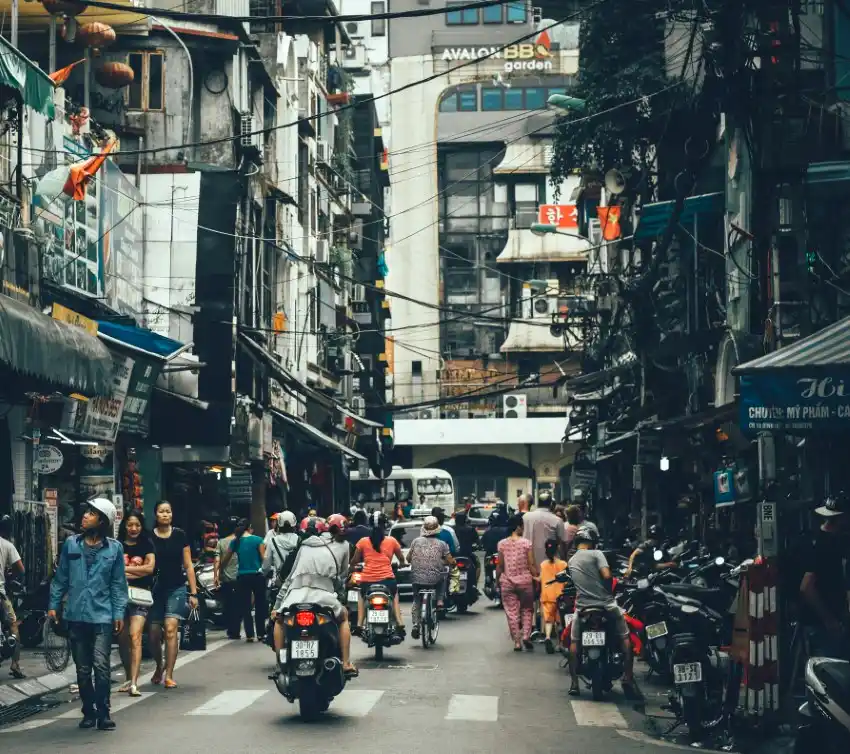
One of the best parts of basing yourself in Hanoi, something short-stay tourists never get to fully appreciate, is what the weekends look like. The city sits at the centre of one of the most varied day-trip networks in Southeast Asia, and getting out on Fridays or Saturdays is straightforward and cheap.
Ninh Binh is the one most nomads reach first. Two hours south by bus or train, it is all dramatic limestone karsts, rice paddies, and ancient pagodas, and it does not feel remotely like a tourist set-piece when you arrive outside peak hours. Book a Trang An boat tour through Get Your Guide or Klook before you go to skip the on-the-day queues.
Ha Long Bay is the obvious overnight trip, deservedly so. If you have never seen those limestone islands rising out of the green water at dawn from the deck of a junk boat, block a weekend in your calendar. Check our guide to the best Ha Long Bay tours for operator recommendations across every budget. For transport from Hanoi, 12GO makes booking buses and transfers straightforward.
Beyond that, the full Hanoi day trips guide covers Sapa, Hoa Lu, the Perfume Pagoda, and several other options that fill out a monthly calendar nicely without eating into your working week.
The Practical Nomad Toolkit:
- Ride-Hailing: Download Grab and Xanh SM before you land. Xanh SM operates an all-electric fleet of VinFast vehicles with metered pricing and consistently polite drivers. Be is a good backup when the others show surge pricing. Our Grab vs Xanh SM comparison breaks down which app wins in different situations.
- Finding an Apartment: Agoda and Booking.com work well for your first week while you get oriented. For longer stays, local Facebook groups (search “Hanoi Expats” and “Tay Ho Apartments”) are where the best deals actually live. Our guide to renting apartments in Vietnam covers everything you need to know about deposits, contracts, and what to watch out for.
- Connectivity: Install a Yesim eSIM before you fly for instant data on arrival. No queuing at the airport, no faffing with physical SIM trays. Use NordVPN on public café networks to keep your work connections secure. Our Vietnam SIM cards and internet guide covers every option including local SIM cards for maximum coverage if you plan to travel outside Hanoi.
- Travel Insurance: Sort this before you fly, not after. SafetyWing is the go-to for digital nomads: monthly rolling payments, good coverage for longer stays, and it covers medical as well as trip disruption. Worth every penny if you are staying 30 days or more.
- Cash: Keep Vietnamese Dong in smaller notes (20,000, 50,000, and 100,000 VND). Street food, local cafes, and markets are cash-only. The 20,000 and 500,000 VND notes look dangerously similar in low light, so check carefully when paying. Our Vietnam currency guide covers ATMs, card fees, and the best ways to avoid getting stung on exchange rates.
- Tours and Activities: Use Klook or Get Your Guide to book day trips, cooking classes, and cultural experiences. Both platforms have solid cancellation policies and the prices are usually cheaper than booking at the door.

Thinking About Staying Longer?

The 90-day e-visa is generous, and many remote workers treat Hanoi as a winter base before moving south as the heat builds. A popular seasonal pattern runs something like this: Hanoi from October through February, then a move to Da Nang or Hoi An for the warmer coastal months before the full summer heat kicks in. Vietnam rewards this kind of slow travel more than almost anywhere else in the region. Our Vietnam digital nomad guide covers the full picture for anyone planning this kind of base-hopping lifestyle.
For families or individuals making a more permanent move, Tay Ho has the strongest infrastructure: international schools, well-stocked expat supermarkets, private hospitals, and a community that genuinely looks out for new arrivals. Our full living in Hanoi guide covers the practical side of setting up a longer-term life here, from opening a bank account to finding a dentist. If you are relocating with pets, the logistics around customs, health certificates, and airline requirements need to be sorted well in advance, so factor in several months of planning lead time.
And if you want to stay beyond 90 days, it is worth reading up on your long-term visa options before your first visa runs out rather than scrambling at the last minute. The cost of living rewards commitment. Monthly expenses drop significantly once you move out of short-stay serviced apartments into a standard rental, and the quality of life on a modest remote income is excellent by any global measure.
A Note for Nervous First-Timers:
Hanoi is a safe city. Violent crime is rare, and most remote workers settle in within a week and wonder what they were anxious about. Our Is Vietnam Safe guide gives the honest full picture, but the short version is: use your common sense and you will be completely fine. The two things that require a small adjustment are crossing the street and navigating the food scene confidently.
For crossing streets: step off the curb at a slow, steady pace and do not stop suddenly or look at your phone. Motorbike riders are highly skilled at predicting your path and flowing around you. Hesitation is the only thing that actually causes problems.
For food: pick the stalls with the longest queues of locals. High turnover means fresh ingredients cooked at high heat right in front of you. Drink bottled water, but do not stress about the ice at established cafes, as it is commercially produced from purified water and perfectly fine. The Hanoi street food guide will point you toward the best dishes and the right streets to find them.
Pro Tips for a Stress-Free Stay:

- eSIM sorted before landing: Yesim is the simplest option for most nationalities. Download the app, buy a Vietnam data plan, activate it on the plane. You land with a working connection, which matters more than you think when you need to call a taxi from the arrivals hall at 11pm.
- Book your first few nights before you arrive: Use Agoda for the first three to five nights in whichever district you are trialling. Give yourself time to walk the streets, sit in a few cafes, and decide if the neighbourhood actually works for you before committing to a longer rental.
- Airport transfers: Noi Bai is about 45 minutes from the centre and the taxi ranks can be chaotic at peak times. Welcome Pickups gets you a fixed price, a named driver, and no haggling the moment you land.
- Protect your gear: Laptop bags and camera straps on scooters are a known theft risk in any busy Asian city. Keep bags between your legs in rickshaws and on the back of grab bikes, rather than over your shoulder.
- Know your flight rights: If you are flying into or out of Hanoi on a European or UK carrier and your flight gets delayed or cancelled, AirHelp can claim compensation on your behalf. Worth bookmarking before your trip, not after.

Saily’s Hanoi eSIM keeps you online
for less than most tourist SIMs charge.
Easy install, transparent pricing, and
trusted infrastructure behind it.
Frequently Asked Questions:
What is the internet like in Hanoi for remote work?
Excellent. Fibre optic is standard across coworking spaces and modern apartments, with speeds typically ranging from 50 Mbps to over 150 Mbps. Most cafes also offer fast, free Wi-Fi. Use a reliable VPN on public networks to keep your work connections secure, and grab a Yesim eSIM for a fast mobile backup.
How much does it cost to live in Hanoi as a digital nomad?
A comfortable lifestyle covering a modern apartment, daily restaurant meals, café working sessions, a full coworking membership, and regular ride-hailing trips runs between 18,000,000 VND and 30,000,000 VND ($740 to $1,235 USD) per month. You can live well on less in Ba Dinh or Cau Giay, or spend more for a larger Tay Ho villa with lake views.
Are laptop-friendly cafes easy to find in Hanoi?
Very. Hanoi has one of the most developed café cultures anywhere in Southeast Asia, and hundreds of venues actively cater to remote workers with large tables, power outlets at most seats, and fast Wi-Fi included. Look for the multi-story specialty coffee shops in Tay Ho and the coworking-style cafes in the French Quarter for the best working environments.
Which neighbourhood is best for families relocating to Hanoi?
Tay Ho is the clear winner for families. Wide pavements, international schools, excellent medical facilities, family-friendly restaurants, and a large expat community that makes settling in significantly easier. The area around Xuan Dieu and Quang An is particularly popular with families who want hotel-quality amenities while they find a permanent rental.
Can I find a short-term apartment rental without committing to a full month?
Yes, easily. Agoda and Booking.com have plenty of weekly and short-stay serviced apartments across all districts. For anything longer than three weeks, it is worth joining local Facebook groups like Hanoi Expats or Tay Ho Community, where landlords post directly and prices are noticeably lower than booking platform rates.
Do I need to rent a motorbike in Hanoi?
No, though many longer-stay residents eventually do. Grab, Xanh SM, and Be cover the whole city reliably and cheaply, and for most day-to-day nomad life, ride-hailing is easier and more practical than owning a bike. If you do want to rent one, our guide to renting motorbikes in Vietnam covers what to look for and the insurance situation.
What visa do digital nomads use for Hanoi?
Most remote workers use the standard 90-day e-visa, which allows multiple entries and covers the vast majority of nationalities. You apply online before you fly. If you want to stay longer than 90 days, there are business visa options worth exploring. Check the long-term visas guide for current rules, as these do change.
Is Tay Ho or the Old Quarter better for digital nomads?
It depends entirely on your work style and how long you are staying. The Old Quarter is brilliant for short stays and cultural immersion, and the energy is hard to beat. Tay Ho wins for anything over a month: more space, quieter working environments, better infrastructure, and a community of people in exactly the same situation as you. Most nomads start in the Old Quarter and migrate to Tay Ho within a few weeks.
What are the best day trips from Hanoi for digital nomads on weekends?
Ninh Binh is the easiest and most rewarding: two hours south, dramatic limestone landscapes, and genuinely peaceful outside school holidays. Ha Long Bay is the classic overnight trip and absolutely worth doing. Sapa is a longer journey but spectacular. All three are easy to book through Get Your Guide or Klook with pickup from central Hanoi included.
Is it safe to work from cafes in Hanoi?
Yes, with sensible precautions. Keep your laptop bag on your lap or between your feet rather than on the back of your chair, and use a VPN whenever you are on a public network. NordVPN is the most reliable option for this. Hanoi cafes are generally safe working environments, and the city has a very low level of petty theft compared to many Southeast Asian destinations.