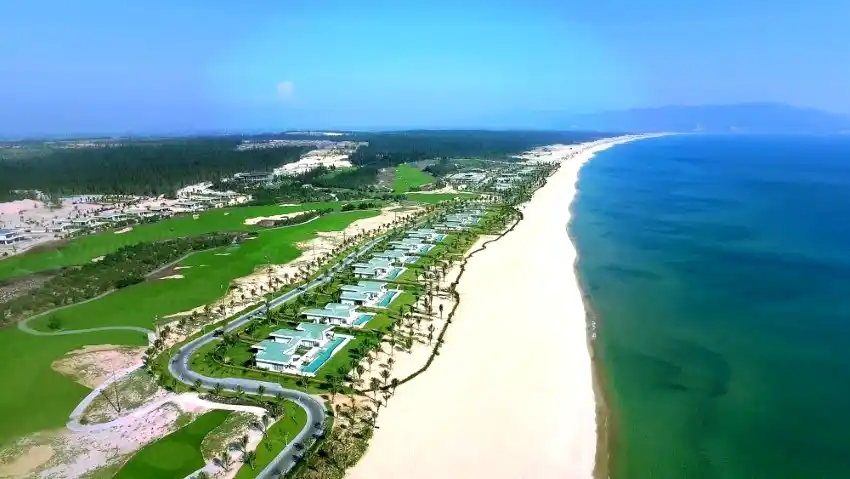
10 Days In Vietnam
Vietnam gets under your skin fast. From the early morning steam rising over a roadside bowl of pho in Hanoi to the neon lights bouncing off the Saigon River at night, this country demands your full attention from the moment you land.
Ten days is the sweet spot for feeling the dramatic shift in flavors, architecture, and energy between the three main regions. With a bit of smart planning, you can catch the distinct vibes of the North, Centre, and South without spending your precious holiday stuck in transit.
The Quick Summary:
- Visas: Grab a 90-day e-visa through the official government portal at least ten days before you fly. Some nationalities qualify for a visa exemption, so check your status first.
- Budgeting: Plan on roughly 1,200,000 VND ($50 USD) per day for a comfortable mid-range trip, or 3,600,000 VND ($150 USD) and upwards if boutique luxury and private cars are your style. See the full Vietnam Travel Costs breakdown.
- Weather Realities: The North gets surprisingly chilly from November through March, while the South stays tropical year-round. Pack a light layer or two regardless of when you travel. Our Best Time To Visit Vietnam guide breaks it down region by region.
- Getting Around: Domestic flights between Hanoi, Da Nang, and Ho Chi Minh City are your best friend here. Save your energy for exploring, not overnight buses.

What is the ideal 10-day Vietnam itinerary?
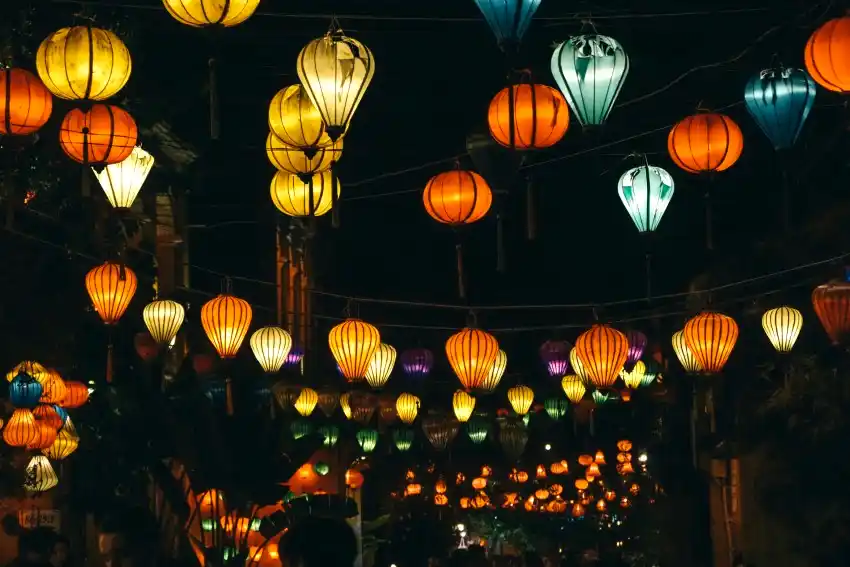
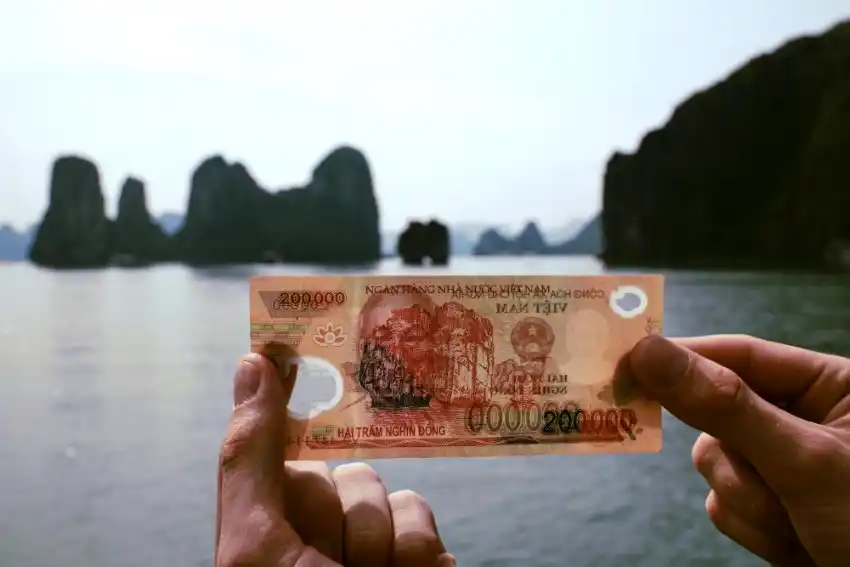
To make the most of your ten days, you want a seamless North-to-South route that takes in the layered culture of Hanoi, the jaw-dropping limestone scenery of Ha Long Bay, the lantern-lit magic of Hoi An, and the electric pulse of Ho Chi Minh City.
Trying to squeeze the whole country into ten days can start to feel like a frantic dash if you are not careful. Sticking to a streamlined classic route keeps things enjoyable rather than exhausting. Our full North To South Vietnam guide goes deeper if you want to understand how this route flows.
Flying between major hubs rather than enduring long overnight buses keeps your actual exploration time high. You will experience the highlight reel of the country while watching the cuisine, local dialects, and architecture shift dramatically as you travel from the historic, traditionally rooted North down to the ultra-modern, buzzing southern capital.
| Day | Location | The Highlights |
|---|---|---|
| Days 1 to 2 | Hanoi | Street food hunting in the Old Quarter, Temple of Literature, and a long wander around Hoan Kiem Lake. |
| Day 3 | Ha Long Bay | Overnight boutique cruise among the limestone islands, kayaking through hidden lagoons, and cave exploring. |
| Days 4 to 6 | Hoi An and Da Nang | Wandering the Ancient Town, getting clothes custom-tailored, the Marble Mountains, and lazy afternoons at An Bang Beach. |
| Days 7 to 9 | Ho Chi Minh City | War Remnants Museum, Ben Thanh Market, and a day trip into the Mekong Delta. |
| Day 10 | Departure | A final slow coffee, last-minute souvenirs, and a relaxed airport run. |

Check the latest hotel prices across Vietnams’s best
neighborhoods. From the bustling Old Quarter
and elegant French Quarter to scenic West
Lake. Compare your options and secure the
best deals before you book.
How much does Vietnam cost per day?
Vietnam suits every type of traveller, and that is not a cliché. You can get by on as little as 720,000 VND ($30 USD) a day backpacking, or spend upwards of 4,800,000 VND ($200 USD) a day at luxury resorts with private transfers. Street food costs almost nothing, so your biggest outgoings will be accommodation and transport.
Daily Budget Tiers
A brilliant bowl of pho or bun cha from a local street stall will set you back between 40,000 and 80,000 VND ($1.65 to $3.30 USD). Sit-down restaurants with a proper menu and air conditioning tend to run 200,000 to 400,000 VND ($8.25 to $16.50 USD) per person. For a complete picture of what to expect, our Vietnam Travel Costs guide has all the tiers laid out.
For accommodation, a clean, well-located boutique hotel in the Hanoi Old Quarter or near Hoi An Ancient Town typically costs 960,000 to 1,680,000 VND ($40 to $70 USD) per night, usually with breakfast included. Search on Agoda first for competitive rates in smaller towns, and cross-check with Booking.com if free cancellation matters to you. If budget travel is more your style, the Vietnam Budget Travel Guide will become your new best friend.
Pro tips for stress-free travel:

- Ride-Hailing Apps: Download Grab, Xanh SM, or Be before you land for transparent, fixed-price car and motorbike rides across every city. No meter, no negotiation, no drama.
- Hotels: Agoda is the primary pick for the best rates on boutique and independent stays, especially in smaller towns where inventory is thin. Booking.com is worth a quick cross-check for flexible cancellation options.
- Tours and Day Trips: Klook is the primary booking platform for day trips, cooking classes, and transfers across Vietnam, with instant confirmation and solid customer support. Get Your Guide is a strong alternative, particularly for smaller group experiences.
- Data and Connectivity: Pick up an eSIM before you travel through Yesim and arrive with data already active. Airalo and Saily are solid alternatives if Yesim does not have the plan you need. Use NordVPN when connecting to public Wi-Fi in hotels and cafes to keep your data private. Check our Vietnam SIM Cards and Internet guide for the full comparison.

Forget the daily data limits of standard tourist SIMs.
Get a Yesim eSIM for unlimited 5G data from ~$10.
Work, stream, and be connected the second you land.
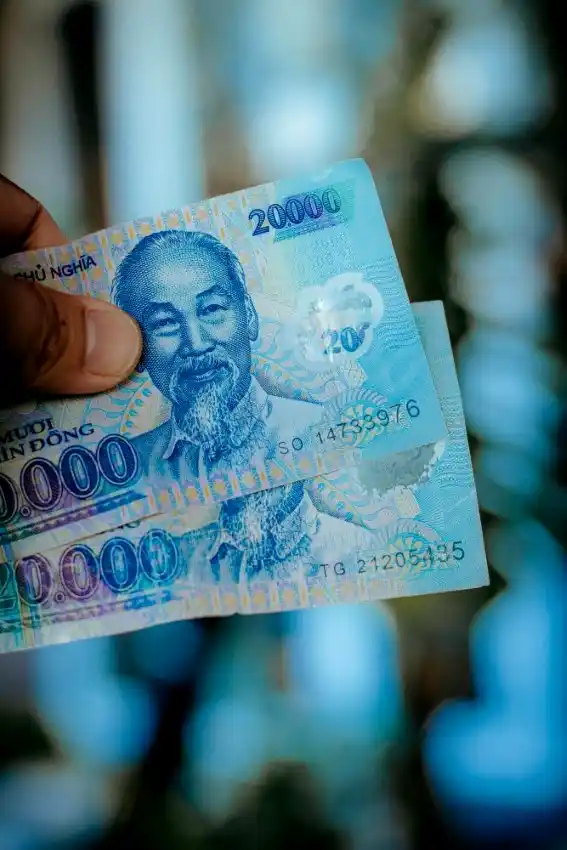
- Cash is King: Cards are fine at city hotels and bigger restaurants, but street food stalls and local markets run entirely on Vietnamese Dong (VND). Keep smaller notes on you; 20,000, 50,000, and 100,000 VND denominations are ideal. Large 500,000 VND notes can be tricky for small stalls to break. Our Vietnam Currency and Money guide covers ATMs, exchange, and everything in between.
- Airport Transfers: For a hassle-free arrival, especially with families or heavy luggage, Welcome Pickups offers pre-booked private transfers with a fixed price and a meet-and-greet driver waiting for you in arrivals.
- Travel Insurance: Do not skip this. SafetyWing is the go-to for independent travellers, with flexible rolling coverage that is easy to buy and even easier to claim on. Healthcare in Vietnam’s major cities is good, but the costs escalate fast if you need hospital treatment or emergency evacuation. Read our dedicated Travel Insurance Vietnam guide before you decide on a policy.
- Flight Disruptions: Long-haul and connecting flights do occasionally run into trouble. AirHelp can assist you in claiming compensation if your flight is delayed or cancelled, which is worth knowing before you travel rather than after it happens.
What is the best way to get around?

With only ten days, domestic flights between regions are the obvious move. They save you an enormous amount of time compared to long-distance trains or overnight sleeper buses, and fares are often surprisingly cheap when booked ahead. Our full How To Get Around Vietnam guide has everything in one place.
Internal Flights
Short hops between Hanoi (Noi Bai Airport), Da Nang, and Ho Chi Minh City (Tan Son Nhat Airport) keep travel under three hours from door to gate. Search and compare domestic flights through 12GO, which covers trains and buses too if you want to mix things up on a leg where you have time to spare.
Getting Around Each City
Once you land, ride-hailing apps give you upfront fixed pricing with zero haggling. For solo travellers wanting to dart through peak-hour traffic in Hanoi or Saigon, motorbike taxis via the apps are brilliant fun. For groups or families, a metered car via Grab or Xanh SM is comfortable and affordable. If you prefer a pre-arranged private transfer straight from the airport, Welcome Pickups is a solid option for a stress-free arrival.
How to spend your 10 days: A closer look
Starting in the historic northern capital of Hanoi, heading down to the coastal charm of Hoi An, and finishing in the southern economic powerhouse of Ho Chi Minh City lets you witness the language, food, and local customs shifting in real time as you travel.
Days 1 to 3: Northern Heritage and Karst Islands
Begin in Hanoi. Spend your first afternoon winding through the Old Quarter, where streets are still named after the trades practiced on them generations ago. Skip the tourist cafes and hunt down a hidden courtyard alleyway for an authentic egg coffee, a local obsession made with whipped egg yolk and sweetened condensed milk that you will not find anywhere else quite like this. Browse the full list of things to do in Hanoi once you have your bearings. When it comes to where to sleep, the Where To Stay In Hanoi guide will point you to the right neighbourhood for your budget.
On day three, head out to Ha Long Bay. Look for a smaller boutique cruise that ventures into Lan Ha Bay instead of the main stretch. Just as beautiful, a fraction of the crowds. You will spend the day kayaking through hidden lagoons and sleep anchored beneath towering limestone cliffs. Book your cruise in advance through Klook or Get Your Guide to lock in the best-value options before they fill up.
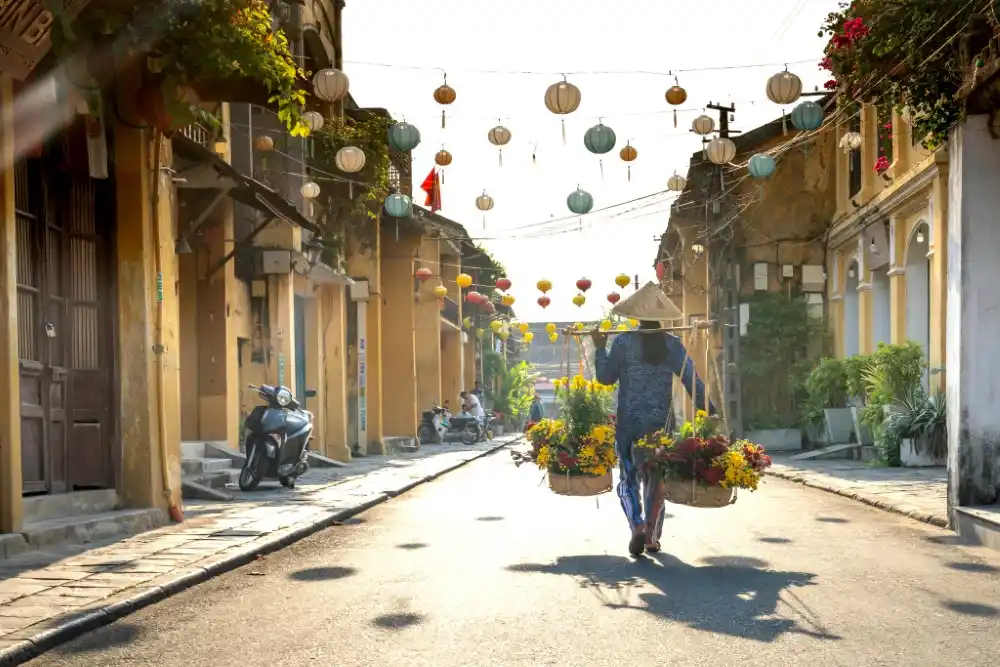

Days 4 to 6: Central Culture and Coastal Vibes
Fly from Hanoi down to Da Nang, then take a 30-minute taxi south to Hoi An. This ancient trading port is a genuine joy to explore on foot or by bicycle. Spend your days ducking into centuries-old merchant homes, crossing the iconic Japanese Covered Bridge, and browsing the tailors who can knock up a custom outfit in 24 hours. Check out things to do in Hoi An before you go so you do not miss the highlights. Sleeping here is a treat too, and the Where To Stay In Hoi An guide covers everything from lantern-lit boutiques to beachside guesthouses.
Pro Tip: Skip the standard evening boat rides on the Thu Bon River; they can get very loud and packed. Instead, wander along the quieter banks of Cam Nam Island at sunset and watch the lanterns light up the town across the water. Completely free and far more atmospheric.
If you have a spare half-day in Da Nang, the beaches in Da Nang are fantastic and the city has a completely different energy to Hoi An’s cobblestoned charm. Day trips between the two are easy and very popular. Book activities and cooking classes in both cities through Klook or Get Your Guide, both of which have strong local options with instant confirmation.
Days 7 to 10: Southern Energy and the Mekong
Fly down to Ho Chi Minh City (Saigon). The energy here is a complete contrast to the slower, more traditional pace of Hanoi. It is fast, modern, and genuinely exciting. Dedicate a morning to the War Remnants Museum and the Independence Palace to understand the country’s complex recent history, then throw yourself into the street food scene. For where to base yourself, the Where To Stay In Ho Chi Minh City guide covers District 1 and the emerging spots further afield.
On day nine, take a day trip out to the Mekong Delta. If you can, choose Ben Tre province over the standard tourist draw of My Tho. It makes for a much quieter, more authentic rowboat experience through coconut canals without the scripted tourist stops. Book through Get Your Guide for well-reviewed small-group options that include a local guide.

Forget the hassle of planning your own transport
and itineraries. Get a Klook day tour to Ha Long
Bay or Ninh Binh from ~$25. Book, check reviews,
and get instant confirmation right on the go.
Cultural customs and etiquette:
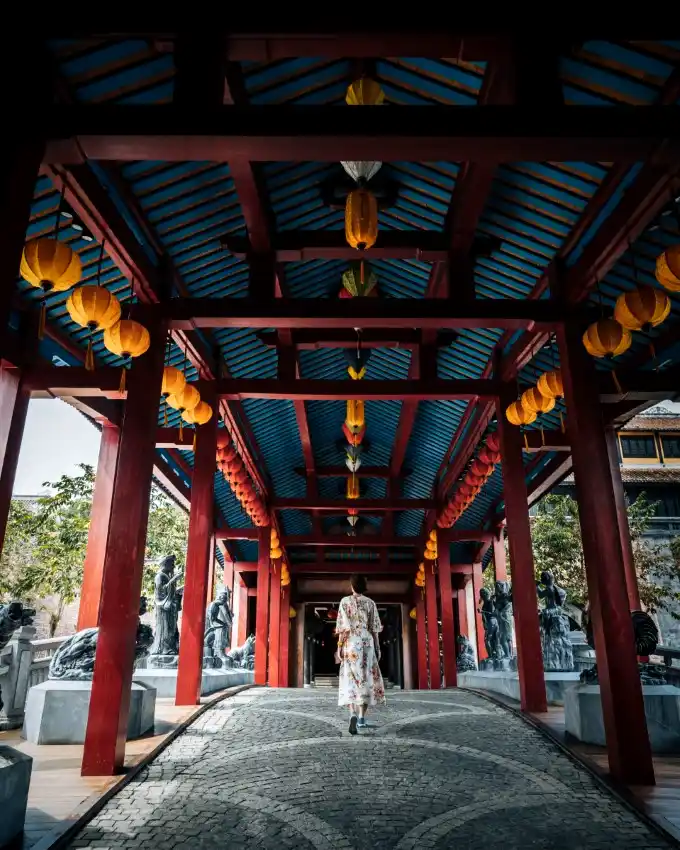
Vietnamese hospitality is built on mutual respect, modesty, and keeping things warm and harmonious. A few basics go a long way in making you feel welcome rather than just tolerated as a tourist. For the deeper version of all of this, the Vietnamese Culture and Etiquette guide is worth a read before you go.
Temple Dress Codes
When visiting temples, pagodas, or historic sites like the Imperial Citadel in Hue, keep shoulders and knees covered and remove your shoes wherever you see signs or a pile of footwear by the entrance. Keep your voice low and avoid pointing your feet towards altars, which is considered very disrespectful. Our Vietnam Temples and Pagodas guide covers everything you need to know before walking through those gates.
Haggling and Tipping
Tipping is not a traditional Vietnamese custom, but it is always appreciated by tour guides, drivers, and spa staff. At markets like Ben Thanh or Dong Xuan, friendly bargaining is very much part of the experience. Keep it light and cheerful; a smile and a polite counter-offer will always get you further than hard negotiating.
Never haggle over street food or drinks; those prices are fixed and the same for everyone. Before you go, the Vietnam Travel Tips guide covers many of the smaller cultural moments that can catch first-timers off guard.
A few words for the nervous traveller:
If this is your first trip to Southeast Asia and you are a little apprehensive, relax. Vietnam is widely regarded as one of the safest destinations in the region for solo travellers, couples, and families alike. Violent crime is genuinely rare; your main jobs are keeping an eye on your belongings and learning the art of crossing the street.
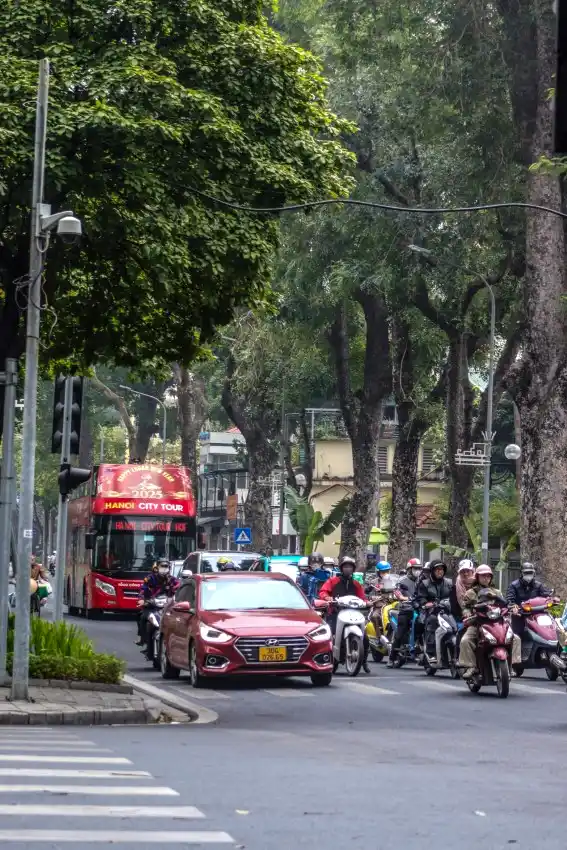
Keep your phone and wallet secure in busy areas of Ho Chi Minh City to avoid opportunistic motorbike snatchings. When crossing a road packed with scooters, step off the curb and walk at a slow, steady, predictable pace. Do not stop, run, or hesitate; the riders will read your path and steer around you smoothly. The Vietnam Safety Guide goes into more detail if you want to feel fully prepared.
Stick to bottled water throughout your trip and eat at street food stalls that are busy with locals; high turnover is your best guarantee of freshness. If you have specific dietary needs or allergies, downloading a translation app before you arrive will save you a lot of guesswork when reading menus. For first-timers especially, the First Time Visiting Vietnam guide answers almost every question before it forms.
Caught the travel bug? Options for longer stays:
A lot of travellers find that ten days only scratches the surface. Arriving for a holiday and leaving already looking into visas for a longer stay or remote work options is incredibly common. The 2 Weeks In Vietnam itinerary is the natural next step, or if you are really dreaming big, the 1 Month In Vietnam guide will make the planning feel a whole lot less daunting.
The Nomad Scene in Da Nang
Da Nang has become one of Asia’s top destinations for digital nomads, thanks to its fast broadband, cleaner air than the big cities, and the rare combination of beach and mountain life within a short ride of each other. Coworking spaces are dotted throughout the My Khe Beach area, making it easy to stay productive and build a social circle quickly. The full Vietnam Digital Nomad Guide is worth bookmarking if this path is calling you.
Visas and Settling In
The 90-day e-visa gives you plenty of breathing room to test different cities before committing to a longer arrangement. If you are thinking about settling in properly, the Long Term Visas Vietnam guide covers what your options look like beyond the tourist window. And if you are relocating with family or bringing pets, make sure to read through our Moving Pets To Vietnam guide before making any major international arrangements.
Check the latest hotel prices across Vietnams’s best
neighborhoods. From the bustling Old Quarter
and elegant French Quarter to scenic West
Lake. Compare your options and secure the
best deals before you book.
Frequently Asked Questions:
Do I need a visa for a 10-day trip?
Most nationalities will need an approved e-visa or must qualify for a visa exemption before boarding. Check your country’s status on the official immigration portal well before you travel, and apply at least ten days in advance to avoid any last-minute stress.
What is the best time of year to visit Vietnam?
March to April and September to November tend to offer the most balanced weather across the North, Centre, and South simultaneously. That said, Vietnam is visitable year-round; the weather simply varies by region depending on the season. See the full Best Time To Visit Vietnam guide for a month-by-month breakdown.
Is 10 days really enough time?
Absolutely, as long as you use domestic flights to connect the regions rather than relying on buses. Ten days gives you a proper taste of Hanoi, Ha Long Bay, Hoi An, and Ho Chi Minh City. Most people finish the trip already planning their return.
Is the street food safe to eat?
Street food is generally very safe, particularly at stalls with a high turnover and a crowd of locals eating there. Everything is cooked in front of you over high heat, which helps enormously. Avoid tap water throughout your trip, but the ice served in major cities is produced at purified factories and is fine.
How do I get between cities without wasting time?
Domestic flights are the clear winner on a 10-day schedule. Budget carriers like VietJet and Bamboo Airways run frequent services between Hanoi, Da Nang, and Ho Chi Minh City. You can compare routes and book through 12GO, which also covers trains and buses if you want a slower, more scenic option on a leg where you have extra time.
What eSIM or SIM card should I use?
An eSIM from Yesim is the most convenient option, letting you set it up before you leave home and have data the moment you land. Airalo and Saily are solid alternatives. If you prefer a physical SIM, Viettel and Vietnamobile kiosks are available at all major international airports and offer very affordable data packages. See our full Vietnam SIM Cards and Internet guide for the comparison.
Is Vietnam safe for solo female travellers?
Yes. Vietnam consistently ranks as one of the safer destinations in Southeast Asia for solo female travellers. Violent crime is rare, locals are generally friendly and helpful, and the well-trodden tourist trail between Hanoi, Hoi An, and Ho Chi Minh City is well-lit, busy, and easy to navigate. Standard common-sense precautions apply, particularly around your phone and bag in crowded areas.
What should I pack for a 10-day trip?
Pack light if you can; most clothing can be washed cheaply at guesthouses or laundry services along the route. Essentials include lightweight layers for the cooler North, comfortable walking shoes, a compact rain jacket, reef-safe sunscreen, and any prescription medication you need. A small day-pack is far more practical than a full-size backpack for city exploring. The Ultimate Vietnam Packing List has the full checklist if you want to be thorough.
Do I need travel insurance?
It is strongly recommended. Healthcare in Vietnam’s major cities is good, but costs can climb quickly if you need hospital treatment, evacuation, or flight assistance. SafetyWing is a popular choice for independent travellers thanks to its flexible rolling coverage. Make sure your policy covers adventure activities if you are planning anything like kayaking, motorbike hire, or trekking. Our Travel Insurance Vietnam guide covers what to look for in a policy.
Should I exchange money before I arrive?
You do not need to. ATMs are widely available at all major airports and city centres. Withdraw Vietnamese Dong on arrival rather than exchanging at home, where rates are typically poor. Avoid airport exchange booths if you can and head to a Vietcombank or Techcombank ATM instead for better rates and low fees. Our Vietnam Currency and Money guide covers everything from ATM fees to carrying cash safely.