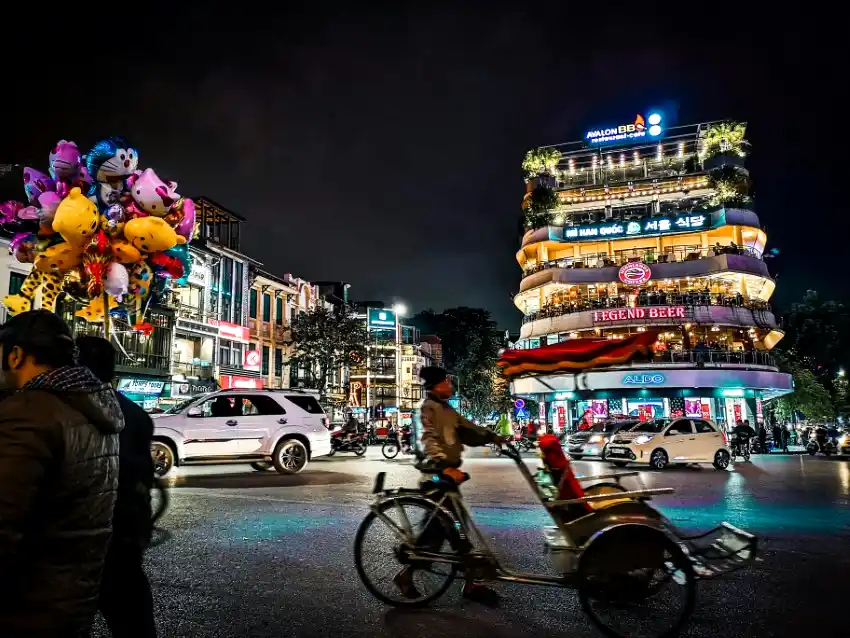
Hanoi Street Food Guide
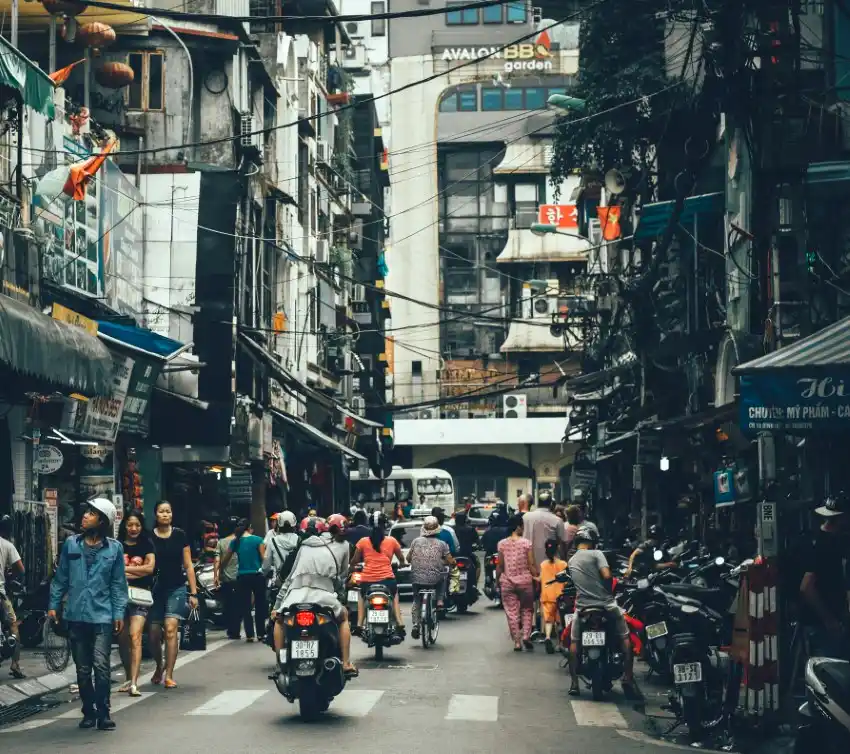
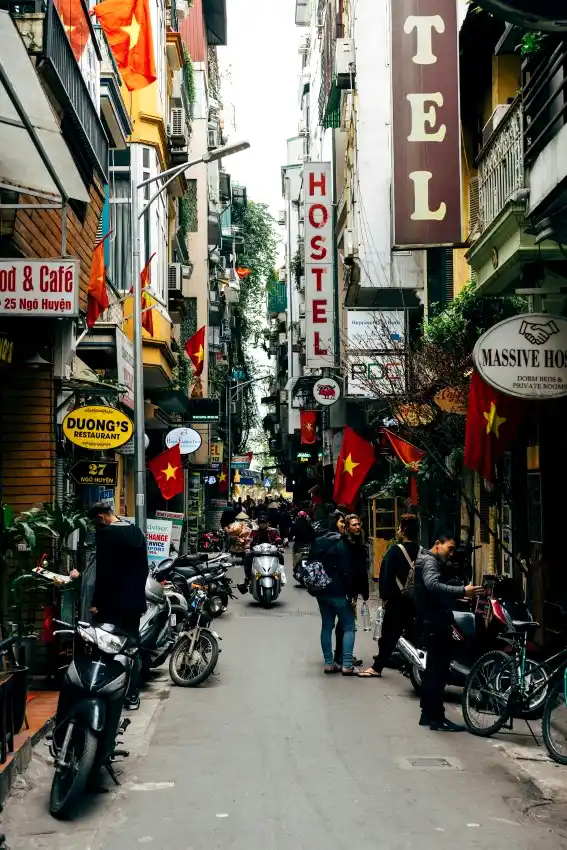
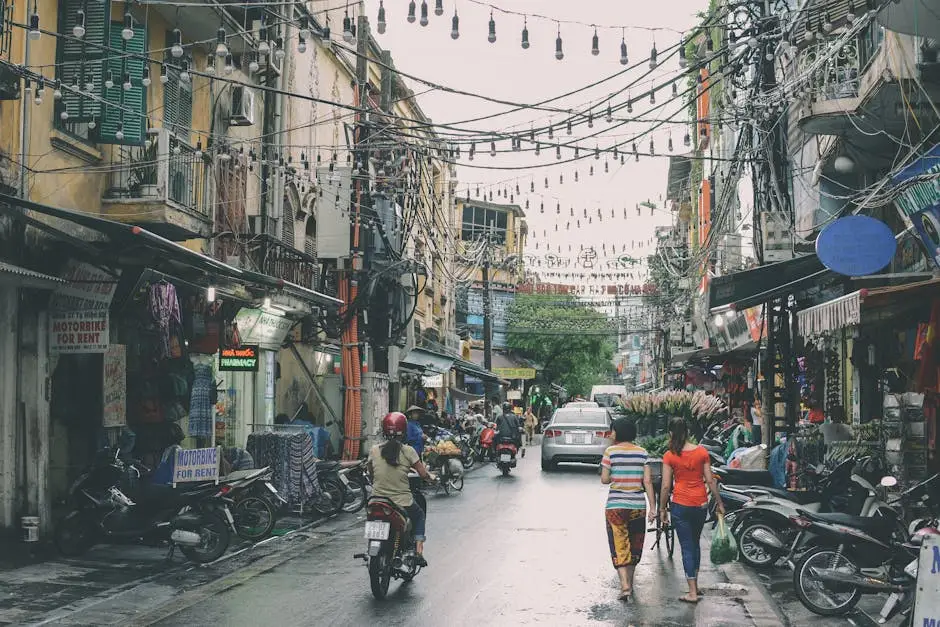
Steam curls off massive pots of bone broth on the corners of Pho Co while charred pork smoke drifts through lanes clogged with motorbikes. Hanoi is one of the great street food cities on earth, not despite the chaos, but because of it.
The best meals here cost less than a coffee back home and happen entirely on the pavement, on tiny plastic stools, elbow-to-elbow with locals who have been eating at the same stall their whole lives. This is the food that made Hanoi famous. Here’s exactly where to find it.
The Quick Summary:
- Daily Budget: Plan on 150,000–300,000 VND ($6–$12 USD) per person for three solid meals plus snacks. Splurge nights at a seafood or snail restaurant might push 200,000 VND ($8 USD) per dish, still excellent value. Check Vietnam travel costs for how this compares across the country.
- Entry Requirements: Most nationalities need a Vietnam e-visa or qualify for a visa exemption. Check your eligibility and apply well before travel, approval is usually fast but don’t leave it to the last minute.
- Northern Flavor Profile: Forget fiery chilli heat or Southern sweetness. Hanoi food is clean, subtle, and deeply savory, built on premium fish sauce, black pepper, charred aromatics, and fresh seasonal herbs.
- Meal Times: Breakfast runs 6:00–9:00 AM (don’t skip it, this is when the best pho appears). Lunch peaks 11:30 AM–1:00 PM. Dinner kicks off at 6:30 PM and the streets stay buzzing until around 10:00 PM.
- Cash Only Culture: Bring small bills, 20,000 and 50,000 VND notes. Street vendors genuinely cannot break a 500,000 VND note and the blue 20,000 and cyan 500,000 notes look very similar under dim street lighting. Double-check your zeros. Our Vietnam currency guide covers ATMs, cards, and everything in between.
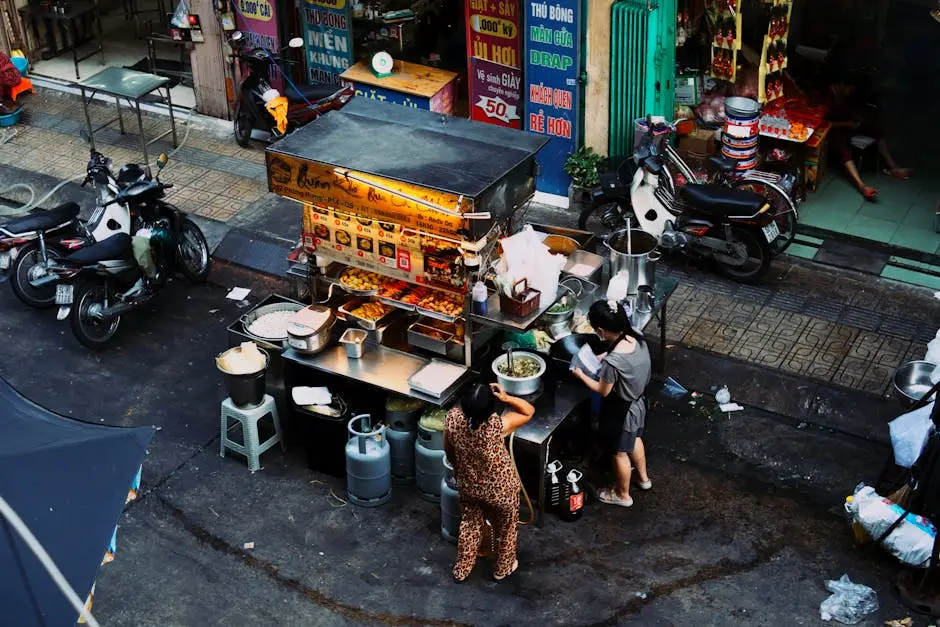
The Dishes You Absolutely Cannot Miss
Northern Vietnamese cuisine is built on restraint and precision. The dishes below aren’t tourist-friendly approximations, they’re the real deal, eaten by the same families at the same stalls, sometimes for generations. If you want deeper context on how Hanoi’s food fits into the bigger picture of eating across Vietnam, the Vietnamese street food guide is a great companion read. But for now, here’s what to order and where to find it.
| Dish | Best Location to Try It | What Makes It Special | Avg. Cost |
|---|---|---|---|
| Pho Bo | Phở Gia Truyền Bát Đàn, Bat Dan St, Hoan Kiem | 12-hour bone broth, rare beef slices, zero hoisin sauce | 55,000 VND ($2.30 USD) |
| Bun Cha | Local vendors, Hang Manh Street | Charcoal-grilled pork in warm fish sauce broth, cold vermicelli, mountain of herbs | 60,000 VND ($2.50 USD) |
| Banh Mi | Bánh Mì Bà Dần, Lo Su Street | Crispy baguette, liver pâté, pork floss, crispy shallots, Hanoi-style, not Southern | 25,000 VND ($1.00 USD) |
| Pho Cuon | Ngu Xa Street, Truc Bach | Wide pho sheets wrapped around stir-fried beef and fresh herbs, dipped in fish sauce | 70,000 VND ($2.90 USD) |
| Bun Thang | Hang Buom Street, Hoan Kiem | Delicate layered chicken noodle soup, rarely found outside the North | 50,000 VND ($2.10 USD) |
| Banh Goi | Ngo Gach Alley, Old Quarter | Deep-fried crescent pastry stuffed with glass noodles and pork mince, dangerously addictive | 15,000 VND ($0.60 USD) |
Where to Eat: The Best Neighbourhoods
Hanoi’s street food isn’t spread evenly, it clusters in a handful of neighbourhoods where multi-generational cooks have set up permanent roots. Each area has its own rhythm and specialty. The Old Quarter guide goes deep on the whole district if you want the fuller picture, but here’s how to navigate the food geography specifically.
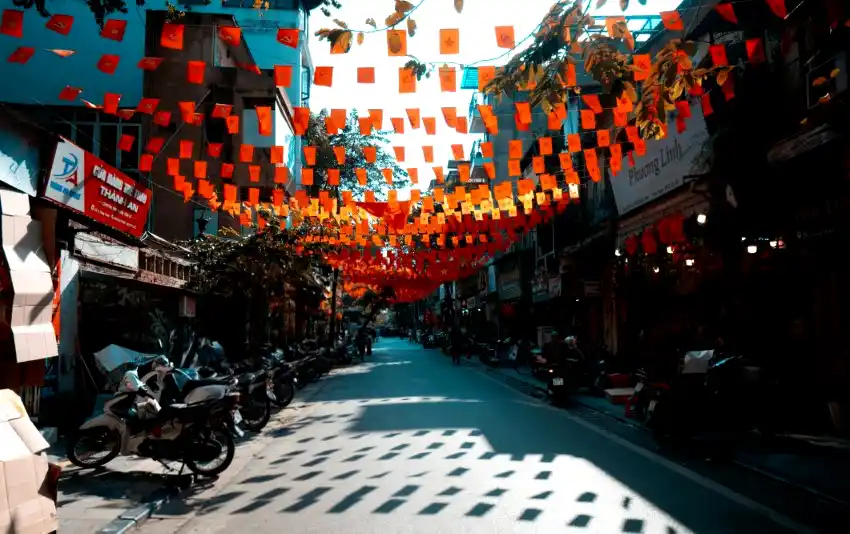
Hoan Kiem Old Quarter
This is ground zero. Every square metre of pavement here doubles as a dining room after dark. Walk Hang Dieu Street for Bun Bo Nam Bo, a stir-fried beef noodle salad that blows the mind with its contrast of textures.
Duck into the narrow alley of Ngo Gach for golden, crispy Banh Goi fried pillow pies. The sheer density of generational cooks packed into this one district makes it the best starting point for any food-focused visit, whether you’re on a backpacker budget or just curious.
The Hanoi night markets are layered right into this neighbourhood too, so once your dinner settles you can drift straight from eating into browsing without moving more than a few streets. The energy here is electric day and night. If you’re trying to figure out where to base yourself, our guide to where to stay in Hanoi breaks down the Old Quarter versus the other neighbourhoods honestly.
Truc Bach and West Lake
For a slower, more local pace away from the tourist crush, head north to the Truc Bach lakeside neighbourhood. Ngu Xa Street is the original home of Pho Cuon, wide, silky pho noodle sheets wrapped around stir-fried beef, fresh coriander, and crisp lettuce, served with a sweet-salty dipping sauce. Families, couples, and expat residents fill the waterside spots here most evenings.
It’s a beautiful spot to linger over food without the Old Quarter noise. Highly recommended for families with children or anyone wanting a more relaxed sit-down street food experience. West Lake is also the most popular base for digital nomads and long-stay visitors, the Hanoi neighbourhoods for nomads guide covers this area in detail. Book accommodation in this area through Agoda for the best selection of serviced apartments and boutique guesthouses.

Tong Duy Tan “Food Street” and Ba Dinh
Less visited by tourists, Tong Duy Tan Street is beloved by locals for Ga Tan, a warming herbal stewed chicken dish that’s almost medicinal in the best possible way.
Ba Dinh district, home to the Presidential Palace, hides some of Hanoi’s most traditional family-run stalls in its quieter residential lanes. These are the kinds of places where the owner’s grandmother’s photograph is hanging on the wall and the recipe hasn’t changed in fifty years.
Perfect territory for adventurous eaters, long-stay visitors, and expat residents who’ve already done the Old Quarter to death. On days when you’ve eaten your fill and want to shift gears entirely, the things to do in Hanoi guide has a whole section on Ba Dinh’s sights, and there are some brilliant Hanoi day trips that pair well with an early morning food crawl in this part of the city before you head out.

Check the latest hotel prices across Hanoi’s best
neighborhoods. From the bustling Old Quarter
and elegant French Quarter to scenic West
Lake. Compare your options and secure the
best deals before you book.
A Closer Look at the Star Dishes
Pho Bo, The Northern Standard
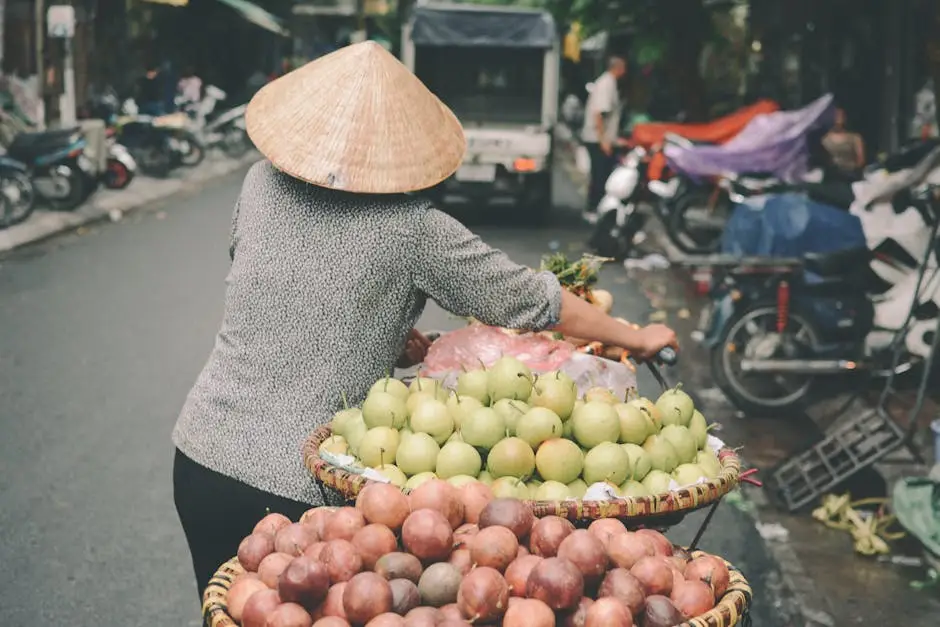
Hanoi pho is not the same animal as the southern version. The broth is lighter, clearer, and built from bones simmered for twelve hours with cinnamon, star anise, and charred ginger. Order it Tai for wafer-thin rare beef that cooks in the hot broth, or Chin for well-done brisket. Locals add lime, raw vinegared garlic, and black pepper, not the sweet hoisin sauce you’ll see at tourist-facing restaurants.
If a bowl arrives already loaded with bean sprouts and a mountain of basil, you’ve accidentally been served a Southern version. The best bowl in the city is widely agreed to be at Phở Gia Truyền Bát Đàn on Bat Dan Street, expect a short queue and no frills, just extraordinary broth. For a fascinating contrast, the Hanoi vs Ho Chi Minh City comparison covers just how differently the two cities approach pho, among pretty much everything else.
Bun Cha, Hanoi’s Lunchtime Religion
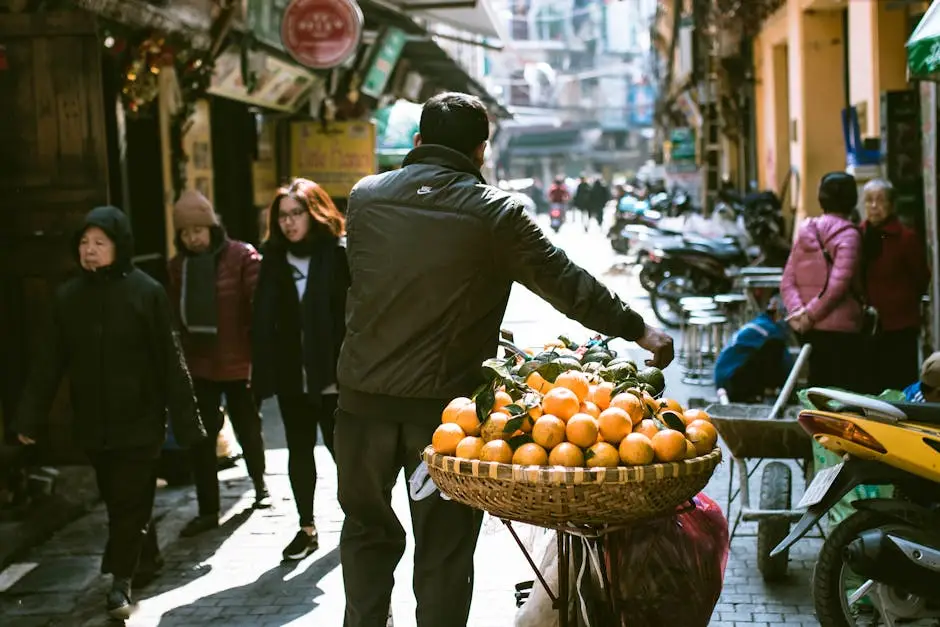
If pho owns breakfast, Bun Cha owns lunch. Grilled pork patties and fatty pork belly are charred over hot coals, then served swimming in a warm, diluted fish sauce broth spiked with green papaya and rice vinegar.
You eat it by dunking cold rice vermicelli noodles and a heap of fresh perilla and mint into the broth, picking up whatever ratio of meat, noodle, and herb feels right at the time. It’s interactive, messy, and absolutely delicious.
One word of caution: skip the heavily commercialised spots that trade on international fame. The real deal is down Hang Manh Street, where a full portion comes to around 60,000 VND ($2.50 USD). If bun cha has you properly hooked on Northern cooking, a Vietnam cooking class is genuinely one of the best ways to understand why these dishes taste the way they do, many Hanoi-based classes teach you to make it from scratch.
Banh Mi, The Hanoi Way
Hanoi banh mi is a minimalist masterpiece compared to its southern cousin. Forget heavy mayonnaise and piled cold cuts. Here, a crispy French-style baguette is split and spread with rich chicken liver pâté, then loaded with pork floss, crispy fried shallots, thinly sliced cucumber, and a hit of chilli sauce. The whole thing costs 25,000 VND ($1.00 USD) at Bánh Mì Bà Dần on Lo Su Street, a stall that has been running since World War II.
This is one of the best single bites in all of Vietnam and it costs about a pound. Bring your family, bring your whole guesthouse. Banh mi is also brilliant late at night after a long evening on the night market circuit, when everything else has packed up but the banh mi carts are still going strong. Pair a morning banh mi run with a ca phe trung (egg coffee) from a nearby café and you’ve had one of the great Hanoi breakfasts.
Ca Phe Trung, Egg Coffee, Hanoi’s Most Famous Drink
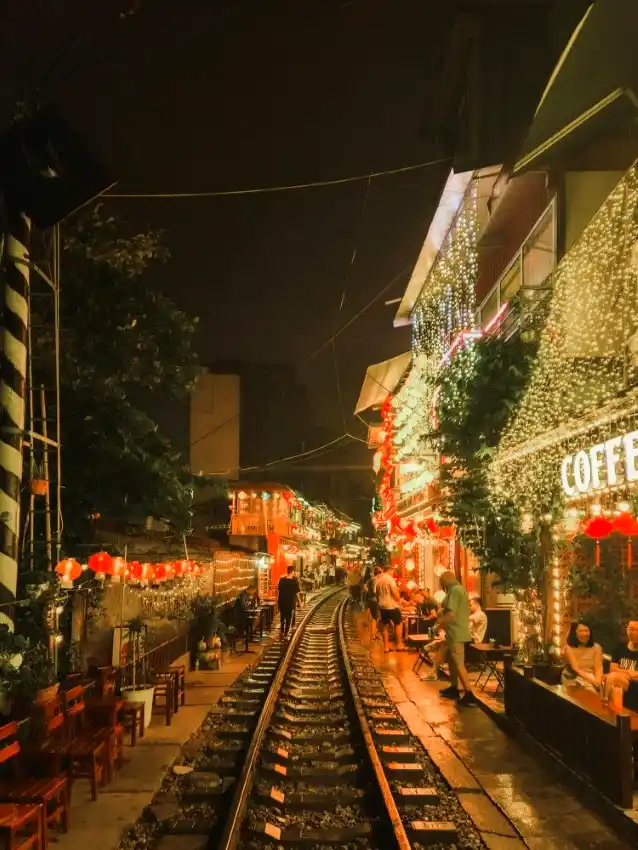
It deserves its own mention. Egg coffee, ca phe trung, was invented in Hanoi in the 1940s when fresh milk was scarce and a resourceful barista at the Sofitel Metropole whipped egg yolks with sugar and condensed milk into a thick, custard-like foam, then floated it over strong Vietnamese robusta coffee. The result is somewhere between a hot dessert and a coffee, deeply warming and completely unlike anything else. It sounds wrong. It tastes extraordinary.
Giang Café on Hang Gai Street is the original, opened by that same barista’s family and still serving the exact same recipe. Lam Café on Nguyen Huu Huan is the stylish alternative with better seats. Vietnam’s coffee culture runs deep across the whole country, the Vietnam coffee culture guide is worth reading before you arrive, because Hanoi’s café scene goes well beyond egg coffee and you’ll want to know what to order.
Eating Like a Local, Etiquette Worth Knowing
Hanoi street dining has its own set of unwritten rules. Follow them and you’ll be welcomed warmly everywhere. Ignore them and you’ll stick out unnecessarily. For the fuller picture on Vietnamese customs beyond food, the Vietnamese culture and etiquette guide is a genuinely useful read before your first day on the streets.
Pro Tip: When you arrive at a busy stall, don’t wait to be seated, find an open stool and sit down immediately. There’s no queue system, no host stand. Just sit, catch the vendor’s eye, and order. Hesitating gets you overlooked.
- No tipping expected: Tipping is not a Vietnamese street food custom. Leaving small change is a kind gesture if the service was lovely, but it’s never expected or required.
- Confirm prices first: If there’s no menu visible, ask before ordering: “Bao nhieu tien?” (How much?), it avoids any awkwardness at the end.
- Motorbike parking at the table is normal: Don’t be alarmed when bikes pull up right next to your plastic stool. This is just how Hanoi works and part of the charm.
- Temple proximity matters: If you’re eating near a pagoda or shrine, cover shoulders and knees. Most of Hoan Kiem District qualifies. The temples and pagodas guide has more on this if you’re planning to visit any of the Old Quarter’s many shrines on your food walk.
Is Street Food Safe? An Honest Answer:
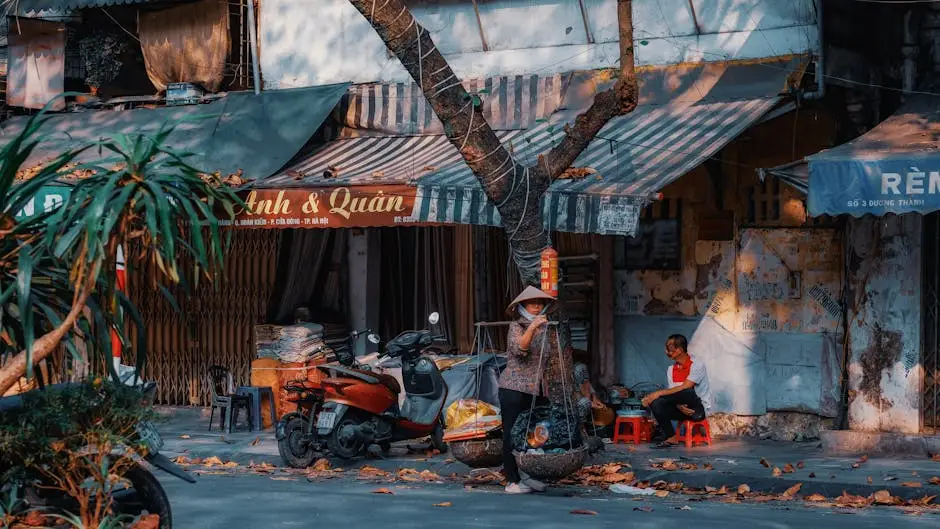
Yes, with sensible choices. The chaotic appearance of a Hanoi street stall tells you nothing about its hygiene; the queue of locals out front tells you everything. High turnover means ingredients sourced fresh from wholesale markets every single morning. Food is cooked at high temperatures right in front of you. You can see exactly what’s happening at every stage.
A few genuine rules to follow: drink bottled water only (never tap), check that ice cubes have a hollow cylindrical shape, this means they’re machine-made and commercially safe. Skip raw vegetables at any stall that looks quiet or slow. Carry a small bottle of hand sanitiser. And don’t avoid the “rustic-looking” stalls, some of Hanoi’s most celebrated bowls of pho come from operations that look like they might fall over, but have been feeding locals for forty years. Trust the crowd, not the appearance.
For the bigger picture on staying well in Vietnam, the Vietnam safety guide covers everything from stomach bugs to traffic, and the Vietnam pharmacy guide tells you exactly what to grab from a local chemist if your stomach does protest. Travel insurance is genuinely worth having, SafetyWing is solid value for short-stay visitors and covers medical costs if something does go wrong.
Where to Stay, Find Your Base in Hanoi
Where you sleep dictates how easily you can eat. Staying inside or just outside the Old Quarter puts every great stall within walking distance. West Lake is the top pick for expat families and longer-stay visitors who want more space and a calmer neighbourhood feel, but you’ll want Grab or Xanh SM on your phone for the crosstown morning pho missions.
Check Agoda first for Hanoi, their Old Quarter inventory is the deepest, especially for budget guesthouses and midrange boutique stays. Booking.com is worth a look for anything with free cancellation if your dates are flexible. For a full neighbourhood breakdown, the where to stay in Hanoi guide covers every area honestly, including what’s within walking distance of the best food streets.
Practical Toolkit, Get This Sorted Before You Go:
- Getting Around: Download Grab, Xanh SM (electric vehicles, quiet and surprisingly pleasant), or Be before you land. All three give you transparent, fixed pricing for both motorbike taxis and cars. Forget arguing with metered taxis, book from the app, watch the driver’s dot come to you. The how to get around Hanoi guide covers costs and the best app to use by neighbourhood. For a head-to-head, check our Grab vs Xanh SM comparison.
- Connectivity: Pick up a local eSIM via Yesim before departure, it’s the easiest and most reliable option, activates the moment you land, and their Vietnam plans are great value. You need data for maps and Google Translate’s camera mode, which is invaluable when menus are handwritten in Vietnamese. If you’re using public Wi-Fi at cafés or markets, run a VPN like NordVPN to keep your data secure. Full breakdown of options in the Vietnam SIM cards and internet guide.
- Booking Guided Tours: If you want a proper introduction to Hanoi’s food scene, especially useful for first-timers, families with young kids, or anyone arriving for just a night or two, book a guided evening street food walk via Get Your Guide or Klook. A good guide will take you places you’d never find alone and explain the cultural context behind every dish. Evening food walks consistently rank among the highest-rated Hanoi experiences on both platforms.
- Accommodation: Use Agoda for guesthouses, boutique hotels, and serviced apartments in Hanoi, their Vietnam-specific inventory is hard to beat, especially in the Old Quarter. Booking.com is worth checking too, particularly if you want free cancellation. Both platforms cover all budget levels, from $8/night dorms to $250/night lakeside boutiques.
- Currency Warning: The 20,000 VND note (blue) and the 500,000 VND note (cyan) look almost identical in dim streetlight. Always check the zeros before handing over cash. Getting this wrong is a rite of passage for most visitors, but it doesn’t have to be yours. Our Vietnam currency guide has a photo comparison that makes the difference obvious.

Frequently Asked Questions:
What is the most famous food in Hanoi?
Pho Bo (beef noodle soup) and Bun Cha (charcoal-grilled pork with cold vermicelli) are the twin pillars of Hanoi food culture. Both capture the clean, balanced, deeply savory profile that defines Northern Vietnamese cooking, and both are available for under 70,000 VND ($2.90 USD) at a good local stall.
How much should I budget for food in Hanoi?
A generous street food day, breakfast pho, a Bun Cha lunch, afternoon snacks, and a sit-down dinner, will run between 150,000 and 300,000 VND ($6–$12 USD) per person. Premium seafood or specialist snail restaurants (Quan Oc) can cost 100,000–200,000 VND ($4–$8 USD) per dish but remain exceptional value.
Can I drink tap water in Hanoi?
No. Never drink tap water anywhere in Hanoi. Stick to factory-sealed bottled water, or the complimentary hot green tea (Tra Da or Tra Nong) served at most traditional street stalls. Hollow, cylindrical ice cubes are machine-made and safe; irregularly shaped ice is best avoided.
Is Hanoi street food safe for children and families?
Yes, with a few common-sense choices. Stick to dishes that are fully cooked and served piping hot, grilled meats, fried snacks, noodle soups. Avoid raw vegetables and unpeeled fruit from street stalls with slow turnover. Kids tend to love Banh Mi, grilled corn, and the sweet Che dessert soups, all widely available and inexpensive.
Is Hanoi good for vegetarians or vegans?
It requires some effort but is very doable. Vietnam has a strong Buddhist vegetarian tradition, look for stalls or small restaurants marked ‘Chay’ (vegetarian), particularly around pagodas. Dishes like Pho Chay (vegetable broth pho) and various tofu-based dishes are widely available. Outside dedicated Chay spots, fish sauce appears in almost everything, so communicate clearly if you’re strictly vegan.
When is the best time to visit Hanoi for food?
Hanoi is a year-round food destination. October to April brings cooler, drier weather that makes street dining far more comfortable, and there’s something especially perfect about a steaming bowl of pho on a cool Hanoi morning. The summer months (May–September) are hot and humid but the streets are just as alive, and the tropical fruit scene peaks spectacularly.
What is egg coffee and where should I try it?
Egg coffee (ca phe trung) is Hanoi’s most famous drink, a thick, sweet, custard-like foam of whipped egg yolks and condensed milk floated over strong Vietnamese coffee. It was invented in Hanoi in the 1940s. Giang Café on Hang Gai Street is the original and still the benchmark. Lam Café on Nguyen Huu Huan is a stylish alternative. Order it hot on a cool morning and you’ll understand immediately why Hanoians are so proud of it.
Which Hanoi neighbourhood is best for street food?
The Old Quarter (Hoan Kiem) is the most concentrated area and the best starting point. For something calmer and more local, Truc Bach and the West Lake area are excellent, especially for Pho Cuon on Ngu Xa Street. Ba Dinh is the pick for adventurous eaters who want to get completely off the tourist trail and eat at the kind of family-run spots that rarely appear in any guide.
Do I need a guided food tour or can I explore on my own?
You can absolutely explore on your own, this guide gives you everything you need. That said, a guided evening food walk adds real value if it’s your first visit, if you’re travelling with children, or if you only have one or two nights. A good guide covers distance quickly, explains the cultural context behind each dish, and takes you into alleys you’d likely walk past. Get Your Guide and Klook both have well-reviewed Hanoi food walk options.
Is Hanoi street food very different from the rest of Vietnam?
Yes, significantly. Northern food is built on clean, restrained flavors, lighter broths, less sugar, very little chilli heat, and an emphasis on fresh herbs and quality fish sauce. As you head south towards Hue, Hoi An, and Ho Chi Minh City, the cooking becomes progressively sweeter, spicier, and more complex. The Vietnamese street food guide covers the regional differences in depth if you’re eating your way across the whole country.