First Time Visiting Vietnam?
Vietnam has a way of getting under your skin from the very first day. The noise, the colours, the smell of charcoal and fresh herbs drifting from a street corner at 7am, the warmth of locals who genuinely want you to enjoy their country.
Whether you are backpacking solo on a shoestring, travelling as a family, or treating yourself to something luxurious, Vietnam delivers in ways that few destinations can match. This guide cuts straight to the practical stuff, the cultural nuances, the money-saving tricks, and the honest safety picture, so you can arrive with confidence and leave already planning your return.
The Quick Summary:
- Visas: Most passport holders need an electronic visa (e-visa) applied for in advance through the official government portal. Apply at least two weeks before you fly.
- Budgets: Backpackers can travel comfortably on around 850,000 VND ($35 USD) per day. Mid-range comfort typically costs between 1,700,000 VND ($70 USD) and 3,600,000 VND ($150 USD) daily. Luxury travellers can expect to spend 4,800,000 VND ($200 USD) and above.
- Weather: North, Central and South Vietnam all follow different seasonal patterns. If you are travelling across the country, pack for more than one climate.
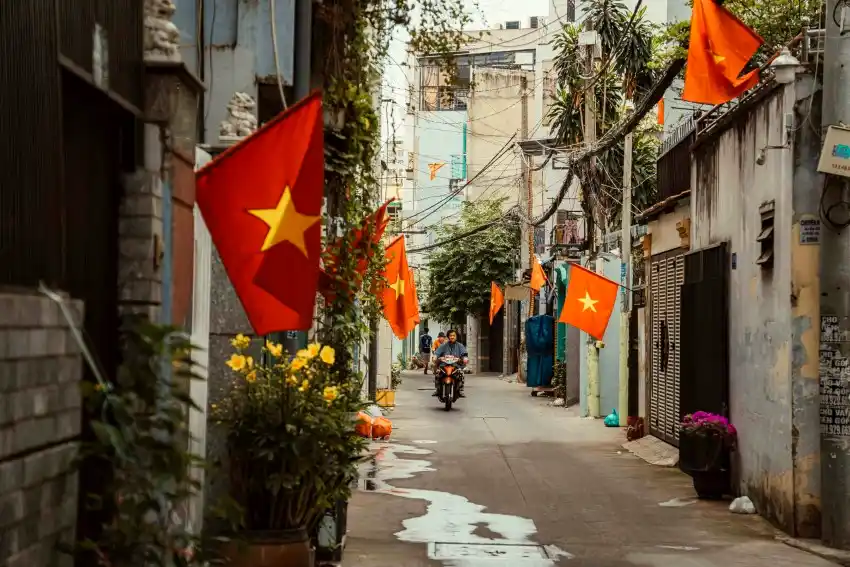
- Getting Around: Ride-hailing apps (Grab, Be, Xanh SM) are the safest and most transparent way to move around cities. Download them before you land.
- Culture: Cover knees and shoulders at temples. Smile, negotiate respectfully in markets, and tip only in upscale settings. A little respect goes an enormous way here.
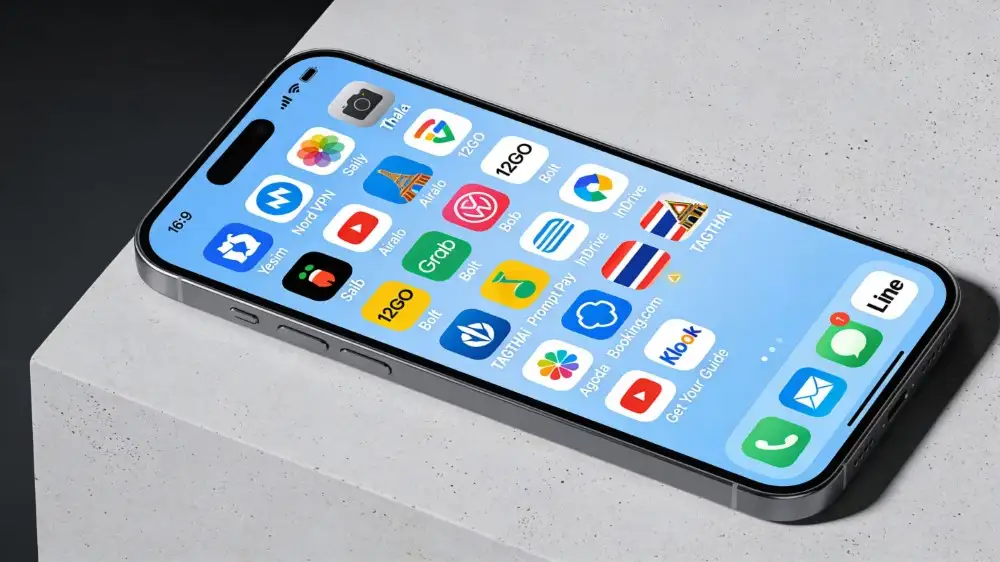
- SIM Cards: Pick up a local SIM or activate an eSIM at the airport on arrival. You will need mobile data for ride apps, maps, and translation. Providers like Yesim and Airalo let you activate an eSIM before you even board the plane.

Reserve your Vietnam hotel with no
upfront payment on most rooms. Free
cancellation up to a day before check-in
keeps your trip flexible if plans shift.
When to Visit Vietnam?
Because Vietnam stretches so far from north to south, there is no single “best time” that applies everywhere. The good news: with smart route planning, you can almost always find somewhere in excellent condition.
Northern Vietnam
Hanoi, Ha Long Bay, and Sapa experience four genuine seasons. October through April is the sweet spot: cooler, drier, and perfect for hiking and cruising. Winters can drop below 10°C (50°F) in Hanoi and near freezing in the Ha Giang highlands, so bring a layer. Avoid July and August if you dislike sudden downpours and thick humidity.
Central Vietnam
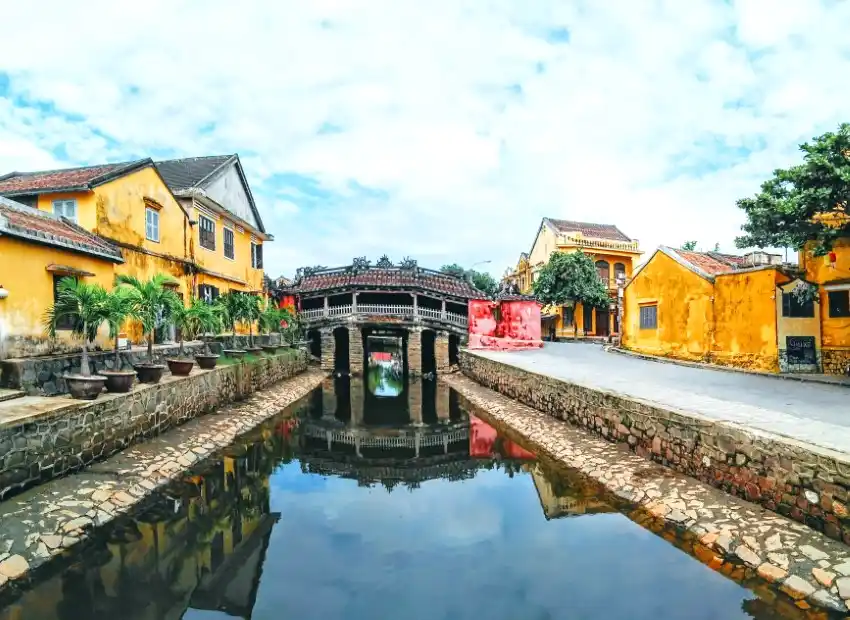
Da Nang, Hoi An, Hue, and the caves of Phong Nha are best visited between February and August, when skies are reliably sunny. October through December brings typhoon season and the famous (though romantic) annual flooding of Hoi An’s Ancient Town. Charming in photos, less charming in wet shoes.
Southern Vietnam
Ho Chi Minh City, the Mekong Delta, and Phu Quoc Island are warm year-round, sitting between 28°C and 35°C. The dry season runs from November to April and is ideal for beach trips and island hopping. The wet season (May to October) brings afternoon showers that clear quickly, rarely spoiling a full day.

GetYourGuide has Vietnam’s best
excursions covered: museums, tours,
and unique experiences with verified
operators and instant mobile vouchers.
Vietnam Visas: What You Actually Need
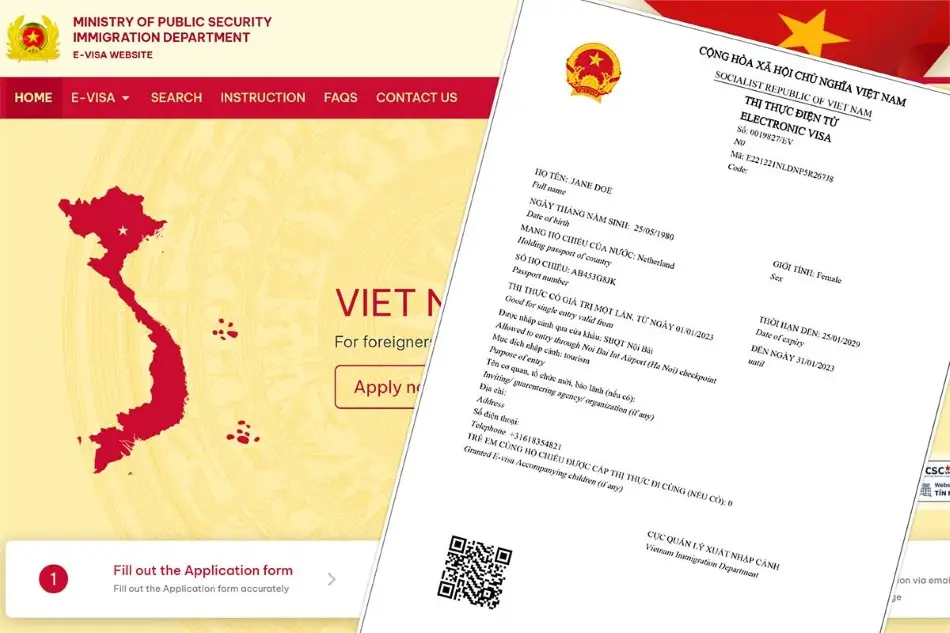
Getting into Vietnam is genuinely straightforward, provided you use the right channels. Citizens of over 80 countries can apply for an electronic visa (e-visa) online before departure.
Always use the official Vietnam Immigration Department portal. Dozens of unofficial third-party sites mimic the real thing and charge two to three times the actual fee for the same result, or worse, produce invalid documents.
Processing Time and Documents
Standard processing takes three to five working days, but apply at least two weeks out to absorb any administrative delays without stress. You will need a clear scan of your passport data page and a recent passport photo against a plain white background.
Double-check that every character of your name matches the machine-readable zone of your passport exactly. A single typo results in rejection at airline check-in, which typically means an expensive emergency visa service at the airport. It is not a fun way to start a holiday.
Visa Exemptions
A growing list of nationalities, including citizens of Germany, France, Italy, Spain, the UK, and several others, benefit from visa-free entry for stays of up to 45 days. Check the current exemption list before applying, as this has expanded significantly in recent years and your country may already qualify.
Airport Transfers: Getting Into the City
The arrival hall of any major Vietnamese airport, particularly Tan Son Nhat in Ho Chi Minh City and Noi Bai in Hanoi, can feel overwhelming. Unofficial taxi touts are aggressive, and unlicensed drivers do overcharge first-time arrivals. Your best options are clear:
- Ride-hailing apps: Grab, Be, and Xanh SM all operate airport pickups at fixed, transparent fares. Walk past the taxi rank, step outside arrivals, and request your ride directly through the app.
- Pre-booked private transfer: For families, groups, or luxury travellers who prefer a named driver waiting at arrivals with a sign, Welcome Pickups offers pre-booked airport transfers with fixed pricing and English-speaking drivers.
- Airport bus: Both Hanoi and Ho Chi Minh City have affordable public airport bus services connecting to city centres for around 40,000 VND ($1.65 USD). Slow, but reliable for budget travellers with minimal luggage.
If your flight is delayed or disrupted, AirHelp can check whether you are entitled to compensation under applicable regulations. Worth bookmarking before you fly.
How Much Does Vietnam Cost Per Day?
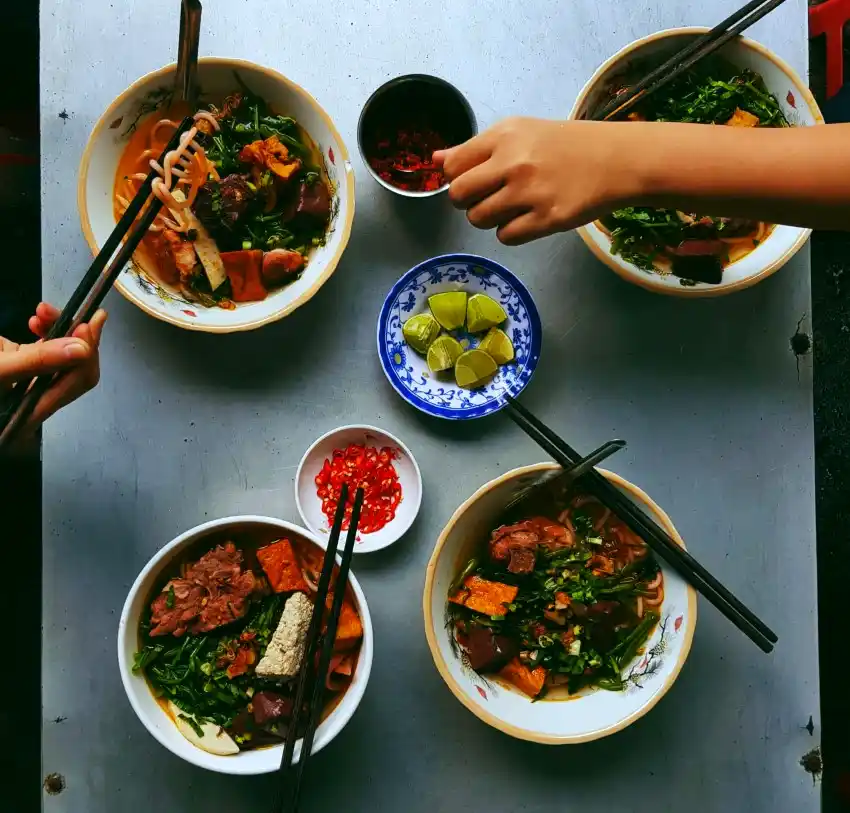
Vietnam remains one of the most wallet-friendly countries in Southeast Asia, and the gap between budget and luxury travel here is extraordinary. A backpacker eating street food and staying in hostels lives well for under 1,000,000 VND ($41 USD) a day.
A family staying in a boutique hotel with restaurant meals and guided excursions can still do it beautifully for around 3,600,000 VND ($150 USD) per person. Here are some real reference prices to anchor your planning:
- A bowl of Pho at a busy local stall in Hanoi: 40,000 to 60,000 VND ($1.65 to $2.50 USD)
- A cold Bia Hoi draught beer at a pavement stall: 15,000 to 25,000 VND ($0.60 to $1.05 USD)
- A train or sleeper bus ticket between Da Nang and Hue: 250,000 to 400,000 VND ($10.30 to $16.50 USD)
- A night in a clean mid-range private hotel room: 500,000 to 1,200,000 VND ($20.50 to $50 USD)
- A full day guided tour or boat trip: 650,000 to 2,400,000 VND ($27 to $100 USD)
Booking trains, buses, and ferries in advance through 12GO Asia saves both time and money, especially over public holidays when seats sell out weeks ahead.
| Traveller Type | Daily Budget in VND (USD) | What That Gets You |
|---|---|---|
| Budget / Backpacker | 730,000 to 1,100,000 VND ($30 to $45 USD) | Hostel dorm beds, street food three times a day, public buses, free walking tours, local Bia Hoi in the evenings |
| Mid-Range Comfort | 1,460,000 to 3,650,000 VND ($60 to $150 USD) | Private boutique hotel rooms, sit-down restaurant meals, ride-hailing apps, guided group day tours and cooking classes |
| Luxury / Premium | 4,800,000+ VND ($200+ USD) | Five-star international resorts, fine dining, private drivers, exclusive cruises, tailored private tours and spa treatments |
For accommodation across all budgets, Agoda and Booking.com consistently offer strong rates on Vietnamese hotels, guesthouses, and resorts. Agoda in particular has deep inventory across smaller towns and rural areas where international booking sites can be thin.

Stay closer to the action in Vietnam.
Agoda lists everything from local
guesthouses to riverside resorts, with
verified reviews and instant booking.
Getting Around Vietnamese Cities
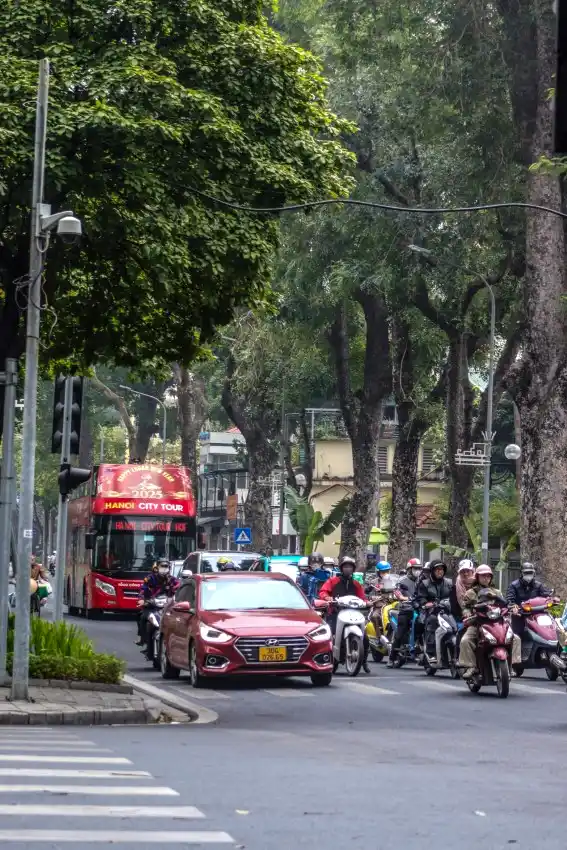
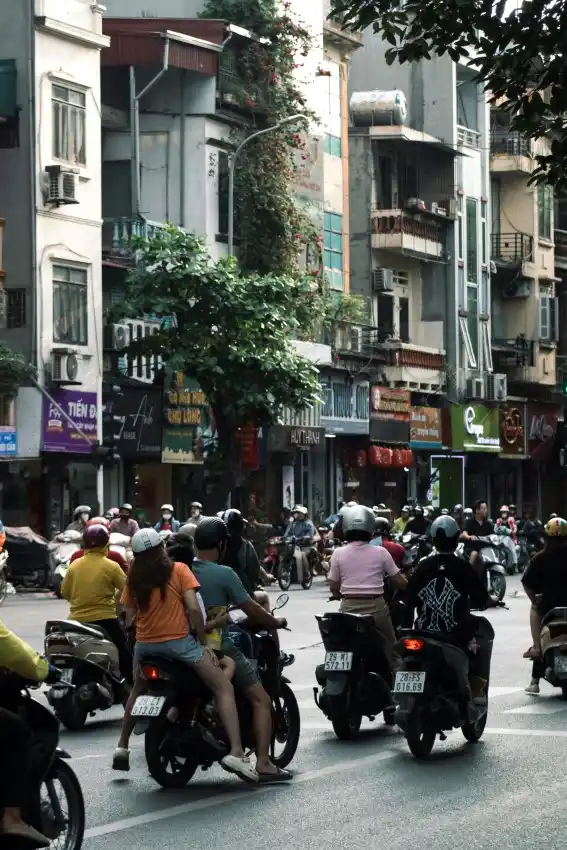
The streets of Hanoi and Ho Chi Minh City are a spectacle of controlled chaos, and once you understand the rhythm, it all makes perfect sense. Motorbikes are everywhere, pavements are often occupied by parked scooters or street vendors, and traditional taxi meters are increasingly unnecessary given the app alternatives.
Ride-Hailing Apps to Download
Download Grab, Be, and Xanh SM before you land. All three display fixed prices before you confirm the booking, accept cash or card, and allow you to share your journey in real time.
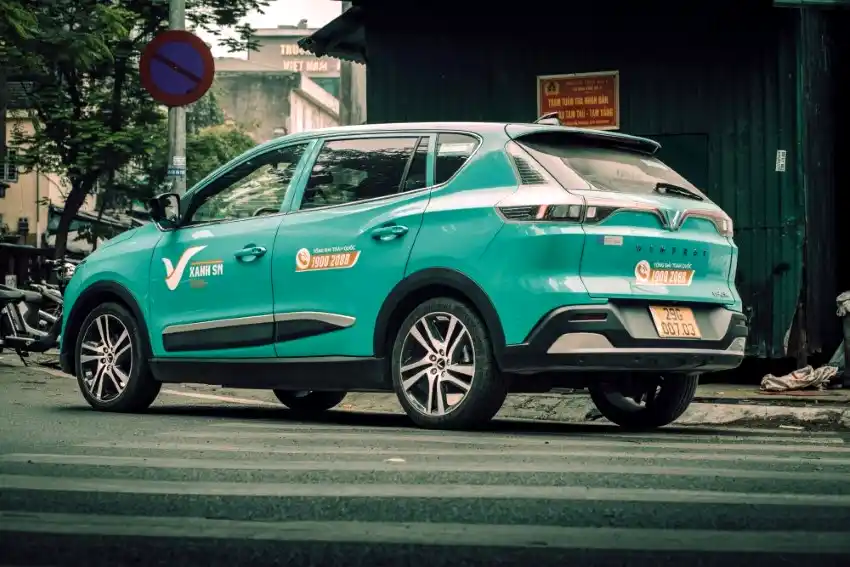
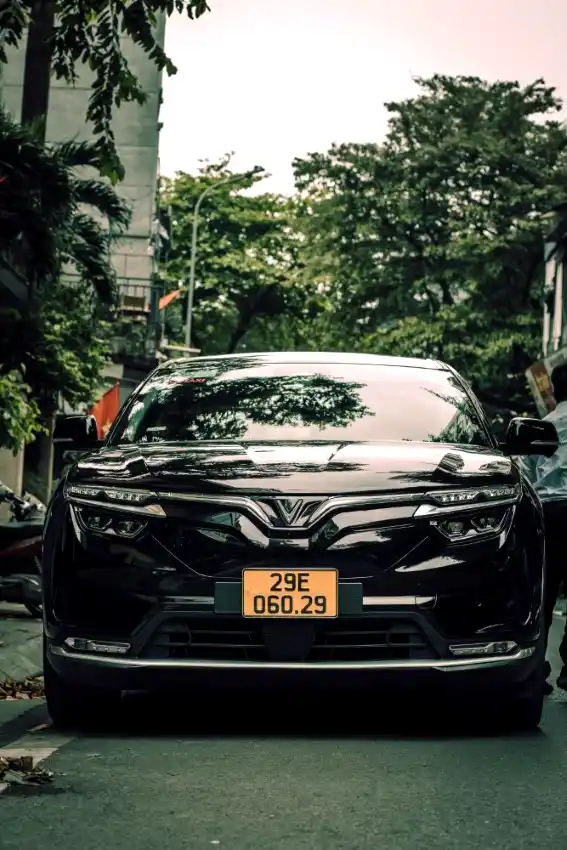
Xanh SM runs an all-electric fleet of VinFast vehicles and is an excellent choice for families or anyone who prefers a comfortable, air-conditioned saloon car over a motorbike taxi. Grab offers motorbike taxis (Grab Bike) as the fastest and cheapest option for solo travellers in heavy traffic.
Crossing the Street
This genuinely deserves its own paragraph. When crossing busy streets in Hanoi or Ho Chi Minh City, walk at a slow, steady, predictable pace. Do not run, freeze, or change direction suddenly. Motorbike riders actively watch where pedestrians are heading and steer around them. The moment you become unpredictable, the system breaks down. Locals do this instinctively. You can too, within a day.
Travelling Between Cities
Vietnam’s intercity train network is scenic, punctual, and excellent value. Overnight sleeper trains between Hanoi and Da Nang, or Da Nang and Ho Chi Minh City, are comfortable and save a night’s accommodation cost. Sleeper buses cover routes the train does not. Domestic flights are worth considering for longer legs, particularly the Hanoi to Ho Chi Minh City run. Book trains and buses through 12GO Asia for confirmed seats in advance, especially during Vietnamese national holidays when domestic travel routes fill up quickly.
Things to Do: Tours, Experiences and Adventures
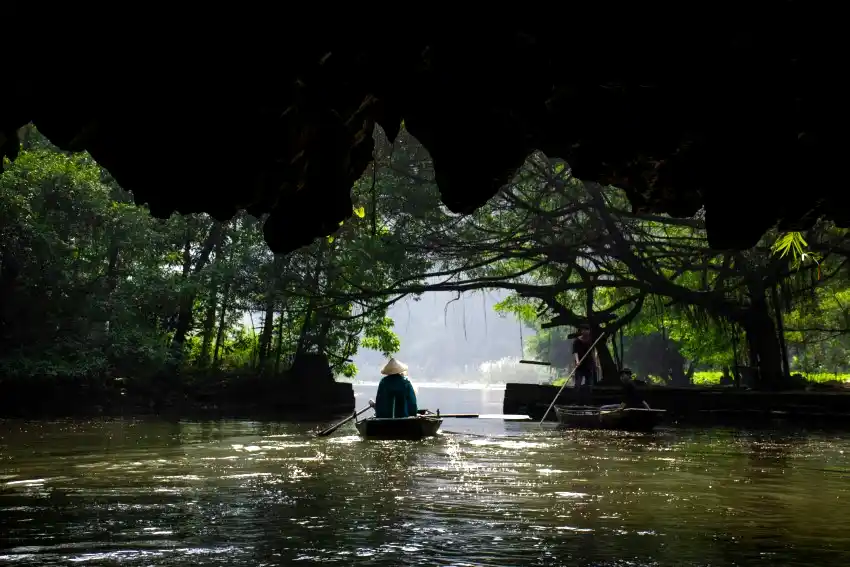
Vietnam’s experiences range from world-class cave expeditions in Phong Nha to cooking classes in Hoi An, cruise overnights on Ha Long Bay, motorbiking through rice terraces in Sapa, and street food walking tours through Hanoi’s Old Quarter. There is no shortage of genuinely life-changing things to do here, at every price point.
- Group day tours and activities: Get Your Guide and Klook both have extensive Vietnam listings, including Ha Long Bay cruises, Mekong Delta boat trips, cooking classes, and motorbike tours with local guides. Reviews are verified and cancellation policies are clear.
- Ha Long Bay cruises: Book at least two to three weeks ahead for overnight cruises, particularly during October to April peak season. A two-night option gives you far more time to explore the karst landscape than the popular one-night tours allow.
- Hoi An by bicycle: Rent a bicycle from your hotel and cycle out to the rice paddies and fishing villages surrounding the Ancient Town. One of the great free pleasures of the country.
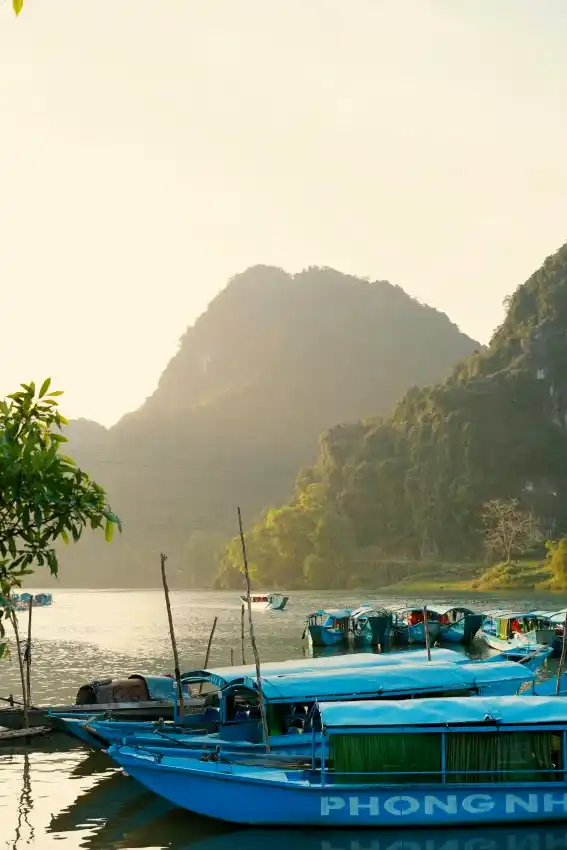
- Phong Nha caves: The Phong Nha-Ke Bang National Park contains some of the world’s largest cave systems, including Son Doong. Tours into the smaller caves can be booked locally; Son Doong requires advance booking months out.

Book Vietnam day trips, attractions,
and activities in one place. Read real
reviews, check availability, and lock in
your spot before the popular slots go.
Vietnamese Culture and Etiquette
Vietnamese culture is warm and generous, but it does carry a clear set of social expectations that are worth understanding before you arrive. Vietnamese society blends deep Confucian traditions with a fast-moving modern energy, and the people here respond genuinely well to visitors who show even a modest level of awareness and respect.
At Temples and Pagodas
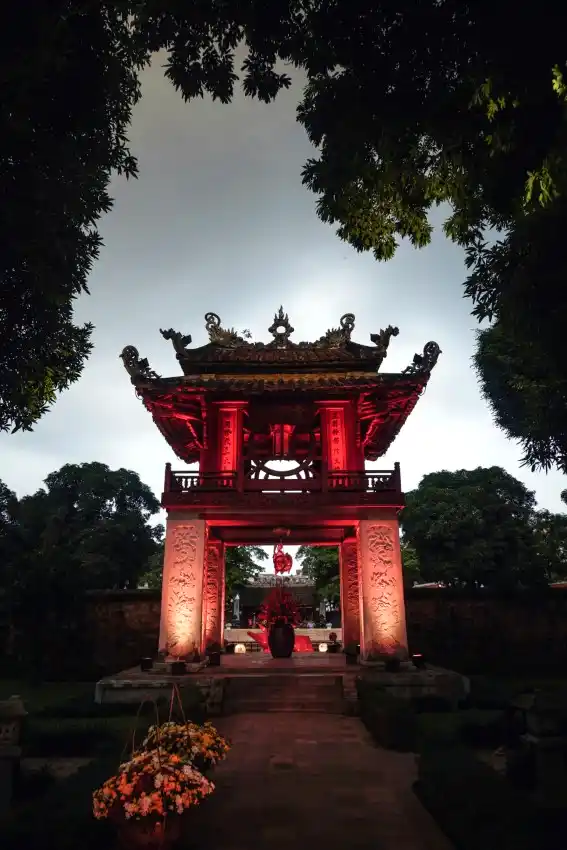
Whether you are visiting the Temple of Literature in Hanoi, the Linh Ung Pagoda in Da Nang, or any of the dozens of incredible Buddhist and Taoist shrines scattered across the country, knees and shoulders must be covered. Remove shoes at the entrance where signs indicate. Avoid pointing your feet toward any altar or religious statue, speak quietly, and resist the urge to turn everything into a photo opportunity. Some of these are active places of worship, not museums.
Bargaining in Markets
In traditional markets like Ben Thanh in Ho Chi Minh City or Dong Xuan in Hanoi, prices for souvenirs and clothing are not fixed and a polite negotiation is entirely expected. Start at around 40 to 50 percent of the first quoted price and work toward a middle ground with a smile. Keep the mood light. Walking away slowly often produces the final best price. Do not bargain aggressively for food at street stalls, where prices are genuinely already extremely low.
Tipping
Tipping is not a cultural expectation in Vietnam the way it is in some other countries. Street food vendors and local cafes do not expect it. At upscale restaurants, high-end hotels, day spas, or when using a private guide for a full-day tour, a tip of around 10 percent is a genuine and appreciated gesture for excellent service.
A Few Other Things Worth Knowing
- Remove shoes before entering a Vietnamese home if you are invited in.
- Avoid touching someone’s head, which is considered the most spiritual part of the body.
- Passing food or objects with both hands is a sign of respect, particularly with elders.
- Public displays of frustration or raised voices are considered deeply embarrassing. Patience and smiling resolve almost everything here.
Street Food: Vietnam’s Greatest Gift to Visitors
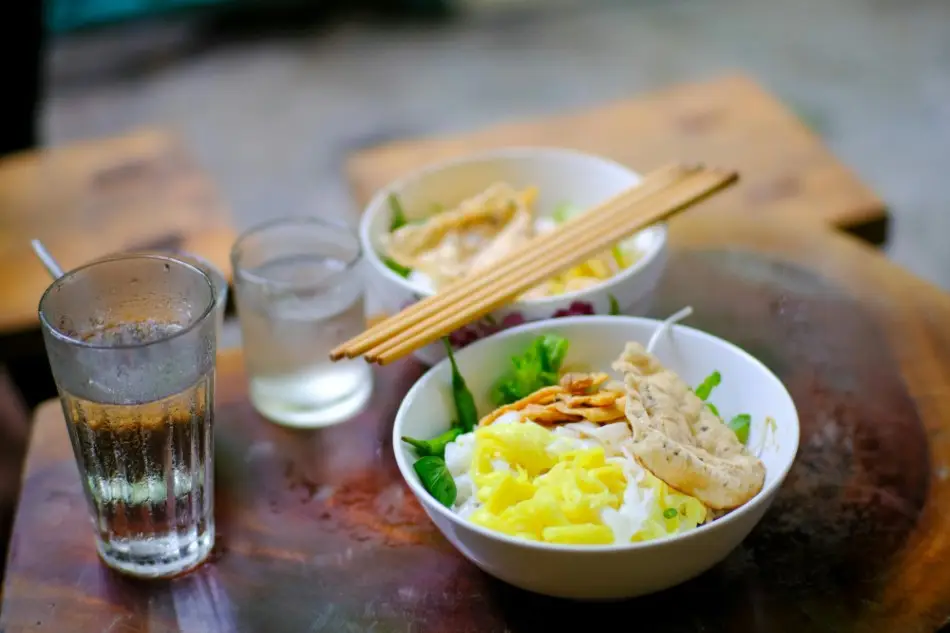
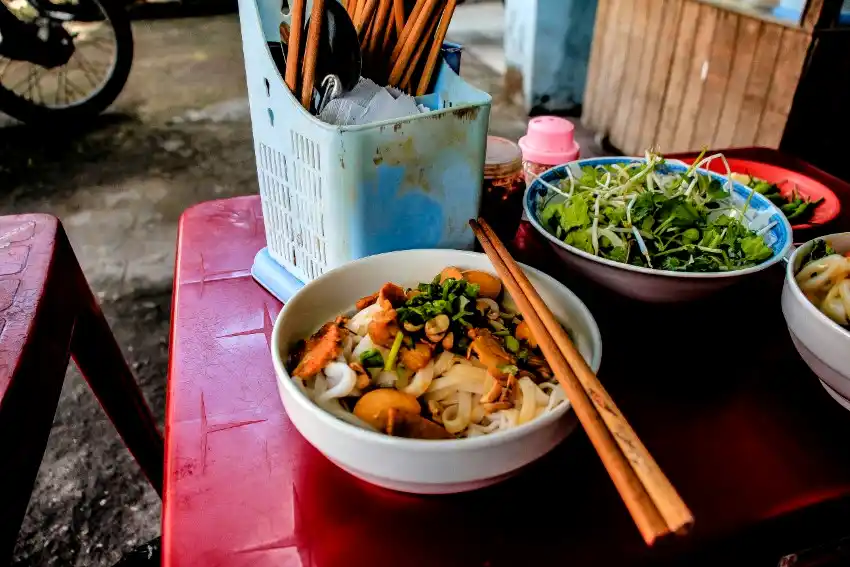
Vietnamese street food is not a budget compromise; it is the actual culinary heart of the country. The most celebrated chefs in Vietnam learned to cook at roadside stalls, not in hotel kitchens. Do not be shy about eating at plastic-stool restaurants where the menu is handwritten and the kitchen is a wok and a gas burner on the pavement. That is precisely where the best food lives.
Eating Safely on the Street
- Choose high-turnover stalls. If the pot of broth has been sitting there all morning, find one where it is being ladled out continuously to locals. Fresh ingredients mean low risk.
- Watch where locals eat. A stall with a queue of office workers on their lunch break is a good stall.
- Bottled water only. Tap water is not safe to drink anywhere in Vietnam. This includes brushing teeth if you have a sensitive stomach.
- Ice cubes. Factory-made ice, identifiable by the cylindrical hole running through the centre, is made from purified water and safe in restaurants. Crushed ice from an unknown block is best avoided.
- Carry tissues and hand sanitiser. Most local street stalls do not provide either.
A food walking tour with a local guide is one of the best ways to crack the street food scene on your first day. Both Get Your Guide and Klook list excellent evening street food tours in Hanoi, Hoi An, and Ho Chi Minh City.
Staying Connected: SIM Cards and Internet
Mobile data is essential for navigating Vietnam. Ride-hailing apps, maps, translation tools, and restaurant bookings all rely on it. Vietnam has excellent 4G coverage across cities and most tourist regions, and data is extremely cheap by international standards.
Your Options
- Local physical SIM card: Available at the airport arrival terminal from Viettel, Vinaphone, or Mobifone. Viettel has the best rural coverage for those heading to more remote areas like Ha Giang or the Central Highlands. Costs around 150,000 to 300,000 VND ($6 to $12 USD) for 30 days of generous data.
- eSIM activated before departure: If your phone supports eSIM, activating one before you board means you are connected the moment you land. Yesim, Airalo, and Saily all offer competitively priced Vietnam data plans with easy activation via their apps.
VPN Access
Vietnam does restrict access to some social media platforms and foreign news sites periodically. A VPN removes this entirely and adds an extra layer of security when using public Wi-Fi at cafes and hotels. NordVPN is fast, reliable, and works without issues on Vietnamese networks. Set it up at home before you travel.
Safety in Vietnam: The Honest Picture
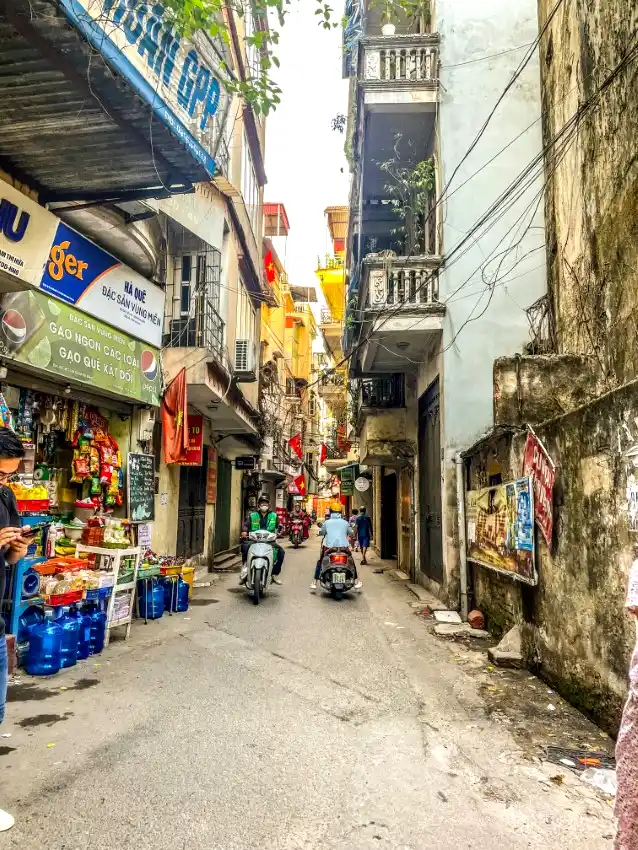
Vietnam is one of the safest destinations in Southeast Asia. Violent crime against tourists is genuinely rare, and solo female travellers consistently report feeling comfortable and welcome here. The risks that do exist are largely minor and very manageable with basic awareness.
Petty Theft and Bag Snatching
Phone snatching from moving motorbikes does happen in tourist-heavy areas like Bui Vien Walking Street in Ho Chi Minh City and the Hanoi Old Quarter. Keep your phone in your pocket rather than in your hand when standing near a road. Wear crossbody bags on the side away from traffic. Avoid putting your phone on the table at a pavement cafe facing the street.
Traffic
Traffic accidents involving tourists, particularly on rented motorbikes, are the most common cause of serious injury in Vietnam. If you are not a confident and experienced rider, opt for a ride-hailing app or hire a local xe om (motorbike taxi driver) rather than renting and riding yourself in dense city traffic.
Scams to Know About
- Cyclo overcharging: Always agree on a price before getting into a cyclo (pedicab). Ask your hotel what a fair price to a specific destination is before you head out.
- Shoe cleaning and bracelet touts: Someone who cleans your shoes without being asked, or places a bracelet on your wrist, will then aggressively demand payment. Politely but firmly decline from the start.
- Unofficial tour operators: Book tours and day trips through reputable platforms like Get Your Guide or Klook, or through your hotel, rather than from street touts outside major attractions.
Vietnam for Expats and Long-Term Visitors
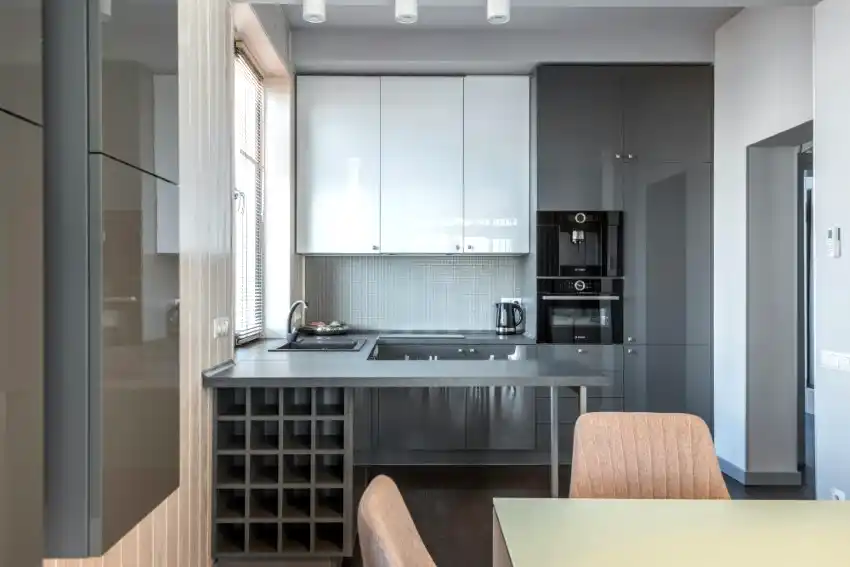
Vietnam has become a serious destination for remote workers, digital nomads, and long-stay expats, particularly in Hanoi, Da Nang, and Ho Chi Minh City. The cost of living, quality of food, warmth of the local community, and improving infrastructure make it genuinely compelling as a base for weeks or months at a time.
- Longer-stay accommodation: Monthly rates on serviced apartments and guesthouses are dramatically lower than nightly hotel rates. Agoda and Booking.com list many properties with monthly pricing. For whole-apartment stays, local Facebook groups and property sites like Batdongsan are widely used by the expat community.
- Visa options for longer stays: The standard e-visa allows stays of up to 90 days. Those planning to stay longer should look into business visas, sponsored visas, or the newer long-stay options. This is worth researching carefully through official channels or a reputable local visa agent.
- Internet quality: Vietnam has fast and reliable fibre broadband in cities. Cafe Wi-Fi is generally good, making it a workable environment for remote professionals. A local SIM or eSIM as a backup data connection is strongly recommended.

Skip the airport kiosk queue in Vietnam.
Airalo’s eSIMs are pre-loaded before
you fly and ready to switch on the
instant you connect to the network.
Frequently Asked Questions
Can I drink the tap water in Vietnam?
No. Tap water is not safe to drink anywhere in Vietnam, including for brushing teeth if you have a sensitive stomach. Use bottled water throughout your trip. Ice served in urban restaurants and cafes is almost always commercially manufactured from purified water and safe to consume, identifiable by a cylindrical hole running through the centre of each cube.
Do I need a local SIM card?
Yes, a local SIM or eSIM is essential. You will need mobile data for ride-hailing apps, maps, and translation. Physical SIM cards from Viettel or Vinaphone are available at airport arrival terminals. If your phone supports eSIM, providers like Yesim, Airalo, and Saily allow you to activate one before you board your flight, so you are connected from the moment you land.
What is the currency and how do I pay?
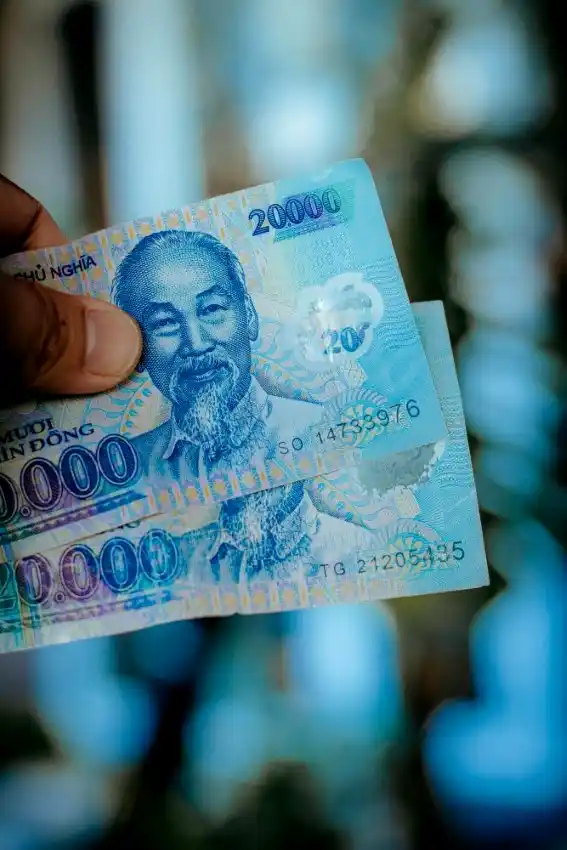
The official currency is the Vietnamese Dong (VND). Cash is king for street food stalls, local markets, and smaller cafes. Credit cards are accepted at hotels, upscale restaurants, and modern convenience stores. ATMs are widely available in cities and tourist areas. Always notify your bank before travelling to prevent your card being flagged as suspicious and frozen mid-trip.
Is Vietnam safe for solo travellers?
Yes. Vietnam consistently ranks as one of the safest countries in Southeast Asia for solo travellers, including solo female travellers. Violent crime against tourists is rare. The main risks are petty theft in crowded areas and traffic accidents. Basic precautions, keeping your phone out of sight near roads, using ride-hailing apps rather than unlicensed taxis, and booking tours through reputable platforms, cover most situations.
What is the best way to get between cities?
Vietnam’s train network is excellent, scenic, and reasonably priced. Overnight sleeper trains between major cities are comfortable and save accommodation costs. Sleeper buses cover routes not served by rail. For longer distances, domestic flights are cheap and frequent. Book trains, buses, and ferries in advance through 12GO Asia, particularly over Vietnamese public holidays when tickets sell out well ahead.
Do I need travel insurance for Vietnam?
Absolutely yes. Medical costs at private international hospitals used by most tourists in Vietnam are high by local standards, and medical evacuation costs if required can be significant. A comprehensive travel insurance policy covering medical treatment and emergency evacuation is strongly recommended. Check that your policy covers any adventure activities you plan to do, such as motorbike riding or cave trekking.
Can I use a VPN in Vietnam?
Yes, VPNs are widely used by both expats and tourists in Vietnam. Some social media platforms and international news sites are periodically restricted. A reliable VPN like NordVPN removes these restrictions and adds security when using public Wi-Fi at hotels and cafes. Install and test it before you leave home, as some VPN sites are themselves blocked from within Vietnam.
What should I pack for Vietnam?
Light, breathable clothing is essential for the south and centre year-round. The north requires a warmer layer from November through February. Pack at least one modest outfit with covered shoulders and knees for temple visits. Good walking shoes and a compact rain jacket are practical essentials. A small day pack, a reusable water bottle, hand sanitiser, and a basic first aid kit complete the picture.
Is Vietnam good for families with children?
Vietnam is an outstanding destination for families. Vietnamese people are genuinely warm toward children, service is patient and accommodating, and the combination of beaches, history, nature, and extraordinary food gives families of all ages something memorable at every stop. Phu Quoc, Hoi An, and Da Nang are particularly well suited to families. Mid-range and luxury resorts along the coast offer international-standard facilities at a fraction of comparable prices elsewhere.
How much cash should I carry at any one time?
In cities, carry enough for a day or two of spending, typically 500,000 to 1,500,000 VND ($20 to $62 USD) depending on your budget level, and use ATMs to top up as needed. In rural areas or when heading to national parks or smaller towns, carry more as ATM access can be limited. Keep a small emergency reserve of USD in cash separately from your main wallet, as US dollars are widely accepted as a fallback at hotels and tourist services.