Best Beaches in Phu Quoc
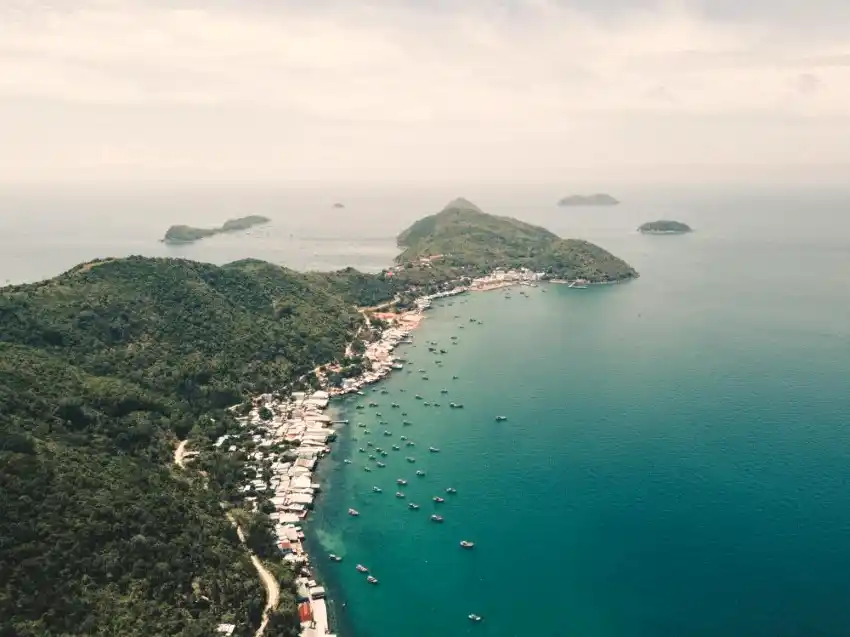
Phu Quoc floats in the warm, turquoise waters of the Gulf of Thailand, earning its nickname Dao Ngoc (Pearl Island) many times over. With over 150 kilometres of coastline split between buzzing resort strips and hidden fishing bays, choosing the right beach shapes your entire trip. Whether you’re after powdery white sand, golden sunset views, luxury seclusion, or an authentic slice of island life, Phu Quoc delivers on all fronts.
The Quick Summary:
- Visa Perk: Phu Quoc offers a unique 30-day visa exemption for all nationalities entering by direct flight or via international transit, bypassing standard mainland visa rules entirely.
- Best Time to Visit: The dry season runs from November to April, bringing calm, clear waters ideal for swimming and snorkelling. May to October brings rougher surf and the occasional downpour, but far fewer crowds.
- Regional Variance: The western coast delivers long sandy stretches and spectacular sunsets. The eastern coast is where you will find the island’s whitest sand, the quietest bays, and traditional fishing villages.
- Getting Around: Renting a scooter or using ride-hailing apps like Grab or Xanh SM is the most reliable and affordable way to reach remote beaches, with prices starting from around 150,000 VND ($5.90 USD) per day for a scooter.

From caves and cruises to cooking
classes, Klook covers Phu Quoc’s best
experiences. Hotel pickup is often
included and prices are usually lower.
Which Phu Quoc Beach is Best for Your Travel Style?
The best beach on the island depends entirely on what you are after. Bai Sao leads for pure white-sand beauty, Bai Truong dominates the sunset social scene, Bai Khem delivers secluded luxury, and the northern coves around Ganh Dau give you something far more raw and local. Here is a quick breakdown to help you choose.
| Beach Name | Primary Characteristic | Best For |
|---|---|---|
| Bai Sao (Starfish Beach) | Powdery white silica sand, shallow turquoise water | Day trips, swimming, photography |
| Bai Truong (Long Beach) | 20 km golden sand strip with lively development | Sunsets, beach clubs, central base |
| Bai Khem (Cream Beach) | Exclusive crescent bay with fine white sand | Luxury resort stays, high-end dining |
| Ganh Dau Beach | Quiet northern cove lined with old-growth trees | Local culture, fresh seafood, Cambodia views |
| Bai Ong Lang | Rocky outcrops interspersed with sandy coves | Peace, boutique eco-stays, clean water |
Pro Tips for a Stress-Free Visit:

- Ride-Hailing Apps: Download Grab or Xanh SM before you land. Both give you upfront transparent pricing for cars and motorbikes, so you never have to argue with an unmetered taxi driver at the airport.
- Cash is King: Local beach shacks, market vendors, parking attendants, and independent boat operators work exclusively in Vietnamese Dong (VND). Keep plenty of 20,000, 50,000, and 100,000 VND notes on you. Major resorts and beach clubs accept cards, but everything local does not.
- Connectivity: Grab a local eSIM via Yesim or pick up a physical SIM at the airport for instant data. Use a VPN like NordVPN when connecting to public Wi-Fi at beach clubs and cafes to keep your personal data secure.
- Booking Activities: Platforms like Klook and Get Your Guide are excellent for booking snorkelling day trips, boat tours to the southern archipelago, and sunset cruises with upfront pricing and English-speaking guides.
- Slow Travel and Remote Work: Phu Quoc has genuinely good fibre-optic internet in the mid-island areas, plus co-working spaces for digital nomads and long-stay expats. If you are planning to stay a while, using official channels for e-visa extensions keeps you legal without border runs.

Need budget data in Phu Quoc? Saily’s
eSIM plans start cheap and install in
a couple of minutes. Built by the team
behind NordVPN, so security is solid.
The Top Beaches in Phu Quoc:
Each beach on this island has its own personality. Some are made for families with young kids, others for couples wanting a private slice of paradise, and a few are best explored by adventurous backpackers willing to push down a dirt track on a scooter. Here is what you can genuinely expect at each one.
Bai Sao: The White Sand Icon
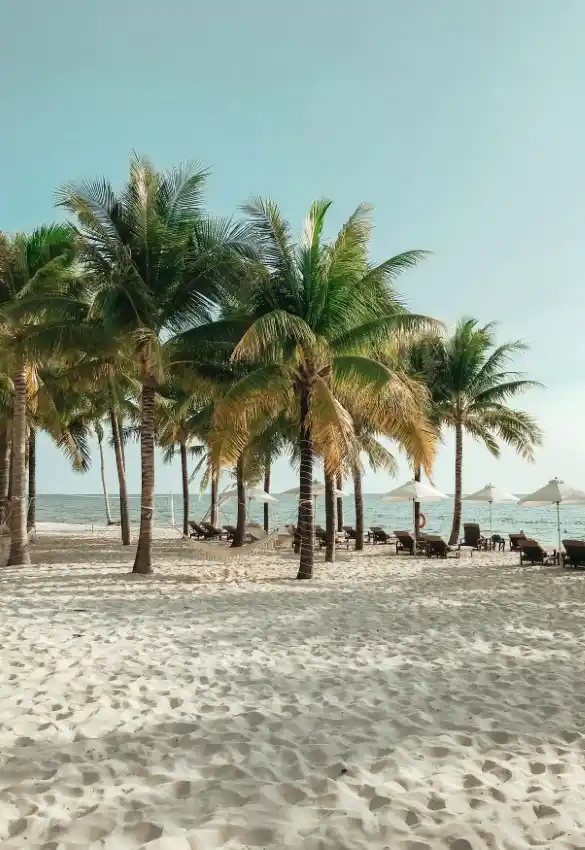
Bai Sao is the beach that ends up on every Phu Quoc postcard, and it genuinely earns it. The fine white silica sand stays cool even in the midday heat, and the water in this protected curved bay stays shallow and calm for most of the year. Located about 25 kilometres south of Duong Dong town, it requires a bit of a journey, but the reward is absolutely worth it.
The central entry point gets crowded and commercial, but walk just 200 metres left or right and you will find stretches of near-empty beach. While you are here, grab a bowl of fresh goi ca trich (herring salad with shredded coconut) at one of the small beachside shacks. It costs around 50,000 VND ($2.00 USD) and is one of the most uniquely local dishes on the island.
Bai Truong: The Golden Sunset Strip
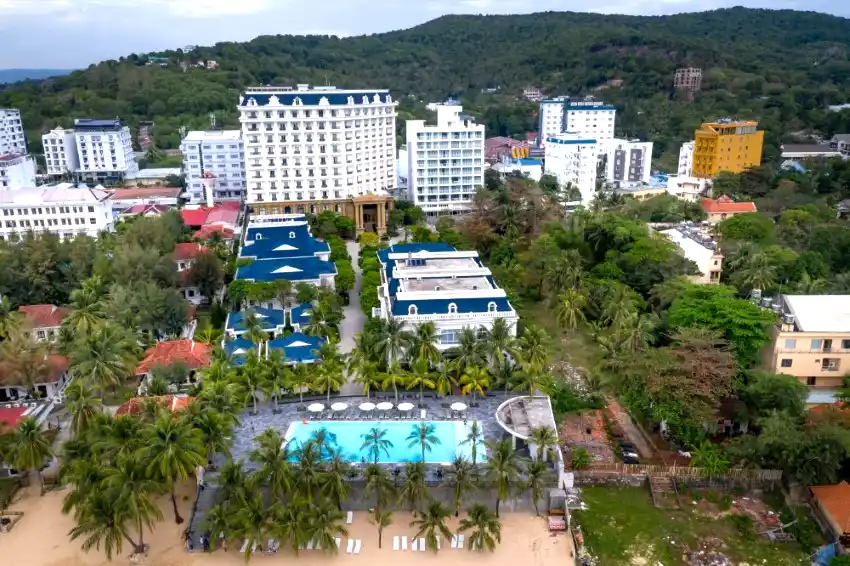
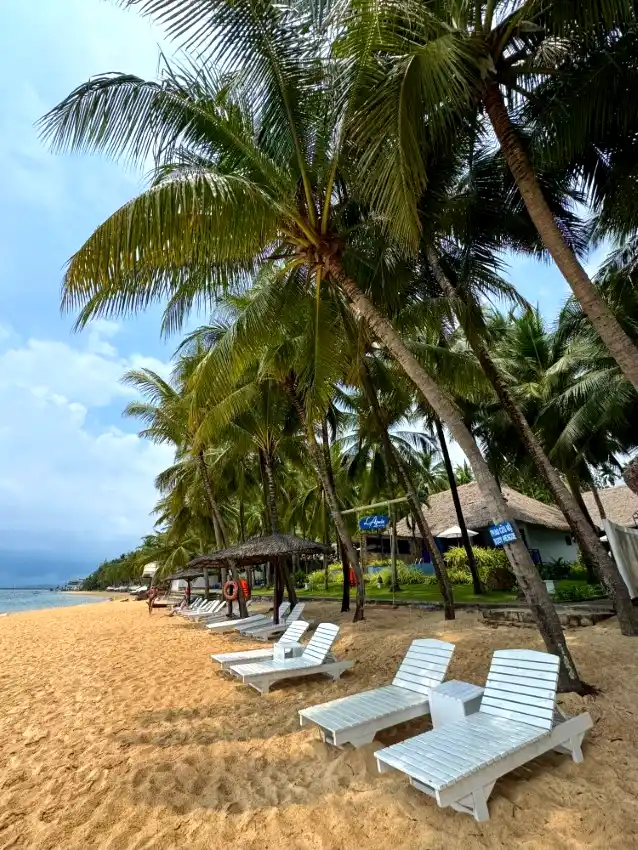
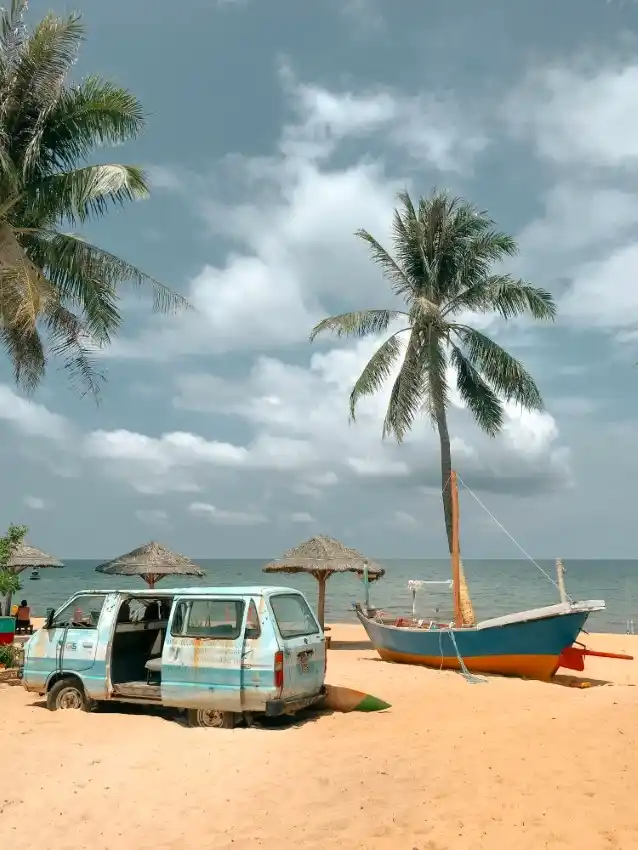
Bai Truong (Long Beach) stretches 20 kilometres down the western coast and is the heartbeat of the island’s tourism scene. The sand has a distinctive golden-orange hue that absolutely glows during the evening light, and the Gulf of Thailand turns a deep sapphire blue as the sun drops. This is your best base if you want easy access to restaurants, bars, and accommodation at every price point, from budget guesthouses near Duong Dong to five-star international resorts further south.
The beach is best in the early morning for a jog or a swim before the beach clubs get going, and then again from about 5:00 PM when the sunset scene kicks in. Note that the water deepens more sharply here than at Bai Sao, so keep a close eye on young children near the water.
Bai Khem: The Luxury Enclave
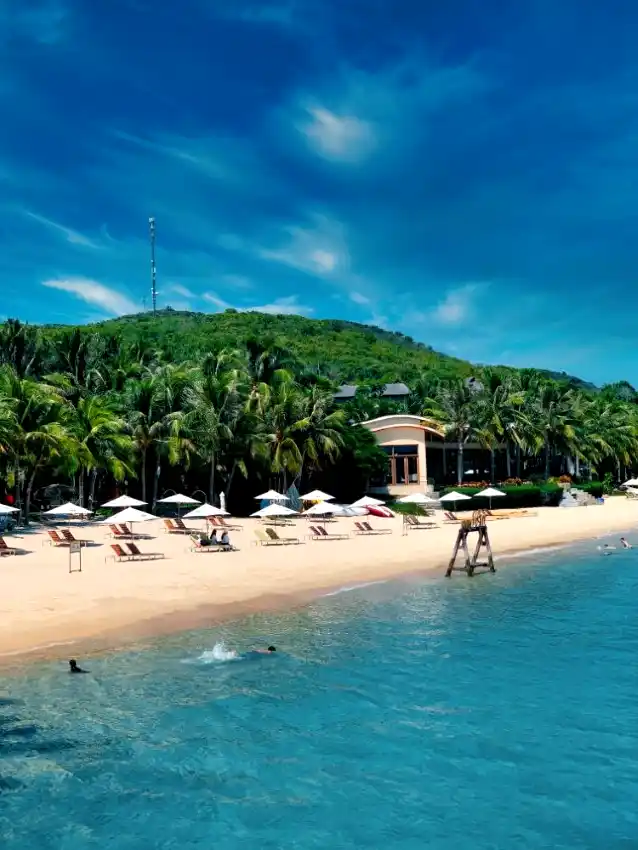
Bai Khem was a restricted military zone for decades, and that history is precisely why it looks so immaculate today. The crescent-shaped bay has powdery pale sand, brilliant emerald water, and a level of cleanliness that major resorts maintain meticulously each morning. It is now home to some of the most prestigious properties on the island, and the atmosphere is decidedly upscale.
Non-resort guests can still access the beach via public pathways near the local seafood stalls at the southern edge. This is actually a fantastic way to enjoy the same views and water as resort guests while feasting on grilled sea urchin and garlic prawns at a fraction of the in-resort price, typically around 80,000 VND to 150,000 VND ($3.15 to $5.90 USD) per dish.
Bai Ong Lang: The Peaceful Alternative
If your idea of the perfect beach day involves a hammock, a book, and nobody asking if you want another beer, Bai Ong Lang is your spot. Located on the central-western coast north of Duong Dong, a series of small sandy coves are separated by dark volcanic rock formations, which has naturally discouraged mega-resort development and kept the whole area wonderfully low-key.
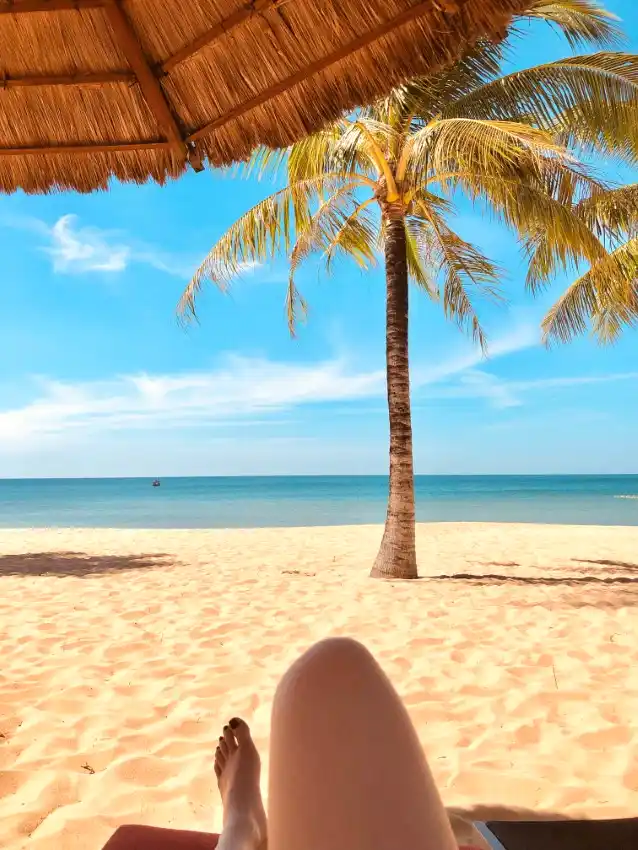
The water here is some of the cleanest on the island, making it ideal for swimming and relaxed shore snorkelling. A handful of excellent eco-friendly boutique resorts sit right behind the tree line, offering great value for couples and solo travellers who want comfort without the crowds. Coconut palms lean low over the sand, providing natural shade through the hottest part of the day.
Ganh Dau: The Local’s Secret
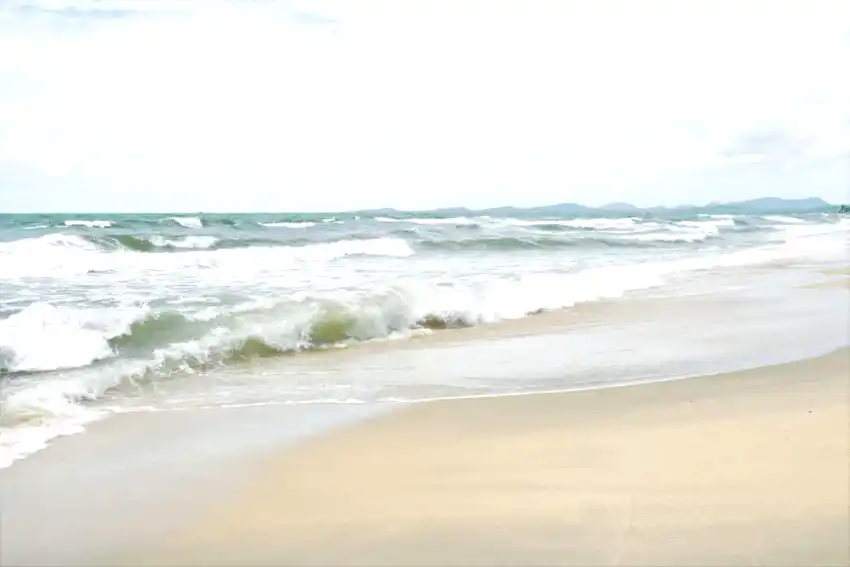
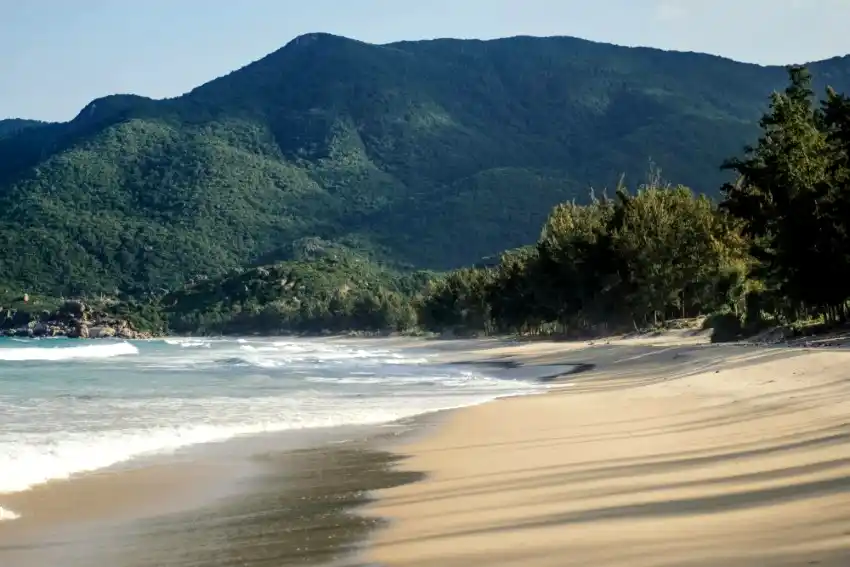
Most visitors never make it to Ganh Dau, which is exactly what makes it special. Tucked into the northern tip of the island, this quiet cove is shaded by old-growth trees and overlooks the maritime border with Cambodia. On a clear day, you can see the Cambodian coastline from the shoreline, which gives the whole place a wonderfully remote, edge-of-the-world feeling.
The surrounding village is one of the most authentically local spots on the island, with small family-run seafood restaurants serving grilled fish and clams straight off the boats for 60,000 VND to 120,000 VND ($2.35 to $4.70 USD) a plate. This is less of a sunbathing destination and more of a place to spend a slow afternoon eating well and watching the fishing boats come in.

Lock in your Phu Quoc accommodation early
and beat peak-season price hikes.
Agoda’s filters let you compare options
side by side before you commit.
Experiencing Authentic Island Life:

Beneath the resort veneer, Phu Quoc is still a deeply traditional fishing island. Locals use scooters to transport everything from blocks of ice to crates of fresh fish between ports. Motorbike culture is everywhere, and the coastal roads are shared with delivery drivers, livestock, and the occasional lumbering truck.
When visiting beaches near active fishing villages like Ham Ninh or Ganh Dau, a little cultural awareness goes a long way. Modest dress is appreciated once you step away from the sand into residential lanes or local markets.
Tipping is not traditionally expected at small family-run eateries, but rounding up to the nearest 50,000 VND ($2.00 USD) for genuinely good service is always well received. Bargaining is fine at the night markets, but keep the energy light and playful rather than aggressive.
A Note for Nervous Travellers:
Phu Quoc is genuinely one of the safest destinations in Southeast Asia for solo travellers, couples, and families. Violent crime is exceptionally rare. The real things to be aware of are marine conditions and road safety rather than anything more sinister.
During the monsoon transition months between May and October, dangerous rip currents can develop along western beaches like Bai Truong. Always check for warning flags before swimming, and if in doubt, ask a local. On the roads, always wear a helmet on scooters, avoid unlit dirt tracks after dark, and carry small cash denominations in case you need roadside help. For food safety, the simple rule is to eat where locals eat. High-turnover seafood restaurants with live fish tanks are your safest bet for freshness.
Frequently Asked Questions:
Which side of Phu Quoc has the best beaches?
The eastern side has the finest powdery white sand and calmest, clearest water during the dry season (November to April), with Bai Sao being the standout example. The western side, particularly Bai Truong, offers golden sand and the best sunset views, but experiences rougher surf during the wet season between May and October.
Are there entry fees for Phu Quoc beaches?
Public access to all beaches on Phu Quoc is free. However, private beach clubs and luxury resort frontages may charge a fee to use their sun loungers, umbrellas, or freshwater shower facilities. These fees typically range from 50,000 VND to 200,000 VND ($2.00 to $7.90 USD), and are often redeemable against food and drink.
How do I get to Bai Sao or Bai Khem from Duong Dong?
Both beaches are roughly 25 kilometres south of Duong Dong town and take about 30 to 40 minutes by scooter. You can rent an automatic scooter for around 150,000 VND ($5.90 USD) per day, hire a car via Grab or Xanh SM, or join a half-day beach-hopping tour through platforms like Klook. Taxis are available but always confirm a price before you get in.
Is Phu Quoc safe for solo female travellers?
Yes, Phu Quoc is widely regarded as one of the safest island destinations in Southeast Asia for solo female travellers. Violent crime is rare. The main things to stay aware of are standard precautions like keeping valuables secure at the beach, not leaving drinks unattended at beach clubs, and using reputable ride-hailing apps rather than unmarked taxis after dark.
Can you swim at all beaches year-round?
The dry season (November to April) gives you calm, clear conditions at virtually every beach on the island. During the wet season (May to October), rip currents can develop along the western beaches, particularly Bai Truong. Always check for coloured warning flags before swimming, and if conditions look rough, head to the more sheltered eastern beaches like Bai Sao instead.
What is the best beach for families with young children?
Bai Sao is the top pick for families. The water is shallow, warm, and calm for the majority of the year, making it safe for young swimmers. The beach is wide and open with plenty of space. A handful of family-friendly shack restaurants sit right on the sand serving affordable meals. Bai Ong Lang is also worth considering for families staying longer term, as its coves are sheltered and the whole area is far less crowded.
Do I need a visa to visit Phu Quoc?
Phu Quoc has a unique 30-day visa exemption policy for all nationalities when entering via direct international flight or transit through the island’s international airport. This bypasses the standard Vietnamese mainland visa requirements entirely. If you plan to travel from Phu Quoc to mainland Vietnam during your trip, you will need to ensure your Vietnam visa is in order before you depart, as the island exemption does not automatically extend to the mainland.
What should I eat on Phu Quoc beyond the resort restaurants?
Some of the best eating on the island happens far from the resort buffets. Head to the Phu Quoc Night Market on Bach Dang Street in Duong Dong for fresh sea urchin, garlic butter scallops, and coconut ice cream. In Ganh Dau village, small family restaurants serve grilled fish and clams off the boats for 60,000 to 120,000 VND ($2.35 to $4.70 USD) a plate. At Bai Sao, grab a bowl of goi ca trich (herring salad with shredded coconut) from the beachside shacks. Phu Quoc is also famous for its fish sauce and black pepper, so pick some up to take home.
Is Phu Quoc good for digital nomads and long-term stays?
Increasingly, yes. The mid-island areas around Duong Dong have modern co-working spaces and reliable high-speed fibre-optic internet. Accommodation costs are very reasonable outside of peak season, and the 30-day island visa exemption gives you a solid window to work and explore without rushing. Many long-term expats split their time between Phu Quoc for the beaches and Da Nang for a broader urban infrastructure. Just make sure you sort your visa extension through official channels to stay legal.
What is the best way to explore the whole island?
Renting an automatic scooter is the most flexible and enjoyable option for getting around the island, particularly for reaching northern beaches like Ganh Dau that sit beyond the main tourist circuit. Daily rental costs around 150,000 VND ($5.90 USD). Ride-hailing apps like Grab and Xanh SM work well for shorter point-to-point trips without the hassle of parking. Private day tour vehicles can be arranged for families or groups who prefer not to ride scooters, and are easy to book through your accommodation or via Klook.