Opening A Vietnamese Bank Account
Staying in Vietnam longer than a holiday? At some point, juggling cash and foreign cards stops being an adventure and starts being a headache. A local bank account changes everything, rent payments, QR code street food, ride-hailing apps, utility bills, it all becomes effortless. Here’s exactly what you need to know to get set up.
The Quick Summary:
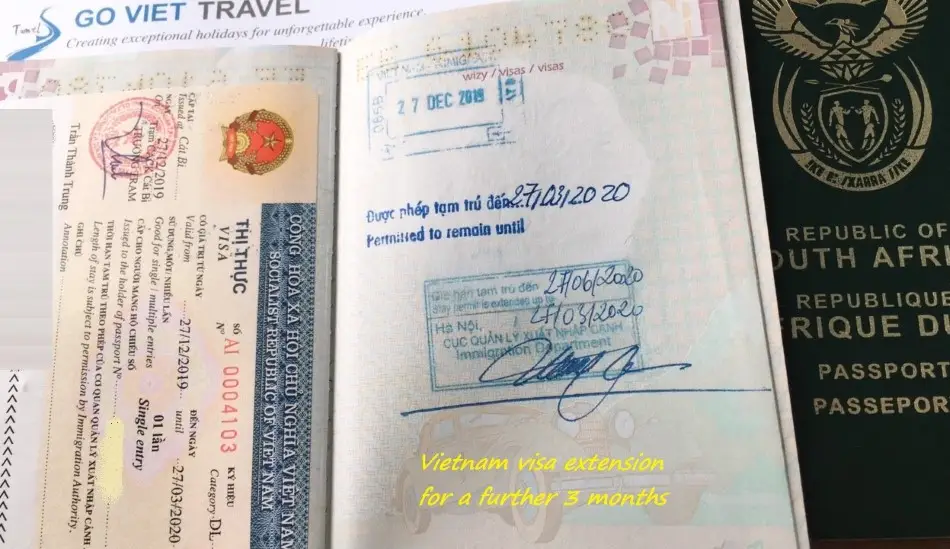
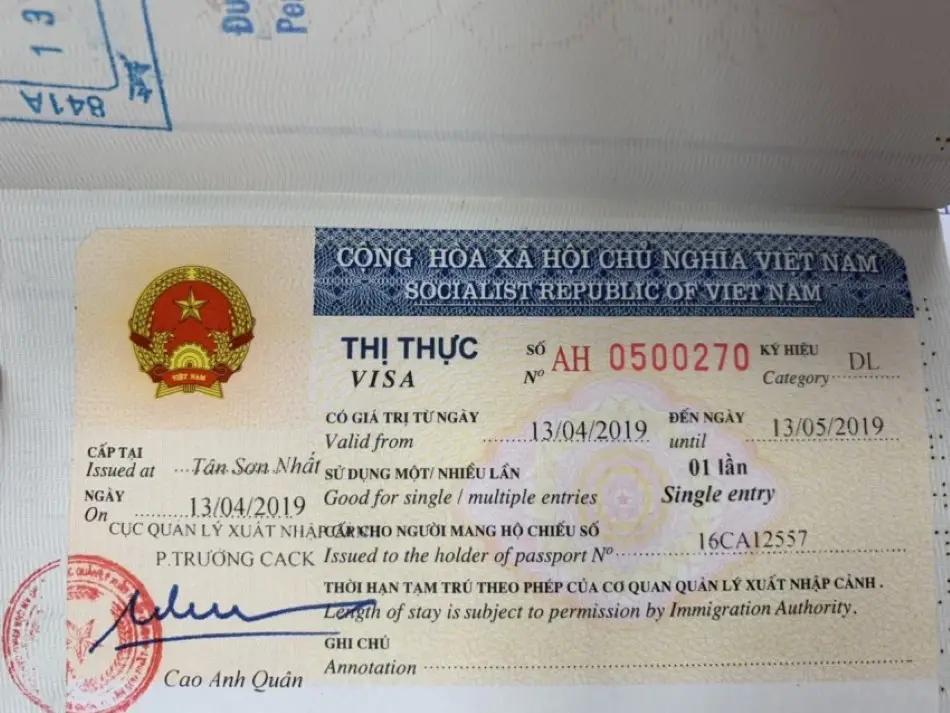
- Visa Requirement: You’ll need a valid visa or residence permit with at least three to twelve months remaining, the exact minimum depends on the bank.
- Currency: Accounts can be held in Vietnamese Dong (VND) or major foreign currencies like USD, though cash withdrawals inside Vietnam always come out in VND.
- App Ecosystem: A local account unlocks seamless integration with ride-hailing, food delivery, and QR payments, the real reason everyone wants one.
- Minimum Deposit: Refreshingly low, most banks only ask for 50,000 to 100,000 VND ($2 to $4 USD) to activate your account.


Compare hotel prices across Vietnam’s best
neighbourhoods and book with confidence.
Filter by budget, location, or guest score
to find the right stay for your trip.
Can Foreigners Actually Open an Account?

Yes, but not on a tourist visa. Vietnamese banking law requires foreign nationals to demonstrate a genuine, legal reason for being in the country. In practice, that means showing up with one of the following: a labour contract, a business investment visa, a student enrolment certificate, or a long-term Temporary Residence Card (TRC).
If you’re working in Ho Chi Minh City, studying in Hanoi, or building out a remote-work setup in Da Nang, you almost certainly qualify. Once you do, the account opens up a direct bridge into Vietnam’s increasingly cashless economy, salary deposits, utility payments, high-speed internet bills, apartment rent. All of it becomes simple.

GetYourGuide has Vietnam’s best
excursions covered: museums, tours,
and unique experiences with verified
operators and instant mobile vouchers.
What Documents Do You Need?
Get these sorted before you walk into a branch and you’ll be in and out in under an hour. Branches in central business districts, District 1 in Ho Chi Minh City or Hoan Kiem in Hanoi, deal with international clients every day and run very smooth systems. Suburban branches can occasionally ask for extra notarised documents, so city-centre is usually the easier bet.
- Original Passport: With clear Vietnamese immigration entry stamps, a photocopy won’t cut it.
- Long-Term Visa or TRC: Must show at least three months of remaining validity (more for some banks).
- Employment or Residency Proof: A labour contract of at least one year, or a formal residency confirmation document.
- Proof of Local Address: A signed lease agreement or ward police residency confirmation.
- Local SIM Card: Registered under your exact passport name, non-negotiable, since every transaction triggers an OTP to your Vietnamese number.
- Initial Cash Deposit: Around 100,000 VND ($4 USD) to activate the account at the teller.

From short trips to long stays in Vietnam,
Airalo has flexible eSIM data plans
you can install in minutes. Top up
remotely if you need more data later.
Which Bank Should You Choose?
The right bank depends on your priorities, ATM access across the whole country, a slick English app, or easy international transfers. Here’s how the main options stack up:
| Bank | Min. Visa Required | Why Expats Love It |
|---|---|---|
| Vietcombank | 12 months | Largest ATM network in the country, green machines practically everywhere from Sapa to the Mekong Delta |
| Techcombank | 6 months | Best English-language app, zero domestic transfer fees, popular with the digital nomad crowd |
| HSBC Vietnam | 3 to 6 months | Ideal for international wire transfers and those who prefer a globally familiar brand |
| Shinhan Bank | 3 to 6 months | Strong option for those with ties to Korean-affiliated businesses; solid city presence |

Book Vietnam day trips, attractions,
and activities in one place. Read real
reviews, check availability, and lock in
your spot before the popular slots go.
How QR Payments Work (and Why They’re Brilliant)
Vietnam has gone seriously digital, and the national VietQR standard is the engine behind it. From upscale city restaurants to a sidewalk cart serving steaming bowls of Pho, there’s a QR code propped up somewhere. Open your banking app, scan, enter the amount, confirm, done. The vendor hears an audio ping on their phone and you’re good to go. No cash counting, no change fumbling, no short-change risk.
It also plugs you directly into the ride-hailing and food delivery world. Link your Vietnamese debit card to Grab, Xanh SM, or Be and suddenly getting around the city or ordering dinner becomes as frictionless as tapping a button. This is honestly the single biggest quality-of-life upgrade that comes with having a local account.
Pro Tips for Settling In:
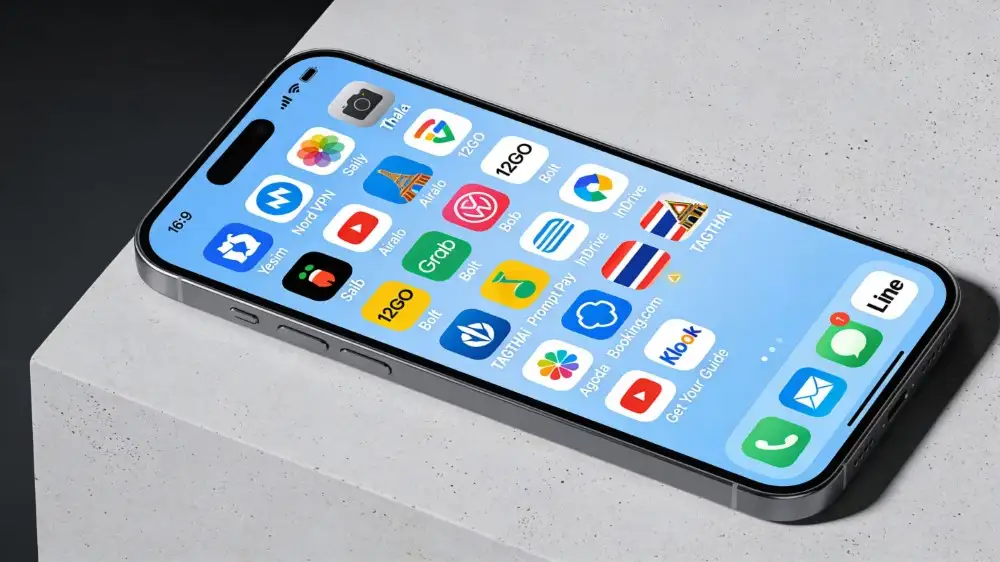
- Transport & Deliveries: Link your new account to Grab, Xanh SM, or Be for motorbike taxis, electric cars, and fast food drop-offs, the trio that runs daily life in every Vietnamese city.
- Weekend Escapes: Keep Agoda or Booking.com active for coastal trips, and use Klook or Get Your Guide to book day tours and regional experiences, all payable directly from your local account.
- Connectivity: Get a Yesim eSIM or pick up a physical SIM at the airport, registered under your passport name, which is the same name on your bank account. Use Nord VPN on café Wi-Fi to keep your banking sessions private.
- Go City-Centre for Your Application: Main branches in District 1 or Hoan Kiem handle foreign applicants every single day. The process is smoother, faster, and staff are more likely to speak English than at a suburban branch.

Maps, Grab, translation apps, all need
data in Vietnam. Yesim’s eSIM installs
in a minute and gives you reliable 5G
from the moment you arrive.
Frequently Asked Questions:
Can a tourist open a bank account in Vietnam?
Unfortunately not. Short-stay tourist visas don’t meet the legal threshold. Vietnamese banking regulations require foreign nationals to prove a legitimate long-term stay, typically via a labour contract, business visa, student enrolment, or Temporary Residence Card with at least three months of validity remaining.
How much do I need to deposit to open an account?
Very little, usually between 50,000 and 100,000 VND (roughly $2 to $4 USD). You hand it over at the teller counter when you open the account, and it immediately activates your debit card and online banking access.
Can I open an account online before arriving in Vietnam?
No, Vietnamese financial law requires an in-person visit to a physical branch. A teller must physically verify your original passport, immigration stamps, and supporting documents. There’s no way around this step, so plan to visit a branch shortly after you arrive and have your documentation sorted.