Hue Street Food Guide
The former imperial capital of Vietnam wears its culinary crown with quiet confidence. Hue street food is unlike anything else in the country: fiery, intricate, and deeply rooted in a royal past that somehow ended up on plastic stools at the side of the road. If you only eat seriously in one Vietnamese city, make it this one.
The Quick Summary:
- Budgets: Most dishes sit between 25,000 VND and 60,000 VND ($1.00 to $2.40 USD) at a proper local stall. A full, satisfying meal rarely costs more than 80,000 VND ($3.15 USD).
- Getting Here: Most travelers fly into Da Nang International Airport and take a taxi or bus north (roughly 90 minutes). Hue also has its own railway station, and the scenic train journey over the Hai Van Pass from Da Nang is one of the best short rail rides in Southeast Asia.
- Regional Character: Central Vietnamese food is spicier, saltier, and more complex than north or south. Fermented shrimp paste, lemongrass, and chili oil feature heavily. Dishes are smaller, more numerous, and built for sharing.
- Best Eating Areas: Vy Da District, the alleys around Dong Ba Market, and the riverside stretch of Nguyen Hue Street are where the serious eating happens. Kim Long Street is quieter and beloved by locals for steamed rice cakes.

From caves and cruises to cooking
classes, Klook covers Hue’s best
experiences. Hotel pickup is often
included and prices are usually lower.
What Makes Hue Food So Different?
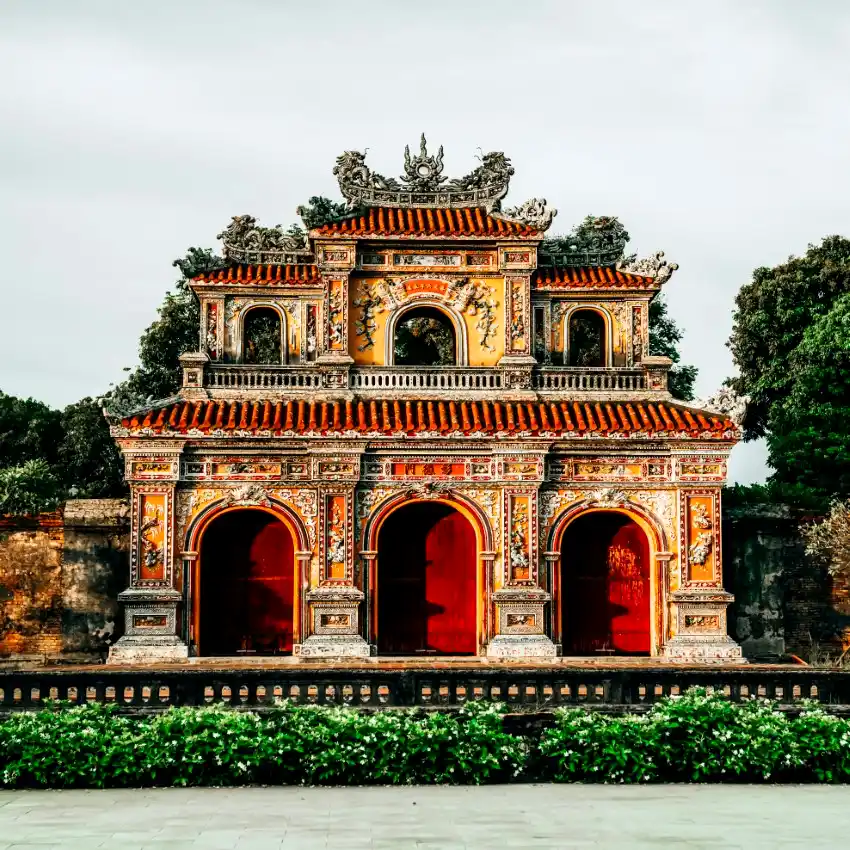
Hue was the seat of the Nguyen Dynasty emperors for over 140 years, and the royal kitchen left a permanent mark on street food culture. Imperial chefs once created dozens of tiny, beautiful dishes for the royal court, each one obsessing over presentation, texture, and layered flavor. When the dynasty ended, those dishes moved into the streets and became everyday food. That obsession with precision never left.
The geography shapes the kitchen too. Ringed by lagoons, rivers, and mountains, the region has abundant freshwater herbs, small clams, and river shrimp. Broths here are deep and savory rather than sweet, and the chili heat is not decorative. First-timers should know: Hue food hits differently, and that is entirely the point.
Which Dishes Must You Try?
Every city in Vietnam claims its own essential dishes. Hue has more than most, and none of them are found quite like this anywhere else in the country. Work through this list and you will understand why food lovers plan entire trips around a single week here.
Bun Bo Hue
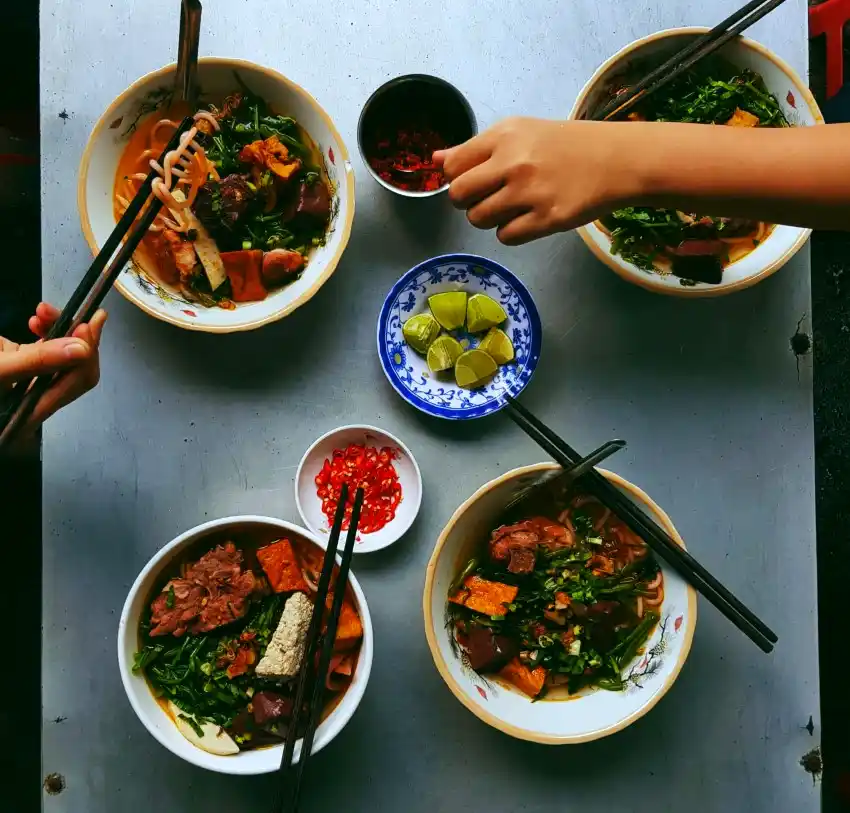
This is the dish Hue is most famous for, and it deserves every bit of that reputation. The broth is built from hours of simmering beef bones with lemongrass and fermented shrimp paste (mam ruoc), producing a deep, complex soup that pho simply cannot match for intensity.
Thick cylindrical rice noodles sit beneath slices of tender beef shank, a crab or pork ball, and cubes of congealed pig blood. Fresh banana blossoms, shredded lettuce, and lime finish it off. Seek out the stalls on Ly Thuong Kiet Street for versions that prioritize broth clarity. Budget 45,000 to 60,000 VND ($1.80 to $2.40 USD) per bowl.
Banh Beo, Banh Nam, and Banh Loc
These three steamed rice flour specialties are Hue’s greatest contribution to Vietnamese cuisine and a masterclass in texture. Banh Beo arrives in shallow ceramic bowls, steamed rice batter topped with dried shrimp, pork cracklings, and scallion oil.
Banh Nam are flat cakes pressed into banana leaves, layered with minced pork and shrimp, and steamed until silky. Banh Loc are clear, chewy tapioca dumplings stuffed with a whole small shrimp and caramelized pork belly, served with sweet chili fish sauce. Order all three. A full set runs 30,000 to 50,000 VND ($1.20 to $2.00 USD) and fills you up more than it looks like it will.
Com Hen and Bun Hen
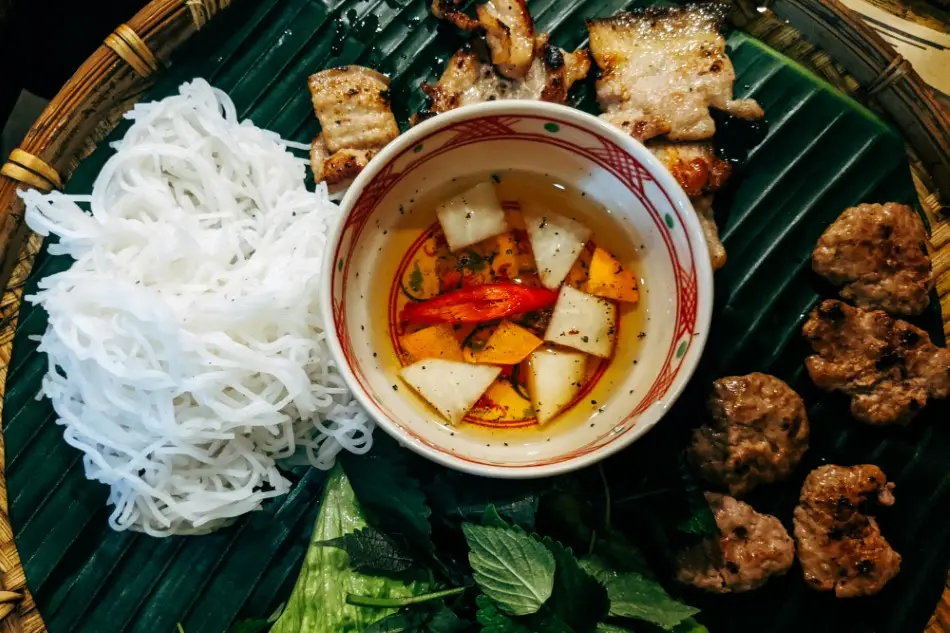
The cheapest and most satisfying meal in Hue. Tiny river clams from the Perfume River islands are stir-fried and piled onto cool rice (Com Hen) or rice vermicelli (Bun Hen) with clam broth, crunchy taro stems, roasted peanuts, fried pork skin, and a serious dollop of chili paste.
The contrast of warm, cold, crunchy, and soft in one bowl is genuinely brilliant. Most stalls charge 20,000 to 35,000 VND ($0.80 to $1.40 USD). This is the backpacker’s favourite and the local’s daily lunch, which tells you everything you need to know.
Banh Khoai
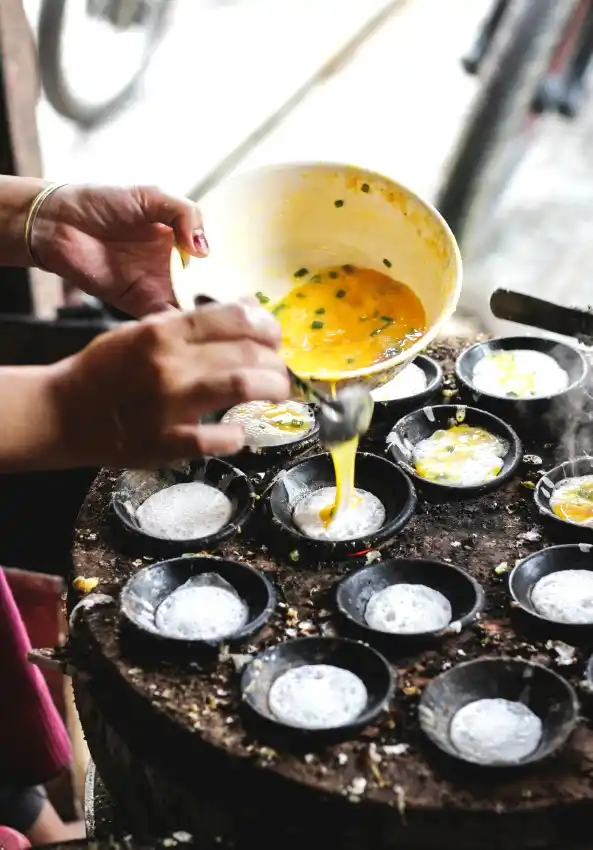
Often confused with the southern banh xeo, the Hue version is smaller, thicker, and significantly crispier. Rice flour batter with turmeric, pork, shrimp, bean sprouts, and a quail egg is fried in a small, deep pan until the edges shatter when you bite them.
What truly sets it apart is the dipping sauce: a warm, thick gravy of pork liver, peanut butter, and fermented soybeans, completely unlike the standard fish sauce elsewhere. Rich, complex, and totally addictive. If you only try one version of the Vietnamese savoury pancake, make it this one.

Skip-the-line tickets, guided walks,
and Hue day trips with English
guides. Read reviews from real travellers
before committing to a single one.
Where Are the Best Stalls in Hue?
Hue has hundreds of excellent street food spots, but these locally loved addresses are reliable starting points. The prices below reflect what locals actually pay; if you are quoted something wildly higher, politely move on.
| Dish | Recommended Stall | Price Range (VND / USD) |
|---|---|---|
| Bun Bo Hue | Bun Bo Hue My Tam, 5 Tran Cao Van | 45,000 to 60,000 VND ($1.80 to $2.40 USD) |
| Banh Beo, Nam, Loc | Quan O Le, 104/17/9 Kim Long | 30,000 to 50,000 VND ($1.20 to $2.00 USD) |
| Com Hen / Bun Hen | Quan Hoa Dong, 64 Kiet 7 Ung Binh | 20,000 to 35,000 VND ($0.80 to $1.40 USD) |

Stay closer to the action in Hue.
Agoda lists everything from local
guesthouses to riverside resorts, with
verified reviews and instant booking.
How to Eat Like a Local:
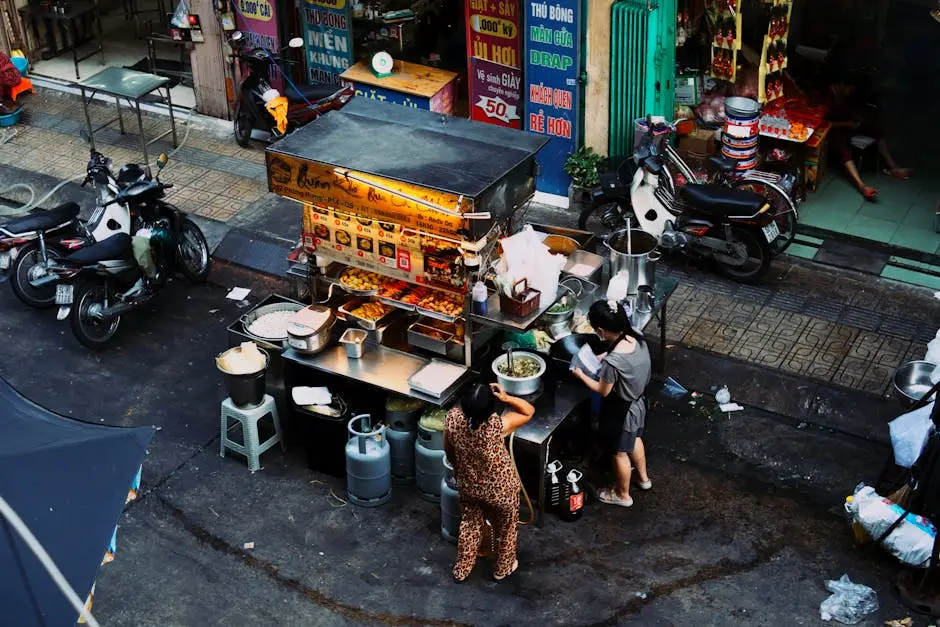
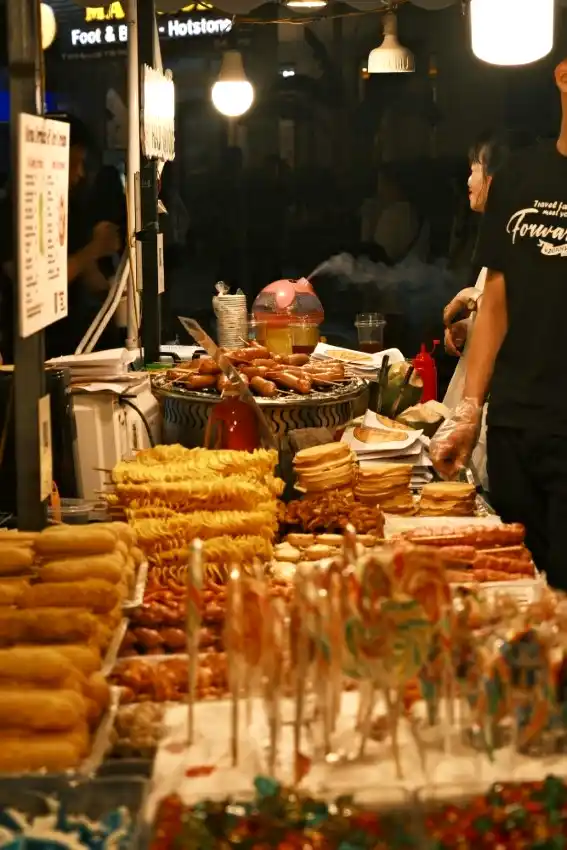
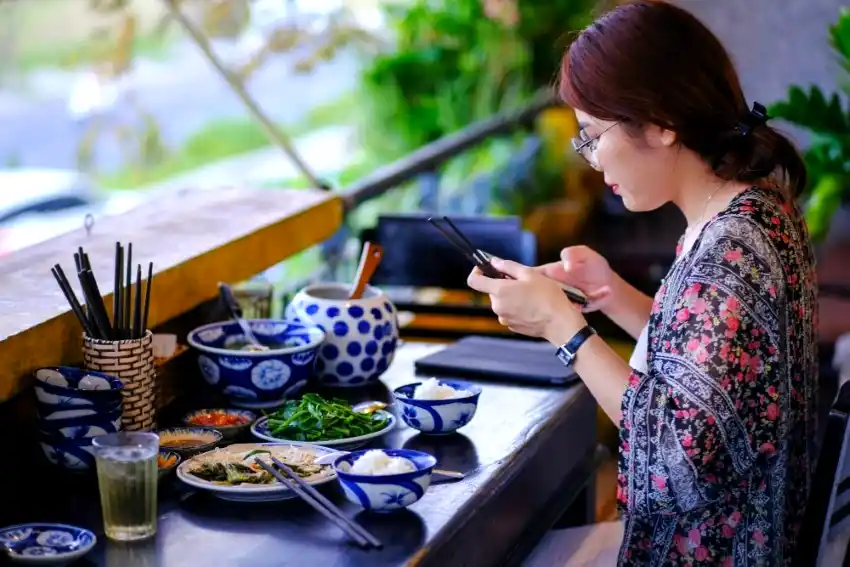
The best stalls in Hue are always the busiest ones, overflowing with locals on low plastic stools. High turnover in the Central Vietnamese humidity means guaranteed freshness. Sit down, observe what your neighbours ordered, and start there.
Table Setup: When you sit down, you will find small dishes of lime, pickled purple shallots, fresh bird’s eye chilies, and raw garlic. Do not add everything to your broth immediately. Taste the soup as it arrives first, then adjust to your preference. The balance is usually already close to perfect.
Spice management is key. Hue food is notoriously hot, and vendors are generous with chili paste. If you want less heat, say “khong cay” (not spicy) or “it cay” (a little spicy) when ordering. Most stalls keep chili oil separate so you control the final result. Tipping is not expected at street stalls, though leaving small change at a place you loved is always warmly received. If the market sits near a temple or pagoda, cover shoulders and knees before exploring further.

Pick a Hue eSIM plan that matches
your trip length on Airalo’s global
marketplace. Install before departure
and you’re online the moment you land.
A Note for Nervous Travelers:
It is completely normal to feel uncertain about street food hygiene in an unfamiliar country. The practical rule in Hue is simple: pick stalls that specialise in one single dish. Their ingredient rotation is fast, their process is dialled in, and they have been making the same bowl for years. Watch the vendor: gloves or tongs handling cooked meat are a good sign. High heat directly on the grill means bacteria do not stand a chance.
For ice, look for factory-produced cylindrical tubes with a hole down the centre. That is safe, commercial ice. Crushed block ice from unclear sources is better avoided. When crossing streets to reach a food stall, walk at a slow, steady, and predictable pace. Do not run, do not freeze, do not make sudden movements. Motorbike riders are expert at calculating your path and steering around you. Trust the system, it works.
Pro Tips For Stress-Free Travel:

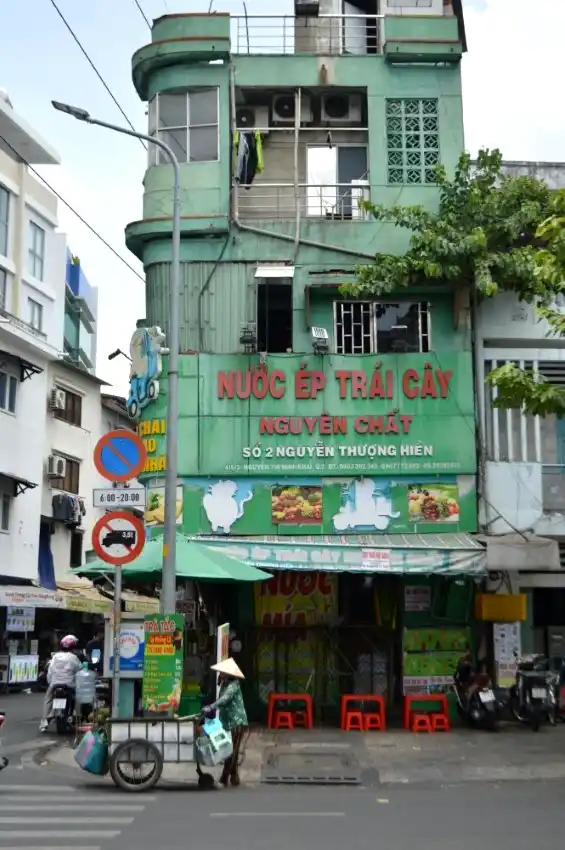
- Ride-Hailing Apps: Download Grab and Xanh SM before you arrive. Xanh SM runs electric taxis and motorbike rides with fixed pricing, which is ideal for getting to tucked-away food alleys without negotiating.
- Cash is Essential: Street food stalls run on Vietnamese Dong. Carry smaller notes: 10,000, 20,000, and 50,000 VND. Vendors cannot break a 500,000 VND note for a 25,000 VND bowl of clam rice, and nobody wants that awkward pause.
- Connectivity: Pick up a local eSIM via Yesim or grab a physical SIM at the airport. Pair it with Nord VPN for secure access to banking apps on cafe Wi-Fi. Maps, translation, and Grab all need data to work properly.
- Booking Food Tours: Klook and Get Your Guide both list evening motorbike food tours in Hue led by local guides who know exactly which stalls to hit and when. Worth every dong if you only have one or two nights.
- Accommodation: Boutique guesthouses in the Vy Da District and along the Perfume River put you within walking distance of most of the best stalls. Use Agoda or Booking.com to filter by location and keep your food radius tight.

Skip the airport SIM queue when you
land in Hue. Yesim’s eSIM activates
before takeoff so you’re online the
second your plane touches the tarmac.
Slow Travel: Staying Longer in Central Vietnam
Hue rewards slow travelers. A week here feels completely different from a rushed overnight stop, and many expats who originally planned three days have found themselves extending their Vietnamese visa more than once because of this city’s pull.
For those considering a longer stay, Da Nang sits a scenic train ride south over the Hai Van Pass, roughly 90 minutes away. It offers excellent coworking infrastructure, a thriving international community, and easy international flights, while Hue remains the cultural and culinary anchor for day trips. The 90-day e-visa system makes this kind of slow regional base-hopping straightforward. Families considering relocation will find that logistics including pet transport are most practical when routing through Ho Chi Minh City or Hanoi before settling into Central Vietnam.
Frequently Asked Questions:
Is Hue street food too spicy for foreigners?
Hue has a well-earned reputation for serious heat, but vendors are genuinely accommodating. Use the phrases khong cay (not spicy) or it cay (a little spicy) when ordering. Most stalls keep chili oil and chili paste separate on the table so you build the heat yourself. You will not offend anyone by going mild.
What is the best time of day to eat street food in Hue?
Early morning from 6:00 AM to 9:00 AM is prime time for fresh Bun Bo Hue, when the broth has been simmering all night. Late afternoon from 4:00 PM to 7:00 PM is when the steamed cake vendors and Com Hen stalls come alive for the post-work crowd. Many of the best spots sell out completely once their daily batch is gone and close without warning.
Can vegetarians find good options in Hue?
Yes, and the options here are genuinely impressive. Hue has a strong Buddhist tradition, and vegetarian food is widely available and thoughtfully prepared. Look for signs reading Com Chay or Quan Chay throughout the city. On the 1st and 15th days of the lunar month, a large portion of the local population eats exclusively plant-based meals, meaning even more stalls temporarily go meat-free.
How do I get from Da Nang to Hue?
The train is the most enjoyable option and one of the great short rail journeys in Southeast Asia. The Reunification Express crosses the Hai Van Pass with dramatic coastal views and takes around 2.5 to 3 hours. Buses and private taxis also make the journey in about 2 hours. Grab operates in Da Nang and can book a fixed-price car for the full trip.
Is street food in Hue safe to eat?
Yes. Choose stalls packed with locals, pick places that specialise in one dish, and watch for food being cooked at high heat right in front of you. Factory-produced ice with a cylindrical hole down the centre is safe. Crushed block ice is best avoided. Trust your eyes and your nose, and you will be fine.
What currency should I carry and how much cash do I need?
Vietnamese Dong in small denominations is essential. Stock up on 10,000, 20,000, and 50,000 VND notes before heading to street stalls. A full day of eating from breakfast through dinner is unlikely to cost more than 150,000 to 200,000 VND ($6.00 to $8.00 USD) at local prices. ATMs are easy to find in the city centre; Vietcombank and Techcombank typically charge the lowest fees for foreign cards.
What is the difference between Bun Bo Hue and pho?
They are genuinely different soups. Pho uses a clear, delicate bone broth with flat rice noodles and is associated primarily with Hanoi. Bun Bo Hue uses thick cylindrical rice noodles in a much more assertive broth built with lemongrass, fermented shrimp paste, and chili oil. It is spicier, richer, and more complex. Both are brilliant, but they are not the same thing.
Are there good food tour options in Hue?
Several excellent evening food tours operate in Hue, typically on the back of a motorbike with a local guide who knows which stalls are genuinely good. Klook and Get Your Guide list well-reviewed options starting from around 350,000 VND ($14.00 USD) per person. These are worth it if you only have one or two nights and want to cover serious ground quickly.
Do I need a visa to visit Hue and Central Vietnam?
Most nationalities can enter Vietnam on a 90-day e-visa applied for online before travel. Citizens of the UK, most of Europe, Australia, and the US are eligible. The e-visa covers the entire country. Always check current requirements via the official Vietnam immigration portal before booking, as eligibility lists get updated periodically.
Is Hue worth visiting if I am short on time?
Absolutely. Even two nights gives you enough time to eat your way through the essential dishes, walk the Imperial Citadel, and take a boat on the Perfume River. That said, Hue reveals itself slowly. If your schedule allows three or four nights, you will leave with a completely different experience than a rushed day trip from Da Nang.