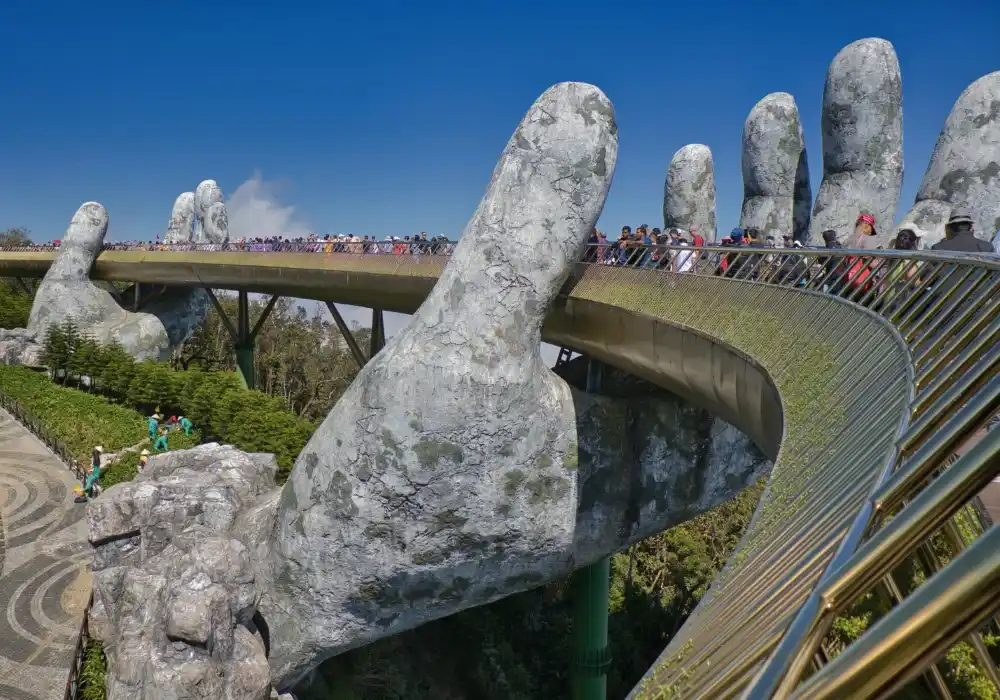
Motorbike Trip Essentials
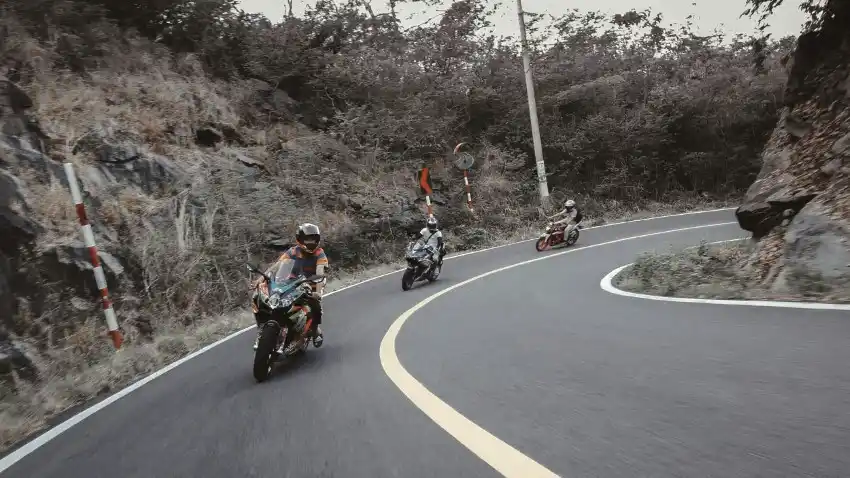
There is absolutely nothing like hitting the open highway in Southeast Asia. Whether you’re twisting through the misty peaks of the far north, cruising along the coastal roads of Central Vietnam, or navigating the dusty dirt tracks of the Mekong Delta, exploring on two wheels lets you truly experience the country. But a legendary road trip takes more than just turning the key.
You need the right gear, the proper paperwork, and a bit of mechanical prep to handle the wild weather and the terrain. If you’re still mapping out your route, check out the full Vietnam Motorbike Route guide first, then come back here to get kitted out properly.
The Quick Summary:
- Entry Requirements: To ride legally (anything over 50cc), you must have a 1968 model International Driving Permit (IDP) paired with your motorcycle license from back home.
- Budgets: Expect to spend around 500,000 VND to 1,250,000 VND ($20 to $51 USD) a day for quality gear, rack rentals, and a “just in case” emergency fund.
- Weather Realities: The northern mountains get freezing and wet, so you’ll need warm layers. Down on the coastal plains, it’s all about maximum airflow and sun protection.
- Safety First: Do not cheap out on a flimsy local helmet. Invest in a proper, certified three-quarter or full-face helmet. Your brain will thank you.
- Insurance: Riding in Vietnam without valid travel insurance is a gamble you really don’t want to lose. Make sure your policy actually covers motorbike riding before you set off.

Lock in your the Mekong accommodation early
and beat peak-season price hikes.
Agoda’s filters let you compare options
side by side before you commit.
What gear is required for riding in Vietnam:
When it comes to packing for Vietnam, regular tropical holiday clothes just won’t cut it. If you slide on mountain gravel or hot asphalt, shorts and a T-shirt offer zero protection. Your essentials should include a certified helmet (look for ECE or DOT standards), an armored mesh jacket, heavy-duty rain gear, and solid, closed-toe shoes. Before you start buying things, it’s worth running through the full Ultimate Vietnam Packing List to make sure you haven’t missed anything that would otherwise eat into your luggage allowance.
Choosing your clothing
It is tempting to ride in a tank top when it’s scorching hot, but that’s a massive mistake. Instead, grab a heavy mesh riding jacket with built-in shoulder, elbow, and back armor. It lets the breeze right through while keeping you protected. For your lower half, go with durable riding trousers or thick denim paired with strap-on knee guards.
Don’t forget leather gloves with carbon-fiber knuckles to protect your hands from both gravel and sunburn during long days on Route QL1A. If you’re planning to fly into the country light and buy gear locally, the 7kg Carry-On Challenge guide has some handy ideas for what to leave at home and pick up on arrival.
Picking the right helmet
Leave the cheap plastic half-helmets to the city commuters in Hanoi and Ho Chi Minh City. Once you hit the highways, you want at least a three-quarter helmet with a visor.
A full-face helmet is even better, especially for high-speed coastal runs. If you aren’t bringing your own, look for trusted local brands like Andes or Royal. Just make sure the chin strap fits snugly and doesn’t stretch.
Dealing with the rain
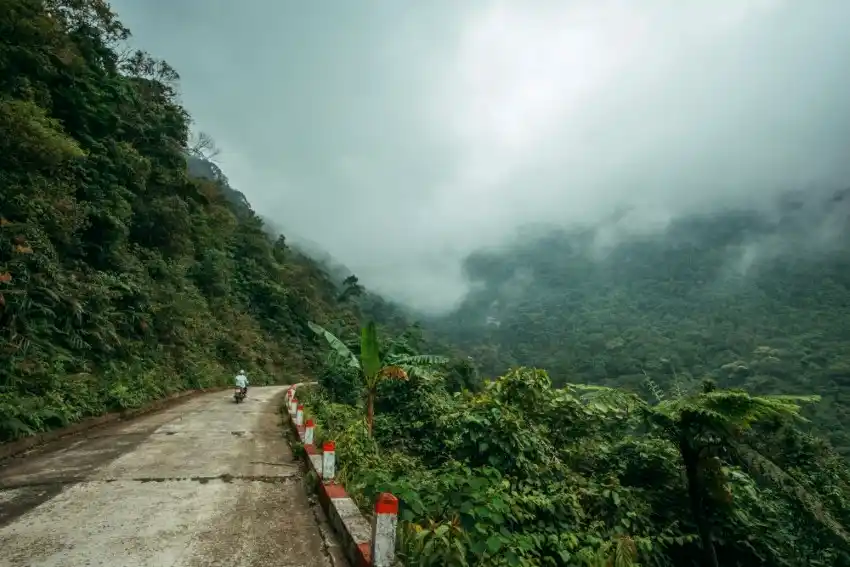
Downpours in Central Vietnam and the northern highlands hit fast and hard. Skip the cheap plastic ponchos you see on the streets. They turn into sails on the highway and can easily get tangled in your back wheel.
Invest in a proper, heavy-duty two-piece nylon rain suit with reflective strips. Keep it right at the top of your bag so you can grab it the second the sky turns dark over the Hai Van Pass. If you’re unsure which season you’re riding into, the Best Time To Visit Vietnam guide breaks down the regional weather region by region, which is genuinely useful for planning your direction of travel.
What to pack in your first aid kit
Pack at minimum: antiseptic wipes, a roll of self-adhesive bandage, ibuprofen, rehydration sachets, and a small tube of antibiotic cream. Pharmacies in Vietnam are excellent and incredibly cheap, but you won’t want to be hunting for one while you’re bleeding by the roadside 20km from the nearest town. The Vietnam Pharmacy Guide has a solid list of what’s easy to buy over the counter locally and what’s worth bringing from home.

Lock in top-rated the Mekong tours with
GetYourGuide’s free cancellation up to
24 hours before. Reserve now and pay
later if your dates aren’t locked in.
Motorbike Gear Comparison:
| Equipment Type | Recommended Specification | Primary Benefit | Approximate Cost |
|---|---|---|---|
| Helmet | Three-Quarter or Full-Face (ECE/DOT approved) | Protects your head and keeps bugs and debris out of your face | 800,000 VND – 2,500,000 VND ($33 – $103 USD) |
| Riding Jacket | Summer Mesh with CE Level 1 Armor | Solid impact protection without melting in the heat | 1,500,000 VND – 4,000,000 VND ($62 – $165 USD) |
| Luggage Bag | Heavy-duty Tarpaulin Dry Bag (30L-50L) | Keeps your clothes and tech bone dry during monsoons | 300,000 VND – 750,000 VND ($12 – $31 USD) |
| Rain Suit | Two-Piece Nylon with Reflective Strips | Keeps you dry and visible in sudden downpours | 250,000 VND – 600,000 VND ($10 – $25 USD) |
| Gloves | Leather with Carbon-Fiber Knuckle Guards | Protects hands from gravel rash and sun on long riding days | 300,000 VND – 900,000 VND ($12 – $37 USD) |
What paperwork is legally mandatory:
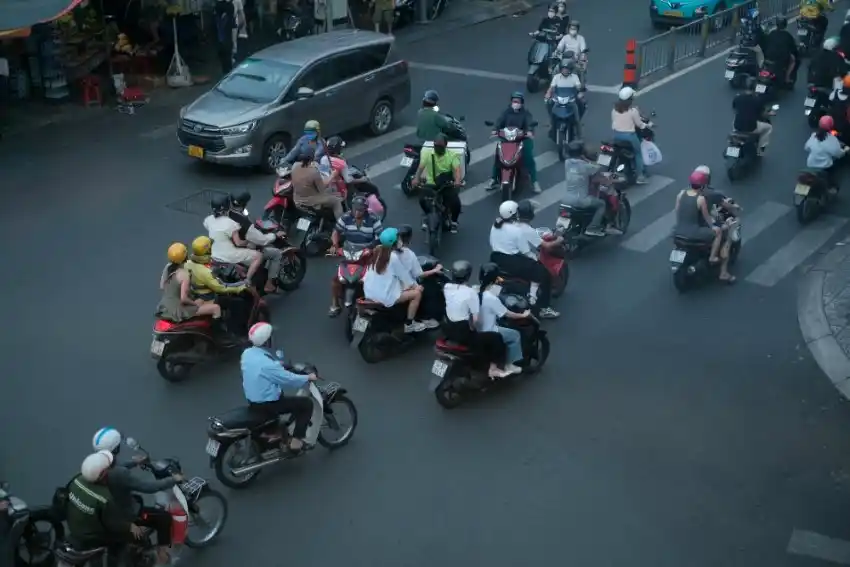
To stay on the right side of the law, you need your motorcycle license from home and an International Driving Permit (IDP) issued under the 1968 Convention. If you ride without these, your medical insurance is completely void, and you risk having your bike confiscated at a police checkpoint. For a broader look at staying legal on the roads, the Renting Motorbikes Vietnam guide covers the rental side in detail, including which shops are trustworthy and which to avoid.
The IDP situation explained
Vietnam strictly recognizes the 1968 Convention IDP. Check the cover before you fly, as the 1949 version won’t cut it here. You also need to make sure the motorcycle box (Category A) is actually stamped. You don’t need a license for anything under 50cc, but let’s be honest: those tiny scooters don’t have the power to make it up the steep hills of Ha Giang or Da Lat. If you’re still sorting your visa situation alongside the IDP, the Vietnam E-Visa Guide will walk you through the official portal step by step.
The Blue Card
Every legitimate rental bike comes with a small registration card called the Blue Card. Double-check that the frame and engine numbers stamped on the bike’s chassis match the card exactly. Keep a laminated copy in your wallet and tuck the original away in a waterproof zip-lock bag under the seat. Worth noting: the Vietnam Safety Guide has a useful section on dealing with police checkpoints calmly and legally, which is handy knowledge before you hit the mountain roads.
Visa-free riders, pay attention
If you’re entering Vietnam under a visa exemption, your stay is time-limited and you can’t simply extend it on a whim. Check the Vietnam Visa Exemptions page to confirm exactly how long your passport gets you before you start planning a weeks-long ride down the coast. Running out of legal stay while you’re in a remote province is a headache nobody needs.

Book the Mekong day trips, attractions,
and activities in one place. Read real
reviews, check availability, and lock in
your spot before the popular slots go.
How should luggage be packed:
The best way to pack is to load everything into a single waterproof dry bag and strap it down to a heavy-duty rear rack using bungees or ratchet straps. Keeping the weight low and centered makes a world of difference when leaning into tight mountain curves. If you’re flying in first and tackling the cities before picking up a bike, the Vietnam Travel Tips page has some solid advice on managing luggage during the transit phases of your trip.
Where to put your gear
Do not ride with a heavy backpack. It will destroy your shoulders on long trips and can cause nasty spinal injuries if you take a spill. Instead, strap your bag onto the metal rack behind your seat. Balance the weight evenly so the bike doesn’t pull to one side when you’re cornering. If you’ve got expensive camera gear or a laptop, the Digital Nomad Gear guide has some great recommendations for protective cases that don’t take up much space.
Waterproofing your tech
Assume that everything you pack will get absolutely drenched at least once. Put your clothes, chargers, passport, and batteries into smaller dry sacks before loading them into your main bag. If you’re riding an under-bone style bike, you can use heavy-duty zip ties to lock your camera gear safely inside the center storage bays. For a full breakdown of what the Vietnam Motorbike Adventures guide recommends carrying on longer cross-country runs, that’s a great companion read once you’ve nailed the packing side.

From a scooter scratch to a trip to
a the Mekong clinic, SafetyWing’s plans
cover the unexpected. Subscription
model means no awkward renewal forms.
Pre-Ride Bike Checks You Shouldn’t Skip:
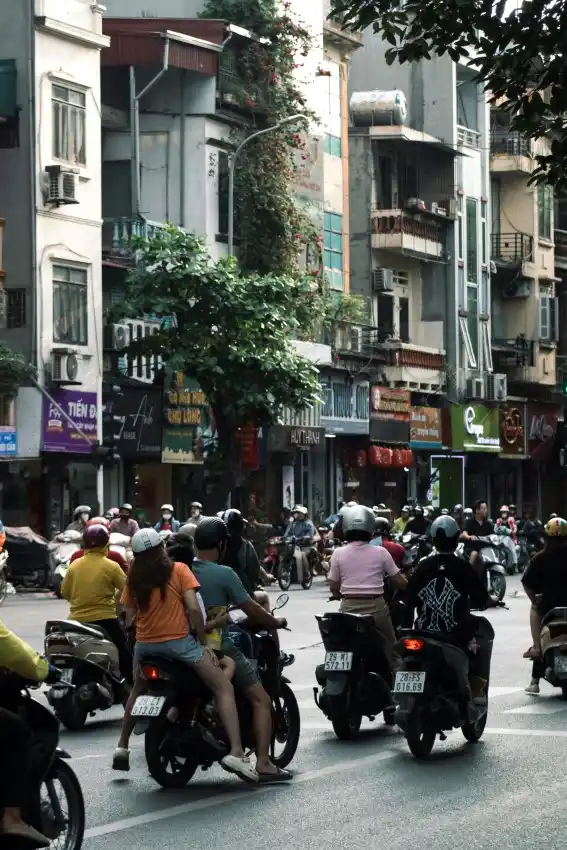
This is the part most riders skip and then deeply regret. Before you pull out of the rental shop forecourt, spend ten minutes going over the bike yourself. A dodgy rental can leave you stranded on a mountain pass with no phone signal and a chain that shouldn’t have been touched in months. Take photos of every scratch and dent before you ride off, so you’re not held responsible for damage that was there before you.
The five-minute checklist
- Tyres: Press down with your thumb. If there’s too much give, the pressure is low. Look for any visible cracks in the sidewalls.
- Brakes: Both front and rear should engage firmly without the lever or pedal going all the way to the limit. Spongy brakes on a mountain descent are genuinely terrifying.
- Chain: It should have a small amount of slack but not hang loosely. A rusty or very dry chain will snap on a long ride.
- Lights and horn: Test both. Vietnamese roads after dark and in mountain mist demand fully working lights.
- Oil level: A dipstick check takes thirty seconds. Low oil on a hot engine is how gearboxes die.
The Renting Motorbikes Vietnam guide goes deeper on what to look for when choosing between rental shops, and which bike types suit which terrain. If you’re heading north towards the loop roads, the Vietnam Motorbike Route page has route-specific advice on road conditions and fuel stop planning.
Pro Tips For Stress Free Travel:
Accommodation: Lock down guesthouses in remote spots like Dong Van or Phong Nha before you arrive. Agoda has the deepest inventory in smaller towns across Vietnam, and Booking.com is solid if you want free cancellation flexibility for nights when your ETA is a guess.
Tours and Guides: If you want to join a local guide for a cave trek in Phong Nha or a boat trip out of Ha Long, book ahead on Klook or Get Your Guide. Availability fills up fast in peak season and spots go to whoever books first.
Staying Connected: A high-speed eSIM from Yesim is the easiest way to stay online from the moment you land, no SIM card hunting required. Activate it before you fly and you’re good to go. Pair it with NordVPN to keep your banking and data secure on guesthouse Wi-Fi. See the full Vietnam SIM Cards and Internet guide for a proper breakdown of data speeds by region.
Getting Around Cities: Use Google Maps for the open road, and grab Grab, Be, or Xanh SM when you’re exploring cities without your bike. They’re cheap, reliable, and you can pay cash.
Cash is King: Always keep at least 1,000,000 VND ($41 USD) in smaller bills on you. Remote gas stations and mechanic shops out in the mountains do not take credit cards or banking apps. Check the Vietnam Currency and Money guide for the best ways to get cash without losing it to bad ATM rates.


Forget swapping physical SIMs in the Mekong.
Yesim’s eSIM works on most newer phones,
activates remotely, and keeps your home
number reachable for WhatsApp too.
Do You Actually Have the Right Travel Insurance?
This is the bit people skip until it’s too late. A solid travel insurance policy is just as important as your helmet, and for one simple reason: hospitals in Vietnam will ask for payment upfront, and a serious accident on a mountain road can cost millions of dong before you’ve even left the emergency room. Check the full Travel Insurance Vietnam guide before you commit to a policy.
Make sure motorbikes are actually covered
Most standard travel insurance policies exclude motorbike riding above 125cc, and some won’t cover you at all unless you hold a full motorcycle license from your home country. Read the fine print. If you’re planning anything remotely adventurous, look at a policy that explicitly covers motorcycle touring. SafetyWing is a popular and affordable option among long-term travellers and digital nomads in Vietnam. It covers emergency medical treatment and is worth checking if you haven’t sorted insurance yet.
What to do if you have an accident
Stay calm, move yourself and the bike off the road if you can, and photograph everything immediately. Get the name and contact details of anyone involved. Call your insurer’s emergency line before you leave the scene if possible. The Vietnam Healthcare Guide has a useful breakdown of which hospitals in each major city are set up for foreign patients and what level of care you can realistically expect. If you want a broader safety overview before you set off, Is Vietnam Safe covers traffic risks and what to watch for on the road.
Frequently Asked Questions:
Can I just use my normal driver’s license from home?
No. A foreign license on its own is illegal. You must pair it with a 1968 International Driving Permit (with the motorcycle stamp), or take the time to convert it into a temporary local license in a major city.
What happens if my bike breaks down?
Don’t panic. Roadside repair shops are everywhere. Just look for a sign that says “Sửa Xe Máy.” Basic fixes like patching a flat tire or getting an oil change are super cheap, usually running between 50,000 VND and 200,000 VND ($2 to $8 USD).
Do I really have to wear a helmet?
Yes, absolutely. It is strictly illegal for both drivers and passengers to ride without one. If you get caught without a helmet, you face immediate fines and the police could impound your bike.
How do I find gas in the mountains?
Never let your tank drop below half when you’re out in remote areas. Fill up whenever you can. If you’re deep in a valley with no gas stations around, look for small roadside stalls selling petrol out of glass bottles.
Which side of the road do they drive on?
Traffic moves on the right. Just keep your eyes peeled on mountain corners. Large trucks and farm vehicles love to drift over into the oncoming lane.
Can I ride a motorbike in Vietnam without an IDP if I only ride under 50cc?
Yes, legally speaking. Bikes under 50cc do not require a license or IDP in Vietnam. However, in practice, most worthwhile touring routes involve gradients and distances that a 50cc engine simply cannot handle comfortably. If you’re planning any serious riding beyond city streets, get the IDP sorted before you fly.
Is it safe to ride at night in Vietnam?
It’s not recommended, especially on rural roads and mountain passes. Lighting is poor or nonexistent on many stretches, livestock wander onto the road after dark, and trucks often drive without headlights in remote areas. Plan your daily stages to reach your accommodation well before sunset.
What’s the best type of bike for a long Vietnam road trip?
For most riders, a 150cc to 250cc semi-automatic or manual bike is the sweet spot. The Honda Win and Yamaha Exciter are popular choices. For serious mountain routes in the north, a 250cc manual gives you the torque you need on steep climbs. Avoid fully automatic scooters for anything beyond flat coastal roads.
Do I need to speak Vietnamese to get mechanical repairs done?
Not really. Most mechanics understand the universal language of pointing at the broken thing and looking distressed. Having Google Translate with the Vietnamese pack downloaded offline helps enormously for more complex issues. Learning a handful of phrases like “Sửa Xe Máy” (motorbike repair) and “Bao nhiêu tiền?” (how much?) will get you a long way.
Can I buy travel insurance that covers motorbike riding after I’ve already arrived in Vietnam?
Yes, some providers will cover you even if you purchase after arrival, as long as you haven’t already had an incident. SafetyWing can be purchased from anywhere in the world at any time. Always check the policy wording around motorcycle coverage and make sure your engine size and license type are included before you ride.