Where To Stay In Nha Trang: The Neighbourhood Guide
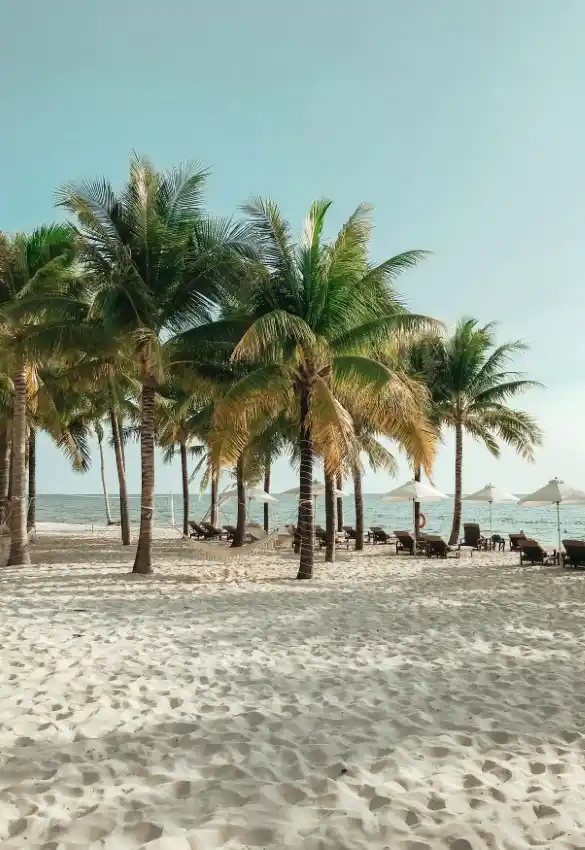
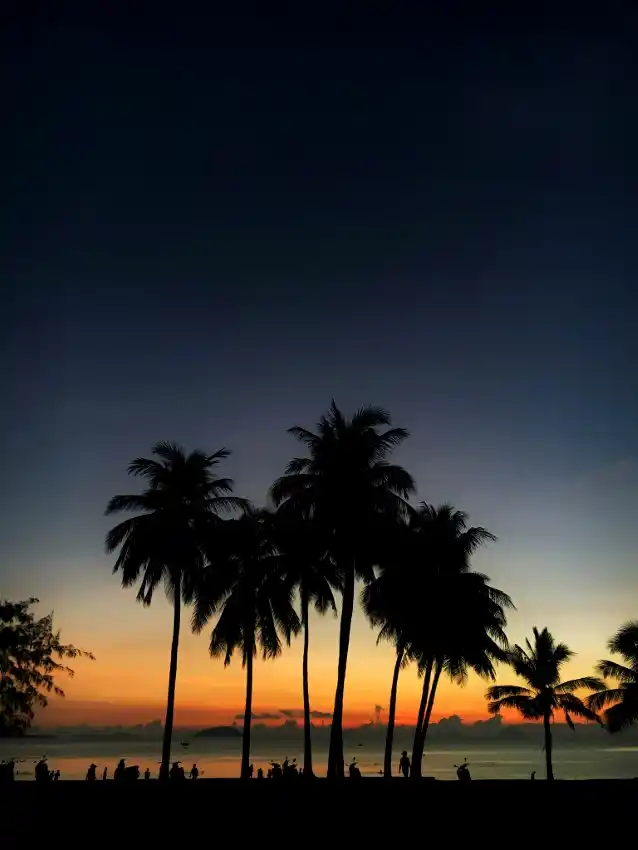
Nha Trang is one of those coastal cities that just works. A sweeping six-kilometre bay, green mountains rising behind the rooftops, strong iced coffee in the morning, grilled seafood at night, and a beachside buzz that never quite switches off. Whether you are a backpacker hunting for the best guesthouse value, a family after a full-on island resort, or a slow traveller thinking about staying for a few months, where you base yourself shapes everything. Here is how to choose the right neighbourhood for your trip.
The Quick Summary
- Budget Reality: Beachfront high-rises offer genuine mid-range bay views at surprisingly fair prices. Backstreet guesthouses in the alleys off Tran Phu Street start from around 250,000 VND per night ($10 USD), and they are often far more charming than their price tag suggests.
- Entry Requirements: Sort your 90-day e-visa online before you fly, through the official Vietnamese government portal. It is straightforward, takes around three working days, and removes all the stress from arrival at Cam Ranh International Airport.
- Neighbourhood Variance: Tran Phu Street is non-stop energy and beach access right at your feet. Pham Van Dong to the north is calmer, more local, and easier on the wallet. Hon Tre Island is pure self-contained luxury, sitting just across the bay.
- Best Time to Visit: January through August gives you the driest, sunniest conditions. September through December is the short rainy season, with fewer crowds and noticeably lower rates across all categories. Check the full seasonal breakdown if you are planning around the weather.

From boutique guesthouses to five-star
resorts, Agoda has Nha Trang’s best stays
covered. Strong Asia inventory means
deeper discounts than you’d expect.
Where to Stay in Nha Trang: Neighbourhood Comparison
Nha Trang divides neatly into three distinct accommodation zones. Your best base depends entirely on whether you prioritise steps-from-the-beach action, a local neighbourhood feel, or a private island escape. Here is how the main options compare side by side. If you are still weighing up whether Nha Trang is right for your trip at all, the Phu Quoc vs Nha Trang comparison lays it out clearly.
| Neighbourhood | Vibe | Average Cost Per Night |
|---|---|---|
| Tran Phu Beachfront | Energetic, urban, central, walkable | 750,000 VND to 3,500,000 VND ($30 to $140 USD) |
| Pham Van Dong (North City) | Local, relaxed, seafood-focused, quieter beaches | 500,000 VND to 2,000,000 VND ($20 to $80 USD) |
| Hon Tre Island | Exclusive, family-oriented, luxury and all-inclusive | 4,000,000 VND to 12,000,000 VND ($160 to $480 USD) |
Which Neighbourhood Is Right for You?
The three zones each attract a completely different type of traveller. Tran Phu is where first-timers and sun-seekers tend to land. Pham Van Dong suits couples, budget travellers, and anyone who wants to actually feel like they live somewhere rather than just pass through it. Hon Tre Island is the dream for families and anyone treating themselves to a proper luxury escape. Have a read through the full Nha Trang hub for more on what the city has going for it before you commit to a base.
Tran Phu Street: Best for First-Time Visitors
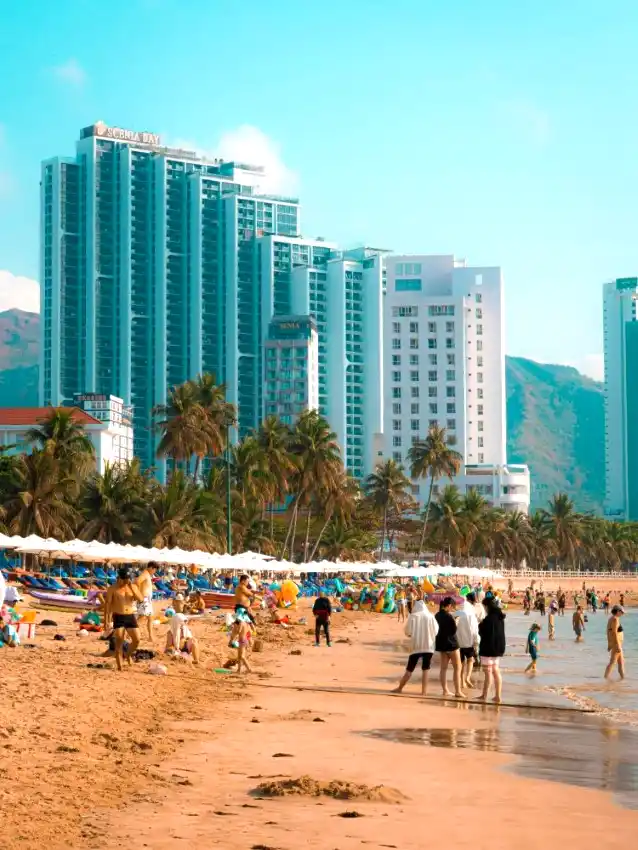
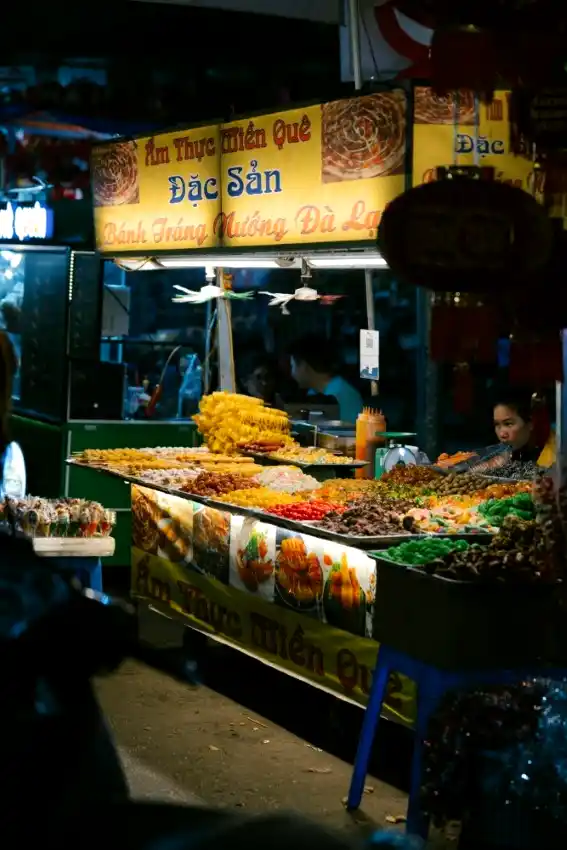
Tran Phu Street is the backbone of Nha Trang, running directly alongside the main six-kilometre sweep of golden sand. Staying here puts you steps from the beach, within easy walking distance of the night market, sailing clubs, and dozens of restaurants ranging from banh mi carts to proper sit-down seafood places with bay views. It is noisy, fun, and very easy to navigate on foot. Check out the full Things To Do In Nha Trang guide for everything worth putting in your itinerary while you are based here.
The skyline is dominated by sleek high-rises. Properties like the InterContinental Nha Trang and the Sheraton deliver clear ocean views and immediate beach access for those who want full comfort. For mid-range and budget travellers, the narrow alleys branching off Tran Phu, especially around Hung Vuong Street and Nguyen Thien Thuat Street, hide excellent boutique hotels and guesthouses at great prices, some from as low as 400,000 VND ($16 USD) per night. Search on Agoda for the best inventory in this area, particularly for the smaller independent properties that book up fast in peak season. Booking.com is worth a cross-check if free cancellation matters to you.
Pham Van Dong: Best for a Local Experience
Cross the Tran Phu Bridge over the Cai River and the city changes noticeably. Pham Van Dong is quieter, more residential, and highly favoured by long-term expats and travellers who want a neighbourhood feel rather than a resort strip. The beaches here are far less crowded, and the rocky Hon Chong promontory creates a beautiful natural backdrop that is free to visit. It is also the natural base for the historic Po Nagar Cham Towers, which you can reach easily without battling the central crowds.
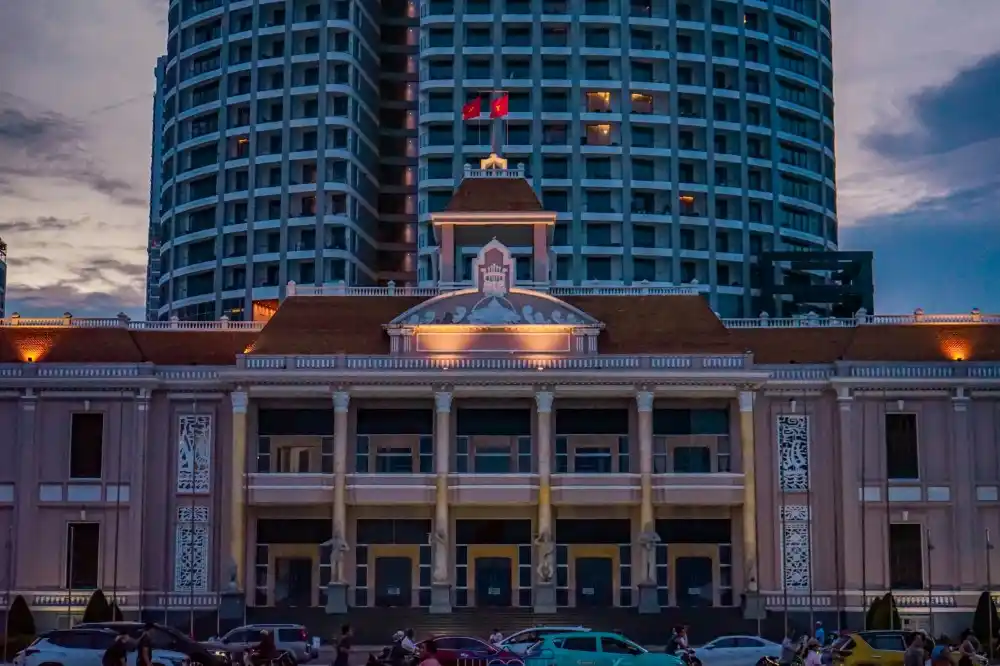
Accommodation here includes modern apartment-style hotels and solid mid-range options like the Muong Thanh Luxury Vien Trieu. The streets behind the beachfront are lined with traditional coffee shops, local noodle stalls serving Bun Cha Ca (fish cake noodle soup), and lively seafood joints where prices are noticeably lower than in the tourist centre. Agoda tends to have the deepest stock here, covering everything from serviced apartments to family-run guesthouses that do not always show up elsewhere.
Hon Tre Island: Best for Families and Luxury Seekers
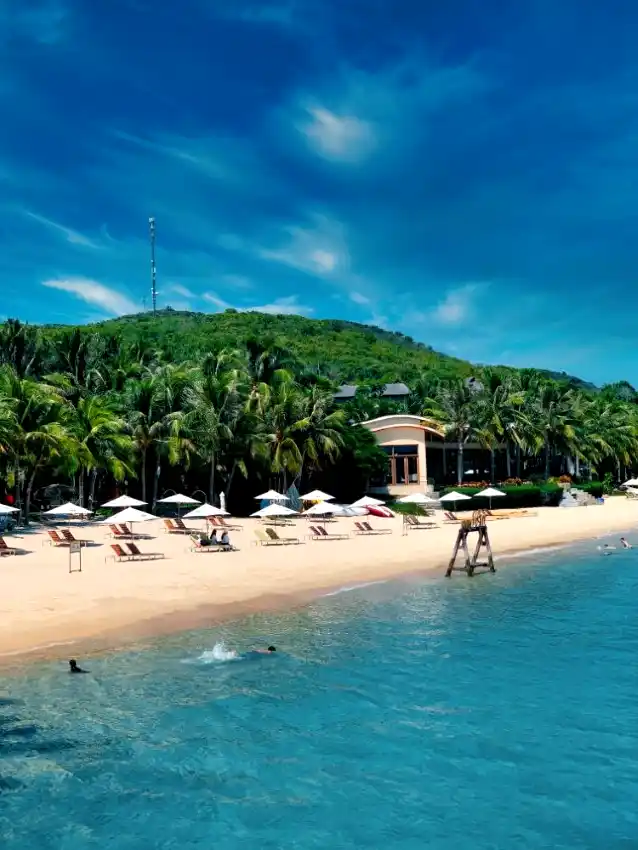
Hon Tre Island sits just across the bay, reachable by high-speed speedboat or the spectacular Vinpearl Cable Car, one of the longest over-sea cable cars in the world and worth the ride for the views alone. The island is essentially a self-contained luxury destination, built around the Vinpearl complex, which bundles together a water park, theme park, aquarium, and an 18-hole golf course. For a dose of island-hopping context before or after your stay, the Nha Trang Island Hopping guide covers all the options across the bay.
Resorts here, including the Vinpearl Resort and Spa Nha Trang Bay, offer private villa accommodations, secluded beach areas, and all-inclusive dining packages. For families who want a stress-free, fully managed holiday, this delivers. You will be somewhat removed from the authentic street food scene on the mainland, but the island’s own restaurants and facilities are excellent. Search Agoda for the best rates on island resorts, and check the Vietnam Luxury Travel Guide if Hon Tre is part of a bigger upmarket trip.

Compare every realistic route to Nha Trang:
sleeper bus, train, or ferry, all priced
and reviewed in one place. No more
wondering which operator is reliable.
Slow Travel and Long-Stay Options
Nha Trang has quietly become one of the stronger options in Southeast Asia for slow travellers and digital nomads. The 90-day e-visa gives you real breathing room, and the city has the infrastructure to back it up: fast cafe wifi, affordable apartment rentals with ocean views, a growing expat community, and a cost of living that makes the lifestyle sustainable without constantly watching your budget. The full Vietnam Digital Nomad Guide is worth reading before you commit to a base city.
Monthly apartment rentals in Pham Van Dong typically run from 5,000,000 VND to 12,000,000 VND ($200 to $480 USD) for a furnished one-bedroom with a sea view, a fraction of what you would pay in equivalent coastal cities across the region. The Tran Phu strip also has several serviced apartment towers offering flexible short-term monthly rates, ideal if you want the full beach lifestyle without committing to a long lease. For a detailed breakdown of what life actually costs here, the Cost of Living in Vietnam guide has the numbers. And if you are weighing up Nha Trang against other cities for a longer stay, renting apartments in Vietnam is a useful broader read.
For those considering making Vietnam their base more permanently, Khanh Hoa province has excellent schools, international clinics, and a well-established network of expat-friendly services including pet-friendly housing across the city. If you are moving with animals in tow, the pet-friendly rentals guide covers the practicalities.

GetYourGuide has Nha Trang’s best
excursions covered: museums, tours,
and unique experiences with verified
operators and instant mobile vouchers.
Pro Tips for a Stress-Free Stay

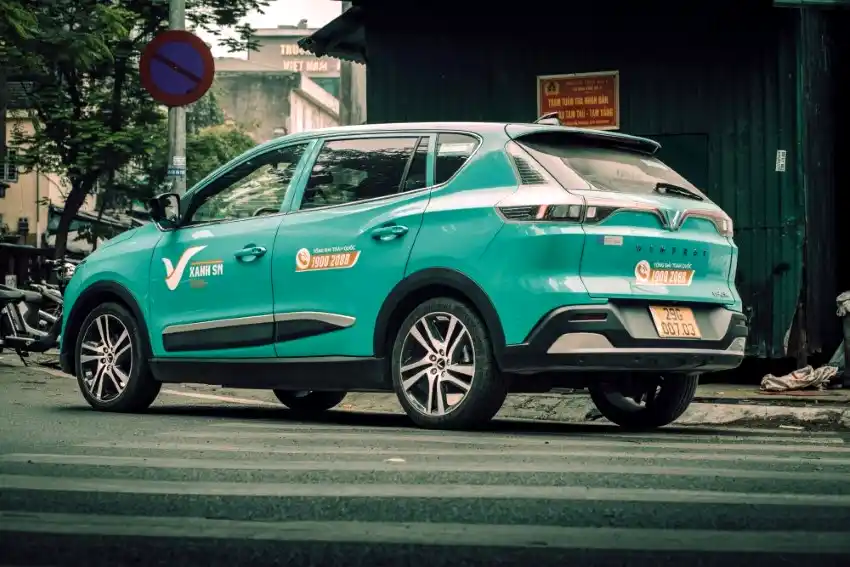
- Ride-Hailing Apps: Download Grab, Xanh SM, or Be before you land. Xanh SM runs a modern fleet of electric vehicles with fixed, transparent pricing, making it great for airport transfers and getting between neighbourhoods without any fuss.
- Cash is Still King: Street vendors, market stalls, and local cafes almost never accept cards. Keep smaller denomination VND notes on you, specifically 20,000, 50,000, and 100,000 VND. Large 500,000 VND notes can be difficult for small vendors to change, especially early in the day. The Vietnam currency guide covers ATMs, cards, and how to avoid bad exchange rates.
- Connectivity: Grab a local eSIM via Yesim before you fly and you will have data for maps, translation, and ride apps from the moment you land. If you prefer a physical SIM, pick one up on arrival at Cam Ranh Airport. Use NordVPN to keep your personal data secure on hotel and cafe Wi-Fi. The Vietnam SIM and eSIM guide has everything you need to compare your options.
- Booking Activities: Use Klook or Get Your Guide to pre-book island-hopping snorkelling day trips, mud bath vouchers at Thap Ba, or a guided street food evening tour. Pre-booking saves money and means you are not making decisions on a hot pavement with vendors pushing paper leaflets at you.
- Getting from the Airport: Cam Ranh International Airport is about 30 kilometres south of the city centre. A Grab ride runs approximately 350,000 VND to 450,000 VND ($14 to $18 USD). The Dat Moi airport shuttle bus is a solid budget option at 60,000 VND ($2.50 USD) per person and runs regularly into the city. Pre-booking an airport transfer through Welcome Pickups is worth considering if you are arriving late or with a lot of luggage. The Vietnam airports guide has details on Cam Ranh specifically.

Stay online across Nha Trang without the
daily-data limits of standard tourist
SIMs. Yesim’s eSIM offers unlimited 5G
from around $10 for the whole trip.
Local Culture and Customs Worth Knowing
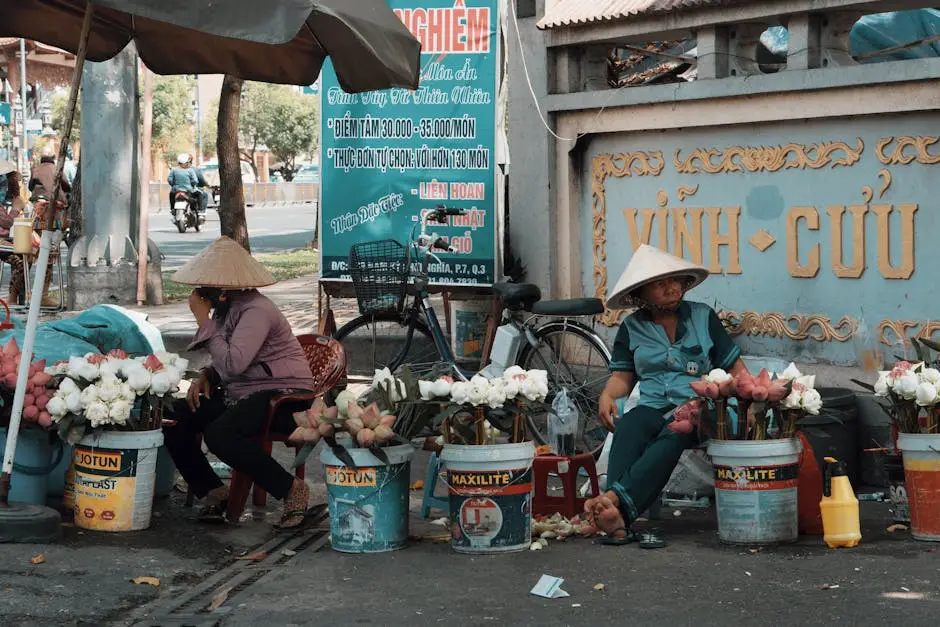
Knowing a few local customs goes a long way in Khanh Hoa province. Motorbike culture is central to daily life here. When crossing the road on foot, the best approach is to move at a slow, steady, predictable pace, giving riders the chance to gauge your movement and steer around you smoothly. Hesitating or lurching forward unexpectedly is what causes problems. The Is Vietnam Safe guide has a thorough section on traffic if this is a concern before you arrive.
Cultural Tip: When visiting the Long Son Pagoda or the Po Nagar Cham Towers, cover your shoulders and knees. Remove shoes before entering the main sanctuaries. A small gesture of respect here is warmly noticed by local devotees and temple caretakers alike. The Vietnamese culture and etiquette guide covers the wider picture if you want to go in properly prepared.
Tipping is not a traditional expectation in local eateries, but rounding up the bill at independent cafes or leaving a small amount for spa staff and tour guides is always appreciated. Bargaining is standard practice at Cho Dam Market and smaller souvenir stalls. Keep it friendly, start at roughly half the asking price, and aim for a comfortable middle ground. Nobody expects you to win, and nobody should go away feeling cheated.

No taxi haggling at Nha Trang airport.
Welcome Pickups dispatch a vetted
local driver who knows the city, with
the fare confirmed before you even fly.
A Note for Nervous Travellers
Nha Trang is a welcoming, well-visited coastal city and the vast majority of people have a completely trouble-free stay. A little basic awareness is all you need. Petty theft, particularly phone snatching near busy beach areas, does happen occasionally, so keep your phone away from the roadside and bags zipped in crowded spots like the night market. The Vietnam Safety Guide is worth a quick read before you travel.
Food safety is excellent if you follow the same rule as locals: eat at the busiest stalls. High turnover means ingredients are fresh and everything is cooked at high heat right in front of you. Tap water is not safe to drink, so stick to bottled or filtered water, which all hotels and guesthouses provide as standard. Ride-hailing apps like Grab and Xanh SM remove almost all transport stress. Fixed pricing means no meter arguments and no negotiating at the roadside. The Grab vs Xanh SM comparison will help you decide which app to default to.
One more thing worth doing before you go: sort travel insurance. SafetyWing is flexible, good value for long stays, and covers the kind of mishaps that do occasionally happen in active beach destinations.
Frequently Asked Questions
Is it better to stay on Tran Phu Street or Pham Van Dong?
Tran Phu Street is the one to pick if you want immediate beach access, buzzing nightlife, and western restaurants right on your doorstep. Pham Van Dong wins if you prefer a quieter, more budget-friendly atmosphere with a strong local food scene and far fewer tourists. Both are great in their own way, and it really comes down to your travel style.
How do you get from Cam Ranh Airport to Nha Trang hotels?
The most reliable option is a fixed-rate vehicle booked through the Grab app, which typically costs 350,000 VND to 450,000 VND ($14 to $18 USD) depending on your exact destination. The Dat Moi airport shuttle bus is the budget choice at 60,000 VND ($2.50 USD) per person and runs regularly into the city centre. Avoid unmarked taxis outside the arrivals hall. Welcome Pickups is a good option for pre-booked, fixed-price private transfers if you are travelling with family or luggage.
Are the luxury resorts on Hon Tre Island worth the extra cost?
Yes, if your goal is a private, self-contained family holiday or a proper luxury escape. Hon Tre offers private beaches, a water park, a theme park, and a world-class cable car crossing. The trade-off is being cut off from the authentic street food scene and cultural landmarks on the mainland, so it suits families and honeymooners more than solo travellers or those who want deep cultural immersion.
What is the best time of year to visit Nha Trang?
January through August delivers the driest and sunniest conditions with calm seas, making it ideal for beach days, snorkelling, and island-hopping. September through December is the short rainy season. Rain tends to come in short, heavy bursts rather than all-day downpours, and you will find noticeably lower accommodation rates and quieter beaches during this period.
Is Nha Trang a good base for digital nomads or long-term stays?
Absolutely. The 90-day e-visa gives you proper breathing room, and the city has fast cafe wifi, affordable furnished apartments with sea views, and a growing expat community. Monthly rentals in Pham Van Dong typically run from 5,000,000 VND to 12,000,000 VND ($200 to $480 USD) for a furnished one-bedroom with an ocean view. It is significantly more affordable than comparable coastal cities in the region, and the lifestyle is very easy to settle into.
Is the street food in Nha Trang safe to eat?
Yes, and it is excellent. The rule is simple: eat where the locals eat. A packed stall with high turnover means fresh ingredients and food cooked at high heat right in front of you. Avoid anything left sitting out in the sun. Tap water is not safe to drink, so stick to bottled or filtered water, which all hotels and guesthouses provide as standard.
Do I need to speak Vietnamese to get around Nha Trang?
Not at all. English is widely spoken in hotels, tourist areas, and by most tour operators and ride-hailing drivers. Outside the main tourist zones, a translation app like Google Translate with the camera function works brilliantly for reading menus and communicating with vendors. Locals appreciate any attempt to say a few words in Vietnamese, even just cam on (thank you).
What are the best day trips from Nha Trang?
The four-island snorkelling tour is the classic choice, visiting Hon Mun, Hon Tam, Hon Mot, and Hon Ot, and costs from around 250,000 VND to 500,000 VND ($10 to $20 USD) per person on a group boat. The mud baths at Thap Ba Hot Springs are great fun and cost around 300,000 VND ($12 USD). Ba Ho Waterfall, about 25 kilometres north of the city, is a lovely half-day jungle hike to a series of natural pools. Book island tours through Klook or Get Your Guide to avoid inflated prices at the pier.
Is Nha Trang better for a holiday than Phu Quoc?
They offer genuinely different experiences. Nha Trang gives you an urban coastal city with beaches, culture, night markets, history, and a lively restaurant and bar scene all within walking distance. Phu Quoc is an island escape with longer, more secluded beaches and a slower pace. Families and beach purists often prefer Phu Quoc, while those who want a mix of culture, city energy, and the sea tend to lean toward Nha Trang.
What should I pack for a trip to Nha Trang?
Light, breathable clothing is essential given the tropical heat and humidity year-round. Pack a good reef-safe sunscreen, a compact rain layer for the cooler months or short downpours, and a pair of shoes you can slip off easily for temple visits. A dry bag is useful for island-hopping boat trips. Download Grab, Google Translate, and your Yesim eSIM app before you land so everything is ready from the moment you arrive. The full Vietnam packing list is worth bookmarking too.