Living In Ho Chi Minh City
Ho Chi Minh City doesn’t ease you in gently, it grabs you by the shoulders the moment you land. Street food carts steam beside glass skyscrapers, hidden courtyards open off ancient alleyways, and the coffee is, frankly, some of the best in the world. For expats, digital nomads, and anyone chasing a life that feels genuinely alive, Saigon delivers in spades.
The Quick Summary:
- Monthly Budget: 20,000,000 VND to 45,000,000 VND ($800 to $1,800 USD) covers comfortable to genuinely upscale living.
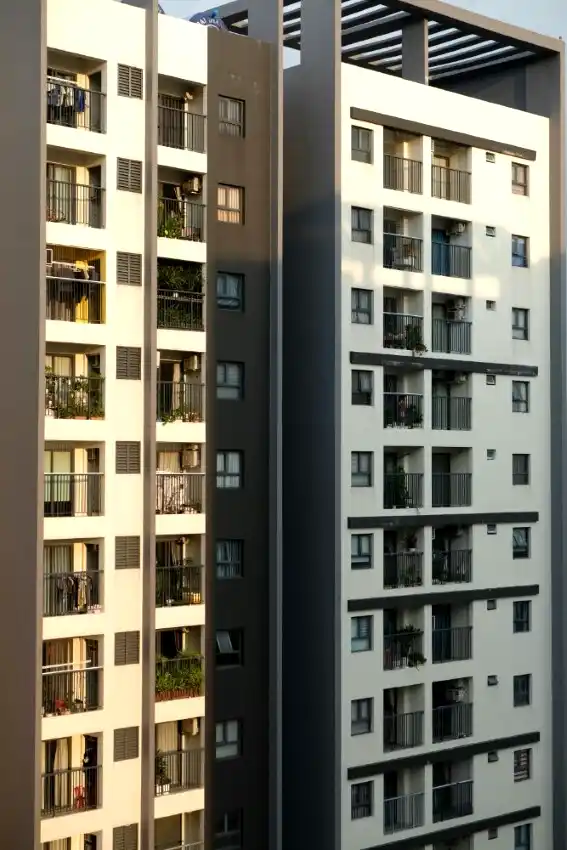
- Top Neighbourhoods: District 1 for the buzz, District 2 (Thao Dien) for western comforts, District 3 for local charm, and Binh Thanh for slick modern high-rises.
- Visa Options: Most long-term residents start with a 90-day e-visa, then transition to a business visa or Temporary Residence Card once settled.
- Getting Around: Grab a motorbike taxi on your phone. It’s fast, cheap, and infinitely less stressful than driving yourself through Saigon traffic.
- Local Vibe: Fast-paced, deeply entrepreneurial, wildly social, and genuinely welcoming to outsiders who show up with curiosity and a good attitude.

Lock in your Saigon accommodation early
and beat peak-season price hikes.
Agoda’s filters let you compare options
side by side before you commit.
How Much Does It Actually Cost to Live Here?
This is where Saigon really wins people over. A monthly budget of around 20,000,000 VND ($800 USD) gets you a genuinely comfortable local lifestyle, good food, a clean apartment, and a social life. Push that to 45,000,000 VND ($1,800 USD) and you’re living in a luxury high-rise with an infinity pool, eating out daily, and still saving money compared to back home.
| Expense Category | Local Lifestyle Budget | Premium Expat Budget |
|---|---|---|
| 1-Bedroom Apartment | 9,000,000 VND ($360 USD) | 22,000,000 VND ($880 USD) |
| Daily Meals & Coffee | 150,000 VND ($6 USD) | 500,000 VND ($20 USD) |
| Monthly Transport | 800,000 VND ($32 USD) | 3,000,000 VND ($120 USD) |
| Utilities & Internet | 1,500,000 VND ($60 USD) | 3,000,000 VND ($120 USD) |
Where Should You Actually Live?
Ho Chi Minh City is enormous, and where you land shapes everything about your day-to-day life. The good news: every major neighbourhood has real character and genuine appeal, it just depends on what you’re after.
District 1 & District 3: The Historic Heart
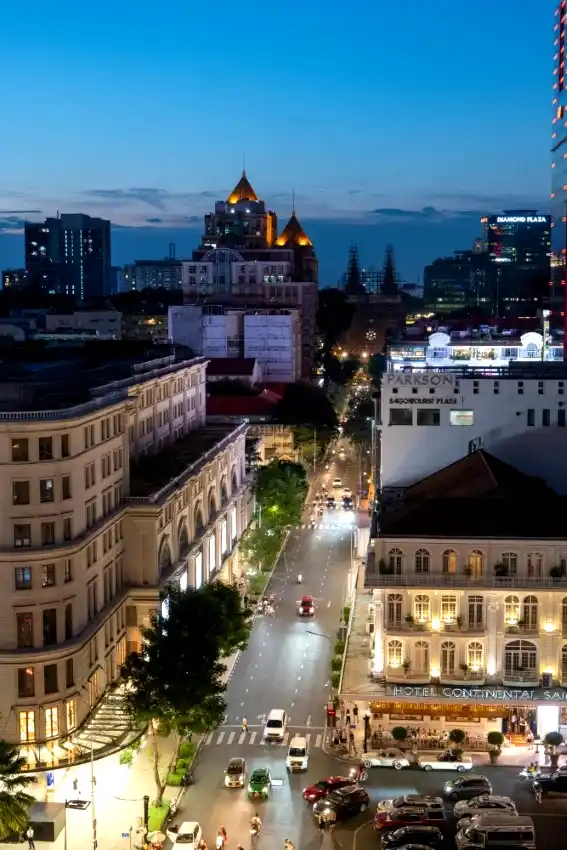
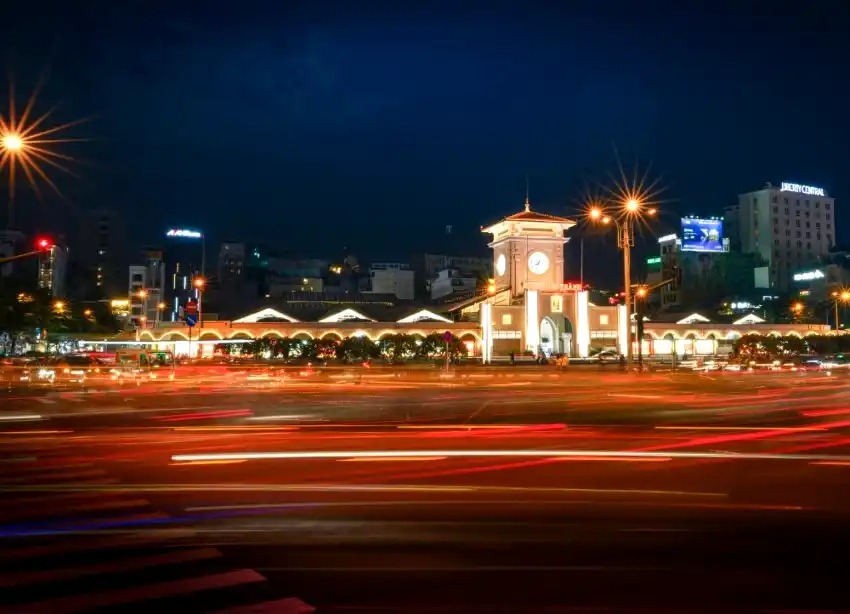
Living centrally puts you steps from the Saigon Notre-Dame Basilica, Independence Palace, and the city’s best rooftop bars.
District 3 is the quieter, more liveable cousin, tree-lined streets, French colonial villas, a thriving café culture, and that rare Saigon feeling of breathing space without sacrificing convenience.
It’s deeply Vietnamese while keeping the business district right on your doorstep.
Thao Dien & An Phu: The Riverside Enclave
Out in District 2 (now part of Thu Duc City), Thao Dien is where families and expats who want familiar comforts tend to gravitate.
International supermarkets, craft beer bars, boutique yoga studios, top-tier international schools, it’s all here.
Life moves at a calmer pace by the Saigon River, and the trade-off is that you’re a little further from the old city centre. For many residents, that’s exactly the point.
Binh Thanh: The Best of Both Worlds
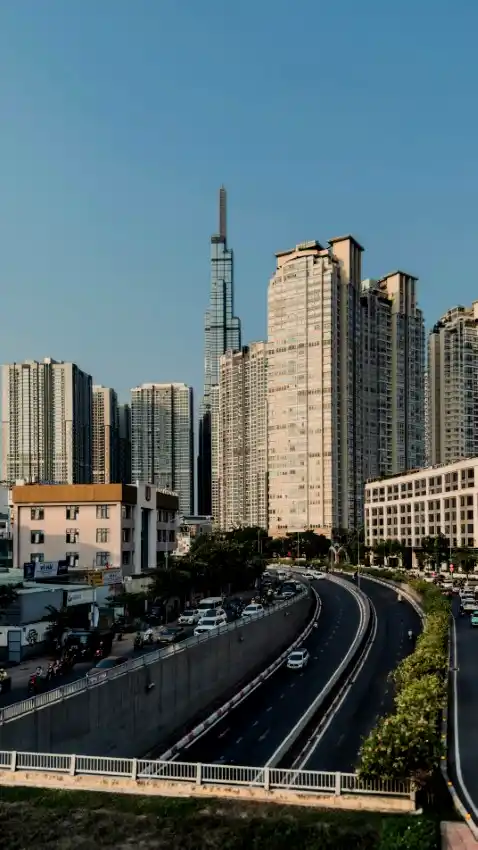
If you want a modern high-rise apartment without paying District 1 prices, Binh Thanh is your answer.
Home to the Vinhomes Central Park complex and the towering Landmark 81 skyscraper, it’s become the go-to for digital nomads and young professionals.
Great local street food on Phan Van Han Street, rapid access to District 1, and that unmistakeable feeling of a neighbourhood on the rise, it’s hard to argue with.
Getting Around Without Losing Your Mind
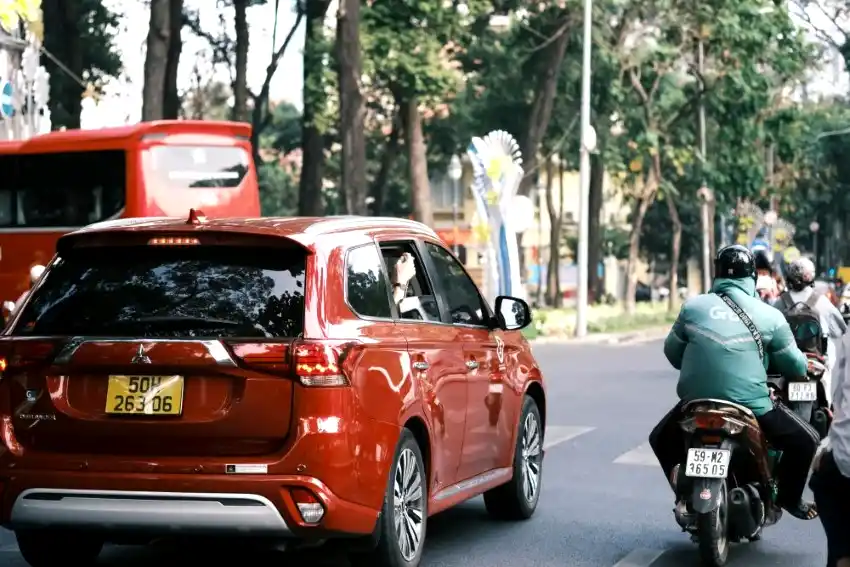
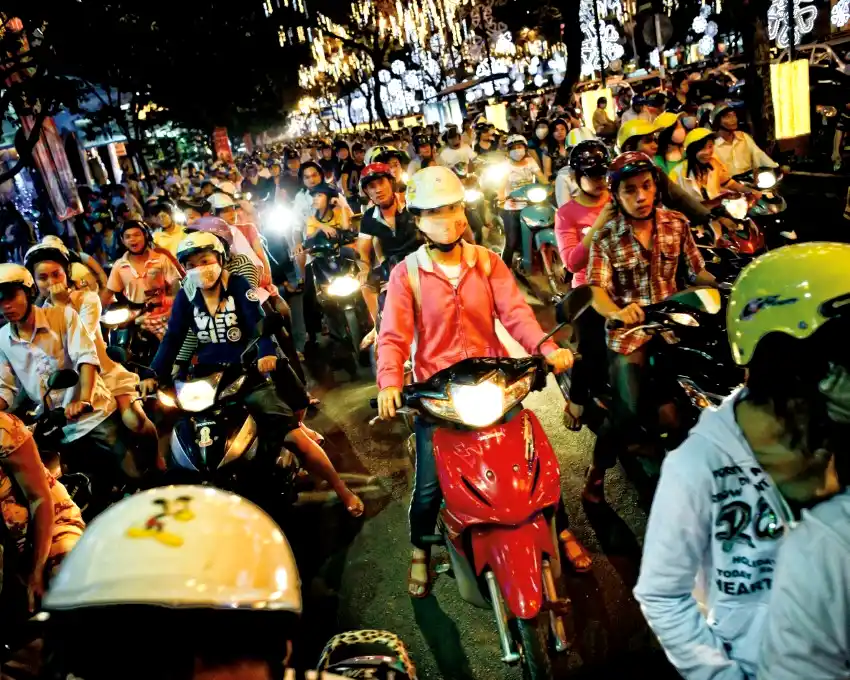
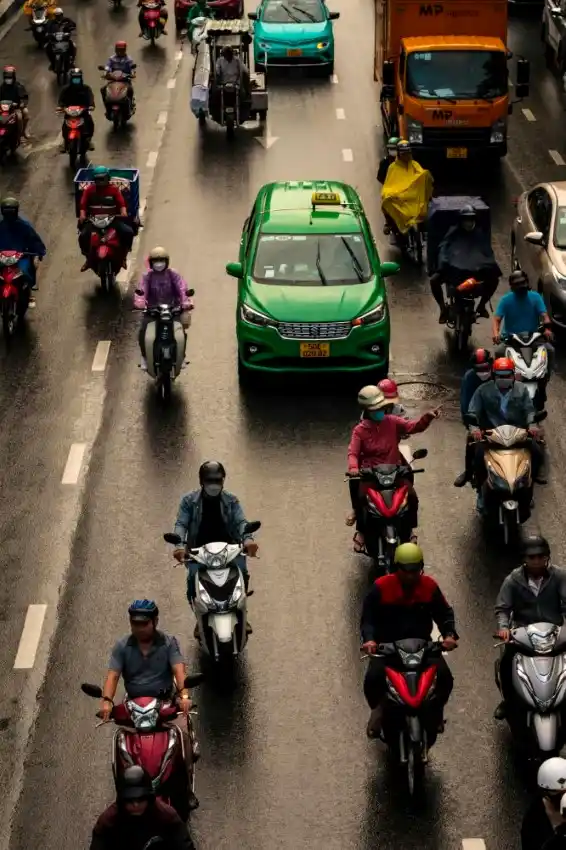
Saigon runs on two wheels. The moment you open Grab and tap for a motorbike taxi, you understand why, it arrives in minutes, costs almost nothing, and weaves through gridlock that would strand a car for half an hour. For most expats, this is the whole transport solution, full stop.
Renting your own scooter runs around 1,500,000–2,500,000 VND ($60–$100 USD) per month, and is genuinely fun once you’re comfortable, but it does require proper licensing and a realistic respect for southern Vietnamese traffic. Public buses exist, but complex routes and language barriers make them impractical for most newcomers. Walking works beautifully on dedicated zones like Nguyen Hue Walking Street, though the heat and patchy footpaths make it a short-distance option at best.
Your Practical Toolkit:

- Ride-Hailing Apps: Download Grab, Be, and Xanh SM before you land. Xanh SM is particularly good for electric vehicle options and tends to be very reliable in the city centre.
- Accommodation: Use Agoda or Booking.com for your first few weeks while you explore neighbourhoods in person. For long-term leases, local Facebook rental groups and Vietnamese real estate agents will get you much better rates than any platform.
- Connectivity: Pick up a Vinaphone or Viettel SIM at Tan Son Nhat airport on arrival, or set up an eSIM in advance via Yesim. Use Nord VPN whenever you’re on café or public Wi-Fi to keep your data secure.
- Weekend Trips: Klook and Get Your Guide are great for booking day trips out to the Mekong Delta or weekend runs to Mui Ne and Phu Quoc. Both platforms offer solid English-speaking guides and reliable pickup logistics.
- Cash: Always carry Vietnamese Dong in smaller denominations, 20,000, 50,000, and 100,000 VND notes are your everyday currency. Large 500,000 VND notes are often difficult for small stalls and street vendors to break, and torn or heavily worn notes are frequently refused.

Stay online across Saigon without the
daily-data limits of standard tourist
SIMs. Yesim’s eSIM offers unlimited 5G
from around $10 for the whole trip.
Understanding the Local Culture
Etiquette, Tipping & Everyday Life
Southern Vietnamese people are famously warm, direct, and genuinely open to foreigners. The culture rewards curiosity and a good-humoured attitude more than any amount of formal preparation.
A few things worth knowing: dress modestly when visiting sacred spaces like the Jade Emperor Pagoda (shoulders and knees covered). Tipping isn’t traditionally expected at street stalls, but leaving a small amount, 20,000–50,000 VND ($0.80–$2.00 USD), at upscale restaurants or for delivery drivers is always appreciated.
Bargaining is standard at traditional markets like Ben Thanh; just keep it light and friendly. Aggressive haggling kills the goodwill instantly.
Crossing the Street (Seriously, Read This)
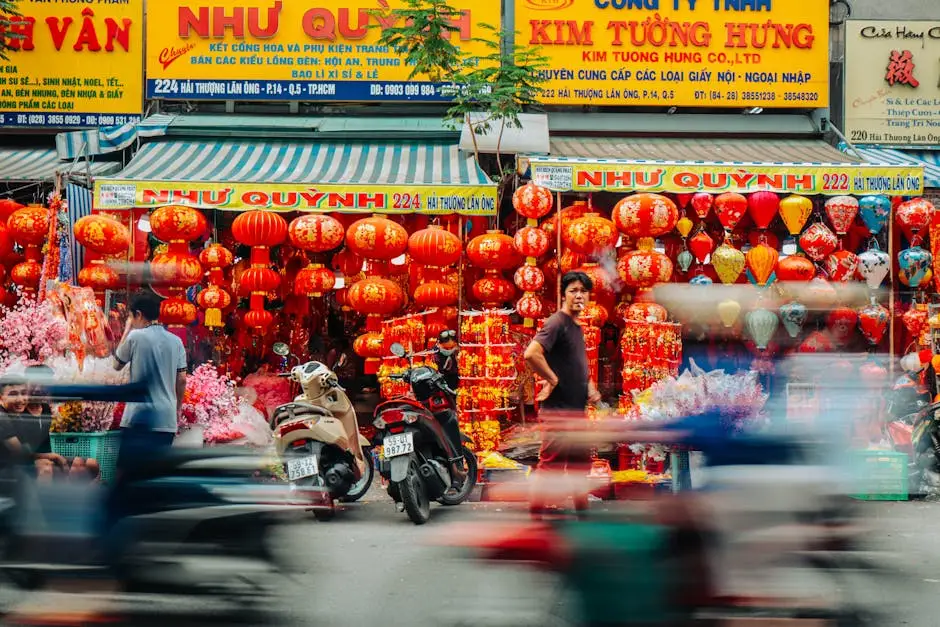
Life here happens on the pavement, sidewalks serve as dining rooms, car parks, and social clubs all at once.
The one skill every newcomer needs to master is crossing the road. Step off the kerb with a slow, steady pace, make eye contact with riders, and never stop suddenly or dart.
The sea of motorbikes reads your movement and flows around you. It sounds terrifying; after the first week, it feels completely natural.

Book Saigon day trips, attractions,
and activities in one place. Read real
reviews, check availability, and lock in
your spot before the popular slots go.
Staying Long-Term: Visas, Banking & Settling In
Most foreigners arrive on the 90-day e-visa, which covers the initial settling-in period well. Extending beyond that typically means either leaving the country briefly to re-enter, or transitioning to a Work Permit and Temporary Residence Card (TRC) through a local employer or international school, valid for up to two years and by far the most comfortable long-term option.
Opening a local bank account is straightforward once you have a visa or employment contract valid for at least three to six months. Many digital nomads also choose to alternate between Saigon’s high-energy pace and the beachside calm of Da Nang, using both cities as a base across the year.
Planning to bring pets? Vietnam has strict rules around animal relocation, check the official import requirements well in advance of your move date. It’s very doable, but needs more lead time than most people expect.
A Note for Nervous Arrivals:
Ho Chi Minh City can feel overwhelming on day one, the noise, the scale, the motorbikes, the heat. That feeling passes faster than you’d expect. The city is genuinely safe, violent crime is exceptionally rare, and most expats look back on their first weeks with a mix of fondness and mild disbelief at how quickly they found their feet.
The main thing to watch for is opportunistic theft, keep your phone away from the kerb when checking maps, and wear bags across your body rather than on your shoulder. For food safety, the golden rule applies: eat where the locals eat, and pick stalls with a constant queue. High turnover means fresh ingredients, and watching your food cooked directly over a charcoal flame in front of you is as reassuring as it gets.
Frequently Asked Questions:
Is Ho Chi Minh City safe for expats?
Yes, and comfortably so. Violent crime is genuinely rare. The main thing to stay aware of is opportunistic petty theft, phone snatching on busy streets and pickpocketing in high-traffic areas. Standard urban common sense is all you need.
How much money do you need to live well here?
A monthly budget of around 30,000,000 VND ($1,200 USD) covers a modern one-bedroom apartment, regular dining out at international restaurants, daily café visits, and a solid social life. It’s a genuinely high quality of life for the spend.
Can foreigners rent apartments easily?
Very easily. Serviced apartments and condominiums require a passport and a valid visa; most landlords are experienced with international tenants. Leases typically run for six or twelve months, with a two-month security deposit standard across the market.
What visa do I need for a long-term stay?
Most people start with the 90-day e-visa. For stays beyond that, the options are a business visa, or a Work Permit and Temporary Residence Card (TRC) obtained through a local employer, valid for up to two years and the most stable long-term solution.