Vietnam SIM Cards & Internet
The moment you step off the plane into the thick, buzzing heat of Hanoi or Ho Chi Minh City, one thing becomes obvious immediately: you need data, and you need it now. Hailing a ride, tracking down that hidden bun cha spot your guesthouse owner scribbled on a napkin, navigating a roundabout that seems to operate on pure chaos theory, it all runs on your phone.
The good news? Vietnam has one of the fastest, cheapest, and most reliable mobile networks in all of Southeast Asia, and getting connected here is about as painless as it gets.
The Quick Summary
- Best for Coverage: Viettel is the undisputed market leader, strong 4G and expanding 5G across cities, mountain passes, remote islands, and most of the places in between.
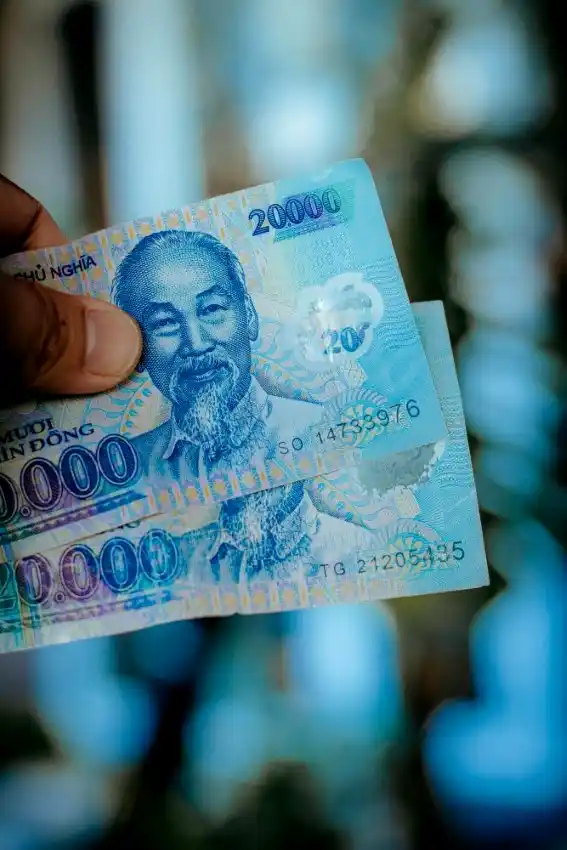
- Cost: A full month of high-speed data runs between 150,000 VND and 300,000 VND ($6.00 – $12.00 USD). Exceptional value by any measure.
- eSIM vs Physical SIM: Buy an eSIM via Yesim before you fly for instant connectivity the moment you land, or grab a physical SIM from an official city-centre store for the cheapest possible price.
- Registration: Vietnamese law requires passport registration for all physical prepaid SIMs. Always buy from an official carrier store, not airport kiosks or street vendors.

Stay online across Vietnam without the
daily-data limits of standard tourist
SIMs. Yesim’s eSIM offers unlimited 5G
from around $10 for the whole trip.
Which Network Provider is Best?
Three networks dominate Vietnam: Viettel, Vinaphone, and Mobifone. All three are fast in the cities. The differences show up the moment you leave them. If your trip involves anything beyond café-hopping in the Hanoi Old Quarter or the beach bars of Da Nang, the network you pick actually matters. Check out the full getting around Vietnam guide to see how transport and connectivity intersect once you’re moving between regions.
Viettel, Best Overall
State-owned, military-backed, and absolutely everywhere. Viettel has by far the most extensive infrastructure in the country. If your itinerary takes you onto the Ha Giang Loop, into remote ethnic minority villages near Sapa, or anywhere that could loosely be described as off-grid, Viettel is your only sensible choice. It holds signal in deep valleys and isolated mountain roads where the other two networks simply give up and shrug.
Vinaphone, Best for Cities
Vinaphone is a stellar performer in urban areas: fast, reliable, and slightly cheaper than Viettel. If you’re spending most of your time in Da Nang’s digital nomad cafes, the lantern-lit backstreets of Hue, or the coffee shops of Hanoi’s Old Quarter, Vinaphone delivers excellent speeds without paying the Viettel premium.
Mobifone, Budget Urban Option
Mobifone is popular with budget travellers sticking to Ho Chi Minh City and the Mekong Delta. City speeds are solid, but signal drops off noticeably once you’re on a train through the central highlands or anywhere rural. If you’re bouncing around the country, skip it.
| Network | 30-Day Data Cost | Best For |
|---|---|---|
| Viettel | 200,000 – 300,000 VND ($8.00 – $12.00 USD) | Mountain loops, rural villages, national parks, remote islands |
| Vinaphone | 150,000 – 250,000 VND ($6.00 – $10.00 USD) | Coastal cities, digital nomad hubs, central heritage towns |
| Mobifone | 120,000 – 220,000 VND ($4.80 – $8.80 USD) | Strictly urban exploration and southern city areas |

Lock in top-rated Vietnam tours with
GetYourGuide’s free cancellation up to
24 hours before. Reserve now and pay
later if your dates aren’t locked in.
eSIM or Physical SIM, Which Should You Get?
eSIM, Best for Convenience
If your phone supports eSIM (most modern smartphones do), this is the slickest option by a mile. Buy a data package through Yesim before you fly, activate it in your phone settings on the way over, and you’re online before you’ve reached baggage claim. No queues, no aggressive airport vendors, no fumbling with a SIM ejector tool at midnight in a taxi. The slight price premium over a local physical SIM is absolutely worth it for the peace of mind alone, and it means your existing physical SIM stays in your phone for any calls or texts from home.
Airalo is a solid backup option if Yesim doesn’t have the package you need, and Saily is worth checking for competitive short-stay data rates too.
Physical SIM, Best for Value
For older phones or anyone who wants the cheapest possible option, a physical SIM from an official carrier store in the city centre is the way to go. The key word is official. Skip the airport kiosks entirely. Use the airport Wi-Fi to get to your hotel, then walk to a branded Viettel or Vinaphone branch the next morning. You’ll pay local prices instead of inflated tourist rates, and the registration process is quick and legitimate. Most store visits take under ten minutes.
Where to Safely Buy a SIM Card
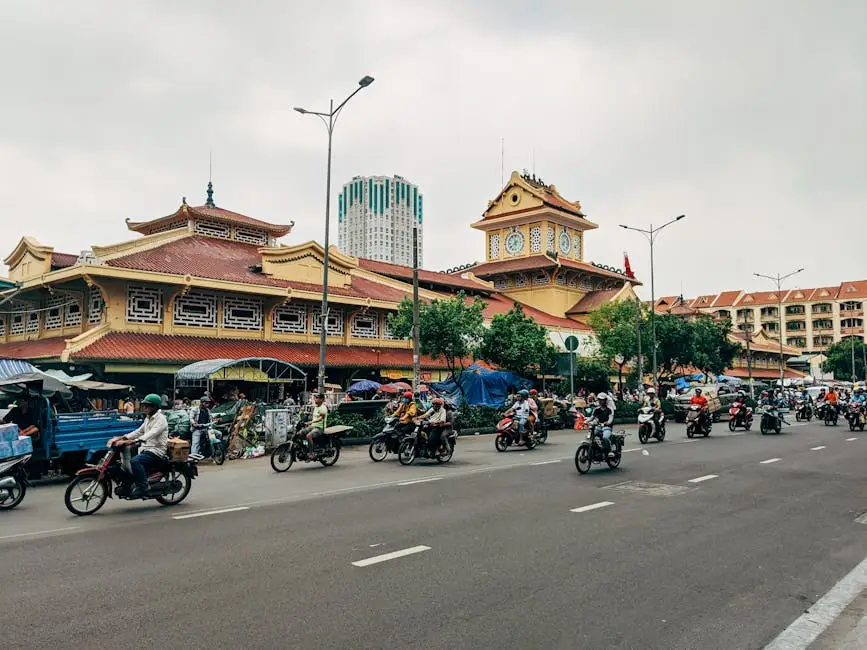
Only buy from the official, branded flagship stores of Viettel, Vinaphone, or Mobifone. Street vendors, convenience stores, and tour agencies in tourist areas, particularly around Bui Vien Walking Street in Ho Chi Minh City or the busier stretches of Hanoi’s Old Quarter, frequently sell pre-activated cards that bypass registration using stolen or fake identities. They work for a few days, then the carrier flags them and cuts off your data without warning or refund. You’re left offline, out of pocket, and probably mid-motorbike-tour somewhere.
At a legitimate official store, the process takes about ten minutes:
- Bring your original passport (valid for at least six months)
- Staff will photograph the data page and take a quick headshot for the government database
- Pick your data package, pay, and you’re done
Pro Tip: Never hand your passport over at an airport kiosk or let a street vendor “register” a SIM for you. The registration law exists, and only official stores follow it correctly.
If you’re arriving at one of the major international gateways, our Vietnam airports guide covers the layout of each terminal, where the official carrier counters sit versus the kiosks, and how to get your airport transfer sorted before you even land. Speaking of which, Welcome Pickups is a great option for a fixed-price, no-surprises transfer to your hotel if you want everything sorted in advance.

Book Vietnam day trips, attractions,
and activities in one place. Read real
reviews, check availability, and lock in
your spot before the popular slots go.
Vietnam for Digital Nomads
Vietnam has quietly become one of the best countries in Southeast Asia for remote workers, and the mobile network is a big part of why. 4G is fast and genuinely reliable, even in smaller towns. Cafes in Da Nang, Hoi An, and Hanoi routinely offer 50–100Mbps Wi-Fi on top of your mobile data as a backup. The Vietnam digital nomad guide goes deep on the best cities, visa options, and the coworking scene if you’re planning a longer stint.
One thing worth noting: public Wi-Fi in Vietnam, particularly in cafes and hotels, is often unencrypted. Run NordVPN in the background whenever you’re on a shared network, especially for anything involving banking, work logins, or anything you’d rather keep private. It’s a small habit that saves a lot of potential headaches.
If you’re gearing up for a proper remote work stint, our digital nomad gear guide covers the tech essentials worth packing, and Da Nang’s coworking scene is one of the best in the region if you need a proper desk and fast, reliable wired internet.


Travelling in Vietnam with sensitive
work files? NordVPN keeps remote
access secure on any network, even
dodgy hotel wifi or cafe hotspots.
The Apps You Actually Need
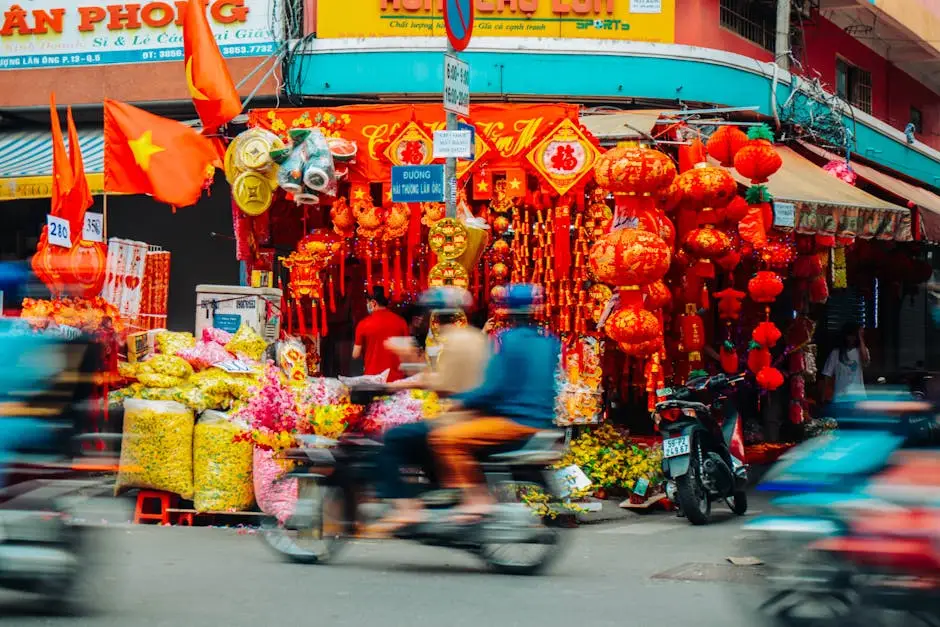
Good data is only half the equation. The apps you have installed matter just as much. Here’s what’s actually worth having before you land:
- Ride-Hailing: Download Grab, Xanh SM, and Be before you fly. All three link to international credit cards and show transparent fares with no meter manipulation and no negotiating. Our Grab vs Xanh SM comparison is worth a read if you want to know which app suits which situation.
- Accommodation: Agoda is the go-to for Vietnam, particularly in smaller towns and off-the-beaten-track spots where inventory is deeper than anywhere else. Booking.com is a strong alternative if free cancellation is a priority for you.
- Tours and Experiences: Get Your Guide and Klook are both excellent for booking day trips, food tours, cooking classes, and things like Ha Long Bay cruises with instant e-vouchers. Between the two, Klook tends to have better coverage for Vietnam specifically.
- Zalo: This is the messaging app that runs Vietnam. Hosts, landlords, tour guides, local restaurants, your guesthouse owner, almost every business here communicates through Zalo. Download it before you arrive. You’ll end up using it constantly.
- Maps: Google Maps works well in cities. For anything rural or involving motorbike routes, Maps.me with an offline Vietnam map downloaded is your safety net when signal drops out mid-mountain-pass.
Staying Safe with Your Phone
Vietnam is a very safe country overall, but there is one thing genuinely worth knowing: opportunistic drive-by phone snatching does happen in busy urban areas, particularly in Ho Chi Minh City. The fix is simple. Never stand close to the kerb while staring at your screen. Step inside a shop entrance or a few paces back from the road before pulling your phone out. It becomes second nature within a day, and it’s honestly good street sense anywhere in Southeast Asia.
The Vietnam safety guide covers this and everything else worth knowing in detail, from common scams around major tourist areas to solo female travel advice. And if you want a broader overview before you commit to booking, Is Vietnam Safe is a good, honest starting point.
Crossing the street follows the same logic as the traffic itself: walk at a slow, steady, predictable pace and the motorbikes will flow around you. Stop suddenly or rush, and you disrupt the rhythm. Calm and consistent is the move, both for road-crossing and for phone use on the pavement.
Pro Tips for Stress-Free Travel
A few extra things that make a real difference once you’re on the ground:
- Travel Insurance: SafetyWing is our top pick for Vietnam travellers. It’s affordable, covers motorbike accidents (which most basic policies exclude), and the claims process is straightforward. Don’t skip it. Vietnam’s private hospitals are good, but they’re not cheap for uninsured foreigners.
- Flight Delays: If you’re flying into or out of Vietnam and your flight gets significantly delayed or cancelled, AirHelp can handle the compensation claim for you. Worth having on your radar before departure.
- Trains and Buses: Book intercity transport through 12GO for an easy overview of trains, sleeper buses, and ferries across the whole country in one place. The Vietnam train guide is worth reading before you book anything on the Reunification Express.
- Money: Vietnam is still largely cash-based, especially outside the major cities. Read the Vietnam currency and money guide before you land so you’re not caught out by ATM limits or card fees on day one.

Airalo covers Vietnam with a range of
data plans from a few days to a month.
No physical SIM swap, no roaming bill
shock when you check back in at home.
Frequently Asked Questions
Can I use my SIM to make local phone calls?
Most tourist data packages, whether eSIM or physical, are data-only plans with no traditional voice line. For calling local restaurants, hotels, or guides, use Zalo, WhatsApp, or the calling feature built into the Grab app. They all work perfectly over data.
How do I check my remaining data balance?
On a Viettel SIM, dial *102# and hit call. You’ll receive an automated text with your current balance. You can also download the MyViettel app to monitor your daily gigabyte usage and track limits in real time.
Does 5G work across Vietnam?
5G is live in the central business districts of Hanoi, Ho Chi Minh City, and Da Nang. Outside major city boundaries, your phone will automatically drop to 4G LTE, which is highly stable and fast enough for everything you’ll need on the road.
Is it safe to buy a SIM card at the airport?
Technically yes if it’s an official carrier counter, but airport kiosks almost always charge a significant tourist premium. The smarter move is to use the free airport Wi-Fi to get to your accommodation, then visit an official branded store in the city for local pricing and proper registration.
What happens if my SIM card gets cut off?
If you bought from an unofficial vendor, the carrier may flag and deactivate the SIM without notice. Your only option at that point is to visit an official store and start fresh with a new card. This is exactly why buying from official branches matters.
Can I top up my SIM while travelling in Vietnam?
Yes. Physical SIMs can be topped up at official carrier stores, at many convenience stores like VinMart and Circle K, and via the carrier’s own apps. Viettel’s MyViettel app lets you buy top-ups and data packages directly without needing to find a physical store.
Will my eSIM work across the whole country, including rural areas?
That depends on which network underpins the eSIM package you’ve bought. Yesim’s Vietnam packages typically run on Viettel infrastructure, which gives you the best rural and mountain coverage of any network in the country. Always check the network partner before you buy.
Do I need a VPN in Vietnam?
Vietnam does block some websites and social media platforms, though enforcement is inconsistent and many travellers never notice. The bigger reason to run NordVPN is the unencrypted public Wi-Fi in cafes, hostels, and co-working spaces. It’s a cheap, simple precaution that protects your banking and login details whenever you’re on a shared network.
How much data do I actually need per month?
For typical traveller use, maps, ride-hailing, social media, messaging, and occasional video calls, a 5GB monthly package is usually comfortable. If you’re working remotely or using a lot of video streaming, look for packages offering 20GB or more. Most Viettel plans in the 200,000–300,000 VND range include anywhere from 10 to 30GB depending on the current promotion.
Can I share my mobile data hotspot with other devices?
Yes, all three main networks support mobile hotspot tethering, and most data packages allow it without restriction. This is particularly useful if you’re travelling with a laptop and want to avoid relying on hotel Wi-Fi for anything sensitive.