Vietnam Digital Nomad Guide
Vietnam has quietly become one of the world’s best destinations for remote workers, and the secret is well and truly out. Hyper-fast fibre internet, a coffee culture that practically worships the laptop worker, and a cost of living that makes your salary stretch in ways that feel almost unfair. Whether you want the buzz of Saigon’s startup scene, a desk with a view of Da Nang’s beach, or Hanoi’s creative energy, Vietnam has a version of the nomad life that fits.
The Quick Summary:
- Monthly Budget: 17,500,000 VND to 37,500,000 VND ($700 to $1,500 USD) covers rent, coworking, food, and transport depending on your city and lifestyle.
- Entry Requirements: The 90-day e-visa is the standard route for most nationalities, multiple entries, applied online, processed in three to five working days.
- Top Nomad Hubs: Ho Chi Minh City for networking and energy, Da Nang for beachside balance, and Hanoi for culture and creative inspiration.
- Connectivity: Fibre Wi-Fi is everywhere in cities, backed up by 4G/5G mobile data that costs around 150,000 VND ($6 USD) per month.
- Transport: Grab, Be, and Xanh SM handle everything. Transparent pricing, no haggling, arrives in minutes.


From boutique guesthouses to five-star
resorts, Agoda has Vietnam’s best stays
covered. Strong Asia inventory means
deeper discounts than you’d expect.
Which City Should You Base Yourself In?
The three main nomad hubs each offer a completely different experience. The good news is that all three are excellent, it really comes down to what your working day and your off-hours should feel like.
Ho Chi Minh City: High Energy, High Output
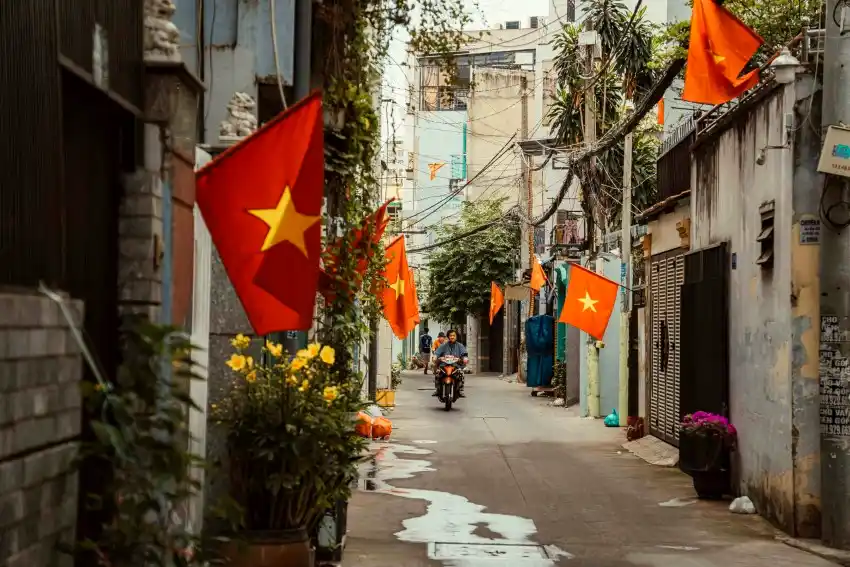
Saigon suits people who thrive on momentum. District 1 and the Thao Dien enclave in Thu Duc City are the primary nomad zones, with coworking spaces like Toong and Dreamplex offering reliable power backups and proper ergonomic setups.
The café culture here is extraordinary, places like those in Da Kao genuinely expect you to sit for hours over a single iced milk coffee, and no one will rush you out. If business networking matters to your work, no city in Vietnam touches it.
Da Nang: Beach Mornings, Productive Afternoons
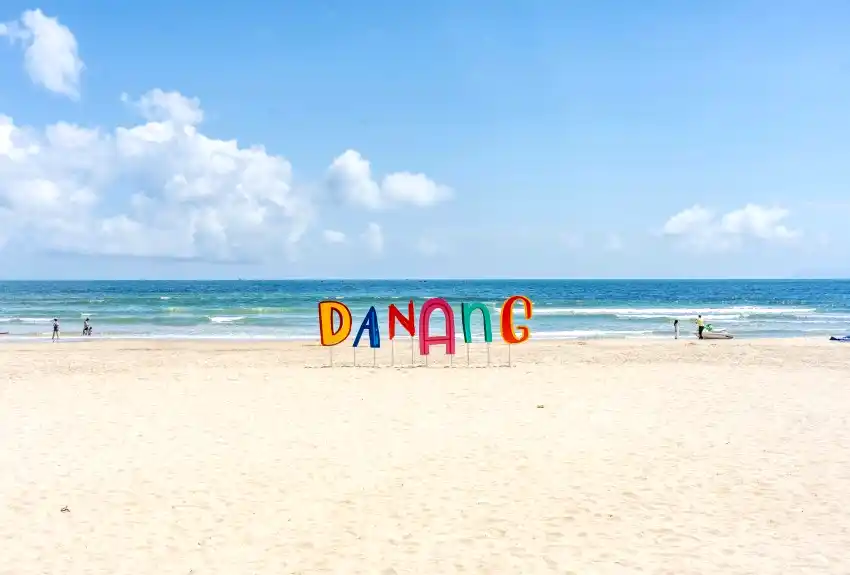
This is the one that tends to turn short visits into long stays. The My An neighbourhood, right on My Khe Beach, is the heart of Da Nang’s nomad community, An Thuong street alone has enough plant-filled cafés, vegan spots, and shared workspaces (Enouvo Space and Space A are the go-to options) to keep you busy for months.
Traffic is manageable, the ocean is always close, and the pace of life is genuinely restorative. For remote workers who want to feel healthy and balanced, Da Nang is hard to beat.

Hanoi: Culture, Cool Weather & Creative Depth
Hanoi rewards people who want more than just a productive work setup, it has genuine cultural weight. Basing yourself in Tay Ho or Truc Bach keeps you near the peaceful West Lake and away from the congestion of the old Hoan Kiem core.
The cafés along Xuan Dieu street are well set up for laptop workers, and Huba Coworking is a reliable dedicated space. Winters bring genuinely cool weather, a refreshing contrast to the permanent tropical heat further south, and a real draw for those who tire of humidity.

GetYourGuide has Vietnam’s best
excursions covered: museums, tours,
and unique experiences with verified
operators and instant mobile vouchers.
What Does the Nomad Life Cost Month to Month?
Vietnam is one of the most cost-effective remote work destinations on the planet, and the numbers below make that pretty clear. These are realistic monthly figures across the three main hubs, not budget-scraping minimums, but a comfortable working lifestyle with coworking included.
| Expense Category | Ho Chi Minh City | Da Nang | Hanoi |
|---|---|---|---|
| One-Bedroom Apartment | 12,500,000 VND ($500 USD) | 8,750,000 VND ($350 USD) | 10,000,000 VND ($400 USD) |
| Coworking Hot Desk | 3,750,000 VND ($150 USD) | 2,500,000 VND ($100 USD) | 3,000,000 VND ($120 USD) |
| Daily Food & Coffee | 5,000,000 VND ($200 USD) | 3,750,000 VND ($150 USD) | 4,250,000 VND ($170 USD) |
Visas: What You Actually Need to Know
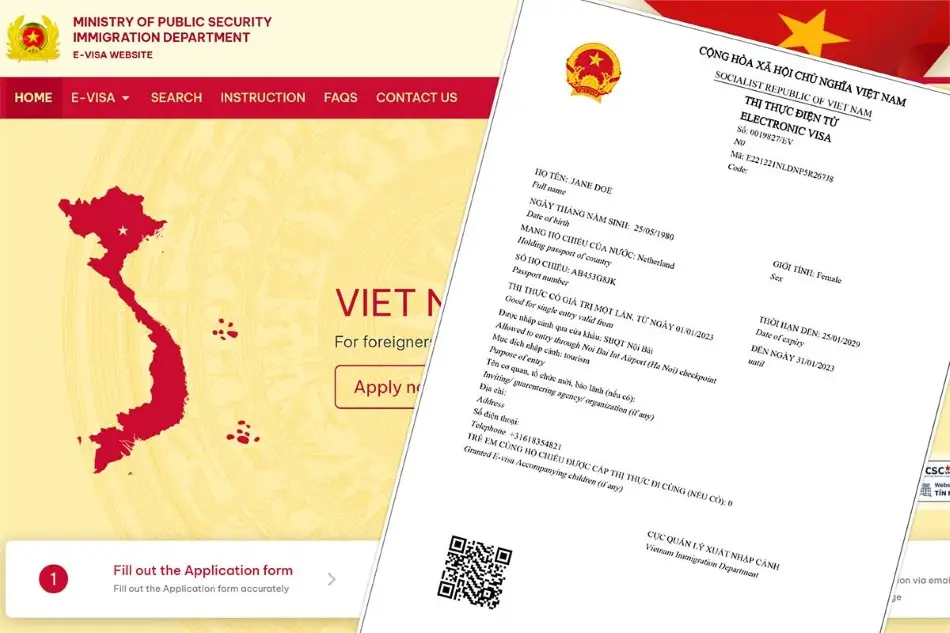
Vietnam doesn’t have a dedicated digital nomad visa yet, but the 90-day e-visa does the job well for most remote workers. Apply online through the official government immigration portal, upload your passport scan, a portrait photo, pay the fee, and you’ll have approval within three to five working days. It allows multiple entries, which matters for the next bit.
For longer stays, most nomads do a routine visa run: a short flight to Bangkok or Kuala Lumpur, or a land crossing at Moc Bai into Cambodia, then straight back in on a fresh 90-day visa. It sounds more complicated than it is, many people turn it into a long weekend away.
Important: Always apply through the official portal ending in .gov.vn. There are dozens of commercial sites that mirror the official page and charge a significant premium for doing exactly what you can do yourself in ten minutes for free.

Skip the planning headache for Vietnam.
Klook offers day tours, tickets, and
experiences from around $25, with
instant confirmation to your phone.
Your Practical Digital Toolkit:
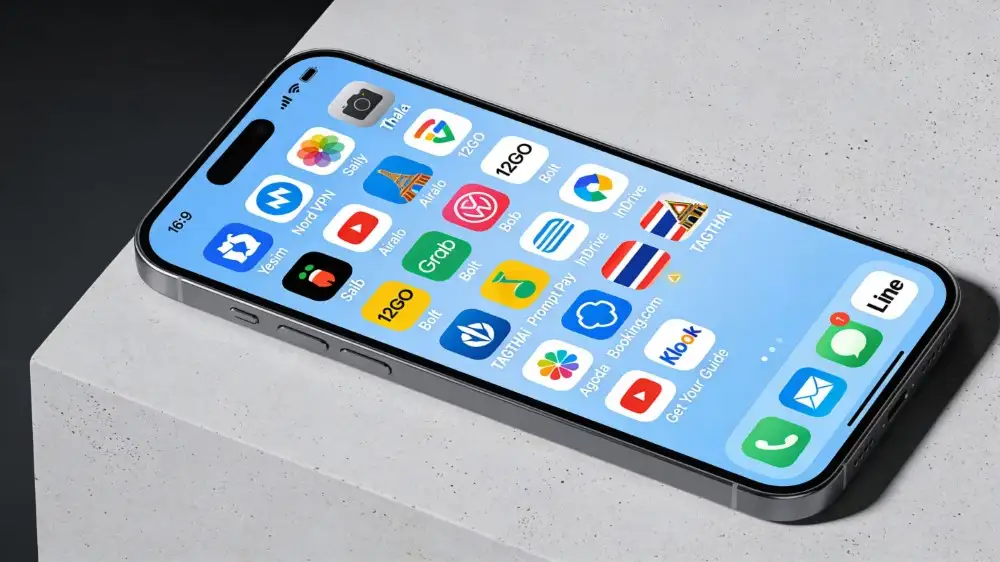
- Connectivity: Get a Viettel SIM at the airport, it has the best rural coverage if you’re planning trips outside the cities. Alternatively, set up a Yesim eSIM before you fly for instant data on landing. Either way, 4G/5G mobile data costs almost nothing.
- Transport & Delivery: Download Grab, Xanh SM, and Be before you land. Grab is the regional standard; Xanh SM is the electric vehicle option, genuinely quiet, clean, and increasingly common in city centres. All three show you the price upfront, which eliminates every taxi negotiation headache in one step.
- Security: Run Nord VPN on café and coworking public networks, essential for accessing corporate systems and international banking portals without interruption.
- Accommodation: Agoda and Booking.com are fine for your first week. After that, skip the platforms entirely, join local Facebook housing groups or speak directly to agencies in your target district. You’ll pay significantly less and get better apartments than anything listed for tourists online.
- Banking & Cash: ATMs at TPBank and VPBank offer the lowest international card fees. QR-code payments via VietQR are widely accepted at local shops and cafés. Keep smaller VND notes on hand for street food, large 500,000 VND notes are routinely impossible for small stalls to break.

Forget the daily data limits of standard tourist SIMs.
Get a Yesim eSIM for unlimited 5G data from ~$10.
Work, stream, and be connected the second you land.
Culture, Customs & Fitting In:
A little cultural awareness goes a long way here, and the locals genuinely notice and appreciate it. Cover shoulders and knees when visiting temples or pagodas, and remove footwear where indicated, it’s a small gesture that earns immediate goodwill. Tipping isn’t traditional at street stalls, but rounding up at Western-facing cafés or leaving something for standout service is always well received.
At markets like Ben Thanh or Dong Xuan, bargaining is expected, keep it light, smile, and treat it as a conversation rather than a confrontation. On the streets, crossing through motorbike traffic means committing to a slow, steady pace. Don’t stop, don’t back up, don’t rush. Riders track your movement and flow around you smoothly. It’s one of those things that sounds alarming until the third time you do it, at which point it feels completely normal.
A Note for Nervous Arrivals:
Vietnam is genuinely safe for solo remote workers, violent crime is rare, and the nomad community here is well established and welcoming. The main things to stay sharp about are opportunistic bag snatching in busy tourist zones and keeping your phone off the kerb edge in heavy traffic areas. Both are easily managed with basic awareness.
Food safety is straightforward: eat where local families eat, pick stalls with a constant queue, and you’ll be fine. In urban cafés, the ice is manufactured from purified factory water and is safe, you don’t need to avoid it. Drink bottled or filtered water from taps otherwise, and give yourself a week or two to acclimatise before attempting anything too adventurous with street food if your stomach runs sensitive.
Compare hotel prices across Vietnam’s best
neighbourhoods and book with confidence.
Filter by budget, location, or guest score
to find the right stay for your trip.
Frequently Asked Questions:
Is the internet fast enough for video calls in Vietnam?
Without question. Fibre-optic internet is standard across Vietnamese cities, with download speeds regularly exceeding 50 Mbps in standard cafés and well over 100 Mbps in dedicated coworking spaces. HD video conferencing, large file transfers, and cloud-based work all run without issues.
How do you handle banking and cash day to day?
Cash is still king at street stalls and traditional markets, so always keep smaller VND notes on hand. For everything else, VietQR code payments are widely accepted at local shops and cafés. ATMs at TPBank and VPBank offer the lowest international card fees for withdrawals.
Do locals speak English in the main working districts?
Basic English is widely spoken by younger generations, service staff, and café workers across District 1 in Ho Chi Minh City, Tay Ho in Hanoi, and My An in Da Nang. Day-to-day communication for transactions and coworking is smooth and easy.
Can you stay longer than 90 days without a work permit?
Many remote workers do, by carrying out a routine visa run, a short regional flight or land border crossing, to reset their 90-day e-visa. It’s a well-worn path with a strong community of people who can advise on the smoothest routes. Those with local employment contracts can apply for a Work Permit and Temporary Residence Card for a more permanent legal footing.