Hoi An Ancient Town Guide
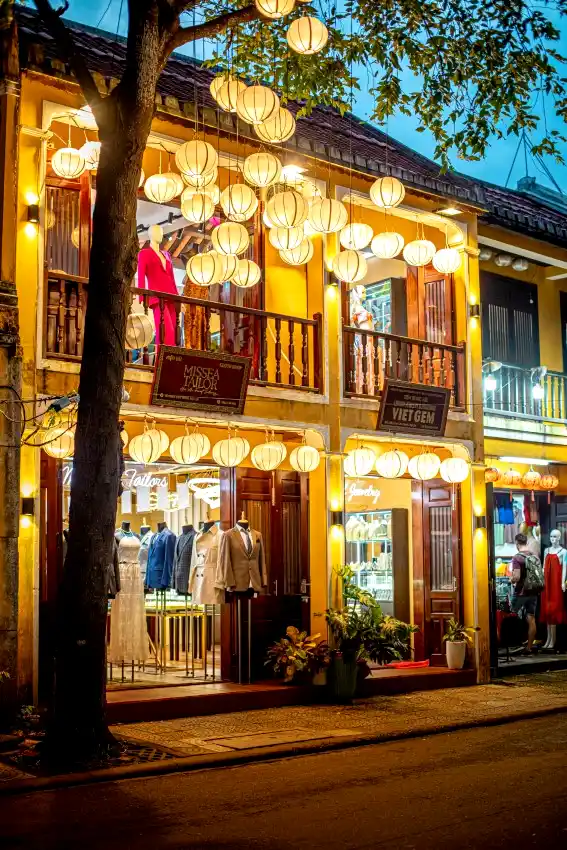
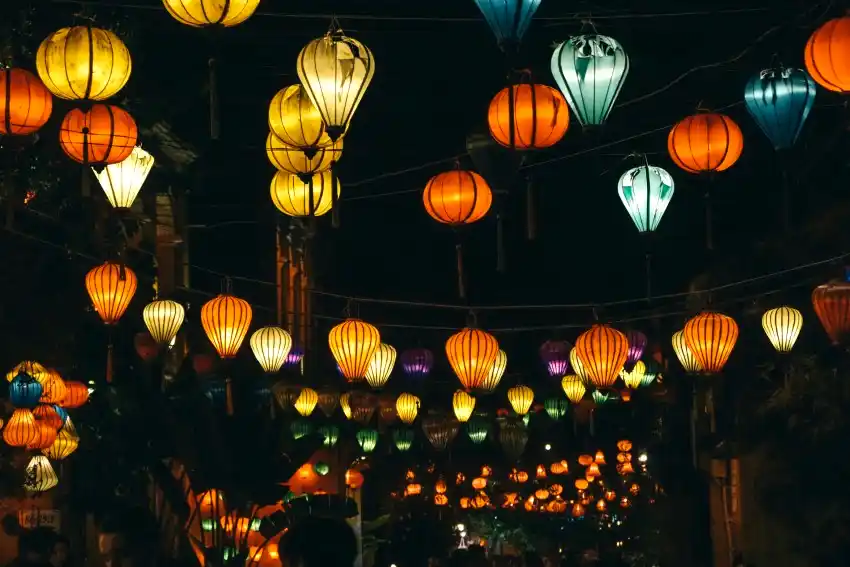
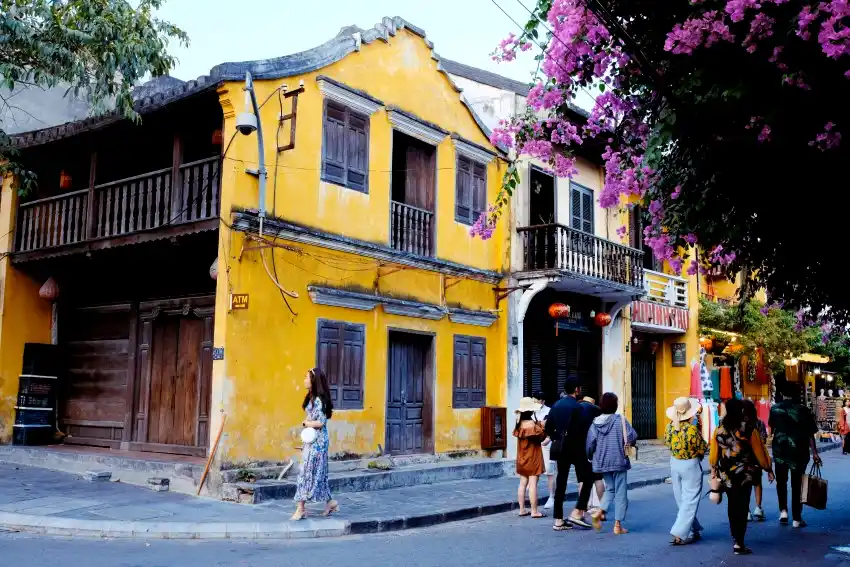
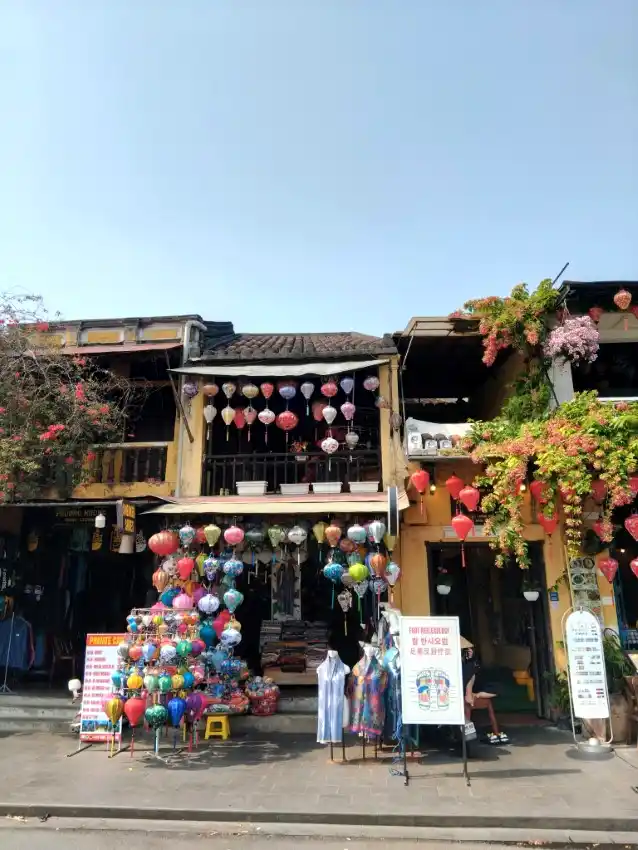
There are places you visit, and then there are places that quietly get under your skin and refuse to let go. Hoi An is firmly in the second category. Mustard-yellow merchant houses, thousands of silk lanterns glowing over the Thu Bon River, and streets so beautifully preserved you half expect a 17th-century spice trader to come around the corner.
This UNESCO World Heritage site was once one of Southeast Asia’s most important trading ports, and the incredible layering of Vietnamese, Chinese, Japanese, and French colonial architecture tells that story better than any museum ever could. Still weighing up a beach base versus a deep cultural dive? Our comparison at Da Nang vs Hoi An breaks it all down.
The Quick Summary:
- Optimal Duration: Two to three days is long enough to properly explore the old town, wander into the surrounding countryside, and eat your way through the legendary local food scene without feeling rushed.
- Daily Budget: 750,000 VND to 2,500,000 VND ($30 to $100 USD) per person covers a lovely mid-range boutique stay, incredible meals at every sitting, and your heritage entry tickets with change to spare.
- Best Transportation: Walking and cycling are the best ways to experience the old town. Cheap ride-hailing apps handle everything further afield without any meter arguments.
- Entry Requirements: A heritage entry ticket is mandatory to access the preserved buildings and official landmarks inside the historic zone. Grab it at the booth before you start exploring.

Skip the planning headache for Hoi An.
Klook offers day tours, tickets, and
experiences from around $25, with
instant confirmation to your phone.
The Hoi An Ancient Town Ticket
The entry ticket costs 120,000 VND (around $4.80 USD) for international visitors, and it is one of the best-value things you will spend money on in Vietnam. That small fee goes directly toward maintaining the old merchant houses, clan assembly halls, communal temples, and ancient bridges that make this place so special.
Each ticket comes with coupons for five specific heritage sites of your choosing, so it pays to have a loose plan before you start. Ticket booths are dotted at the main entry points along Hai Ba Trung Street and Tran Phu Street, so you will not miss them.
If you want to brush up on temple etiquette before you dive in, our Vietnam Temples and Pagodas guide covers everything from dress codes to how to behave inside active ceremonial spaces.
| Landmark Name | Architectural Style | Why It Matters |
|---|---|---|
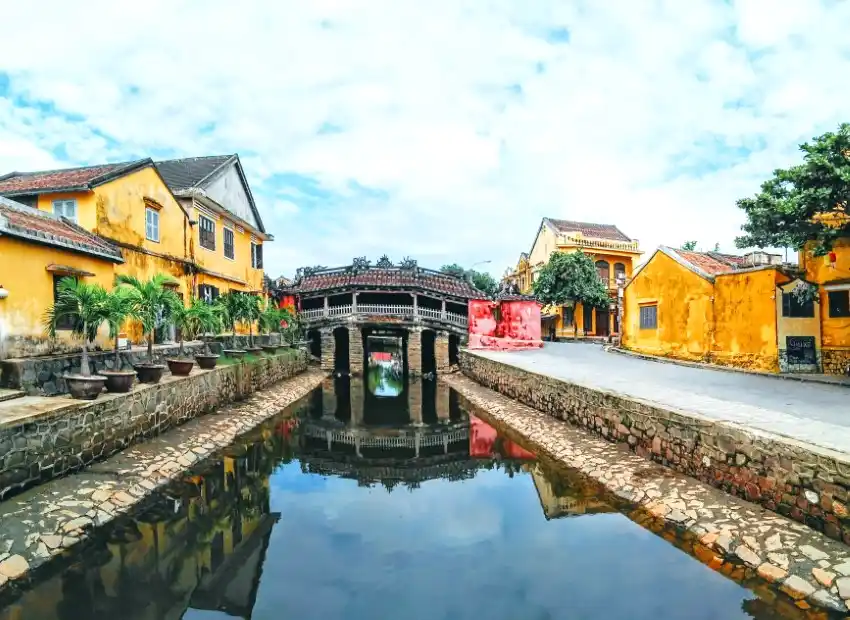
| Japanese Covered Bridge (Chua Cau) | Japanese Shinto meets Vietnamese | A 17th-century bridge built by Japanese merchants to connect the trading districts across a small canal. Atmospheric at any hour, magical after dark. |
| Tan Ky Old House | Chinese, Japanese, and Vietnamese fusion | A 200-year-old merchant home that still shows flood markers from historic river surges and stunning mother-of-pearl poetry panels on the walls. |
| Phuc Kien Assembly Hall | Fujian Chinese Clan Architecture | A grand ancestral temple dedicated to Thien Hau, the sea goddess who protected sailors. Still in active ceremonial use and breathtaking inside. |
Want to wake up a two-minute walk from Tran Phu Street? Use the map below to find accommodation right inside the heritage zone, so the early morning magic is yours before the day-trippers arrive from Da Nang.
Exploring The Ancient Streets:
The Best Things to Do
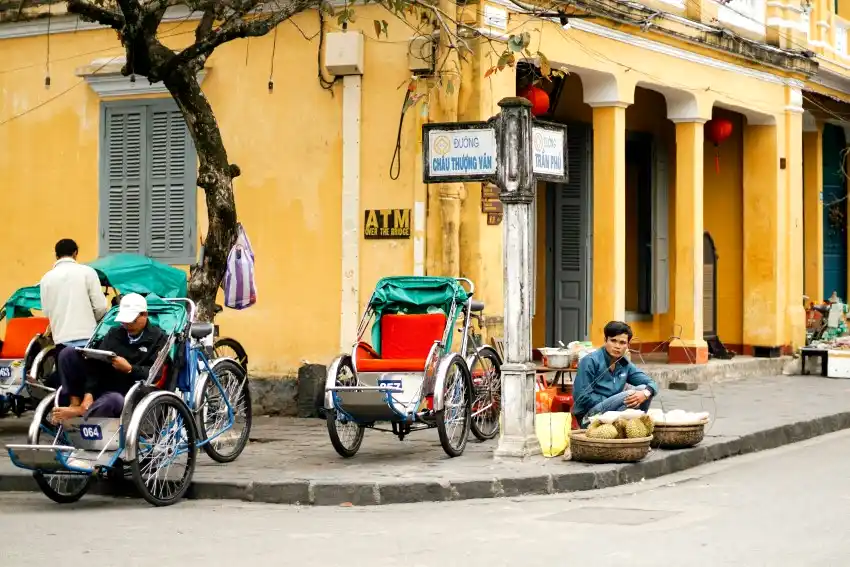
The heart of any Hoi An visit is simply wandering. Tran Phu Street reveals centuries of East Asian trade connections in a single afternoon stroll. The Phuc Kien and Quang Dong Assembly Halls are jaw-dropping, all intricate dragon sculptures, massive incense coils that burn for weeks, and courtyards filled with the smell of sandalwood. Even if you have seen a hundred temples across Southeast Asia, these feel different. They feel alive.
Then dusk arrives and everything changes. The town shifts into something that belongs in a dream. While the big Hoi An Lantern Festival follows the lunar calendar once a month, hundreds of silk lanterns light up the streets every single night of the year. For the best possible view, get yourself onto the Thu Bon River on a small wooden boat during twilight and float paper lanterns onto the water as you go.
It is one of those experiences that sounds a little cheesy until you are actually doing it, and then you completely understand why people come back again and again. You can browse Vietnam boat tours and lock in a river cruise ahead of time through Klook or Get Your Guide so you are not scrambling on arrival.
For a fuller picture of everything the old town has to offer beyond the landmarks, the Things To Do In Hoi An guide is worth a read before you arrive.
World-Class Local Food
Hoi An has its own culinary identity that sits completely apart from the rest of Vietnam, and three dishes in particular are non-negotiable. Cao Lau is the town’s signature: thick, chewy rice noodles topped with sliced barbecued pork, crisp greens, bean sprouts, and crunchy rice crackers.
The magic is in the noodles, which require water drawn from the ancient Ba Le Well. You cannot replicate this anywhere else on earth, which makes eating a bowl here feel like a small privilege. White Rose dumplings (Banh Bao Banh Vac) are next: delicate translucent shrimp parcels crimped to look like flowers, finished with crispy fried shallots and a sweet chilli dipping sauce. Pair those with Com Ga, shredded chicken over turmeric-tinted rice cooked in rich broth, and you have eaten like a local.
If the food has you hooked, a Hoi An cooking class is one of the best half-days you can spend here. Most start with a market tour and end with you sitting down to eat everything you just made. For a full tour of what the rest of the country has to offer, the Vietnamese Street Food Guide is a great companion read.
Getting Around The Town
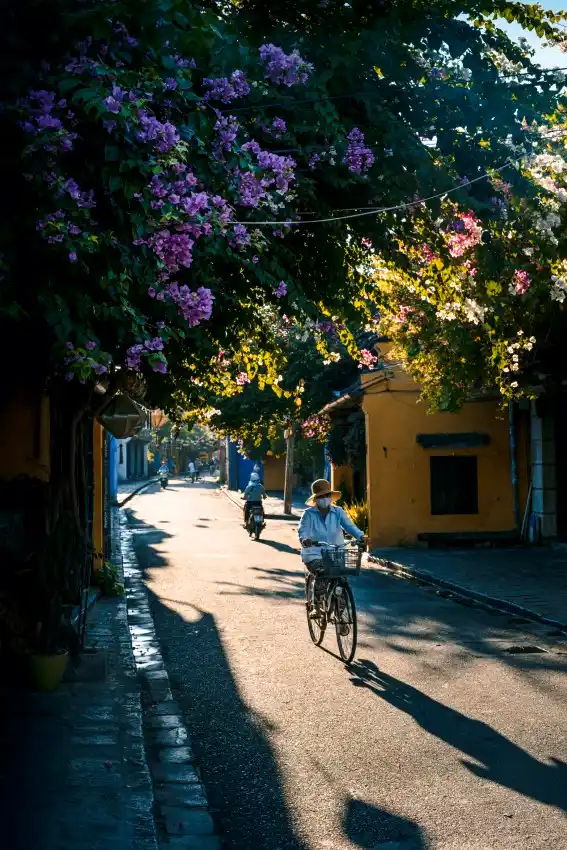
Getting around Hoi An is one of life’s small pleasures. The historical core restricts motorised traffic for large chunks of the day, which means you actually get to walk through centuries-old streets in something approaching peace. Motorbikes and cars are barred from the preservation zone between 9:00 AM and 11:00 AM, and again from 3:00 PM to 9:30 PM daily. This is a proper gift in a country where traffic is usually a central part of the sensory experience.
Most boutique hotels throw in complimentary bicycles, which are perfect for riding out along Cua Dai Road toward the rice fields of Cam Chau or the beaches beyond. For longer trips, like getting in from Da Nang International Airport or the train station, Grab and Xanh SM both offer fixed-price cars with no negotiation required. Our full Hoi An neighbourhood guide will help you figure out the best base for your travel style, whether you want to be in the thick of the ancient streets or a little further out near the water.
If you are figuring out how to get between cities, the How To Get Around Vietnam guide covers trains, buses, and flights across the whole country.
Day Trips Worth Taking
Once you have done the Ancient Town justice, the surrounding region opens up beautifully. The Cham Island archipelago sits just off the coast and offers excellent snorkelling between March and August, reachable by speedboat from Cua Dai Pier in around 20 minutes.
If diving and snorkelling are on the agenda, our Vietnam snorkelling guide is worth a read before you book. My Son Sanctuary, a complex of ancient Hindu temples built between the 4th and 14th centuries, makes for a fascinating half-day trip and pairs beautifully with a cooking class on the way back.
The Marble Mountains just outside Da Nang are another easy escape, caves and Buddhist shrines built into dramatic limestone outcrops with sweeping views from the top. Ancient Hue is also within striking distance if you want a full day of imperial history. Browse the full rundown on our Hoi An day trips page and book through verified operators on Klook or Get Your Guide for the best experience.

Getting Clothes Made
If you have ever wanted something made exactly to your measurements, Hoi An is the place to do it. The town has hundreds of tailors, ranging from absolute legends who have been at their craft for decades to the quick-turnaround shops near the market that churn out copies of anything you bring in on a photograph.
For genuinely good results, budget at least two to three days and two fittings. Ask your hotel for a recommendation rather than wandering into the first sign you see, bring clear reference images of what you want, and agree on price and timeline upfront before a stitch is sewn. The best tailors book up, so if this is a priority, reach out before you arrive.
A Note for the Nervous Traveller
Hoi An is consistently ranked among the safest destinations in Southeast Asia for solo travellers and families alike. Serious crime is rare. The things worth knowing about are the minor stuff: overpriced taxi rides from drivers without meters, aggressive sales pitches near the market stalls, and seafood restaurants that charge tourist prices without listing them clearly.
The simple fix is to use Grab or Xanh SM for transport, check prices before you order, and follow the locals to where they eat. Traffic here is nothing like Hanoi or Ho Chi Minh City. It is calm enough that even nervous cyclists find their feet quickly. The people are warm, the pace is gentle, and within a day you will feel completely at home. Our Is Vietnam Safe guide covers the wider country if you want a fuller picture before you land.

From boutique guesthouses to five-star
resorts, Agoda has Hoi An’s best stays
covered. Strong Asia inventory means
deeper discounts than you’d expect.
Pro Tips for a Stress-Free Trip:

- Stay Connected Instantly: Set up a Yesim eSIM before you even board your flight. You land with 4G data already running, which means maps, Grab, and Google Translate are ready to go from the moment you clear arrivals. No hunting for a SIM card stall when you are tired and just want to get to your hotel. Our Vietnam SIM cards guide compares all the options if you want to weigh things up first.
- Ride-Hailing is Your Best Friend: Download Grab or Xanh SM before you land. Both show transparent fares upfront for motorbike taxis and cars. Use them for the airport run from Da Nang and any time you want to escape the town. Avoid unlicensed street taxis entirely.
- Cash is King: Street food stalls, market vendors, bicycle rental shops, and ticket booths operate in Vietnamese Dong only. Keep a healthy supply of smaller notes (20,000, 50,000, and 100,000 VND) in your wallet at all times. Larger 500,000 VND notes can be impossible for a small stall to change. Head to our Vietnam currency guide for tips on ATMs and avoiding bad exchange rates.
- Protect Your Data: Hotel and cafe Wi-Fi is everywhere and mostly decent. Run NordVPN whenever you are accessing banking apps or anything sensitive over a shared connection. It takes thirty seconds to set up and is well worth it.
- Book Activities in Advance: Cooking classes, river cruises, and day trips to My Son or the Cham Islands fill up quickly in peak season. Klook and Get Your Guide both have verified operators with genuine reviews, and booking ahead locks in your spot without any on-the-ground hassle.
- Travel Insurance is Non-Negotiable: A twisted ankle on a cobblestone, a motorbike scrape, an unexpected trip to a clinic. None of it is fun without cover. SafetyWing is flexible, affordable, and designed for travellers rather than package-holiday crowds. Our travel insurance guide for Vietnam covers what to look for.

Need budget data in Hoi An? Saily’s
eSIM plans start cheap and install in
a couple of minutes. Built by the team
behind NordVPN, so security is solid.
Frequently Asked Questions:
What is the best time of year to visit Hoi An?
February through April is the sweet spot. Skies are dry, temperatures are comfortable without being brutal, and the conditions are perfect for cycling and exploring on foot. The rainy season runs from September through January, and October and November in particular bring a real flood risk when the Thu Bon River overflows into the lower streets of the Ancient Town. Check the Best Time To Visit Vietnam guide for a region-by-region breakdown.
How do I travel from Da Nang to Hoi An?
About 45 minutes by car and honestly very straightforward. Book a private car or motorbike taxi through Grab or Xanh SM, arrange a shuttle bus through your accommodation or a local travel app, or hire a driver directly through your hotel. The coastal highway route is scenic and well-maintained. Avoid the unlicensed taxi touts inside Da Nang Airport arrivals.
Is tipping expected in restaurants and cafés?
Tipping is not a traditional Vietnamese custom, but it is appreciated when service has been excellent. At small local pho shops and street stalls, nobody expects anything extra. For tour guides, spa staff, cooking class instructors, and hotel porters who have been genuinely helpful, a tip of 50,000 to 100,000 VND is a kind gesture that goes a long way.
What should I wear when visiting temples and pagodas?
Covered shoulders and covered knees are the minimum. Tank tops, short skirts, and anything beachwear-adjacent are not appropriate inside the Phuc Kien Assembly Hall, the Quang Dong Hall, or any of the local pagodas. A light scarf or wrap in your bag solves this entirely and takes up no space.
Can I get clothing tailored in twenty-four hours?
Yes, and many shops will do it. But for anything beyond the simplest cut, give it two to three days with at least two fittings if you want a result you will actually wear back home. The 24-hour rush jobs are fine for simple linen trousers. For a suit, a dress, or anything fitted, be patient and the quality difference is significant.
Do I need to book the Ancient Town entry ticket in advance?
No advance booking needed. Ticket booths sit right at the main entry points on Hai Ba Trung Street and Tran Phu Street and are open throughout the day. Each ticket covers five heritage sites of your choice, so have a rough list ready before you queue. Payment is cash only at the booths.
When does the Hoi An Lantern Festival happen?
On the 14th day of every lunar month, when the moon is full. The entire Ancient Town switches off its electric lights and the streets glow entirely by silk and paper lantern light. Traditional music fills the courtyards, the river fills with floating candles, and traffic is banned completely from the historic core. It happens every single month, so check a lunar calendar before you book and time your visit around it if you can.
Is Hoi An good for families with young children?
It is one of the best places in Vietnam for families. The pedestrian-friendly Ancient Town removes most of the traffic stress that makes other Vietnamese cities trickier with little ones. Cooking classes are great fun for older kids, An Bang Beach has calm shallow water for young swimmers, and the lantern festival night is unforgettable for children of any age. Pack mosquito repellent and a sun hat for the small ones and you are set.
What is the best way to get to the Cham Islands from Hoi An?
Speedboats depart from Cua Dai Pier and take around 20 minutes to reach the islands. The trip is only possible between March and August when sea conditions allow. Day tours run from Hoi An through operators bookable on Klook and Get Your Guide, typically including snorkelling, lunch, and return transfers. Outside the season the crossing is rough and most operators suspend services entirely.
Is it safe to eat street food in Hoi An?
Absolutely, and some of the best meals you will eat here come from a plastic stool on the pavement. The key is to follow the locals. Stalls with a constant queue of Vietnamese residents are your best guarantee of fresh ingredients and proper cooking temperatures. Avoid anywhere that looks deserted mid-mealtime. Drink bottled water throughout your stay and you will be completely fine.