
Vietnam Scams To Avoid
Vietnam is one of the safest countries in Southeast Asia for travellers, and violent crime against tourists is rare. That said, no fast-growing tourist destination is scam-free, and Vietnam has its fair share of small-time hustles aimed squarely at first-time visitors who don’t yet know the local rules of the road.
None of what follows should put you off visiting. The overwhelming majority of taxi drivers, shopkeepers, and tour operators are honest, and the scams below are avoidable the moment you know what they look like. Consider this your cheat sheet, built from the same handful of tricks that catch out travellers in Hanoi, Ho Chi Minh City, Hoi An, and everywhere in between.
The Quick Summary:
- Most Common Scam: Rigged taxi meters and unlicensed cabs, followed closely by the 20,000 vs 500,000 VND note mix-up at markets and street stalls.
- Easiest Fix: Book every ride through Grab, Xanh SM, or Be. A fixed price shown before you confirm removes almost every taxi-related scam in one move.
- Riskiest Areas: Tourist-heavy pockets like Bui Vien Street in Ho Chi Minh City, Hanoi’s Old Quarter, and the walking streets of Hoi An see the highest concentration of hustlers.
- Typical Losses: Most scams cost travellers between 50,000 and 500,000 VND ($2 to $20 USD). The bigger risks are jewellery and gem shop scams, which can run into the hundreds of dollars.
- Golden Rule: Agree a price before the service starts, whether that’s a ride, a haircut, a tailor, or a tour. Vietnam runs on cash and verbal agreements, and confirming upfront closes almost every loophole.

The Most Common Scams At A Glance
Some of these will sound familiar if you’ve travelled anywhere in Southeast Asia before. Others are specific to Vietnam’s cash culture, its dense motorbike traffic, and its huge number of small independent vendors. Here’s the shortlist worth memorising before you land.
| Scam | Where It Happens | Typical Cost If Caught Out |
|---|---|---|
| Rigged Taxi Meters | Airports, tourist streets, unlicensed cabs | 200,000 to 1,000,000 VND ($8 to $40 USD) |
| Currency Note Mix-Up | Markets, street food stalls, dark bars | 480,000 VND ($20 USD) per note swapped |
| Gem and Tea Shop Pressure Sales | Hanoi Old Quarter, organised day tours | $50 to $500+ USD |
| Fake Police or Fine Demands | Nightlife streets, motorbike checkpoints | 100,000 to 500,000 VND ($4 to $20 USD) |
| Motorbike Damage Deposit Scam | Rental shops in Hoi An, Da Nang, Da Lat | $20 to $200 USD |
| Bait-and-Switch Hotel Booking | Hanoi Old Quarter guesthouses | One night’s cost, plus a rushed rebooking |
A Closer Look At Each Scam:
Rigged Taxi Meters and Unlicensed Cabs
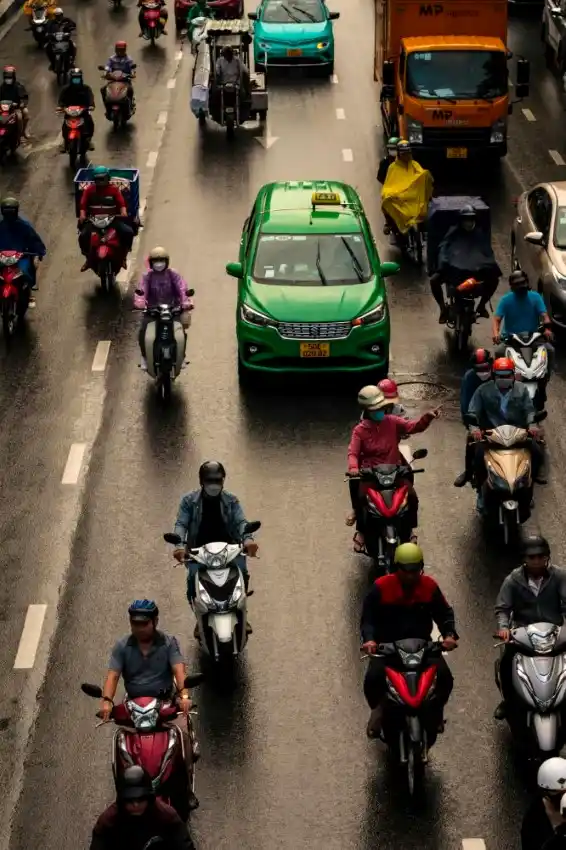
This is the single most common complaint from travellers, and it’s almost entirely avoidable. A handful of taxi companies, usually parked right outside airport arrivals or lurking near tourist hotspots, run meters that tick over far faster than they should. By the time you reach your hotel, a ride that should have cost 80,000 VND has somehow become 400,000 VND.
The fix is simple: use an app. Grab, Xanh SM, and Be all show you a fixed price before you confirm the booking, which removes the guesswork entirely. Our Grab vs Xanh SM comparison breaks down which app tends to win on price in each city. If you do need to flag a cab on the street, stick to the well-known green Mai Linh or white Vinasun taxis, both of which have a solid reputation, and confirm the driver starts the meter the moment you get in.
The 20,000 vs 500,000 VND Note Mix-Up
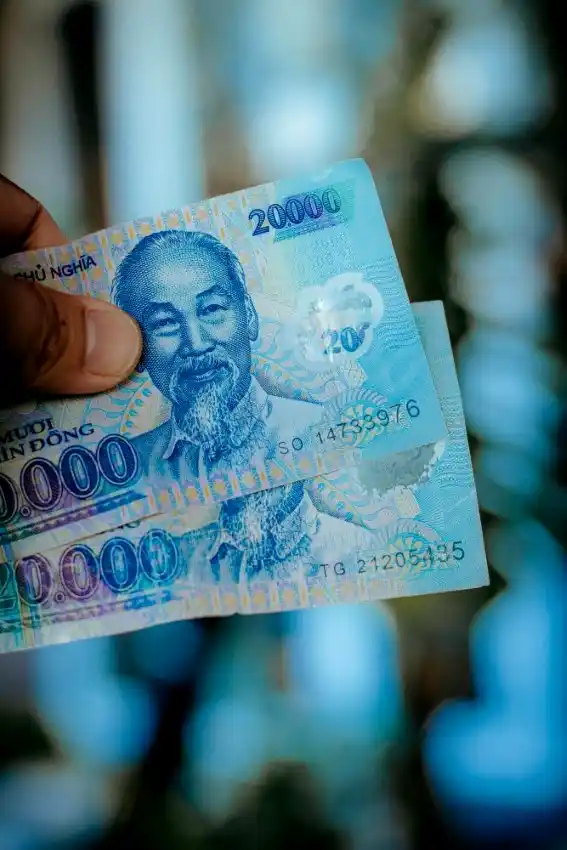
Both notes are a similar blue-green color, and in a dim bar or a busy market stall it’s genuinely easy to hand over the wrong one. Most of the time this is an honest mistake made by a jet-lagged tourist rather than a deliberate con, but it does get exploited by a small number of vendors who won’t correct you if you overpay by 480,000 VND without noticing.
Get into the habit of checking the printed numeral on every note before you hand it over, not just the color. It takes two seconds and it’s the single easiest habit to build in your first day here. Our Vietnam currency guide has photos of every note side by side so you can familiarise yourself before you land.

Keep your travel plans flexible. Secure your spot
on top-rated Hanoi excursions like luxury Ha
Long Bay day cruises or scenic Ninh Binh tours.
Reserve now and pay later with free
cancellation up to 24 hours before.
Gem, Tea, and Souvenir Shop Pressure Sales
This one is more organised. A friendly local, sometimes a fellow “traveller,” strikes up a conversation and eventually steers you toward a specific gem shop, tea house, or souvenir outlet, usually with a story about a family business or a limited-time offer. Once inside, the sales pressure ramps up fast, and the commission structure behind these referrals means the prices are wildly inflated.
It’s most common in Hanoi’s Old Quarter and on organised day tours where a “quick stop” gets added to the itinerary without much explanation. If a stranger is unusually persistent about a specific shop, that’s your cue to politely decline. Stick to tours booked through reputable operators like Get Your Guide or Klook, where itineraries and inclusions are laid out clearly in advance with no surprise detours.

Fake Police and On-The-Spot Fine Demands
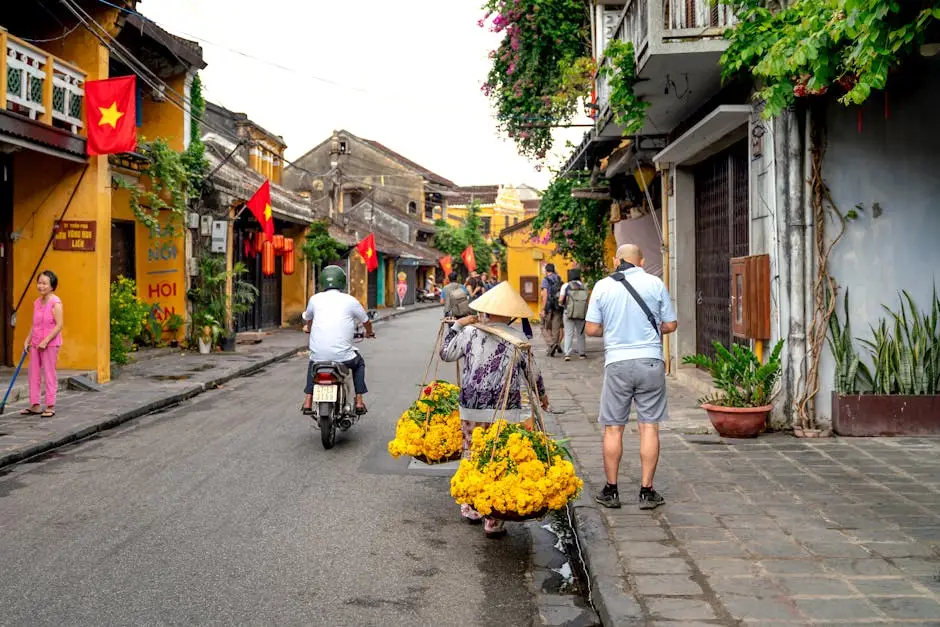
Genuine Vietnamese traffic police do occasionally stop tourists riding rented motorbikes, usually to check for a valid licence, but a small number of opportunists dress the part and try to extract a cash “fine” on the spot for an invented offence. Real police in Vietnam wear a distinct uniform and typically operate from marked checkpoints rather than approaching individually on quiet backstreets.
If you’re ever unsure, politely ask to see identification, request that any fine be paid at a police station rather than in cash on the street, and don’t be afraid to call your hotel or a Vietnamese-speaking contact for help. This is one of the reasons it pays to sort out a proper international licence before renting; our motorbike rental guide covers exactly what paperwork you need and what to check on the bike itself before you ride off.

Keep your travel plans flexible. Secure your spot
on top-rated Hanoi excursions like luxury Ha
Long Bay day cruises or scenic Ninh Binh tours.
Reserve now and pay later with free
cancellation up to 24 hours before.
The Motorbike “Damage” Deposit Scam
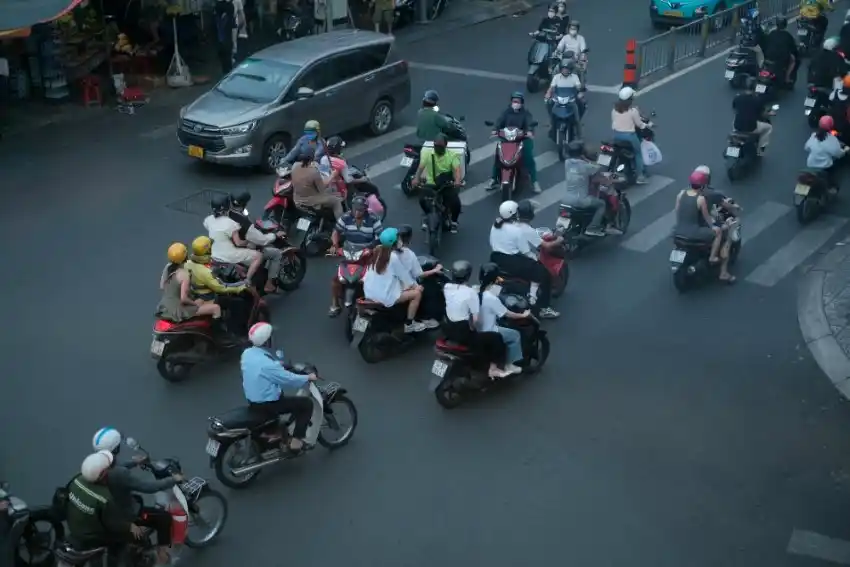
Popular in backpacker hubs like Hoi An and Da Lat, this one plays out after the fact. You rent a motorbike, hand over a cash deposit or your passport as security, and return it in the same condition you received it. The shop then points to a scratch or dent you’re certain wasn’t there before and demands a hefty repair fee before they’ll return your deposit or ID.
Photograph the bike from every angle, including the odometer and any existing scratches, before you ride off, and do the same when you return it. Never hand over your passport as a deposit; a cash deposit or a photocopy is standard and far lower risk. Reputable rental shops with strong reviews rarely pull this trick, so it’s worth spending a little more with an established operator rather than chasing the cheapest daily rate.
Bait-and-Switch Hotel Bookings
You book a guesthouse online, arrive after a long flight, and get told your room is “unexpectedly unavailable”, but don’t worry, a cousin’s hotel down the road has something even better. It doesn’t. This trick is largely confined to a cluster of independent guesthouses in Hanoi’s Old Quarter and works because a tired traveller is unlikely to argue at midnight.
Booking through Agoda or Booking.com gives you a paper trail and a platform to dispute charges through if something goes wrong, which a cash deal made on arrival simply doesn’t. If a property tries to redirect you elsewhere, politely decline, show your confirmed booking, and if necessary ask reception to call the platform’s support line directly.
SIM Card and Airport Data Scams
A handful of counters near airport arrivals sell SIM cards at three or four times the normal rate, occasionally with far less data than advertised. It’s a minor scam compared to the others on this list, but it’s an easy one to sidestep entirely: sort your connectivity out before you even land.
Grab an eSIM through Yesim before departure and you’ll have data working the second your plane touches down, no counter negotiation required. If you’d rather use a physical SIM, buy it from an official Viettel, Mobifone, or Vietnamobile store in the city rather than the airport kiosks. Our SIM cards and internet guide runs through pricing so you know what a fair rate actually looks like.


Skip the overpriced airport SIM counters entirely.
Get a Yesim eSIM for unlimited 5G data from ~$10.
Work, stream, and be connected the second you land.
ATM Skimming and Card Cloning
Card skimming devices occasionally turn up on standalone ATMs in less-monitored areas, particularly ones not attached to a bank branch or shopping centre. It’s not widespread, but it’s worth taking a few basic precautions rather than assuming it can’t happen to you.
Use ATMs attached to a bank branch during daylight hours where possible, cover the keypad with your other hand while entering your PIN, and give the card slot a gentle wiggle before inserting your card. If anything feels loose or looks slightly out of place, walk away and find another machine. Setting a transaction alert through your bank’s app means you’ll know within seconds if something unusual happens.
Simple Habits That Prevent Almost Everything:
- Agree The Price First: Whether it’s a ride, a haircut, a tailor, or a “friendly” street tour, always confirm the price before the service begins. Vietnam runs on verbal agreements, and confirming upfront removes almost every grey area a scam relies on.
- Book Rides Through Apps: Grab, Xanh SM, and Be show a fixed fare before you confirm. It’s the single most effective scam-prevention habit in this entire guide. See our Grab vs Xanh SM breakdown for which one to open first.
- Keep Small Notes Handy: Carrying plenty of 10,000, 20,000, and 50,000 VND notes means you’re rarely relying on a vendor to give exact change from a large bill.
- Photograph Everything You’re Handed: Rental agreements, motorbike condition, hotel confirmations. A photo timestamp is the fastest way to settle a “damage” dispute in your favour.
- Trust Your Gut: Overly persistent friendliness toward a specific shop, tour, or restaurant is the most reliable tell there is. Genuine hospitality in Vietnam is warm, but it isn’t pushy.

Skip the bait-and-switch guesthouses entirely.
Book verified properties with real reviews and a
confirmed reservation you can show at the desk
the moment you check in.
What To Do If You’ve Already Been Scammed:

Don’t let a bad experience color your whole trip. Most scams here are financially small, and the vast majority of people you’ll meet in Vietnam are genuinely helpful. If something more serious happens, larger cities have dedicated tourist police units used to handling these reports, and your hotel reception is usually the fastest route to finding the nearest one.
For anything involving a card or booking platform, report the charge to your bank or to Agoda/Booking.com support directly. Keep photos, receipts, and screenshots of any conversation; platforms take these disputes seriously and refunds are common when there’s a clear paper trail. It’s also worth double-checking your travel insurance policy, since theft and fraud are often covered under standard plans.
For a wider look at overall safety beyond scams, our Vietnam safety guide and is Vietnam safe breakdown both cover the bigger picture, and our common travel mistakes guide rounds up the non-scam-related slip-ups worth knowing about too.
Frequently Asked Questions:
Is Vietnam dangerous for tourists?
No. Violent crime against tourists is rare and Vietnam is generally considered one of the safer countries in Southeast Asia. The issues covered in this guide are almost all small-scale financial scams rather than anything physically threatening. Our Vietnam safety guide covers the bigger picture in more detail.
What is the most common scam in Vietnam?
Rigged taxi meters and unlicensed cabs top the list, closely followed by the 20,000 vs 500,000 VND note mix-up at markets and dimly lit bars. Both are almost entirely avoidable: use ride-hailing apps for transport and always check the printed numeral on any note before handing it over.
Should I use Grab or a street taxi?
Grab, Xanh SM, and Be are the safer choice for almost every ride, since all three show a fixed price before you confirm the booking. If you do flag a street taxi, stick to the well-known green Mai Linh or white Vinasun cabs and confirm the meter is running from the start.
Are motorbike rental deposits safe?
They can be, provided you photograph the bike from every angle before you ride off and never hand over your passport as a deposit. A cash deposit or a photocopy of your ID is the industry standard. Our motorbike rental guide covers exactly what to check before you sign anything.
How do I avoid the currency note mix-up?
Check the printed numeral on any note before you hand it over, not just the color, since the 20,000 and 500,000 VND notes look similar under dim lighting. Carrying plenty of smaller notes also reduces how often you need change from a large bill in the first place.
Is it safe to buy a SIM card at the airport?
It’s usually safe but often overpriced. A handful of counters near arrivals charge three or four times the normal rate. Buying an eSIM through Yesim before you fly, or picking up a physical SIM from an official Viettel or Mobifone store in the city, is better value. Our SIM card guide has current pricing.
What should I do if someone claiming to be police asks for money?
Ask to see identification and request that any fine be paid at a police station rather than handed over as cash on the street. Genuine officers operate from marked checkpoints and wear a distinct uniform. If you’re unsure, call your hotel or a local contact for help before paying anything.
Are gem and tea shop tours worth it?
Approach any unplanned detour to a specific shop with caution, especially if a stranger has been unusually insistent about it. These stops are typically driven by commission rather than genuine recommendation and prices are inflated accordingly. Booking tours through established operators like Klook or Get Your Guide, with a clear itinerary laid out in advance, avoids the issue entirely.