
Manifest Cargo vs. Excess Baggage, Flying Your Pet to Vietnam
This is the decision that catches most pet owners off guard when planning a move to Vietnam. The two options look similar on the surface, your pet travels in the hold of a plane, but the practical differences in cost, process, safety, and what happens when you land are significant. Here’s an honest breakdown so you can choose the right option for your animal and your situation.
The Quick Summary:
- Cost: Excess baggage is dramatically cheaper, manifest cargo adds commercial freight rates, customs broker fees, and warehouse handling charges on top of the base transport cost.
- Documents: Both methods require the same core paperwork, import permit, government-endorsed health certificate, and valid rabies vaccination records. Neither skips the vet requirements.
- On Arrival: Excess baggage means collecting your pet at the arrivals hall, fast and straightforward. Manifest cargo means a trip to the remote cargo terminal, a customs broker, and a wait of three to six hours.
- Safety Monitoring: Manifest cargo offers more precise tracking and dedicated environmental monitoring throughout transit. Excess baggage uses standard passenger baggage systems, which are reliable but less specialised.

From boutique guesthouses to five-star
resorts, Agoda has Vietnam’s best stays
covered. Strong Asia inventory means
deeper discounts than you’d expect.
What’s the Actual Difference Between the Two?
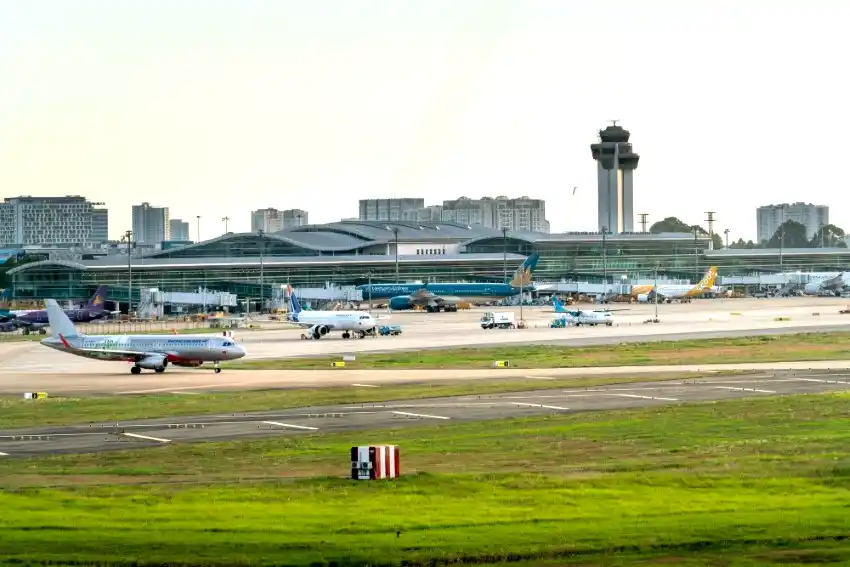
Excess baggage means your pet travels on the same flight as you, booked under your passenger ticket, and handled through the same channels as oversized checked luggage. You collect them at the arrivals hall, present your veterinary documents to the quarantine officer, and you’re done, often within an hour of landing. It’s simpler, cheaper, and keeps your pet’s journey closely tied to yours.
Manifest cargo means your pet travels as unaccompanied commercial freight under a separate air waybill. They may be on a different flight entirely. On arrival, they go directly to a commercial cargo warehouse, at Noi Bai in Hanoi, this facility sits several kilometres outside the main terminal. You clear immigration, collect your own bags, take a taxi to the freight complex, and then work through formal customs declarations with a licensed broker before your pet is released. The process typically takes three to six hours from when the aircraft lands.
Which option is available to you often isn’t purely a choice, large breeds exceeding airline weight limits must go manifest cargo regardless of preference, and UK residents are legally required to use manifest cargo due to national export regulations.

Land in Vietnam stress-free with a
pre-booked English-speaking driver.
Welcome Pickups offer fixed-price
transfers with flight tracking included.
How Much Does Each Option Cost?
The cost gap is substantial and worth planning around carefully. Excess baggage keeps things simple, one airline fee, no broker, no warehouse. Manifest cargo stacks multiple costs on top of each other, and the total can surprise people who only budget for the base transport fee.
| Cost Item | Excess Baggage | Manifest Cargo |
|---|---|---|
| Airline Transport Fee | 3,750,000 – 7,500,000 VND ($150 – $300 USD) | 25,000,000 – 62,500,000 VND ($1,000 – $2,500 USD) |
| Customs Clearance | None | 5,000,000 – 12,500,000 VND ($200 – $500 USD) |
| Handling & Brokerage | None | 3,750,000 – 10,000,000 VND ($150 – $400 USD) |
Important: Always carry Vietnamese Dong in cash for airport ground transport and minor terminal fees. Major cargo offices accept credit cards, but terminal handlers often require physical cash for smaller charges, being caught short after a long-haul flight with a stressed pet is not a fun situation.

Compare every realistic route to Vietnam:
sleeper bus, train, or ferry, all priced
and reviewed in one place. No more
wondering which operator is reliable.
Which Option Is Safer for Your Pet?
Both options are safe when handled correctly, but they carry different risk profiles, and it’s worth being honest about them.
Manifest cargo provides a higher level of dedicated monitoring. Each animal travels under a unique air waybill tracked by cargo control centres throughout the entire route, and holds are maintained between 18°C and 24°C with automated climate controls. For very long routes with multiple connections, this level of oversight is genuinely reassuring.
Excess baggage on major wide-body aircraft uses similarly pressurised, climate-controlled holds, but the ground loading process introduces more variables. Crates can sit on outdoor baggage carts during tarmac transfers, which matters a lot in the intense tropical heat of Southeast Asian hubs or during monsoon season. If your pet is flying via excess baggage, choosing an airline with a strong animal welfare record and a single-stop route reduces this exposure significantly.
One firm rule applies to both methods: snub-nosed breeds, Pugs, Bulldogs, Persian cats and similar, face seasonal blackouts on many carriers regardless of transport method. Always confirm with your airline directly if this applies to your pet.

From caves and cruises to cooking
classes, Klook covers Vietnam’s best
experiences. Hotel pickup is often
included and prices are usually lower.
What Happens When You Land in Vietnam?
This is where the two options really diverge in day-to-day experience, and for many pet owners, it’s the deciding factor.
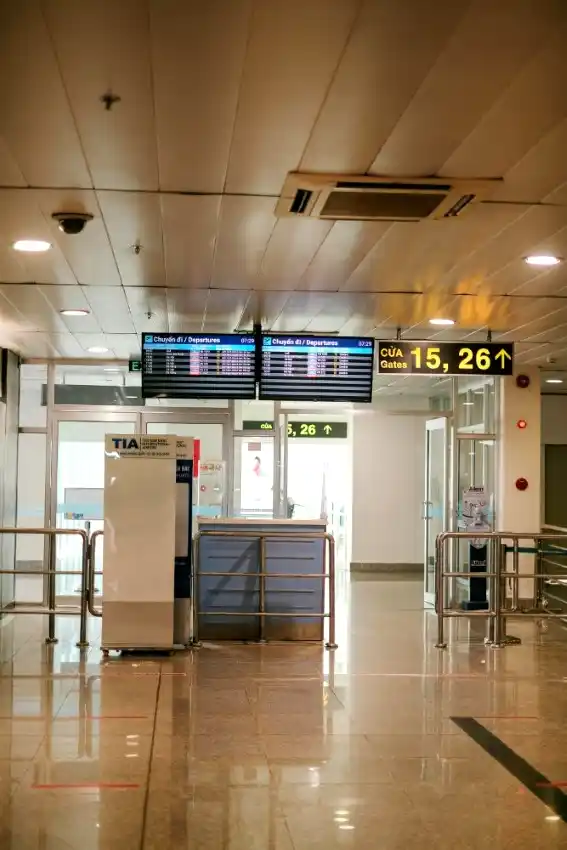
Excess baggage: After clearing immigration, head to the oversized baggage carousel. Collect your pet, present your veterinary documents to the quarantine inspection desk inside the arrivals hall, and walk out. The whole process typically takes under an hour from landing. Your pet hears your voice and sees you quickly, which matters a lot after a long journey.
Manifest cargo: After clearing immigration and collecting your own luggage, you’ll need to take a taxi to the cargo terminal, at Noi Bai in Hanoi this is several kilometres from the main building, at Tan Son Nhat in Ho Chi Minh City the cargo offices operate with their own distinct processes. A licensed customs broker submits digital declarations, pays handling fees, and obtains clearance stamps from the cargo customs division before your pet is released. Expect three to six hours from landing to reunion, during which your pet remains in their crate in an active cargo warehouse environment, forklifts, heavy machinery, and commercial freight noise included.


Maps, Grab, translation apps, all need
data in Vietnam. Yesim’s eSIM installs
in a minute and gives you reliable 5G
from the moment you arrive.
Frequently Asked Questions:
Can my pet fly in the cabin on the way to Vietnam?
Very rarely on long-haul international routes. A small number of carriers permit pets under 7 kg in-cabin, but most international airlines operating to Vietnam require all animals to travel in the hold, either as excess baggage or manifest cargo. Always confirm directly with your specific airline and aircraft type before booking, as policies vary significantly.
What happens if my pet’s paperwork is wrong at the border?
This is the scenario to avoid at all costs. Incorrect or missing endorsement stamps on your health certificate can result in extended quarantine at your expense, or your pet being sent back to the country of origin. The export health certificate must match the exact wording required by Vietnamese quarantine authorities, your customs broker or a specialist pet relocation company can verify this before you fly.
Are there temperature restrictions for flying pets into Vietnam?
Yes, and they’re strictly enforced. Airlines apply seasonal temperature blackouts for excess baggage pets if ground temperatures at origin or transit hubs exceed 29°C, this catches a lot of people out during Southeast Asia’s hot season. Manifest cargo routes have more flexibility here because the facilities are temperature-controlled end-to-end, which is one genuine advantage of the more expensive option if you’re travelling in peak summer.