Vietnam Travel Tips
Vietnam rewards anyone who shows up with an open mind and an appetite for adventure. From the mist-shrouded limestone peaks of the far north to the sun-drenched waterways of the Mekong Delta down south, this country is all about dramatic contrasts. But because it’s so diverse, figuring out the weather, transport, and local customs can feel a bit like solving a puzzle. This guide breaks down everything you need to know to hit the ground running with total confidence.
The Quick Summary:
- Entry Requirements: Most travelers need to grab an online e-visa or check if they qualify for a visa exemption before booking flights.
- Daily Budgeting: Plan on spending roughly 750,000 VND to 1,500,000 VND ($30 to $62 USD) a day for a comfortable, mid-range trip including food and a nice place to stay.
- Weather Realities: Vietnam has three distinct climate zones. You might need a warm jacket for the northern mountains and shorts for the tropical south on the exact same trip.
- Getting Around Cities: Download ride-hailing apps before you land. They’re the safest, easiest, and cheapest way to get around town.

Compare hotel prices across Vietnam’s best
neighbourhoods and book with confidence.
Filter by budget, location, or guest score
to find the right stay for your trip.
What are the entry requirements for Vietnam?
To get through immigration, your passport needs to be valid for at least six months past your arrival date. You’ll also need to either hold a passport from a visa-exempt country or secure an official e-visa online ahead of time. Before you assume you’re exempt, check our Vietnam visa exemptions guide, the rules vary significantly by nationality and some exemptions come with surprisingly short allowances.
The standard tourist e-visa lets you stay for up to 90 days and comes in both single and multiple-entry options. Make sure you apply through the official government portal, avoid third-party agency sites that charge hidden fees. Processing typically takes three to five business days, but apply at least two weeks before your trip to avoid any last-minute panic.
Don’t forget to print out a couple of physical copies of your approved e-visa. Immigration officers at Hanoi (Noi Bai) and Saigon (Tan Son Nhat) will want to see the paperwork. For a full step-by-step breakdown, head to our Visa Hub before you book.
If your trip stretches beyond 90 days, read up on Vietnam visa extensions and long-term visa options before you go, so you’re not scrambling mid-trip.

Lock in top-rated Vietnam tours with
GetYourGuide’s free cancellation up to
24 hours before. Reserve now and pay
later if your dates aren’t locked in.
How much money do you need per day?
A comfortable, mid-range daily budget is around 1,250,000 VND ($51 USD) per person. That easily covers a cool boutique homestay, sit-down meals, getting around by ride-hail, and entrance fees for sightseeing. If you stick to street food and local buses, you can comfortably get by on much less. Our full Vietnam travel costs guide breaks this down city by city.
Cash is still king here. High-end hotels, trendy restaurants, and malls in Saigon’s District 1 or Hanoi’s Hoan Kiem district will gladly take your credit card, but street food vendors, markets, and smaller shops only deal in Vietnamese Dong (VND). If you’re travelling on a tighter budget, our Vietnam budget travel guide has all the strategies you need.
At the other end of the spectrum, Vietnam punches well above its weight for luxury. Five-star resorts, private villa dining, and helicopter transfers all exist here at a fraction of what they’d cost in Europe or Australia. The Vietnam luxury travel guide is worth a look if you’re planning to splurge.

Airalo covers Vietnam with a range of
data plans from a few days to a month.
No physical SIM swap, no roaming bill
shock when you check back in at home.
Average Daily Travel Costs:
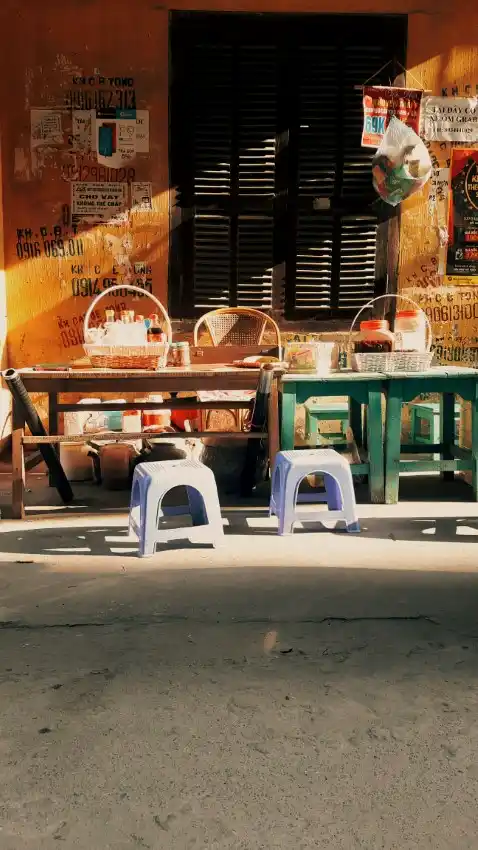
Keep a close eye on your cash. Local merchants are picky and will routinely reject large bills (like 200,000 VND or 500,000 VND notes) if they’re torn or badly damaged.
Also, watch out for the multi-zero confusion: the green 10,000 VND note looks surprisingly similar to the blue 500,000 VND note in low light. It’s an easy and expensive mistake to make in a dark bar or a night market.
For a full breakdown of ATMs, cards, and which banks charge the lowest fees, our Vietnam currency guide has everything you need to know before you land.
| Travel Style | Cost in VND | Cost in USD |
|---|---|---|
| Budget / Backpacker | 500,000 – 750,000 VND | $21 – $31 USD |
| Mid-Range / Flashpacker | 1,000,000 – 2,500,000 VND | $41 – $103 USD |
| Luxury / Premium | 5,000,000+ VND | $206+ USD |

Skip the planning headache for Vietnam.
Klook offers day tours, tickets, and
experiences from around $25, with
instant confirmation to your phone.
How do you get around cities safely?
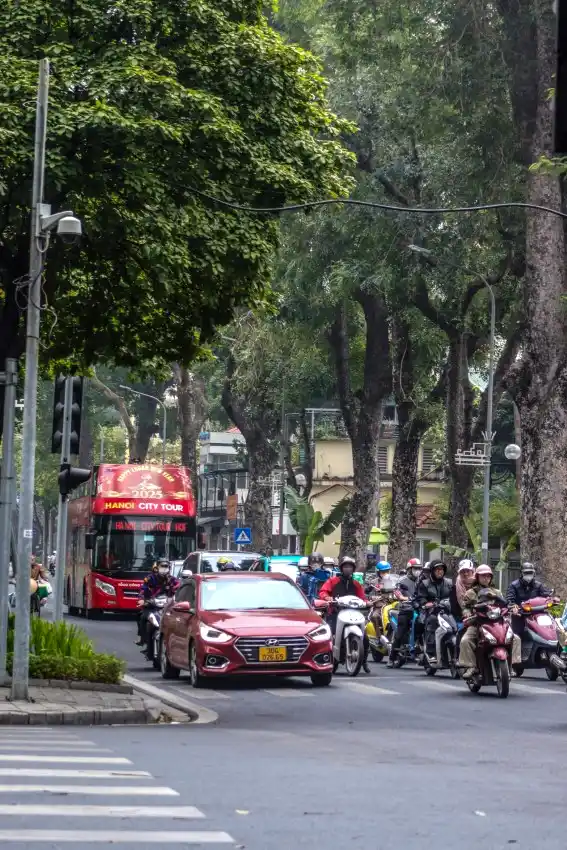
The best way to navigate Vietnamese cities is by using ride-hailing apps like Grab, Be, or Xanh SM. They eliminate haggling, show you the route transparently, and let you choose between an air-conditioned car or a quick motorbike taxi. If you’re torn between the two big players, our Grab vs Xanh SM comparison breaks down where each app wins.
Hailing a random taxi on the street can be a gamble. If you can’t use an app for some reason, stick strictly to Mai Linh (the bright green cars) or Vinasun (white cars with red and green trim). Make sure the driver turns the meter on before you move.
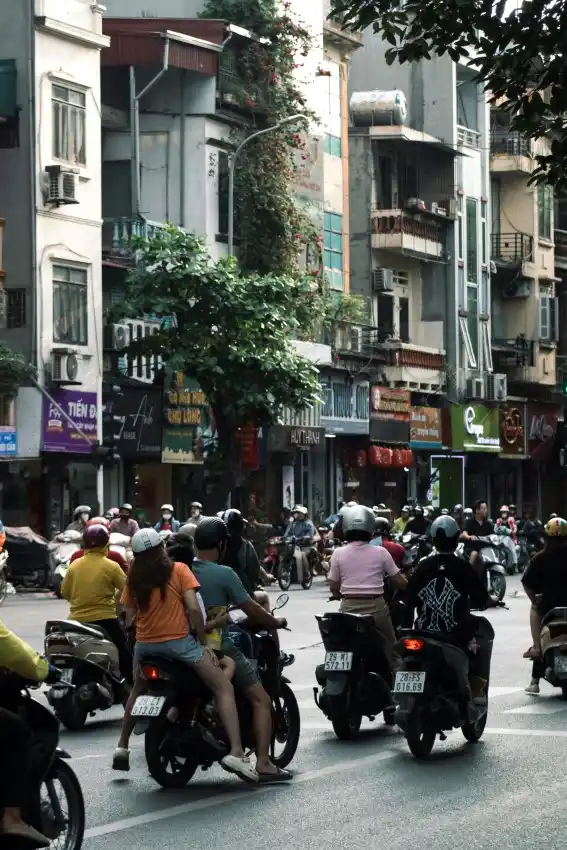
Crossing the street in Hanoi or Saigon can feel like an extreme sport. The trick is simple: step off the curb calmly, walk at a slow, steady, predictable pace, and do not stop or run. Drivers will calculate your speed and flow around you like water. For a full breakdown of options including trains, buses, and inter-city transport, see our guide to getting around Vietnam.
If you’re planning to ride a motorbike yourself, read our motorbike rental guide first, the legal requirements are often misunderstood and the insurance implications are real. City-specific transport tips are also covered in our guides to getting around Hanoi and getting around Ho Chi Minh City.
What cultural customs and etiquette should you know?
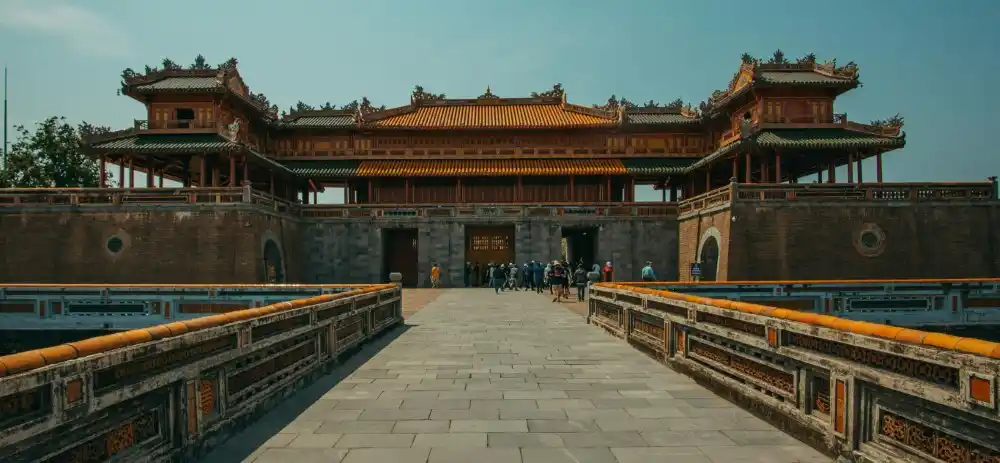
Being a respectful traveler in Vietnam mostly comes down to dressing modestly at temples, knowing how to tip, and keeping your cool. When visiting any religious or historic site, make sure your shoulders and knees are covered. Our Vietnam temples and pagodas guide covers exactly what to expect at each type of site.
Take your shoes off whenever you enter someone’s home, a local guesthouse, or certain small shops (look for a pile of shoes by the door). If an issue arises, avoid raising your voice or getting visibly angry. Keeping your composure helps everyone save face and resolves things much faster. For the full picture, our Vietnamese culture and etiquette guide goes into real depth.
Temple Etiquette: Never touch sacred statues, avoid pointing the soles of your feet directly at altars, and speak quietly while inside.
Tipping: It’s not traditionally part of the culture, but it is deeply appreciated by tour guides, drivers, and at day spas. Some Westernized restaurants add a 5% to 10% service charge to the bill.
Bargaining: Haggling is expected at tourist markets. Try aiming for around 30% off the initial asking price, but keep it friendly. Smile, counter politely, and if they won’t budge, simply walk away. Vietnam’s festivals add another layer of cultural richness, if your dates overlap with Tet or a local celebration, check our Vietnam festivals guide so you know what to expect.
A note for the nervous traveler:
Vietnam is incredibly safe for solo travelers, families, and backpackers alike. Violent crime targeting tourists is practically unheard of. Your main priorities will be basic street smarts, traffic awareness, and food hygiene. Our Is Vietnam Safe guide gives an honest, balanced overview for anyone weighing up the risks before they book.
The most common issue is opportunistic petty theft, like someone on a motorbike snatching a phone or bag out of a pedestrian’s hand. Keep your phone away from the curbside when checking maps, and opt for a crossbody bag instead of a single-shoulder strap.
On food safety: follow the crowds. Choose busy street food stalls where the turnover is fast and the broth is kept at a rolling boil. Don’t drink the tap water, but don’t stress about ice in major cities, it’s commercially manufactured from purified water and is perfectly safe. For everything from hospital recommendations to travel insurance, see our full Vietnam safety guide. Speaking of insurance, don’t leave home without a policy, SafetyWing is solid and designed specifically for travellers and nomads.
If you’re a first-timer feeling overwhelmed by the planning process, our first time visiting Vietnam guide is written exactly for you.
Staying in Vietnam long-term:
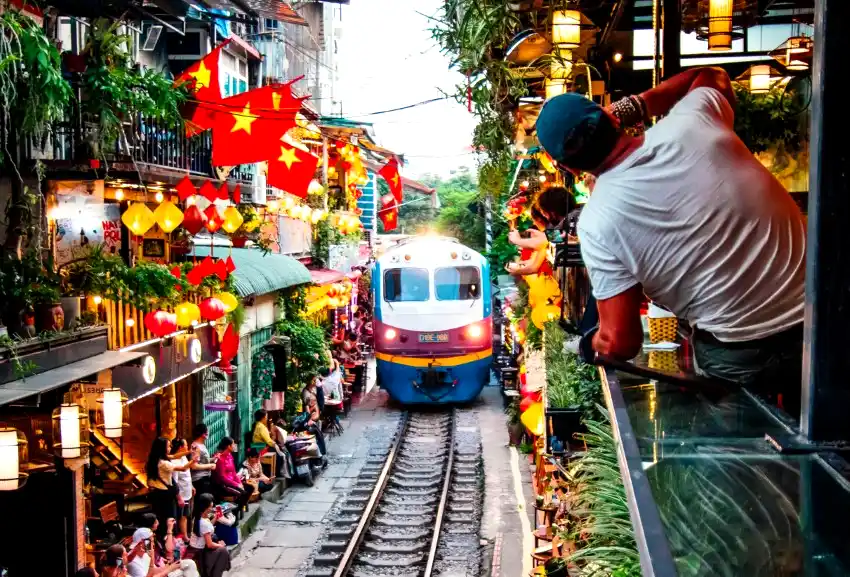
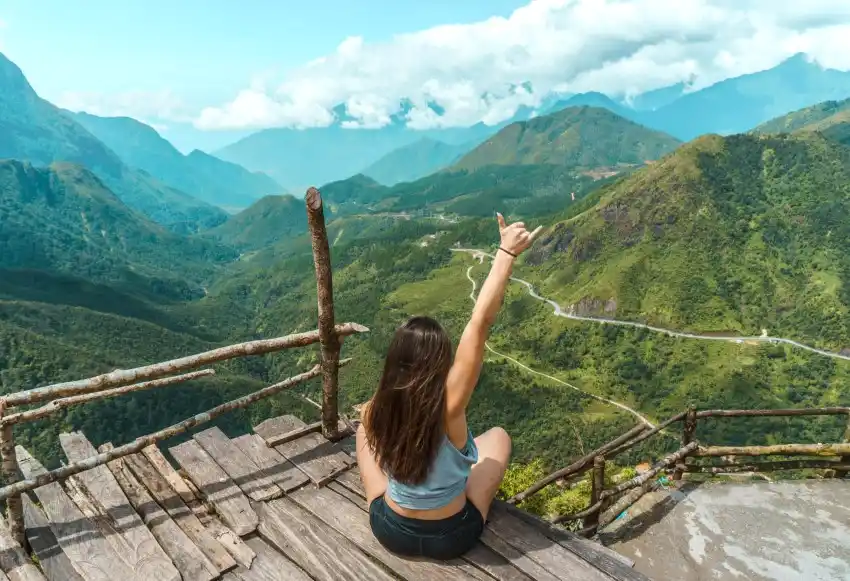
The 90-day e-visa has made Vietnam a hotspot for digital nomads and slow travelers. Coastal cities like Da Nang, especially the beachy An Thuong neighborhood, are packed with remote workers thanks to fast internet, great coworking spaces, and a lifestyle that’s hard to argue with. Our Vietnam digital nomad guide covers everything from the best bases to banking.
If you decide to turn a short vacation into a multi-month stay, finding an apartment is affordable and straightforward. You can easily scout out bases in expat enclaves like Thao Dien in Ho Chi Minh City or the peaceful, café-lined streets of Truc Bach in Hanoi. Our guide to renting apartments in Vietnam walks through lease terms, deposits, and the neighbourhoods worth targeting.
Even relocating permanently with pets is relatively straightforward. International pet relocation services operate smoothly through major airports, just make sure your rabies titres and health certificates are sorted well in advance. See our moving pets to Vietnam guide for a full timeline.
Pro Tips For Stress-Free Travel:
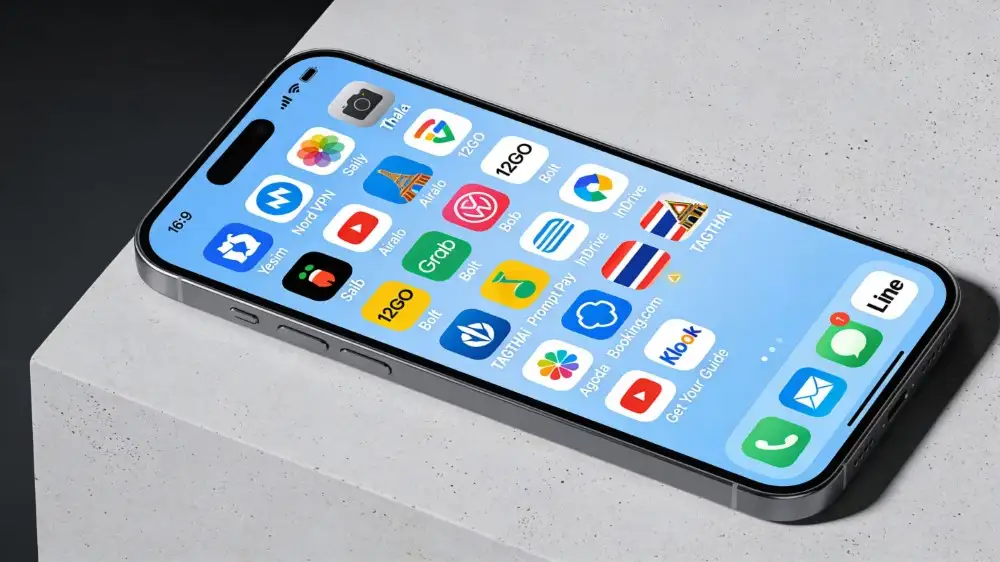
Transport: Download Grab, Be, and Xanh SM before you arrive. Xanh SM uses a fleet of clean, quiet electric vehicles and offers consistently excellent service in Hanoi and Ho Chi Minh City.
Bookings: Use Agoda for accommodation, it has the deepest inventory in smaller Vietnamese towns where other platforms thin out. Booking.com is a solid alternative if free cancellation is a priority. For tours and day trips, Get Your Guide and Klook both have strong Vietnam coverage.
Connectivity: Skip the overpriced airport SIM card stalls. Install an eSIM via Yesim before you land, it activates instantly, you choose your data plan in-app, and there’s no fumbling with a physical SIM on arrival. Airalo is a good backup if Yesim doesn’t cover your home country. For the full comparison, see our Vietnam SIM cards and internet guide.
Security: Grab a subscription to NordVPN to keep your data secure when connecting to the open Wi-Fi networks found in almost every Vietnamese coffee shop.
Train & Bus Tickets: Book inter-city trains and sleeper buses through 12GO, it aggregates routes and operators in one place and lets you compare prices. Our Vietnam train guide and sleeper bus guide are worth reading before you commit to a route.

Stay online across Vietnam without the
daily-data limits of standard tourist
SIMs. Yesim’s eSIM offers unlimited 5G
from around $10 for the whole trip.
Frequently Asked Questions:
What is the best month to visit Vietnam?
Generally, November to April is the sweet spot. The weather is mostly dry and comfortable across the country. The north will be cool (even downright cold in the mountains), while the south will be beautifully warm and sunny. That said, Vietnam is a year-round destination, different regions peak at different times. Our best time to visit Vietnam guide breaks it down region by region.
Is the tap water safe to drink?
No, never drink tap water in Vietnam. Stick to bottled water, filtered water coolers at your hotel, or boiled water. Don’t worry about ice in city cafes and restaurants, though, it’s made from purified factory blocks and is perfectly safe.
Do I need an international driving permit (IDP)?
Yes. To legally ride a motorbike over 50cc, you must have a valid International Driving Permit with the 1968 Convention endorsement, alongside your home country’s motorcycle licence. Without it, your travel insurance almost certainly won’t cover you in the event of an accident. See our motorbike rental guide for the full legal picture.
How do I get a Vietnam e-visa?
Apply via the official Vietnamese government e-visa portal at evisa.xuatnhapcanh.gov.vn. You’ll need a valid passport, a passport-sized photo, and a credit or debit card for the fee. Processing takes three to five business days. Print physical copies to present at immigration. Full instructions are in our Vietnam e-visa guide.
Is Vietnam safe for solo travelers?
Yes. Vietnam is one of the safer countries in Southeast Asia for solo travel, including for solo female travelers. Violent crime targeting tourists is rare. The main things to watch for are petty theft (bag snatching), traffic, and the occasional tourist-area scam. Our Is Vietnam Safe guide covers all of this honestly.
What currency is used in Vietnam, and can I use cards?
The Vietnamese Dong (VND) is the local currency. Cards are accepted at most hotels, malls, and larger restaurants, but street food, markets, and local transport require cash. Always carry small-denomination notes. ATMs are widely available in cities. Our Vietnam currency guide covers ATM fees, the best cards to bring, and how to avoid common money mistakes.
Do I need travel insurance for Vietnam?
Yes, and it’s a non-negotiable. Medical care in Vietnam can be expensive for foreigners at international hospitals, and a motorbike accident or serious illness can cost tens of thousands of dollars without cover. SafetyWing is a popular, affordable option designed for travellers and long-stay nomads. Our travel insurance Vietnam guide explains what to look for in a policy.
What apps do I need for Vietnam?
How do I get between cities in Vietnam?
Vietnam has several good options. The Reunification Express train is comfortable and scenic for the north-to-south route, book through 12GO. Budget airlines like VietJet and Bamboo Airways are cheap for long distances. Overnight sleeper buses connect most tourist towns and are a budget staple. Our getting around Vietnam guide covers all the options with current pricing.
How much does a meal cost in Vietnam?
A bowl of pho or a plate of com tam at a street stall typically costs 40,000 – 80,000 VND ($1.65 – $3.30 USD). A sit-down meal at a mid-range restaurant comes in at 150,000 – 400,000 VND ($6 – $16 USD) per person. A full dinner at a high-end restaurant in Saigon or Hanoi can reach 800,000 – 2,000,000 VND ($33 – $82 USD) per person, including drinks.