Vietnam Travel Costs
Vietnam is one of those rare destinations where your money genuinely goes a long way, no matter how you like to travel. Whether you’re a backpacker living on banh mi and bia hoi, a family treating yourselves to resort pools and sunset cruises, or a digital nomad settling into a beachside apartment for a few months, Vietnam makes it all feel surprisingly within reach. This guide breaks down exactly what to expect, so you can plan with confidence and spend on the things that actually matter to you.
The Quick Summary
- Backpacker Budget: 625,000 to 1,000,000 VND ($25 to $40 USD) per day. Think hostel dorms, delicious street food, and local buses.
- Mid-Range / Flashpacker: 1,250,000 to 3,125,000 VND ($50 to $125 USD) per day. Covers private rooms in boutique hotels, nice sit-down meals, and domestic flights.
- Luxury Budget: 5,000,000+ VND ($200+ USD) per day. Unlocks five-star heritage hotels, fine dining, and private drivers.
- Major Costs: Big cities like Ho Chi Minh City and popular island spots like Phu Quoc will naturally run a bit pricier than hubs in Central or Northern Vietnam.
- Visa: Most nationalities enter on a 90-day e-visa. Always apply through the official government portal, third-party agencies charge unnecessary fees on top of the standard rate.
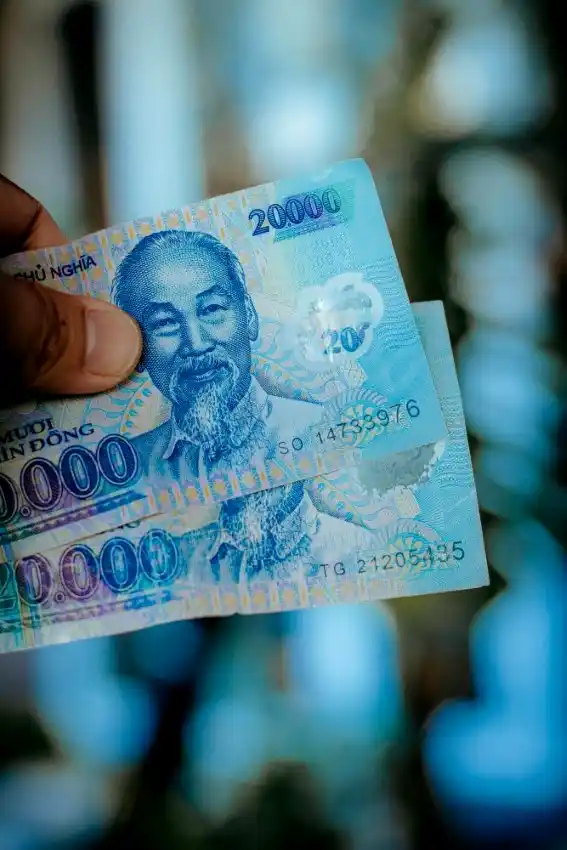
- Currency: The Vietnamese Dong has a lot of zeros. Exchange at local gold shops (tiem vang) for the best rates, not at airport counters.

Stay closer to the action in Vietnam.
Agoda lists everything from local
guesthouses to riverside resorts, with
verified reviews and instant booking.
How Much Does Vietnam Cost Per Day?
Depending on how you like to travel, daily spend can range from as little as 750,000 VND ($30 USD) on a lean backpacker day to well over 5,000,000 VND ($200 USD) for resort-and-fine-dining comfort. Most independent travellers land somewhere in the middle, and that sweet spot is excellent value by any measure.
Mid-range travellers typically spend between 1,500,000 and 3,000,000 VND ($60 to $120 USD) per day, comfortably covering a private hotel room, two or three good sit-down meals, ride-hailing between sights, and the occasional paid attraction or day trip. If you’re travelling on a tight backpacker budget, the country genuinely rewards the effort, street food, free beaches, and local buses keep daily costs remarkably low.
At the high end, luxury travel in Vietnam punches well above its weight too. Five-star resorts, private speedboat charters, and Michelin-level tasting menus cost a fraction of what you’d pay in Bangkok or Bali for the equivalent experience. For a detailed first-timer’s overview of where to put your money, our complete Vietnam first-timer guide covers everything from what to budget to what to skip.
| Travel Style | Daily Estimate (VND & USD) | What You Get |
|---|---|---|
| Backpacker | 625,000 to 1,000,000 VND ($25 to $40 USD) | Hostel dorm bed, three street food meals, local buses or motorbike taxis, and free walking tours. |
| Mid-Range | 1,250,000 to 3,125,000 VND ($50 to $125 USD) | Private room in a 3-star boutique hotel, a mix of cafes and sit-down restaurants, ride-hailing apps, and domestic flights. |
| Luxury | 5,000,000+ VND ($200+ USD) | 5-star resort or heritage hotel, fine dining, premium cocktail bars, private drivers, and Ha Long Bay luxury cruises. |
| Family / Group | Varies widely by comfort level | Private villa or connecting hotel rooms, airport transfers via Welcome Pickups, Klook family activity packages, and kid-friendly dining. |
| Digital Nomad / Long Stay | From 750,000 VND ($30 USD) per day | Monthly apartment rental, fast fibre internet, coworking space day passes, local market cooking, and cafe-hopping. |
Visa Costs: What You’ll Pay to Enter
Visa costs are one of the first things to factor into your Vietnam budget, and the good news is they’re straightforward. The Vietnam e-visa is available to most nationalities, issued for 90 days single or multiple entry, and applied for entirely online through the official government portal. The fee is paid directly to the Vietnamese government, applying through a third-party agency is unnecessary and usually adds 10 to 20 USD in processing fees for no extra benefit.
Some nationalities are entirely exempt from visa requirements and can enter without any fee at all, for stays of 14 to 45 days depending on their passport. If you’re planning a longer stay or returning frequently, visa extension options are available in-country and worth knowing about before you go. For a deeper look at long-term entry options, the long-term visa guide covers the full range of business, investor, and repeat-entry routes.
Always verify the current e-visa fee on the official government portal before applying, as fees are subject to change and some online sources carry outdated figures.
Pro Tips for Stress-Free Travel

- Transport Apps: Download Grab, Xanh SM, and Be before you land. All three offer upfront fixed pricing for both motorbike and car rides, and are the safest way to get around cities without fare disputes.
- Airport Transfers: For stress-free arrivals, particularly with family or heavy luggage, Welcome Pickups offers pre-booked private transfers with a meet-and-greet service and fixed rates. Worth every dong on a long-haul arrival day.
- Accommodation: Agoda has the deepest inventory in smaller Vietnamese towns and is the go-to for budget and mid-range options. Booking.com is the better choice when free cancellation is a priority.
- Activities and Tours: Klook and Get Your Guide are the go-to platforms for booking vetted day trips, cooking classes, and skip-the-queue tickets.
- Security: Run NordVPN on your phone and laptop whenever you connect to public Wi-Fi at cafes, hotels, or coworking spaces. It takes seconds to activate and protects your banking details and personal data.
- Cash Exchange: For the best VND exchange rates, bring crisp, undamaged US Dollar bills to local gold shops (tiem vang) rather than airport currency counters. The difference can be meaningful on larger amounts. Full guidance in our Vietnam currency and money guide.
- Flight Disruptions: If your journey involves multiple connections, it’s worth registering with AirHelp. They monitor your flights and handle compensation claims on your behalf if things go wrong.
- Travel Insurance: Don’t skip it. SafetyWing offers rolling monthly cover that’s well suited to Vietnam’s mix of adventure activities, motorbike riding, and island-hopping. Check that your policy includes emergency evacuation.

Stay online across Vietnam without the
daily-data limits of standard tourist
SIMs. Yesim’s eSIM offers unlimited 5G
from around $10 for the whole trip.
Accommodation: From Dorm Beds to Colonial Grandeur

Vietnam’s accommodation scene caters to everyone, from solo travellers pinching every penny to families wanting full resort comfort. Hostel dorm beds start from around 150,000 VND ($6 USD) per night in most cities. Clean, well-reviewed private rooms in guesthouses and mini-hotels are widely available for 375,000 to 750,000 VND ($15 to $30 USD).
Where to Stay and What to Pay
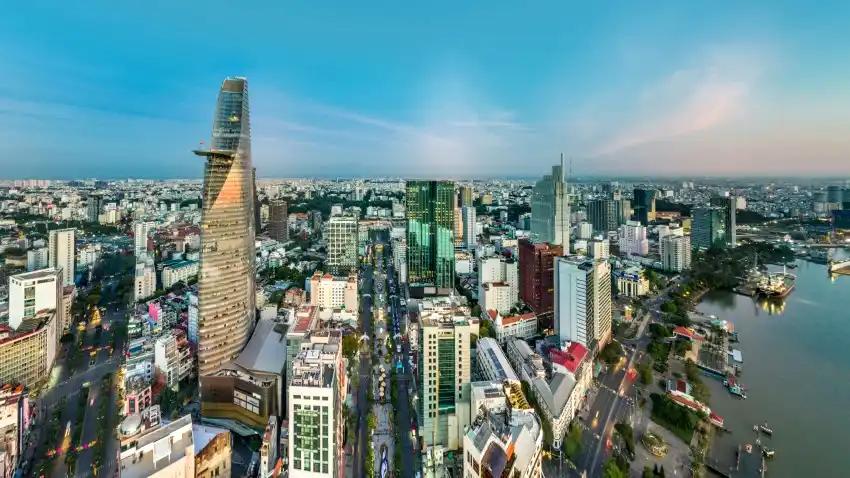
In Hanoi’s Old Quarter, atmospheric boutique hotels are stacked into narrow shophouses, and even mid-budget options often come with rooftop terraces and included breakfasts. Heading south to Da Nang, beachfront apartments along My Khe are a firm favourite for mid-range travellers and remote workers who want space, a kitchen, and the sea on their doorstep.
At the top end, the colonial-era hotels in Ho Chi Minh City’s District 1 and the oceanfront resorts on Phu Quoc command international five-star rates, often starting above 6,250,000 VND ($250 USD) per night. Central Vietnam offers some of the best mid-range value on the continent: Hoi An guesthouses and Hue boutique hotels deliver genuine charm at a fraction of beach-resort prices.
For families booking resort-style stays or villa packages, Agoda and Booking.com offer the widest selection and the most transparent cancellation policies across all regions.
Food Costs: Eating Your Way Around Vietnam
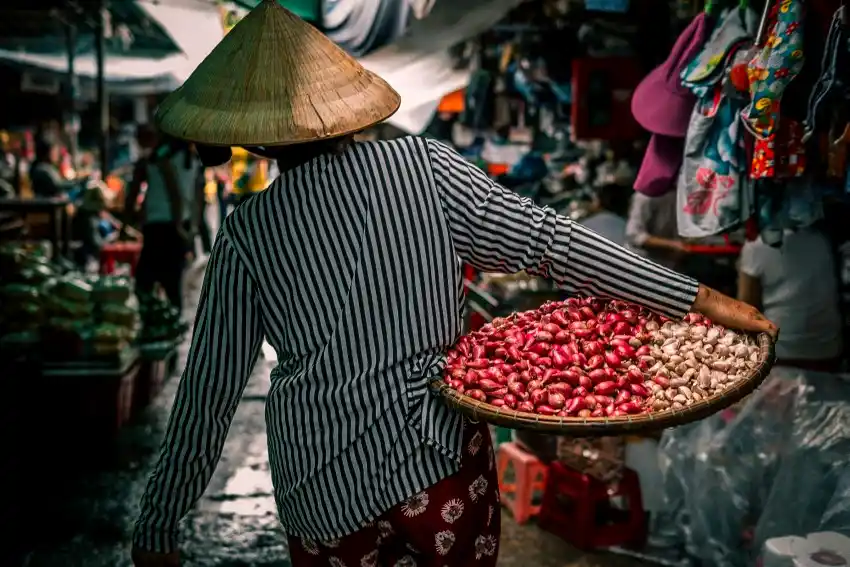
Food is easily the best value part of any Vietnam trip, and eating like a local is the tastiest option by a mile. A bowl of pho or a crispy banh mi from a street cart costs just 30,000 to 60,000 VND ($1.20 to $2.40 USD). A sit-down lunch at a neighbourhood com tam (broken rice) or bun cha spot adds up to around 60,000 to 120,000 VND ($2.40 to $4.80 USD) per person including a drink. Our complete Vietnamese street food guide covers what to order, where to find it, and how to eat safely.
Street Food vs. Restaurants
Stepping up to a proper air-conditioned restaurant for regional dishes like ca la vong (Hanoi turmeric fish) or banh xeo (sizzling crepes) in Hoi An will push the bill to roughly 150,000 to 300,000 VND ($6 to $12 USD) per person. Fine-dining venues in Ho Chi Minh City or Hanoi with tasting menus and wine pairings can reach 1,000,000 VND ($40 USD) and above per head.
One of the smartest ways to get deeper into Vietnamese food without spending much is to book a cooking class, especially in Hoi An, where a half-day market tour plus class typically costs 400,000 to 700,000 VND ($16 to $28 USD) and is worth every dong. And don’t overlook Vietnamese coffee culture either: a ca phe sua da (iced milk coffee) at a local cafe costs under 30,000 VND ($1.20 USD) and is one of the great small pleasures of the country.
Local tip: Skip the hotel breakfast buffet at least once and walk to your nearest morning market instead. A plate of freshly steamed banh cuon (rice rolls) with dipping sauce and a ca phe sua da (iced milk coffee) will cost under 50,000 VND ($2 USD) and tastes like nothing you’ll find in a tourist dining room.

Pick a Vietnam eSIM plan that matches
your trip length on Airalo’s global
marketplace. Install before departure
and you’re online the moment you land.
Transport Costs: Getting Around Vietnam

Getting around Vietnam is remarkably affordable, and the range of options is impressive. A quick motorbike taxi hop across a city centre costs around 25,000 VND ($1 USD) via ride-hailing apps. Domestic flights between major cities such as Hanoi and Da Nang typically cost between 1,000,000 and 2,000,000 VND ($40 to $80 USD) when booked a few weeks out.
Booking trains and buses in advance through 12GO is one of the most reliable ways to compare routes, lock in a seat, and skip the queue at the station.
Moving Between Cities
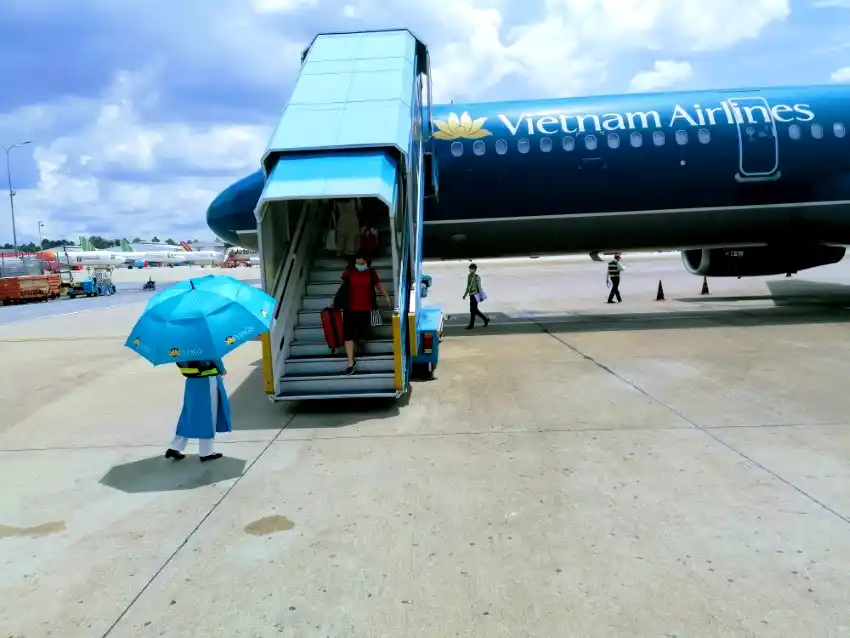
Domestic airlines like VietJet Air and Vietnam Airlines run frequent, affordable routes the full length of the country. For something more atmospheric, the Reunification Express train hugs the coastline between Hanoi and Ho Chi Minh City, and booking a soft-sleeper berth conveniently folds your accommodation costs into your transport spend.
Overnight sleeper buses are the cheapest long-haul option, particularly useful for reaching mountain destinations like Sa Pa or the dunes of Mui Ne. Our full how to get around Vietnam guide breaks down every mode with current prices.
Getting Around Town
Ride-hailing apps have completely transformed urban transport here. Grab, Xanh SM, and Be all offer transparent pricing for both motorbike taxis and car rides, making it easy to get anywhere without worrying about being overcharged. Not sure which app to use?
Our Grab vs Xanh SM comparison will help you decide. Renting your own scooter costs around 150,000 VND ($6 USD) per day and gives you total freedom, though city traffic does take some getting used to. For families or groups arriving at airports, Welcome Pickups offers pre-booked private transfers with fixed pricing and a meet-and-greet service, removing a lot of first-day stress.

Skip the planning headache for Vietnam.
Klook offers day tours, tickets, and
experiences from around $25, with
instant confirmation to your phone.
Activities and Entrance Fees
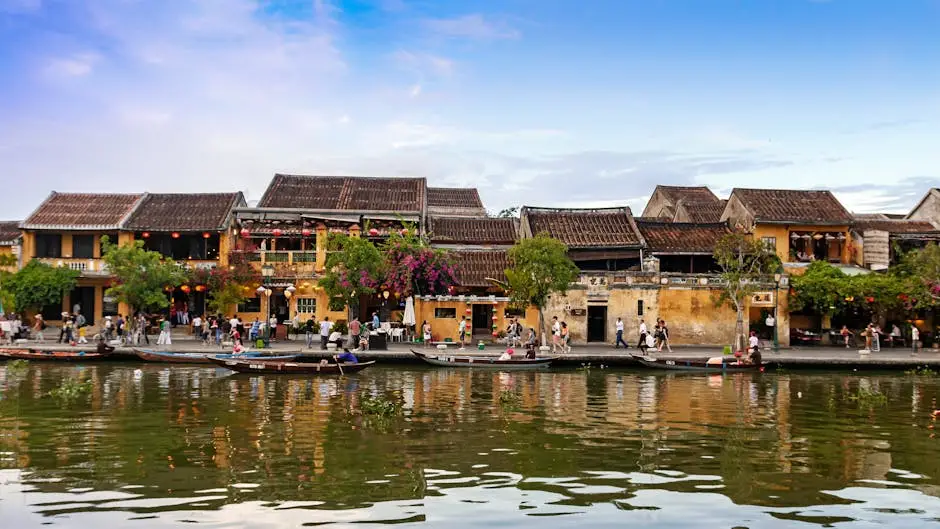
Many of Vietnam’s most memorable experiences are either free or very inexpensive. The ancient town of Hoi An charges a combined heritage ticket of around 120,000 VND ($4.80 USD) covering access to five historic buildings. Hue’s Imperial Citadel costs 200,000 VND ($8 USD).
Ha Long Bay cruises are the biggest single splurge for most travellers, ranging from 1,500,000 VND ($60 USD) for a budget day trip to over 10,000,000 VND ($400 USD) for a two-night luxury cruise on a private junk. Our Ha Long Bay budget vs luxury comparison makes picking the right option much easier.
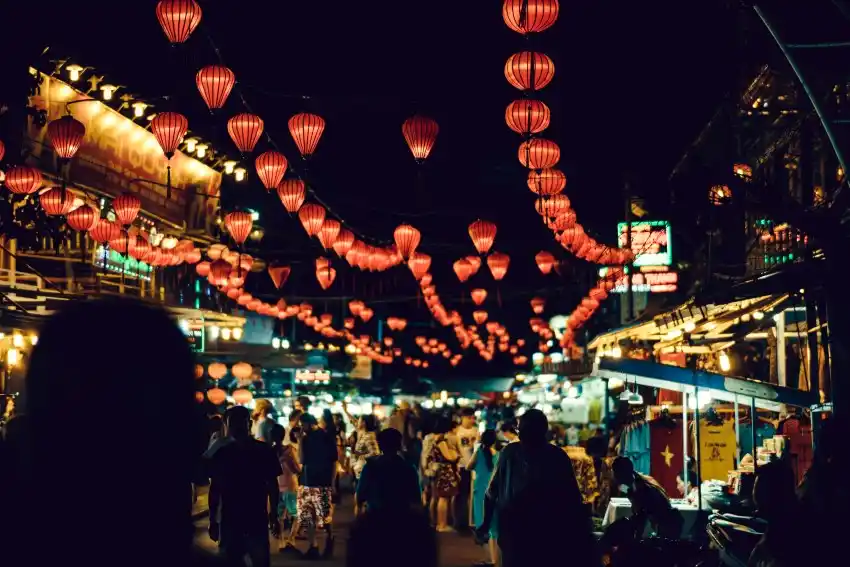
Beyond the big-ticket items, Vietnam’s night markets are almost entirely free to wander, and the country’s temples and pagodas typically charge nothing at the door. Boat tours of every scale, from Ninh Binh’s river caves to the Mekong Delta, start at just a few hundred thousand dong and rank among the best-value experiences in Southeast Asia.
Organised Tours and Day Trips
If you’d rather have a knowledgeable guide along for the ride, platforms like Klook and Get Your Guide offer a huge range of vetted day trips, cooking classes, motorcycle tours, and boat excursions across the country, usually with instant booking confirmation and flexible cancellation. Prices for guided half-day experiences typically start around 250,000 VND ($10 USD) per person and represent good value, particularly for first-time visitors navigating the bigger cities.

Skip-the-line tickets, guided walks,
and Vietnam day trips with English
guides. Read reviews from real travellers
before committing to a single one.
Local Customs Around Money: Haggling and Tipping

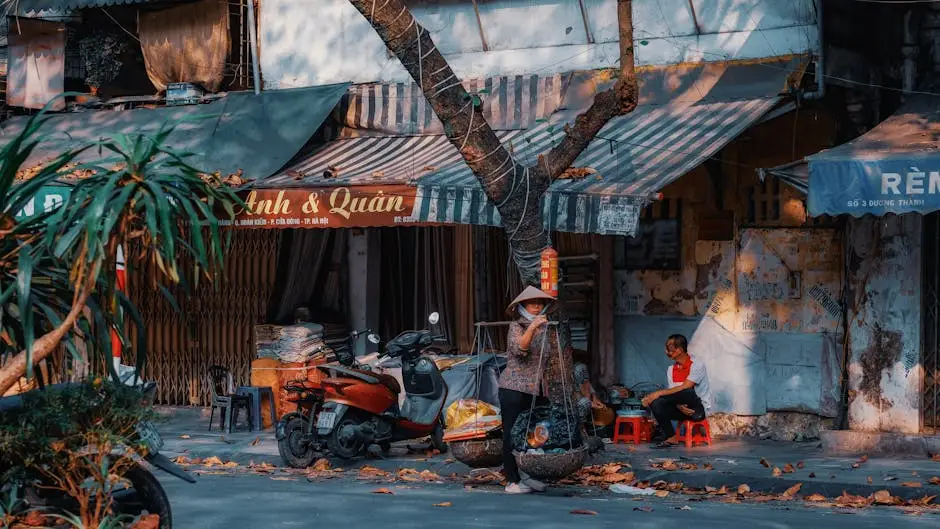
Bargaining is completely normal in traditional markets and street stalls selling clothing, souvenirs, and handicrafts. A reasonable starting counter-offer is around 50% to 60% of the first price quoted, negotiated with warmth and a genuine smile. If the vendor won’t come down to a number you’re happy with, politely walking away is perfectly acceptable and very often results in a better offer being called after you. Never bargain for street food or drinks; those prices are fixed.
Tipping is not a customary expectation in Vietnam at casual eateries or market stalls. At high-end spas, luxury hotels, or with private tour guides at historic sites like Hue’s Imperial Citadel, a tip of 50,000 to 100,000 VND ($2 to $4 USD) is a very welcome and appreciated gesture. For a broader look at how to navigate social customs without accidentally causing offence, our Vietnamese culture and etiquette guide is worth a read before you go.
At Temples and Sacred Sites
Entry to most pagodas and temples is free, though leaving a small donation in the charity box at places like Hanoi’s Tran Quoc Pagoda is a respectful sign of gratitude. Always cover shoulders and knees when visiting religious sites. Vietnam’s festival calendar is worth checking too, visiting during Tet or a regional festival adds a layer of cultural richness that no entrance fee can buy.
Long Stays, Expats, and the Nomad Life
Vietnam has become one of Southeast Asia’s most popular long-stay destinations, and it’s easy to see why. The 90-day e-visa makes it straightforward to base yourself here for a serious stretch. The digital nomad scenes in Da Nang and Hoi An are thriving, with reliable fibre internet, great coworking spaces, and a genuine community of long-term residents. Da Nang in particular has dedicated coworking spaces that compete with anywhere in the region on price and quality.
A modern furnished one-bedroom apartment near An Bang Beach or Da Nang’s Han River typically rents for 6,250,000 to 10,000,000 VND ($250 to $400 USD) per month. Monthly grocery and dining costs for someone cooking at home four or five nights a week run to around 2,500,000 to 4,000,000 VND ($100 to $160 USD).
Our dedicated cost of living in Vietnam guide breaks this down in full, with city-by-city comparisons. For those putting down real roots, renting an apartment in Vietnam is more accessible than many expect, and navigating the process is straightforward with the right preparation.
A reliable local eSIM via Yesim or Airalo keeps data costs low while you get set up. NordVPN is well worth running on all your devices when using cafe or coworking Wi-Fi networks. And if you’re wondering about health cover for an extended stay, SafetyWing offers rolling monthly policies specifically designed for nomads and long-term travellers, far more flexible than a standard single-trip policy.
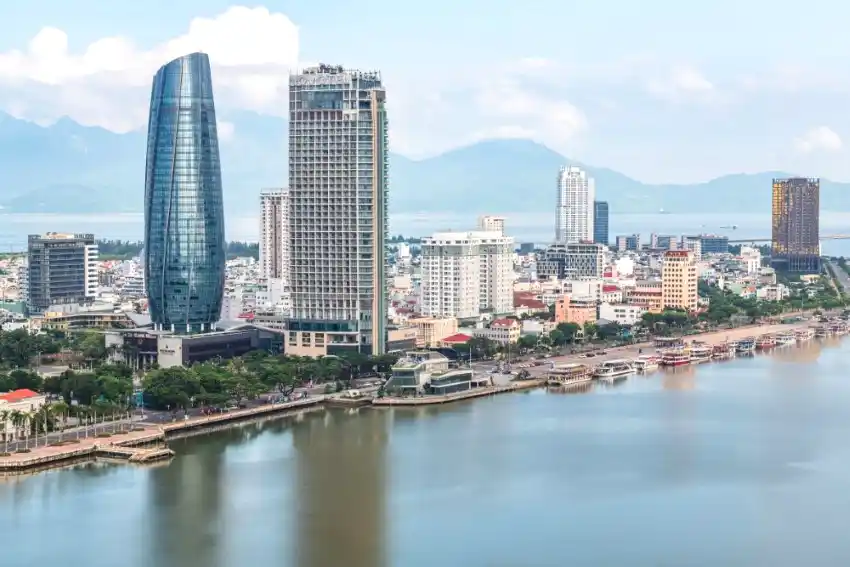
Compare hotel prices across Vietnam’s best
neighbourhoods and book with confidence.
Filter by budget, location, or guest score
to find the right stay for your trip.
A Word on Safety and Your Wallet
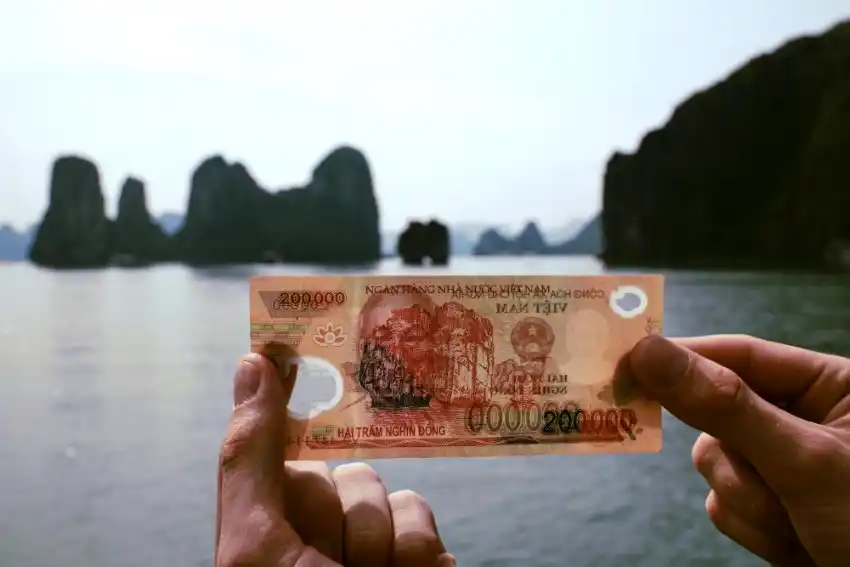
Vietnam is a very safe country for travellers of all kinds. The most common issues are minor currency confusion and opportunistic petty theft in busy tourist areas. The Vietnamese Dong has a lot of zeros, and the 20,000 VND note looks surprisingly similar to the 500,000 VND note under dim market lighting. Take a moment when counting out cash, especially at night.
Keep bags zipped and phones out of plain sight in crowded spots like Hanoi’s Old Quarter or Ben Thanh Market in Ho Chi Minh City. Carry a mix of denominations rather than large notes, as small stalls struggle to break 500,000 VND bills. For a thorough run-through of common scams and how to sidestep them, our Vietnam safety guide has you covered. It’s also worth taking note of common travel mistakes visitors make, currency mix-ups and overpaying for transport feature near the top of that list.
It’s also worth keeping a note of AirHelp in case flight disruptions affect your itinerary. Knowing your passenger rights for delayed or cancelled flights can save a significant amount of stress and money on longer trips. Travel insurance is non-negotiable for any Vietnam trip of substance, SafetyWing is a solid option for flexible, rolling cover that works whether you’re here for two weeks or six months.
Frequently Asked Questions
Can I use credit cards in Vietnam?
Cards are widely accepted at major hotels, upmarket restaurants, and shopping centres in the big cities. However, cash remains essential for street food stalls, local markets, motorbike taxis, and smaller guesthouses in rural areas. Always carry a mix of denominations in Vietnamese Dong.
Is Vietnam cheaper than Thailand?
Generally, yes. Vietnam tends to edge out Thailand for daily value, particularly for street food, budget accommodation, and local transport. Luxury experiences in both countries cost roughly the same at the top end, but a mid-range budget stretches noticeably further in Vietnam. Adventure-Thailand.com has a full comparison guide for Thailand here.
How much cash should I carry each day?
Carrying 500,000 to 1,000,000 VND ($20 to $40 USD) in physical cash is usually plenty for a full day of street food, drinks, local transport, and light market shopping. Keep a mix of smaller bills handy, as 500,000 VND notes can be difficult for small vendors to break.
What is the best way to get Vietnamese Dong?
The best exchange rates are typically found at local gold shops (tiem vang) in city centres rather than airport counters or hotel desks. Bring clean, undamaged US Dollar bills for the most favourable rates. ATMs are widely available in all cities and most tourist towns, though international withdrawal fees can add up on longer trips.
Is Vietnam affordable for families?
Very much so. Family-friendly mid-range hotels with connecting rooms often cost far less than equivalent accommodation in Europe or Australia. Entrance fees at most major attractions are minimal, children under a certain height often enter free, and a sit-down family meal at a local restaurant rarely exceeds 600,000 to 800,000 VND ($24 to $32 USD) for four people.
How much do domestic flights cost?
Domestic one-way flights between major cities like Hanoi, Da Nang, and Ho Chi Minh City typically cost between 1,000,000 and 2,000,000 VND ($40 to $80 USD) when booked a few weeks in advance. VietJet Air, Bamboo Airways, and Vietnam Airlines all operate frequent routes. Booking through 12GO or airline websites directly is often the most transparent and affordable option.
How much does a Ha Long Bay cruise cost?
Budget day trips from Hanoi start from around 1,500,000 VND ($60 USD) per person. A two-day, one-night cruise on a standard boat runs roughly 3,000,000 to 5,000,000 VND ($120 to $200 USD). Luxury two or three-night cruises aboard premium junks start from around 10,000,000 VND ($400 USD) per person and include all meals, kayaking, and cave visits.
What is the cost of living for digital nomads and expats?
Da Nang and Hoi An are the most popular long-stay bases. A furnished one-bedroom apartment rents for roughly 6,250,000 to 10,000,000 VND ($250 to $400 USD) per month. Add utilities, fast internet, groceries, and regular cafe-working, and a comfortable nomad lifestyle typically costs between 17,500,000 and 30,000,000 VND ($700 to $1,200 USD) per month in total.
Do I need travel insurance for Vietnam?
Comprehensive travel insurance is strongly recommended. Medical care at international hospitals in Hanoi and Ho Chi Minh City is excellent but expensive without cover. Policies should include emergency evacuation, as some rural areas and islands have limited local medical facilities. Check that adventure activities like motorbike riding or scuba diving are included if you plan to do them. SafetyWing offers rolling monthly cover that is well-suited to longer stays and nomadic travel.
Is it safe to eat street food in Vietnam?
Yes, and it is some of the best food you will eat anywhere. The key is choosing stalls with high turnover where everything is cooked fresh in front of you over open heat. Busy stalls packed with locals are the most reliable indicator of quality and safety. Avoid raw salads or pre-cut fruit at stalls with slow turnover, particularly in hot weather.
How much does a Vietnam e-visa cost?
The Vietnam e-visa is issued for 90 days single or multiple entry, and the fee is paid directly to the Vietnamese government through the official portal. Always apply through the official site rather than a third-party agency, which will charge an unnecessary processing fee on top. Some nationalities qualify for visa-free entry, so check the exemptions list for your passport before applying.
What is the cheapest way to travel between Vietnamese cities?
Overnight sleeper buses are the most budget-friendly option for long intercity routes, with tickets often costing 200,000 to 400,000 VND ($8 to $16 USD) for journeys of six to ten hours. They also save a night’s accommodation cost. Trains on the Reunification Express are slightly pricier but far more comfortable, and domestic budget flights can undercut both on popular routes if booked early. Use 12GO to compare all three options side by side.