Vietnam Cooking Classes
Food is not merely sustenance here; it is the rhythm of daily life and the ultimate expression of hospitality. Participating in a cooking class transforms a standard holiday into a sensory education, offering direct access to the complex balance of sweet, sour, salty, spicy, and bitter flavors that govern the national palate.
The Quick Summary:
- Average Cost: Classes range from 500,000 VND ($20 USD) to 1,500,000 VND ($60 USD) per person, depending on market tours and menu complexity.
- Regional Variation: North Vietnam emphasizes subtle balance and black pepper; Central Vietnam favors bold spices and complex presentation; South Vietnam highlights sweetness, coconut oil, and abundant fresh herbs.
- Key Inclusions: Top-tier experiences always feature a guided local market visit, knife skills instruction, individual cooking stations, and a shared feast.
- Booking Window: Secure slots 48 to 72 hours in advance, particularly for highly rated boutique schools in historical centers like Hoi An and Hanoi.

Skip the planning headache for Vietnam.
Klook offers day tours, tickets, and
experiences from around $25, with
instant confirmation to your phone.
Where Are the Best Cooking Classes in Vietnam?
The best cooking classes in Vietnam are located in Hanoi, Hoi An, and Ho Chi Minh City, with each city offering a distinct regional culinary style. Hanoi focuses on centuries-old traditional recipes, Hoi An specializes in central delicacies and eco-farming experiences, and Ho Chi Minh City delivers modern, vibrant southern flavors alongside market-to-table challenges.
| Destination Region | Signature Dishes Taught | Distinctive Culinary Technique |
|---|---|---|
| North (Hanoi) | Pho Bo, Bun Cha, Nem Ran (Spring Rolls) | Broth clarification and subtle spice charring |
| Central (Hoi An / Hue) | Banh Xeo, Cao Lau, Mi Quang | Fresh herb integration and rice stone grinding |
| South (Ho Chi Minh City) | Com Tam, Thit Kho To, Canh Chua | Wok caramelization and coconut milk balancing |
What Makes Each Region’s Classes Unique?
From the refined broths of Hanoi’s Old Quarter to the organic herb gardens of Hoi An and the high-heat wok kitchens of Ho Chi Minh City, every region delivers an entirely different culinary education. Understanding what sets each one apart helps you choose the class that best matches your taste and travel style.
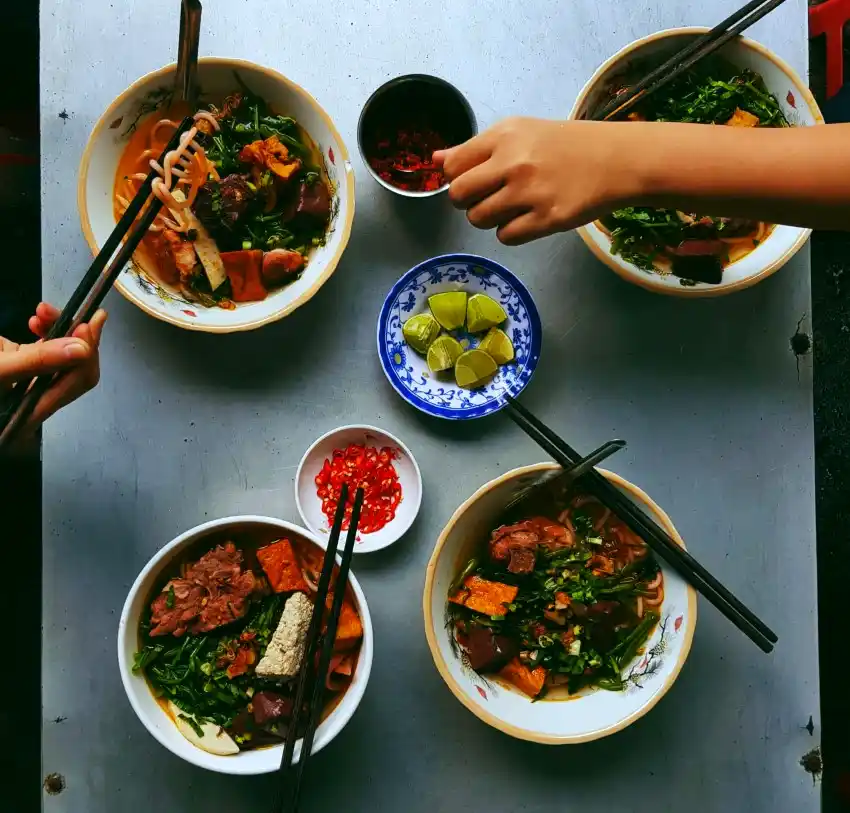
Hanoi and the Refined Northern Palate
Northern cuisine relies on a refined harmony of flavors, avoiding heavy spice or excessive sweetness in favor of clean, deeply comforting profiles. Culinary workshops in the capital frequently guide participants through the vibrant lanes of Choe Hom Market or Dong Xuan Market in the Hoan Kiem District.
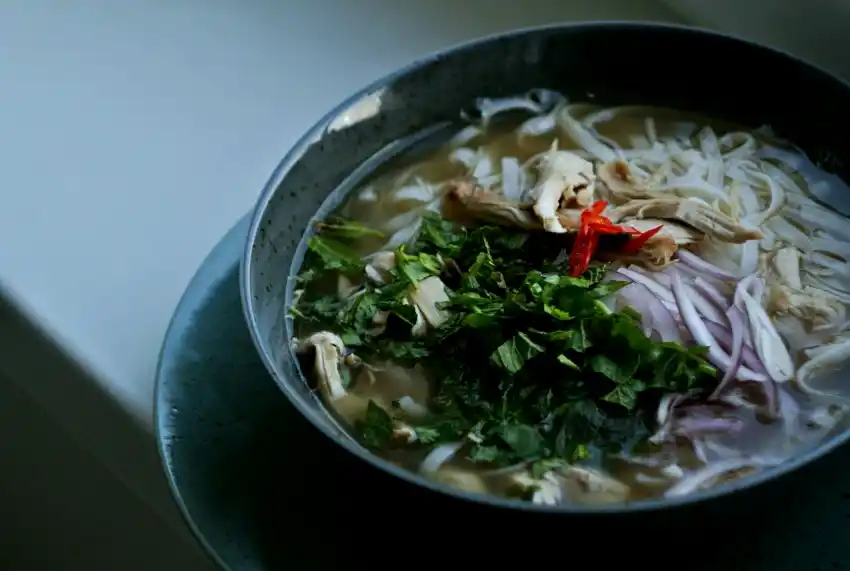
Instructors teach the precise art of charring ginger and star anise to build a translucent, fragrant Pho broth, alongside the balance of fish sauce and vinegar required for authentic Bun Cha. Seeking out schools set inside traditional French-colonial villas in the Hanoi Old Quarter provides a particularly evocative atmospheric setting.
Hoi An and the Central Spice Traditions
Central Vietnam introduces a completely different flavor profile marked by intense spices, complex textures, and artistic plating rooted in royal imperial traditions.
Many schools transport guests via traditional round basket boats along the Thu Bon River to the organic farming commune of Tra Que Vegetable Village, where travelers harvest heirloom mint, lemongrass, and perilla leaves directly from the soil before returning to the kitchen.
Standard menus feature Cao Lau noodles, Banh Xeo rice pancakes, and White Rose dumplings, among the most distinctive dishes in all of Vietnam.
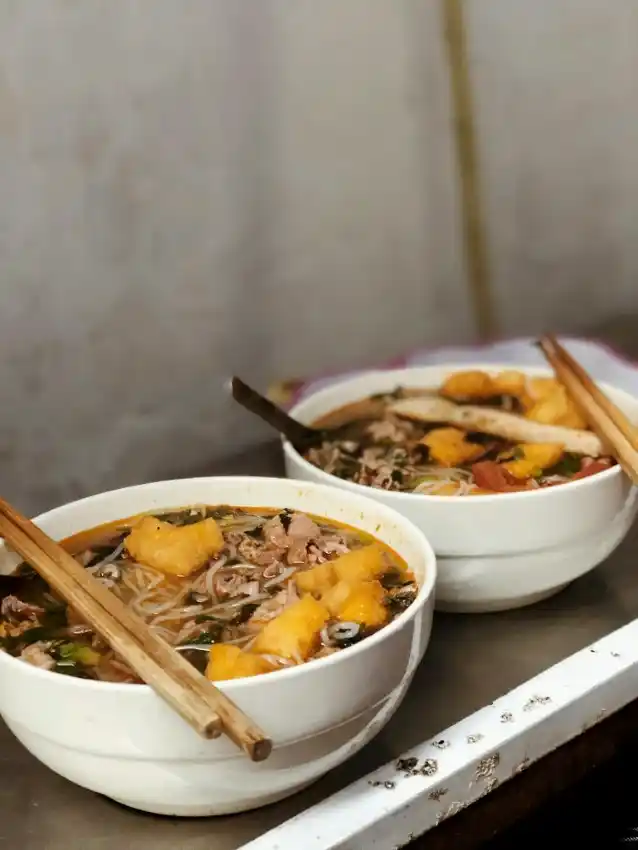
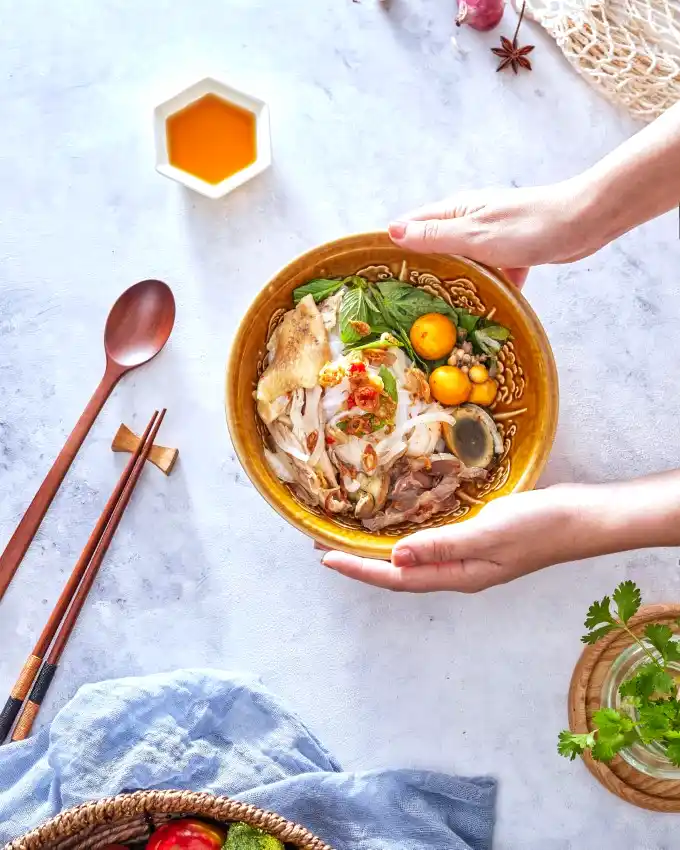
Ho Chi Minh City and Southern Abundance
Southern Vietnamese cooking embraces the intense sweetness of palm sugar, the rich creaminess of coconut milk, and an abundance of fresh chillies and herbs.
Culinary schools in the southern metropolis utilize the bustling energy of Ben Thanh Market or the massive wholesale stalls of Binh Tay Market in District 6. The focus centers on fast, high-heat wok cooking and complex marinades.
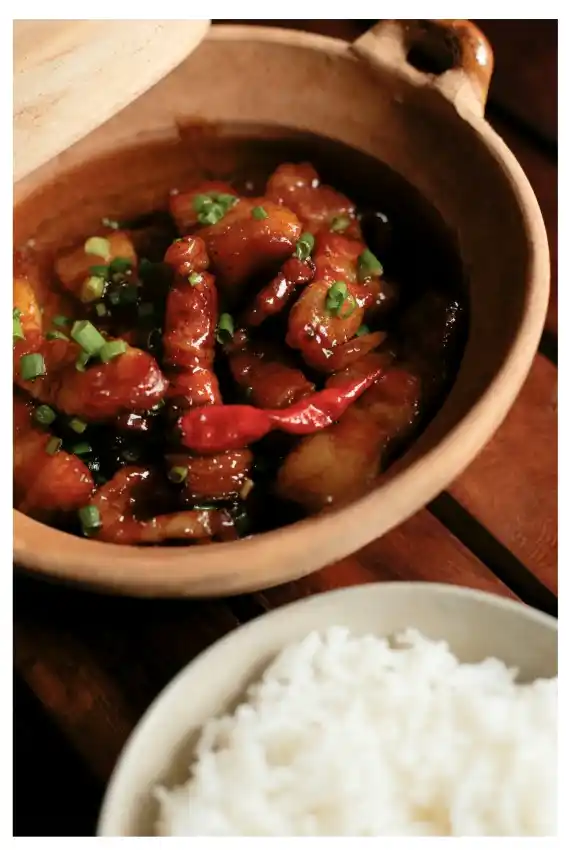
Typical menus cover savory caramelized pork belly in clay pots (Thit Kho To), vibrant green papaya salads, and classic southern-style Pho, which features a sweeter broth and a mountain of fresh herbs compared to its northern counterpart.
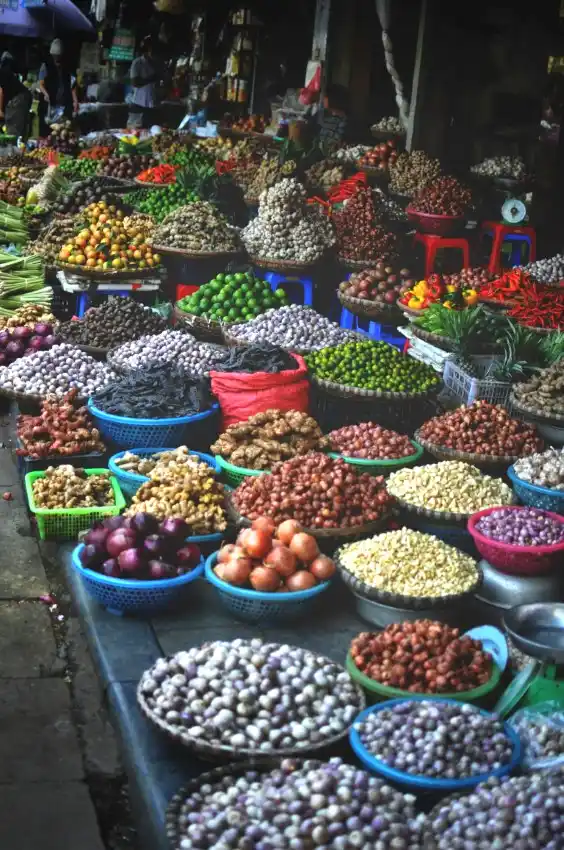
Navigating the Wet Market
The culinary journey begins long before lighting the burner. The morning market excursion functions as a masterclass in local commerce and ingredient selection.
Instructors guide students past rows of vibrant produce, teaching them how to identify fresh galangal, select the crispest morning glory, and assess the quality of seafood fresh from the morning catch.
This environment also provides an excellent opportunity to observe local market etiquette, bargaining is standard practice but should always remain polite, cheerful, and respectful.
Mastering the Five Flavors
Once inside the kitchen, the focus shifts to the cornerstone of Vietnamese gastronomy: the law of five flavors.
Students learn to construct Nuoc Cham, the ubiquitous dipping sauce, by meticulously balancing fish sauce, lime juice, sugar, minced garlic, and bird’s eye chillies.
Instructors emphasize the textural component of the cuisine, demonstrating how the crunch of raw banana blossom contrasts against tender grilled meats, and how cold herbs balance hot, fried elements.
A traditional Vietnamese cooking class also teaches the foundational philosophy of Yin and Yang balancing in food preparation alongside specific regional knife and marination techniques.

Lock in your Vietnam accommodation early
and beat peak-season price hikes.
Agoda’s filters let you compare options
side by side before you commit.
Pro Tips For Stress Free Travel:

- Ride-Hailing Apps: Download Grab, Xanh SM, or Be before you arrive. These platforms fix the price prior to departure, eliminating fare disputes entirely. Xanh SM operates an all-electric fleet for quiet, eco-friendly rides between markets and cooking schools.
- Booking Activities: Klook and Get Your Guide offer streamlined access to verified cooking class reservations. Top-rated boutique schools limit class sizes to six or eight participants, booking early guarantees your preferred date and menu selection.
- Connectivity: Secure a local eSIM via Yesim or purchase a physical SIM card at the airport to maintain active maps and translation tools throughout your food tour. Use Nord VPN when accessing public wireless networks in cafes and markets.
- Cash is King: Traditional wet markets run entirely on cash. Always carry smaller denominations like 10,000 VND, 20,000 VND, and 50,000 VND for effortless market transactions. Take care with the 20,000 VND and 500,000 VND notes, they share a similar blue hue and are easy to confuse in a hurry.

Skip the airport SIM queue when you
land in Vietnam. Yesim’s eSIM activates
before takeoff so you’re online the
second your plane touches the tarmac.
A Note for Nervous Travellers:
Food safety is a primary concern for international travelers, but professional cooking schools adhere to exceptionally high hygiene standards. Filtered ice and purified water are universally used in these environments, and all raw greens undergo rigorous washing procedures.
When walking through bustling market areas, secure personal items close to your body to prevent opportunistic pickpocketing, and step deliberately when crossing roads, maintaining a predictable, steady pace so motorbikes can smoothly steer around you. When visiting temples or pagodas before or after a food tour, ensure shoulders and knees are covered and always remove shoes if requested at the entrance.
Pro Tip: When dining or tasting your creations with local hosts, always pass communal dishes using both hands as a sign of respect. In boutique cooking schools and mid-range restaurants, leaving a tip of around 10% is highly appreciated by the hard-working kitchen staff.
Frequently Asked Questions:
Are cooking classes in Vietnam vegetarian friendly?
Yes, the vast majority of culinary schools easily accommodate vegetarian and vegan diets. Because of deep-rooted Buddhist traditions, Vietnam possesses an extensive repertoire of plant-based dishes known locally as “An Chay.” Instructors routinely substitute mushroom-based seasonings for standard fish sauce and utilize tofu, seitan, and fresh mushrooms to replicate traditional protein textures without sacrificing flavor authenticity.
How much do cooking classes cost?
Standard half-day cooking classes generally cost between 500,000 VND ($20 USD) and 1,000,000 VND ($40 USD) per person. Premium, private, or specialized farm-to-table experiences that require extensive rural transport or market tours can range from 1,250,000 VND ($50 USD) to 2,000,000 VND ($80 USD). These fees typically cover all ingredients, market tours, instructor guidance, recipes, and the final multi-course meal.
Do I need to book a cooking class in advance?
Booking 48 to 72 hours in advance is highly recommended, particularly during peak travel seasons from November to April. Top-rated boutique schools limit their class sizes to six or eight participants to guarantee personalized attention at individual cooking stations. Securing reservations early through platforms like Klook or directly via the school website ensures your preferred date and menu selection.
Which city has the best cooking classes in Vietnam?
Each city excels in a different way. Hoi An is widely considered the top destination for cooking classes thanks to its farm-to-table experiences at Tra Que Vegetable Village and its unique central Vietnamese specialties like Cao Lau and White Rose dumplings. Hanoi is the best choice for mastering traditional northern broths and street food classics, while Ho Chi Minh City suits travelers who want a fast-paced, market-driven southern cooking experience.