Vietnam Currency & Money Guide
There’s a moment that happens to almost every first-time visitor stepping off the plane in Hanoi or Ho Chi Minh City, you exchange your cash, the teller hands you a brick of notes, and you briefly feel like a millionaire. Welcome to the Vietnamese Dong. The financial rhythm here is fast, cash-driven, and once you understand it, genuinely liberating. A bowl of world-class street food for under a pound. A cold beer for less than 50p. Get your head around the money and the rest of the trip takes care of itself.
The Quick Summary:
- Official Currency: Vietnamese Dong (VND / ₫). Notes only, coins were phased out years ago. The exchange rate hovers around 25,000 VND to 1 USD.
- Cash or Card? Cash is essential for daily life, street food, markets, local transport. Cards work well at hotels, upscale restaurants, and shopping malls in major cities.
- Best Exchange Rates: Skip the airport for anything beyond a small emergency float. Gold shops near central markets in Hanoi and Ho Chi Minh City consistently offer the best rates.
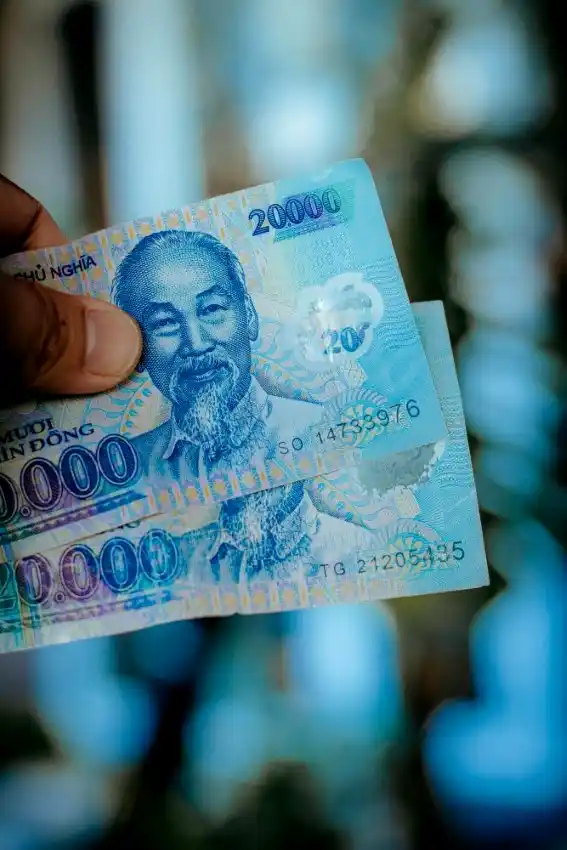
- Watch the Notes: The 20,000 VND and 500,000 VND notes share a similar blue colour. Under dim bar lighting, they look almost identical. Always count carefully before handing anything over.

Lock in your Vietnam accommodation early
and beat peak-season price hikes.
Agoda’s filters let you compare options
side by side before you commit.
Your Vietnamese Dong Banknote Cheat Sheet:
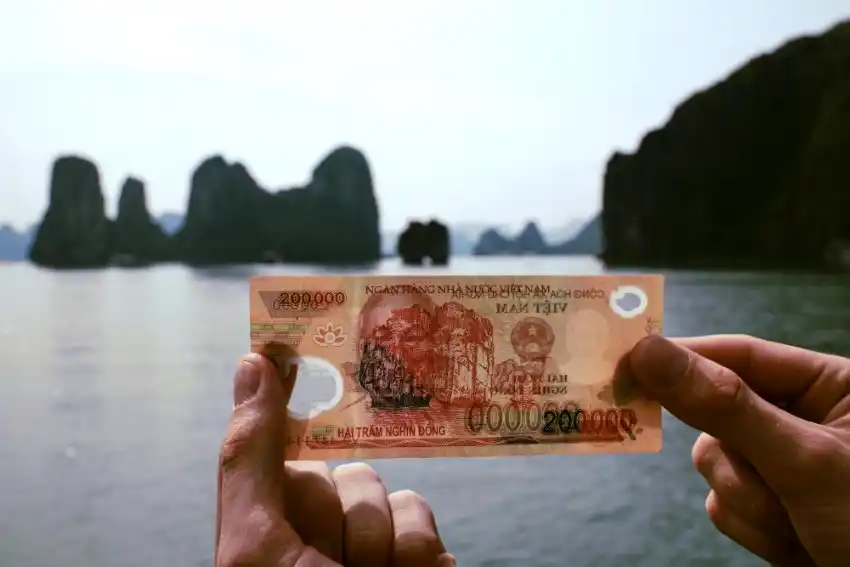
Vietnam’s polymer banknotes are durable, colourful, and surprisingly easy to work with once you’ve handled them for a day or two. Here’s what you’ll actually use and what each note gets you.
| Banknote Value | Approximate USD Value | Common Usage |
|---|---|---|
| 500,000 VND | $20.00 USD | Hotel deposits, boutique shopping, higher-end dining |
| 100,000 VND | $4.00 USD | Mid-range restaurant meals, short Grab rides, museum entries |
| 20,000 VND | $0.80 USD | Street food snacks, iced coconut coffee, local market fruit |
| 10,000 VND | $0.40 USD | Bánh mì, roadside iced tea (trà đá), small tips |
Pro Tips For Stress-Free Money Management:
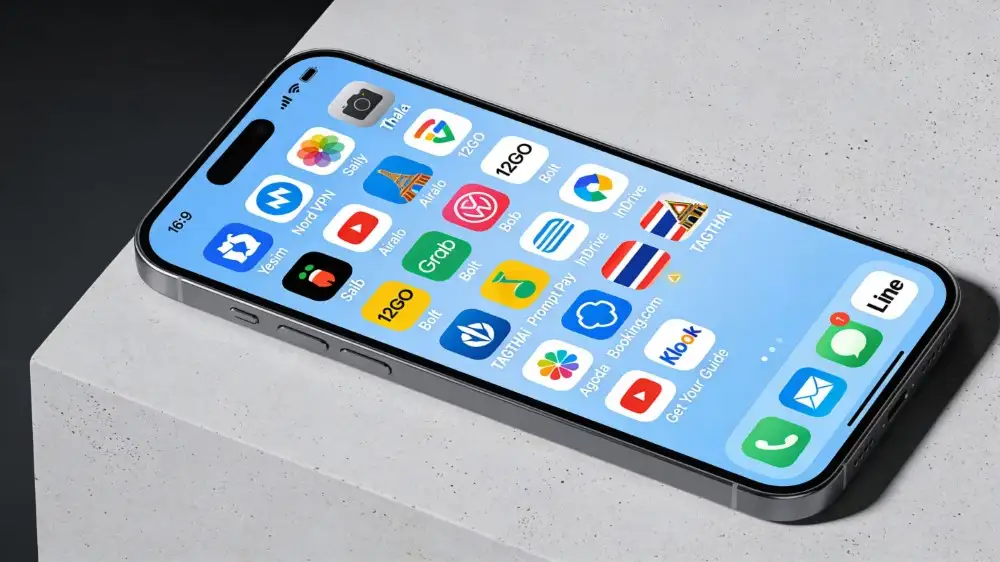
- Ride-Hailing Apps: Download Grab, Be, or Xanh SM and link your international card directly. You’ll bypass cash negotiations entirely for all city transport.
- Accommodation & Experiences: Agoda and Booking.com offer the best localised rates for hotels. Klook and GetYourGuide are reliable for booking quality tours and day trips in advance.
- Connectivity: Set up an eSIM via Yesim before departure, you’ll have data the moment you land, which matters when you need maps and translation apps straight away.
- Public Wi-Fi Security: Use a VPN like NordVPN whenever you’re on public networks in cafés or airport lounges, especially important when accessing banking apps or making payments.
- Leftover Dong: VND is nearly impossible to exchange outside Vietnam. Before you fly home, convert whatever’s left at a city bank or airport exchange desk, or spend it on good coffee beans and souvenirs at the departures hall.

Affordable Vietnam data without the
tourist SIM hassle. Saily’s eSIM works
on most modern phones and tops up
remotely whenever you need more.
Cash or Card, What to Use When:
The classic traveller mistake is going all-in on one or the other. Rely only on your card and you’ll find yourself standing at a legendary roadside bún chả stall in Hanoi’s Old Quarter, completely unable to pay. Carry nothing but cash and you’re hauling around more notes than you need. The answer is both, used in the right places.
- Always use cash for: Street food vendors, wet markets, traditional cyclos, motorbike parking, and rural homestays in places like Sapa or the Mekong Delta.
- Cards work well for: Boutique hotels, rooftop bars, international clothing stores in malls, and booking tours through reputable travel platforms.
- Watch for surcharges: Many local businesses pass the merchant processing fee straight on to you, typically 2% to 3% on card payments. Always ask before you tap.
Where to Get the Best Exchange Rates:
Skip the Airport, Do This Instead
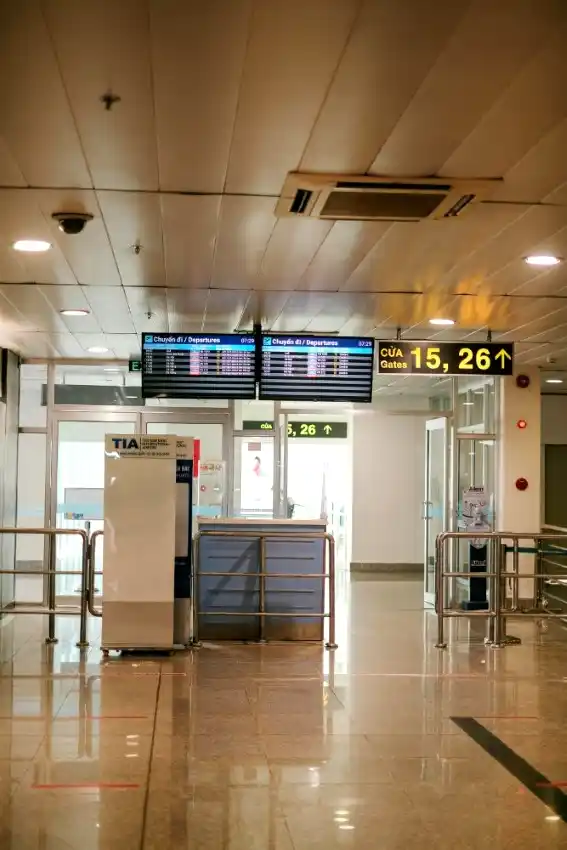
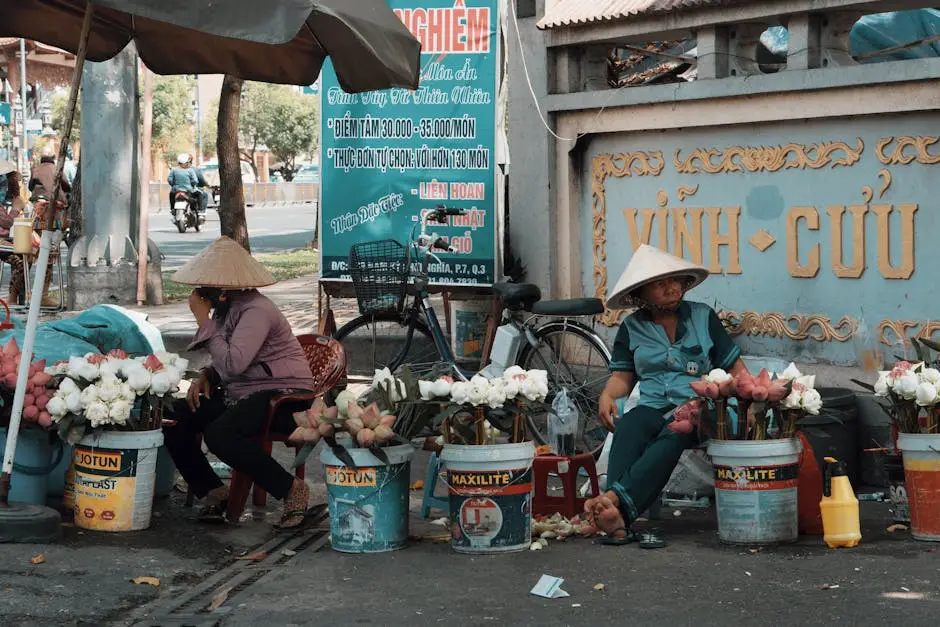
Airport exchange booths are convenient but expensive. Change just enough on arrival, around $20 USD, to cover your transfer and first few hours in the city. Once you’re settled, head to the gold shops.
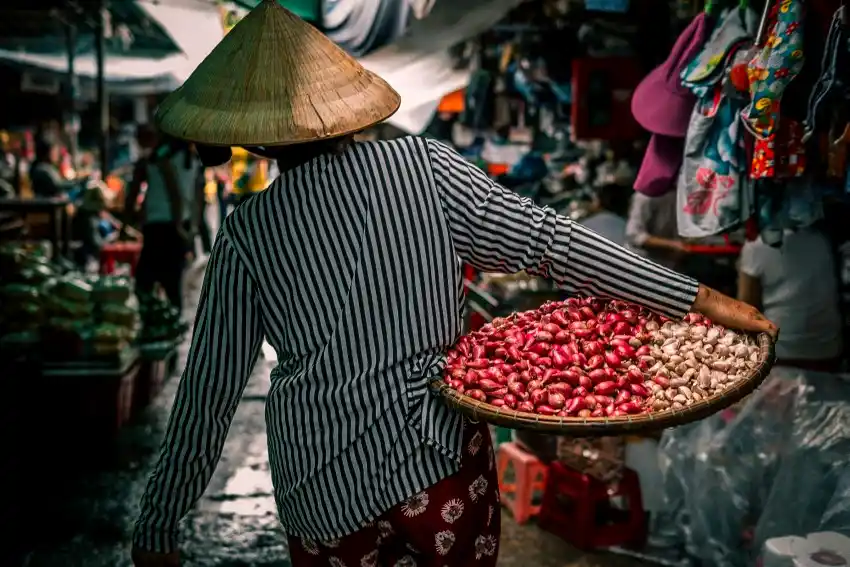
In Ho Chi Minh City, the gold shops clustered around Ben Thanh Market are well-known for offering excellent rates. In Hanoi, Ha Trung Street in the Hoan Kiem district is where the serious currency dealers operate, often side by side. High-street banks like Vietcombank are a solid, completely safe fallback, slightly lower rates, but zero stress.
Important: Foreign currency notes must be in pristine condition to be accepted. Banks and gold shops routinely reject bills that are torn, heavily creased, marked with ink, or printed before 2009. Keep your foreign cash flat and clean inside a dedicated travel wallet, it’s worth being fussy about this before you leave home.

From short trips to long stays in Vietnam,
Airalo has flexible eSIM data plans
you can install in minutes. Top up
remotely if you need more data later.
Using ATMs in Vietnam:
ATMs are everywhere in Vietnam’s cities and work reliably with international debit cards on Plus, Cirrus, and Visa networks. Most local machines cap withdrawals at between 2,000,000 VND and 5,000,000 VND per transaction ($80–$200 USD). HSBC and Citibank machines allow higher withdrawals, up to 10,000,000 VND ($400 USD), and tend to have lower foreign transaction fees. For the widest network coverage when travelling off the beaten path, Vietcombank, BIDV, and Techcombank have machines in most towns.
- Always select VND: When the machine asks whether to charge in your home currency or local currency, always choose VND. Selecting your home currency triggers dynamic currency conversion, a poor exchange rate applied by the ATM operator, not your bank.
- Wait for your card: Many Vietnamese ATMs dispense your cash first and return your card last, the opposite of what Western machines do. Don’t walk away after grabbing the notes.
- Expect local fees: Most machines charge a local transaction fee of 40,000 to 60,000 VND ($1.60–$2.40 USD) per withdrawal, on top of whatever your home bank charges. Withdraw larger amounts less frequently to keep fees down.

Book Vietnam day trips, attractions,
and activities in one place. Read real
reviews, check availability, and lock in
your spot before the popular slots go.
How Much Should You Budget Per Day?
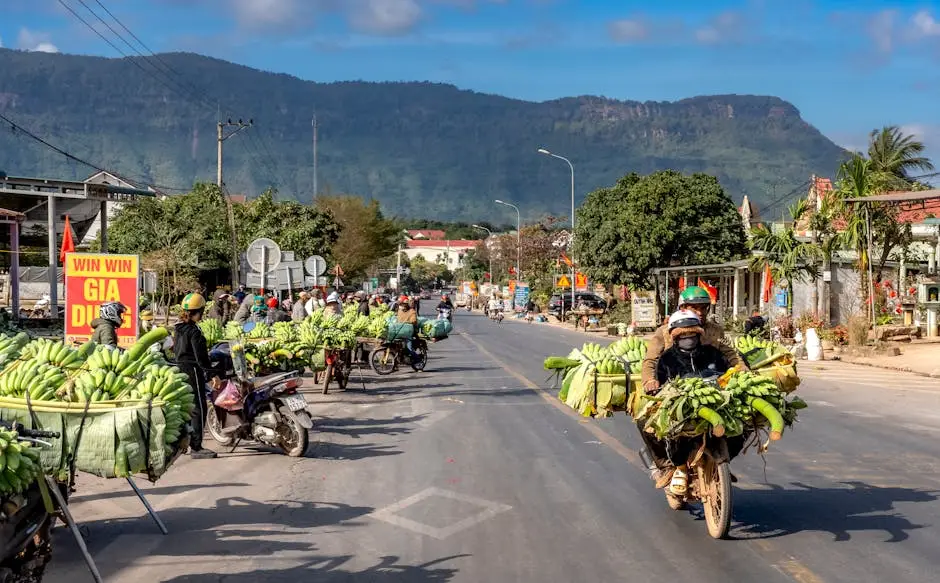
Vietnam works across a huge range of budgets and does all of them well. A backpacker eating street food, staying in a hostel, and getting around on ride-hailing apps can have a genuinely brilliant day for around 750,000 VND ($30 USD). Mid-range travellers after a private boutique room, comfortable transfers, and sit-down restaurants should budget around 2,000,000 VND ($80 USD) per day.
For those at the luxury end, five-star colonial hotels, private Ha Long Bay cruises, and Michelin-recognised dining, the value relative to equivalent experiences in Europe or North America is extraordinary. Take a look at our Vietnam Luxury Travel Guide for the full breakdown.
Tipping, Bargaining, and Market Customs:
Tipping is not a traditional custom in Vietnam, nobody expects it at street stalls, local restaurants, or in taxis. At the higher end of the scale, in day spas, fine dining, or with private guides and drivers, a small tip is genuinely appreciated. Around 50,000 to 100,000 VND ($2–$4 USD) for a hard-working guide goes a long way and will be warmly received.
Bargaining is part of the culture at places like Hội An Ancient Town’s night markets and Ben Thanh Market. Keep it playful, aim for around 30% off the opening price, keep smiling, and treat it as a friendly exchange rather than a negotiation. One important social note: once a price is agreed, it’s considered poor form to walk away. Only start haggling if you’re genuinely interested in buying.
Frequently Asked Questions:
Can I use US Dollars to pay for things directly in Vietnam?
Not for everyday transactions. Vietnamese law requires all domestic purchases to be settled in Vietnamese Dong. Some high-end hotels or large tour agencies may quote prices in USD for convenience, but payment will ultimately be processed in VND. Always have Dong on you for anything day-to-day.
How do I avoid getting scammed by taxi drivers over money?
Avoid unmetered taxis entirely, they’re the source of most fare disputes. Stick to app-based rides through Grab or Be, which show you the price before you confirm. If you do use a metered taxi, only take reputable national brands like Mai Linh or Vinasun, and verify the meter is running from the moment you set off.
What should I do with leftover Vietnamese Dong at the end of my trip?
Convert it before you leave. Vietnamese Dong is almost impossible to exchange once you’re back home, as very few foreign banks hold it. Head to a city bank or the airport currency exchange desk before passing through international departures. Alternatively, blow it on high-quality Vietnamese coffee beans or Hội An lanterns, much more satisfying than a bad exchange rate at home.
Is it safe to use ATMs in Vietnam?
Yes, ATMs in Vietnam are generally safe and reliable. Stick to machines attached to banks rather than standalone units in tourist areas, and always cover the keypad when entering your PIN. Check your account for any unexpected charges after each withdrawal and report anything unusual to your bank straight away.