Where To Stay In Phu Quoc
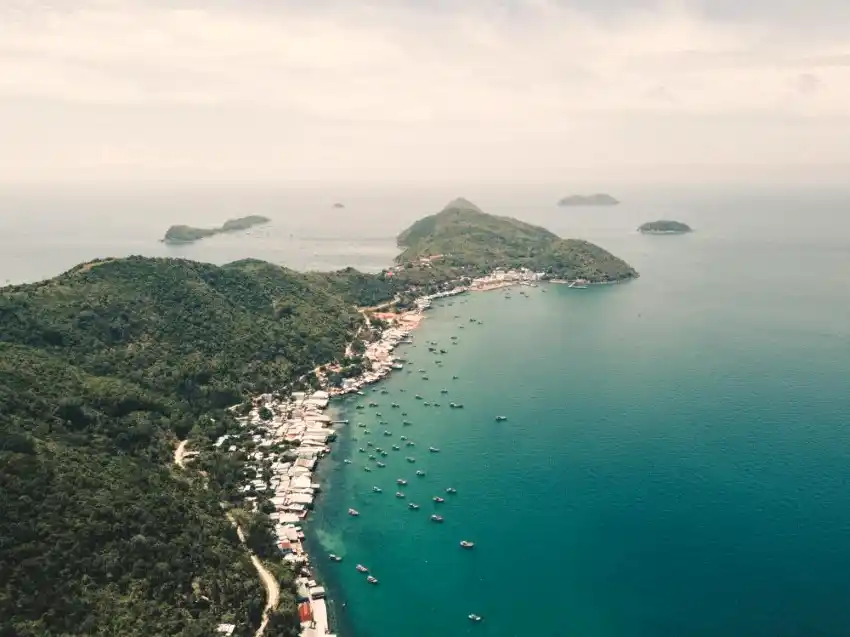
Phu Quoc sits in the warm Gulf of Thailand like a secret Vietnam kept for itself. Powder-white beaches, dense national park jungle, traditional fishing villages, and some of the most jaw-dropping luxury resorts in Southeast Asia all share the same island. Getting the location right changes everything, so here is an honest breakdown of exactly where to base yourself and why.
The Quick Summary:
- Budget Travelers: Duong Dong is your best bet. Affordable guesthouses, local street food markets, and easy access to everything the island offers without blowing the budget.
- Luxury Seekers: Head straight to Bai Khem or the southern coastline for elite international resorts, secluded private beaches, and world-class service that genuinely delivers.
- Families: Ong Lang Beach offers calm, shallow water and relaxed boutique resorts away from the crowds. Ganh Dau in the north keeps kids entertained with major theme park action.
- Entry Bonus: Phu Quoc operates a unique 30-day visa exemption for all international arrivals flying in direct, separate from mainland Vietnam entry rules. Double-check this before you book.

Lock in your Phu Quoc accommodation early
and beat peak-season price hikes.
Agoda’s filters let you compare options
side by side before you commit.
Which Area Of Phu Quoc Should You Stay In?
The best area for your stay depends on what you actually want from the island. Duong Dong wins on convenience and local character. Ong Lang gives you calm boutique vibes. Long Beach covers the full spectrum from mid-range to high-end. The southern tip is pure luxury with arguably the finest sand in all of Vietnam. If you are still weighing Phu Quoc against another beach destination, our Phu Quoc vs Nha Trang comparison lays out exactly who each island suits best.
| Region | Primary Vibe | Average Cost Per Night |
|---|---|---|
| Duong Dong | Bustling town hub, night markets, local life | 500,000 to 2,500,000 VND ($20 to $100 USD) |
| Ong Lang Beach | Serene, green, boutique resorts, rocky coves | 1,200,000 to 5,000,000 VND ($49 to $206 USD) |
| Bai Truong (Long Beach) | Golden sunsets, beach clubs, mega-resorts | 1,500,000 to 7,500,000 VND ($62 to $309 USD) |
| Bai Khem and An Thoi | Powder-white sand, secluded luxury, cable car access | 4,000,000 to 20,000,000+ VND ($165 to $823+ USD) |
A Closer Look At Each Area:
Each strip of Phu Quoc has its own distinct personality. Here is what you are actually walking into with each choice, the honest highs and the honest trade-offs included. For a full picture of what to do once you are here, our Things To Do In Phu Quoc guide covers the whole island in detail.
Duong Dong: Local Life and Night Markets
Duong Dong is the beating heart of Phu Quoc, and it shows. Staying here puts you right in the middle of local daily commerce, a short walk from hundreds of street vendors serving up Bun Quay (the island’s signature stirred noodles) and the freshest seafood in the Gulf. The famous Phu Quoc Night Market is practically on your doorstep, meaning grilled sea urchin and coconut ice cream are available any evening without a taxi fare attached. If you love that kind of street-level buzz, our Vietnam Night Markets guide shows you exactly what to look for.
Accommodation ranges from clean, honest homestays from around 350,000 VND ($14 USD) a night through to comfortable mid-range hotels. Book via Agoda for the deepest inventory at this price point. This is the smartest base if you plan to explore the island on a rented motorbike rather than spend the day at a private beach club. Be aware: early morning market noise and street activity are part of the deal, and the town beach carries fishing vessel traffic. If you need pristine sand outside your door, look further south.
Ong Lang Beach: Calm, Green, and Properly Relaxing
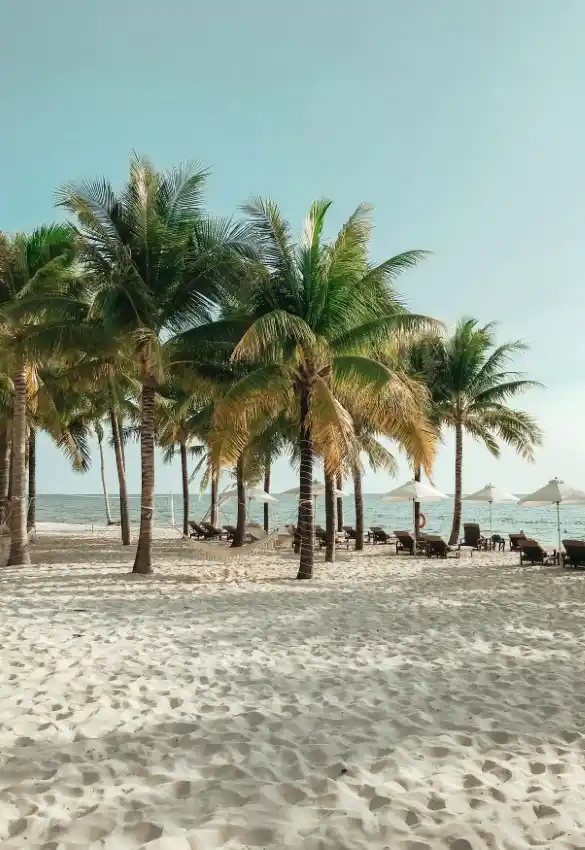
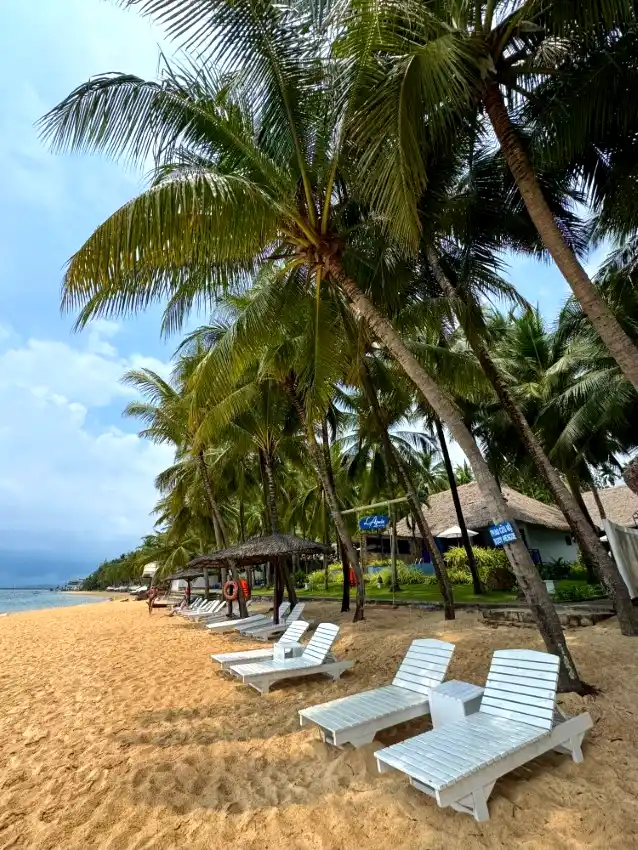
A short drive north of Duong Dong, Ong Lang Beach is where people come to actually exhale. The coastline breaks into lovely sandy coves divided by smooth volcanic rocks, giving each section of beach a natural, secluded feel. Low-rise eco-resorts sit inside lush tropical gardens, and the vibe here leans firmly toward slow mornings, hammocks, and long lunches.
During the dry season the water at Ong Lang is remarkably calm, making it excellent for families with young children and for snorkellers. Behind the resorts, a small village area hosts a collection of expat-run bistros, traditional Vietnamese cafes, and wellness spas. Rates are mid-range but good value given the setting, and both Agoda and Booking.com list solid options here. It is a wonderful middle ground between budget town life and full luxury isolation. If the underwater world is calling, check our Vietnam Snorkelling guide before you pack.
Bai Truong (Long Beach): Sunsets, Beach Clubs, and Modern Comfort
Long Beach stretches for over twenty kilometres down the western coast, and it is the engine of modern Phu Quoc tourism. The northern end blends into Duong Dong town for easy access to markets and transport. The central and southern sections are where the big international hotel brands have planted their flags, with sprawling infinity pools, direct beachfront access, and the kind of Western comforts that make a long-haul journey feel worthwhile.
Wide, paved beachside paths make this strip perfect for morning runs or sunset strolls. The island’s best beach clubs are here, with ambient DJ sets as the sun drops into the Gulf. English-speaking staff are everywhere, and pharmacies plus international convenience stores are readily available. Booking.com is particularly strong here for free cancellation options, which is handy if you are timing a trip around the dry season. This is the reliable, polished choice that suits couples, families, and first-time visitors to Phu Quoc equally well. Our Best Beaches In Phu Quoc guide breaks down exactly which stretches of sand are worth your time.
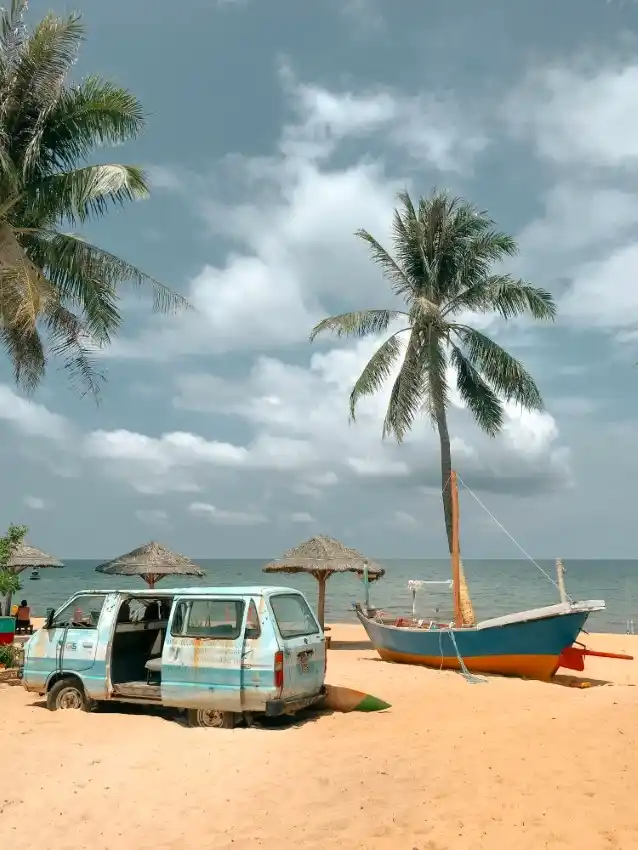
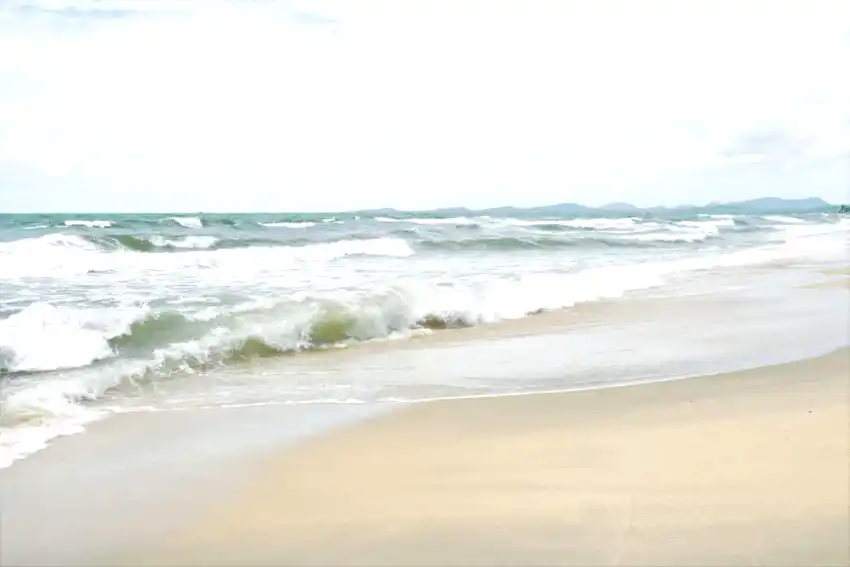
Bai Khem and the South: Vietnam’s Finest Sand, Period
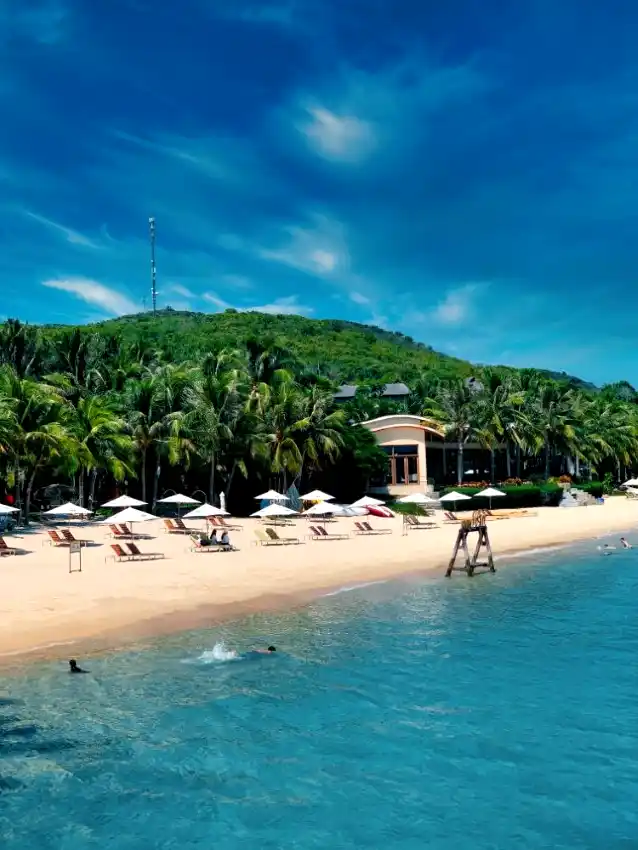
If you have traveled a long way and want a beach that genuinely rewards the journey, the southern tip of Phu Quoc delivers. Bai Khem holds the finest natural sand on the entire island, a blindingly white, powder-soft stretch that legitimately rivals anything in the Maldives or the Seychelles. Ultra-luxury international resorts control this coastline, keeping the beaches immaculately maintained and the atmosphere serene. For a full rundown of what is available at the top end, our Luxury Resorts Phu Quoc guide covers the standouts in detail.
The south is also the gateway to An Thoi port, where speedboats depart for island-hopping tours through the archipelago, and where you board the world’s longest over-sea cable car across to Hon Thom Island. Book your island-hopping day through Get Your Guide or Klook for transparent pricing and easy cancellation. For families who want a jaw-dropping resort base combined with adventure day trips, this is the one. The trade-off is distance from town life, so budget a little extra for taxis or be comfortable staying largely within the resort grounds.

From caves and cruises to cooking
classes, Klook covers Phu Quoc’s best
experiences. Hotel pickup is often
included and prices are usually lower.
Local Customs Worth Knowing:
Phu Quoc is wonderfully welcoming to visitors, and a little cultural awareness goes a long way toward making interactions warm on both sides. Vietnam has a rich set of customs that are easy to pick up. Our broader Vietnamese Culture and Etiquette guide is worth a quick read before you arrive.
- Temple Etiquette: When visiting Dinh Cau Rock or Ho Quoc Pagoda, cover shoulders and knees and remove shoes before entering the main halls. It takes thirty seconds and means a lot.
- Bargaining: Friendly haggling is completely normal at the night market and with souvenir stalls. Keep it light and good-humoured. Never bargain aggressively over small amounts; a few thousand VND is negligible to you but genuinely meaningful to a local vendor.
- Tipping: Not traditionally expected at casual local spots, but a small cash tip of around 10% is appreciated at upscale resort restaurants or for hard-working boat tour crews.
- Motorbike Culture: Motorbikes rule the roads here. Use your horn gently when overtaking on narrow lanes, yield to larger vehicles, and always wear your helmet. It is the law and it is sensible.

12Go takes the guesswork out of
Phu Quoc transport. See real-time
availability, compare classes, and
book in your own language and currency.
A Note for Nervous Travellers:

Phu Quoc is one of the safer destinations in all of Southeast Asia for solo travellers, couples, families, and even people making their very first trip abroad. Violent crime is rare. Your realistic concerns are limited to petty theft in crowded night market areas, minor pricing scams with unmetered taxis, and basic road safety on a motorbike. Our Is Vietnam Safe guide covers the full picture if you want to read up properly.
Keep bags zipped and close in crowds. Use Grab or Xanh SM for every taxi journey to lock in transparent pricing before you get in. When eating seafood at local stalls, choose the busy spots with fast turnover and food cooked at high heat in front of you. Tap water is not drinkable on the island; stick to bottled or filtered water for drinking and brushing teeth. And if you have never ridden a motorbike, this is not the best place to learn. Affordable local car services are readily available and well worth the modest extra cost.
Thinking About a Longer Stay?
Phu Quoc is quietly becoming a compelling option for expats and remote workers looking beyond the more established hubs of Da Nang or Ho Chi Minh City. The pace is slower, the air is cleaner, and the cost of living is competitive. Long-term apartment rentals in Duong Dong and An Thoi remain affordable by any Western standard. Our Cost of Living in Vietnam guide puts the actual numbers in context.
Most visitors use the standard 90-day e-visa, extendable online or via a quick border run to Cambodia through the Ha Tien crossing. The island’s digital nomad infrastructure is still growing, but strong mobile data coverage and improving cafe culture make it workable for those who do not need a co-working scene. If you are relocating with pets, engage a specialist relocation agent early; Vietnam’s requirements for importing animals are specific and worth getting right from the start. Our Moving Pets To Vietnam guide walks through exactly what is involved.
Expat Tip: The Duong Dong and Ong Lang areas tend to attract the most established expat communities on the island, with a good mix of international cafes, English-language services, and other long-term residents to connect with.
Pro Tips For A Stress-Free Stay:

- Transport Apps: Download Grab and Xanh SM before you land. Xanh SM runs a clean fleet of electric vehicles across the island with fully transparent pricing, which eliminates any airport taxi drama entirely. Read our full Grab vs Xanh SM breakdown if you want to know which to reach for when.
- Booking Accommodation: Agoda is the primary pick for Phu Quoc, with the deepest inventory especially in smaller boutique properties and guesthouses. Booking.com is the better call if free cancellation matters to you.
- Tours and Activities: Use Get Your Guide for island-hopping, cable car tickets, and day tours. Klook is a solid alternative and often competitive on price for theme park bundles.
- Cash is King: ATMs are plentiful in Duong Dong and Long Beach, but scarcer in remote northern and southern areas. Always carry Vietnamese Dong (VND) in smaller denominations. Local seafood spots and market stalls do not take cards. Our Vietnam Currency guide has everything you need on cash, cards, and ATMs.
- Connectivity: Pick up an eSIM through Yesim before departure for instant data on arrival, or grab a physical Viettel SIM at the airport. Use NordVPN on public cafe and resort Wi-Fi to keep your personal data secure.
- Travel Insurance: Do not skip it. SafetyWing is excellent value for Vietnam travel, with solid medical cover and no fuss claims process. Sort it before you fly.

Maps, Grab, translation apps, all need
data in Phu Quoc. Yesim’s eSIM installs
in a minute and gives you reliable 5G
from the moment you arrive.
Frequently Asked Questions:
Is it better to stay in the north or south of Phu Quoc?
The south wins for white sand beaches, luxury resorts, and easy access to island-hopping tours and the cable car to Hon Thom. The north suits travellers seeking national park trekking, dense jungle, and major family entertainment complexes like VinWonders. Most first-time visitors find the central and southern areas more immediately rewarding.
Do I need a visa to visit Phu Quoc?
Phu Quoc operates a unique 30-day visa exemption for international visitors arriving on direct flights, which is separate from mainland Vietnam visa rules. If you plan to visit both Phu Quoc and the Vietnamese mainland on the same trip, you will need a standard e-visa for Vietnam. Always verify current entry requirements before travelling as rules can change.
How many days should you spend in Phu Quoc?
Four to five days gives you enough time to explore the distinct beach areas, visit the night market, do a full day island-hopping boat tour through the An Thoi archipelago, and genuinely relax without feeling rushed. If you are based at a luxury resort in the south, a full week feels easy to fill.
Can you walk around Phu Quoc without renting a vehicle?
Within central Duong Dong and along specific sections of Long Beach, walking is completely manageable. However, the island is large, and getting between major areas requires a motorbike, a rental car, or using Grab and Xanh SM ride-hailing apps. Tuk-tuks and unmetered street taxis exist but use a ride-hailing app for transparent pricing every time.
What is the best area for families with young children?
Ong Lang Beach is excellent for families. The water is calm and shallow during the dry season, the boutique resorts are relaxed and not overcrowded, and there is a pleasant village area nearby. For families who want theme park entertainment, the Ganh Dau area in the north provides access to VinWonders and Safari parks.
Is Phu Quoc safe for solo travellers?
Yes, Phu Quoc is one of the more straightforward destinations in Southeast Asia for solo travel. Violent crime is rare. Focus your caution on keeping bags secure in night market crowds, using ride-hailing apps instead of unmetered taxis, and being sensible about motorbike riding if you are not experienced. Female solo travellers generally report feeling comfortable across all main areas of the island.
What is the best time of year to visit Phu Quoc?
The dry season runs from November through to April, and this is overwhelmingly the best time to visit. Skies are clear, seas are calm, and the beaches are at their finest. May through October brings the southwest monsoon with heavier rain and rougher seas, which affects visibility for snorkelling and makes some island boat tours unavailable. Prices are also lower in the wet season if you are flexible on weather.
Can you drink tap water in Phu Quoc?
No. Tap water is not safe to drink anywhere on the island. Use bottled water or a filtered water service for drinking and brushing teeth. Most resorts and guesthouses provide complimentary bottled water. Carrying a reusable bottle and refilling from sealed large water dispensers, available cheaply at most local shops, is a cost-effective and more environmentally friendly approach for longer stays.
What are the best day trips from Phu Quoc?
The An Thoi archipelago island-hopping boat tour is the clear standout, covering multiple smaller islands with excellent snorkelling, fresh seafood lunches on board, and pristine beach stops. The Hon Thom cable car journey across open water is spectacular. For something different, a half-day tour to a Phu Quoc pepper farm or fish sauce factory gives a genuine taste of the island’s agricultural identity.
Is Phu Quoc suitable for long-term stays and remote workers?
It is growing into that space. The pace is genuinely slower and more peaceful than Da Nang or Ho Chi Minh City, and the cost of living is competitive. Long-term apartment rentals are available in Duong Dong and An Thoi. Co-working infrastructure is still developing, but mobile data coverage is strong across most of the island. Most long-term visitors use a 90-day e-visa with occasional border runs to Cambodia via the Ha Tien crossing.