Retiring In Vietnam
Vietnam has a way of rewriting people’s retirement plans. What starts as a holiday often ends with someone doing quiet sums on a napkin, realising their pension goes three times further here than back home, and that the food is better, the weather warmer, and the pace of life considerably kinder. From Da Nang’s clean coastal air to Hanoi’s layered history and Saigon’s infectious urban energy, there’s a version of retirement in Vietnam that fits almost every personality.
The Quick Summary:
- Monthly Budget: 25,000,000 VND to 50,000,000 VND ($1,000 to $2,000 USD) covers a high-quality lifestyle including modern accommodation, dining out, and premium healthcare.
- Entry Requirements: The 90-day multi-entry e-visa is the standard starting point. Business and investment visas offer longer-term structural security for those committing fully.
- Regional Choices: Da Nang for relaxed coastal living, Hanoi for deep cultural heritage, and Ho Chi Minh City for urban convenience and the country’s best medical facilities.
- Healthcare: World-class international hospitals operate in all major cities, with English-speaking doctors and costs that are a fraction of what you’d pay in the West.


From boutique guesthouses to five-star
resorts, Agoda has Vietnam’s best stays
covered. Strong Asia inventory means
deeper discounts than you’d expect.
Visas: How Does It Actually Work?
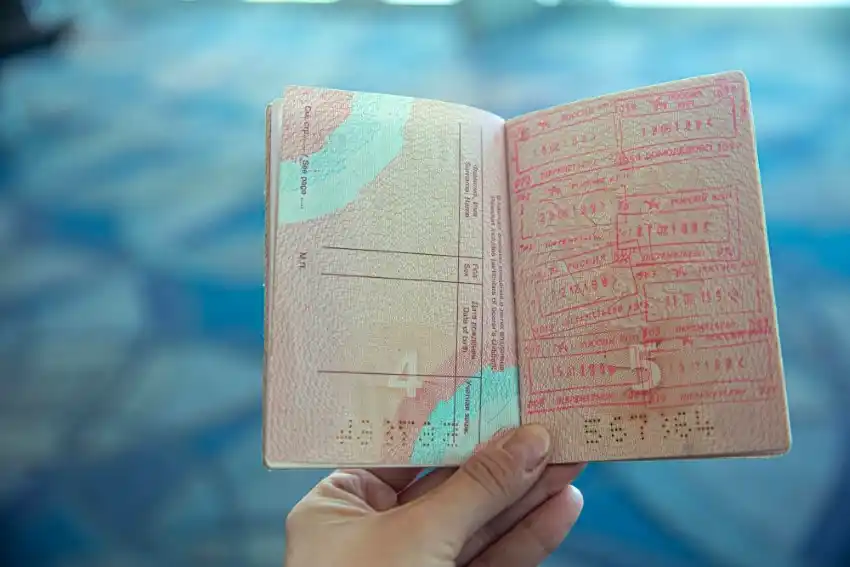
Vietnam doesn’t have a dedicated retirement visa, not yet, anyway. But that doesn’t make long-term living here complicated; it just means working with what’s available, and the 90-day multi-entry e-visa is a solid foundation. Apply through the official government immigration portal, upload your passport scan and a portrait photo, pay the fee, and you’ll have approval within three to five working days.
For those who want more permanence, investing a minimum of 3,000,000,000 VND ($120,000 USD) into a local company unlocks a DT4 investor visa with annual renewals, higher investment tiers extend this further. Many retirees, however, simply embrace the 90-day cycle and use the required border runs as an excuse to explore Bangkok, Kuala Lumpur, or Phnom Penh. There are worse problems to have.
Important: Always apply through the official portal ending in .gov.vn. Third-party sites mirror the official page and charge significant premiums for a process you can do yourself in ten minutes.
What Does a Comfortable Retirement Actually Cost?
This is where Vietnam really makes the case for itself. A genuinely high standard of living, modern apartment, regular dining out, comprehensive healthcare, and domestic travel, comes in well under what most retirees spend back home. Here’s how the numbers break down across lifestyle levels.
| Monthly Expense | Local Budget Lifestyle | Premium Expat Lifestyle |
|---|---|---|
| Modern Apartment Rent | 8,750,000 VND ($350 USD) | 20,000,000 VND ($800 USD) |
| Dining, Food & Coffee | 5,000,000 VND ($200 USD) | 11,250,000 VND ($450 USD) |
| Utilities & Internet | 1,250,000 VND ($50 USD) | 3,750,000 VND ($150 USD) |
| Healthcare Cover | 1,500,000 VND ($60 USD) | 3,750,000 VND ($150 USD) |
| Transport & Activities | 2,500,000 VND ($100 USD) | 6,250,000 VND ($250 USD) |
Which City Is Right for You?
The three main retirement destinations each offer a fundamentally different lifestyle. The good news is that all three are genuinely excellent, it really comes down to what you want your days to feel like.

Da Nang: The Coastal Sweet Spot
Most retirees who do their research end up here, and it’s not hard to see why. Clean air, My Khe Beach on the doorstep, a well-organised city layout, and a thriving international community centred around the An Thuong neighbourhood.
Western cafés, fitness centres, international medical facilities, and grocery stores are all within easy walking distance. The pace is unhurried without feeling sleepy, and the combination of ocean, mountains, and the ancient town of Hoi An just 30 minutes south gives you an extraordinary amount to explore without ever feeling rushed.
Ho Chi Minh City: Urban Comfort at Its Best
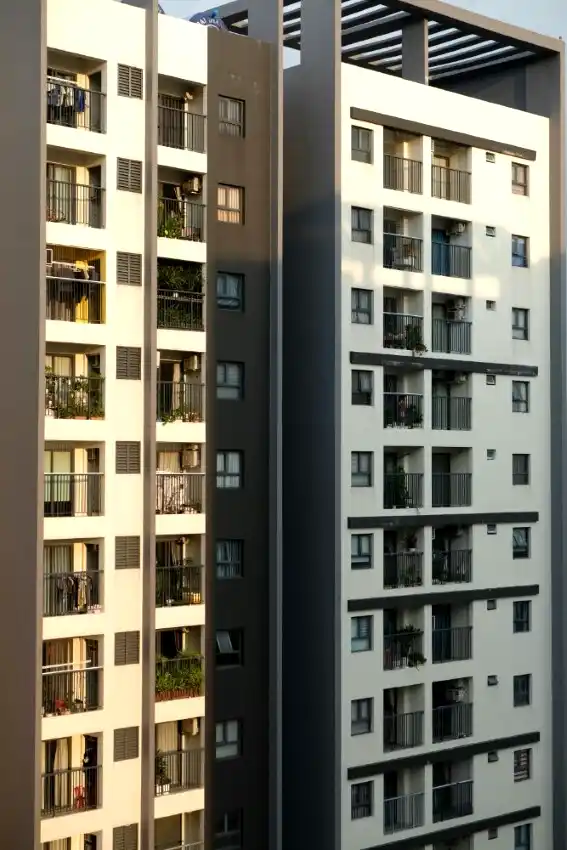
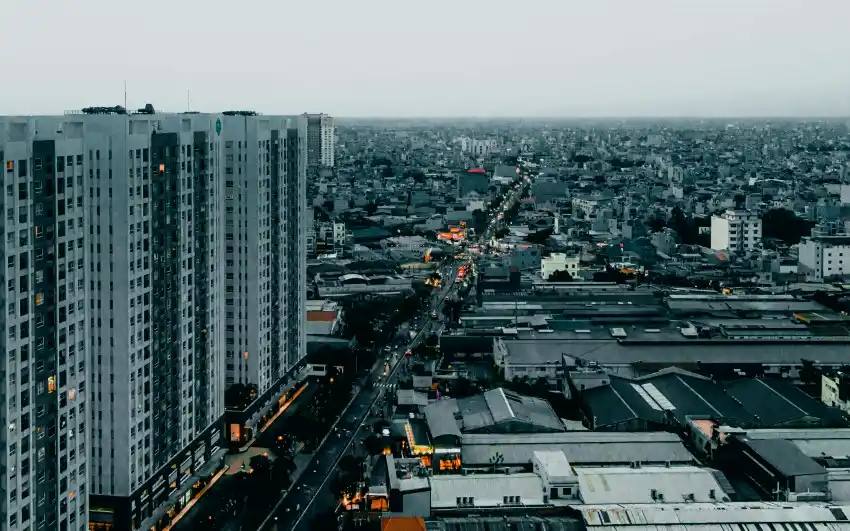
For retirees who thrive on energy and convenience, Saigon delivers everything in abundance. District 3 offers tree-lined streets and colonial-era charm; the Thao Dien enclave in Thu Duc City provides a quieter riverside experience with premium supermarkets, international dining, and top-tier medical facilities nearby.
Healthcare here is the most advanced in the country, FV Hospital and Family Medical Practice both operate to international standards with bilingual staff. If access to world-class medical care is a priority, this is your city.
Hanoi: History, Culture & Cool Seasons
Hanoi suits people who want to feel genuinely immersed in Vietnamese culture rather than insulated from it. Basing yourself in the Tay Ho district, around the peaceful West Lake, gives you an established expat community, exceptional restaurants, and serene morning walks away from the Old Quarter’s density.
Winters bring genuinely cool weather, a real contrast to the permanent tropical heat of the south, and something many retirees find surprisingly welcome after years of chasing warmth.
Healthcare: What Retirees Need to Know
Healthcare is usually the biggest concern for retirees considering a move abroad, and Vietnam consistently surprises people on this front.
Private international hospitals in Ho Chi Minh City and Hanoi, including Vinmec International and Raffles Medical, operate to genuine global standards with English-speaking doctors, many of whom trained or completed residencies in Western countries. A standard consultation runs around 1,000,000 VND ($40 USD). Complex procedures cost a fraction of equivalent treatment back home.
Comprehensive international health insurance is essential, not optional. Make absolutely sure your policy includes medical evacuation cover, which becomes relevant for complex long-term treatments or emergencies in more remote areas. Local public hospitals are inexpensive but come with language barriers and varying equipment standards; international facilities eliminate both concerns entirely.
Culture, Customs & Settling In:
Vietnamese culture runs on mutual respect and community, and retirees who lean into that find the adjustment remarkably smooth. A few things that go a long way: cover shoulders and knees when visiting temples or pagodas, remove shoes when indicated, and keep your voice calm in sacred spaces. Tipping isn’t a traditional expectation at street stalls, but it’s increasingly appreciated at Western-facing restaurants and spas.
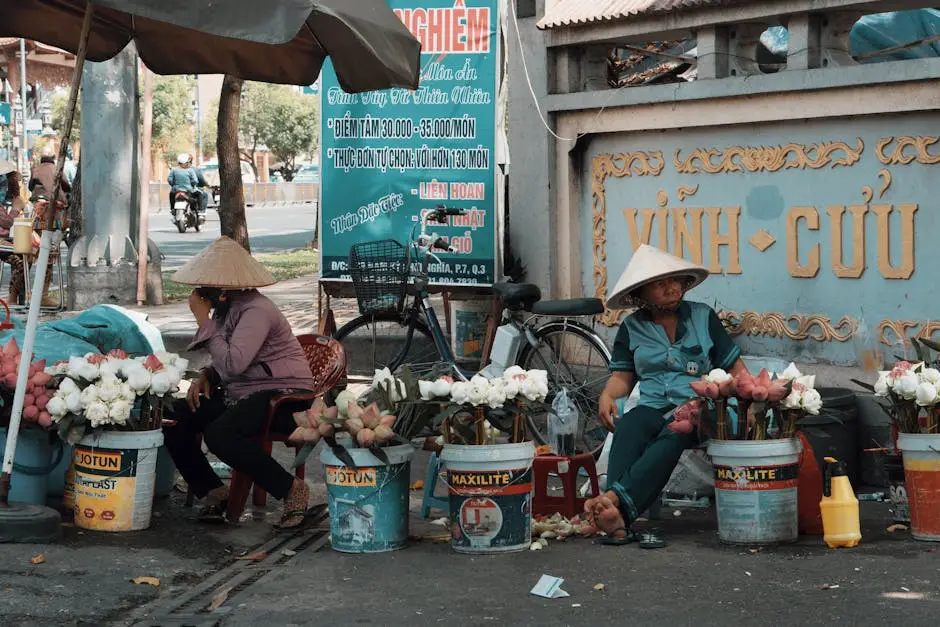
At traditional wet markets like Ben Thanh or Cho Dam, polite bargaining is perfectly normal, just keep it friendly. A warm smile and relaxed negotiation get far better results than hard tactics, and preserving everyone’s dignity in the exchange matters here.
On the streets, crossing through motorbike traffic means committing to a steady, predictable pace. Don’t rush, don’t freeze. Riders read your movement and flow around you, it becomes completely natural within days.
Your Practical Toolkit:
- Transport: Download Grab, Be, and Xanh SM before you arrive. All three show upfront pricing, no fare negotiations, no meters, no surprises. Xanh SM runs electric vehicles and is a particularly pleasant option for city travel.
- Accommodation: Use Agoda or Booking.com for your first few weeks while you explore neighbourhoods. Once you’ve identified where you want to be, local Facebook housing groups and Vietnamese real estate agents will get you significantly better long-term rates than any online platform.
- Activities & Day Trips: Klook and Get Your Guide are excellent for booking regional tours, cooking classes, and day trips with English-speaking guides, ideal for the early months when you’re still finding your feet.
- Connectivity: Set up a Yesim eSIM before you fly for instant data on arrival, or pick up a Viettel or Vinaphone SIM at the airport. Run Nord VPN on public café and coworking Wi-Fi to keep banking access and personal data secure.
- Currency: Vietnamese Dong uses large denominations, develop the habit of checking note colours before handing over cash. The 10,000 VND and 500,000 VND notes can look deceptively similar in low light, and it’s a mistake that’s very easy to make in your first few weeks.

A Note for Nervous Arrivals:
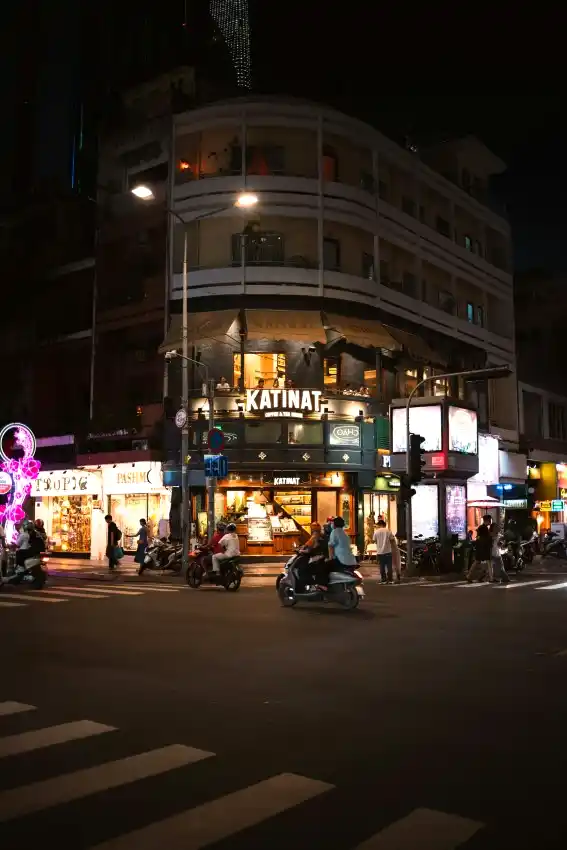
Vietnam is consistently ranked among the safest countries in Southeast Asia, and retirees here tend to feel that quickly.
Violent crime is genuinely rare. The main things to stay aware of are minor street scams in dense tourist zones and keeping bags secured in busy areas, standard urban awareness that becomes second nature fast.
Food safety is easy to navigate: choose busy stalls with high turnover, watch your food cooked fresh in front of you over high heat, and you’ll be fine. Tap water isn’t safe to drink, bottled or filtered water is the universal standard, and café ice in cities is manufactured from purified water and perfectly safe. Take the first couple of weeks gently, get your bearings, and let the city come to you rather than trying to absorb everything at once.

Saily’s Vietnam eSIM keeps you online
for less than most tourist SIMs charge.
Easy install, transparent pricing, and
trusted infrastructure behind it.
Frequently Asked Questions:
Can foreigners buy property when retiring in Vietnam?
Foreigners cannot own land outright, all land in Vietnam belongs collectively to the Vietnamese people and is managed by the state. However, individuals can purchase 50-year leasehold condominiums within designated commercial developments, provided the building hasn’t exceeded its foreign ownership quota. It’s a workable arrangement that many retirees use successfully.
Do doctors speak English at Vietnamese hospitals?
Yes, at private international hospitals in major cities. Medical professionals at facilities like Vinmec, Raffles Medical, FV Hospital, and Family Medical Practice speak fluent English, and many completed their training or residencies in Western countries. These hospitals also retain dedicated translation teams for other languages.
How do retirees handle banking and finances locally?
Most retirees keep their home country bank accounts active and use international debit cards for ATM withdrawals, TPBank and VPBank offer the lowest international card fees. Opening a local account with institutions like HSBC or Vietcombank is possible once you have a visa or residence card valid for at least 12 months, which makes managing larger local expenses considerably easier.
Is international health insurance really necessary?
Absolutely, it’s non-negotiable for long-term retirement. Comprehensive cover gives you access to international hospital facilities, English-speaking specialists, and direct billing arrangements. Crucially, ensure your policy includes medical evacuation cover for complex treatments or emergencies in more remote areas. The cost is very reasonable compared to equivalent cover in Western countries.