Hue Imperial Citadel Guide
Standing on the northern bank of the Perfume River, the Hue Imperial Citadel is the beating heart of Vietnam’s final imperial era. Palaces, temples, and centuries-old defensive walls surround you here. It is one of those places that genuinely stops you in your tracks.
The Quick Summary:
- Entry Ticket Costs: 200,000 VND ($8.50 USD) per adult. A 3-site combo ticket covering the citadel plus two royal tombs costs 420,000 VND ($17.80 USD) and is valid for two consecutive days.
- Opening Hours: 08:00 to 17:30 daily, with occasional extended evening openings in summer.
- Dress Code: Covered shoulders and knees are strictly required inside active temples and ancestor altars. No exceptions.
- Time to Allocate: Set aside a minimum of three to four hours to explore the grounds without feeling rushed. A full day is even better if you have it.
- Best Season to Visit: Central Vietnam is hit hard by monsoons from October through January. Spring and early summer give you the most reliable clear skies and comfortable temperatures.

Book Hue day trips, attractions,
and activities in one place. Read real
reviews, check availability, and lock in
your spot before the popular slots go.
What Exactly Is the Hue Imperial Citadel?
The Hue Imperial Citadel is a massive 19th-century walled city that served as the political, ceremonial, and spiritual capital of Vietnam under the Nguyen Dynasty from 1802 to 1945. It blends traditional Vietnamese geomancy with French military architecture in a way that is genuinely unlike anything else in the country. UNESCO recognised the entire Hue Monuments Complex as a World Heritage Site in 1993, and it absolutely earns the title.
| Ticket Option | What It Covers | Price | Best For |
|---|---|---|---|
| Single Entry | Imperial Citadel only | 200,000 VND ($8.50 USD) | Short visits, tight schedules |
| 3-Site Combo | Citadel + Minh Mang + Khai Dinh tombs | 420,000 VND ($17.80 USD) | History lovers, 2-day visitors |
| Electric Cart | Rides between major courtyards | Small additional fee on-site | Families, those visiting in peak heat |
Highlights You Cannot Miss Inside the Walls
The citadel is divided into several distinct zones, each with its own atmosphere and purpose. Rushing through all of them is a mistake. Take your time and let the place breathe around you.
The Ngo Mon Gate
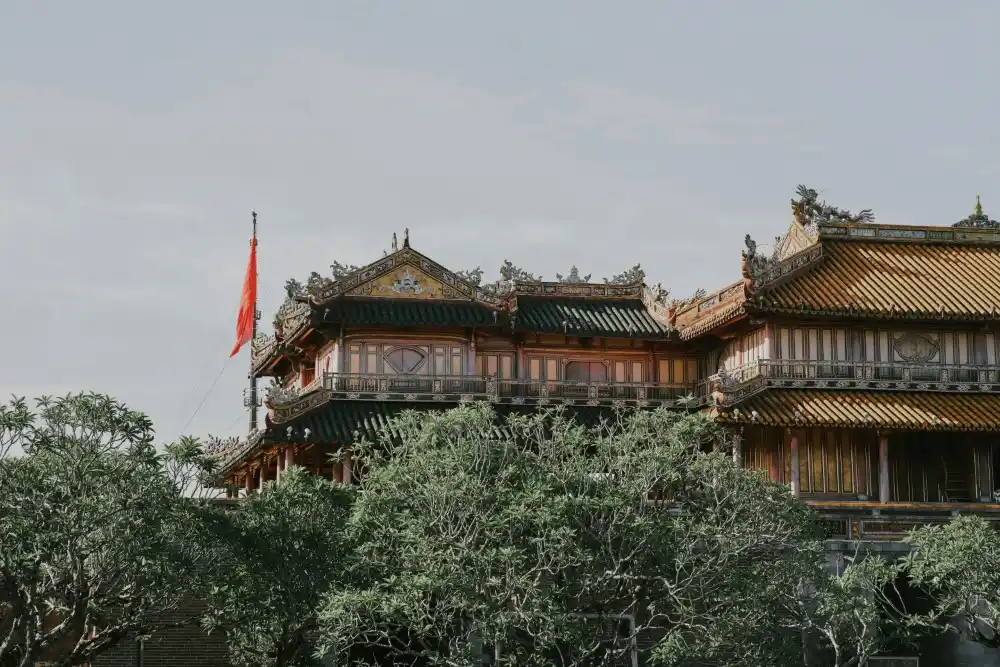
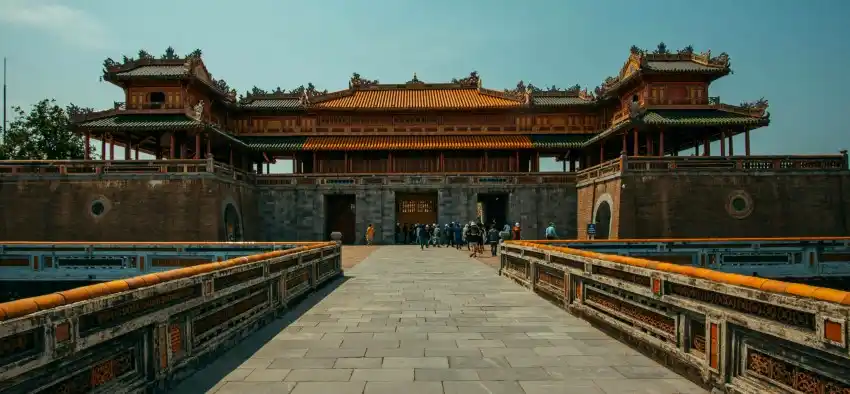
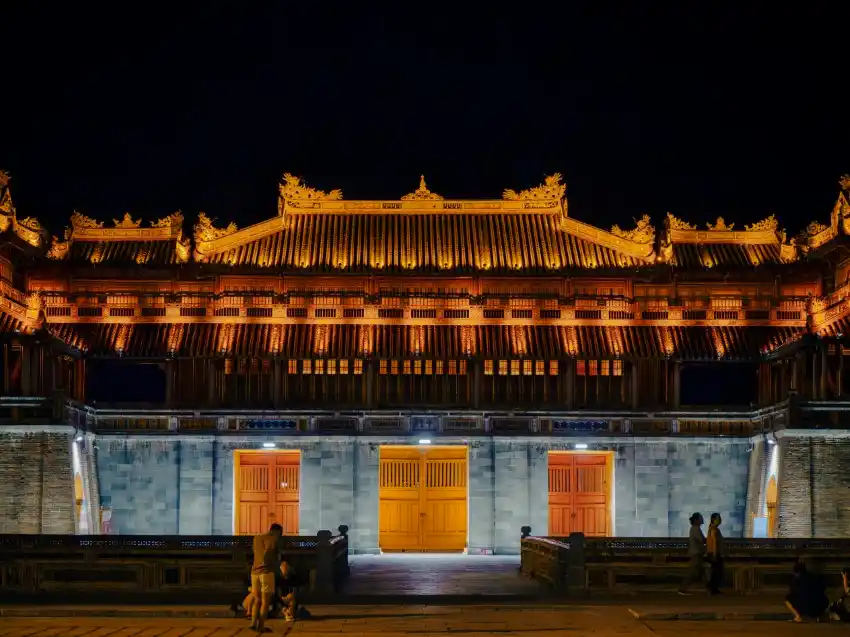
The main southern entrance is an architectural statement from the moment you approach it. Five gateways line the base, with the central arch historically reserved solely for the emperor himself.
Above it sits the Five Phoenix Pavilion, where the monarch once announced the lunar calendar to the public and reviewed military parades from above. It is still the most photographed spot in Hue for good reason.
Thai Hoa Palace (The Throne Room)
Known as the Palace of Supreme Harmony, this is where the emperor held official state receptions, celebrated royal birthdays, and received foreign delegations.
Eighty carved red-lacquered wooden pillars, each decorated with golden dragons, support the entire structure. It represents the peak of Nguyen-era craftsmanship and remains one of the best-preserved buildings on the grounds.
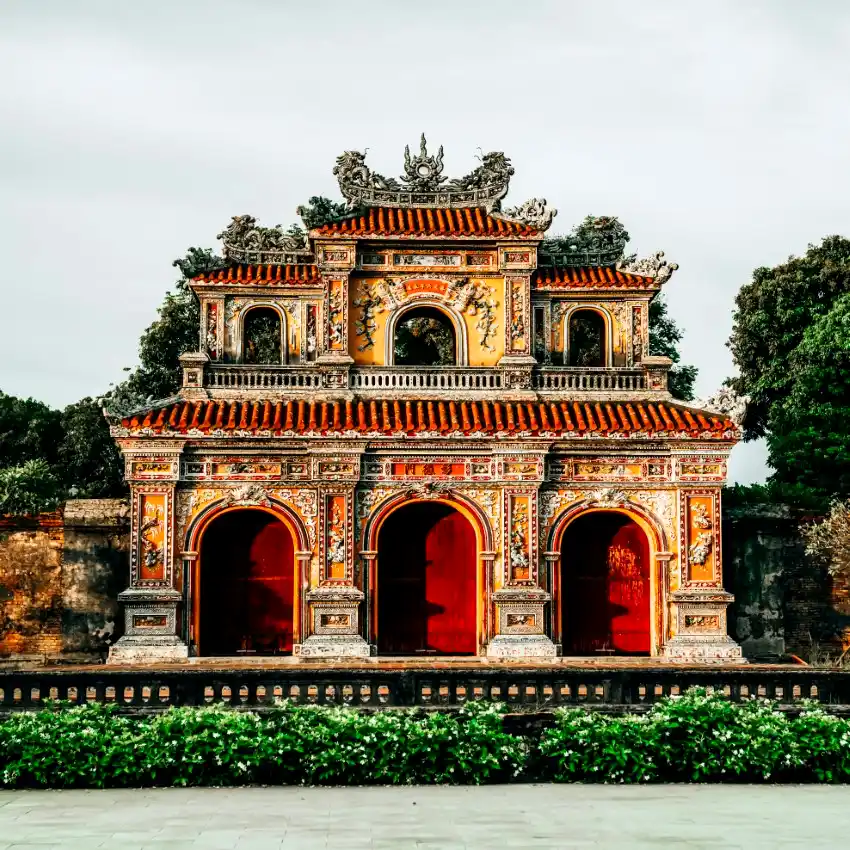
The To Mieu Temple Complex
Tucked into the southwest corner of the citadel, this beautifully restored ancestral temple complex is one of the quietest and most atmospheric spots in the entire enclosure.
Individual shrines are dedicated to each Nguyen emperor. Out front, the Nine Dynastic Urns stand in a row, massive bronze vessels cast between 1835 and 1837, each one representing a pillar of the empire’s strength. They are extraordinary up close.
The Forbidden Purple City
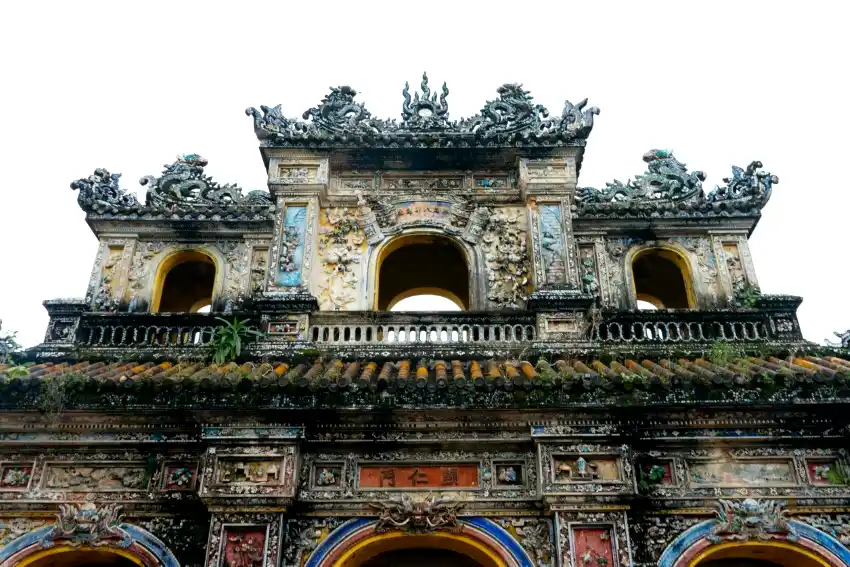
The innermost sanctum of the entire complex, the Forbidden Purple City was a private world accessible only to the royal family, their concubines, and the eunuchs who served them.
Much of it was destroyed during the Battle of Hue in 1968, and ongoing restoration work is still bringing it back to life using traditional carpentry methods and authentic lacquer finishes. Walking among the ruins is quietly moving in a way that pristine restorations sometimes cannot match.

From classic Hue highlights to
hidden-gem private tours, GetYourGuide
makes booking painless. Cancel free
up to a day before your start time.
How to Plan Your Visit:
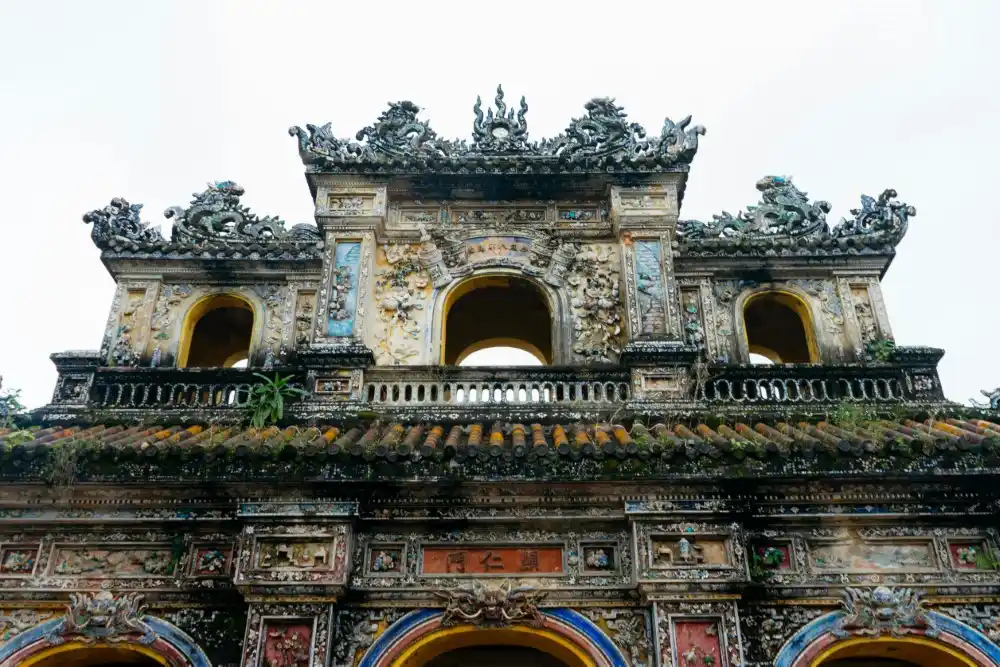
The citadel rewards those who plan a little. Distances inside the walls are substantial, good footwear is genuinely important, and timing your arrival around the heat makes a real difference to your enjoyment.
Best Time to Arrive
Aim for the gates at 08:00 sharp to get ahead of the tour buses and the worst of the midday heat. If mornings are not your thing, arriving after 15:30 gives you softer light for photography, cooler temperatures for walking, and a noticeably quieter atmosphere as day-trippers start heading back to their hotels.
Getting There
Use Grab, Xanh SM, or Be to get a metered ride directly to the Ngo Mon Gate. If you arrive on a motorbike, head straight for the official municipal parking lot near the Hue Provincial Museum. The standardised fee is 5,000 VND ($0.20 USD), and it saves you from the unauthorized street vendors who try to wave you into overpriced private spots.
Looking for accommodation close to the citadel or planning the rest of your Hue itinerary? Use the map below to explore hotels, guesthouses, and attractions in the area.

Lock in your Hue accommodation early
and beat peak-season price hikes.
Agoda’s filters let you compare options
side by side before you commit.
Cultural Etiquette Inside the Citadel:
Many of the halls inside the citadel are active ancestral shrines, not just historical exhibits. The people of Hue have a deep and genuine connection to this place, and it shows in how they treat it.
Good to Know: Remove your hat when stepping inside temple interiors. Speak softly. Keep your hands off the delicate wooden carvings. And avoid pointing your feet directly toward religious altars, which is considered disrespectful throughout Vietnam. Following these simple cues will be noticed and genuinely appreciated by local visitors and staff.
Photography is welcome throughout the outdoor courtyards, gardens, and ruined sections. Inside the main ancestral temples, cameras should stay away out of respect for the royal spirits honoured there. When in doubt, look for posted signs or follow what local visitors around you are doing.
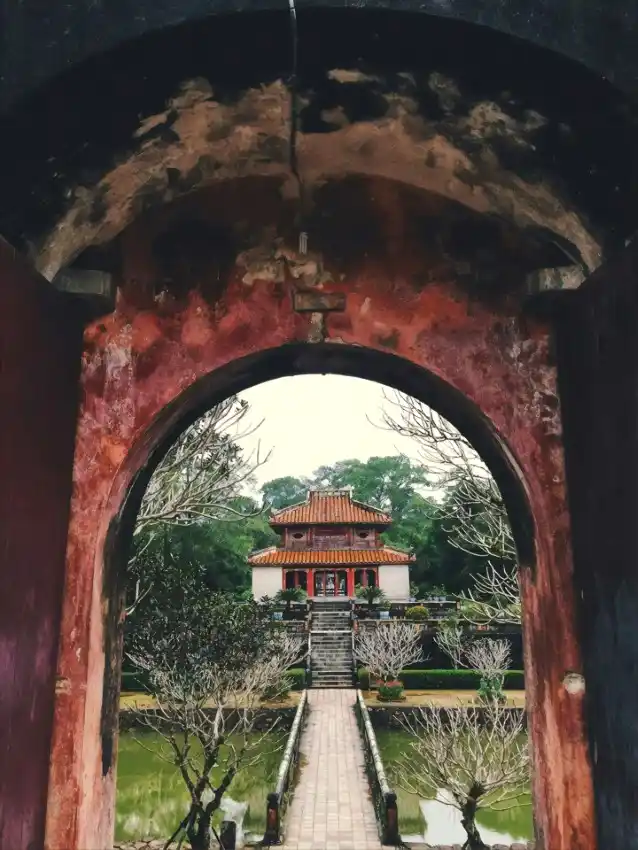

Airalo covers Hue with a range of
data plans from a few days to a month.
No physical SIM swap, no roaming bill
shock when you check back in at home.
Beyond the Citadel: Slow Travel in Hue
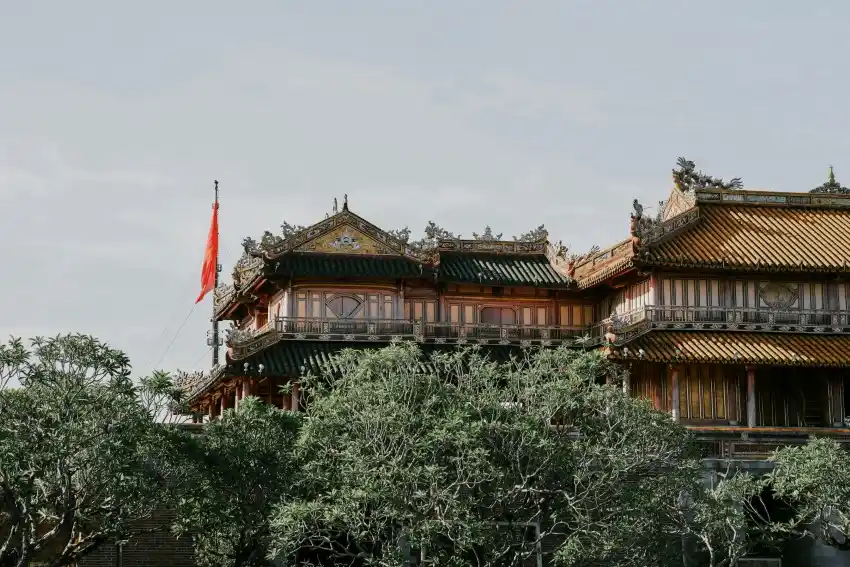
Hue is not a city you should rush. The royal tombs of Minh Mang, Khai Dinh, and Tu Duc each reward a leisurely afternoon of their own. The Thien Mu Pagoda on the banks of the Perfume River is just a short boat ride or motorbike trip away and well worth adding to your itinerary. The city’s food scene, built on royal court cuisine traditions, is one of the most underrated in the whole country.
For longer-stay travelers and expats, Hue offers a genuinely traditional pace of life. Many people base themselves in nearby Da Nang for its modern digital nomad infrastructure, then make regular weekend train trips over the scenic Hai Van Pass to spend time in Hue. The journey itself is one of the most beautiful rail routes in Southeast Asia and takes under two hours.
Planning a longer stay in Central Vietnam? Use the map below to find hotels, guesthouses, and villas across Hue, Da Nang, and Hoi An to suit every budget.
A Note for Nervous Travelers:
Vietnam is one of the safest travel destinations in Asia, and Hue is particularly relaxed compared to the bigger cities. The area around the citadel is well-touristed and straightforward to navigate.
The streets around the complex are busy with motorbike traffic. Cross at a steady and predictable pace; local riders are experienced at reading pedestrians and will steer around you naturally. For food safety, the same rule that applies everywhere in Vietnam holds true here: choose the stalls that are packed with locals. High turnover means fresh ingredients. Look for dishes being cooked right in front of you over high heat, whether that is a boiling vat of bun bo Hue broth or skewers smoking over charcoal.
Pro Tips for Stress-Free Travel:

- Ride-Hailing Apps: Download Grab, Xanh SM, or Be before you arrive. All three give you transparent, fixed pricing for both motorbike and car options so you never have to negotiate a taxi fare again.
- Cash is King: Ticket counters, street food stalls, cyclo drivers, and temple parking attendants all deal in cash only. Keep a supply of smaller bills: 20,000, 50,000, and 100,000 VND notes are ideal. A 500,000 VND note is genuinely difficult for a small vendor to break.
- Connectivity: Grab a local eSIM via Yesim or Airalo before you fly, or pick up a physical SIM at the airport on arrival. You want live maps and Google Translate working the moment you land. Use a reliable VPN like Nord VPN when logging onto public Wi-Fi in cafes.
- Booking Tours and Skip-the-Line Passes: Klook and Get Your Guide both list guided citadel tours and combo tomb excursions that include transport. Worth it if you want context and storytelling alongside the sights.
- Accommodation: Book through Booking.com or Agoda for the widest range from backpacker-friendly guesthouses along the river to luxury boutique hotels with Perfume River views. The area south of the citadel, around Pham Ngu Lao Street, is popular and well-located for most budgets.

Forget swapping physical SIMs in Hue.
Yesim’s eSIM works on most newer phones,
activates remotely, and keeps your home
number reachable for WhatsApp too.
Frequently Asked Questions:
What is the best time of day to visit the Hue Imperial Citadel?
Arriving at 08:00 when the gates open lets you explore the grounds before the tour buses arrive and before the midday heat becomes genuinely uncomfortable. If mornings do not work for you, coming after 15:30 gives you cooler temperatures, softer light for photography, and a quieter atmosphere as day visitors head home.
How long do you need to explore the citadel properly?
Set aside a minimum of three to four hours for a comfortable visit. If you are someone who reads every information panel, loves photography, or simply enjoys sitting quietly in historic spaces, a full day is realistic and well spent. The combo ticket is valid for two consecutive days, so you can also split your visit across two afternoons.
Is the multi-site combo ticket worth buying?
Almost always yes. The 3-site combo at 420,000 VND ($17.80 USD) bundles the citadel with the royal tombs of Minh Mang, Khai Dinh, and Tu Duc, all of which are genuinely impressive in their own right. The pass is valid for two consecutive days, so there is no pressure to rush everything into a single exhausting day.
Can you take photos inside the Hue Imperial Citadel?
Photography is freely permitted throughout the outdoor courtyards, gardens, ruined sections, and most palace exteriors. However, photography is not allowed inside the main ancestral temples out of respect for the royal spirits honoured there. Look for posted signs or simply follow the lead of local visitors around you.
What is the dress code at the citadel?
Covered shoulders and knees are mandatory when entering active temples and ancestor altars inside the complex. This applies to all visitors regardless of nationality or age. Light linen trousers and a breathable long-sleeved shirt or scarf work well in the Central Vietnamese heat and cover all the requirements without discomfort.
Is the citadel wheelchair accessible?
Partially. Many of the exterior courtyards and pathways are flat and paved, and electric carts are available inside the grounds for visitors with limited mobility. However, entering the historical palace buildings involves stone steps and raised wooden door sills, which present genuine obstacles for wheelchairs. It is worth calling ahead or checking current accessibility conditions before your visit.
What is the best way to get from Da Nang or Hoi An to Hue?
The scenic train over the Hai Van Pass is the most memorable option and takes around two hours from Da Nang. Book seats in advance through the Vietnam Railways app or website. Private cars and open-tour buses also run the route daily. From Hoi An, most travelers take a taxi or shuttle to Da Nang first and then train or drive north from there.
What should I eat in Hue while I am visiting?
Hue has one of the most distinctive and underrated food cultures in Vietnam, rooted in the refined traditions of royal court cuisine. Do not leave without trying bun bo Hue, a fiery lemongrass-infused beef noodle soup, banh khoai, the Central Vietnamese cousin of the southern banh xeo pancake, and com hen, a humble rice dish with tiny baby clams that locals swear by for breakfast. Most street stalls around the citadel serve portions for 30,000 to 60,000 VND ($1.25 to $2.50 USD).
How does Hue compare to Hoi An for a tourist visit?
They are genuinely different experiences. Hoi An is polished, photogenic, heavily touristed, and geared toward shopping and lantern-lit evenings. Hue is rawer, more historically substantial, and significantly less crowded outside of the citadel itself. If you have time for only one in Central Vietnam, your choice depends on whether you want atmosphere and nightlife (Hoi An) or depth and history (Hue). Most travelers who can manage it visit both.
Is it safe to travel solo in Hue?
Yes, very much so. Hue is one of the more relaxed and low-key cities in Vietnam. Solo travelers, including solo women, report feeling comfortable exploring the citadel, cycling along the Perfume River, and eating alone at local restaurants. As with anywhere, keep your bag close in crowded tourist areas, avoid leaving valuables visible on the back of motorbike seats, and trust your instincts.