
Renting Apartments In Vietnam
There’s something quietly wonderful about finding your own place in Vietnam. The coffee brewing on the corner, the motorbikes humming below the window, the gradual shift from tourist to resident. Renting here is less intimidating than most people expect, the market is flexible, the value is exceptional, and once you know what to look for, the whole process moves surprisingly quickly.
The Quick Summary:
- Average Budgets: Studios run from 7,500,000 VND to 15,000,000 VND ($300 to $600 USD) per month. Luxury high-rises start at around 25,000,000 VND ($1,000 USD) and up.
- What You’ll Need: A valid passport with an active visa, a deposit of one to two months’ rent, and a signed lease agreement. Your landlord handles police registration, more on that below.
- Regional Character: Hanoi offers historic tube houses and lakeside charm, Ho Chi Minh City delivers high-rise urban living, and Da Nang gives you beachside apartments at genuinely reasonable prices.
- Utility Reality: Base rent rarely covers everything. Budget an extra 1,250,000 to 3,750,000 VND ($50 to $150 USD) monthly for electricity, air conditioning is the main culprit.
- Legal Note: Vietnamese law requires landlords to register all foreign tenants with the local ward police. Always confirm your landlord will do this before signing anything.

From boutique guesthouses to five-star
resorts, Agoda has Vietnam’s best stays
covered. Strong Asia inventory means
deeper discounts than you’d expect.
How Much Does Renting Actually Cost?
The numbers below cover realistic monthly rents across Vietnam’s three main cities. Da Nang consistently offers the most space for the money, while Ho Chi Minh City commands the highest premiums, particularly in the central and expat-heavy districts.
| Property Type | Ho Chi Minh City | Hanoi | Da Nang |
|---|---|---|---|
| Studio Apartment | 10,000,000 VND ($400 USD) | 8,750,000 VND ($350 USD) | 6,250,000 VND ($250 USD) |
| 1-Bedroom Condo | 15,000,000 VND ($600 USD) | 13,750,000 VND ($550 USD) | 8,750,000 VND ($350 USD) |
| 2-Bedroom Luxury | 27,500,000 VND ($1,100 USD) | 25,000,000 VND ($1,000 USD) | 17,500,000 VND ($700 USD) |
Beyond rent, budget separately for electricity (the big variable, air conditioning drives bills up fast), water (usually a flat rate of 100,000–200,000 VND per person monthly), and management fees in larger complexes like Vinhomes or Masteri. Always check whether the landlord covers the management fee or passes it to you, it should be clearly stated in the lease.
What Documents Do You Actually Need?
The Police Registration Requirement
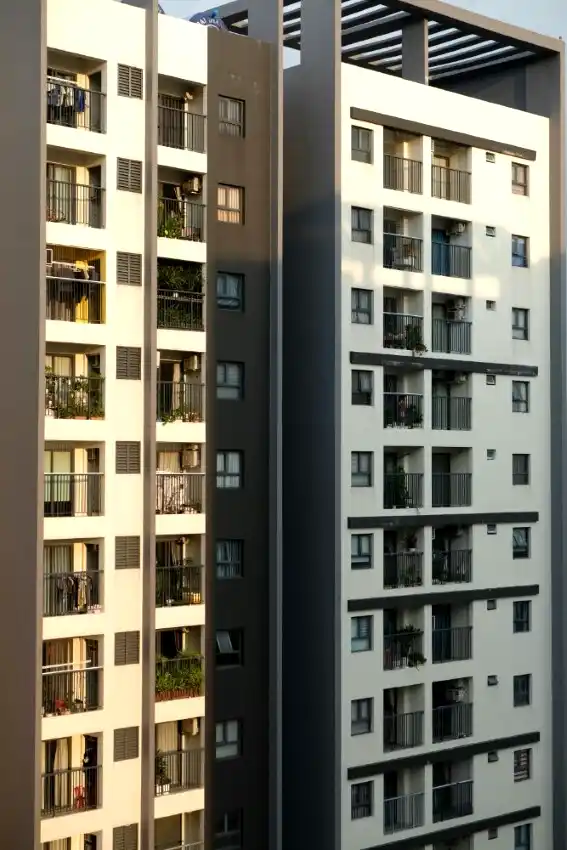
Vietnamese law requires landlords to register all foreign tenants with the local ward police, it’s non-negotiable, and it matters for your visa extensions down the line. The landlord submits your passport details and visa information either online or directly at the local ward station. When viewing a property, ask the landlord outright whether they’re willing to complete this registration. If they hesitate or seem unfamiliar with the process, treat it as a red flag.
What Your Lease Must Cover
Never rely on verbal agreements, everything should be in writing. Before signing, make sure the contract clearly states the deposit return conditions, includes a full inventory checklist of appliances and furniture (photograph everything on move-in day), and, for longer leases, contains a diplomatic clause that returns your deposit if a visa extension is denied or an employer relocates you out of Vietnam. It’s a small ask that protects you significantly.

GetYourGuide has Vietnam’s best
excursions covered: museums, tours,
and unique experiences with verified
operators and instant mobile vouchers.
Which Neighbourhoods Are Best?
Where you land shapes everything about your daily life. Each city has its own expat heartland, here’s where most international residents end up, and why.
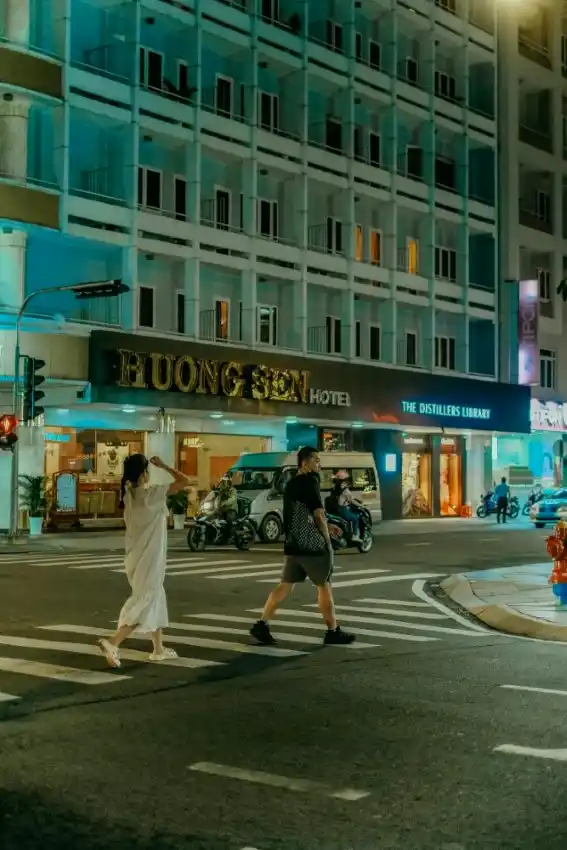
Ho Chi Minh City: Skylines & Street Life
Thao Dien in District 2 is the primary expat residential hub, tree-lined streets, international schools, riverside cafés, and a genuinely relaxed feel despite being close to the city centre.
District 1 and District 3 suit those who want to be in the thick of it: offices, street food, and rooftop bars all within walking distance. For mid-range budgets that don’t stretch to District 1 prices, Binh Thanh is the smart choice, Vinhomes Central Park alone is one of the most liveable complexes in the city.
Hanoi: Lakeside Calm & Historic Character
Tay Ho (West Lake) is where most foreign residents in Hanoi gravitate, and it earns its reputation, cooling lake breezes, quiet backstreets, excellent international restaurants, and a well-established expat community.
Ba Dinh is a solid alternative for those who prefer a more central, authentically Vietnamese setting with closer access to historical landmarks and government offices. Rents here are typically lower than in Tay Ho, and the neighbourhood character is distinctly local.
Da Nang: Beach Access on a Budget
My An and An Thuong sit directly behind My Khe Beach and form the heart of Da Nang’s international community, cafés, coworking spaces, gyms, and international grocery stores are all within easy reach.
Across the Han River, Hai Chau District offers a more traditionally Vietnamese city experience with lower rents and good access to local markets. If you want more space for less money, Da Nang is consistently the best value of the three cities.

Skip the planning headache for Vietnam.
Klook offers day tours, tickets, and
experiences from around $25, with
instant confirmation to your phone.
Your Practical Toolkit:

- Transport & Delivery: Download Grab, Xanh SM, and Be before you arrive. All three show upfront pricing with no negotiation. Xanh SM’s electric vehicle fleet is a particularly pleasant option for daily city travel, quiet, clean, and increasingly available.
- Finding Your Apartment: Start with Agoda or Booking.com for your first week or two while you explore neighbourhoods in person. Once you know where you want to be, local Facebook housing groups and Vietnamese real estate agents will consistently get you better apartments at lower prices than anything listed online for tourists.
- Connectivity: Set up a Yesim eSIM before your flight for instant data on arrival, or pick up a Viettel or Vinaphone SIM at the airport. Use Nord VPN whenever you’re working from local cafés to keep banking access and personal data secure on public networks.
- Cash & Currency: Vietnamese Dong uses large denominations, the zeros can be genuinely confusing at first. Make a habit of double-checking note colours and values before handing over cash, particularly in low-lit street markets. Keep smaller denominations on hand for daily purchases; larger notes are often difficult for street vendors to break.

Skip the airport SIM queue when you
land in Vietnam. Yesim’s eSIM activates
before takeoff so you’re online the
second your plane touches the tarmac.
Building Life & Community Etiquette:
Vietnamese apartment buildings are community spaces, and fitting in is mostly about small gestures of respect. Remove shoes at the apartment threshold, most landlords will provide indoor slippers. A friendly nod or greeting in the lift goes a long way with neighbours who likely share multi-generational family homes on the same floor. Keep evening gatherings reasonably quiet; walls are thinner than they look, and early mornings are simply part of Vietnamese daily life.
In traditional tube houses and smaller serviced buildings, the ground floor typically functions as a communal motorbike garage. Park neatly, respect the system managed by the building guard (bảo vệ), and always kill the engine before rolling inside. Tipping building staff isn’t standard day-to-day practice, but a small cash gift or a cold drink during Tết (Lunar New Year) is a genuinely appreciated gesture that builds real goodwill with the people who look after your building.

A Note for Nervous Arrivals:
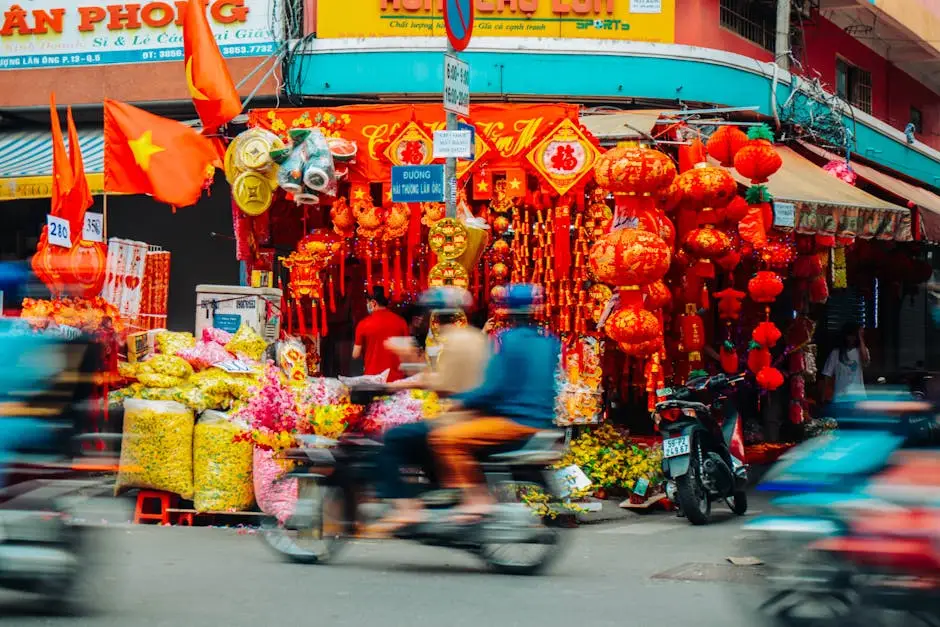
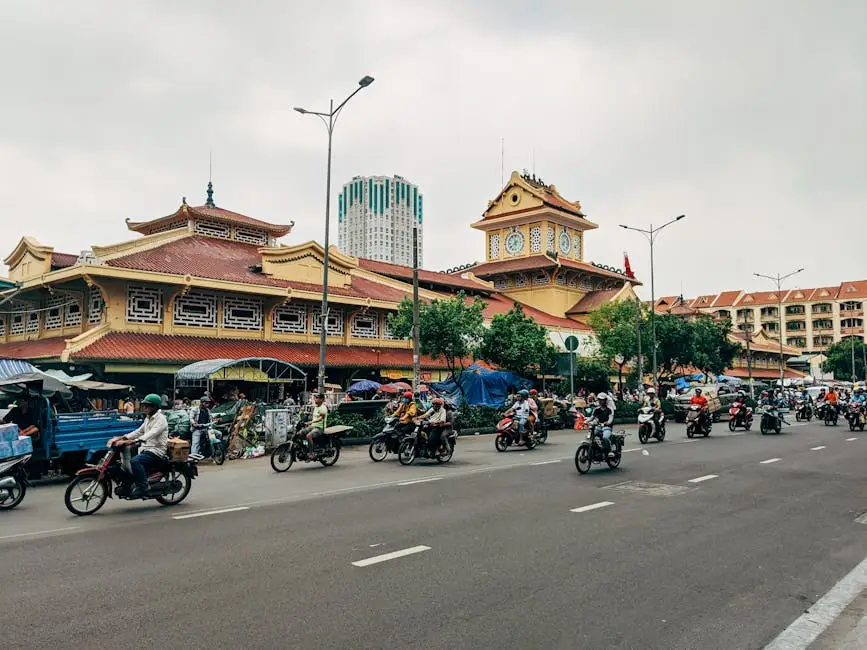
Vietnam is one of Southeast Asia’s safest countries for expatriates, and neighbourhood streets stay lively and safe well into the evening. The motorbike traffic looks chaotic at first glance, crossing the street near your new apartment means committing to a slow, steady pace and trusting that riders will calculate around you. Don’t stop suddenly, don’t run. It works, and it becomes completely natural within days.
On the rental side, the main thing to watch for is scams on deposits. Never transfer money before viewing a property in person and confirming the agent represents a legitimate agency. Make sure the rental contract names the actual property owner. For food near your new home, choose the busy stalls, high turnover means fresh ingredients. Drink filtered or bottled water, and don’t worry about café ice in cities, which is produced from purified factory water and is perfectly safe.
Frequently Asked Questions:
Can foreigners legally sign an apartment lease in Vietnam?
Yes. Any foreigner holding a valid passport and active visa can sign a residential lease agreement. The landlord is then legally required to use those documents to register the tenancy with the local ward police, make sure yours is willing to do this before you sign.
Is a deposit always required?
Yes, it’s standard practice across Vietnam. Short-term leases typically require one month’s rent as a deposit; contracts of a year or longer usually require two months. The deposit is refundable at the end of the tenancy provided the property is returned undamaged, so document everything with photos on the day you move in.
What does a serviced apartment usually include?
Most serviced apartments bundle high-speed Wi-Fi, water, cable television, housecleaning two to three times per week, and 24/7 building security into the monthly rate. Electricity is almost always billed separately based on your actual consumption, air conditioning usage is the main variable to watch.
Where’s the best place to find apartment listings?
Start your search in local Facebook housing groups dedicated to your target neighbourhood, these consistently surface better deals than tourist-facing platforms. For verified listings and lease review support, established local real estate agencies in areas like Thao Dien, An Thuong, or Tay Ho are well worth contacting directly.