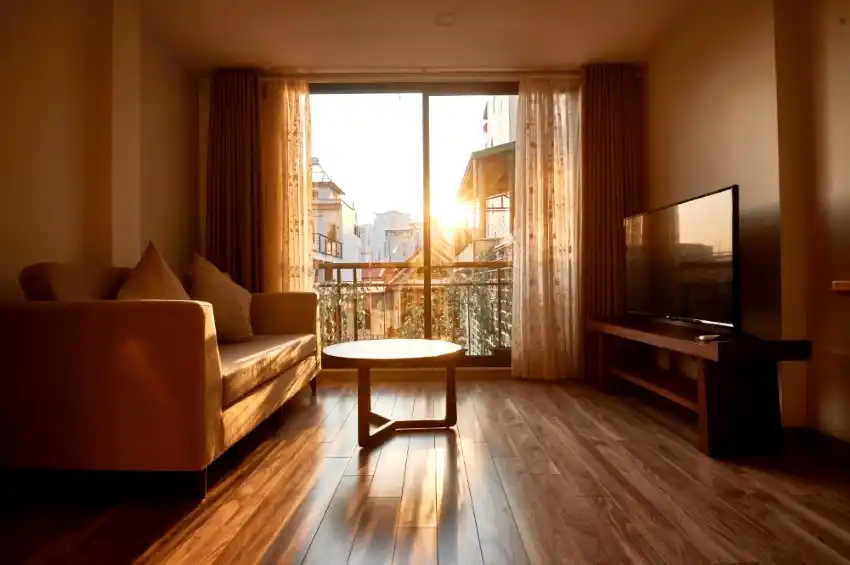
Long Term Living in Da Nang
Da Nang is one of those cities that gets under your skin quickly. It has the coastline, the clean air, the manageable traffic, and a pace of life that feels genuinely sustainable rather than just slow. While Hanoi delivers historic intensity and Ho Chi Minh City runs at full commercial speed, Da Nang sits in a sweet spot that suits long-term expatriates, remote workers, and families who want a high quality of life without the chaos or the cost. Finish a work session, hit the beach in ten minutes. That is the daily reality here, and it is every bit as good as it sounds. Get the full city overview in our Da Nang hub before you dive in.
The Quick Summary:
- Monthly Budget: 18,000,000 to 35,000,000 VND ($700 to $1,400 USD) covers comfortable to high-end living depending on your accommodation choices and lifestyle. The full breakdown is in our cost of living in Vietnam guide.
- Visa: A standard 90-day e-visa with multiple entries allowed. Apply through the official Vietnamese government portal before you travel. Our Vietnam e-visa guide has the full step-by-step.
- Best Neighbourhoods: An Thuong and My An for beachside living with a strong expat community. Hai Chau for authentic local immersion and lower costs. Son Tra for nature, quiet, and cooler breezes.
- Internet: Stable fibre-optic averaging 80 to 100 Mbps across the city, with widespread 4G and 5G mobile coverage and public Wi-Fi in most cafes and coworking spaces.
What Does It Actually Cost to Live Here?
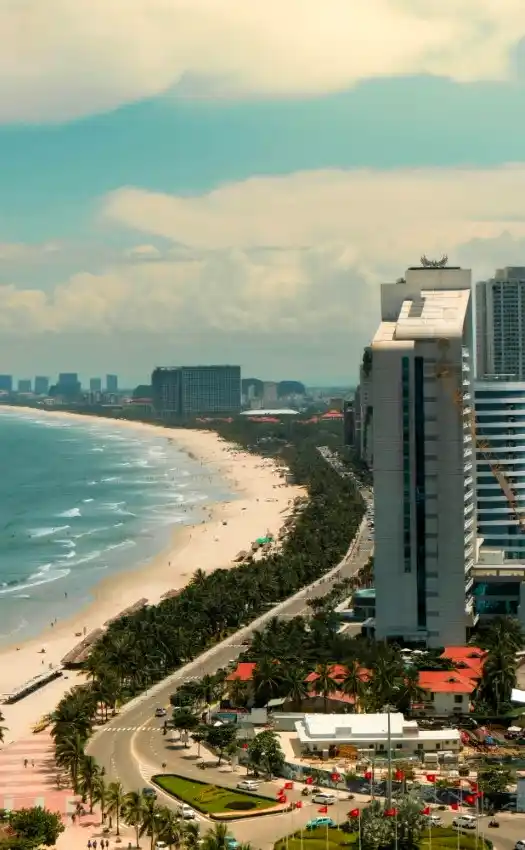
Da Nang offers an exceptional quality of life at a fraction of what you would spend in Western cities or even regional hubs like Bangkok or Bali. Most expatriates live comfortably on between $700 and $1,400 USD per month. The biggest variable by far is housing. A modern studio in the popular Ngu Hanh Son district starts around 7,500,000 VND ($295 USD) per month.
A premium multi-bedroom apartment overlooking My Khe Beach or the Han River will push past 20,000,000 VND ($785 USD). Everything else is very manageable. A bowl of Mi Quang or Bun Cha Ca at a local stall costs around 35,000 VND ($1.40 USD), and a sit-down meal at a Western restaurant in the tourist quarter runs about 200,000 VND ($7.85 USD). For a full country-wide comparison of living costs, the cost of living in Vietnam guide is worth bookmarking.
| Expense Category | Monthly Cost (VND) | Monthly Cost (USD) |
|---|---|---|
| Mid-Range Studio Apartment | 7,500,000 to 12,000,000 | $295 to $470 |
| Utilities (Electricity, Water, Internet) | 1,500,000 to 3,000,000 | $60 to $120 |
| Local Food and Groceries | 4,000,000 to 7,000,000 | $160 to $275 |
| Scooter Rental and Fuel | 1,500,000 to 2,500,000 | $60 to $100 |
| Entertainment and Dining Out | 3,500,000 to 7,500,000 | $140 to $295 |

Check the latest hotel prices across Da Nang’s best
neighborhoods. From the bustling beachside vibe of
My Khe and upscale Son Tra to the scenic Han
Riverfront. Compare your options and secure
the best deals before you book.
Which Neighbourhood Should You Choose?
The Han River divides the city into two very different daily experiences. Which side you land on shapes everything from your morning coffee routine to your weekend social life. Here is an honest breakdown of each area, and if you want hotel and short-term rental picks across all of them, our where to stay in Da Nang guide has you covered.

My An and An Thuong: The Expat Hub
The eastern coastal grid of Ngu Hanh Son is where most international residents end up, and it is easy to understand why. Streets like Ngo Thi Sy and An Thuong 2 are lined with specialty cafes, Western bakeries, coworking spaces, craft beer bars, yoga studios, and surf shops. My Khe Beach is a five-minute walk from practically anywhere.
English is spoken widely, which makes the initial settling-in process painless, and the social network here is genuinely active. The trade-off is slightly higher rents and a neighbourhood that feels distinctly international rather than deeply Vietnamese. Great for newcomers and perfect for families with young children.
Hai Chau: The Local Heart of the City
Cross to the western side of the Han River and you are in a different city entirely. Hai Chau is the commercial and cultural core of Da Nang: traditional tube houses, bustling wet markets like Cho Han, tree-lined avenues, and alleyways packed with regional street food that has been feeding locals for generations.
Apartments here tend to be more spacious and more affordable than their beachside equivalents, and everyday costs drop noticeably. English proficiency among neighbours is lower, so basic Vietnamese phrases and a translation app become genuinely useful tools. Ideal for anyone who wants to actually integrate rather than just be near the sea. Our Vietnamese culture and etiquette guide is a great companion for settling into a local neighbourhood like this.

Son Tra: The Quiet Option
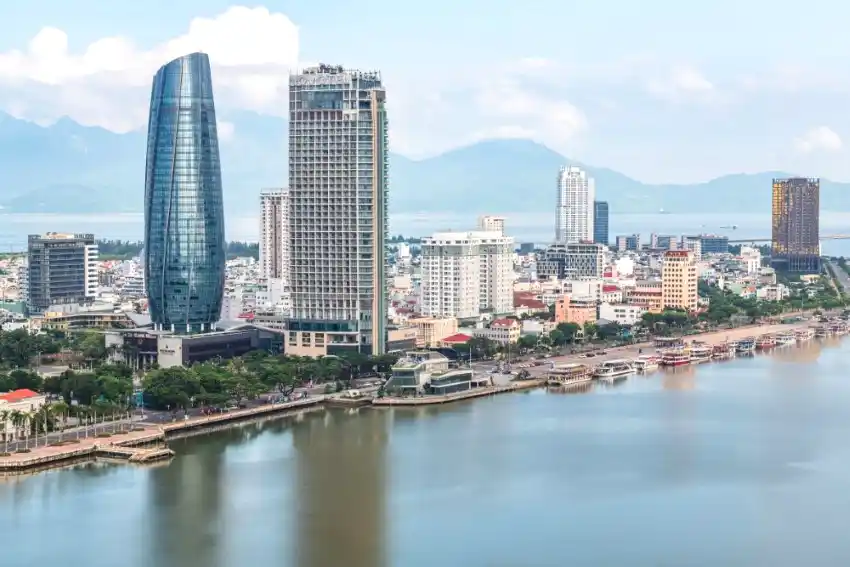
Sitting north of the main beach strip at the base of the Son Tra Peninsula, this district offers something neither of the above can: genuine tranquility backed by spectacular natural scenery. The breezes are cooler, the beaches like Man Thai are far less crowded, and the jungle-covered Monkey Mountain is essentially on your doorstep.
You are still only a ten-minute motorbike ride from the expat social scene in An Thuong when you want it, but on the days you do not, Son Tra feels like a proper retreat. A compelling choice for couples, remote workers who value quiet focus, and anyone who has grown tired of the busier parts of the coast. Take a look at things to do in Da Nang for all the Son Tra Peninsula highlights worth adding to your regular rotation.
Where to Stay While You Find Your Feet:
Most new arrivals start with a short-term rental in the My An or An Thuong area while they get a feel for the city. Once you know which neighbourhood suits your lifestyle, transitioning to a longer-term lease directly with a landlord typically gets you significantly better rates than anything on a booking platform. Local Facebook expat groups are an excellent resource for finding vetted landlords and furnished apartments.
Our renting apartments in Vietnam guide walks through leases, ward registration, and what to watch out for as a foreign tenant. Most leases run from three to twelve months, with landlords requiring a passport copy to complete the mandatory local registration, something reputable property managers handle automatically.
Getting Around Da Nang:
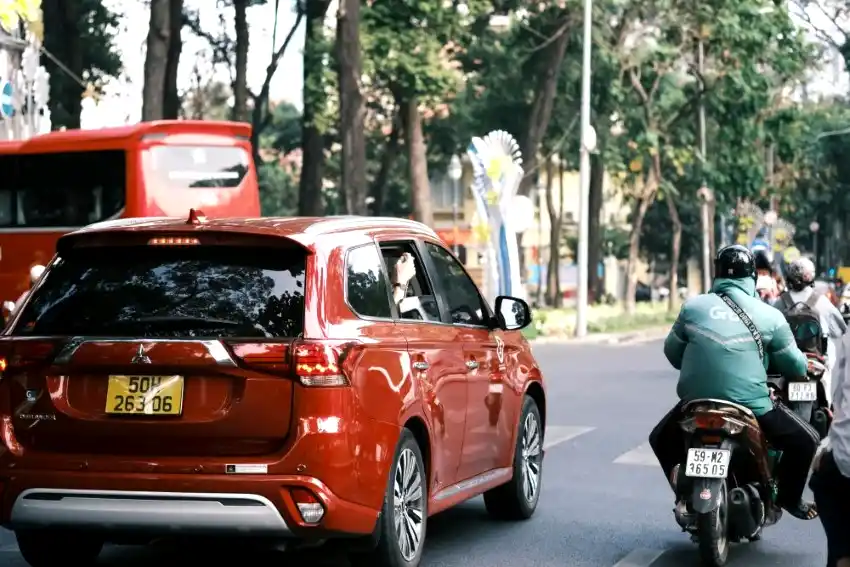
Da Nang is genuinely easy to navigate. The roads are wide, well-paved, and nowhere near as chaotic as Hanoi or Ho Chi Minh City. Most long-term residents rent a scooter and never look back.
A reliable automatic like a Honda Vision or Yamaha Janus gives you total freedom to commute across the city, ride the Hai Van Pass on a whim, or explore the Son Tra Peninsula before breakfast. Rentals run from around 1,500,000 VND ($60 USD) per month and petrol is extremely cheap. Our guide to renting motorbikes in Vietnam covers licensing, insurance, and what to look for from a reputable rental shop.
If driving is not for you, ride-hailing apps solve everything. Grab, Xanh SM, and Be all operate across Da Nang with fixed, transparent pricing shown before you book. Xanh SM runs clean electric vehicles and is a particularly good option for regular daily commutes. Fares are low and wait times are short throughout the city. The full how to get around Da Nang guide has everything from airport transfers to day-trip logistics.
Day Trips and Getting Out of the City:
One of the things that keeps long-term residents genuinely happy here is how easy it is to escape the city when the routine starts to feel familiar. Da Nang sits at the geographic heart of Central Vietnam, which means two of the country’s most iconic destinations are on your doorstep.
Hoi An is 45 minutes south by car, a lantern-lit ancient town with excellent tailors, some of the best food in the country, and beaches that rival anything in the region. Hue is roughly two hours north by road or just under an hour and a half on the train, and the Reunification Express hugs the dramatic Hai Van Pass cliffs on the way there, making the journey as memorable as the destination itself.
Book organised day trips and activities through Get Your Guide or Klook for the most hassle-free experience, particularly for Ba Na Hills, My Son Sanctuary, and cooking classes in Hoi An. Our Da Nang day trips guide has the full rundown on routes, costs, and what is worth your time.

Ready to explore central Vietnam? Klook has your
Da Nang excursions covered. Easily book top-rated
day tours to My Son Sanctuary or Marble Mountain
with hotel pick-ups and English-speaking guides
included.
The Digital Nomad Scene:
Da Nang has matured into one of the most practical remote work bases in Southeast Asia. The infrastructure is solid: fibre-optic internet averaging 80 to 100 Mbps is standard in dedicated coworking spaces and mid-to-high-end cafes, and strong 4G and 5G mobile coverage fills in any gaps when you are on the move.
The cafe culture here is built with remote workers in mind. Ergonomic seating, plenty of power outlets, strong Wi-Fi, and complimentary iced green tea (Tra Da) are the norm rather than the exception.
For dedicated workspace, Enouvo Space and Surf Space both offer hot desks, private meeting rooms, and regular networking events that make professional connections happen naturally. The full picture on all your options is in the Da Nang coworking guide. The nomad crowd here tends toward software engineers, designers, and experienced remote workers who prioritise lifestyle balance. For a broader Vietnam perspective, the Vietnam digital nomad guide covers every major city in the country.
Longer Stay Tip: The 90-day e-visa supports long stays without constant border runs. For those considering a permanent move with pets, cat and dog import requires standard vaccinations and a titer test, but pet-friendly apartments are increasingly available along the Son Tra beachfront and throughout Ngu Hanh Son.
Local Culture and Etiquette:

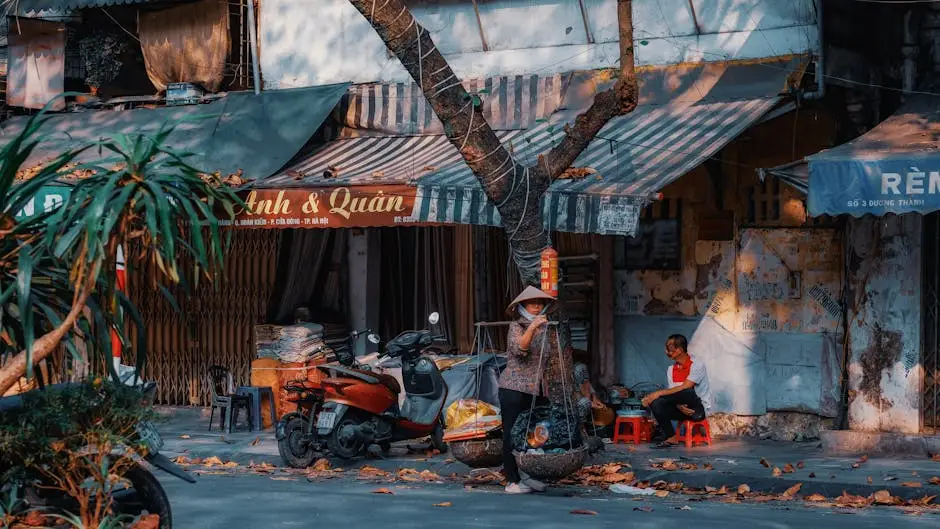
Central Vietnamese culture is slightly more conservative than the south but enormously warm and welcoming toward foreigners who make the effort to show basic respect. These are the habits worth building from day one. For a thorough grounding in customs that will serve you all over the country, the Vietnamese culture and etiquette guide is well worth reading before you arrive.
- Temple Etiquette: Cover shoulders and knees at sacred sites like the Marble Mountains and Linh Ung Pagoda. Remove your shoes wherever footwear is lined up at the entrance.
- Tipping: Not traditionally expected at street food stalls or casual local cafes. A small tip at expat-facing restaurants, wellness spas, or for private drivers and tour guides is appreciated and goes a long way.
- Bargaining: Polite negotiation is fine at Han Market and traditional open-air stalls. Aim for around twenty percent off the asking price, keep it friendly, and never push hard over small amounts. Fixed prices apply everywhere else.
- The Midday Rest: Many local shops and smaller offices close between 12:00 PM and 2:00 PM for lunch and a rest. Plan errands around this if you are dealing with local businesses, and keep noise down in residential areas during these hours.
A Note for Nervous Arrivals:
Da Nang is widely considered one of the safest cities in Southeast Asia, and that reputation is well-earned. Violent crime targeting foreigners is virtually non-existent. Petty issues like phone snatching or tourist overcharging are rare compared to larger Vietnamese cities. Our Vietnam safety guide covers the full picture if you want to go in feeling fully informed.
- Traffic: Motorbike traffic follows its own fluid logic. Stick to the right side of the road, keep your speed sensible, and always wear a good helmet. When crossing on foot, walk at a slow and steady pace. Do not stop suddenly or sprint. Riders will read your path and move around you. It becomes completely natural within a few days.
- Food Safety: Eat where locals eat and look for the busiest stalls. High turnover means fresh ingredients. Stick to bottled or filtered water for drinking.
- Healthcare: Da Nang has solid healthcare options for expats. Family Medical Practice and Vinmec International Hospital both offer modern facilities, Western-trained doctors, and English-speaking staff. Make sure you have comprehensive international health insurance before you arrive. Our Vietnam healthcare guide covers your options in detail.
Pro Tips for a Smooth Move:

- Transport Apps: Download Grab, Xanh SM, and Be before you land. Xanh SM’s electric vehicle fleet is a clean, quiet daily commute option worth trying first. See our Grab vs Xanh SM comparison to decide which one to lean on.
- First Accommodation: Use Booking.com or Agoda for the first week or two while you find your bearings, then switch to local Facebook expat groups and resident agents to secure a longer-term lease at better rates.
- Connectivity: Pick up a Viettel or Vinaphone SIM at the airport for the strongest coverage across the city and surrounding region. Alternatively, activate an eSIM through Yesim before departure for instant data on arrival. Our Vietnam SIM cards and internet guide compares all the options.

Forget the daily data limits of standard tourist SIMs.
Get a Yesim eSIM for unlimited 5G data from ~$10.
Work, stream, and be connected the second you land.
- Cash and Cards: Vietnamese Dong is essential for street markets, local stalls, and smaller cafes. Withdraw from BIDV or TPBank ATMs for low fees. Credit cards are accepted at major supermarkets like Lotte Mart and WinMart and at most Western-facing restaurants.
- Travel Insurance: Sort this before you board. SafetyWing is the go-to choice for long-term residents and digital nomads, covering you on a rolling monthly basis so you are not locked into a fixed trip length. Our travel insurance for Vietnam guide has everything you need to choose the right policy.
- Network Security: Use NordVPN when working from public cafe Wi-Fi. Non-negotiable if you handle client data or sensitive work files remotely.

Frequently Asked Questions:
Can foreigners legally rent apartments long term in Da Nang?
Yes, straightforwardly. Foreigners sign a standard lease agreement ranging from three months to one year. Your landlord will need a copy of your passport to register your residency with the local ward police, which is a mandatory legal requirement. Reputable property managers and agents handle this process automatically on your behalf.
Is English widely spoken in Da Nang?
Within the expat enclaves of An Thuong and My An, and among staff at major hotels, Western restaurants, and coworking spaces, yes. In traditional downtown districts, local markets, and residential areas of Hai Chau, English proficiency drops significantly. A few basic Vietnamese phrases and Google Translate make a real difference in daily life outside the tourist belt.
What is healthcare like for expats in Da Nang?
Genuinely good by regional standards. Family Medical Practice and Vinmec International Hospital both offer modern equipment, Western-trained doctors, and English-speaking staff, making them the preferred choices for the international community. Comprehensive international health insurance is strongly recommended before you arrive, as costs at international-standard facilities are higher than local clinics.
How long can you stay in Vietnam on a single visa?
The standard e-visa allows a 90-day stay with multiple entries, which gives plenty of time to settle in and decide whether a longer arrangement suits you. Extensions and longer-term visa options are available, and the nearby Lao Bao land border crossing and Da Nang International Airport both provide options for visa runs if needed.
Is Da Nang a good city for families with children?
It is one of the better options in Southeast Asia for family life. The My An and An Thuong area is walkable, safe, and has a strong community of international families. There are reputable international schools operating in the city, good private healthcare, and a range of family-friendly accommodation options at every price point. The beach being five minutes away does not hurt either.
Can I bring my pet when relocating to Da Nang?
Yes, though it requires planning ahead. Dogs and cats need standard vaccinations and a titer test before entry. Pet-friendly apartments are increasingly available throughout Ngu Hanh Son and along the Son Tra beachfront. Specialist relocation agencies can manage the import permits and veterinary paperwork for you, which makes the process considerably less stressful.
What is the best neighbourhood in Da Nang for digital nomads?
My An and An Thuong in Ngu Hanh Son is the most complete package: fast fibre internet, multiple coworking spaces, a thriving cafe scene, furnished apartment rentals, and the beach on your doorstep. Hai Chau is a strong alternative for anyone who wants lower costs and a more local everyday experience.
How do I open a Vietnamese bank account as a foreigner?
It is possible with a valid passport and visa, and some banks are more foreigner-friendly than others. BIDV, Vietcombank, and TPBank are the most commonly recommended. Our opening a Vietnamese bank account guide walks through the process step by step.
Is Da Nang a good base for exploring the rest of Central Vietnam?
Excellent. Hoi An is 45 minutes south by car, Hue is roughly two hours north by road or less by train along the spectacular Hai Van Pass cliffs, and the Marble Mountains are ten minutes from the beach strip. Day trips are very easy to organise independently or through tour operators.
What long-term visa options are available beyond the 90-day e-visa?
Business visas, investor visas, and spousal visas are all available for those planning an extended stay. The rules around extensions and long-term arrangements change periodically, so our long-term visas for Vietnam guide is the best place to check current requirements before you commit to anything.