Vietnam Motorbike Route
In Vietnam, two wheels mean absolute freedom. Throwing a leg over a motorcycle isn’t just a way to get around here, it’s a front-row seat to a wild, vibrant way of life. The open road pulls back the curtain on layers of history, unbelievable landscapes, and some of the friendliest hospitality you’ll ever encounter. Whether you’re aiming for the jagged peaks of the far north or the sun-drenched coastal curves down south, picking the right route turns a standard vacation into the trip of a lifetime. This guide covers the three best routes in the country, what to pack, how to stay safe, and everything else you need to actually pull it off.
The Quick Summary:
- Average Daily Budget: 750,000 to 1,500,000 VND ($30 to $60 USD). This covers fuel, local guesthouses (nhà nghỉ), and killer street food with change to spare.
- Entry Requirements: Most travelers need a 90-day e-visa. Grab it online through the official government portal before you fly. Check the Vietnam e-visa guide for the exact steps.
- Weather Realities: The North has distinct seasons (and surprisingly freezing winters), while the South stays tropical, getting pretty wet from May to November. See the full best time to visit Vietnam breakdown before booking.
- Licensing Truth: To ride legally, you need an International Driving Permit (IDP) paired with a valid motorcycle licence from back home. No exceptions.

From caves and cruises to cooking
classes, Klook covers Vietnam’s best
experiences. Hotel pickup is often
included and prices are usually lower.
What are the best motorcycle routes in Vietnam?
| Route Name | Recommended Duration | Technical Difficulty | Key Highlights |
|---|---|---|---|
| The Ha Giang Loop | 4 to 5 Days | High | Ma Pi Leng Pass, Dong Van Karst Plateau, QL4C |
| The Ho Chi Minh Highway | 10 to 14 Days | Medium to High | Phong Nha-Ke Bang, Khe Sanh, Truong Son Mountains |
| The Hai Van Pass & Coast | 1 to 2 Days | Medium | Da Nang Bay, Lang Co Lagoon, National Route 1A |
How do you ride the Ha Giang Loop?
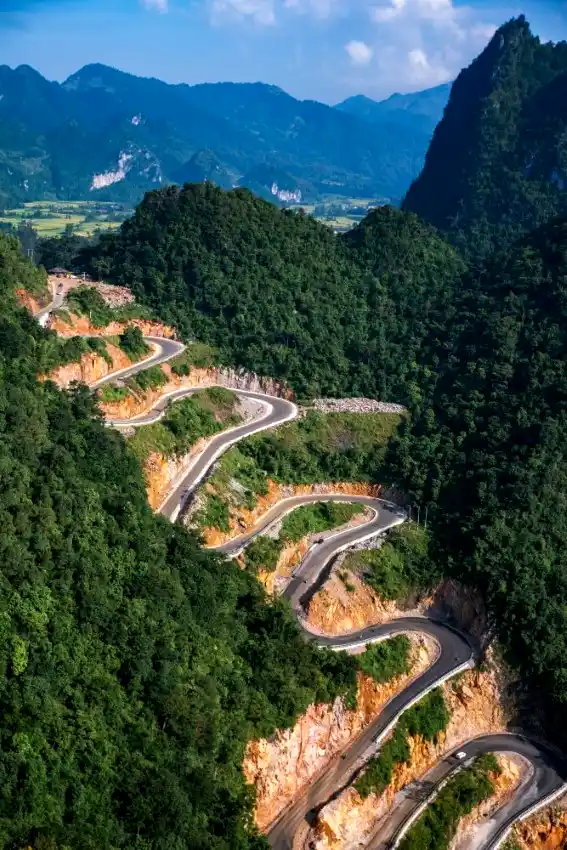
To tackle the Ha Giang Loop, you’ll base yourself in Hanoi first, then head north to Ha Giang City and point your bike up the QL4C. You wind through Quan Ba, Yen Minh, Dong Van, and Meo Vac before looping back on the QL34. This 4-day mountain circuit is no joke. Expect steep climbs, tight switchbacks, and massive drops looking down at the emerald Nho Que River far below.
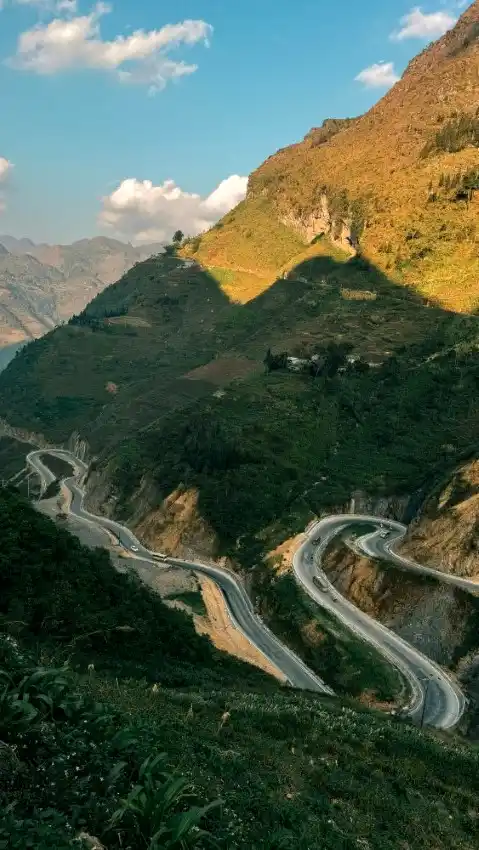
Navigating the northern mountain switchbacks
This northernmost province is home to some of the most dramatic, surreal landscapes in all of Southeast Asia. Leaving Ha Giang City behind, the road climbs straight up toward Heaven Gate pass in Quan Ba District. The tarmac clings to limestone peaks where Hmong, Tay, and Dao communities farm corn on impossibly steep slopes. It’s completely wild, and you’ll want to stop every ten minutes for photos.
The crown jewel is the Ma Pi Leng Pass, a stretch literally carved into the side of a cliff connecting Dong Van and Meo Vac. You’ll share the asphalt with local utility trucks, farm vehicles, and plenty of other riders. Keep your eyes on the road and your head on a swivel. Lean into the local habit of honking before blind corners to let oncoming traffic know you’re there. It sounds chaotic, it works beautifully.
If you’re planning to stay a night in Ha Giang City before or after the loop, Agoda has solid guesthouses and small hotels at every price point. You can also browse options on Booking.com if free cancellation matters to you.
Cultural etiquette on the northern loops
Riding through remote villages means being a respectful guest. If you’re staying in a traditional stilt house or homestay, always kick your shoes off at the door. Temples and pagodas mean dressing conservatively, shoulders and knees covered. Our full Vietnamese culture and etiquette guide goes deeper on all of this if you want to feel genuinely prepared.
Bargaining at places like the Khau Vai Love Market or the Sunday Dong Van Market is totally normal, but keep it light, friendly, and smiling. Aggressive haggling is a quick way to make everyone uncomfortable.
On the bright side, motorbike culture here is incredibly communal. If your bike breaks down, don’t panic. Local mechanics or passing riders will almost always pull over to help you out, usually just wanting a friendly chat in return. The Vietnam motorbike adventures guide has more on what to expect from the riding community up here.

Skip the bus-station haggling on your
way to Vietnam. Book online with 12Go,
get an e-ticket, and show it on arrival.
Refunds available on most routes.
How do you travel the Ho Chi Minh Highway?
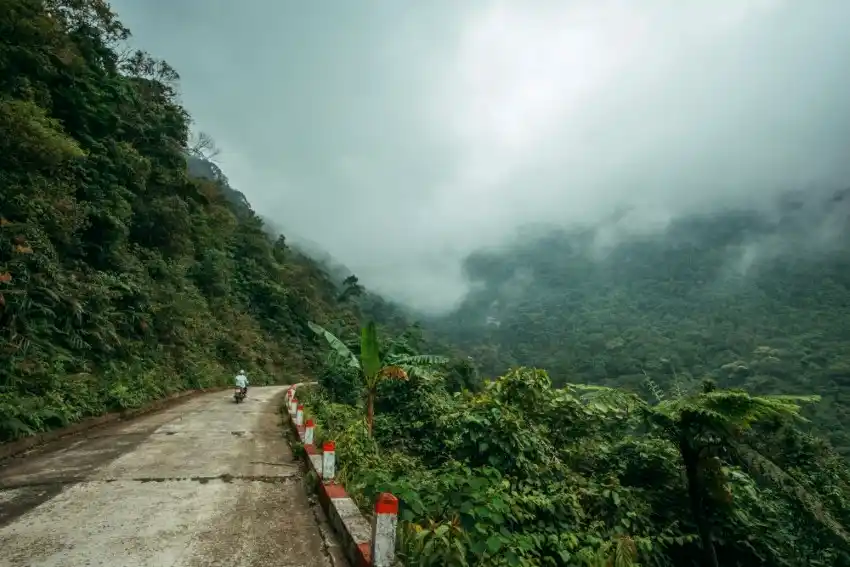
Cruising the Ho Chi Minh Highway means riding the inland Western or Eastern branches from Phong Nha down through Khe Sanh, Kon Tum, and into Da Lat. This massive route retraces historic wartime supply trails, taking you through thick jungle canopies, pine forests, and isolated mountain towns. It’s the kind of riding that feels genuinely epic. If you want background on the history you’ll be passing through, the Vietnam War history guide is worth reading before you set off.
Conquering the remote Western Branch
If you’re an experienced rider looking to get away from the crowds, the Western Branch of the Ho Chi Minh Highway (QL14) between Phong Nha-Ke Bang National Park and Khe Sanh is as good as it gets. This 240-kilometre stretch has virtually no petrol stations, villages, or cell service. It’s just a concrete road winding through pristine rainforest along the crest of the Truong Son Mountain Range.
You need to prepare for this leg. Fill your tank to the brim, carry extra petrol in plastic bottles, and download offline maps before you leave. Your reward is complete solitude among mist-shrouded peaks and raw, untouched history.
Transitioning into the Central Highlands
South of Khe Sanh, the scenery shifts as you climb into the Central Highlands toward Pleiku and Da Lat. The air gets crisp and cool, trading humid jungles for pine forests and endless coffee plantations. It’s a massive, welcome contrast to the coastal National Route 1A. When you roll into Da Lat after days of riding through jungle, that cool mountain air hits differently. Book ahead through Agoda for Da Lat, especially on weekends when Vietnamese domestic tourists fill up the good spots fast.
What is the best coastal motorcycle route?
The ultimate coastal run links Hue to Hoi An via the world-famous Hai Van Pass on National Route 1A. This beautiful 21-kilometre mountain pass climbs 500 metres above the East Vietnam Sea, serving up incredible views of Da Nang Bay and the quiet beaches of Lang Co Lagoon. Even riders who’ve done the big northern loops come away saying this stretch is their favourite single day of riding in the whole country.
Conquering the Sea Cloud Pass
The Hai Van Pass (which literally translates to “Sea Cloud Pass”) used to be a terrifying, choked bottleneck for big trucks. Since they opened an inland bypass tunnel, the old mountain road has transformed into a total playground for motorcyclists. The asphalt is wide, smooth, and packed with sweeping horseshoe turns where you can lean into the corners with a cool sea breeze on your face.
Stop at the old French and American military bunkers at the summit for panoramic views of the coast. From there it’s a long, fun cruise down past fishing shacks into Da Nang, before tracking the flat coast right into the lantern-lit streets of Hoi An Ancient Town. If you’re spending a night in Hoi An at the end of this run, check out where to stay in Hoi An to find the right neighbourhood for you. And while you’re there, Get Your Guide and Klook both have great half-day cooking classes and lantern-making experiences worth booking.
Should you buy or rent a motorbike in Vietnam?
This is the question every first-timer wrestles with, and the honest answer depends on how long you’re riding. For anything under two weeks, renting is almost always the smarter play. You hand back the bike at the end, someone else deals with the paperwork, and you’re not stuck trying to sell a semi-broken Semi-Automatic in Ho Chi Minh City traffic with a flight to catch in three hours.
The full details are in the renting motorbikes in Vietnam guide, but here’s the quick version. Good rental shops in Hanoi and Ho Chi Minh City offer one-way rentals where you pick up in the north and drop off in the south (or vice versa) for a small extra fee. This is genuinely the most popular option for north-to-south riders doing the classic overland route.
If you’re staying for a month or more and want the freedom of owning your wheels, you can buy a used semi-automatic for around 6,000,000 to 10,000,000 VND ($245 to $410 USD) and resell it at the other end. The bike comes with a blue registration card (Cà vẹt). Just know that you’ll likely lose 1,000,000 to 2,000,000 VND ($40 to $80 USD) on the resale, factor that into your budget upfront.

From boutique guesthouses to five-star
resorts, Agoda has Vietnam’s best stays
covered. Strong Asia inventory means
deeper discounts than you’d expect.
What should you pack for a Vietnam motorbike trip?
Gear matters a lot more on a long moto trip than most people expect. The motorbike trip essentials guide has the full packing breakdown, but the non-negotiables are a full-face helmet (not the cheap open-face ones rental shops hand you), a good rain jacket, gloves, and proper riding boots or at least ankle-covering shoes. Flip-flops on mountain switchbacks is not a vibe.
Pack light. Seriously. A 40-litre pack strapped to the back of a semi-automatic on a mountain pass is already testing the bike. Anything bigger becomes a genuine hazard in crosswinds. The 7kg carry-on challenge is worth reading if you tend to overpack, and the ultimate Vietnam packing list covers everything by region and season.
Also, stock a small first aid kit. Pharmacies in Vietnam are excellent and cheap, so you don’t need to bring everything from home, but having antiseptic, bandages, and rehydration sachets on the bike is just sensible. The Vietnam pharmacy guide tells you exactly what to buy locally once you arrive.

Land in Vietnam stress-free with a
pre-booked English-speaking driver.
Welcome Pickups offer fixed-price
transfers with flight tracking included.
Do you need travel insurance for a Vietnam motorbike trip?
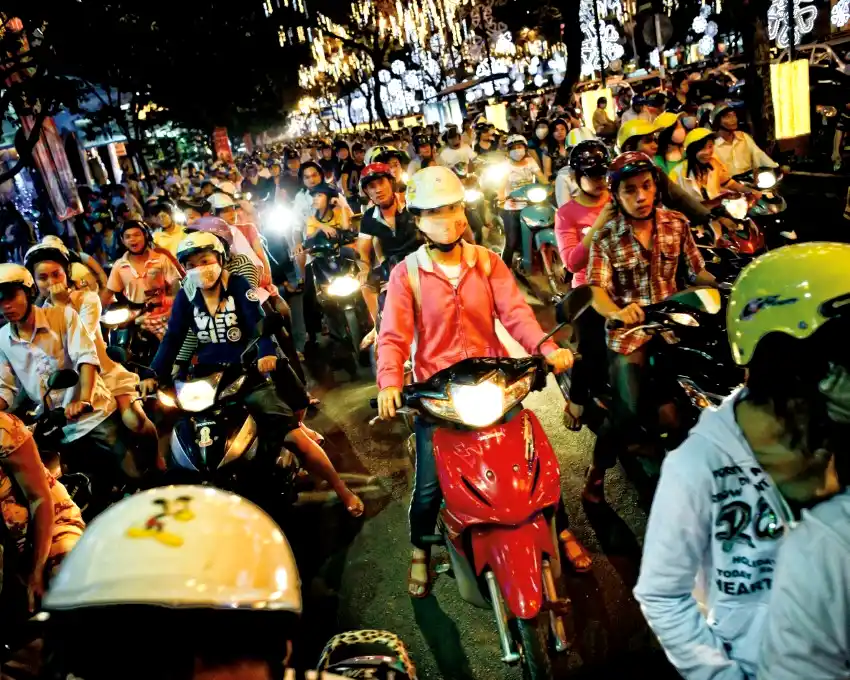
Yes, and this is one you genuinely cannot skip. Most standard travel insurance policies exclude motorbike riding, so you need to check your policy carefully or get one that explicitly covers it. A hospital stay in Vietnam after a road accident won’t bankrupt you like it would in the US, but it can still run into millions of VND fast, and medical evacuation for a serious injury is expensive anywhere in the world.
SafetyWing is popular with long-term riders and digital nomads for a reason. Their Nomad Insurance covers motorbike accidents up to 125cc (which covers most of the bikes tourists ride here) as long as you’re wearing a helmet. It’s subscription-based, affordable, and you can sign up from anywhere. Get the full picture from the travel insurance Vietnam guide before you decide.
Staying in Vietnam long term:
If you completely fall in love with life on the road, staying longer is surprisingly easy. That 90-day e-visa gives you plenty of time to slow the pace, explore hidden side roads, and settle into a routine. If you want to extend further, the long-term visas Vietnam guide walks through all the options.
Da Nang has become a massive hotspot for digital nomads, loaded with high-speed fibre internet, beachside cafes, and a booming expat scene. The Vietnam digital nomad guide covers the best bases if you’re thinking about planting a flag somewhere for a few months rather than just passing through.
Note for the Nervous Traveler:
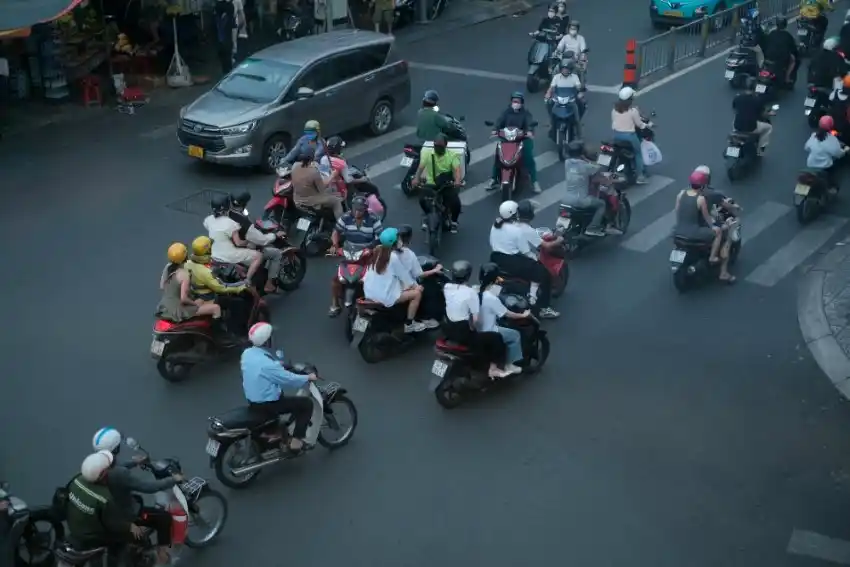
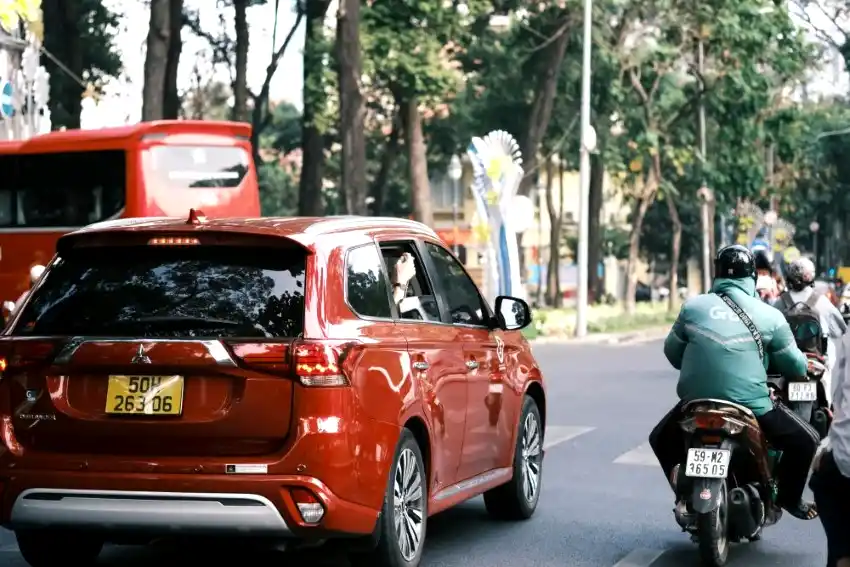
The chaotic swarm of city traffic can feel terrifying at first. The golden rule? Just keep moving forward predictably. Local drivers rarely check their mirrors, they just assume traffic behind them will flow around them like water around a rock. Avoid slamming on your brakes or making erratic lane changes. Go with the flow, literally.
When it comes to food safety, stick to places with a high turnaround. Look for stalls packed with locals on tiny plastic stools during the breakfast and lunch rush. The Vietnamese street food guide will get you pointed at the right stalls. For getting around cities safely without getting ripped off, skip street taxis and use ride-hailing apps. The Grab vs Xanh SM comparison breaks down which app to use and where.
If you’re still deciding whether Vietnam is the right trip for you, Is Vietnam Safe gives an honest, no-drama take on what to actually expect.
Pro Tips For Stress Free Travel:
Before you head out, get your phone loaded with the right apps for navigation, rides, and offline maps. Always keep physical cash on you. Rural areas completely ignore plastic and digital payments, and you’ll be in rural areas a lot.
Money: The currency is the Vietnamese Dong (VND). Roadside noodle shops, petrol stations, and mechanics are strictly cash-only. Always carry at least 500,000 VND ($20 USD) broken into 20,000 and 50,000 notes. Paying for a 30,000 VND bowl of soup with a 500,000 VND note in a tiny village will not go down well. The Vietnam currency guide covers ATMs, card use, and avoiding bad exchange rates.
Where to Stay: Agoda is the go-to for locking down guesthouses ahead of time, especially in smaller towns off the main tourist trail where inventory is thin. Booking.com is a solid backup if free cancellation is important to you.
Tours & Activities: Use Get Your Guide and Klook to book cave tours, day trips, and boat rides along the route. Both have decent options for Phong Nha, Hoi An, and the Mekong Delta.
Staying Connected: Grab an eSIM from Yesim for instant data so you don’t lose your maps on remote highways. It works in Vietnam and if you’re continuing to other countries in the region, it covers those too. For the full breakdown on data options, see the Vietnam SIM cards and internet guide.
Privacy: On hostel and cafe Wi-Fi, run NordVPN to keep your data safe.
Insurance: Sort SafetyWing before you fly. Motorbike-specific cover is essential and it’s one of the few mainstream travel insurers that actually includes it for bikes under 125cc.
Airport Transfers: For getting from the airport to your starting point without faff, Welcome Pickups offers flat-rate transfers with no surge pricing. Worth it after a long flight before you’ve figured out the roads.


Skip the airport kiosk queue in Vietnam.
Airalo’s eSIMs are pre-loaded before
you fly and ready to switch on the
instant you connect to the network.
Frequently Asked Questions:
Can you buy a motorbike in Vietnam as a tourist?
You can easily buy a cheap, used bike that comes with a blue registration card (Cà vẹt). However, registering a brand-new bike in your name requires a residency card or a long-term work permit. Most backpackers just rent long-term from solid shops in Hanoi or Ho Chi Minh City that let you drop the bike off at the opposite end of the country.
What happens if you get stopped by the police?
If you get pulled over, just stay calm, smile, and be respectful. Show them your International Driving Permit (IDP), your home country bike licence, and the bike’s registration card. Stick to the speed limits and follow local traffic rules, and you likely won’t have any issues.
What is the best time of year to ride across Vietnam?
The sweet spot for riding the whole country is from January to April. This is when the northern mountain passes dry out after the freezing winter mists, and the central coast and southern plains are beautiful and warm before the heavy summer monsoons hit.
Do I need an International Driving Permit to ride in Vietnam?
Yes. To ride legally in Vietnam, you need a valid motorcycle licence from your home country paired with an International Driving Permit (IDP). Riding without one puts you at risk of fines and means your travel insurance almost certainly won’t cover you in the event of an accident.
What type of motorbike is best for a Vietnam road trip?
For most routes, a 110cc or 150cc semi-automatic (like a Honda Win or Yamaha Exciter) is the sweet spot. They’re cheap to buy or rent, easy to maintain, and local mechanics can fix anything on them. For the Ho Chi Minh Highway‘s rougher stretches and the Ha Giang Loop, a more powerful 150cc+ manual bike gives you extra confidence on steep climbs. Avoid big adventure bikes unless you really know what you’re doing with local mechanics.
How much does fuel cost for a Vietnam motorbike trip?
Petrol costs around 22,000 to 25,000 VND ($0.90 to $1.00 USD) per litre at the time of writing. A typical semi-automatic gets around 30 to 40 kilometres per litre, so a full day of riding (150 to 200 km) will cost roughly 100,000 to 165,000 VND ($4 to $7 USD) in fuel. Remote western route segments require you to carry extra fuel in plastic bottles as stations can be 100+ km apart.
Is it safe to ride the Ha Giang Loop solo?
Plenty of riders do it solo and have an incredible time. That said, it’s a genuinely challenging route with steep drops, loose gravel sections, and very limited phone signal. Going with at least one other rider gives you a safety net if something goes wrong mechanically or you take a spill. If you do go solo, always tell your guesthouse your planned route for the day.
What happens if my bike breaks down on a remote route?
Local mechanics (called thợ sửa xe) are scattered along most main routes, even fairly remote ones, and they are remarkably skilled at improvising fixes with minimal parts. Look for a shop with tyres hanging outside. If you genuinely break down in the middle of nowhere, stay with the bike and flag down another rider or truck. The motorbike community in Vietnam is incredibly helpful and someone will stop.
Can you ride a motorbike in Vietnam on a car driving licence?
No. Your IDP and home-country licence must specifically include a motorcycle category. A car-only licence does not cover you to ride a motorbike, and riding on an invalid licence will void any travel insurance claim if you have an accident.
What are the biggest mistakes first-time Vietnam motorbike riders make?
The most common ones: starting too fast and burning out in the first few days, not carrying enough cash for rural areas, wearing flip-flops or sandals (a terrible idea on mountain roads), skipping travel insurance, and ignoring the weather forecast on mountain routes. Rain on the Ha Giang Loop turns some switchbacks genuinely treacherous. Check the weather each morning and be willing to delay a day if conditions look bad.