Flying With Pets To Vietnam
Vietnam is a fantastic place to relocate with a pet, the climate suits animals well, the expat communities are welcoming, and the vet infrastructure in the major cities is genuinely impressive. Getting your dog or cat through the door just takes some advance planning. Nail the paperwork, pick the right airline, and the arrival process is straightforward. Here’s everything you need to know.
The Quick Summary:
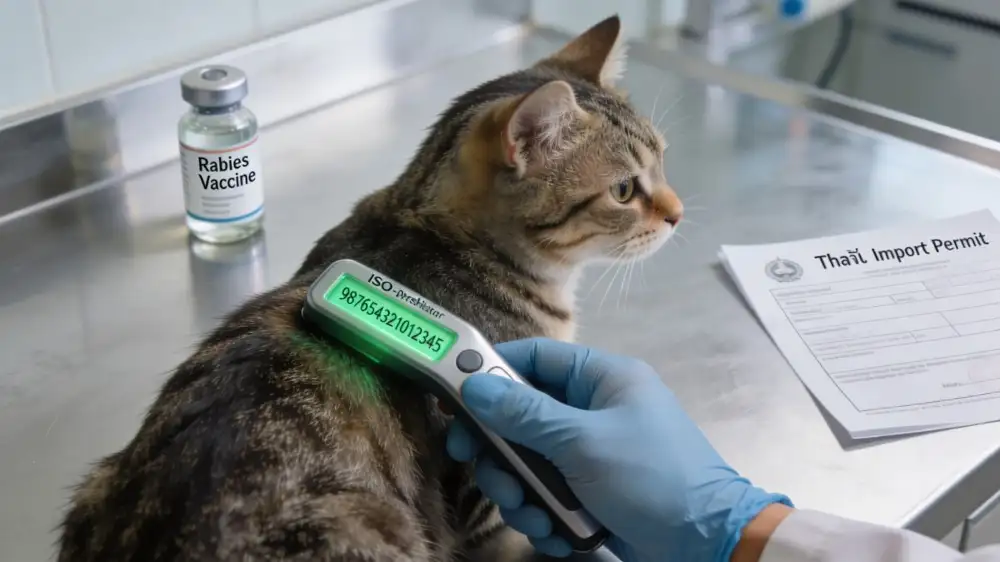
- Entry Requirements: A 15-digit ISO microchip, a rabies vaccination administered between 30 days and 12 months before arrival, and a government-endorsed international health certificate issued within 7 days of the flight.
- Quarantine: Zero mandatory quarantine days for dogs and cats arriving with complete, correct paperwork and a clean health inspection at the airport.
- Pet Limits: Up to two pets per traveller under personal relocation rules, without needing a commercial import permit.
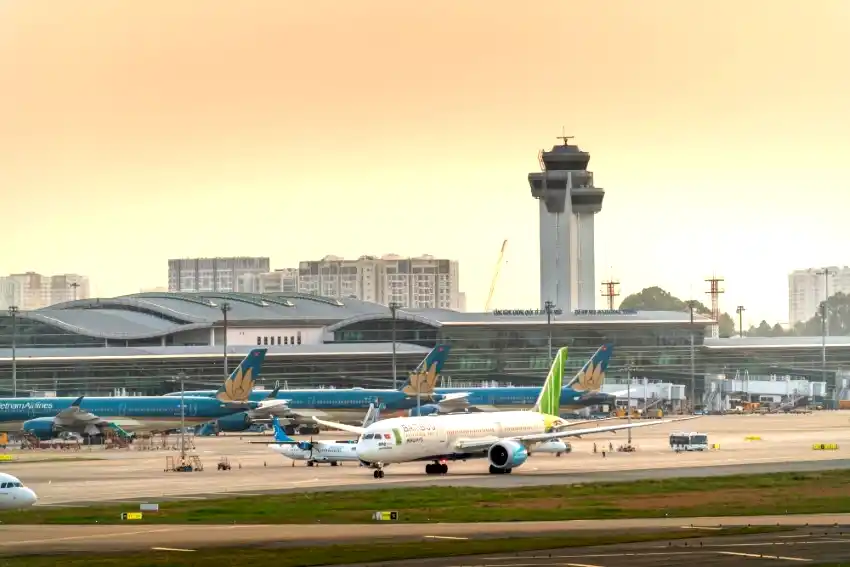
- Approved Entry Airports: Noi Bai International (Hanoi), Tan Son Nhat International (Ho Chi Minh City), and Da Nang International Airport.

Compare hotel prices across Vietnam’s best
neighbourhoods and book with confidence.
Filter by budget, location, or guest score
to find the right stay for your trip.
What Documents Does Your Pet Need?
Getting the paperwork right is genuinely the whole game here. Vietnam’s border animal quarantine officers are thorough, and a single missing or incorrectly dated document can cause serious delays. Here’s the full picture.
The microchip must be implanted before or on the exact same day as the rabies vaccination, never after. Vietnam rejects the three-year rabies vaccine protocol, so annual boosters are required regardless of what your home country uses. A rabies titre test isn’t strictly mandatory for most Western nationals, but carrying one removes any ambiguity during long transits.
Dogs also need protection against Distemper, Hepatitis, Leptospirosis, and Parvovirus. Cats need Feline Panleukopenia, Calicivirus, and Rhinotracheitis vaccinations. Internal and external parasite treatments must be administered within 7 days of travel, with the product names and dates explicitly recorded on the health certificate.
| Document | Validity Window | Endorsing Authority |
|---|---|---|
| Microchip Certificate | Lifetime of pet | Licensed Veterinarian |
| Rabies Vaccination Certificate | 30 days to 12 months prior to arrival | Government-approved vet |
| International Health Certificate | Within 7 days of arrival | USDA (US), DEFRA (UK), or equivalent |

Skip-the-line tickets, guided walks,
and Vietnam day trips with English
guides. Read reviews from real travellers
before committing to a single one.
Choosing the Right Airline and Crate
Your airline choice shapes the entire journey experience for your pet. Vietnam Airlines allows small dogs and cats in-cabin on select routes if the combined weight of the animal and carrier stays under 6kg. Larger animals fly as checked baggage in temperature-controlled holds up to 32kg, or as manifest cargo for anything heavier or unaccompanied.
For connecting flights, routing through Taiwan via EVA Air or South Korea via Asiana Airlines offers reliable animal handling standards. Avoid routing through countries with complex transit pet restrictions, the layover paperwork adds unnecessary risk. Your crate must be strictly IATA-compliant: solid leak-proof floor, ventilation on multiple sides, and secure metal fasteners.
Pro Tip: Don’t use a soft-sided carrier for long-haul flights unless you have a written guarantee of cabin placement for the entire journey. Ground crews at intermediate hubs will refuse boarding if a regional aircraft requires a cargo transfer and your crate doesn’t meet hard-sided standards.

Airalo covers Vietnam with a range of
data plans from a few days to a month.
No physical SIM swap, no roaming bill
shock when you check back in at home.
What Happens at Vietnamese Customs?
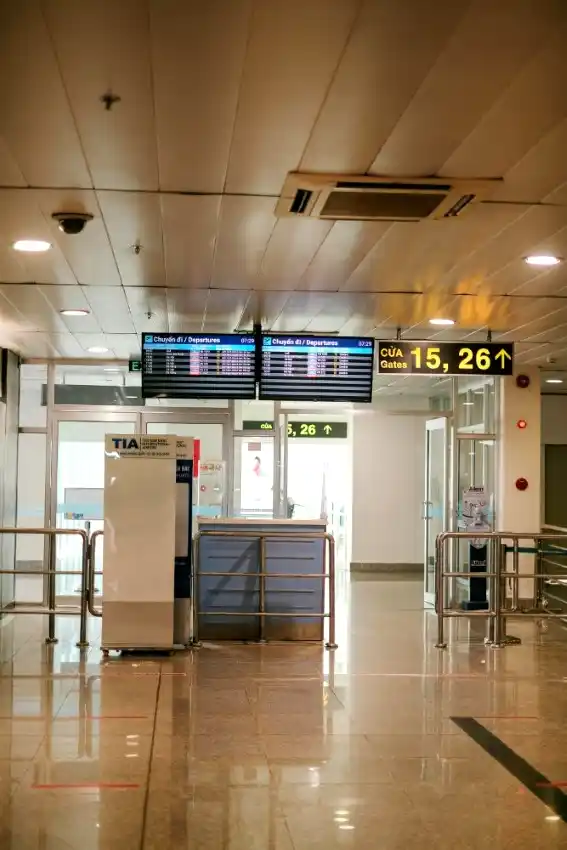
This part is less stressful than most people anticipate. Once you land at Tan Son Nhat or Noi Bai, collect your pet from the oversized baggage area or dedicated cargo terminal, then head directly to the animal quarantine station before going through human immigration.
The quarantine officer scans the microchip with a handheld reader and cross-references it against your paperwork. If everything lines up, and it will, if you’ve followed the steps, they issue a domestic veterinary clearance certificate on the spot. The inspection fee runs under 500,000 VND ($20 USD) per animal, payable in cash at the desk. Bring smaller bills; this isn’t a place that easily makes change for large notes.
The whole process typically takes 20 to 40 minutes. Keep your originals in a dedicated folder, not buried in a bag, so you can hand everything over quickly and calmly.

From caves and cruises to cooking
classes, Klook covers Vietnam’s best
experiences. Hotel pickup is often
included and prices are usually lower.
Getting Around Vietnam With Your Pet
Public trains and long-distance sleeper buses don’t allow animal passengers, so your options are ride-hailing apps, private car transfers, or specialist pet transport agencies for longer intercity moves.
Grab and Xanh SM don’t have a formal pet policy, which means individual drivers can refuse. Always message the driver immediately after booking via in-app chat, let them know you have a pet in a secure crate, and offer a small tip of 50,000–100,000 VND ($2–$4 USD) toward any cleaning. Most drivers are genuinely fine with it once they know upfront. For intercity travel between cities like HCMC and Da Nang, booking a private driver through Klook or a local transport desk is the cleanest, least stressful option.
On foot, keep dogs on a short lead at all times. Vietnam’s streets look chaotic but follow a rhythm, cross at a steady, predictable pace and riders will steer around you. Your pet, however, may startle unpredictably, so keep the lead short and your grip firm.
Settling In: Health and Day-to-Day Life

Vietnam’s tropical climate means year-round heartworm, tick, and flea pressure, start preventative treatments immediately upon arrival rather than waiting to see if it becomes an issue. For food, stick to premium imported brands (Royal Canin, Science Diet, Orijen) available at specialist clinics and larger supermarkets in HCMC, Hanoi, and Da Nang. Local market food for pets is a gamble not worth taking.
Stray animals are common outside the major cities. Keep your pet’s core vaccinations current and avoid letting them interact with strays. Keep a digital copy of all medical records in cloud storage, you’ll want instant access if you ever need to visit an emergency vet clinic, and having everything organised makes follow-up appointments far smoother.

Stay online across Vietnam without the
daily-data limits of standard tourist
SIMs. Yesim’s eSIM offers unlimited 5G
from around $10 for the whole trip.
Frequently Asked Questions:
Is there a mandatory quarantine for pets arriving in Vietnam?
No, zero days of mandatory quarantine for dogs and cats, provided your paperwork is complete and correct and your pet passes the physical health inspection at the airport. Get the documents right and you’ll walk out of the airport with your pet the same day you land.
Can pets fly in the cabin on flights to Vietnam?
Yes, on certain carriers. Vietnam Airlines allows small dogs and cats in-cabin on select international routes if the combined weight of the animal and carrier stays under 6kg. Always confirm directly with your airline before booking, as policies differ by route and aircraft type.
How much does pet customs clearance cost at the airport?
The government animal quarantine inspection fee typically runs between 200,000 VND and 500,000 VND ($8–$20 USD) per animal, paid in cash at the quarantine desk on arrival. Bring smaller denomination notes, large bills can be difficult to change at the inspection station.
Are any dog breeds banned from entering Vietnam?
Vietnam doesn’t maintain an official published list of banned breeds for personal imports. However, individual airlines frequently restrict brachycephalic breeds, pugs, bulldogs, French bulldogs, and similar flat-faced dogs, due to respiratory risks during flight. Check your specific airline’s breed restrictions before booking, not just Vietnam’s entry rules.