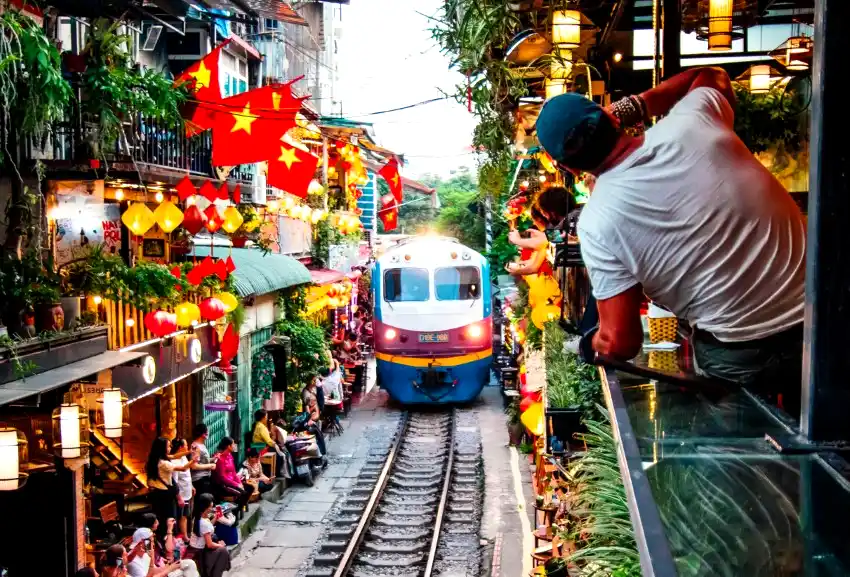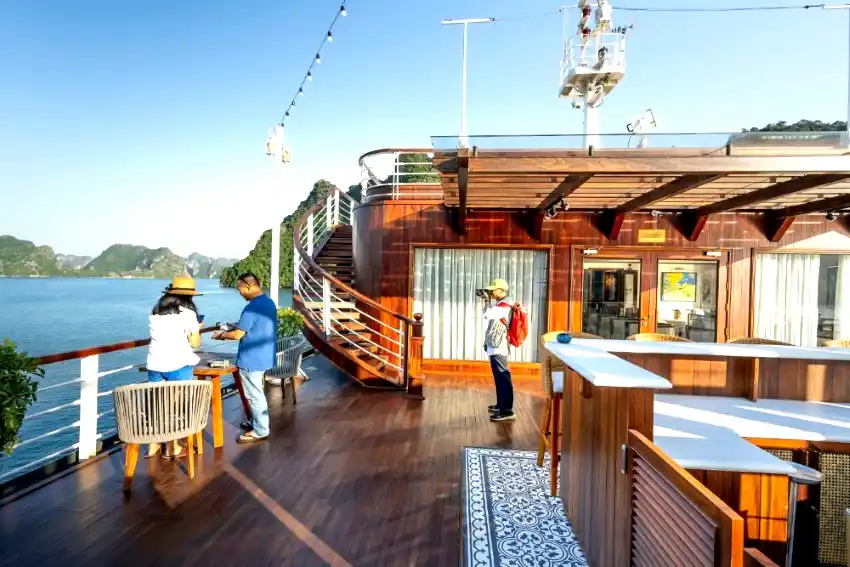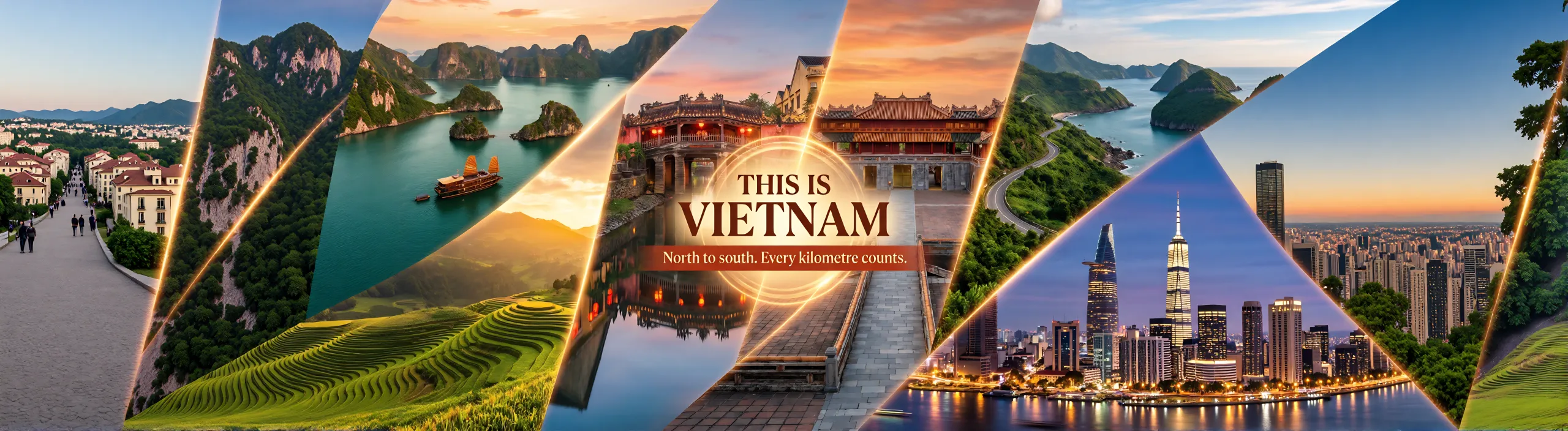
Vietnam Festivals Guide
Vietnam is a nation defined by its celebration cycles. The local calendar harmonizes with agricultural rhythms, lunar shifts, and deep spiritual devotion, transforming cities and villages into massive open-air theaters of tradition.
The Quick Summary:
- Regional Vibe: Northern festivals lean heavily into historic and ancient agricultural rituals. Central celebrations favour a sense of imperial dignity and grand artistry, while Southern gatherings showcase a diverse mix of ethnic and commercial energy.
- Entry Requirements: Most travellers use the official electronic portal to snag a 90-day e-visa (or take advantage of a 45-day visa exemption if their country qualifies), which makes planning around major national holidays a breeze.
- Budgets: Expect accommodation and domestic transport costs to spike by 30% to 50% during Tet. Smaller, regional lunar celebrations don’t require any extra financial outlay at all.
- Getting Around: Sleeper buses and trains book out weeks in advance for major spring celebrations. If travelling during peak dates, sticking to localised city exploration is your best bet.

Skip the planning headache for Vietnam.
Klook offers day tours, tickets, and
experiences from around $25, with
instant confirmation to your phone.
When to Catch the Best Festivals
The absolute best festivals in Vietnam happen during the spring months of January to March, and again during the mid-autumn celebrations in September and October. These windows align with the most important phases of the lunar calendar, giving you comfortable, temperate weather alongside some of the most vibrant cultural gatherings you’ll ever see.
| Festival Name | Lunar Calendar Date | Primary Location | Signature Highlight |
|---|---|---|---|
| Tet Nguyen Dan | 1st Day of 1st Lunar Month | Nationwide (Hanoi / HCMC) | Lunar New Year, family altars, quiet city streets, peach blossoms |
| Lim Festival | 12th–13th Day of 1st Lunar Month | Bac Ninh Province | Traditional Quan Ho vocal duets performed on dragon boats |
| Perfume Pagoda Festival | 6th Day of 1st Lunar Month to 3rd Lunar Month | My Duc District, Hanoi | A massive spiritual pilgrimage down the river and into a sacred cave temple |
| Hue Festival | Biennial (typically Apr–Jun) | Hue Citadel | Royal court music, traditional dance, and grand historical reenactments |
| Hoi An Lantern Festival | 14th Day of Every Lunar Month | Hoi An Ancient Town | Every modern light is cut as thousands of silk lanterns illuminate the river |
| Mid-Autumn Festival (Tet Trung Thu) | 15th Day of 8th Lunar Month | Hanoi Old Quarter / Cho Lon | Lion dances, vibrant toy markets, and endless mooncakes for families |
What Makes Each Festival Unique?
Northern festivals are rooted in ancient agricultural rituals and village community identity. Central celebrations channel imperial heritage and artistic grandeur. Southern gatherings pulse with commercial energy and ethnic diversity. Each region offers a completely different window into Vietnamese culture, and visiting more than one is well worth planning around.
Tet Nguyen Dan
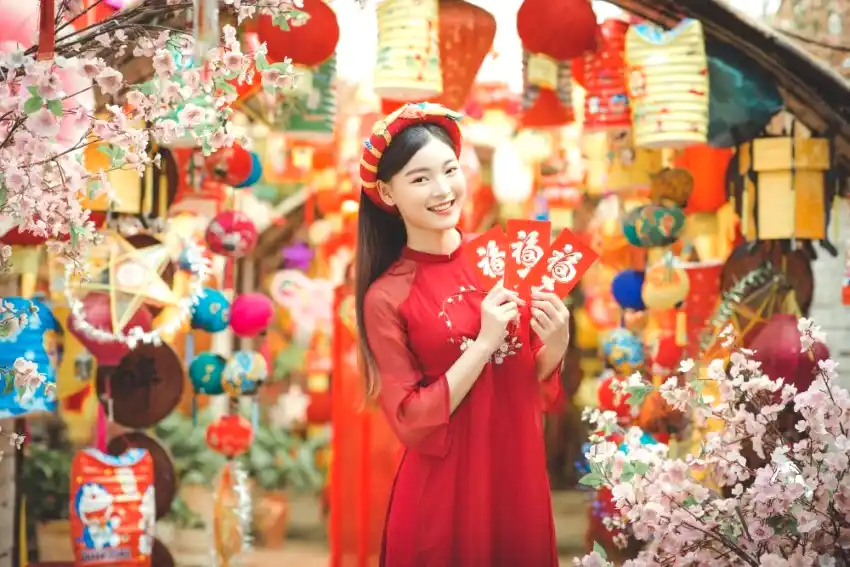
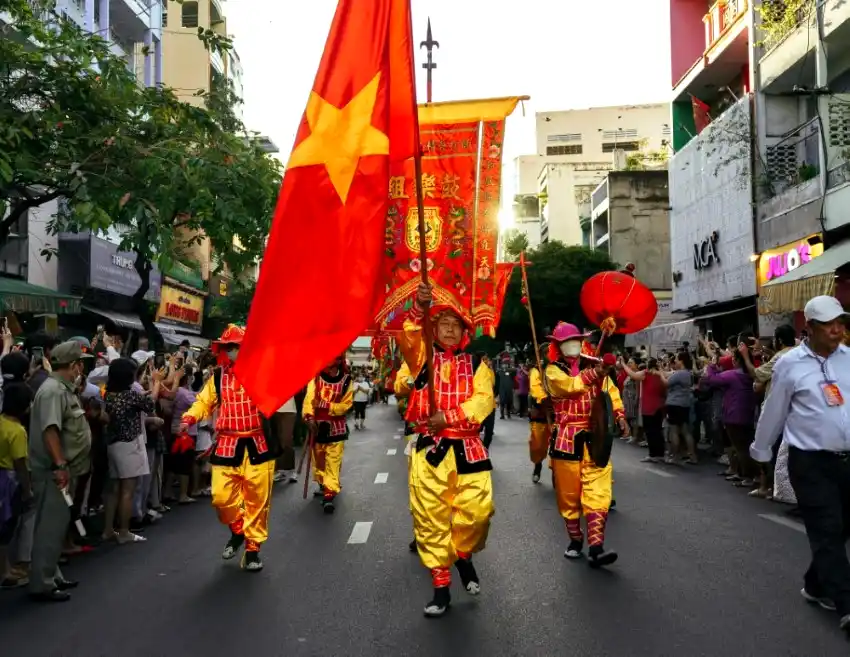
Tet Nguyen Dan is the Vietnamese Lunar New Year, easily the most significant ancestral and family holiday of the year. Businesses close completely and millions of people travel across the country to return home.
In Hanoi, the usually chaotic streets around Hoan Kiem Lake grow silent as families gather indoors. Just before the holiday, flower markets like the Quang Ba night market overflow with stunning peach blossoms and kumquat trees. Keep in mind that almost all commercial activity stops for three to five days.
The Lim Festival
Located in Bac Ninh province, just a short drive out of Hanoi, the Lim Festival celebrates the beautiful art of Quan Ho folk singing.
Performers dress in stunning traditional four-part dresses (ao tu than) and wide-brimmed woven hats (non quai thao), singing intricate vocal duets to each other from dragon boats floating on communal village ponds.
The scene is rounded out by traditional games like human chess, giant bamboo swings, and local wrestling matches.
The Perfume Pagoda Festival
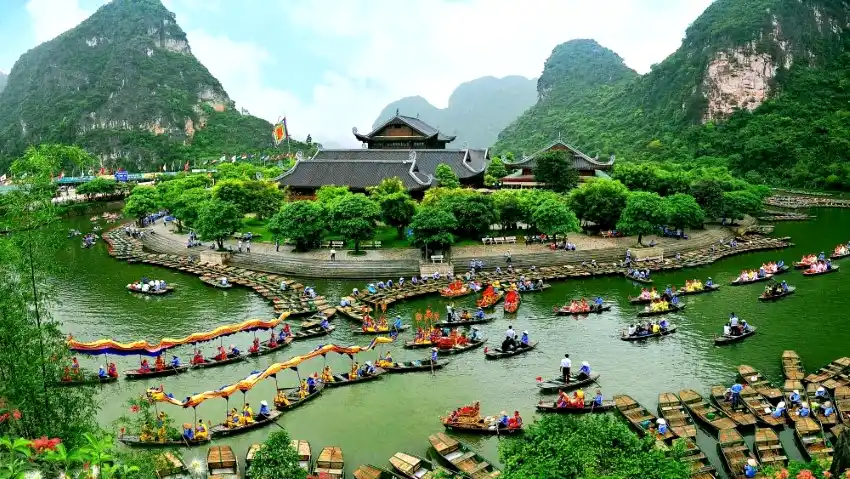
The longest-running religious gathering in the country. Pilgrims travel out to the My Duc District, boarding metal sampan boats rowed by local villagers down the scenic Yen Stream.
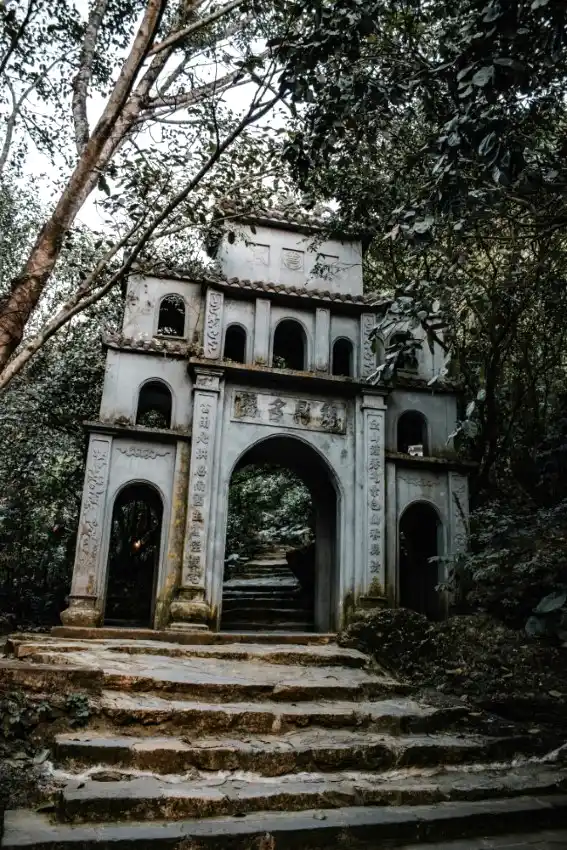
After gliding past dramatic limestone karsts, you’ll climb hundreds of stone steps up to the Huong Tich cave temple. The air inside is thick with incense smoke and Buddhist chanting, a powerful experience for anyone seeking blessings for the new year.
The Hue Festival
Down in Central Vietnam, the biennial Hue Festival honours the rich cultural legacy of the old Nguyen Dynasty.
The ancient grounds of the Hue Imperial Citadel transform into a massive stage for royal court music (Nha Nhac), traditional dances, and historical reenactments.
It’s a highly structured, incredibly artistic showcase of regional heritage that contrasts beautifully with the rustic village festivals of the north.
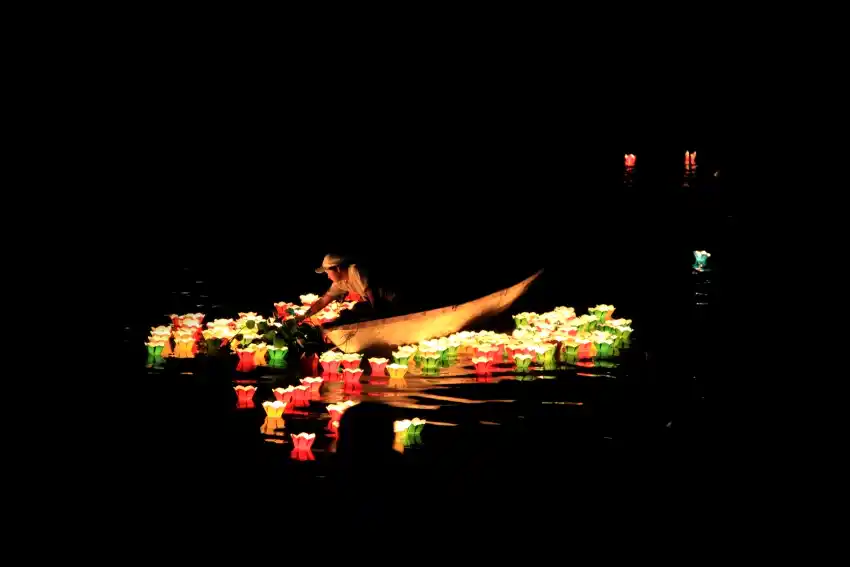
The Hoi An Lantern Festival
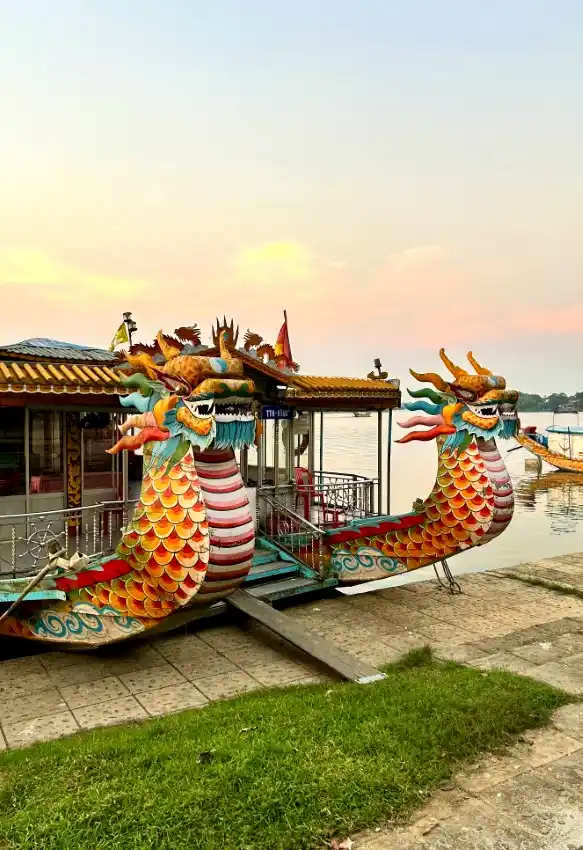
Every month on the 14th day of the lunar cycle, the historic riverside trading port transforms into a glowing, vehicle-free sanctuary.
Local residents extinguish all modern electric lights in the ancient town centre, replacing them with gorgeous silk lanterns that illuminate centuries-old timber architecture.
For a more authentic experience, step away from the crowded An Hoi Bridge and wander down the darker side streets near the Japanese Covered Bridge, where local families set up small altars to burn votive paper.

Compare hotel prices across Vietnam’s best
neighbourhoods and book with confidence.
Filter by budget, location, or guest score
to find the right stay for your trip.
Pro Tips For Stress Free Travel:
- Ride-Hailing Apps: Download Grab, Xanh SM, or Be before you arrive. These platforms give you clear, transparent pricing for both motorbikes and cars, saving you from having to argue over fares during busy festival nights.
- Hotels & Day Trips: Lean on Agoda or Booking.com to lock in your central hotel rooms well ahead of major national holidays, and use Klook or Get Your Guide to book guided transfers to festival sites like the Perfume Pagoda.
- Connectivity: Grab a local eSIM via Yesim or buy a physical SIM card right at the airport so you have instant data for maps and translation. Use a reliable VPN like Nord VPN to keep your personal data secure when logging onto public festival Wi-Fi networks.
- Cash is King: Always carry physical Vietnamese Dong (VND) in smaller bills (like 20,000, 50,000, and 100,000 VND). Festival street vendors and temple donation boxes don’t take cards, and small stalls will struggle to break a large 500,000 VND note.


Maps, Grab, translation apps, all need
data in Vietnam. Yesim’s eSIM installs
in a minute and gives you reliable 5G
from the moment you arrive.
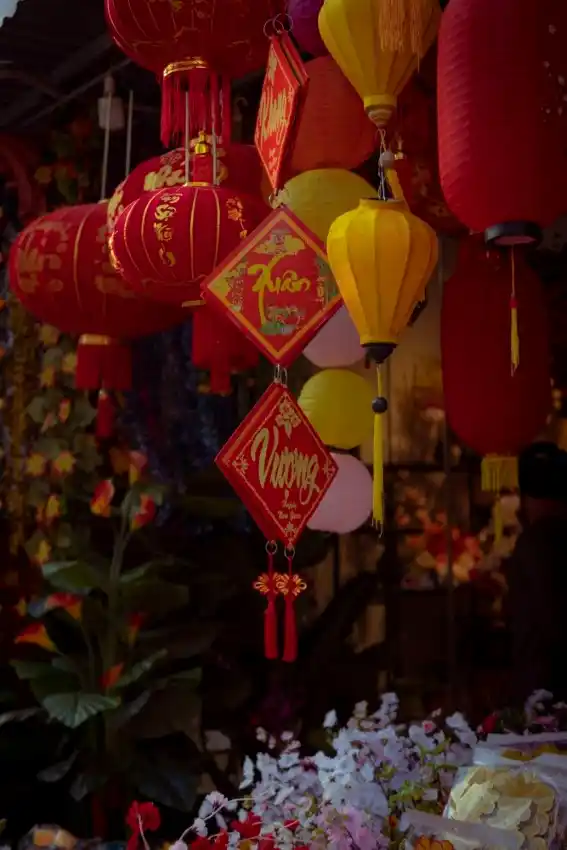
How to Handle Tet Without Getting Stuck:
To survive Tet as a traveller, you must secure accommodations months in advance, rely on walking or local city transport, and be ready to embrace a quiet, residential side of the major cities. Finding food takes a bit of strategy, traditional street food stalls close so vendors can spend time with their families, though high-end hotels and a selection of international spots stay open.
Pro Tip: Handing a small bonus or gifting fresh VND bills in bright red envelopes to hotel staff is a wonderful way to show respect during Tet. One golden rule for shopping: never try to haggle on the very first day of the lunar year, it’s considered terrible luck for the merchant, so just accept the stated price with a smile!
A Note for Nervous Travellers:
Attending large public festivals in Vietnam is incredibly safe, but the sheer volume of people means you need to stay alert.
Petty crimes like pickpocketing can happen in dense crowds around Hoan Kiem Lake or the Hoi An riverfront, so keep your smartphone and wallet secure in a front-facing cross-body bag.
Traffic gets notoriously intense in the days leading up to Tet, with roads heading to airports and train stations experiencing massive gridlock.
Use registered ride-hailing apps rather than waving down random cars for transparent pricing.
For festival food safety, pick stalls where dishes are cooked blazing hot right in front of you, and choose popular vendors where local families are willingly lining up.
Skip-the-line tickets, guided walks,
and Vietnam day trips with English
guides. Read reviews from real travellers
before committing to a single one.
Frequently Asked Questions:
Can tourists actually participate in Tet celebrations?
Tourists can absolutely enjoy the high-energy preparation phases, the bustling flower markets, and the massive public fireworks displays. However, actual Tet Day is a deeply private family affair. Just be prepared for incredibly quiet streets, closed shops, and very limited restaurant options in the major cities for a few days.
What should I wear to a temple festival?
Modest clothing is an absolute must. Make sure your shoulders and knees are fully covered, skip the tank tops, sleeveless shirts, or short skirts. Also remember to remove your hat and sunglasses before walking into the inner sanctuary areas of pagodas and communal houses.
Is the street food safe to eat during busy festivals?
Yes, as long as you use common sense. Stick to vendors with a high customer turnover where the food is being fried, boiled, or grilled over high heat immediately before it’s handed to you. It’s best to avoid raw vegetables or pre-cut fruits from temporary festival carts.
How far in advance should I book accommodation for Tet?
For Tet, book as early as possible, ideally three to six months in advance. Accommodation prices spike by 30% to 50% and quality rooms in central locations sell out extremely fast. For smaller regional festivals outside of Tet, one to two months ahead is usually sufficient.