
Phu Quoc vs Nha Trang: Which Beach is Right for You?
Choosing between the tropical seclusion of an island and the buzzing energy of a coastal city shapes everything about a Vietnamese beach holiday. Phu Quoc offers calm Gulf of Thailand waters, secluded resort enclaves, and a handy visa perk that no other destination in Vietnam can match. Nha Trang delivers a dramatic mountain-backed skyline, world-class scuba diving, and a nightlife strip that genuinely delivers. Both are brilliant. The question is which one suits you.
The Quick Summary:
- Budgets: Nha Trang wins for backpackers and budget travellers. Phu Quoc skews mid-range to luxury, with island import costs pushing prices up across the board.
- Visa Perks: Phu Quoc offers a unique 30-day visa exemption for all nationalities arriving directly on the island. Nha Trang requires a standard Vietnamese e-visa.
- Vibe: Nha Trang is a high-rise, high-energy coastal city with a pumping nightlife strip along Tran Phu Street. Phu Quoc is all about relaxed, self-contained resort life and sundowners on the beach.
- Best Time to Visit: Phu Quoc shines from November to April. Nha Trang’s dry season runs from January to August, making it a genuinely strong summer pick.
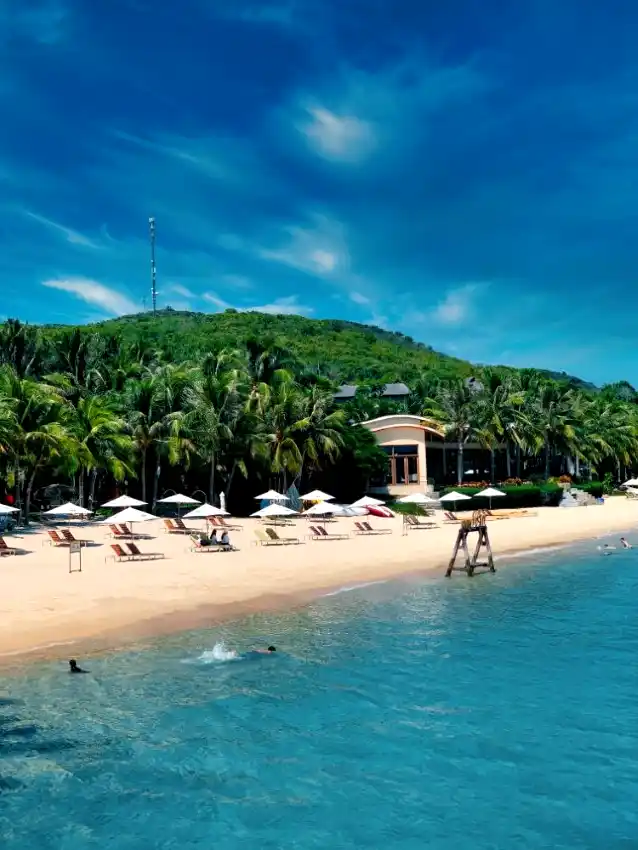

Lock in your Phu Quoc accommodation early
and beat peak-season price hikes.
Agoda’s filters let you compare options
side by side before you commit.
Which Destination Best Matches Your Travel Style?
These two destinations cater to very different kinds of coastal traveller. Phu Quoc is built for those who want to switch off, dig their toes into powder-soft sand, and watch the sky turn amber from a beachfront sun lounger. Nha Trang is for those who want an active, city-connected beach break with diving, history, and a late night out all rolled into one trip.
| Feature | Phu Quoc Island | Nha Trang Coastal City |
|---|---|---|
| Primary Vibe | Laid-back resort island with quiet bays | Energetic coastal city with a high-rise skyline |
| Visa Requirement | 30-day free exemption if flying direct | Standard Vietnamese e-visa required |
| Peak Weather Season | November to April | January to August |
| Average Mid-Range Daily Cost | 1,500,000 VND (~$59 USD) | 1,100,000 VND (~$43 USD) |
| Primary Marine Activity | Shallow reef snorkelling and kayaking | PADI scuba diving and wreck diving |
| Best For | Families, couples, luxury seekers, slow travellers | Backpackers, divers, city explorers, expats |
What Are the Beaches and Marine Life Really Like?
Beach character is where these two destinations differ most dramatically. Phu Quoc’s western coastline offers calm, shallow, turquoise water that is genuinely ideal for families and nervous swimmers. Nha Trang’s main urban beach is backed by the city’s famous crescent of golden sand, with deeper, more powerful water and unbeatable offshore diving.
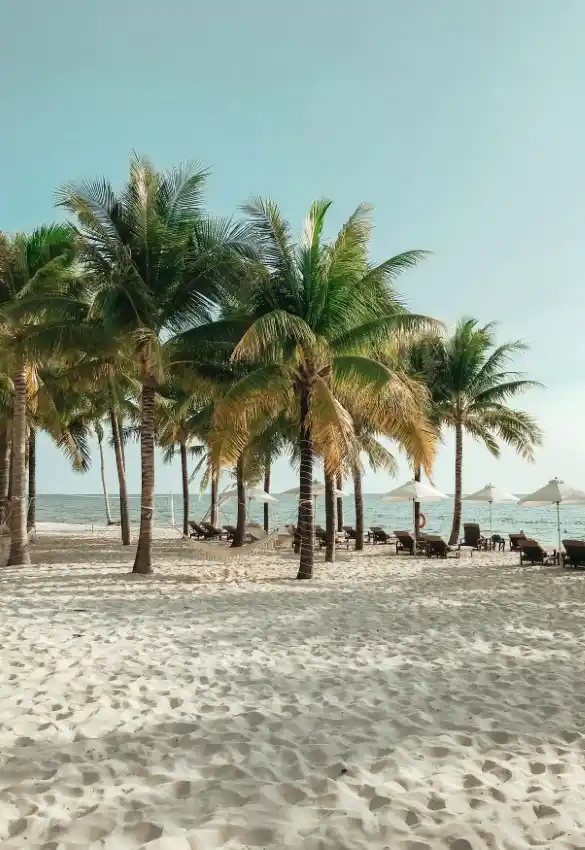
Sand, Water, and Swimming Conditions
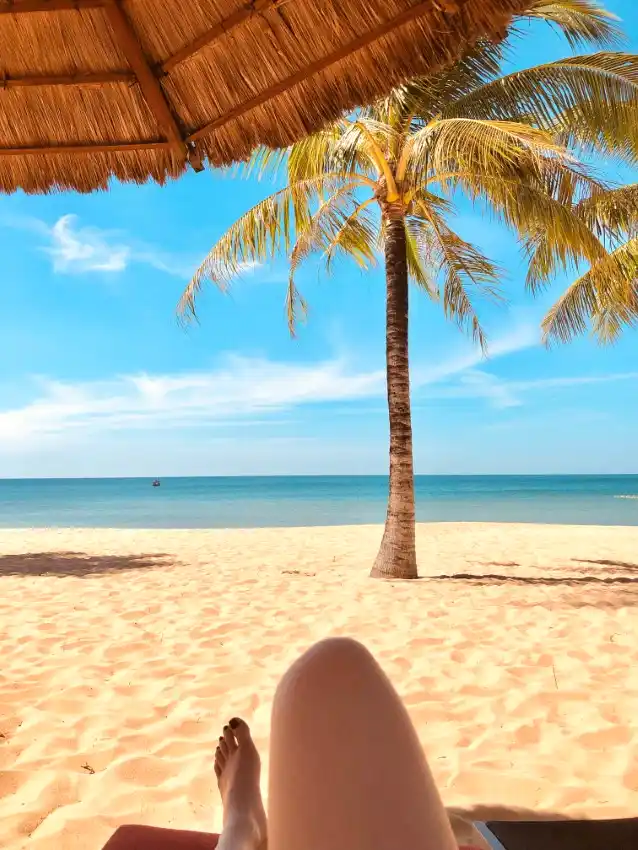
Phu Quoc’s Sao Beach and Khem Beach on the southeastern coast are genuinely world-class: fine, white powder sand and water so clear you can see your feet at chest depth. Long Beach on the western side stays wave-free throughout the dry season, which makes it perfect for young kids and leisurely paddling.
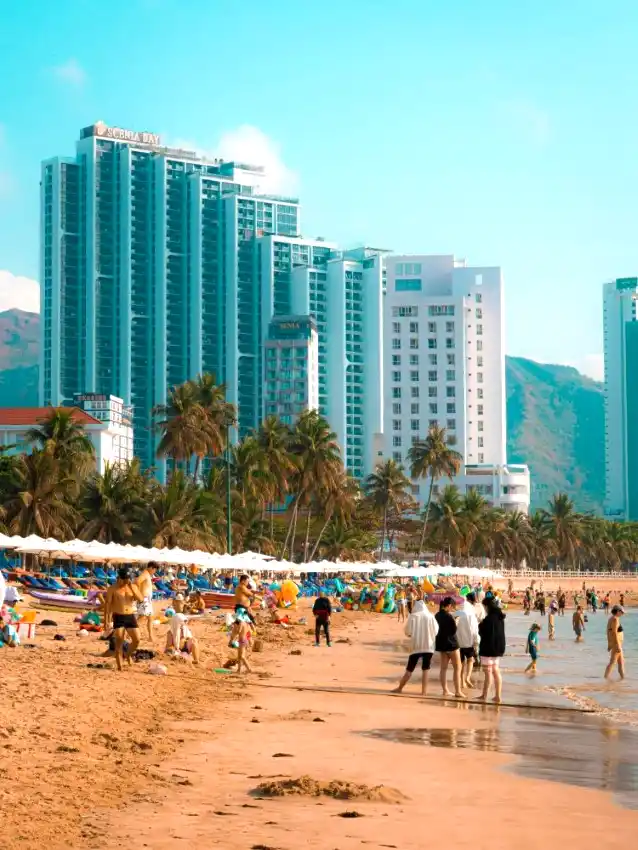
Nha Trang Beach has coarser golden sand and a steeper coastal drop-off. Waves can be powerful, which suits stronger swimmers and those looking for a more classic ocean experience. The water clears up beautifully near the offshore islands.
Snorkelling and Scuba Diving
For serious underwater exploration, Nha Trang is the clear winner. The protected marine reserve around Hon Mun Island offers genuine coral drop-offs, caves, and strong visibility. Multiple reputable PADI dive schools run daily excursions and certification courses, so it is a fantastic place to learn.
Phu Quoc offers lighter, casual snorkelling trips around the An Thoi Archipelago in the south. The coral gardens around Fingernail Island are colourful and enjoyable, but they are geared toward casual swimmers rather than committed divers. If scuba diving is your priority, Nha Trang wins decisively.
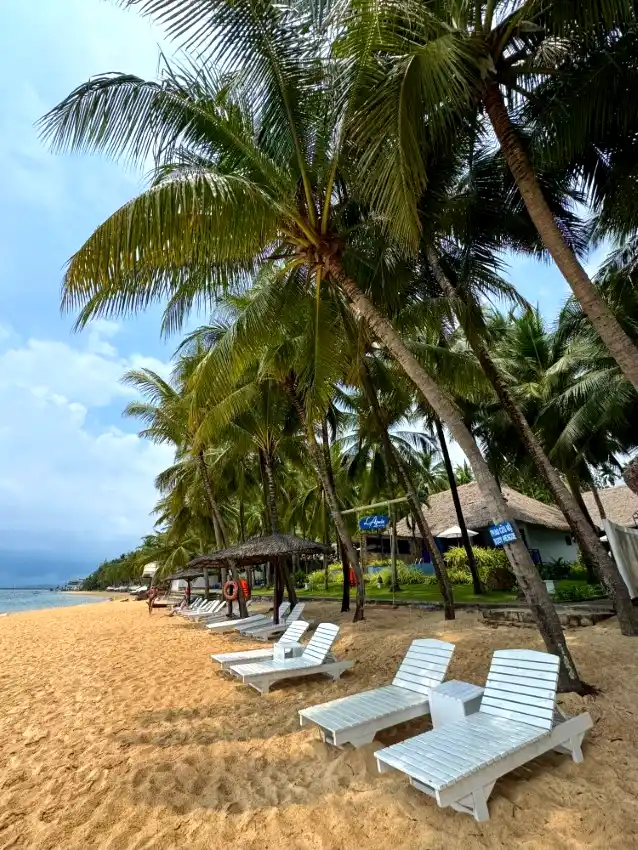
Looking for somewhere to stay near the water? The map below covers hotels, resorts, and guesthouses for both destinations across every budget.
How Do the Food Scenes and Nightlife Compare?
Both cities are serious about eating well after dark, but the atmosphere could not be more different. Nha Trang is a full-on coastal city with rooftop bars, late-night beach clubs, and live music until the early hours. Phu Quoc keeps things beautifully relaxed: point-at-the-tank seafood at the night market, acoustic guitars on the sand, and stunning sunsets over the Gulf of Thailand.
Nightlife and Evening Entertainment
Nha Trang‘s nightlife clusters around the beach clubs on Tran Phu Street, most notably Sailing Club and Skylight at the top of the Havana Hotel, where panoramic views of the bay come with your cocktail. Behind the main strip, sports bars, live music venues, and local bia hoi joints stay lively until the early hours.
Phu Quoc‘s evening energy centres on the Duong Dong Night Market, where fresh seafood straight from the tank costs a fraction of restaurant prices. Sunset beach bars along the central coast handle the rest of the evening, with acoustic sets and sand-floor seating replacing anything resembling a nightclub.
Local Culinary Specialties Worth Seeking Out
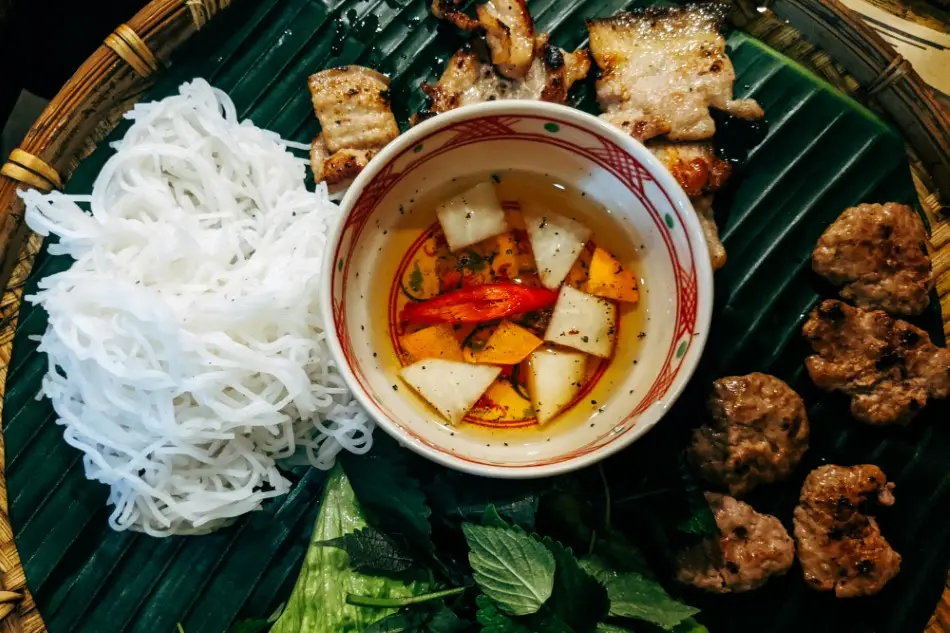
Nha Trang specialises in central coast delicacies. Look out for bun cha ca, a sailfish noodle soup with jellyfish that sounds stranger than it tastes, and nem nuong, grilled pork rolls wrapped in fresh rice paper that are genuinely addictive.
Phu Quoc’s cuisine leans on its two most famous exports: black pepper and fish sauce, both produced on the island itself. The must-order dish is bun quay, where a fresh paste of shrimp and squid is whipped against the bowl and hot broth is poured over the top. Wash it all down with a glass of locally made sim wine, a sweet rosé brewed from wild myrtle berries.

From caves and cruises to cooking
classes, Klook covers Phu Quoc’s best
experiences. Hotel pickup is often
included and prices are usually lower.
What Can You Do Beyond the Beach?
Neither destination is short of things to fill your non-beach hours, but they pull in very different directions. Nha Trang leans into history, culture, and therapeutic spa experiences. Phu Quoc leans into island exploration, wildlife, and family entertainment on a grand scale.
History, Culture, and Landmarks
Nha Trang has genuine historical depth. The Po Nagar Cham Towers, built between the 7th and 12th centuries, remain active places of worship and offer a fascinating window into pre-Vietnamese coastal civilisation. The Long Son Pagoda, with its enormous white Buddha visible from across the city, is a peaceful half-day stop.
Phu Quoc trades ancient temples for a sobering modern history site at the Phu Quoc Prison Monument, and for something lighter, the floating fishing villages at Ham Ninh are genuinely charming to explore by boat. Pepper farm tours, pearl farm visits, and fish sauce factory tours round out the cultural offering on the island.
Theme Parks, Mud Baths, and Family Days Out
Both destinations host major VinWonders entertainment complexes. Nha Trang’s version sits on Hon Tre Island, accessed via a spectacular over-sea cable car, and features a full water park, roller coasters, and an alpine coaster.
Phu Quoc is home to one of the world’s longest non-stop three-cable-car rides connecting to Hon Thom Island in the south, plus a sizeable safari park in the island’s north where giraffes and zebras roam alongside Vietnamese wildlife. The therapeutic mud baths and hot mineral springs on the outskirts of Nha Trang are a quieter, genuinely wonderful way to spend an afternoon, and they are a strong recommendation for anyone staying three or more days.

Lock in top-rated Vietnam tours with
GetYourGuide’s free cancellation up to
24 hours before. Reserve now and pay
later if your dates aren’t locked in.
For the Slow Traveller and Long-Stay Visitor:

Extended coastal stays are growing in popularity, and both destinations are increasingly set up for remote workers and long-term travellers, though in quite different ways.
Nha Trang has a well-developed apartment rental market in districts like Vinh Phuoc and Phuoc Hai. Modern high-rise condos offer reliable high-speed internet, gym access, and easy access to co-working spaces, making it a practical base for digital nomads who want an urban infrastructure alongside their beach access. Monthly rental costs for a decent one-bedroom in the right area start from around 6,000,000 VND ($236 USD).
Phu Quoc draws a more relaxed, bohemian long-stay crowd who cluster around Ong Lang Beach and the quieter central hills. It is genuinely beautiful for slow living but still growing its co-working infrastructure, so those who need reliable high-speed connectivity for heavy work days sometimes split time with Da Nang. The 30-day visa-free entry for all nationalities makes it an excellent starting point before sorting a full e-visa for longer stays on the mainland.
A Note for Nervous Travellers:
Vietnam is genuinely one of the safest destinations in Southeast Asia, and both Phu Quoc and Nha Trang are well-trodden, well-connected, and easy to navigate as a first-time visitor. A few things worth knowing before you arrive:
In Nha Trang, keep bags zipped and phones secured when walking the main strip near Tran Phu Street, particularly at night. Bag-snatching from motorbikes is the most common issue reported. Phu Quoc is very relaxed in comparison, though basic awareness in the Duong Dong Night Market is still sensible.
Crossing the road on foot in Nha Trang can feel intense for newcomers. The trick is simple: walk at a slow, steady, predictable pace and the motorbikes will flow around you. Do not stop suddenly, and do not run. You will get the hang of it quickly.
For food safety, follow the crowd. Busy stalls with fast turnover are the safest bet anywhere in Vietnam. Drink bottled or filtered water, check that ice is factory-produced rather than shaved, and you will eat brilliantly and comfortably throughout your trip.


Book buses, trains, and ferries to and
from Phu Quoc on a single platform.
12Go shows operator reviews, exact
departure times, and seat availability.
Pro Tips for a Stress-Free Trip:

- Ride-Hailing Apps: Download Grab, Xanh SM, or Be before you travel. All three show transparent, fixed pricing for both motorbike and car rides, which removes the stress of fare negotiation entirely.
- Cash is Still King: Night markets, street food stalls, and local taxis almost universally require physical Vietnamese Dong (VND). Carry smaller denominations like 20,000, 50,000, and 100,000 VND notes. A 500,000 VND note is hard for a small vendor to break.
- Connectivity: Pick up a local eSIM via Yesim or grab a physical Vinaphone or Viettel SIM at the airport. Use a VPN like NordVPN when connecting to public Wi-Fi at beach cafes or hotel lobbies.
- Booking Accommodation: Use Agoda or Booking.com for resort deals. Both have strong coverage across Phu Quoc and Nha Trang at every budget level, from backpacker guesthouses to five-star beachfront properties.
- Booking Activities: Klook and Get Your Guide are the most reliable platforms for locking in island-hopping tours, VinWonders tickets, scuba diving excursions, and guided food walks at discounted rates.

Maps, Grab, translation apps, all need
data in Phu Quoc. Yesim’s eSIM installs
in a minute and gives you reliable 5G
from the moment you arrive.
Frequently Asked Questions:
Which destination is cheaper, Phu Quoc or Nha Trang?
Nha Trang is noticeably cheaper across the board. As a major mainland city it benefits from established supply chains, making budget guesthouses, street food, and local transport all significantly more affordable. Phu Quoc faces higher costs due to island import logistics, so mid-range dining and resort accommodation both push the daily budget up. That said, Phu Quoc still has budget-friendly options, particularly around Duong Dong town.
Can you fly directly to Phu Quoc from international destinations?
Yes. Phu Quoc International Airport receives direct international flights from a growing number of hubs across Asia. Arriving directly on the island grants all foreign passport holders a 30-day visa exemption. Importantly, if you transit through the Vietnamese mainland at any point, that exemption no longer applies and you will need a standard e-visa.
Is the sea safer for children in Phu Quoc or Nha Trang?
Phu Quoc is considerably safer for young children. The western beaches offer minimal wave action, very shallow drop-offs, and gentle currents throughout the dry season. Nha Trang has a steeper coastal profile and stronger shore breaks that can genuinely catch inexperienced swimmers off guard. If your trip centres around young kids in the water, Phu Quoc is the better call.
How many days should I spend in each destination?
Three to four days works well for either destination as a standalone trip. This gives you a full beach day, an island-hopping or diving excursion, and at least one day for land-based sights or theme parks. If you are combining both on a longer Vietnam trip, three nights each with a short domestic flight between them is a very manageable and rewarding itinerary.
What is the best time of year to visit Phu Quoc?
November through April is peak season and the most reliable for weather. The Gulf of Thailand side stays calm and clear during these months. Avoid May through October when the southwest monsoon brings heavy rain and rough seas that can make swimming and boat trips uncomfortable or impossible.
What is the best time of year to visit Nha Trang?
January through August covers the dry season, with March to June being particularly excellent. This long dry window makes Nha Trang a genuinely strong summer beach option when other Vietnamese coastal areas are getting monsoon rain. September and October are the wettest months, with occasional typhoon activity, so it is worth checking conditions if you are planning to visit then.
Is Phu Quoc worth it for a longer stay or for expats?
Absolutely. Phu Quoc is increasingly popular with long-stay visitors and expats who want a relaxed island lifestyle without giving up modern conveniences. Infrastructure is improving steadily, and monthly apartment rentals can be very reasonable in quieter areas. The 30-day visa-free entry makes the initial arrival simple. Those needing a more established co-working scene or faster internet for intensive remote work sometimes find Da Nang a better primary base.
Do I need to book a guided tour or can I explore independently?
Both destinations are very easy to navigate independently. Grab and other ride-hailing apps handle transport efficiently, and food, beaches, and most attractions are accessible without a guide. That said, a guided snorkelling or island-hopping tour from Nha Trang adds real value since local captains know which reefs are most alive on any given day. The VinWonders parks in both cities are also easy to pre-book online without any assistance needed.
Which destination is better for solo travellers?
Both are welcoming for solo travellers, but they suit different solo travel personalities. Nha Trang is easier to meet other travellers given the hostels, beach clubs, and organised dive trips that naturally bring people together. Phu Quoc is quieter and more resort-focused, which suits solo travellers who genuinely want to recharge rather than socialise heavily. Solo women travellers report feeling comfortable in both locations, with standard city-awareness recommended in Nha Trang after dark.
Can you visit both Phu Quoc and Nha Trang on the same trip?
Yes, and it makes for a brilliant combined itinerary. Domestic flights between the two run regularly and take under an hour. A popular approach is to fly into Phu Quoc for the island relaxation portion of the trip, then fly to Nha Trang for the active diving and city exploration phase before heading onwards. Budget around a week to ten days to genuinely enjoy both without rushing.