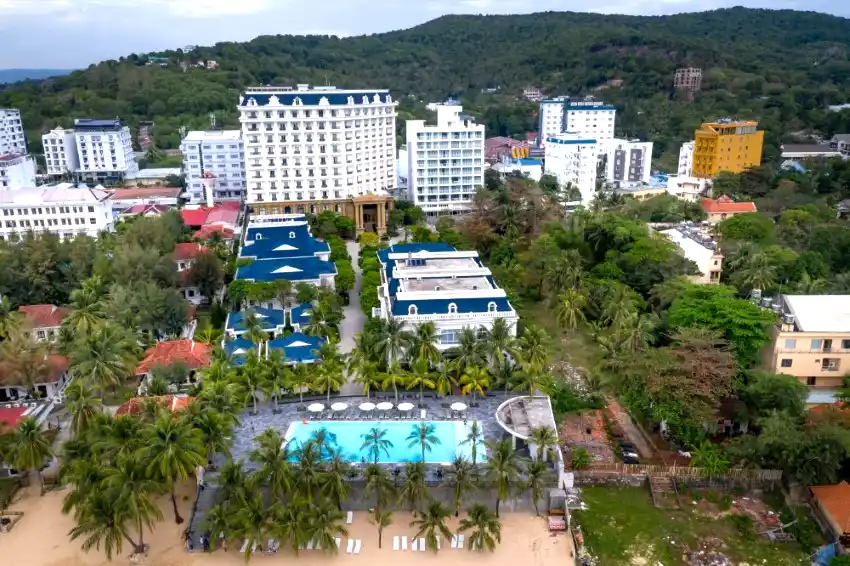
Phu Quoc Island Hopping
Sun-drenched shores, jade-colored waters, and a string of barely-touched islets sitting just off Vietnam’s southern coast. The main island of Phu Quoc gets all the headlines, but the real adventure starts when you board a boat south toward the An Thoi archipelago. Pristine coral reefs, secluded beaches, and a pace of life that feels a world away from the resort strip. Whether you’re a backpacker on a budget or a family looking for a private charter, this is the side of Phu Quoc worth planning around.
The Quick Summary:
- Entry Requirements: Foreign nationals flying or sailing directly into Phu Quoc receive a 30-day visa exemption. If you’re continuing on to mainland Vietnam, you’ll need a standard visa sorted in advance.
- Tour Costs: Shared group tours start from around 500,000 VND ($20 USD) per person. Private charters for a small group run 3,500,000 to 5,000,000 VND ($140 to $200 USD) for the whole boat.
- Best Season: Dry season runs November through April, with calm seas and excellent visibility for snorkeling. Tours still run in the wet season, but conditions can be unpredictable.
- Primary Transport: Speedboats and traditional wooden vessels depart daily from An Thoi Harbor, roughly 30 kilometers south of Duong Dong town.

Compare tours and tickets across Phu Quoc
and book instantly on your phone.
Klook’s mobile vouchers mean no
printing, no fuss, just turn up and go.
Which Islands Are Best to Visit?
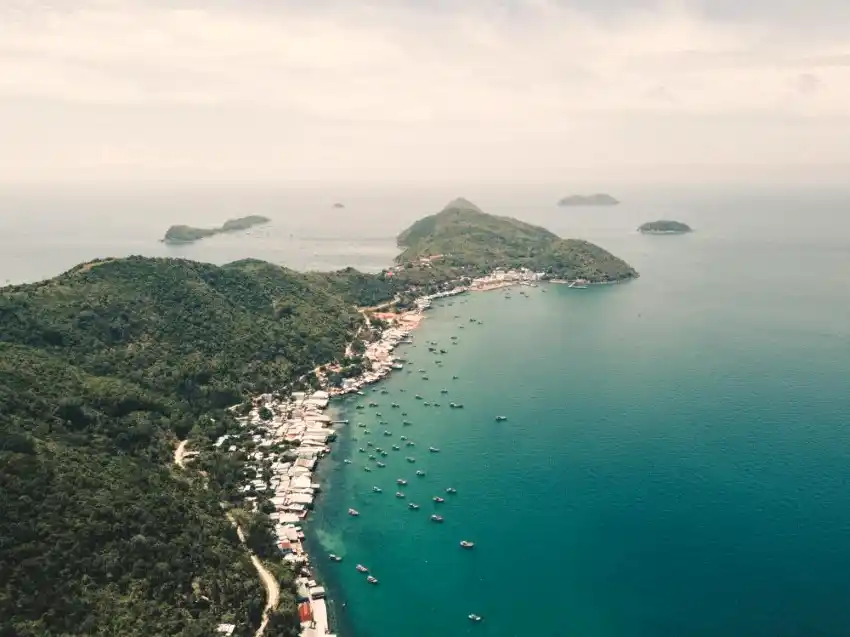
Phu Quoc island hopping revolves around the An Thoi archipelago, a cluster of small islands to the south of the main island. Hon May Rut, Hon Mong Tay, and Hon Gam Ghi are the standout destinations, each offering something slightly different in terms of beaches, snorkeling, and atmosphere. Most day tours sweep through three or four of these islands before heading back to the mainland in the late afternoon.
| Island | Best For | Signature Feature | Crowd Level |
|---|---|---|---|
| Hon May Rut | Beach days, fresh seafood | White sand, coconut palm shade, casual lunch stalls | Moderate |
| Hon Mong Tay | Swimming, photography | Crescent beach, dramatic rock formations, clear water | Low to moderate |
| Hon Gam Ghi | Snorkeling, coral reefs | Shallow coral gardens, parrotfish, sea anemones | Low |
| Hon Thom | Cable car, family day out | World’s longest non-stop cable car, beach resort facilities | High |
What Makes Each Island Worth the Trip?
Each island in the An Thoi group has its own personality. Some are pure beach. Some are all about what’s underwater. A few are calm enough for young kids and nervous swimmers, while others reward the more adventurous traveler willing to slip on a mask and explore.
Hon May Rut
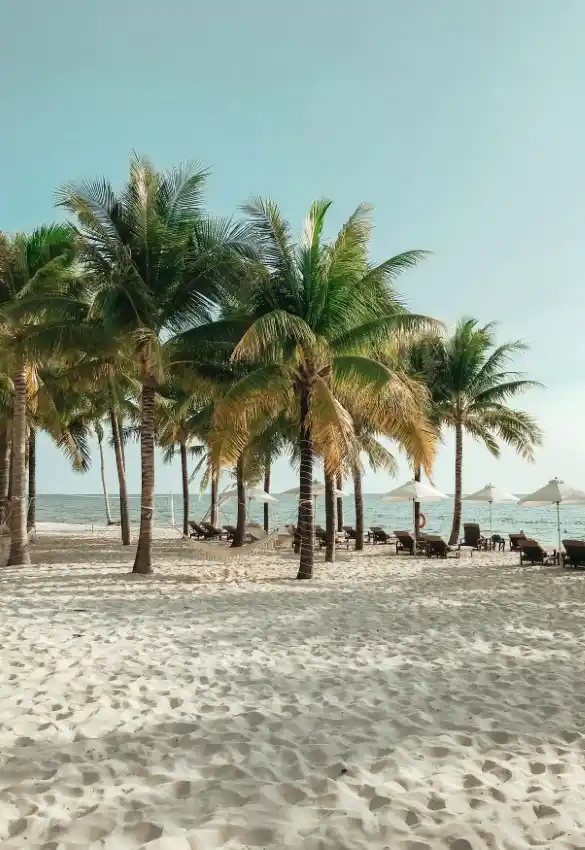
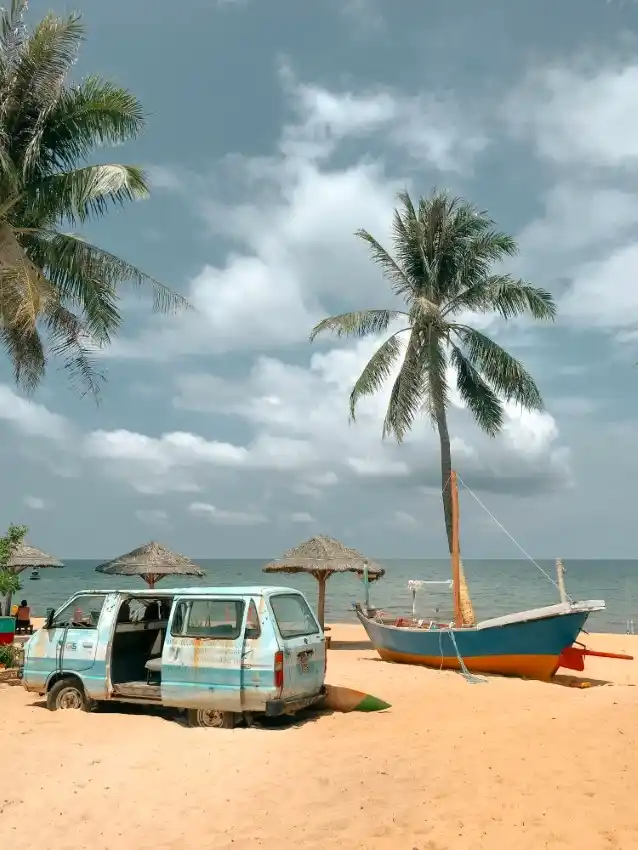
Hon May Rut is actually two islets side by side. The inner one (Hon May Rut Trong) is the classic postcard scene: long stretches of white sand, coconut palms providing natural shade, and local stalls grilling fresh seafood to order right on the beach.
The outer islet (Hon May Rut Ngoai) is rougher around the edges and attracts far fewer visitors, making it a good shout if you want a quieter corner to spread out. Grab a fresh coconut, find a patch of sand, and genuinely do nothing for an hour. You’ve earned it.
Hon Mong Tay (Fingernail Island)
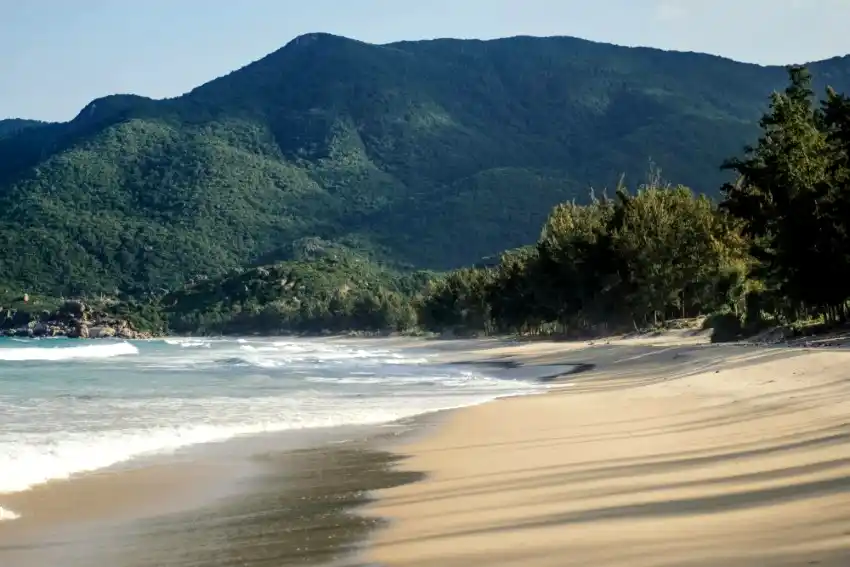
Called Fingernail Island on account of its slender, curved shape, Hon Mong Tay is genuinely one of the most photogenic spots in the whole archipelago. The crescent beach is hugged by dramatic rock formations at each end, giving it a sheltered, almost enclosed feel.
Water clarity here stays consistently excellent through the dry season, and you can observe marine life just by wading in. No need for snorkel gear at the shallows, though it absolutely helps if you have it.
Hon Gam Ghi
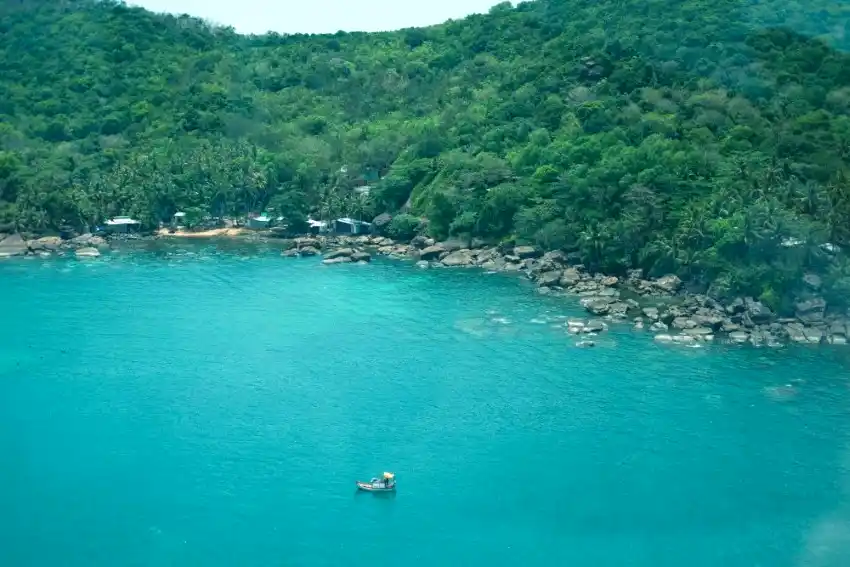
This is the one for snorkelers and divers. Hon Gam Ghi doesn’t have much of a beach to speak of, but that’s not why you come here. Just below the surface sits a shallow coral garden that supports a genuinely impressive variety of marine life: sea anemones, parrotfish, and intricate coral formations in water clear enough to see everything clearly.
Tour boats anchor nearby and you swim directly into the reef from the ladder. If you only have time to snorkel at one island, make it this one.

Lock in top-rated Phu Quoc tours with
GetYourGuide’s free cancellation up to
24 hours before. Reserve now and pay
later if your dates aren’t locked in.
Pro Tips for a Stress-Free Day on the Water:
- Connectivity: Pick up a local eSIM via Yesim or grab a physical SIM at Phu Quoc International Airport on arrival. Coverage extends across the archipelago and you’ll want maps and translation tools working reliably throughout the day.
- Book Through Reputable Platforms: Use Klook or Agoda Experiences to research and book tours. Reading recent safety reviews before committing to an operator is genuinely worthwhile and takes ten minutes.
- What to Pack: Reef-safe sunscreen, a dry bag for your phone and wallet, a light rash vest or long-sleeved layer for the boat ride back when the sun drops, and a change of clothes for the evening. Flip flops on, everything else in a dry bag.


Affordable Phu Quoc data without the
tourist SIM hassle. Saily’s eSIM works
on most modern phones and tops up
remotely whenever you need more.
How Much Does Island Hopping Cost?
Island hopping suits every budget here, which is one of the great things about Phu Quoc. A backpacker can join a shared wooden boat tour for well under 700,000 VND ($28 USD) and have an equally spectacular day.
Families or groups who want flexibility and privacy can charter a private speedboat and have the whole vessel, the itinerary, and the skipper’s full attention to themselves.
| Tour Type | Group Size | Average Cost Per Person |
|---|---|---|
| Shared Speedboat Tour | 15 to 25 people | 800,000 to 1,200,000 VND ($32 to $48 USD) |
| Traditional Wooden Boat Tour | 20 to 40 people | 500,000 to 700,000 VND ($20 to $28 USD) |
| Private Speedboat Charter | 1 to 6 people | 3,500,000 to 5,000,000 VND ($140 to $200 USD) total |

Compare hotel prices across Phu Quoc’s best
neighbourhoods and book with confidence.
Filter by budget, location, or guest score
to find the right stay for your trip.
Speedboat vs. Wooden Boat: Which Should You Choose?
Speedboats: More Islands, Less Time in Transit
Speedboats cover the distances between islands quickly, which means more time on beaches and reefs and less time bobbing between them. They handle choppy water well but the ride can be firm and bumpy on a rough day.
If you’re prone to seasickness, take a tablet the night before and sit towards the middle of the boat. Most shared speedboat tours visit four islands in a single day and are the better option if you want to cover as much ground as possible.
Wooden Boats: Slower, More Social, Great for Families
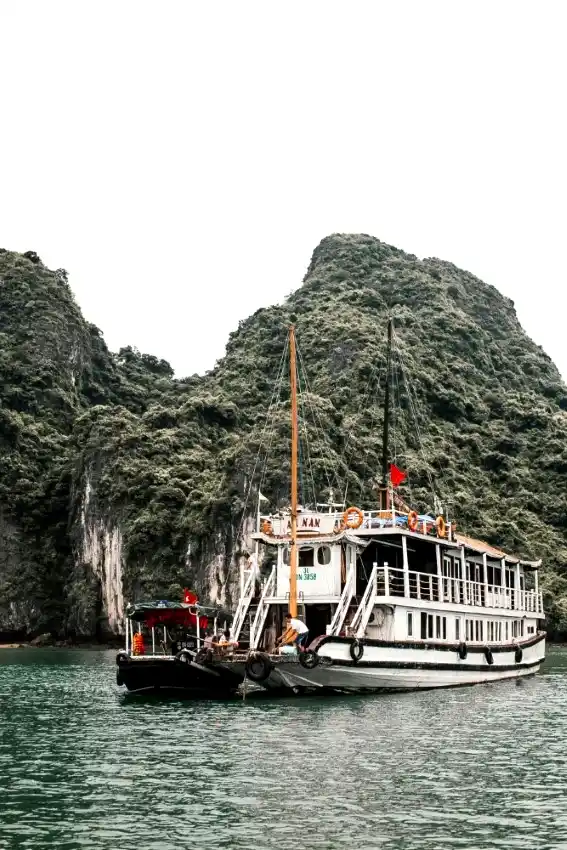
Traditional wooden junks move at a gentler pace and provide a far more stable platform. They’re well suited to families with young children, older travelers, or anyone who just wants a more relaxed day on the water.
The trade-off is that you’ll visit fewer islands and the itinerary is more fixed. That said, the communal lunch spread laid out on deck on a wooden boat tour is genuinely one of the highlights of the whole day.
Insider Move: Skip the standard commercial tours that bundle in the Hon Thom Cable Car and Sunset Sanato beach (both are tourist-heavy and feel nothing like the real islands). Instead, negotiate directly with a local skipper at An Thoi Harbor for a private or semi-private boat. Getting to Hon Mong Tay or Hon Gam Ghi by 8:00 AM means you’ll beat the commercial tour crowds by a solid two hours. The water is glassier in the morning too.
Lock in top-rated Vietnam tours with
GetYourGuide’s free cancellation up to
24 hours before. Reserve now and pay
later if your dates aren’t locked in.
Finding Your Hotel Near An Thoi or Duong Dong
Staying closer to An Thoi in the south cuts your morning travel time considerably and puts you right at the harbor door. Duong Dong in the north has more restaurant and nightlife options, but the 30-kilometer drive to the harbor early in the morning can feel long. Both areas have good accommodation at every price point, from budget guesthouses to full luxury resorts.
A Note for Nervous Travelers:
Phu Quoc and the surrounding waters are genuinely safe for travelers of all experience levels. A few sensible precautions will make sure your day on the water stays enjoyable from start to finish.
Sun and sea: The southern Vietnamese sun is intense even on overcast days. Reef-safe sunscreen is a must, both to protect your skin and to avoid damaging the coral at Hon Gam Ghi. Reapply after every swim. The bays around Hon May Rut and Hon Mong Tay are calm and sheltered, but changing tides can introduce noticeable currents near Hon Gam Ghi. Always wear the life jacket provided when snorkeling, regardless of how confident a swimmer you are.
Food and water: Seafood on the islands is outstandingly fresh, often pulled from floating keeping-cages that morning. Stick to fully cooked dishes if your stomach is still adjusting to Vietnamese cuisine. Drink only bottled water, which reputable boat operators supply throughout the day.
Getting to the harbor: The drive down to An Thoi involves a mix of highway and coastal roads. Watch for construction vehicles and slow down on any unpaved stretches. Using Grab or Xanh SM rather than an unmetered taxi removes any risk of inflated fares and gives you a fixed price before you get in.
Staying Longer: Phu Quoc for Expats and Long-Term Travelers
Phu Quoc has quietly become one of the more appealing long-term bases in Southeast Asia, particularly for those who want island life without sacrificing modern infrastructure. Serviced apartments and monthly rentals are available throughout Duong Dong and increasingly around An Thoi as the south of the island continues to develop. International schools, a growing expat community, and international-standard veterinary clinics (useful for anyone coordinating pet transport into Vietnam) all add to the appeal for families and remote workers.
The island sits a step removed from the busier digital nomad scenes of Da Nang and Ho Chi Minh City, which is exactly why many expats choose it. The pace is slower, the beaches are on your doorstep, and the island hopping that tourists schedule as a single day trip becomes a regular weekend activity. Visa extension options are available through regional immigration channels for those who want to settle in longer than the initial 30-day exemption allows.
Frequently Asked Questions:
Can you visit the islands during the rainy season?
Yes, tours operate during the wet season from May to October, but itineraries are subject to change based on weather and sea conditions. Strong winds and low visibility can result in cancelled departures or shortened routes. The dry season from November to April is significantly more reliable for snorkeling and beach time.
Is snorkeling gear included on island tours?
Reputable operators include masks, snorkels, and life jackets as part of the standard package price. If you have specific sizing requirements, wear prescription glasses, or simply prefer your own gear, bring it along. It’s worth confirming what’s included when you book.
How do you get from Duong Dong to An Thoi Harbor?
An Thoi Harbor sits around 30 kilometers south of Duong Dong. You can rent a motorbike, book a private driver through Grab or Xanh SM for a fixed fare, or take a complimentary shuttle if your resort offers one. Allow at least 40 to 50 minutes for the drive, and a bit longer during busy morning periods.
Is island hopping suitable for young children?
Absolutely. Traditional wooden boat tours are particularly well suited to families with young kids, as the boats are stable and the pace is relaxed. Stick to the calmer bays around Hon May Rut and Hon Mong Tay for swimming with little ones, and bring plenty of reef-safe sunscreen, a sun hat, and a rash vest for UV protection.
Can you just show up at An Thoi Harbor and buy a spot on a tour?
Yes, walk-in spots are often available, especially on weekdays outside peak season. That said, booking ahead through Klook or Agoda Experiences guarantees your spot, lets you compare operators with verified reviews, and often works out to roughly the same price. During the December to February high season, pre-booking is strongly recommended.
Do you need to tip the boat crew?
Tipping is not a traditional expectation in Vietnam and no one will make you feel awkward if you don’t. That said, leaving 50,000 to 100,000 VND ($2 to $4 USD) for a crew that’s looked after you well throughout the day is a genuinely appreciated gesture and goes a long way for local workers.
Are there any temples or cultural sites on the islands?
Some island itineraries include a brief stop at small coastal shrines or pagodas dedicated to Thien Hau, the Goddess of the Sea. If your tour visits one, cover your shoulders and knees before stepping onto temple grounds. It’s a small sign of respect that locals notice and appreciate.
What is the 30-day visa exemption for Phu Quoc, and how does it work?
Foreign nationals flying or sailing directly to Phu Quoc can enter and stay for up to 30 days without a visa. This exemption applies to the island only. If you intend to travel onward to mainland Vietnam during the same trip, you need to arrange a standard e-visa before you arrive. Check the current rules with your country’s relevant embassy ahead of travel as these policies can change.
Is Phu Quoc a good base for long-term stays or expat living?
It’s become increasingly popular for both. Serviced apartments and monthly rentals are available in Duong Dong and around An Thoi. The island has international schools, a growing expat community, international-standard veterinary clinics, and a noticeably slower pace than Ho Chi Minh City or Da Nang. Visa extension options exist through regional immigration channels for those wanting to stay beyond the initial exemption period.