Cost of Living in Vietnam
Vietnam is one of those places that quietly dismantles every assumption you had about what a good life costs. You can eat extraordinarily well, live in a modern apartment with a sea view, work from a cafe with fast Wi-Fi, and still spend less per month than a single week in most European cities. Whether you’re here for two weeks or two years, knowing the numbers means you can plan with confidence and enjoy every bit of it. If you’re still in the early stages and weighing up the whole trip, our Vietnam travel costs overview is a good companion to this page.
The Quick Summary:
- Backpacker Budget: 660,000 – 1,050,000 VND ($25 – $40 USD) per day comfortably covers a hostel bed, street food, and local transport.
- Expat / Nomad Budget: 19,750,000 – 39,500,000 VND ($750 – $1,500 USD) per month gets you a modern apartment, regular dining out, and weekend trips without any financial stress.
- Regional Variances: Ho Chi Minh City and Hanoi are the priciest. Da Nang and Hoi An offer the best bang for your dong.
- Currency: The Vietnamese Dong (VND) is the only legal tender. Cash is essential for markets and street food, though QR code payments are increasingly common in urban shops and restaurants.

Compare hotel prices across Vietnam’s best
neighbourhoods and book with confidence.
Filter by budget, location, or guest score
to find the right stay for your trip.
How Much Does Vietnam Cost Per Day?
Daily costs in Vietnam range from around 790,000 VND ($30 USD) for budget travellers up to 3,950,000 VND ($150 USD) or more for those who prefer to travel in comfort. The good news at every level: you get remarkable value for your money. The two biggest levers are where you sleep and how you eat. If you want the full picture on transport, attractions and tipping before you arrive, our first-time visiting Vietnam guide walks through it all, and the budget travel guide is gold if you’re trying to stretch every dong. Curious how it stacks up against its neighbour? Our north vs south Vietnam comparison also helps you pick a region that fits your wallet.
| Traveller Style | Daily Budget (VND) | Daily Budget (USD) | What’s Included |
|---|---|---|---|
| Budget / Backpacker | 660,000 – 1,050,000 VND | $25 – $40 USD | Hostel dorm, street food, local buses, free attractions |
| Mid-Range Flashpacker | 1,300,000 – 2,650,000 VND | $50 – $100 USD | Private hotel room, casual restaurants, ride-hailing, paid tours |
| Luxury / Expat Living | 3,950,000+ VND | $150+ USD | Five-star resorts or serviced apartments, fine dining, private drivers |
Monthly Costs for Expats and Long-Term Stays:
Living comfortably in Vietnam as an expat typically costs between 21,000,000 and 37,000,000 VND ($800 – $1,400 USD) per month, and that’s genuinely comfortable living, not roughing it. Here’s how it breaks down in practice. If you’re weighing up which city to settle in for the long haul, the Living in Vietnam hub gathers the deep-dive guides for each place, and the digital nomad guide covers the practicalities of working remotely here. Money logistics like cards and ATMs are worth reading up on too, which our currency and money guide handles in detail.
Rent and Utilities
Housing is your biggest monthly expense, but it’s still impressively reasonable by international standards. A modern one-bedroom apartment in a well-located urban district typically runs between 9,200,000 and 15,800,000 VND ($350 – $600 USD) per month.
Add utilities, meaning fast fibre-optic internet, electricity, and water, and you’re looking at roughly 1,600,000 to 3,150,000 VND ($60 – $120 USD) on top of that. One note: air conditioning in the humid summer months can push electricity bills to the higher end of that range, so factor it in if you’re arriving between April and October. The mechanics of leases, deposits and agents are covered in our renting apartments in Vietnam guide.

Food and Groceries
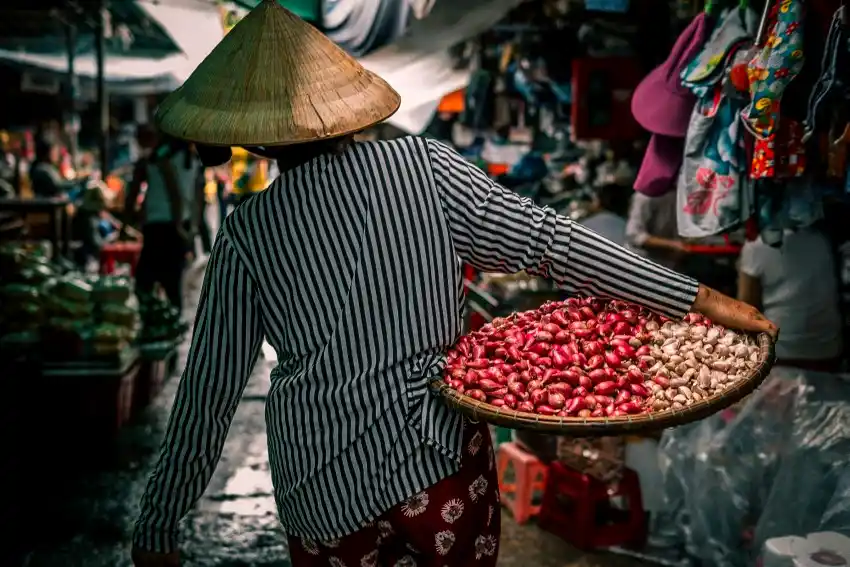
If you eat the way the locals eat, which you absolutely should, food costs almost nothing. A bowl of Pho or a Banh Mi runs between 30,000 and 60,000 VND ($1.10 – $2.30 USD). Eating mostly at neighbourhood joints and cooking from wet market ingredients keeps monthly food costs well under 5,250,000 VND ($200 USD). It’s one of the great joys of life here, and our Vietnamese street food guide shows you exactly what to order and how to eat it safely.
Western restaurants and imported supermarkets like Annam Gourmet are a different story. Import tariffs make international ingredients a genuine luxury, and a sit-down meal at a Western bistro can cost 200,000 – 525,000 VND ($8 – $20 USD) per person. That’s still not expensive by most standards, but it adds up quickly if it becomes a daily habit. If learning to cook the local dishes yourself appeals, a session from our Vietnam cooking classes guide pays for itself in flavour, and coffee lovers should not miss our coffee culture guide.

Skip-the-line tickets, guided walks,
and Vietnam day trips with English
guides. Read reviews from real travellers
before committing to a single one.
Which City Should You Base Yourself In?
Where you live makes a significant difference to what you spend. Each city has its own personality, and its own price tag. If you can’t decide between the big two, our Hanoi vs Ho Chi Minh City comparison lays them out side by side, and the wider destinations hub covers everywhere else worth considering.
Ho Chi Minh City
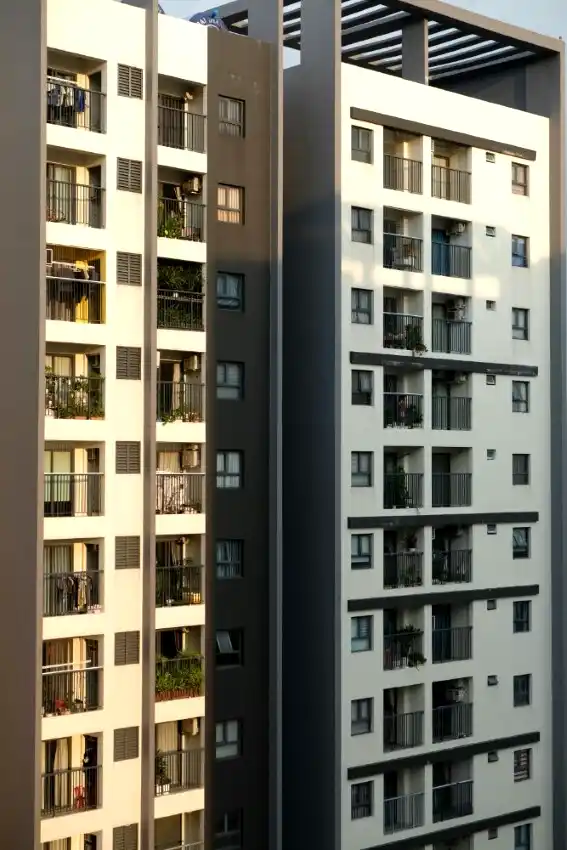
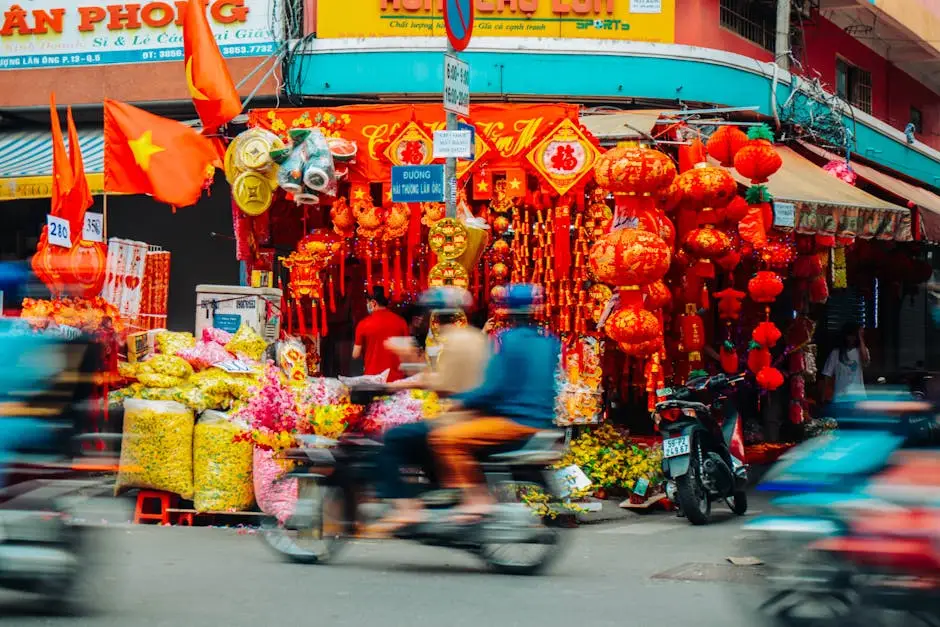
The economic powerhouse of the south is the most expensive city in the country, though “expensive” is still relative. Districts 1 and 3 are the premium zones, busy and buzzing with restaurants, rooftop bars, and co-working spaces. The expat enclave of Thao Dien in District 2 has become its own little world, full of international schools, organic cafes, and riverfront villas.
Expect to pay roughly 30% more for housing here than in central Vietnam, but the career networking, nightlife, and sheer energy of the city are unmatched. Our where to stay in Ho Chi Minh City guide breaks the neighbourhoods down properly, and if you’re settling in for the long term, the living in HCMC guide goes deeper. There’s plenty to fill your weekends too, as our things to do in Ho Chi Minh City guide shows.
Hanoi
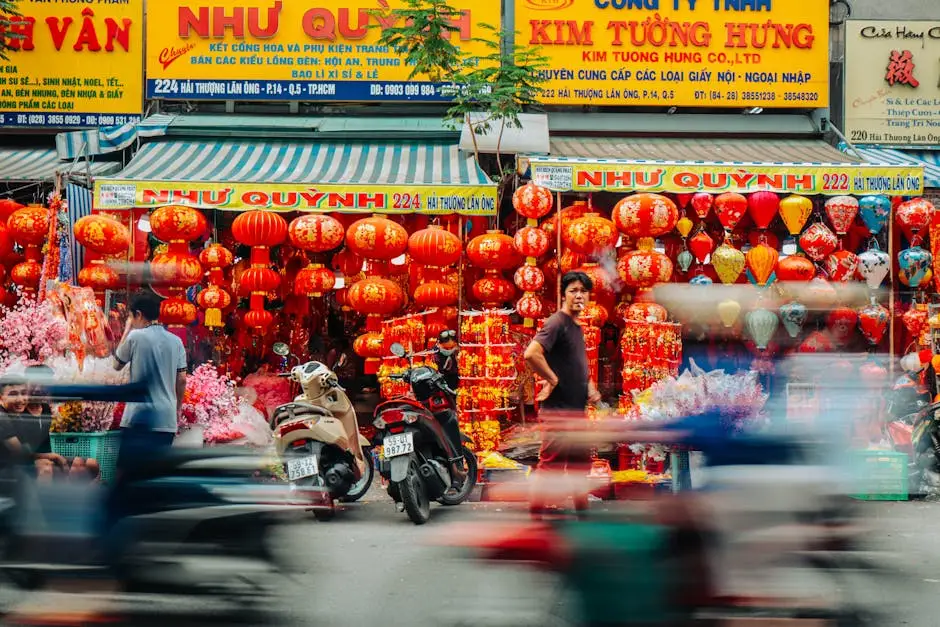
The capital matches Ho Chi Minh City in cost but feels entirely different, quieter, more historic, with a slower rhythm that many long-term residents come to love. The Old Quarter and Ba Dinh district are high-demand and priced accordingly. Tay Ho (West Lake) is where most expats end up, with scenic lakeside apartments and a strong international community.
Street food and fresh produce markets here remain extraordinary value regardless of which neighbourhood you’re in. Start with the Hanoi hub for the lay of the land, then dig into where to stay in Hanoi and the brilliant Hanoi street food guide. Nomads scouting a base will want our Hanoi neighbourhoods for nomads guide too.
Da Nang
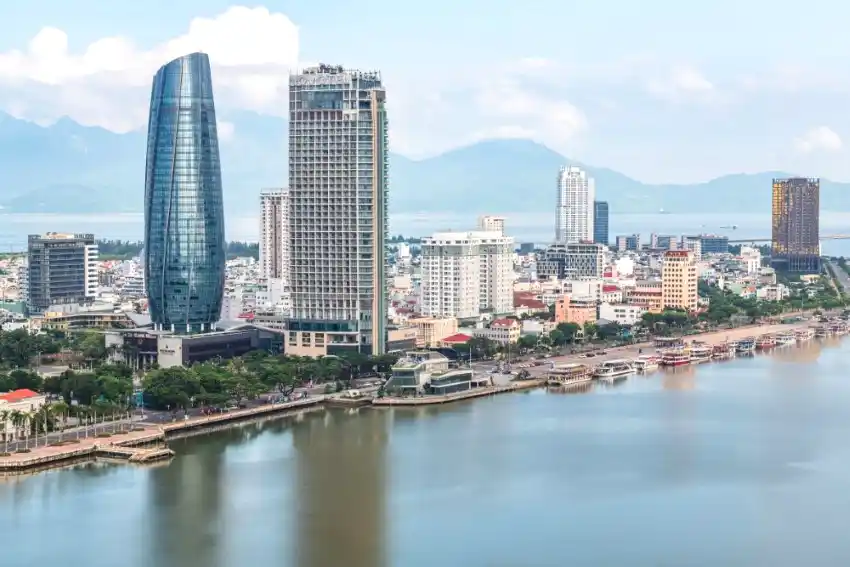
For remote workers and value-conscious expats, Da Nang is the sweet spot. The My An neighbourhood near My Khe Beach offers modern ocean-view apartments for a fraction of what you’d pay in Saigon. The city is clean, traffic is manageable, the internet is fast, and the beach is a ten-minute ride from almost everywhere.
It’s no accident that Da Nang has become the go-to base for digital nomads across Southeast Asia, the lifestyle-to-cost ratio here is hard to beat. The Da Nang hub is your starting point, with the living in Da Nang guide and the Da Nang coworking guide built for exactly this crowd. When you need a break from the laptop, charming Hoi An is a short hop down the coast.

Skip the planning headache for Vietnam.
Klook offers day tours, tickets, and
experiences from around $25, with
instant confirmation to your phone.
Getting Around — Transport Costs:
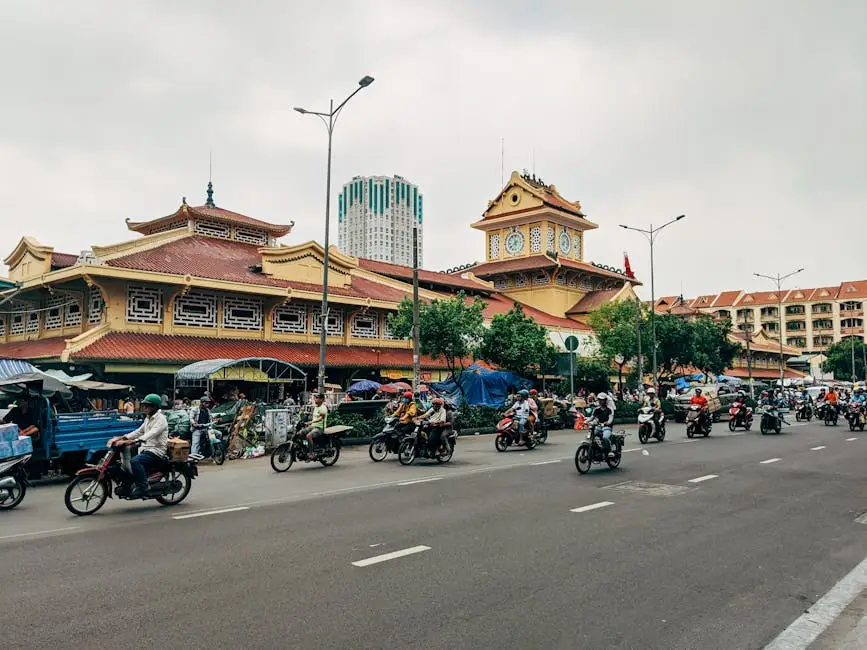
Getting around Vietnam is refreshingly cheap. A motorbike taxi ride via Grab or Xanh SM costs 26,000 – 63,000 VND ($1 – $2.40 USD) for most urban journeys. If you’d rather have air conditioning and a door, car options on the same apps run about three times the price, still very reasonable during a monsoon downpour. Our Grab vs Xanh SM comparison helps you pick the right app for your trips.
For longer stays, renting a motorbike is the move. Monthly rentals typically run 1,300,000 – 2,650,000 VND ($50 – $100 USD) and give you complete freedom to go where you want, when you want, as our renting a motorbike in Vietnam guide explains. For trips between cities, the coastal train network is one of Southeast Asia’s great scenic journeys and excellent value, while sleeper buses cover longer routes cheaply. To compare every option in one place, our how to get around Vietnam guide ties it all together. You can book trains, buses and ferries in advance through 12GO, which saves a lot of queueing at the station.
Pro Tip: The 20,000 VND and 500,000 VND notes share a strikingly similar blue colour. In busy markets and fast-paced transactions, it’s easy to hand over the wrong one. Take a second to double-check before you pay, it’s one of the most common and most avoidable mistakes new arrivals make.

Public wifi in Vietnam cafes is convenient
but rarely secure. NordVPN encrypts
everything you send, so passwords and
card details stay yours alone.
Healthcare and Insurance Costs:
Healthcare is one of those areas where Vietnam quietly over-delivers. A routine consultation at an international clinic in Hanoi, Ho Chi Minh City, or Da Nang typically costs 1,300,000 – 2,650,000 VND ($50 – $100 USD), a fraction of what you’d pay back home for comparable care. Local public hospitals are cheaper still, though they can be tricky to navigate without Vietnamese.
Most long-term expats lean on international facilities like Family Medical Practice or FV Hospital, where English-speaking staff and Western standards of care are the norm. Our full Vietnam healthcare guide covers the clinics, costs and quirks in detail.
What you should not skip is cover. For shorter visits and nomad stints, SafetyWing is the go-to travel medical insurance, flexible, affordable, and built for people who move around. It’s a small monthly cost that turns a worst-case hospital bill into a non-event, and it pairs neatly with the advice in our travel insurance for Vietnam guide. Whatever your budget tier, this is the one line item never worth trimming.

Pro Tips for Managing Money Day-to-Day:

- Ride-Hailing Apps: Grab, Xanh SM, and Be give you metered, transparent pricing for both rides and food delivery. Xanh SM’s fully electric fleet is a great premium option for longer journeys across the city.
- Accommodation: Agoda is your best bet for short-term stays, with the deepest inventory in smaller towns, and Booking.com is a strong backup when you want free cancellation. For monthly rentals, local Facebook housing groups and on-the-ground agents will almost always beat any international platform, especially in Thao Dien (HCMC) and Tay Ho (Hanoi).
- Activities and Tours: Get Your Guide and Klook offer pre-confirmed, transparent pricing for day trips, attraction tickets, and local experiences, no last-minute surprises or awkward haggling.
- Connectivity: Yesim gets you a reliable eSIM data package sorted before you even land. Pair it with NordVPN for secure connections when you’re working from a coffee shop, which, in Vietnam, is most of the time.
- Banking: Foreigners with a valid visa of three months or more can open a local bank account at institutions like Vietcombank or HSBC. You’ll need your passport, visa, and a registered lease agreement. It’s well worth it for avoiding ATM fees on a long stay, and our guide to opening a Vietnamese bank account walks you through every step.

Maps, Grab, translation apps, all need
data in Vietnam. Yesim’s eSIM installs
in a minute and gives you reliable 5G
from the moment you arrive.
Frequently Asked Questions:
Is Vietnam cheaper than Thailand?
Generally, yes. Vietnam runs about 15% to 25% cheaper than Thailand for day-to-day living, street food, and local transport. Thailand has a more developed tourism infrastructure in some respects, but Vietnam wins convincingly on housing value and everyday dining, especially in coastal cities like Da Nang. Your money simply goes further here.
Can foreigners open a bank account in Vietnam?
Yes, provided you hold a valid visa or residence permit with at least three months of remaining duration. Major banks like Vietcombank and international options like HSBC will ask for your passport, a valid long-term visa, and a registered residential lease agreement. It’s worth doing if you’re staying for several months, as it cuts down on ATM fees and makes transferring money in and out much smoother.
How much does healthcare cost in Vietnam?
A routine consultation at an international clinic in Hanoi, Ho Chi Minh City, or Da Nang typically costs 1,300,000 to 2,650,000 VND ($50 to $100 USD). Local public hospitals are significantly cheaper but can be difficult to navigate without Vietnamese language skills. Most long-term expats use international facilities like Family Medical Practice or FV Hospital, where English-speaking staff and Western standards of care are the norm. Comprehensive travel or expat health insurance is strongly recommended regardless.
Do I need cash, or can I use my card everywhere?
Both, but carry cash. Street food stalls, wet markets, and most local businesses are cash-only. QR code payments are increasingly common in urban cafes and shops, but international credit cards aren’t universally accepted outside hotels and larger restaurants. Keep a mix of smaller bills on you: 20,000, 50,000, and 100,000 VND notes are your everyday workhorses. Larger 500,000 VND notes can be hard for small vendors to break.
How much money do I need per month to live in Vietnam?
A comfortable expat or nomad lifestyle costs roughly 21,000,000 to 37,000,000 VND ($800 to $1,400 USD) per month, covering a modern one-bedroom apartment, a mix of local and Western meals, transport, and the occasional weekend trip. Frugal locals-style living can drop well below that, while luxury living with a serviced apartment, fine dining, and a driver can climb past 52,000,000 VND ($2,000 USD).
What is the cheapest city to live in Vietnam?
Among the major hubs, Da Nang offers the best value for money, with modern beachside apartments costing far less than the equivalent in Ho Chi Minh City or Hanoi. Smaller cities and towns like Hue or Hoi An can be cheaper still on rent, though they have fewer high-end amenities and a smaller expat scene. For most people the sweet spot of low cost and good lifestyle is Da Nang.
How much does it cost to rent an apartment in Vietnam?
A modern one-bedroom apartment in a well-located district typically runs 9,200,000 to 15,800,000 VND ($350 to $600 USD) per month in the big cities, less in Da Nang and the smaller towns. Expect to pay a deposit of one to two months’ rent up front, and note that utilities and air conditioning in summer are usually billed on top. Monthly deals found through local agents and Facebook groups often beat the rates on international booking sites.
Is the internet fast enough for remote work in Vietnam?
Yes. Fibre-optic broadband in apartments and co-working spaces is fast, cheap, and widely available in the major cities, which is a big reason Vietnam has become a digital nomad favourite. For backup and travel days, a local eSIM or SIM gives you solid 4G and growing 5G coverage. Many remote workers keep a VPN running for secure connections and a reliable eSIM as a fallback when the home connection drops.
How much should I budget for food per day in Vietnam?
Eating like a local, you can comfortably cover three meals a day for 130,000 to 260,000 VND ($5 to $10 USD), and often less if you stick to street food and markets. A bowl of pho or a banh mi costs 30,000 to 60,000 VND ($1.10 to $2.30 USD). Western restaurants and imported groceries cost far more, so your daily food spend depends almost entirely on how often you crave home comforts.
Do I need travel insurance for Vietnam?
It isn’t a legal entry requirement for most visitors, but it’s strongly recommended. Private healthcare is the realistic option for foreigners and a serious accident or illness can be expensive without cover. A flexible policy aimed at travellers and nomads costs very little per month relative to the protection it provides, and motorbike-related accidents in particular are common enough that being covered is simple peace of mind.