Where To Stay In Da Nang
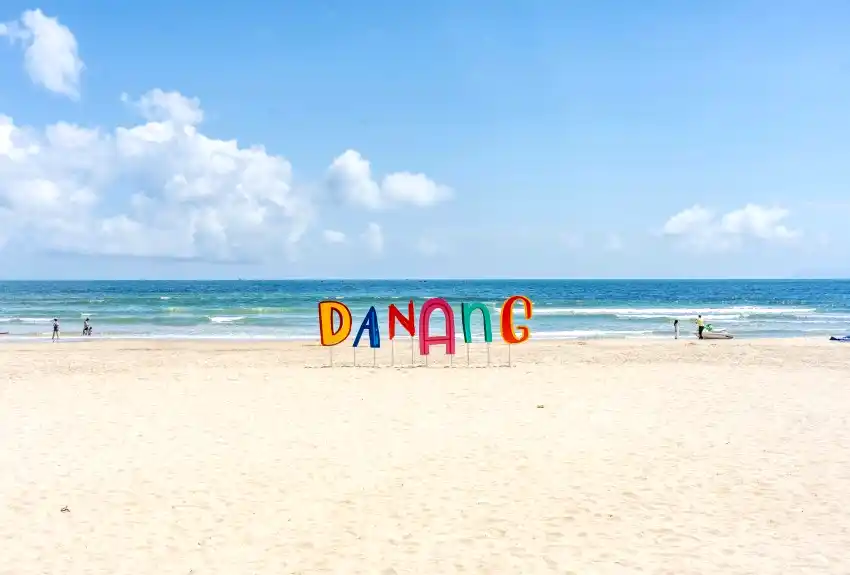
Da Nang is one of those rare cities where your choice of neighbourhood genuinely shapes the whole trip. Sleep beachside and your mornings start with bare feet on white sand and a cold coconut in hand. Stay in the city centre and you wake up to the clatter of street food stalls and the smell of strong robusta brewing on the pavement. Neither is wrong. They just deliver very different holidays. Here is everything you need to pick the right base for how you actually travel.
The Quick Summary:
- Best Beach Base: My An and Bac My An give you direct access to My Khe Beach with a walkable cafe and restaurant scene on your doorstep. Perfect for beach-first travellers and digital nomads.
- Best City Base: Hai Chau District puts you in the middle of authentic local life, markets, street food, and the riverside promenade. Ideal for culture-first travellers on any budget.
- Best Luxury Base: The Son Tra Peninsula offers total seclusion, private coves, and five-star resorts tucked into jungle hillsides above the sea.
- Average Mid-Range Cost: 750,000 to 1,500,000 VND ($31 to $62 USD) per night covers a comfortable hotel with breakfast across most neighbourhoods.
- Getting Around: Grab and Xanh SM connect every part of the city quickly and cheaply. The beach and city centre are separated by a bridge, so a ride-hailing app is more useful here than in most Vietnamese cities.
Which Neighbourhood Suits You Best?
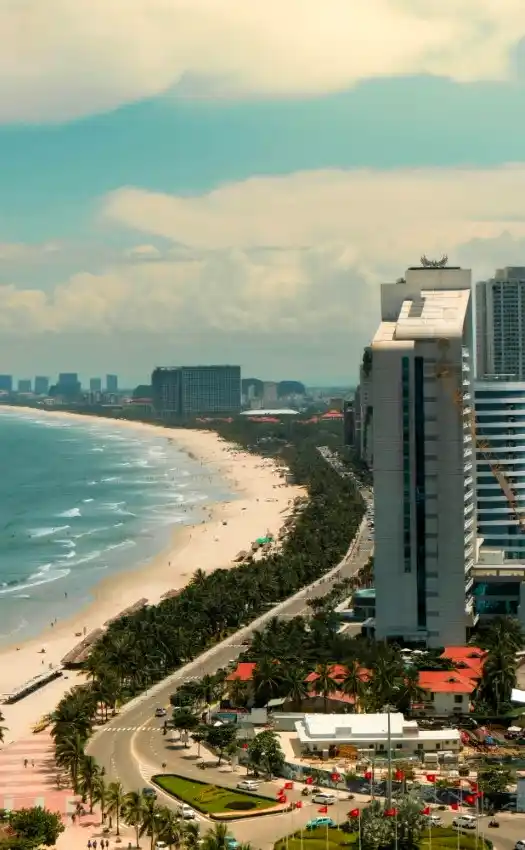
Da Nang splits naturally into three distinct zones. The beach districts are social and sun-drenched. The city centre is local and lived-in. The peninsula is private and spectacular. Here is a quick comparison before we dig into each one. If you are still weighing up whether Da Nang is even the right base for you, the Da Nang vs Hoi An comparison is worth a read first. And if you want a broader look at the region as a whole, the Da Nang city hub has everything linked up in one place.
| Neighbourhood | Best For | Vibe | Mid-Range Nightly Cost |
|---|---|---|---|
| My An | Backpackers, nomads, social travellers | Coastal, buzzy, walkable | 800,000 to 1,400,000 VND ($33 to $58 USD) |
| Bac My An | Families, couples, mid-range resort stays | Relaxed, beachside, quieter | 900,000 to 1,600,000 VND ($37 to $66 USD) |
| Hai Chau | Culture seekers, food lovers, city explorers | Authentic urban, market-filled | 700,000 to 1,400,000 VND ($29 to $58 USD) |
| Han River Waterfront | Couples, Dragon Bridge views, upscale stays | Scenic, polished, central | 1,500,000 VND+ ($62 USD+) |
| Son Tra Peninsula | Luxury travellers, honeymooners, nature lovers | Secluded, jungle, five-star | 5,000,000 VND+ ($206 USD+) |

Check the latest hotel prices across Da Nang’s best
neighborhoods. From the bustling beachside vibe of
My Khe and upscale Son Tra to the scenic Han
Riverfront. Compare your options and secure
the best deals before you book.
The Beach Districts:
My An: The Social Coastal Hub
My An is where most independent travellers, surfers, and remote workers land and promptly stop moving. The neighbourhood sits just one block back from the southern stretch of My Khe Beach and packs an enormous amount of life into a compact grid of streets. Craft beer bars, vegan cafes, surf rental shacks, co-working spaces, and a genuinely diverse restaurant scene all compete for space here. It stays lively well into the evening without ever tipping into the chaos of a full-on party town.
Guesthouses start from around 300,000 VND ($12 USD) per night at the budget end. Mid-range boutique hotels with pools typically run 800,000 to 1,200,000 VND ($33 to $49 USD). Search on Agoda first for My An, as it consistently has the deepest inventory of smaller boutique properties that the bigger platforms miss. The beach is a five-minute walk from almost anywhere in the neighbourhood, which is the whole point of staying here.
If you are thinking about spending a few weeks rather than a few days, the An Thuong pocket of My An is the beating heart of the Da Nang coworking scene, with proper fibre connections and a community of long-termers who have already done the legwork of finding all the good spots.

Bac My An: Refined Beachside Relaxation
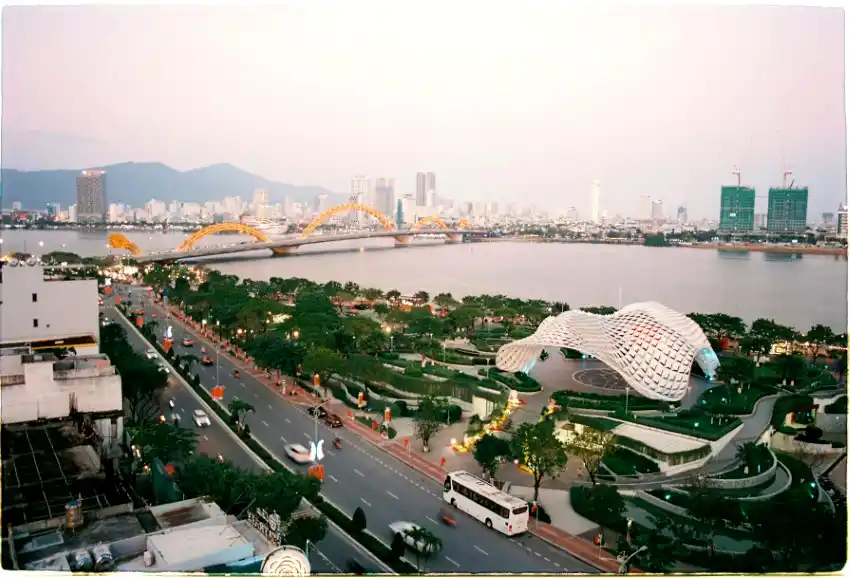
Directly south of My An, Bac My An has a noticeably different energy: wider streets, more breathing room, and a cluster of larger resort properties sitting right on the sand. This is where families and couples gravitate when they want beach convenience without the social buzz of My An immediately outside their window. You are still close enough to walk or take a short Grab ride into the action whenever you want it, but the immediate surroundings are calm enough for a proper lie-in.
Several international chain resorts operate here in the mid-to-upper price range. Booking.com is particularly strong for this stretch, with a lot of the larger resort properties offering free cancellation. If you have children in tow and want a hotel with a proper kids pool and beach staff, this is your neighbourhood.
Once you are settled in, the day trips from Da Nang practically run themselves from here: Hoi An is 30 minutes south by taxi, and the Marble Mountains are almost on your doorstep. Book tours in advance through Get Your Guide or Klook so you are not scrambling at the hotel desk on the morning.
The City Centre:
Hai Chau: The Cultural Heart of the City
Staying in Hai Chau means waking up in a city that has not been polished for tourists. The streets are lined with decades-old shophouses serving legendary bowls of Mi Quang and Bun Cha Ca from before sunrise. Han Market and Con Market are both walking distance. The pink Da Nang Cathedral, the Cham Museum, and the main municipal square are all right here. In the evenings, the Bach Dang riverside promenade fills with locals exercising, eating corn on the cob from mobile carts, and watching the bridges light up. It is an excellent window into how Central Vietnamese people actually live.
Hotels here tend to be better value than the beach districts for the same level of comfort. Budget guesthouses from around 250,000 VND ($10 USD) sit alongside solid mid-range options in the 700,000 to 1,200,000 VND ($29 to $49 USD) range. Search Agoda for the best rates on smaller city-centre properties. You are a Grab ride across the bridge from the beach any time you want it.
Hai Chau is also the best base if your itinerary leans into the main Da Nang sightseeing circuit: the Cham Museum, the Dragon Bridge, and the city’s Buddhist temples are all within easy walking distance or a very short ride.

Han River Waterfront: Iconic Views
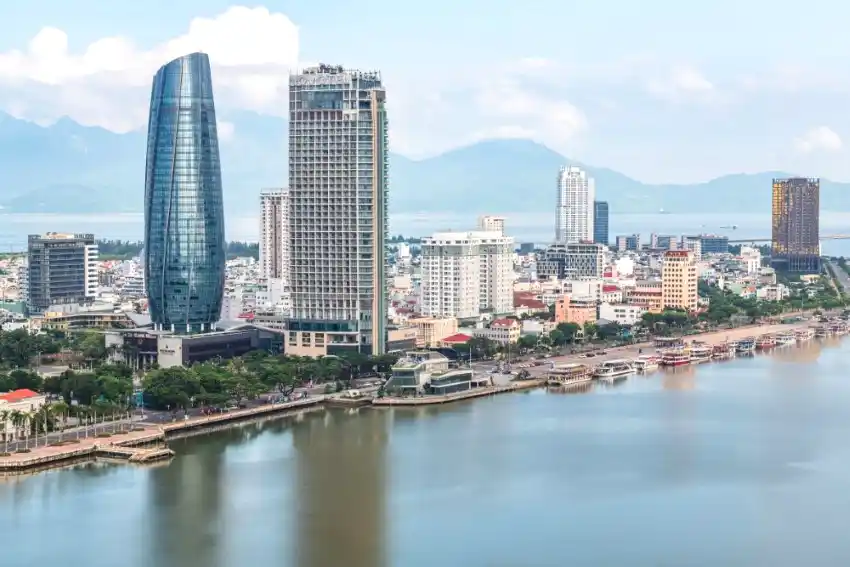
The narrow strip running along the western bank of the Han River is home to Da Nang’s upscale city-centre hotels. The trade here is simple: pay for a river-view room and you get a private front-row seat for the Dragon Bridge fire and water show every Friday, Saturday, and Sunday night at 9:00 PM, without fighting through the crowds that pack the riverside below. Breakfast on a high-floor balcony overlooking the illuminated bridges is a lovely start to a morning in this city.
This strip suits couples and business travellers more than backpackers. Prices reflect the views, typically starting at 1,500,000 VND ($62 USD) and climbing from there at the more established properties. Booking.com is the strongest platform here, with good free-cancellation rates on the riverside properties. For comparison, Agoda often beats it on prepaid rates if you are confident in your dates.
For Luxury Travellers: The Son Tra Peninsula
The Son Tra Peninsula juts into the sea north of the city and is a protected nature reserve. Steep jungle hillsides drop into coral-fringed private coves. The noise and traffic of the city disappear completely. Resorts out here are sparse, high-end, and set up to make you feel like you have discovered a secret stretch of coastline all to yourself.
The rare red-shanked douc langur lives in the forest canopy above some of these properties, meaning wildlife watching is a genuine morning activity rather than a scheduled excursion. The Lady Buddha statue at Linh Ung Pagoda and the peninsula’s panoramic viewpoints are right on your doorstep. You will need a vehicle for city sightseeing, but many guests find they have little reason to leave.
Rates start from around 5,000,000 VND ($206 USD) per night and rise considerably at the top end. For honeymooners, milestone birthdays, or anyone who has simply decided this holiday is worth doing properly, the peninsula delivers completely. If the Son Tra aesthetic appeals but you want more flexibility on price point, the Vietnam luxury travel guide is a good next read for planning the wider trip at this level. Book through Agoda for the best availability on smaller boutique properties out here.

Pro Tips For Stress-Free Travel:
- Connectivity: Grab a local SIM at the airport arrival hall from Viettel or Vietnamobile for around 150,000 VND ($6 USD) with a solid 4G data allowance. For the easiest option, set up an eSIM via Yesim or Airalo before you fly so you land with working data. Full guide to SIM cards and eSIMs in Vietnam over here.
- Travel Insurance: Do not skip it. SafetyWing is the most popular option among long-term travellers and digital nomads in Vietnam. It covers medical, emergency evacuation, and trip interruption at a price that actually makes sense for extended stays.
- Accommodation Booking: Agoda has the widest inventory for Da Nang specifically, including smaller boutique properties that do not always appear elsewhere. Booking.com is the better call when flexible cancellation matters more than the lowest rate.

- Transport: Download Grab and Xanh SM before you land. If you want to compare the two properly before choosing, there is a full Grab vs Xanh SM breakdown on the site. Xanh SM operates electric vehicles and is particularly reliable for airport transfers. Both give you fixed upfront pricing and eliminate any taxi meter uncertainty entirely.
- Airport Transfers: If you want a guaranteed meet-and-greet rather than hunting for a Grab in the arrivals hall, Welcome Pickups offers fixed-price airport transfers with a driver holding a sign for you. Worth it after a long haul.
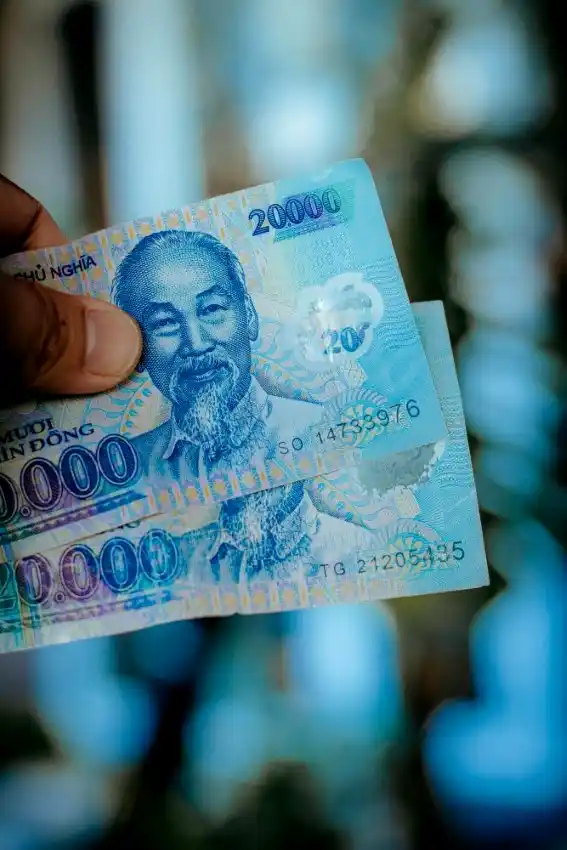
- Cash: Vietnam runs on Vietnamese Dong. Street food stalls, markets, and most local restaurants are cash only. Carry smaller notes: 20,000, 50,000, and 100,000 VND. Watch out at night: the blue 20,000 VND note and the blue 500,000 VND note look deceptively similar in low light. Full guide to Vietnamese currency and cash here.
For Long Stays and Expats:
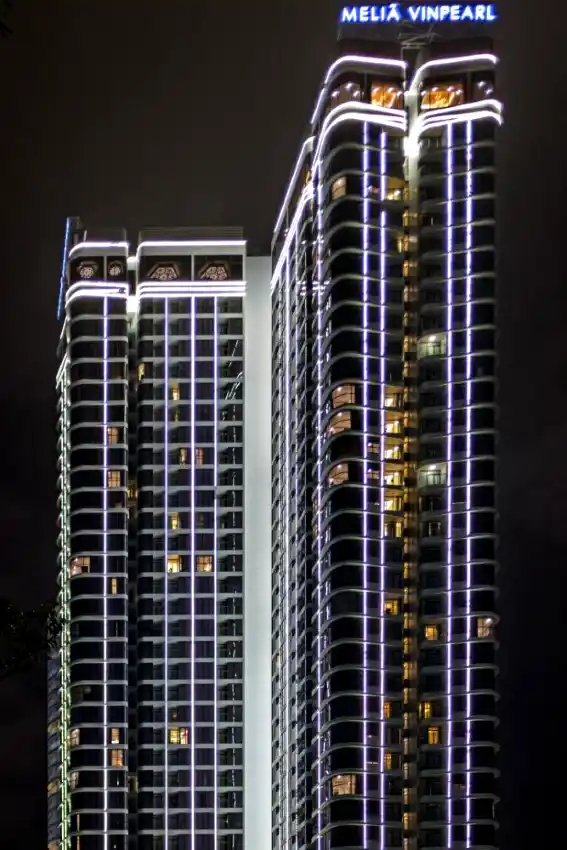
Da Nang has quietly become one of the most liveable mid-size cities in Southeast Asia for people who want to stay longer than a fortnight. The air is clean, the internet is fast, the cost of living is low, and the quality of life is high. The An Thuong area within My An is the social core of the expat and digital nomad community, with dedicated co-working spaces, strong fibre-optic connections, and a critical mass of long-term residents who have already figured out where everything is. The full picture is in the living in Da Nang guide.
Monthly furnished studio apartments typically rent from 7,500,000 to 15,000,000 VND ($309 to $618 USD) depending on location and quality. Sea-view apartments at the upper end of that range would cost five to ten times as much in most comparable coastal cities elsewhere in the world. The city has comprehensive medical facilities, a growing network of international schools, and established services for expats relocating with pets. For a broader breakdown of what life actually costs month to month, the cost of living in Vietnam guide has all the numbers.
If you are looking at renting rather than booking hotels, renting an apartment in Vietnam walks you through how the whole process works as a foreigner, which landlords to trust, and what to watch out for in lease agreements.
Visa Note: Most long-term visitors use the standard 90-day multi-entry e-visa. Those planning to stay beyond that should look into Vietnam visa extensions or check the current options well in advance of arrival, as the rules update periodically. Always verify with official Vietnamese immigration sources for the most current requirements.
Check the latest hotel prices across Da Nang’s best
neighborhoods. From the bustling beachside vibe of
My Khe and upscale Son Tra to the scenic Han
Riverfront. Compare your options and secure
the best deals before you book.
Day Trips Worth Planning From Your Base:
One of the best things about basing yourself in Da Nang is that the surrounding region is extraordinarily rich. Hoi An is just 30 minutes south by taxi or booked transfer, a UNESCO-listed ancient town of lantern-strung streets, tailors, and some of the best food in Central Vietnam. It is easy to do as a day trip but many people end up wishing they had stayed the night. Budget around 350,000 VND ($14 USD) each way by taxi, or book a guided day trip through Get Your Guide or Klook that packages the journey with a proper local guide.
Hue is around two hours north, and the drive over the Hai Van Pass is half the point. The old Imperial capital has royal tombs, a UNESCO citadel, and a street food scene, including bun bo Hue, that arguably rivals Hanoi. You can do it independently on the train or book a day tour. Ba Na Hills, with its dramatic French village perched in the clouds and the famous Golden Bridge held up by giant stone hands, is a full day out and best booked in advance through Klook to skip the queues. The full list of what is worth doing in the region is over on the Da Nang day trips page.
Cultural Etiquette Worth Knowing:

Da Nang is a friendly, easygoing city, but a few habits go a long way. The fuller picture is in the Vietnamese culture and etiquette guide, but here are the ones that come up most in day-to-day Da Nang life.
- Tipping: Not expected at local family-run eateries or street food stalls. Leaving 20,000 to 50,000 VND ($0.80 to $2.00 USD) for spa staff, tour guides, or hotel porters is appreciated and well-received.
- Temples and Pagodas: Cover your shoulders and knees at Linh Ung Pagoda on Son Tra and the shrines inside the Marble Mountains. Remove shoes before entering main sanctuary buildings. These are active places of worship, and locals appreciate the respect. More detail in the temples and pagodas guide.
- Bargaining: Fair game at Han Market and Con Market, always with a smile. State your price calmly, accept a polite refusal gracefully, and walk away without drama if you cannot agree. Avoid aggressive haggling early in the morning; vendors take the first sale of the day seriously.
- Crossing the Road: Step out steadily, keep a slow predictable pace, and the motorbikes will calculate around you. Do not freeze, do not sprint. It feels counterintuitive for about ten minutes and then becomes completely natural.
Frequently Asked Questions:
Is it better to stay by the beach or the river in Da Nang?
Beach stays win for travellers whose holiday is built around swimming, surfing, and a relaxed coastal pace. The My An and Bac My An areas also have the best cafe and restaurant scene for day-to-day living. River and city-centre stays in Hai Chau suit travellers who want authentic local immersion, street food, and easy access to cultural landmarks. Both zones connect quickly via ride-hailing apps, so neither choice locks you out of the other.
What is the cheapest area to stay in Da Nang?
Hai Chau District in the city centre offers the best value for money overall, with clean budget guesthouses from around 250,000 VND ($10 USD) per night. Within the beach areas, My An has the most affordable options, including hostels and small guesthouses from around 300,000 VND ($12 USD). Long-term visitors will find the best monthly apartment rates in the An Thuong area of My An.
How many days should you spend in Da Nang?
Three to four days is enough to cover the main city highlights: My Khe Beach, the Marble Mountains, the Son Tra Peninsula, and the Dragon Bridge fire show. Add a day for a trip to Hoi An and another for Ba Na Hills if you want to see the wider region without rushing. Digital nomads and expats regularly stay for months and still find things to discover.
Can you walk around Da Nang easily?
Individual neighbourhoods are very walkable. My An and Bac My An are particularly pedestrian-friendly for beach access and the local cafe scene. Hai Chau and the Bach Dang riverfront are easy to explore on foot. The key limitation is that the beach and city centre are separated by the Han River, which means crossing a long bridge. A Grab ride between zones costs 40,000 to 70,000 VND ($1.60 to $2.90 USD) and takes about fifteen minutes.
Is Da Nang good for families with young children?
Very much so. Bac My An and the resort stretch of My Khe Beach have calm, shallow water, well-maintained beach facilities, and family-oriented resort hotels with kids pools and activities. The Marble Mountains are manageable for older children. Ba Na Hills is a huge hit with kids of all ages. Traffic is the main thing to stay aware of, particularly at busy road crossings, but the city is far less chaotic than Hanoi or Ho Chi Minh City.
What is the best area of Da Nang for digital nomads?
My An, specifically the An Thuong pocket of the neighbourhood, is the answer without much debate. It has the highest concentration of co-working spaces, the fastest cafe wifi, and a community of long-term remote workers who have already scouted out every practical detail. Monthly apartments in the area run from around 7,500,000 VND ($309 USD) for a decent furnished studio. The beach is a five-minute walk, which does not hurt motivation.
Is Da Nang worth visiting, or should I just go to Hoi An?
Both. Genuinely. Da Nang makes the better base because it has a proper airport, a wider range of accommodation at every price point, and the full coastal lifestyle. Hoi An is more atmospheric and photogenic but also more expensive and more crowded. Most travellers spend three or four nights in Da Nang and do Hoi An as a day trip or an overnight. If you are only choosing one and atmosphere is the priority, Hoi An edges it. If convenience, value, and beach access matter more, Da Nang wins.
How far is the beach from the city centre in Da Nang?
The main beach districts of My An and Bac My An are roughly four to five kilometres from Hai Chau city centre, across the Han River. A Grab ride takes ten to fifteen minutes and costs 40,000 to 70,000 VND ($1.60 to $2.90 USD). It is not walking distance from the city centre, but it is close enough that you can stay on either side and access the other whenever you like without it feeling like a major journey.
When is the best time of year to stay in Da Nang?
February to May is the sweet spot: dry season, warm temperatures in the mid-to-high twenties Celsius, and the sea is calm and clear for swimming. June to August gets hot and humid but is peak beach season. The rainy season runs roughly October to December, with October and November the wettest months and occasional typhoons possible. That said, even in the shoulder months Da Nang is far drier than the north, and prices drop noticeably off-peak.
Do I need a motorbike to get around Da Nang?
No. Grab and Xanh SM cover the entire city reliably and cheaply, and a typical in-city ride costs 30,000 to 80,000 VND ($1.20 to $3.30 USD). A motorbike is worth considering if you want to explore Son Tra Peninsula independently or do the Hai Van Pass at your own pace, but for everyday neighbourhood life and the main tourist circuit, the ride apps are more practical and far less hassle.