Things To Do In Hue Guide
The quiet majesty of Central Vietnam reveals itself completely in the gorgeous imperial city of Hue. While the neon-lit streets of Ho Chi Minh City and the bright high-rises of Da Nang pulse with modern energy, Hue remains a dignified, beautifully preserved sanctuary of heritage, poetry, and culinary mastery.
Sitting peacefully along the banks of the Perfume River, this former capital of the Nguyen Dynasty preserves a storied past within its moss-covered stone walls. Whether you are a backpacker hunting for the best street food, a family wanting a safe and educational cultural trip, or an expat seeking a highly liveable base, Hue will completely capture your heart.
The Quick Summary:
- Recommended Budget: 750,000 VND to 1,500,000 VND ($30 to $60 USD) per day covers lovely mid-range boutique hotels, entry fees to major royal sites, and exceptional local dining. Budget travelers can easily get by on less, while luxury seekers will find world-class options well within reach.
- Entry Requirements: Most travelers use the highly convenient official 90-day e-visa, though select nationalities enjoy visa-free stays ranging from 14 to 45 days. Check your eligibility before you fly!
- Best Time to Visit: January through April is the absolute sweet spot. Central Vietnam has its own weather personality, and Hue’s rainy season runs from September to December, so plan around it if you can.
- Cultural Note: Modest attire covering shoulders and knees is mandatory at temples, pagodas, and royal tomb grounds. Tucking a light scarf into your day bag solves this instantly.

Compare tours and tickets across Hue
and book instantly on your phone.
Klook’s mobile vouchers mean no
printing, no fuss, just turn up and go.
What Are the Best Historic Sites in Hue?
The best historic sites in Hue include the sprawling Imperial Citadel, the towering Thien Mu Pagoda, and the monumental royal tombs of the Nguyen Dynasty emperors scattered along the Perfume River. These remarkably preserved structures offer an unparalleled window into the architectural genius, spiritual foundations, and courtly life of imperial Vietnam between 1802 and 1945. If you only have one city in Vietnam where history genuinely moves you, make it Hue.
The Imperial Citadel
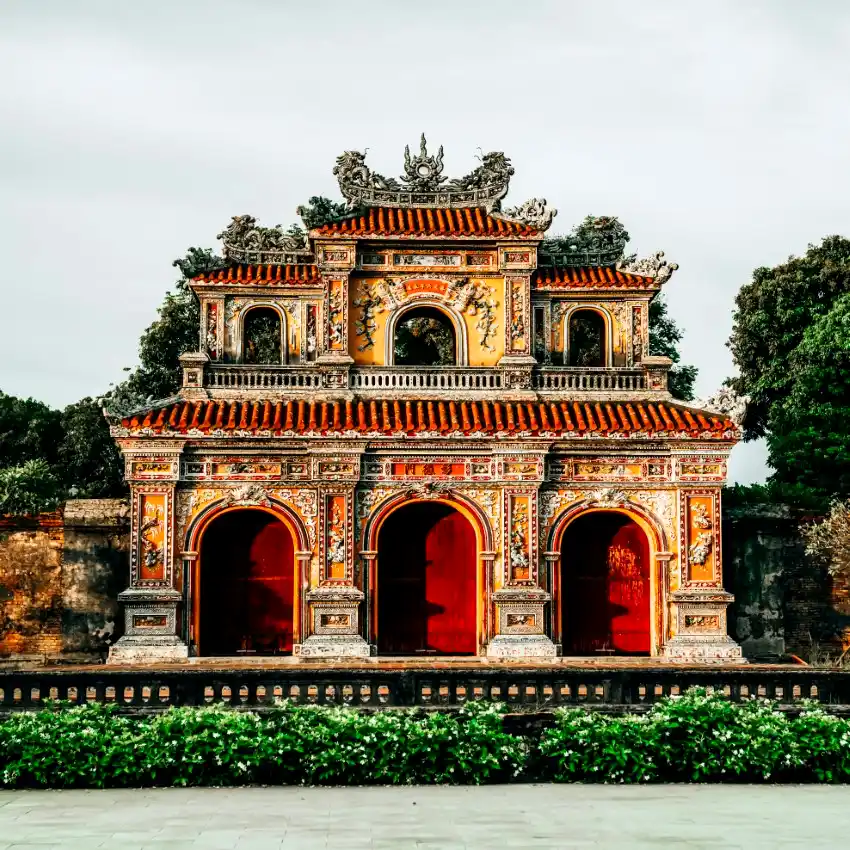
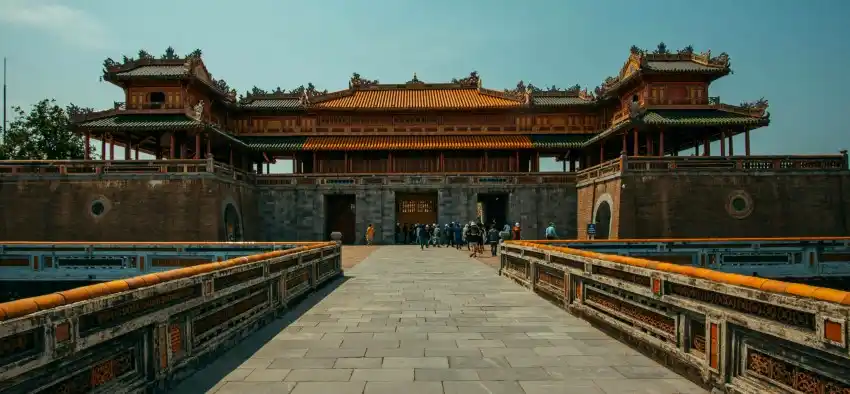
The Imperial Citadel stands proudly as the undisputed centerpiece of Hue. Enclosed by massive earthen walls and a wide moat, this vast complex on 23 Thang 8 Street contains the Imperial City and the Forbidden Purple City within. Walking through the imposing Ngo Mon Gate reveals a beautiful symmetrical grid of ceremonial halls, ornate temples, and peaceful lotus ponds.
Do not miss the restored Hien Lam Cac pavilion or the Thai Hoa Palace, where emperors once received subjects from an elevated golden throne. Set aside at least three hours and seriously consider hiring a friendly licensed guide at the ticket counter. The stories of court intrigue, wartime destruction, and ongoing restoration make every single stone come alive!
The Royal Tombs
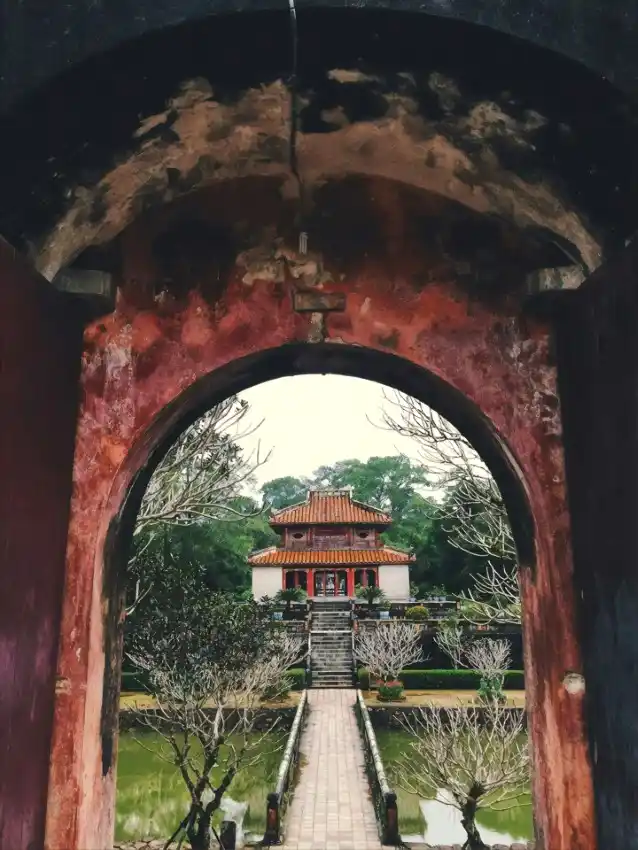
South of the city, the beautiful forested hills along the Perfume River are home to the final resting places of the Nguyen rulers. Each tomb is a deeply personal reflection of the emperor who designed it. The Tomb of Minh Mang integrates classical Chinese-influenced symmetry into serene lakes and pine forests.
The Tomb of Khai Dinh is the dramatic outlier, featuring a bold fusion of European Baroque and Vietnamese aesthetics, with its interior completely smothered in intricate porcelain and glass mosaics. For a quieter, more contemplative visit, the Tomb of Tu Duc served as the emperor’s rustic summer retreat in life and carries that same sense of poetic seclusion today. A three-tomb combo ticket makes a full day of it excellent value.
Thien Mu Pagoda
Perched perfectly on a hill overlooking a sweeping bend of the Perfume River, Thien Mu Pagoda is an iconic symbol of the city. Built in 1601, this active monastery features the striking seven-story Phuoc Duyen Tower visible from the water.
The grounds hold beautifully manicured bonsai gardens and the historic Austin car once driven by Thich Quang Duc, the brave monk who self-immolated in Saigon in 1963. Arriving by boat in the late afternoon, just as the evening chants begin and the sun drops over the river, is one of those incredible travel moments that stays with you long after you have left.

GetYourGuide has Hue’s best
excursions covered: museums, tours,
and unique experiences with verified
operators and instant mobile vouchers.
Top Things To Do in Hue: At a Glance
Whether you have two days or two weeks, Hue rewards at every pace and every budget. Here is a quick reference table to help plan your time well.
| Activity | Cost (VND / USD) | Time Needed |
|---|---|---|
| Imperial Citadel Admission | 200,000 VND ($8.00 USD) | 3 to 4 hours |
| Three-Tomb Combo Ticket | 420,000 VND ($16.80 USD) | Full day |
| Perfume River Dragon Boat Ride | 150,000 VND ($6.00 USD) | 1.5 hours |
| Dong Ba Market Food Tour | 250,000 VND ($10.00 USD) | 2 hours |
| Hai Van Pass Scenic Drive | From 100,000 VND ($4.00 USD) | Half day |
| Bach Ma National Park Trip | From 60,000 VND entry ($2.40 USD) | Full day |
Use the interactive map below to explore lovely accommodation options located right next to these stunning heritage sites!
Where to Find the Best Hue Street Food
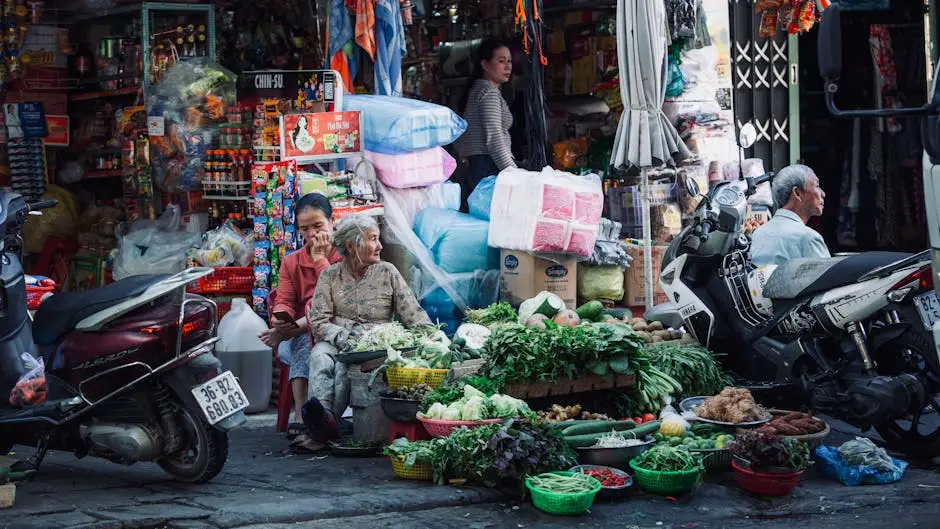
The best Hue street food is found at the bustling stalls within Dong Ba Market, along the food stretches of Chi Lang Street, and tucked inside the quiet residential alleys of the Phu Nhuan District. Hue cuisine is uniquely defined by its imperial heritage. You will find small, meticulously prepared portions that elevate humble ingredients like rice, tapioca, and freshwater shellfish into fiery, complex flavor profiles. This is not the sweet, crowd-pleasing food of the South. It is assertive, layered, and absolutely incredible.
Royal Dumplings and Rice Dishes
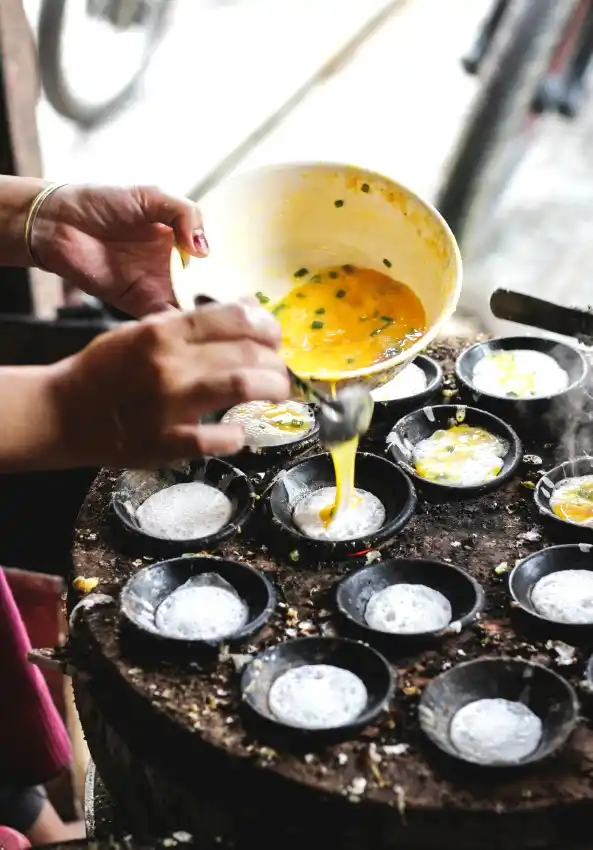
Hue’s dumpling culture is something truly special. Seek out a local spot serving Banh Beo (steamed rice cakes topped with dried shrimp and crispy pork skin), Banh Loc (silky translucent tapioca dumplings filled with shrimp and pork), and Banh Nam (flat, savory rice dumplings steamed in banana leaves).
These are imperial-era appetizers designed to be tasted in small, deliberate bites. For a heartier meal, Com Hen (baby clam rice) served over vermicelli with a fiery broth on the side is a local institution you simply will not find done better anywhere else in Vietnam.
Bun Bo Hue: The Legendary Soup
Bun Bo Hue is the legendary local beef noodle soup, and it is most certainly not Pho! The broth is infused with lemongrass, fermented shrimp paste, and a serious kick of chili oil, giving it a depth and heat that Pho simply does not have. The best bowl in town is widely agreed to be at Quan Bun Bo Hue Ba Phung on Nguyen Du Street.
You will be seated at a plastic stool next to office workers and grandmothers, paying around 45,000 VND ($1.80 USD) for something that will linger in your memory for years. This is the meal Hue is most proud of.

Compare hotel prices across Hue’s best
neighbourhoods and book with confidence.
Filter by budget, location, or guest score
to find the right stay for your trip.
Getting Around & Practical Tips
Transport Options
Hue’s traffic is significantly calmer than Hanoi or Ho Chi Minh City, which makes it genuinely pleasant to navigate even for first-time visitors. The city center is highly walkable, particularly along the wonderful pedestrian paths running parallel to the Perfume River.
- Ride-Hailing Apps: Download Xanh SM, Grab, or Be before you arrive. Transparent pricing and clean vehicles make these the smart choice for trips out to the tombs.
- Cyclo Rides: For a leisurely circuit around the Citadel walls, a cyclo is a genuinely lovely way to see the city. Just agree on the total price before you sit down.
- Dragon Boat: Taking a traditional wooden boat down the Perfume River is the most atmospheric option available for visiting Thien Mu Pagoda.
Hue for Slow Travelers and Expats
Not everyone passing through Hue is on a fast two-week sprint. For slow travelers, digital nomads, and expats looking for a base that is both affordable and genuinely liveable, Hue is quietly one of the best-kept secrets in Southeast Asia! The relaxed pace of life, low cost of living, and proximity to nature make it highly attractive.
Many remote workers use the 90-day e-visa to settle into the emerging cafe culture along Pham Ngu Lao Street or commute easily to the larger nomad scene in Da Nang, just a scenic train ride away. For families, Hue offers a calm, safe environment with excellent local healthcare and a food scene that will keep even adventurous young eaters thoroughly happy.
A Note for Nervous Travelers
Hue consistently ranks as one of the safest and most tranquil urban environments in Southeast Asia. Violent crime is exceptionally rare, and the local population practices a gentle, respectful brand of hospitality deeply rooted in Buddhism. Street scams are minimal compared to larger cities.
Food safety is straightforward: just choose busy stalls with high customer turnover where everything is cooked fresh in front of you. The slower-moving traffic makes crossing streets far less stressful, and the general atmosphere here is calm and welcoming. First-time solo travelers, families with children, and older visitors all tend to find Hue one of the most comfortable cities in Vietnam to explore.

Pro Tips for Stress-Free Travel
- Cash is Essential: The Vietnamese Dong is king for street food, market stalls, and cyclo rides. Carry small bills (10,000, 20,000, and 50,000 VND), as small vendors struggle to break large notes.
- Connectivity: Pick up a local eSIM via Yesim or grab a physical Viettel SIM at the airport for instant data. Use Nord VPN to keep your details secure on public Wi-Fi.
- Accommodation Booking: Use Booking.com or Agoda for gorgeous heritage boutique hotels along the Perfume River. Hue has wonderful options at every price point!
- Day Trips and Activities: Book organized excursions to the DMZ, Bach Ma National Park, or the Hai Van Pass through Klook or Get Your Guide. These platforms offer competitive pricing and excellent English-speaking guides.

Maps, Grab, translation apps, all need
data in Hue. Yesim’s eSIM installs
in a minute and gives you reliable 5G
from the moment you arrive.
Frequently Asked Questions:
How many days do you need in Hue?
Two to three days is the sweet spot for most travelers. That gives you time to thoroughly explore the Imperial Citadel, visit the top three royal tombs, enjoy a boat cruise along the Perfume River, and work through a serious amount of the local food menu without feeling rushed. If you are a history lover or slow traveler, you could happily stretch it to five days or more.
What is the best month to visit Hue?
January through April is the prime window. The weather is pleasantly cool and dry during these months, making long days exploring the citadel and tombs thoroughly enjoyable. Avoid October and November if possible, as Hue receives some of the heaviest rainfall in Vietnam during its peak rainy season.
Is Hue better than Hoi An?
Neither city is better, as they simply offer different things! Hue delivers grand imperial history, complex local cuisine, and a slower, more contemplative atmosphere. Hoi An offers a compact, photogenic trading-port charm, tailoring, lanterns, and beach access. Most travelers visiting Central Vietnam include both, and the two cities are just 120km apart.
Is Hue safe for solo travelers and families?
Yes, very much so. Hue is consistently rated one of the safest cities in Vietnam. Violent crime is rare, the traffic is calmer than most Vietnamese cities, and locals are genuinely hospitable. Standard common-sense precautions around bag security in busy markets apply, but first-time visitors, solo travelers, and families with young children all tend to feel at ease here quickly.
What is the food in Hue famous for?
Hue is widely considered Vietnam’s culinary capital, particularly for its royal cuisine tradition. The city is famous for Bun Bo Hue (spicy lemongrass beef noodle soup), a family of delicate steamed dumplings including Banh Beo, Banh Loc, and Banh Nam, the crispy pancake Banh Khoai, and Com Hen, a fiery baby clam rice dish. The flavors are bolder and spicier than most Vietnamese regional cuisines.
Can I do a day trip to Hue from Da Nang or Hoi An?
Yes, though it is a long day. Hue is roughly 100km north of Da Nang, accessible by train (the scenic Hai Van Pass route is spectacular), bus, or private car in around 2 to 3 hours. Many travelers combine both cities on an organized tour. That said, staying at least one night in Hue lets you properly explore it at a comfortable pace rather than rushing between highlights.
Do I need to book the Imperial Citadel and tombs in advance?
No advance booking is required. Tickets are available at the entrance gates. The Imperial Citadel ticket costs 200,000 VND ($8.00 USD) and a three-tomb combo ticket runs 420,000 VND ($16.80 USD). Arriving early in the morning on weekdays means thinner crowds at the Citadel, which enhances the experience significantly.
What should I wear when visiting Hue’s temples and tombs?
Clothing that covers your shoulders and knees is mandatory at all temples, pagodas, and royal tomb sites. This applies to all genders. Lightweight cotton trousers and a loose shirt are ideal in the Central Vietnam heat, and a scarf tucked in your bag solves any last-minute coverage issues at sites you weren’t planning to enter.
Is Hue a good base for expats and digital nomads?
Genuinely yes. Hue offers a high quality of life at a low cost, a welcoming local community, excellent local food, and a calm environment that suits focused work and cultural immersion equally well. The 90-day e-visa makes medium-term stays straightforward, and Da Nang’s larger digital nomad infrastructure is just a scenic train ride away over the Hai Van Pass.
What are the best souvenirs to buy in Hue?
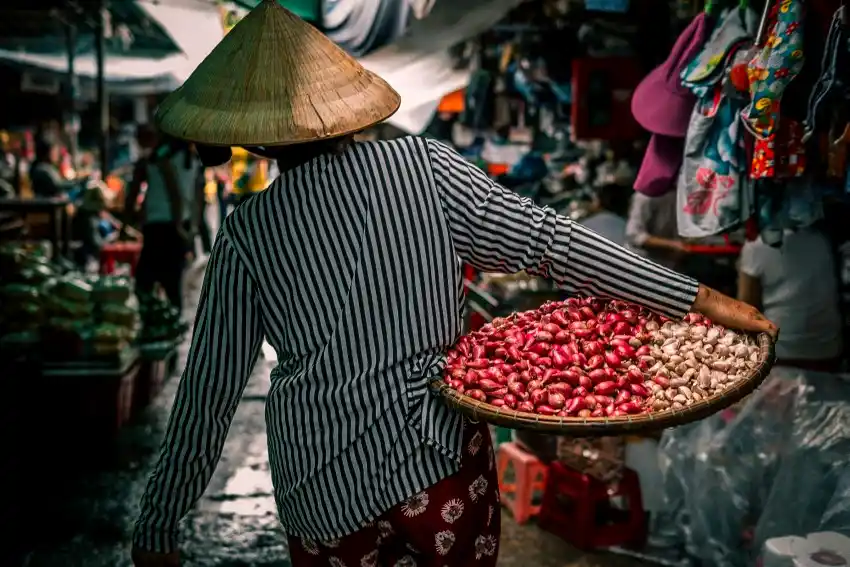
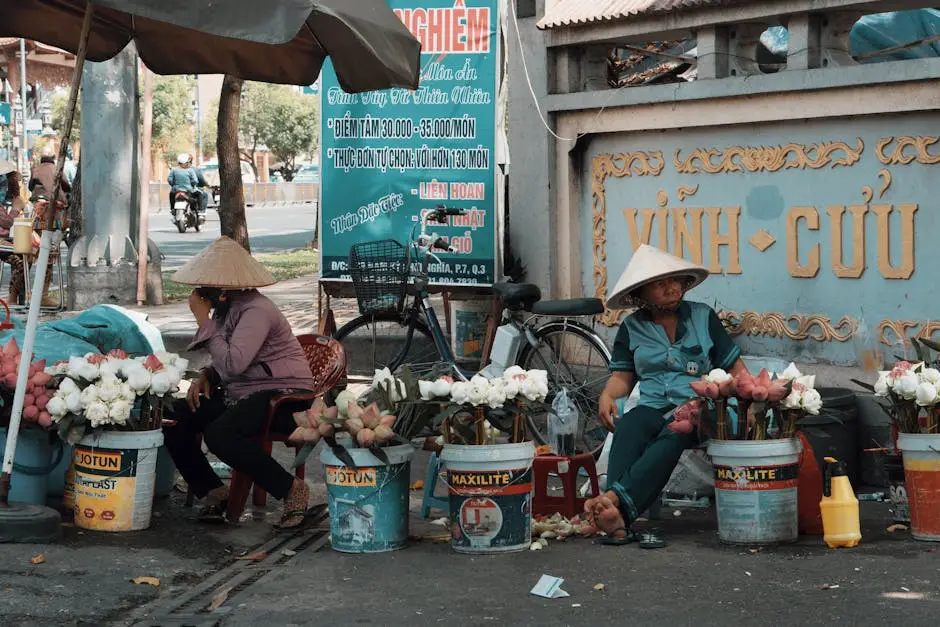
Hue’s craft tradition is rich and distinctive. Look for conical Non La hats made by local artisans, hand-painted Hue ceramics, embroidered silk items, and locally produced incense sticks. For edible gifts, Hue’s famous sesame seed candy and local dried lotus seeds travel well and make wonderfully authentic presents.